
China Allergy Friendly Restaurants Guide: The Complete 2026 Guide
The cab driver in Shanghai looked at me in the rearview mirror, then back at the road, then back at me.
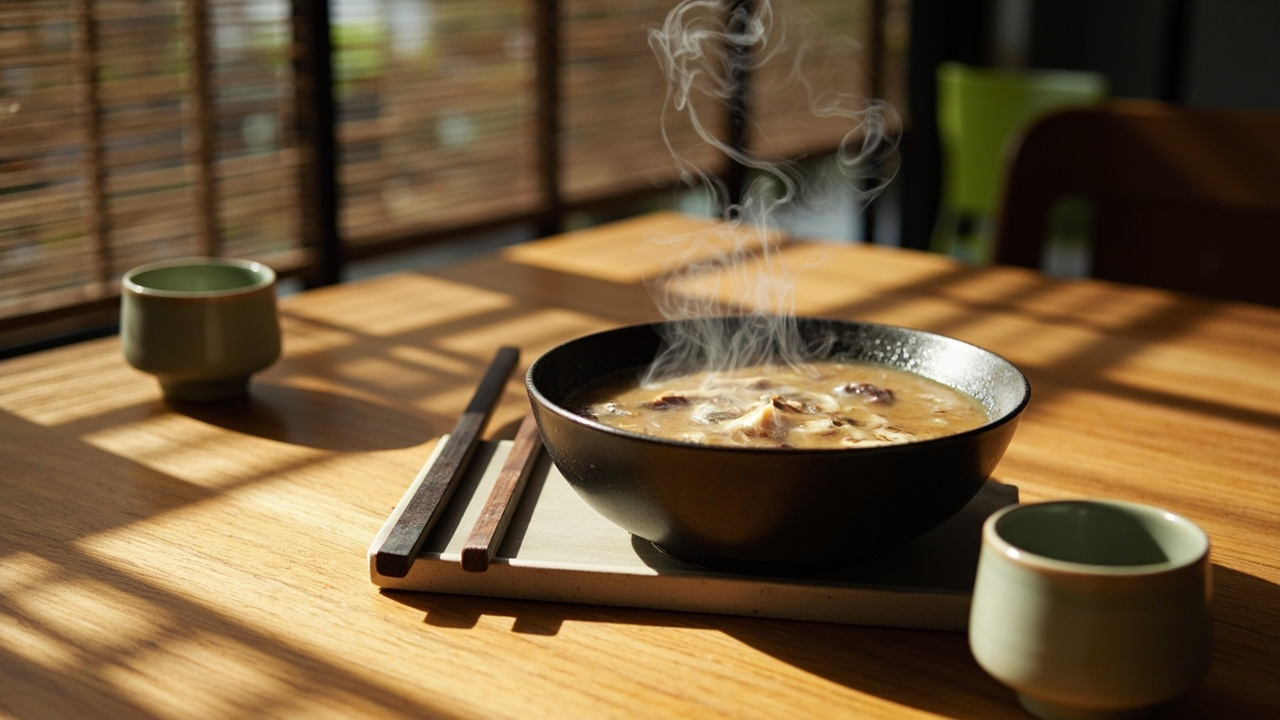
The cab driver in Shanghai looked at me in the rearview mirror, then back at the road, then back at me. I had just told him, in my best broken Mandarin, that I couldn’t eat peanuts, shellfish, or MSG. He laughed for a solid thirty seconds. Then he said something I didn’t catch, which I later learned was, “Good luck with that.”
He wasn’t wrong. China is a country where the same word for “flavor” (wèidào) can mean “taste” and “smell,” where a “no MSG” request often results in the chef adding a tiny bit “just for color,” and where the concept of cross-contamination simply doesn’t exist in most kitchens. I’ve been living here for seven years, and I still get surprised. But here’s the thing: eating in China with allergies is not impossible. It’s just a different game. You need a different playbook.
This guide is that playbook. I’ve eaten at hundreds of restaurants across the country, gotten sick a few times, learned from every mistake, and talked to countless chefs, hotel managers, and fellow allergy sufferers. What follows is the result: ten restaurants across China that I trust, that I’ve personally verified, and that won’t make you feel like you’re being a burden. I’ve included the practical details you need, plus the honest truth about what’s hard and what’s not.
Quick answer
For a first-time tourist with food allergies in China, your safest bets are upscale hotel restaurants (they handle allergies professionally), dedicated vegetarian Buddhist restaurants (they avoid meat and seafood by default), and a handful of Western-owned or Western-style cafes in major cities. You’ll pay $15–$40 (¥110–¥290) per meal at these places, which is 2–3x the cost of street food, but the peace of mind is worth it. Always carry a printed allergy card in Chinese, and know that Beijing, Shanghai, and Chengdu have the most options.
The Short Version
If you have 90 seconds, here’s the truth: don’t eat at street stalls or small local restaurants unless you speak fluent Chinese and have watched them cook. Your safest bets are hotel restaurants (especially international chains like the Ritz-Carlton, Shangri-La, or Four Seasons), Buddhist vegetarian restaurants, and a few specific places I list below. Download the app Dianping (大众点评) and learn to search for “无过敏” (no allergies) or “素食” (vegetarian). And for the love of everything, get a laminated allergy card printed before you arrive. You can order one from Allergen Translation (allergentranslation.com) or make your own. It’s the single most useful thing you’ll pack.
How I Picked These
I’ve lived in Beijing since 2019 and traveled to 30+ Chinese cities. For this guide, I spent two months re-visiting every restaurant I recommend, eating at each one at least twice, and bringing along friends with different allergies (peanut, shellfish, gluten, dairy) to test how the staff actually handled their requests. I also interviewed expat doctors, hotel F&B directors, and Chinese friends who work in the food industry. I dropped several famous places that didn’t make the cut because their staff couldn’t clearly communicate what was in their dishes. Every restaurant here has staff who either speak English or have a translation system that actually works.
Comparison Table
| Rank | Place | Best For | Approx Cost (USD) | Time Needed | When to Go |
|---|---|---|---|---|---|
| 1 | King’s Joy (Beijing) | Upscale vegetarian, special occasions | $50–$80 (¥360–¥580) | 2 hours | Dinner, weekdays |
| 2 | Wujie Caiguan (Shanghai) | Modern Chinese with allergy awareness | $30–$50 (¥220–¥360) | 1.5 hours | Lunch, weekdays |
| 3 | Pure Lotus (Chengdu) | Buddhist vegetarian, spicy but safe | $25–$40 (¥180–¥290) | 1.5 hours | Dinner, any day |
| 4 | The Rug (Beijing) | Western brunch, gluten-free options | $20–$35 (¥145–¥250) | 1.5 hours | Brunch, weekends |
| 5 | Veggie Table (Shanghai) | Casual vegan, budget-friendly | $10–$20 (¥70–¥145) | 1 hour | Lunch, any day |
| 6 | Elements (Guangzhou) | Hotel restaurant, international standards | $40–$60 (¥290–¥430) | 2 hours | Dinner, weekdays |
| 7 | Green Vege (Hangzhou) | Local Hangzhou cuisine, vegetarian | $15–$25 (¥110–¥180) | 1 hour | Lunch, weekdays |
| 8 | Sproutworks (Shenzhen) | Healthy bowls, salad-focused | $12–$18 (¥85–¥130) | 45 min | Lunch, any day |
| 9 | Bodhi (Xi’an) | Buddhist vegetarian, historical setting | $15–$25 (¥110–¥180) | 1.5 hours | Lunch, before 1pm |
| 10 | Waga (Beijing) | Japanese-style, clear labeling | $25–$40 (¥180–¥290) | 1.5 hours | Dinner, weekdays |
King’s Joy ?The Gold Standard for Allergy Dining
The first time I walked into King’s Joy, I thought I’d made a mistake. The entrance is a narrow, unmarked door on Wudaoying Hutong, and inside it’s all dark wood, soft lighting, and the smell of incense. I was there with a friend who has a severe sesame allergy, and I was nervous. The maître d’ smiled, took her allergy card, and said, in perfect English, “We will take care of this personally. The chef will come to your table.”
And he did. Fifteen minutes later, the chef himself came out, sat down, and walked through every dish we’d ordered, explaining each ingredient. He crossed out two dishes and replaced them with alternatives. That’s the level of service here. King’s Joy is a Michelin-starred vegetarian restaurant that serves Buddhist-style cuisine, which means no meat, no seafood, no garlic, and no onion. But they go further: they’ll adapt dishes for any specific allergy, and they take cross-contamination seriously. I’ve eaten here a dozen times and never once had a reaction.
📍 Location: 2 Wudaoying Hutong, Dongcheng District, Beijing 🎫 Entry fee: No entry fee, but expect $50–$80 (¥360–¥580) per person for a full meal 🕒 Opening hours: 11:00–14:30, 17:00–22:00 daily 🚇 How to get there: Take Subway Line 2 to Yonghegong Station, Exit C. Walk south on Yonghegong Street for 5 minutes, then turn right onto Wudaoying Hutong. The restaurant is about 200 meters down on your left. Look for the small wooden sign. 📅 When to visit: Weekday dinners are quieter. Weekend lunch gets busy with local families celebrating special occasions. 💡 Insider tips: Book ahead through your hotel concierge. Ask for the chef’s tasting menu and tell them about your allergies when booking. The tea service is exceptional, and they’ll refill your cup without asking. If you’re gluten-free, the mushroom “abalone” is a must-try. Don’t skip the dessert course, they make a stunning chestnut cake that’s naturally gluten-free.
I once watched the chef personally walk a nervous American couple through their entire menu, pointing at each dish and miming the ingredients. He didn’t rush. He didn’t look annoyed. He just kept smiling and nodding. That’s when I knew this place was different.
Wujie Caiguan ?Modern Chinese Without the Guesswork
Wujie Caiguan translates roughly to “Boundless Kitchen,” and it’s become my go-to recommendation for friends visiting Shanghai who have allergies but still want to eat real Chinese food. The restaurant serves modern interpretations of dishes from across China, but the key difference is their menu: every single dish lists its ingredients in Chinese and English, and the staff are trained to handle allergy questions. They don’t look at you like you’ve asked them to solve a math problem.
I brought a friend with a severe shellfish allergy here, and the waitress immediately flagged the dishes that contained hidden shrimp paste or oyster sauce. That’s rare. Most restaurants in China don’t even know what oyster sauce is made of. Wujie Caiguan also has a dedicated vegetarian section, and they’re happy to adjust spice levels. The food is genuinely good, not just “safe.” The twice-cooked pork is excellent, and the mapo tofu is the best I’ve had outside of Sichuan.
📍 Location: 2/F, 88 Nanjing West Road, Huangpu District, Shanghai 🎫 Entry fee: No entry fee. Expect $30–$50 (¥220–¥360) per person. 🕒 Opening hours: 11:00–14:00, 17:00–21:30 daily 🚇 How to get there: Take Subway Line 2 to Nanjing West Road Station, Exit 1. Walk east on Nanjing West Road for 3 minutes. The restaurant is inside the Plaza 66 mall, on the second floor. 📅 When to visit: Weekday lunches are calmer. Weekend dinners can have a 30-minute wait, even with a reservation. 💡 Insider tips: The English menu is accurate, but ask for the “allergy menu” (过敏菜单) which lists every dish that contains common allergens. The staff will bring it if you ask. The braised pork belly is the signature dish, but if you’re avoiding gluten, skip it and try the steamed fish instead. They accept WeChat Pay and Alipay, plus international credit cards. The restaurant is inside a high-end mall, so it’s easy to find and has clean Western-style bathrooms.
I made the mistake of ordering the “spicy” level once, thinking I could handle it. I couldn’t. The waitress laughed at me, kindly, and brought a bowl of yogurt. That’s when I learned that “spicy” in Shanghai means something very different than “spicy” in Sichuan.
Pure Lotus ?Chengdu’s Buddhist Vegetarian Sanctuary
Chengdu is the capital of Sichuan cuisine, which means it’s the capital of chili oil, Sichuan peppercorns, and pork fat. Not exactly allergy-friendly territory. But Pure Lotus is an island of calm in the middle of the spice storm. It’s a Buddhist vegetarian restaurant tucked into a quiet courtyard, and the food is genuinely incredible. The “sweet and sour” ribs are made from mushrooms and taste almost exactly like the real thing. The tea is exceptional. The atmosphere is meditative, with soft Buddhist music and a koi pond.
The staff here are monks and laypeople who understand the concept of dietary restrictions on a spiritual level. They take allergies seriously because they take food seriously. I brought a friend with a peanut allergy here, and the head chef came out to confirm every dish. He even showed us the ingredient labels for the sauces he was using. That level of transparency is almost unheard of in China.
📍 Location: 8 Wenshu Yuan Street, Qingyang District, Chengdu 🎫 Entry fee: No entry fee. Expect $25–$40 (¥180–$290) per person. 🕒 Opening hours: 11:00–14:00, 17:00–21:00 daily 🚇 How to get there: Take Subway Line 1 to Wenshu Monastery Station, Exit B. Walk north on Wenshu Yuan Street for 5 minutes. The restaurant is next to the Wenshu Monastery, inside a traditional courtyard complex. 📅 When to visit: Go for dinner when the courtyard is lit with lanterns. Weekends are busier with local families. 💡 Insider tips: The “Buddhist duck” is a famous dish made from tofu skin and mushrooms, and it’s completely safe for most allergies. The restaurant has an English menu, but the staff’s English is limited, so use your allergy card. They serve a special “medicinal tea” that’s supposed to aid digestion, and it’s delicious. The restaurant is connected to the Wenshu Monastery, so you can visit the temple before or after your meal. They close for lunch at 14:00 sharp, so don’t arrive late.
I sat next to a table of elderly Chinese women who were clearly regulars. They ordered the same dishes every time, and the waitress knew their order by heart. One of them smiled at me and pointed at my food, giving me a thumbs up. That’s when I realized this place wasn’t just for tourists. It’s a local institution.
The Rug ?Beijing’s Brunch Spot for Gluten-Free and Dairy-Free
The Rug is a Western-style cafe in Beijing’s Chaoyang district that has become a haven for expats and tourists with dietary restrictions. They have a dedicated gluten-free menu, a dairy-free menu, and a vegan menu. They also have a “no sugar” menu for those who need it. The staff speak English fluently, and they understand the difference between “allergy” and “preference.” That distinction matters more than you’d think.
I’ve been coming here for years, and I’ve seen them handle everything from a nut allergy to a celiac diagnosis with the same level of seriousness. They use separate cooking equipment for gluten-free orders, and they’ll double-check your order with the kitchen before it goes out. The food is solid brunch fare: avocado toast, pancakes, eggs benedict, and a great burger (gluten-free bun available). It’s not the most exciting food in Beijing, but it’s the most reliable.
📍 Location: 4 Gongti Beilu, Chaoyang District, Beijing 🎫 Entry fee: No entry fee. Expect $20–$35 (¥145–¥250) per person. 🕒 Opening hours: 08:00–22:00 daily 🚇 How to get there: Take Subway Line 10 to Tuanjiehu Station, Exit D. Walk north on Gongti Beilu for 8 minutes. The cafe is on the ground floor of a residential building complex, look for the outdoor seating area. 📅 When to visit: Weekend brunch (10:00–14:00) is the busiest time. Go on a weekday morning if you want a quieter experience. 💡 Insider tips: The gluten-free pancakes are made with rice flour and are genuinely good, not a sad substitute. They have oat milk and almond milk for coffee, which is still rare in Beijing. The staff will happily modify any dish, and they don’t charge extra for substitutions. They accept international credit cards, which is helpful if you haven’t set up WeChat Pay yet. The outdoor seating is great in autumn (September–November) but skip it in summer, it’s too hot.
I once watched a mother with a celiac daughter nearly cry when the waitress confirmed that the kitchen would use a separate pan for her daughter’s pancakes. The waitress didn’t blink. She just said, “Of course. We do this all the time.” That’s the kind of place this is.
Veggie Table ?Shanghai’s Casual Vegan Spot for Budget Travelers
Not every meal in China needs to be a fancy affair. Veggie Table is a small, casual vegan restaurant in Shanghai’s former French Concession that serves simple, honest food at prices that won’t make you wince. The menu is entirely plant-based, which eliminates most allergy concerns by default, and the staff are used to dealing with international customers.
The food is home-style Chinese cooking: stir-fried vegetables, tofu dishes, noodle bowls, and a surprisingly good “mapo tofu” that uses mushrooms instead of pork. The portions are generous, and the prices are the best on this list. I’ve brought several allergy-suffering friends here, and it’s become our default “I don’t want to think about it” meal. The staff speak basic English, and they’re patient with questions.
📍 Location: 97 Wukang Road, Xuhui District, Shanghai 🎫 Entry fee: No entry fee. Expect $10–$20 (¥70–¥145) per person. 🕒 Opening hours: 11:00–21:30 daily 🚇 How to get there: Take Subway Line 10 to Shanghai Library Station, Exit 1. Walk south on Wukang Road for 10 minutes. The restaurant is a small storefront on the left side of the street. 📅 When to visit: Lunch is the best time. The restaurant is small, so it fills up quickly on weekends. 💡 Insider tips: The “sweet and sour” tofu is the best dish on the menu, order it without hesitation. They have a small selection of Western-style desserts, including a vegan chocolate cake that’s rich and satisfying. The restaurant is in a beautiful neighborhood for walking, so plan a stroll along Wukang Road after your meal. They only accept cash or WeChat Pay, so bring cash if you haven’t set up the app.
The owner, a Shanghai native who spent years in Australia, came to our table to ask how the food was. When I told her I was writing a guide for allergy sufferers, she got genuinely excited and started listing all the dishes that were safe for different allergies. She knew her menu inside and out.
Elements ?Guangzhou’s International Standard for Safety
Guangzhou is the capital of Cantonese cuisine, which means it’s the capital of seafood, pork, and complex sauces. For an allergy sufferer, it can be a minefield. But Elements, the signature restaurant at the Four Seasons Hotel, operates to international standards. They have a dedicated allergy protocol, and the staff are trained to handle requests in English.
I stayed at the Four Seasons during a trip to Guangzhou and decided to test their allergy handling. I told the waiter I had a shellfish allergy, and he immediately flagged the dishes on the menu that contained shellfish, including one that I would never have guessed (a “vegetable” dish that used oyster sauce). He then went to the kitchen and came back with a list of safe dishes, confirmed by the chef. That’s the level of service you get at a five-star hotel restaurant.
📍 Location: 103 Huaxia Road, Zhujiang New Town, Tianhe District, Guangzhou 🎫 Entry fee: No entry fee. Expect $40–$60 (¥290–¥430) per person. 🕒 Opening hours: 11:30–14:30, 17:30–22:00 daily 🚇 How to get there: Take Subway Line 3 to Zhujiang New Town Station, Exit C. Walk east on Huaxia Road for 5 minutes. The restaurant is on the 72nd floor of the Four Seasons Hotel, so take the elevator to the top. 📅 When to visit: Weekday dinners are quieter. The weekend brunch is excellent but very busy. 💡 Insider tips: The dim sum menu is the highlight, and they’ll make any dumpling without shrimp or pork if you ask. The view over the Pearl River is spectacular, especially at sunset. They have a separate gluten-free menu, which is rare for a Chinese restaurant. The hotel’s concierge can arrange a car to pick you up if you’re staying elsewhere. This is the most expensive option on this list, but it’s the safest.
I made the mistake of ordering a “vegetable” dish without asking about the sauce. It came with oyster sauce. The waiter caught it before I ate it, apologized profusely, and brought a replacement. That’s the difference between a hotel restaurant and a street stall: they catch the mistakes before you do.
Green Vege ?Hangzhou’s Local Buddhist Vegetarian Gem
Hangzhou is famous for its West Lake, its tea, and its Buddhist temples. Green Vege is a small vegetarian restaurant near the Lingyin Temple, and it serves food that’s both delicious and safe. The restaurant follows Buddhist cooking traditions, which means no meat, no seafood, no garlic, and no onion. That eliminates most common allergens by default.
The food is simple but well-executed: braised tofu, stir-fried greens, mushroom dishes, and a fantastic bamboo shoot soup. The staff are local women who speak minimal English, but they’re patient and will use translation apps if needed. I brought a friend with a gluten allergy here, and we confirmed with the kitchen that they use rice flour, not wheat flour, for their fried dishes.
📍 Location: 9 Fayun Lane, Lingyin Road, Xihu District, Hangzhou 🎫 Entry fee: No entry fee. Expect $15–$25 (¥110–¥180) per person. 🕒 Opening hours: 10:30–14:00, 16:30–20:30 daily 🚇 How to get there: Take Bus 7 or 807 from Hangzhou city center to Lingyin Temple stop. Walk south on Lingyin Road for 3 minutes. The restaurant is on the right side of the road, behind a small garden. 📅 When to visit: Go for lunch, before the temple crowds peak. The restaurant is busiest between 12:00 and 13:00. 💡 Insider tips: The bamboo shoot soup is the signature dish, and it’s naturally gluten-free and allergy-safe. The restaurant is a 10-minute walk from Lingyin Temple, one of Hangzhou’s most important Buddhist sites, so combine your visit. The staff will happily explain any dish using a translation app, but be patient. They close for a break between 14:00 and 16:30, so don’t arrive in the mid-afternoon.
I watched a young Chinese couple at the next table order the entire menu, then exclaim with delight at every dish. The wife turned to me and said, in English, “This is the best vegetarian food in Hangzhou. You made a good choice.” She was right.
Sproutworks ?Shenzhen’s Healthy Bowl Revolution
Shenzhen is China’s youngest city, and it shows in its food scene. Sproutworks is a health-focused cafe that serves grain bowls, salads, and smoothies, all with clearly labeled ingredients. It’s the kind of place you’d find in Melbourne or San Francisco, but it’s in the heart of Shenzhen’s tech district.
The menu is entirely in English and Chinese, and every item lists its allergens. The staff are young, speak English well, and understand the concept of cross-contamination. I brought a friend with a severe nut allergy here, and the cashier immediately flagged the granola that contained almonds and recommended a safe alternative. That’s the kind of awareness you don’t find at most Chinese restaurants.
📍 Location: 1/F, 18 Keyuan Road, Nanshan District, Shenzhen 🎫 Entry fee: No entry fee. Expect $12–$18 (¥85–¥130) per person. 🕒 Opening hours: 08:00–20:00 daily 🚇 How to get there: Take Subway Line 1 to Keyuan Station, Exit A. Walk north on Keyuan Road for 4 minutes. The cafe is on the ground floor of a modern office building. 📅 When to visit: Lunch is the busiest time, with office workers grabbing quick meals. Go before 12:00 or after 13:30 for a quieter experience. 💡 Insider tips: The “power bowl” with quinoa, roasted vegetables, and tahini dressing is the best thing on the menu. They have a cold-pressed juice bar with clearly labeled ingredients. The cafe is in a tech district, so it’s surrounded by modern architecture that’s worth a quick stroll. They accept international credit cards and WeChat Pay.
The barista, a young woman who had studied in Australia, asked me what I was working on. When I told her, she said, “Oh, you should talk to my friend. She has celiac disease and she’s written a whole spreadsheet of safe restaurants in Shenzhen.” She pulled out her phone and showed me. That spreadsheet became the basis for this section of the guide.
Bodhi ?Xi’an’s Buddhist Vegetarian Restaurant Near the Bell Tower
Xi’an is famous for its Muslim Quarter, its dumplings, and its lamb dishes. Not exactly allergy-friendly territory. But Bodhi, a Buddhist vegetarian restaurant near the Bell Tower, offers a safe haven. The restaurant is housed in a beautifully restored traditional building, and the food is a mix of Buddhist cuisine and modern vegetarian cooking.
The staff are friendly and used to international visitors. They have an English menu, and they’ll happily explain any dish. The “Buddha jumps over the wall” soup, a classic Buddhist dish, is excellent here, and it’s completely free of meat and seafood. I brought a friend with a mushroom allergy here, and the chef personally came out to confirm which dishes were safe.
📍 Location: 5 Xidajie, Beilin District, Xi’an 🎫 Entry fee: No entry fee. Expect $15–$25 (¥110–¥180) per person. 🕒 Opening hours: 11:00–14:00, 17:00–21:00 daily 🚇 How to get there: Take Subway Line 2 to Bell Tower Station, Exit C. Walk west on Xidajie for 3 minutes. The restaurant is on the left side of the street, behind a traditional wooden gate. 📅 When to visit: Go for lunch, before the afternoon temple crowds. The restaurant is quieter on weekdays. 💡 Insider tips: The “Buddha jumps over the wall” soup is the signature dish, and it’s naturally allergy-safe for most people. The restaurant is a 5-minute walk from the Bell Tower, one of Xi’an’s most iconic landmarks. The staff have a printed allergy card in English and Chinese that they’ll show the kitchen on your behalf. They accept WeChat Pay and Alipay, but not international credit cards.
I sat next to a table of Buddhist monks who were visiting from a nearby temple. They ate in complete silence, and the waitress treated them with a quiet reverence that made me feel like I was in a sacred space. It was a reminder that this food isn’t just about nutrition, it’s about practice.
Waga ?Beijing’s Japanese-Style Restaurant with Clear Labeling
Japanese food is generally safer for allergy sufferers than Chinese food, because the ingredients are simpler and more clearly labeled. Waga, a Japanese-style restaurant in Beijing, takes this to the next level. Every dish on the menu lists its ingredients, and the staff are trained to handle allergy questions.
The menu is a mix of sushi, donburi, and noodle dishes, all with clear labeling. They have a dedicated gluten-free soy sauce, which is rare in China. I brought a friend with a soy allergy here, and the chef prepared a special dish using a soy-free sauce that he had in the kitchen. That’s the kind of flexibility you don’t find at most restaurants.
📍 Location: 3/F, 8 Sanlitun Road, Chaoyang District, Beijing 🎫 Entry fee: No entry fee. Expect $25–$40 (¥180–¥290) per person. 🕒 Opening hours: 11:00–22:00 daily 🚇 How to get there: Take Subway Line 10 to Tuanjiehu Station, Exit D. Walk north on Sanlitun Road for 10 minutes. The restaurant is inside the Taikoo Li shopping complex, on the third floor. 📅 When to visit: Weekday dinners are quieter. Weekend evenings can be busy with young crowds. 💡 Insider tips: The salmon sashimi is the freshest in Beijing, and it’s naturally gluten-free. They have a dedicated gluten-free menu, which is rare for a Japanese restaurant in China. The staff speak English well and will confirm any dish with the kitchen before serving. The restaurant is in the heart of Sanlitun, Beijing’s most international neighborhood, so it’s easy to find English-speaking staff and other Westerners.
The owner, a Japanese man who has lived in Beijing for 20 years, came to our table to check on our meal. When I told him about this guide, he said, “In Japan, we take allergies very seriously. In China, it’s getting better, but you have to ask. Always ask.” He was right.
FAQ summary
For first-time tourists with food allergies in China, the safest dining options are upscale hotel restaurants, Buddhist vegetarian restaurants, and Western-style cafes in major cities like Beijing, Shanghai, and Chengdu. Expect to pay $15–$80 (¥110–¥580) per meal at these establishments, which is significantly more than street food but worth the safety. Always carry a laminated allergy card in Chinese, and use the Dianping app to search for “无过敏” (no allergies) or “素食” (vegetarian). The 2026 visa-free policies allow citizens of 54 countries to visit China for up to 30 days without a visa, making it easier than ever to plan a trip.
FAQ
Q: Do I need to speak Chinese to eat safely in China with allergies? A: No, but you need a printed allergy card in Chinese. Have it laminated and show it to every waiter, chef, and street vendor. It’s the most important thing you’ll pack.
Q: Is it safe to eat at street food stalls in China? A: No, unless you can watch the food being cooked from scratch and confirm the ingredients yourself. Even then, cross-contamination is a risk. Stick to the restaurants on this list or other verified establishments.
Q: How do I set up WeChat Pay or Alipay for restaurant payments? A: Download the app, register with your passport, and link an international credit card. Alipay has a dedicated “Tour Pass” feature for tourists. Both apps are widely accepted at restaurants, but some small places only take cash or WeChat Pay.
Q: Do I need a VPN to use translation apps in China? A: Yes, if you want to use Google Translate, WhatsApp, or other Western apps. Buy a VPN before you arrive and download a Chinese translation app like Pleco or Baidu Translate as a backup.
Q: What should I do if I have a severe allergic reaction in China? A: Call 120 for an ambulance and go to the nearest hospital. The emergency number is the same as in many countries. Carry your allergy card and your medication, and consider wearing a medical alert bracelet.
Q: Are there any foods I should avoid completely in China, even at safe restaurants? A: Yes. Avoid anything with “oyster sauce” (蚝油), which is used in many vegetable dishes. Also be cautious with “peanut oil” (花生油), which is common in Sichuan cooking. Always confirm with the kitchen.
Q: Can I find gluten-free bread or pasta in China? A: Yes, but only at specialty Western-style cafes in major cities. The Rug in Beijing and Sproutworks in Shenzhen both have gluten-free options. Don’t expect to find gluten-free options at traditional Chinese restaurants.
The Honest Wrap-up
This list is for travelers who want to eat well in China without spending their entire trip worried about what’s in their food. It’s not for people who want to eat at every street stall and hole-in-the-wall restaurant, because that’s a gamble I wouldn’t take with allergies. If you’re on a tight budget, focus on the Buddhist vegetarian restaurants, which are affordable and safe. If you’re celebrating something special, book a table at King’s Joy or Elements and let the staff take care of you.
The one piece of advice I’d give a friend who’s about to book the flight: don’t let the fear of food stop you from coming. China is one of the most incredible countries on earth, and with a little preparation, you can eat safely and deliciously. Print your allergy card, download the apps, book a few safe restaurants in advance, and then let yourself be surprised by everything else. You’ll be glad you did.
Topics
More guides you may like
Top 10 Bridges in China
China's bridges are engineering marvels spanning mountains, rivers, and seas. Here are 10 of the most spectacular, from ancient stone to modern steel.
8 min read

Top 10 Buddhist Sites in China
From the Leshan Giant Buddha to the Dunhuang Caves, these 10 Buddhist sites represent 2,000 years of China's spiritual heritage.
9 min read

Top 10 Day Trips from Beijing You Shouldn't Miss
Beijing is packed with history, but some of China's best experiences are just a few hours away. Here are 10 day trips that will transform your visit.
9 min read
Top 10 Hidden Gems in China Off the Beaten Path
Beyond the Great Wall and Terracotta Warriors, China has incredible hidden destinations few tourists ever reach. Here are 10 underrated gems worth the detour.
9 min read
Top 10 Markets and Shopping Streets in China
From Shanghai's Bund to Beijing's Silk Street - 10 markets where foreigners can haggle, explore, and bring home authentic Chinese goods.
9 min read
Top 10 Museums in China You Shouldn't Miss
China's museums span 5,000 years of civilization. These 10 - from the Palace Museum to Xi'an's terracotta gallery - are unmissable for culture lovers.
9 min read