
China Confucian Heritage Trail Guide: The Complete 2026 Guide
The rain came down sideways off the hills of Qufu, soaking the stone tablets in the forest of steles until they gleamed like wet slate.
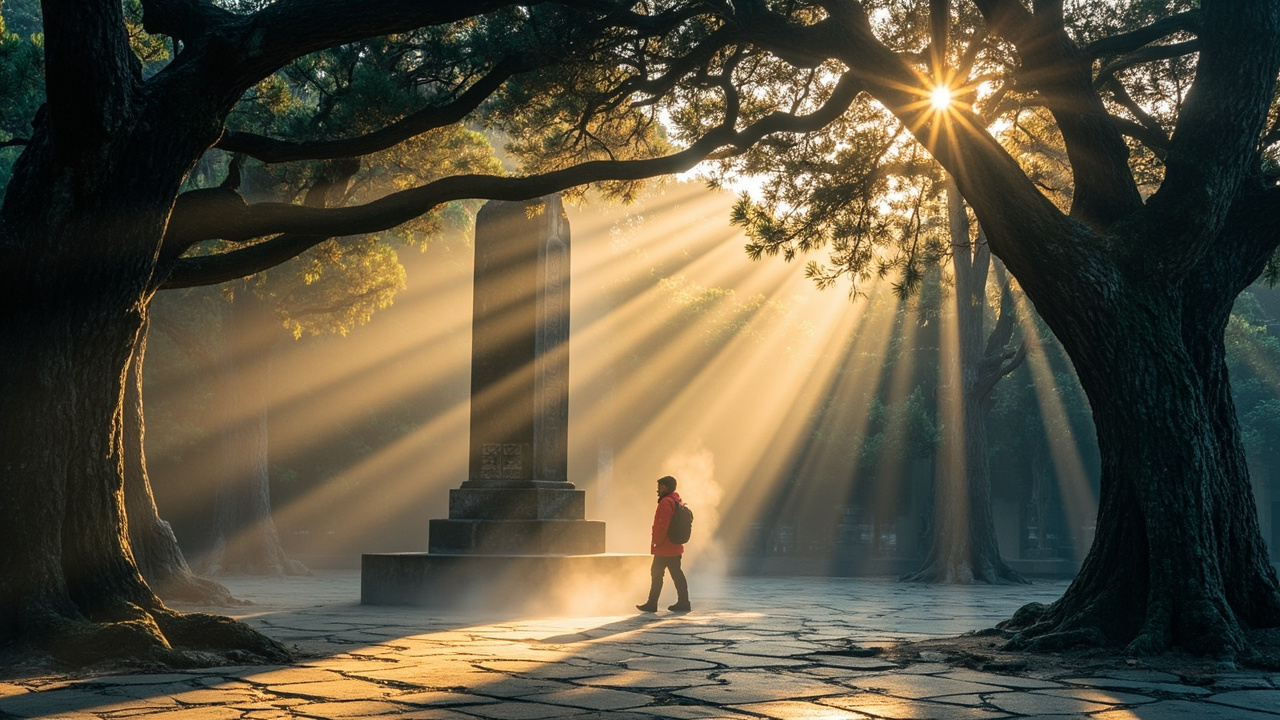
The rain came down sideways off the hills of Qufu, soaking the stone tablets in the forest of steles until they gleamed like wet slate. I was standing in the Kong Family Mansion, watching a group of schoolchildren in matching yellow raincoats file past a thousand-year-old cypress tree, their teacher reciting a passage from the Analects from memory. I didn’t understand a word, but I didn’t need to. The rhythm of it, the way the kids echoed back the last phrase of each line, the old tree dripping water onto their heads—it all made sense somehow.
That was the moment I realized the Confucian Heritage Trail isn’t about temples and statues. It’s about how a 2,500-year-old philosophy still shapes the way people in China think, argue, study, and treat their parents. I’ve been living in Beijing for seven years and have traveled through China more than forty times, but I’d never properly walked the trail that connects the three great Confucian sites: Qufu, where Confucius was born and buried; Nanjing, where the imperial examination system turned his ideas into a bureaucratic machine; and the quieter sites scattered in between that most tourists skip entirely.
This guide covers the full trail—the famous stops and the ones you’ll have almost to yourself. You’ll get exact prices, station names, exit numbers, and the kind of practical details that usually take a few failed attempts to figure out. I’ve made the mistakes so you don’t have to.
Quick answer
The Confucian Heritage Trail centers on Qufu (Confucius’s hometown), Nanjing (imperial examination history), and several supporting sites in between, with a realistic budget of $350–$550 (¥2,500–¥4,000) per person for a 5–7 day trip excluding international flights. China’s 2026 visa-free policy allows citizens of 38 countries, including the US, UK, Canada, and most of Europe, to enter without a visa for up to 30 days—check your country’s status before booking. The best time to go is April–May or September–October, when temperatures are mild and the crowds at Qufu’s main temple are manageable.
The Short Version
If you only have 90 seconds: fly into Beijing or Shanghai, take the high-speed train to Qufu East Station (about 2 hours from Beijing), spend two days there, then train to Nanjing for two days. That’s the core. The Temple of Confucius in Qufu is genuinely impressive but gets crowded by 10 AM—go at opening. The Kong Family Mansion next door is more interesting than most guidebooks admit. Nanjing’s Imperial Examination Museum is the surprise highlight of the whole trail, even if you have zero interest in exam history. Skip the Confucius Temple (Fuzimiao) shopping street in Nanjing unless you enjoy crowds of selfie-takers. Budget $50–$70 (¥360–¥500) per day for mid-range hotels and food.
How I Picked These
I’ve visited every site on this list at least once, and most of them multiple times. Qufu I’ve been to three times—once in a rainstorm, once in October during the Confucius Cultural Festival (which was chaos, but memorable), and once on a random Tuesday in May when I had the main hall almost to myself. Nanjing I know well from living nearby for a stretch. The smaller sites—like the Meng family temple in Zoucheng—I found through conversations with locals who kept saying “you should see our place, not just the big one.” I’ve also dragged various friends and family members along on these trips, which is the real test: if a site survives a visit with my skeptical brother-in-law, it makes the list.
Comparison Table
| Rank | Place | Best For | Approx Cost (USD) | Time Needed | When to Go |
|---|---|---|---|---|---|
| 1 | Temple of Confucius, Qufu | The main event | $12 (¥90) | 2–3 hours | April–May, weekday mornings |
| 2 | Kong Family Mansion, Qufu | Understanding Confucian family life | $12 (¥90) combined ticket | 1.5–2 hours | Same as above |
| 3 | Cemetery of Confucius, Qufu | Peaceful reflection | Included in combined ticket | 1–2 hours | Any time, morning best |
| 4 | Nanjing Imperial Examination Museum | Interactive history | $10 (¥70) | 2–3 hours | Weekdays, avoid Chinese holidays |
| 5 | Confucius Temple (Fuzimiao), Nanjing | Evening atmosphere | Free (temple itself $4/¥30) | 1–2 hours | Evening, after 6 PM |
| 6 | Zoucheng (Mencius sites) | Off-the-beaten-path | $8 (¥60) combined | Half day | Weekdays |
| 7 | Beijing Confucius Temple | Quick city stop | $4 (¥30) | 1 hour | Weekday mornings |
| 8 | Guozijian (Imperial College), Beijing | Ming/Qing education history | $4 (¥30) combined with above | 1 hour | Same as above |
| 9 | Yushima Seido, Tokyo | Confucian influence abroad | Free | 30 minutes | Any time |
| 10 | Hangzhou’s Wenshuo Academy | Scholar culture | Free | 1 hour | Spring or autumn |
Temple of Confucius, Qufu — The Main Event, For Better or Worse
The first time I walked through the Lingxing Gate, I nearly tripped over a tour group that had stopped dead in the middle of the path. A guide was shouting into a headset about the 13 pavilions containing steles from various emperors, and about fifty people in matching red caps were staring at their phones. I squeezed past, annoyed, and then I looked up at the Dacheng Hall and forgot about the crowd entirely.
This is the largest and most important Confucius temple in China, and it shows. The main hall sits on a two-tiered stone platform, its yellow-glazed roof tiles catching the morning light, its ten columns carved with dragons so detailed you could spend an hour just on those. The temple complex covers 14 hectares and includes 466 rooms, but you don’t need to see all of them. The core loop takes about two hours if you move at a reasonable pace.
The cypress trees are the real stars here. Some are said to be over 2,000 years old, planted by Confucius’s disciples. I sat under one for a while, watching a calligrapher practice on the ground with a water brush, the characters evaporating as he wrote them. That felt more Confucian than any ceremony.
📍 Location: Qufu, Jining, Shandong Province. The temple is in the center of the old town, about 2 km from Qufu East Railway Station.
🎫 Entry fee: $12 (¥90) for the temple alone. A combined ticket covering the temple, the Kong Family Mansion, and the cemetery costs $18 (¥130). Students get half off with an international student ID.
🕒 Opening hours: 8:00 AM–5:30 PM (April–October), 8:00 AM–5:00 PM (November–March). Last entry is 30 minutes before closing. The temple is open every day, but the steles hall sometimes closes for restoration without notice.
🚕 How to get there: From Qufu East Railway Station, take bus K01 to the “Confucius Temple” stop (20 minutes, ¥2). Taxis are about $4 (¥30) and will try to charge more—agree on the price before getting in. From the bus stop, walk east through the old town gate and the temple entrance is straight ahead.
📅 When to visit: Go at 8:00 AM sharp on a weekday. By 10 AM, tour groups arrive in waves. September 28 is Confucius’s birthday and the temple hosts a massive ceremony—it’s worth seeing once, but the crowds are intense and hotels in Qufu triple their prices.
💡 Insider tips:
- The “quick visit” route through the temple skips the western courtyards, which are where the oldest steles are. Ask a guard to point you toward the “Western Stele Forest” (西碑林) and you’ll have it almost to yourself.
- Hire one of the official guides at the entrance for about $15 (¥110) for an hour. They’re licensed and will tell you stories the English audio guide misses. The unofficial guides who approach you on the street are hit-or-miss.
- The stone columns on the main hall are only visible from the front. Walk around to the back and you’ll see plain columns—the front ones were so beautiful that emperors were said to be jealous.
- Bring your passport. Foreign visitors need to show it to buy tickets at the window; the self-service machines sometimes don’t accept foreign passports.
- The temple’s restrooms are clean but few. Use the ones near the entrance before you go deep into the complex.
I ate lunch at a tiny noodle shop just outside the east gate, run by a woman named Auntie Zhang who has been there for twenty years. She didn’t speak a word of English, but she saw me struggling with the menu and just brought me her favorite dish—a bowl of noodles with a rich, dark sauce that I still think about. She refused to let me pay extra for an egg.
Kong Family Mansion — Where the Family Lived for 2,500 Years
The Kong Family Mansion is right next to the temple, connected by a narrow alley that feels like stepping back in time. I walked through it on a quiet afternoon, and the contrast with the temple was striking. The temple is grand, ceremonial, built for show. The mansion is where the direct descendants of Confucius actually lived, generation after generation, for over 2,500 years—the longest continuous family lineage in recorded history.
The mansion has 480 rooms, but the main circuit takes you through the front reception halls, the inner courtyards, and the family’s living quarters. The most interesting part, to me, was the “Iron Mountain Wall” in the inner section—a wall reinforced with iron plates to stop thieves. The story goes that a corrupt official tried to steal the family’s treasures and was stopped by this wall. The family’s wealth was legendary, and the mansion reflects it: intricate wood carvings, calligraphy scrolls, and a private theater where the family watched performances.
The garden at the back is small but lovely, with rockeries and a pond. I sat there for a while, watching a group of elderly locals practicing tai chi. One of them, a retired teacher named Mr. Wang, told me in broken English that he comes every morning because “the qi is good here.” He was right.
📍 Location: Adjacent to the Temple of Confucius, Qufu old town.
🎫 Entry fee: Included in the combined ticket ($18/¥130). Standalone tickets are $12 (¥90) but the combined ticket is better value.
🕒 Opening hours: Same as the temple: 8:00 AM–5:30 PM (April–October), 8:00 AM–5:00 PM (November–March).
🚕 How to get there: It’s a 5-minute walk from the temple’s east gate. Just follow the signs or the flow of people.
📅 When to visit: Late afternoon, after the tour groups have moved on. The light in the inner courtyards gets golden around 4 PM.
💡 Insider tips:
- The “Iron Mountain Wall” is in the inner section—don’t miss it. Most tour groups rush through the front halls and miss the back half.
- The mansion’s gift shop sells calligraphy brushes and ink stones that are actually decent quality, not the usual tourist junk. Prices are reasonable.
- There’s a small museum in the back section with artifacts from the family’s history, including some original furniture. It’s not well-signed, so ask a guard.
- The mansion’s courtyards are a great place for photos in the late afternoon light, but be respectful—this was someone’s home, not just a monument.
- If you want to understand the family’s power, look at the “ghost gate” in the inner section—a gate that only the emperor could pass through, symbolically.
I made a mistake here: I didn’t realize the mansion and the temple were separate sites with separate entrances, and I walked out of the temple, around the block, and back in through the mansion’s main gate, paying for a second ticket before I realized my combined ticket covered both. The ticket office staff were patient with my confusion, but I felt like an idiot.
Cemetery of Confucius — The Quietest of the Three
The Cemetery of Confucius (Kong Lin) is about 1.5 km north of the temple, and it’s the one site most tourists rush through or skip entirely. That’s a mistake. This is the largest family cemetery in the world—over 200 hectares, with more than 100,000 graves of Confucius’s descendants. The oldest tomb is Confucius’s own, a simple mound marked by a stone stele that has been rebuilt many times over the centuries.
I walked the main path through the cemetery on a misty morning, and the atmosphere was completely different from the temple. The trees here are ancient—some are over 2,000 years old, their trunks twisted and gnarled, their branches forming a canopy that blocks out most of the sky. The path is lined with stone animals and officials, the traditional markers of high-status graves. It felt less like a tourist site and more like a sacred forest.
The tomb of Confucius itself is surprisingly modest. A stone stele, a mound of earth, and a small altar where visitors leave offerings—fruit, flowers, incense. I watched a young couple bow three times in front of it, then place a bouquet of white flowers on the altar. They didn’t seem like tourists; they seemed like pilgrims.
📍 Location: North of Qufu old town, about 1.5 km from the temple.
🎫 Entry fee: Included in the combined ticket ($18/¥130). Standalone tickets are $12 (¥90).
🕒 Opening hours: 8:00 AM–5:30 PM (April–October), 8:00 AM–5:00 PM (November–March).
🚕 How to get there: Walk north from the temple (20 minutes) or take a pedicab (about $2/¥15). The pedicab drivers will try to charge more—negotiate before you get on.
📅 When to visit: Early morning, before the tour groups arrive. The light filtering through the trees is beautiful in the first hour after opening.
💡 Insider tips:
- The cemetery is huge. The main path from the entrance to Confucius’s tomb is about 1 km, and the full loop is 3–4 km. Wear comfortable shoes.
- There’s a small electric shuttle that runs from the entrance to the tomb area for about $1 (¥10). Worth it if you’re tired.
- The tomb of Confucius’s grandson, Kong Ji, is nearby and historically important—he was the one who compiled the Analects.
- Don’t touch the stone animals or climb on the grave mounds. It’s disrespectful, and the guards will yell at you.
- The cemetery is a working burial ground, not just a museum. Be respectful of the families who still come to visit their ancestors.
I met an old man here who was sweeping the path near his family’s graves. He told me his family had been buried in this cemetery for over 800 years. He spoke a few words of English, enough to say, “My grandfather, my father, me. One day, my son.” He smiled, and I didn’t know what to say, so I just nodded.
Nanjing Imperial Examination Museum — The Surprise Hit of the Trail
I almost didn’t go to this museum. I’d seen the photos online and it looked like a modern reconstruction, which usually means it’s all glass and hype. But a friend in Nanjing insisted, and I’m glad I listened. This is one of the best museums in China, and it’s almost entirely overlooked by international tourists.
The museum sits on the site of the Jiangnan Examination Hall, the largest imperial examination center in China, where scholars from the southern provinces came to take the civil service exams that determined their careers. At its peak, the hall had over 20,000 individual examination cells—tiny, windowless cubicles where candidates would spend up to three days writing essays on Confucian classics. The museum has reconstructed a section of these cells, and you can walk through them, seeing exactly what the candidates endured.
The exhibits are interactive and well-designed, with English translations throughout. You can try writing Chinese characters with a brush, watch videos explaining the examination system, and even take a mock exam (it’s harder than you think). The museum also covers the broader history of Confucian education, from the Han dynasty to the end of the imperial system in 1905.
📍 Location: Inside the Confucius Temple (Fuzimiao) area, Nanjing. The museum is at the east end of the pedestrian street, near the Qinhuai River.
🎫 Entry fee: $10 (¥70). Students get half off.
🕒 Opening hours: 9:00 AM–5:30 PM, closed Mondays (except during Chinese holidays).
🚕 How to get there: Take Metro Line 3 to Fuzimiao Station, Exit 2. Walk east along the pedestrian street for about 10 minutes. The museum entrance is on your left, just before the river.
📅 When to visit: Weekday mornings are quietest. The museum gets busy on weekends and during school holidays.
💡 Insider tips:
- The mock exam is fun but takes about 15 minutes. Worth doing if you have the time.
- The museum’s rooftop terrace has a great view of the Qinhuai River and the surrounding old town. Most visitors miss it.
- There’s a small tea house inside the museum with surprisingly good tea and snacks. Good place to rest your feet.
- The museum shop sells reproduction examination papers and calligraphy sets. Better quality than the tourist stalls outside.
- Combine this with a visit to the nearby Qinhuai River in the evening—the area is beautiful at night.
I took the mock exam and failed spectacularly. The questions were about Confucian texts I’d never read, and my Chinese handwriting was so bad that the digital system couldn’t even recognize it. The staff member who reviewed my “results” was trying not to laugh. I told her I was a foreigner, and she said, “The exam didn’t care about that either.”
Confucius Temple (Fuzimiao), Nanjing — The Shopping Street Problem
I’ll be honest: the Confucius Temple area in Nanjing is mostly a tourist trap. The pedestrian street is packed with souvenir shops, chain restaurants, and crowds of selfie-takers. The actual temple itself is small and not particularly impressive, especially if you’ve already seen Qufu. I walked through it in about 20 minutes and felt like I’d seen everything.
But here’s the thing: the area is worth visiting anyway, just not for the reasons most tourists go. The Qinhuai River, which runs alongside the temple, is beautiful at night, with lanterns reflecting off the water and boats gliding past. The riverside walkway is one of my favorite places in Nanjing to just sit and watch the world go by. And the food scene, while touristy, has some gems if you know where to look.
The temple itself, dedicated to Confucius, was originally built in 1034 and has been destroyed and rebuilt many times. The current structure dates mostly from the 1980s reconstruction. It’s fine, but it’s not the reason to come here.
📍 Location: Qinhuai District, Nanjing, along the Qinhuai River.
🎫 Entry fee: The temple itself is $4 (¥30). The riverside area is free.
🕒 Opening hours: The temple is open 8:00 AM–9:00 PM. The pedestrian street is open all day, but the shops mostly close by 10 PM.
🚕 How to get there: Take Metro Line 3 to Fuzimiao Station, Exit 2. The pedestrian street is directly ahead.
📅 When to visit: Come in the evening, after 6 PM. The lanterns come on, the crowds thin out a bit, and the riverside is at its best.
💡 Insider tips:
- The best view of the river is from the bridge at the east end of the pedestrian street, near the museum. Go there at sunset.
- For food, skip the restaurants on the main street and look for the small alleys branching off it. There’s a duck blood soup stall in one of them that’s been there for decades.
- The boat ride on the river ($12/¥85) is touristy but actually quite pleasant at night. The recorded commentary is cheesy, but the lanterns are pretty.
- If you’re here during a Chinese holiday, expect the area to be packed. It’s one of the most popular tourist spots in Nanjing.
- The nearby Wenyuan Bridge is a good spot for photos, especially with the temple’s reflection in the water.
I sat by the river one evening, eating a bowl of tangyuan (glutinous rice balls in sweet soup) from a street cart, and watched a group of elderly women doing synchronized dancing to a pop song. A young couple was taking wedding photos nearby, the bride’s white dress glowing in the lantern light. It was chaotic and lovely and completely over-the-top, and I loved every minute of it.
Zoucheng — Where Mencius Carried On the Tradition
Zoucheng is a small city about 20 minutes south of Qufu by train, and it’s where Mencius (Mengzi), the second-greatest Confucian philosopher after Confucius himself, was born and buried. Most tourists skip it, which is exactly why you should go.
The Mencius Temple (Meng Miao) is smaller and less ornate than the Temple of Confucius, but it has a quieter, more intimate feel. The main hall is dedicated to Mencius, and the surrounding courtyards are filled with ancient cypress trees and stone steles. The Mencius Family Mansion next door is similar to the Kong Family Mansion but on a smaller scale.
The real highlight, though, is the Mencius Cemetery, about 10 km outside the city. It’s a peaceful, forested site with the tomb of Mencius himself—a simple mound, much like Confucius’s. I had the place almost entirely to myself when I visited.
📍 Location: Zoucheng, Jining, Shandong Province. About 20 minutes south of Qufu by high-speed train.
🎫 Entry fee: $8 (¥60) for a combined ticket covering the temple, mansion, and cemetery.
🕒 Opening hours: 8:00 AM–5:00 PM, open daily.
🚕 How to get there: Take a high-speed train from Qufu East Station to Zoucheng Station (about 20 minutes, $3/¥20). From the station, take a taxi to the temple (about $3/¥20).
📅 When to visit: Weekday mornings. The site is quiet even on weekends, but mornings are best for the light.
💡 Insider tips:
- The cemetery is 10 km from the temple. Taxis are available but hard to find for the return trip—ask your driver to wait.
- The temple’s steles include some from the Ming and Qing dynasties that are worth reading if you can find someone to translate.
- There’s a small museum in the mansion with artifacts from Mencius’s family history. It’s not well-signed, so ask.
- The local specialty is a type of pancake called “zoucheng jianbing” that’s different from the Beijing version. Try it from a street stall.
- If you’re short on time, skip the cemetery and just do the temple and mansion. But the cemetery is the more memorable experience.
I got hopelessly lost trying to find the cemetery. My phone’s GPS kept cutting out, and the taxi driver didn’t understand my terrible Chinese pronunciation of “Meng Lin.” Eventually, a farmer on a tractor pointed me in the right direction, laughing at my confusion. The cemetery was worth the trouble.
Beijing Confucius Temple and Guozijian — The Capital’s Scholar Corner
If you’re starting or ending your trip in Beijing, the Confucius Temple and the adjacent Guozijian (Imperial College) are worth a quick visit. They’re not as grand as Qufu, but they’re conveniently located in the city center and offer a different perspective on Confucian education.
The Confucius Temple was built in 1302 and was the second-largest Confucius temple in China after Qufu. The main courtyard is filled with stone steles recording the names of successful examination candidates from the Yuan, Ming, and Qing dynasties—over 50,000 names in total. The Guozijian next door was the highest educational institution in the empire, where the emperor would occasionally come to give lectures.
📍 Location: Guozijian Street, Dongcheng District, Beijing. Near the Lama Temple.
🎫 Entry fee: $4 (¥30) for a combined ticket covering both the temple and the Guozijian.
🕒 Opening hours: 8:30 AM–5:00 PM (April–October), 8:30 AM–4:30 PM (November–March). Closed Mondays.
🚕 How to get there: Take Metro Line 2 to Yonghegong Station, Exit C. Walk south on Yonghegong Street for about 5 minutes, then turn left onto Guozijian Street. The entrance is on your right.
📅 When to visit: Weekday mornings. The area gets busy on weekends with tour groups.
💡 Insider tips:
- The Guozijian’s main hall has a beautiful painted ceiling that’s easy to miss if you’re not looking up.
- The steles in the temple courtyard are arranged by dynasty. The Ming dynasty ones are on the left, Qing on the right.
- There’s a small exhibition in the Guozijian about the history of the imperial examination system. It’s in Chinese, but the artifacts are interesting.
- The nearby Lama Temple is worth combining with this visit—it’s a 5-minute walk away and one of Beijing’s most impressive temples.
- Guozijian Street itself is a lovely, tree-lined street with some good small restaurants. Worth lingering.
I visited on a cold January morning, and the temple’s courtyards were covered in a light dusting of snow. A group of students from a nearby university were practicing calligraphy on the ground with water brushes, their characters disappearing as the sun rose higher.
Yushima Seido, Tokyo — The Trail Goes Global
This one is a bit of a stretch, but I’m including it because it shows how Confucian ideas spread beyond China’s borders. Yushima Seido in Tokyo is a Confucian temple built in 1632 by the Tokugawa shogunate, which adopted Confucianism as the official ideology of the samurai class. It’s a small, quiet site in the middle of a busy city, and it’s free to visit.
The temple’s main hall is a simple, elegant structure with a black-and-white color scheme that’s very different from the ornate Chinese temples. The surrounding gardens are peaceful, and there’s a small museum with artifacts related to the temple’s history.
📍 Location: Yushima, Bunkyo Ward, Tokyo, Japan.
🎫 Entry fee: Free.
🕒 Opening hours: 9:30 AM–5:00 PM, open daily.
🚕 How to get there: Take the JR Chuo Line to Ochanomizu Station, then walk about 10 minutes. Or take the Tokyo Metro Chiyoda Line to Yushima Station, Exit 1.
📅 When to visit: Any time. It’s quiet and rarely crowded.
💡 Insider tips:
- The temple’s main hall is only open on weekends and holidays. On weekdays, you can only see the exterior.
- The museum has some interesting artifacts, including a portrait of Confucius that was brought from China.
- The nearby Yushima Tenjin shrine, dedicated to the god of learning, is worth a visit, especially during exam season when students come to pray for good luck.
- The area has some good soba shops. Try the one across the street from the temple.
I visited on a rainy afternoon and had the place to myself. A caretaker was sweeping the entrance, and he nodded at me as I walked in. It felt a long way from Qufu, but also connected somehow.
Hangzhou’s Wenshuo Academy — Scholar Culture in the South
Hangzhou is better known for West Lake than for Confucian sites, but the Wenshuo Academy is a hidden gem that most tourists miss entirely. This was a private academy during the Qing dynasty, where scholars came to study the Confucian classics. It’s been restored and now serves as a cultural center, with exhibitions on the history of Chinese education.
The academy is a beautiful example of traditional Jiangnan architecture—white walls, dark wood, and a central courtyard with a pond and rockeries. It’s small, and you can see everything in about an hour, but it’s a peaceful place to escape the crowds of West Lake.
📍 Location: Wenshuo Lane, Shangcheng District, Hangzhou. Near the southern end of West Lake.
🎫 Entry fee: Free.
🕒 Opening hours: 9:00 AM–5:00 PM, closed Mondays.
🚕 How to get there: Take Metro Line 1 to Ding’an Road Station, Exit C. Walk south for about 10 minutes. Or take a taxi from West Lake (about $3/¥20).
📅 When to visit: Spring or autumn, when the weather is mild. The academy’s courtyard is lovely in the rain.
💡 Insider tips:
- The academy’s tea room serves excellent Longjing tea, which is grown in the nearby hills. Worth a stop.
- There’s a small exhibition on the history of the imperial examination system in the academy’s back hall.
- The surrounding neighborhood is one of the oldest in Hangzhou, with narrow lanes and traditional houses. Worth exploring.
- Combine this with a visit to the nearby Southern Song Imperial Street, which has been restored to its historical appearance.
I sat in the academy’s courtyard for a while, watching the koi fish in the pond and listening to the rain on the roof tiles. A calligraphy class was happening in one of the side rooms, and the teacher’s brush strokes were visible through the window. It was the most peaceful hour I spent in Hangzhou.
FAQ summary
For first-time visitors, the Confucian Heritage Trail is best experienced as a focused trip combining Qufu (2 days) and Nanjing (2 days), with a total budget of around $350–$550 per person excluding international flights. China’s 2026 visa-free policy covers citizens of 38 countries for stays up to 30 days, and the high-speed rail network makes Qufu accessible from Beijing in about 2 hours or from Shanghai in about 3 hours. The best time to visit is April–May or September–October, and all major sites accept Alipay or WeChat Pay, though carrying some cash is still useful in smaller towns.
FAQ
Q: Do I need a visa to visit China for the Confucian Heritage Trail in 2026? A: Citizens of 38 countries, including the US, UK, Canada, Australia, and most of Europe, can enter China without a visa for up to 30 days under the 2026 policy. Check the latest list on the Chinese embassy website for your country before booking.
Q: How many days do I need for the Confucian Heritage Trail? A: A minimum of 5 days: 2 days in Qufu, 2 days in Nanjing, and 1 day for travel between them. If you want to include Beijing’s Confucius Temple or the smaller sites like Zoucheng, add 1–2 more days.
Q: What’s the best way to get from Beijing to Qufu? A: Take the high-speed train from Beijing South Station to Qufu East Station. The journey takes about 2 hours and costs around $50 (¥360) for second class. Trains run frequently throughout the day.
Q: Is English widely spoken at these sites? A: Not really. The major sites have English signage and audio guides, but most staff and locals speak only Chinese. Download a translation app like Google Translate or Pleco before you go, and have your hotel’s name and address written in Chinese to show taxi drivers.
Q: Do I need a VPN for my phone in China? A: Yes. Google, WhatsApp, Instagram, and many other Western sites are blocked in China. Install a reliable VPN before you arrive, and test it before you leave home. You’ll also need a local SIM card or an eSIM with a Chinese data plan.
Q: Can I use my credit card at these sites? A: Not reliably. China is a cashless society, and most places accept only Alipay or WeChat Pay. Set up Alipay before you arrive and link it to your international credit card—it’s the easiest option for foreigners. Carry some cash as a backup.
Q: What should I wear when visiting Confucian temples? A: Dress modestly—cover your shoulders and knees. There’s no strict dress code, but it’s respectful. Wear comfortable shoes, as the sites involve a lot of walking. In summer, bring a hat and sunscreen; in winter, dress warmly as the temples are mostly outdoors.
The Honest Wrap-up
This trail is for travelers who want to understand China beyond the Great Wall and the pandas. It’s for people who are curious about how a philosophy from 2,500 years ago still shapes daily life—how students still study the Analects in school, how families still honor their ancestors, how the idea of education as the path to success persists in a country that now sends more students abroad than any other. It’s not for people who want Instagram-perfect scenery or luxury experiences. The hotels in Qufu are basic, the food is regional and sometimes challenging, and the sites require a certain amount of patience with crowds and language barriers.
But if you’re willing to put in the effort, you’ll be rewarded with something rare: a glimpse into the intellectual foundations of the world’s most populous country. You’ll stand where Confucius stood, walk where generations of scholars walked, and maybe, if you’re lucky, feel a small connection to a tradition that has shaped billions of lives.
My final advice: learn to say “xie xie” (thank you) before you go. It’s the most useful word you’ll use, and it will get you further than any guidebook.
Topics
More guides you may like
Top 10 Bridges in China
China's bridges are engineering marvels spanning mountains, rivers, and seas. Here are 10 of the most spectacular, from ancient stone to modern steel.
8 min read

Top 10 Buddhist Sites in China
From the Leshan Giant Buddha to the Dunhuang Caves, these 10 Buddhist sites represent 2,000 years of China's spiritual heritage.
9 min read
Top 10 Day Trips from Beijing You Shouldn't Miss
Beijing is packed with history, but some of China's best experiences are just a few hours away. Here are 10 day trips that will transform your visit.
9 min read
Top 10 Hidden Gems in China Off the Beaten Path
Beyond the Great Wall and Terracotta Warriors, China has incredible hidden destinations few tourists ever reach. Here are 10 underrated gems worth the detour.
9 min read
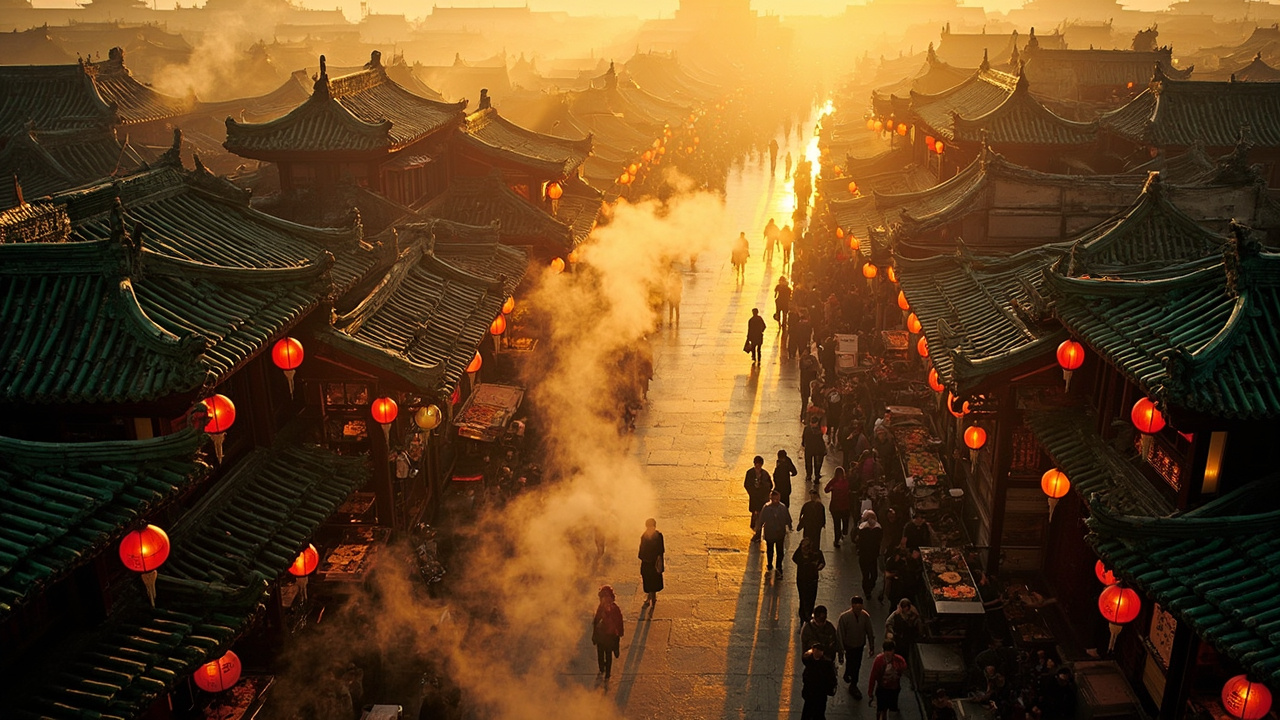
Top 10 Markets and Shopping Streets in China
From Shanghai's Bund to Beijing's Silk Street - 10 markets where foreigners can haggle, explore, and bring home authentic Chinese goods.
9 min read
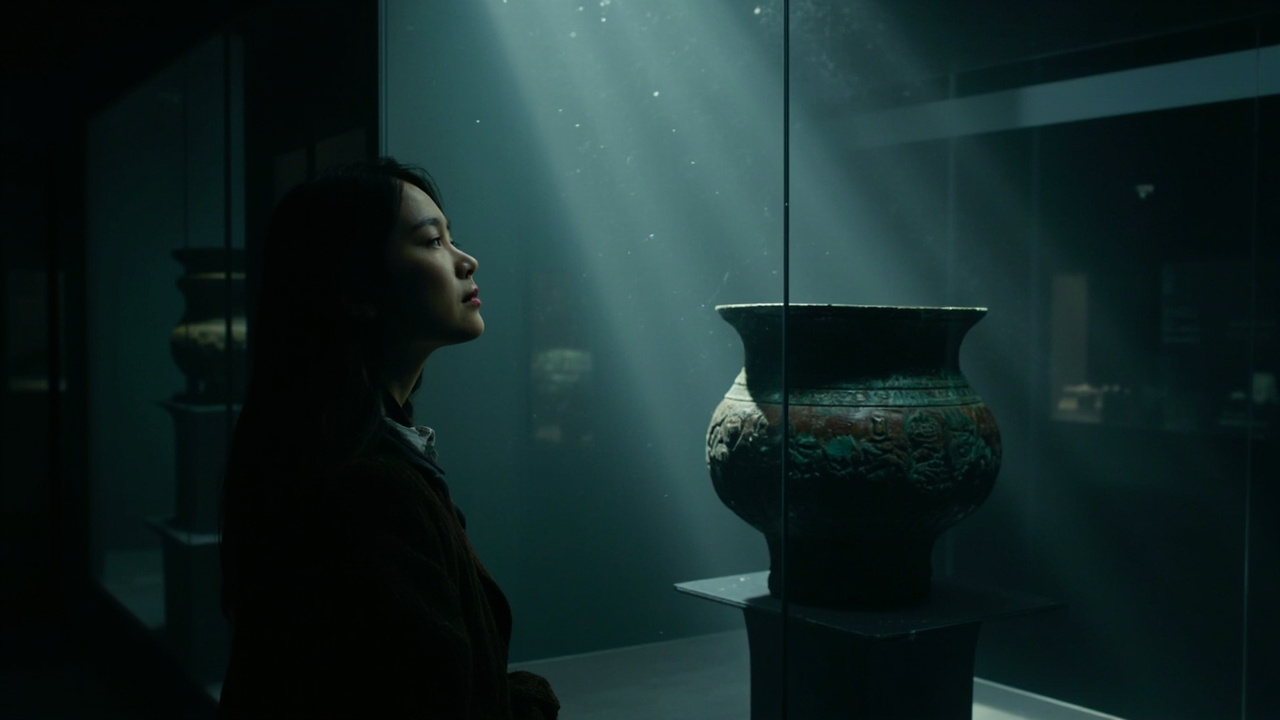
Top 10 Museums in China You Shouldn't Miss
China's museums span 5,000 years of civilization. These 10 - from the Palace Museum to Xi'an's terracotta gallery - are unmissable for culture lovers.
9 min read