
China Travel Diarrhea Prevention Tips: The Complete 2026 Guide
The first time I got sick in China, it wasn't from street food. It was from a hotel salad bar in a five-star place in Shanghai.
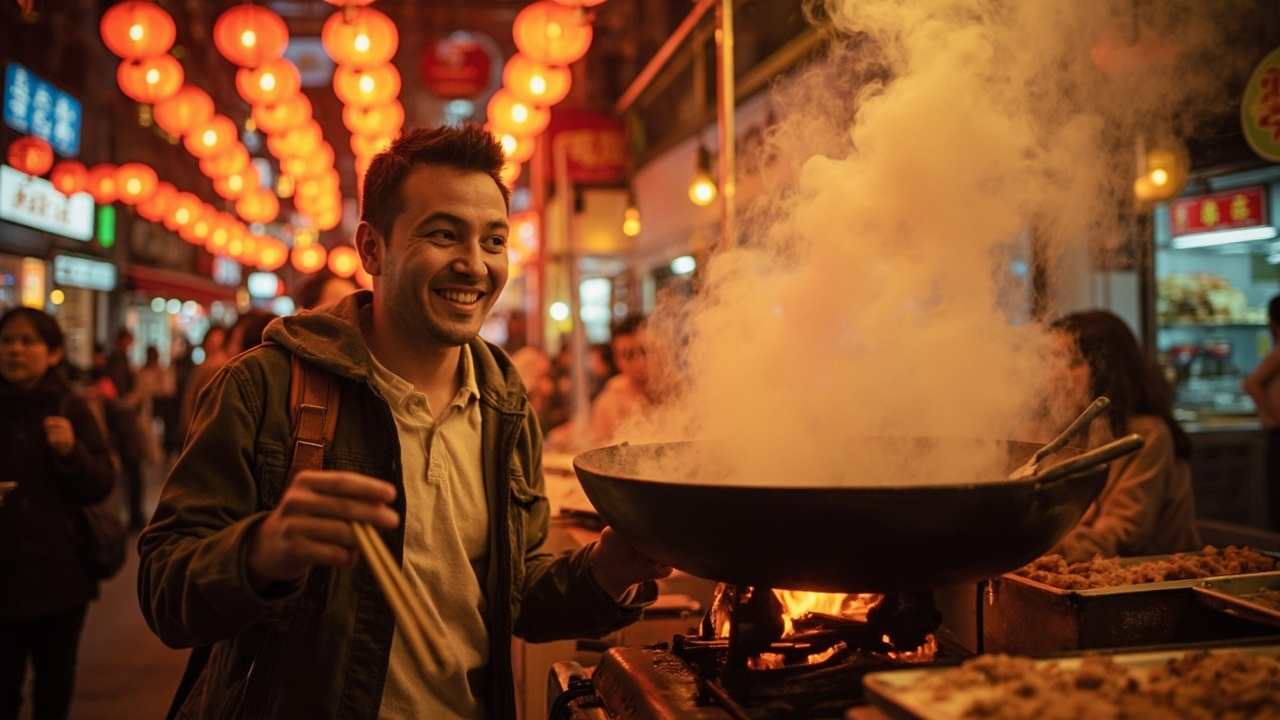
The first time I got sick in China, it wasn’t from street food. It was from a hotel salad bar in a five-star place in Shanghai. I watched a tourist load up on raw lettuce and watermelon, and I thought, you poor bastard. I’d been living in Beijing for three years by then and had learned the hard way that in China, the danger isn’t the sizzling wok or the steaming dumpling cart. It’s the cold stuff. The stuff that’s been washed in tap water and left to sit.
I’ve spent seven years here, traveled through 40+ provinces, and eaten everything from grilled scorpions in Wangfujing to donkey burgers in Baoding. I’ve had food poisoning exactly twice. Both times were from hotel buffets. Both times were my own fault.
This guide is everything I wish someone had told me before my first trip. It’s not a medical lecture. It’s a practical, sometimes gross, always honest look at how to eat your way through China without spending your vacation in a hotel bathroom.
Quick answer
To avoid traveler’s diarrhea in China, follow three rules: never eat raw vegetables or unpeeled fruit washed in tap water, drink only bottled or boiled water, and stick to food that’s cooked fresh and served steaming hot. Most cases come from contaminated water or cold food, not from restaurants. Carry oral rehydration salts and loperamide (Imodium) in your daypack, and download a translation app with a “pharmacy” phrase card before you land.
The Short Version
If you remember nothing else: heat kills everything. Eat it hot, peel it yourself, or skip it. Avoid hotel buffets, street fruit that’s already cut, and anything with raw greens. Drink bottled water exclusively, even for brushing your teeth. Bring Imodium and rehydration salts from home. And don’t let fear ruin your trip. The food in China is incredible, and 90% of it is perfectly safe. The other 10% will teach you a lesson you won’t forget.
How I Picked These
I didn’t pull this from a CDC pamphlet. I pulled it from seven years of eating badly and learning from it. I’ve been the guy hunched over a squat toilet in a Chengdu hostel at 3 AM. I’ve watched my mother-in-law scold a street vendor for using ice from a questionable source. I’ve sat in Chinese hospital waiting rooms with a fever, holding a translation app that kept telling the doctor I had “stomach wind.”
I talked to gastroenterologists in Beijing, street food vendors in Xi’an, and countless taxi drivers who all had their own theories (my favorite: “Don’t eat the yellow watermelon.” No one could explain why). I’ve cross-referenced my experience with what Chinese parents tell their own kids, which is honestly the best source of wisdom there is. This guide is the result of all that. It’s not perfect. But it’s real.
Comparison Table
| Rank | Place | Best For | Approx Cost (USD) | Time Needed | When to Go |
|---|---|---|---|---|---|
| 1 | Beijing | First-timers, history, safety | $50-100/day | 3-4 days | Apr-May, Sep-Oct |
| 2 | Xi’an | Food culture, ancient history | $40-80/day | 2-3 days | Mar-May, Sep-Nov |
| 3 | Chengdu | Food, pandas, relaxed vibe | $35-70/day | 3-4 days | Mar-Jun, Sep-Nov |
| 4 | Guilin/Yangshuo | Scenery, outdoor activities | $40-75/day | 3-4 days | Apr-Oct |
| 5 | Shanghai | Modern China, nightlife | $60-120/day | 2-3 days | Mar-May, Oct-Nov |
| 6 | Zhangjiajie | Hiking, unique landscapes | $50-90/day | 3-4 days | Apr-Jun, Sep-Oct |
| 7 | Hangzhou | Tea culture, lakeside beauty | $45-80/day | 2-3 days | Mar-May, Sep-Nov |
| 8 | Lijiang | Old town charm, Yunnan food | $40-70/day | 3-4 days | Mar-May, Sep-Nov |
| 9 | Hong Kong | Food, shopping, ease | $80-150/day | 3-4 days | Oct-Dec |
| 10 | Tibet | Adventure, spirituality | $100-200/day | 5-7 days | May-Oct |
Beijing — Where Your Trip Should Start
My first week in Beijing, I ate a jianbing from a street cart near my apartment in Chaoyang. It was 6 AM, the vendor was using a spatula that had seen better decades, and I was hungover. I survived. I’ve eaten hundreds of jianbing since. The secret isn’t the cleanliness of the cart. It’s that everything is cooked fresh, right in front of you, on a screaming hot griddle.
Beijing is the safest place in China to start your food journey. The city has been feeding tourists for decades, and the vendors know that a sick foreigner is bad for business. That doesn’t mean you should eat the pre-cut fruit from the plastic containers at the supermarket. You shouldn’t. Buy whole fruit and peel it yourself.
The city’s street food scene is legendary. Wangfujing Snack Street is a tourist trap, but it’s a fun tourist trap. The grilled starfish and scorpions are more novelty than meal. Skip those. Instead, find a proper breakfast spot and order youtiao (fried dough sticks) and soy milk. The soy milk is boiled. The dough sticks are fried. You’re safe.
📍 Location: Central Beijing, primarily Dongcheng and Xicheng districts 🎫 Entry fee: Free to wander; street food $2-8 (15-60 CNY) per item 🕒 Opening hours: Street food carts run 6 AM to midnight, depending on the area 🚕 How to get there: Take Subway Line 1 to Wangfujing Station, Exit A, walk north. For the hutongs, take Line 2 to Gulou Dajie Station, Exit B, and just start walking. 🌤️ When to visit: Spring (April-May) and autumn (September-October) are best. Summer is hot and humid. Winter is cold but the street food is still excellent. 💡 Insider tips: Carry your own chopsticks if you’re squeamish. Most places use disposable ones, but the quality varies. Learn to say “bu la” (not spicy) if you can’t handle heat. And never, ever trust a salad in Beijing. Just don’t.
I once watched a Beijing taxi driver named Liu eat a bowl of noodles at 7 AM with a spoon and chopsticks simultaneously, without spilling a drop. I asked him how. He shrugged and said, “Practice.” That’s the whole philosophy of Chinese street food, really. Practice, trust, and heat.
Xi’an — The Food Capital You Can’t Miss
Xi’an is where I learned that my spice tolerance was a lie I told myself. The city’s signature dish, biang biang noodles, comes coated in chili oil that looks like a warning. It tastes like a blessing. The first time I ate it, I cried. Not from pain. From joy. And also a little from pain.
The Muslim Quarter is the heart of Xi’an’s food scene. It’s chaotic, loud, and absolutely essential. The lamb skewers are cooked over charcoal, dusted with cumin and chili powder, and served on sticks that have been reused so many times they’re practically heirlooms. Eat them anyway. The heat from the grill kills everything, and the flavor is worth any risk.
The one thing I’d warn you about in Xi’an is the cold noodles. Liangpi, they’re called. They’re served cold, tossed in vinegar and chili oil. They’re delicious. They’re also one of the most common sources of tourist diarrhea in the city. The noodles themselves are cooked, but the sauce and the handling afterward are where things go wrong. If you must try them, go to a sit-down restaurant with a visible kitchen, not a street cart.
📍 Location: Muslim Quarter, central Xi’an, near the Drum Tower 🎫 Entry fee: Free; food $2-10 (15-70 CNY) per dish 🕒 Opening hours: Muslim Quarter vendors run from about 10 AM to 11 PM 🚕 How to get there: Take Subway Line 2 to Zhonglou Station, Exit C, and walk west toward the Drum Tower. The Muslim Quarter is directly behind it. 🌤️ When to visit: Spring and autumn are ideal. Summer is brutally hot, and the Muslim Quarter gets crowded. 💡 Insider tips: Bring your own tissue or napkins. Most street stalls don’t provide them. The lamb paomo (bread soaked in lamb soup) is a sit-down meal, not street food. And if a vendor offers you “special” tea, ask what’s in it. I once drank something that turned out to be medicinal and spent the afternoon in a daze.
I met a noodle chef in the Muslim Quarter who’d been making biang biang noodles for 30 years. He had one tooth. He smiled at me and said, in perfect English, “The noodles are better than my teeth.” He was right.
Chengdu — Where the Spice Lives
Chengdu is the only city in China where I’ve seen grown men cry over food. The hotpot here is not a meal. It’s an endurance test. The broth bubbles with Sichuan peppercorns that numb your lips while the chili oil burns your throat. It’s glorious. It’s also, if you’re not careful, a one-way ticket to digestive disaster.
The key to surviving Chengdu hotpot is simple: cook everything thoroughly. I know that sounds obvious, but I’ve watched tourists drop raw meat into the pot, fish it out 30 seconds later, and eat it while it’s still pink. That’s not a hotpot problem. That’s a personal problem. The broth is boiling. Leave the food in until it’s done. That’s the whole trick.
The city’s street food is incredible, but I’d be lying if I said it was risk-free. The cold dishes at the night markets, the pre-made skewers sitting in sauce, the fruit salads that have been sitting out for hours. All of those are potential problems. Stick to things that are cooked in front of you, and you’ll be fine.
📍 Location: Various night markets; the best hotpot is in the Yulin neighborhood, south of the city center 🎫 Entry fee: Free; hotpot $15-30 (100-200 CNY) per person 🕒 Opening hours: Hotpot restaurants run 11 AM to 2 AM; night markets from 6 PM to midnight 🚕 How to get there: Take Subway Line 1 to Tongzilin Station, Exit B, and walk south into the Yulin area. The night markets are scattered, so ask your hotel for the nearest one. 🌤️ When to visit: March to June and September to November. Summer is humid and the spice feels heavier. 💡 Insider tips: Order the “yuan wei” (original) broth if you’re nervous about spice. It’s still spicy, but survivable. Drink soy milk with your hotpot, not water. Water makes the burn worse. And never, ever touch your eyes after handling Sichuan peppercorns. I learned that the hard way.
I once ate hotpot with a Chengdu local who told me that the city’s air pollution was “just spice for the lungs.” I laughed. Then I coughed for an hour. He was right about the cough, but I still think about that line.
Guilin and Yangshuo — The Scenery That Makes You Forget Food
Guilin is where you go to stare at mountains that look like they were painted by a drunk god. The karst peaks rise out of the rice paddies like something from a dream. The food, honestly, is secondary. But that doesn’t mean you should ignore it.
The local specialty is Guilin rice noodles, served with a dark, mysterious broth and topped with pickled vegetables and chili. They’re served for breakfast, lunch, and dinner. The best ones come from tiny shops with plastic stools out front. The broth is boiled for hours. The noodles are cooked fresh. You’re safe.
Yangshuo, an hour down the river, is more touristy but also more relaxed. The West Street area is packed with bars and restaurants catering to foreigners. The food is fine, but it’s not why you’re here. You’re here for the Li River, the cycling, and the feeling that you’ve stepped into a Chinese painting.
📍 Location: Guilin city center; Yangshuo is 65 km south, reachable by bus or boat 🎫 Entry fee: Free to explore; Li River cruise $50-80 (350-550 CNY) 🕒 Opening hours: Rice noodle shops open 6 AM to 10 PM; Yangshuo bars until late 🚕 How to get there: Guilin is reachable by high-speed rail from Guangzhou or Shanghai. In Yangshuo, rent a bike for $5 (35 CNY) a day and explore the countryside. 🌤️ When to visit: April to October. Summer is hot and rainy, but the scenery is at its greenest. 💡 Insider tips: The rice noodles are best in the morning, when the broth is freshest. Don’t bother with the “western food” restaurants in Yangshuo. They’re overpriced and mediocre. And if you see a fruit vendor selling pomelos, buy one. They’re incredible.
I ate Guilin rice noodles at a shop that had no English menu and no pictures. The owner, a woman who looked like she’d been running the place for 50 years, just pointed at me and then at a bowl. I nodded. She brought me the best breakfast I had in all of China.
Shanghai — The City That Feels Like Home (Until You Eat the Salad)
Shanghai is the most international city in China, which means it’s the easiest place to eat safely. You can find any cuisine you want, from Italian to Japanese to Ethiopian. The food scene is world-class. But here’s the trap: because it feels so familiar, you let your guard down.
The hotel buffets in Shanghai are the most dangerous places to eat in the entire country. I’m not exaggerating. The salad bars, the fruit stations, the cold seafood displays. All of it has been sitting out, touched by dozens of hands, washed in tap water. I’ve seen more tourists get sick from Shanghai hotel buffets than from any street food in any city in China.
Stick to the restaurants. The city has incredible soup dumplings (xiaolongbao), and the best ones come from Din Tai Fung or the original Nanxiang Steamed Bun Restaurant in Yu Garden. Both are safe, clean, and delicious. The street food in Shanghai is also good, but it’s more polished than in other cities. You’re not getting the raw, chaotic experience you’d get in Xi’an or Chengdu.
📍 Location: Central Shanghai, especially the former French Concession and Pudong 🎫 Entry fee: Free; xiaolongbao $5-15 (35-100 CNY) per meal 🕒 Opening hours: Restaurants run 11 AM to 10 PM; street food stalls until midnight 🚕 How to get there: Take Metro Line 10 to Yuyuan Garden Station, Exit 1, for the old city. For the French Concession, take Line 1 to Hengshan Road Station. 🌤️ When to visit: March to May and October to November. Summer is hot and sticky. 💡 Insider tips: The xiaolongbao at Din Tai Fung is consistent and safe. The original at Nanxiang is more authentic but has longer lines. Don’t eat the raw seafood at any buffet. Just don’t. And if you need a break from Chinese food, Shanghai has the best international restaurants in the country.
I once watched a man at a Shanghai hotel buffet pile his plate with raw oysters, sushi, and a salad. He ate it all in about four minutes. I saw him again in the elevator an hour later. He looked green. I didn’t say anything. Some lessons have to be learned alone.
Zhangjiajie — The Avatar Mountains and the Food That’s an Afterthought
Zhangjiajie is where you go to feel small. The sandstone pillars rise hundreds of meters into the air, covered in mist and mystery. The park is massive, and you’ll spend most of your time on cable cars, glass bridges, and hiking trails. The food here is functional. It’s not the reason you came.
The restaurants near the park are geared toward tourists, which means they’re safe but boring. You’ll find the same dishes everywhere: stir-fried vegetables, rice, and some kind of meat. It’s fine. It’s not memorable. The one thing worth trying is the local smoked meat, which is preserved over wood fires and has a deep, smoky flavor.
The bigger risk in Zhangjiajie isn’t the food. It’s the altitude and the physical exertion. You’ll be climbing stairs, walking miles, and sweating through your clothes. Dehydration is a real concern. Drink bottled water constantly, even if you don’t feel thirsty.
📍 Location: Wulingyuan Scenic Area, about 35 km from Zhangjiajie city center 🎫 Entry fee: $40 (280 CNY) for the park, valid for 4 days 🕒 Opening hours: 7 AM to 6 PM, with seasonal variations 🚕 How to get there: Fly into Zhangjiajie Hehua Airport, then take a 40-minute bus to the park entrance. High-speed rail also connects Zhangjiajie to Changsha. 🌤️ When to visit: April to June and September to October. Avoid Chinese holidays when the park is packed. 💡 Insider tips: Bring your own snacks. The food inside the park is overpriced and mediocre. The glass bridge is terrifying but worth it. And if you’re prone to motion sickness, take medication before the cable car ride. It’s long and steep.
I met a German couple in Zhangjiajie who had been traveling China for three months. They told me they hadn’t gotten sick once. Their secret? They only ate food that was “still screaming.” I think they meant sizzling. Either way, the advice was solid.
Hangzhou — The Tea Fields and the Gentle Food
Hangzhou is the city of poets and tea. It’s where the Song Dynasty emperors came to escape the heat and write verses about the West Lake. The city has a gentleness to it that you don’t find in Beijing or Shanghai. The food matches the vibe: delicate, fresh, and less spicy than the rest of China.
The signature dish is West Lake vinegar fish, a sweet and sour preparation that’s been perfected over centuries. It’s served with a dark, glossy sauce that looks like it could go either way. It’s delicious. The other local specialty is Longjing shrimp, stir-fried with fresh tea leaves. It’s subtle, clean, and safe.
The tea fields outside the city are worth a visit, and the teahouses there serve simple, local food. The risk in Hangzhou is low. The city is clean, the restaurants are well-regulated, and the food culture emphasizes freshness over heavy sauces. You can eat almost anything here without worry.
📍 Location: West Lake area and the Longjing tea fields to the southwest 🎫 Entry fee: Free to explore; tea tasting $10-20 (70-140 CNY) 🕒 Opening hours: Restaurants run 11 AM to 10 PM; teahouses from 9 AM to 6 PM 🚕 How to get there: Take high-speed rail from Shanghai (45 minutes) to Hangzhou East Station, then Metro Line 1 to Longxiangqiao Station for the West Lake. 🌤️ When to visit: March to May and September to November. Spring is best for the tea fields. 💡 Insider tips: The teahouses in the Longjing village will try to sell you expensive tea. It’s fine, but you can get the same quality for less in the city. The West Lake is best at sunrise, when the mist is still on the water. And if you see a vendor selling lotus root, buy it. It’s a local delicacy.
I sat in a teahouse in Longjing village and watched an old man pour tea with the precision of a surgeon. He didn’t speak English, and I didn’t speak Chinese, but we communicated through the ritual. He poured. I drank. He poured again. It was the most peaceful hour of my trip.
Lijiang — The Old Town That’s a Little Too Perfect
Lijiang is beautiful in a way that feels manufactured. The old town is a UNESCO World Heritage site, but it’s been restored and polished to the point where it feels like a movie set. The cobblestone streets are clean, the canals are clear, and the shops all sell the same souvenirs. It’s lovely. It’s also not the real China.
The food in Lijiang is a mix of Naxi and Yunnan cuisine. The local specialty is a kind of flatbread called baba, which comes in sweet and savory versions. It’s cooked on a griddle and served hot. It’s safe. The other local dish is yak meat, which is chewy and gamey and not for everyone.
The risk in Lijiang is the same as anywhere else: cold food and questionable water. The old town is full of cafes and restaurants catering to tourists, and most of them are fine. But the pre-made sandwiches and salads at the cafes are a gamble. Stick to hot food.
📍 Location: Lijiang Old Town, about 30 minutes from the airport 🎫 Entry fee: $20 (140 CNY) for the old town, but it’s often not enforced 🕒 Opening hours: Shops and restaurants run 9 AM to 11 PM 🚕 How to get there: Fly into Lijiang Sanyi Airport, then take a 40-minute taxi to the old town. High-speed rail also connects Lijiang to Kunming. 🌤️ When to visit: March to May and September to November. Summer is rainy. 💡 Insider tips: The old town is quieter in the morning, before the tour groups arrive. The baba is best from the street vendors, not the restaurants. And if you’re heading to Tiger Leaping Gorge, pack snacks. The hike is intense.
I got lost in the Lijiang old town at night and ended up in a tiny courtyard where an old Naxi woman was making baba over a charcoal fire. She didn’t speak English, but she motioned for me to sit. She gave me a piece of bread and a cup of tea. I tried to pay. She refused. I still think about her.
Hong Kong — The Easiest Place to Eat in Asia
Hong Kong isn’t technically mainland China, but it’s part of the story. It’s also the easiest place in Asia to eat without fear. The city has some of the strictest food safety regulations in the world, and the food scene is incredible. You can eat at a Michelin-starred restaurant at lunch and a dai pai dong (open-air food stall) at dinner, and both will be safe.
The local specialties are dim sum, roast goose, and wonton noodles. All of them are cooked to order, served hot, and absolutely delicious. The street food in Hong Kong is also safe, from the egg waffles to the fish balls to the stinky tofu (which is an acquired taste that I have not acquired).
The only risk in Hong Kong is overeating. The food is so good that you’ll want to try everything, and your stomach will not thank you for it. Pace yourself. And if you’re coming from the mainland, Hong Kong is a nice palate cleanser. The water is safe, the hygiene standards are high, and you can finally eat a salad without fear.
📍 Location: Central, Causeway Bay, and Mong Kok for street food 🎫 Entry fee: Free; dim sum $15-40 (100-280 HKD) per person 🕒 Opening hours: Dim sum restaurants run 7 AM to 3 PM; street food stalls until midnight 🚕 How to get there: Fly into Hong Kong International Airport, then take the Airport Express to Central Station. The MTR is excellent. 🌤️ When to visit: October to December is best. Summer is hot and humid. 💡 Insider tips: The best dim sum is at Tim Ho Wan, the Michelin-starred chain that’s still affordable. The roast goose at Yung Kee is legendary but expensive. And if you’re feeling adventurous, try the snake soup in the winter. It’s a local tradition.
I ate at a dai pai dong in Mong Kok that had been running for 40 years. The owner, a man in his 70s, told me he’d never had a day off. I asked him if he was tired. He laughed and said, “The food keeps me young.” He looked 50.
Tibet — The Place That Changes You
Tibet isn’t a food destination. It’s a spiritual one. You go for the Potala Palace, the monasteries, the prayer flags, and the feeling that you’re standing on top of the world. The food is simple: yak meat, barley, and butter tea. It’s not fancy, but it’s filling.
The altitude is the real challenge. Lhasa sits at 3,650 meters, and the thin air can cause headaches, nausea, and fatigue. The last thing you need on top of that is a stomach bug. So be extra careful with what you eat. Stick to cooked food, drink bottled water, and avoid dairy from unknown sources.
The butter tea is an acquired taste. It’s salty, creamy, and unlike anything you’ve had before. It’s also made with yak butter, which is not pasteurized. If you have a sensitive stomach, skip it. The local beer, Lhasa Beer, is safe and goes down easy at altitude.
📍 Location: Lhasa and surrounding areas; the Potala Palace is in the city center 🎫 Entry fee: $30 (200 CNY) for the Potala Palace; other sites vary 🕒 Opening hours: Most monasteries open 9 AM to 5 PM 🚕 How to get there: Fly into Lhasa Gonggar Airport or take the Qinghai-Tibet Railway from Xining. Permits are required for foreign visitors. 🌤️ When to visit: May to October. Winter is brutally cold. 💡 Insider tips: Acclimatize for at least a day before visiting the Potala Palace. The stairs are brutal at altitude. Drink more water than you think you need. And if you’re taking medication for altitude sickness, don’t mix it with alcohol.
I met a monk in a monastery outside Lhasa who offered me a cup of butter tea. I drank it out of politeness and spent the next hour trying not to gag. He smiled and said, “You’ll learn to like it.” I haven’t. But I’ll never forget the gesture.
FAQ summary
The most important rule for avoiding traveler’s diarrhea in China is to eat food that’s cooked fresh and served hot, drink only bottled or boiled water, and avoid raw vegetables and unpeeled fruit. Street food is generally safe when it’s cooked in front of you, while hotel buffets and pre-made cold dishes are the biggest risks. Carry oral rehydration salts and loperamide from home, and set up Alipay or WeChat Pay before you arrive, as most places don’t accept foreign credit cards. The 2026 visa-free policy allows citizens of many countries to enter China for up to 15 days without a visa, but check the latest rules before booking.
FAQ
Q: Can I drink tap water in China if I boil it first? A: Yes, boiling water for at least one minute kills most pathogens. But it’s easier to just buy bottled water, which is cheap ($0.50 / 3.5 CNY per bottle) and available everywhere. Use bottled water for brushing your teeth too.
Q: Is street food safe to eat in China? A: Yes, if it’s cooked fresh in front of you and served steaming hot. The danger is in food that’s been sitting out, like pre-cut fruit or cold salads. Watch for vendors with high turnover; if locals are eating there, it’s probably fine.
Q: What should I do if I get diarrhea in China? A: Stay hydrated with oral rehydration salts, which you can buy at any pharmacy for about $2 (15 CNY). Take loperamide (Imodium) for symptom relief, but don’t use it if you have a fever. If symptoms last more than 48 hours, see a doctor. Chinese hospitals are actually quite good.
Q: Do I need to worry about ice in drinks in China? A: In major cities and reputable restaurants, ice is made from purified water and is safe. At street stalls and smaller establishments, it’s a gamble. When in doubt, ask for your drink without ice.
Q: Is it safe to eat fruit in China? A: Yes, if you peel it yourself. Bananas, oranges, and other thick-skinned fruits are safe. Avoid pre-cut fruit from street vendors or hotel buffets, as it’s often washed in tap water and handled by many people.
Q: What should I pack for stomach issues before traveling to China? A: Bring loperamide (Imodium), oral rehydration salts, and a probiotic. Also pack a small bottle of hand sanitizer, as not all public restrooms have soap. These items are available in China, but it’s easier to have them from home.
Q: Do I need a VPN for my phone in China? A: Yes, if you want to use Google, WhatsApp, Instagram, or Facebook. Download a reliable VPN before you arrive, as the app stores in China don’t have them. Also, consider getting a Chinese SIM card or eSIM for data, as your home carrier may not work well.
The Honest Wrap-up
This list isn’t for everyone. If you’re the type of traveler who eats everything, drinks the tap water, and trusts the universe, you’ll probably be fine. Or you’ll get sick and learn a lesson. Either way, you’ll have a story.
But if you’re the type who worries, who wants to enjoy China without spending half the trip in a bathroom, this guide is for you. Follow the rules, trust the heat, and don’t let fear stop you from trying the lamb skewers in Xi’an or the hotpot in Chengdu. They’re worth it.
My final advice: bring Imodium, drink bottled water, and eat the street food. China is a country of incredible flavors, and the best ones are often found on the side of the road. Just make sure it’s hot.
Topics
More guides you may like

Top 10 Bridges in China
China's bridges are engineering marvels spanning mountains, rivers, and seas. Here are 10 of the most spectacular, from ancient stone to modern steel.
8 min read

Top 10 Buddhist Sites in China
From the Leshan Giant Buddha to the Dunhuang Caves, these 10 Buddhist sites represent 2,000 years of China's spiritual heritage.
9 min read

Top 10 Day Trips from Beijing You Shouldn't Miss
Beijing is packed with history, but some of China's best experiences are just a few hours away. Here are 10 day trips that will transform your visit.
9 min read

Top 10 Hidden Gems in China Off the Beaten Path
Beyond the Great Wall and Terracotta Warriors, China has incredible hidden destinations few tourists ever reach. Here are 10 underrated gems worth the detour.
9 min read

Top 10 Markets and Shopping Streets in China
From Shanghai's Bund to Beijing's Silk Street - 10 markets where foreigners can haggle, explore, and bring home authentic Chinese goods.
9 min read

Top 10 Museums in China You Shouldn't Miss
China's museums span 5,000 years of civilization. These 10 - from the Palace Museum to Xi'an's terracotta gallery - are unmissable for culture lovers.
9 min read