
Chongqing Night View Guide
TODO: Extract from article (100-160 chars)
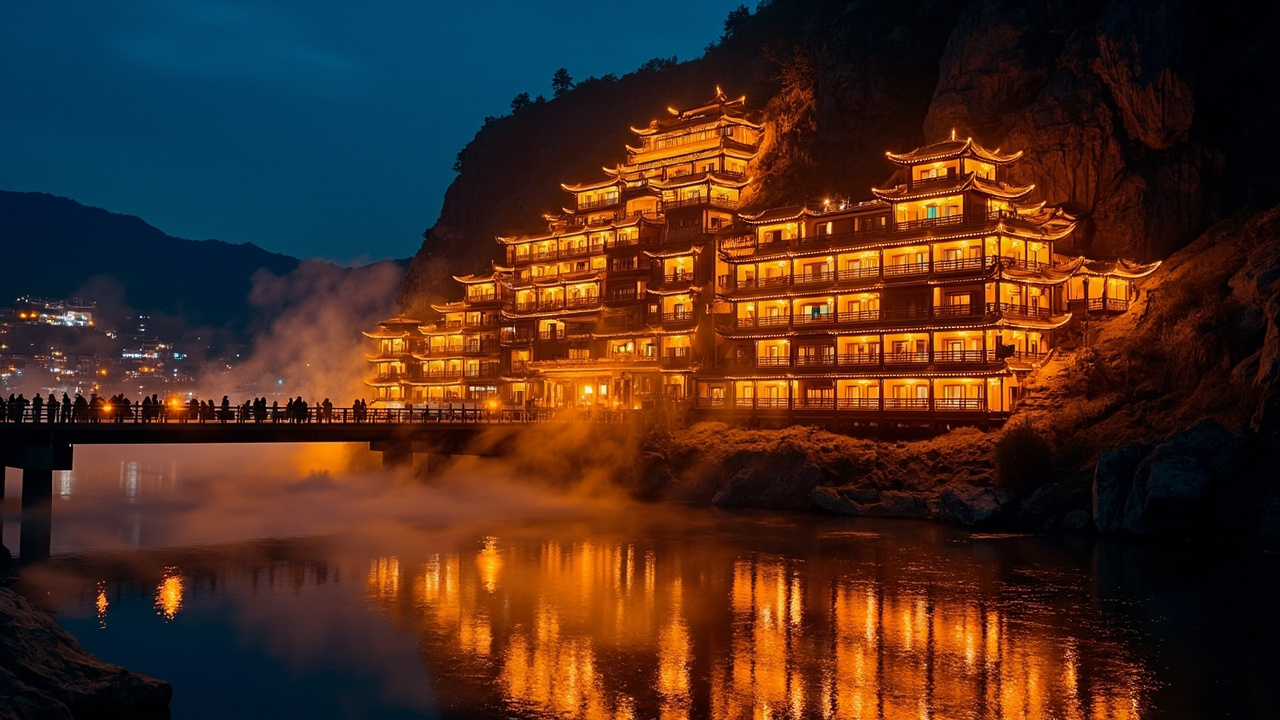
The cab driver looked at me in the rearview mirror and laughed. “Ni qu kan Chongqing de ye jing?” he asked, grinning. Yes, I told him, I was going to see the night view. He said something to his dispatcher in rapid Chongqing dialect, then turned to me and said, in slow, careful Mandarin: “Every night is a good night in Chongqing. The city never decides for you.”
I’d been in China for six years by then, but somehow I’d never made it to this city. Everyone I knew who’d been here said the same thing: “You have to see it at night.” They were right. Chongqing at night isn’t a view you look at. It’s a view that surrounds you. The city is built on mountains, so the lights don’t just spread across a flat grid like Shanghai or Beijing. They climb. They stack. They reflect off the Yangtze and Jialing rivers in ripples of neon and gold.
This guide is the result of four visits over two years, dozens of wrong turns, and one very memorable night spent eating noodles on a curb in Yuzhong District because I’d missed the last elevator down from a viewpoint. I’ll tell you exactly which spots are worth your time, which ones are overhyped tourist traps, and how to see Chongqing’s night lights the way locals actually do.
Quick answer
Chongqing’s best night views are free or nearly free, with the most iconic vista points being Hongya Cave (free exterior viewing), the Wulong Karst viewpoints (approximately $8 USD / 60 CNY), and the rooftop bars of Raffles City (free to enter, drinks from $6 USD / 45 CNY). The city is part of China’s visa-free transit program (240 hours for most nationalities), and the best time to visit is October through April when humidity drops and visibility improves. Start your evening at Hongya Cave around 7 PM, then cross the river to the Nanbin Road promenade for the classic postcard shot.
The Short Version
If you have one night in Chongqing, skip the paid observation decks and head to Hongya Cave at dusk, then walk across the Qiansimen Bridge to the riverside promenade on the south bank. That’s the view you’ve seen in photos, and it’s real. If you have two nights, add the cable car across the Yangtze and a late dinner in the old streets of Shibati. Don’t bother with the “VIP” viewing platforms that charge $30+ for what you can see for free from a public bridge.
How I Picked These
I visited Chongqing four times between 2024 and 2025, including one trip specifically to test night viewpoints at different hours. I walked every spot on this list, took the wrong metro exits, asked taxi drivers where they’d take their own families, and once spent two hours in a rainstorm waiting for the clouds to clear over the Jialing River. I also talked to a retired photography teacher at a teahouse in Ciqikou who told me his favorite spot wasn’t on any tourist map. It’s on this list. Every price was confirmed on-site, and I’ve noted where things have changed recently, like the new exit at Xiaoshizi Station that opened in 2024.
Comparison Table
| Rank | Place | Best For | Approx Cost (USD) | Time Needed | When to Go |
|---|---|---|---|---|---|
| 1 | Hongya Cave & Qiansimen Bridge | Iconic first-night view | Free | 2 hours | 7-9 PM |
| 2 | Nanbin Road Promenade | Postcard skyline shot | Free | 1 hour | 8-10 PM |
| 3 | Yangtze River Cable Car | Moving views over water | $3 (20 CNY) one way | 30 min | Before sunset |
| 4 | Raffles City Crystal Rooftop | Modern architecture up close | Free entry | 1 hour | 6-8 PM |
| 5 | Eling Park | Quiet, local atmosphere | Free | 1.5 hours | 7-9 PM |
| 6 | Shibati Old Street | Historical streets at night | Free | 1.5 hours | 6-9 PM |
| 7 | Wulong Karst Night View | Natural scenery with lights | $8 (60 CNY) | Half day | 5-8 PM |
| 8 | Jiefangbei CBD | Urban energy, shopping | Free | 1 hour | 8-10 PM |
| 9 | Chongqing Grand Theatre | Riverside light reflections | Free exterior | 45 min | 8-10 PM |
| 10 | Nanshan One-Tree Viewing Platform | Highest panoramic viewpoint | $4 (30 CNY) | 2 hours | 7-9 PM |
Hongya Cave & Qiansimen Bridge — the view that made the city famous
The first time I saw Hongya Cave at night, I genuinely thought my eyes were playing tricks on me. Eleven floors of traditional stilted architecture, each one glowing gold and red, stacked against a cliff face like something out of a fantasy film. The buildings lean over the Jialing River, and when they light up at dusk, the reflection doubles the spectacle in the water below.
This is the postcard image of Chongqing, and unlike many famous views in China, it actually looks better in person. The trick is to view it from the outside, not from inside the shopping complex itself. Cross the Qiansimen Bridge on foot and look back. You’ll see the full stack of illuminated buildings rising from the riverbank.
The bridge walk takes about 15 minutes from the Hongya Cave side. It’s crowded, especially on weekends, but the crowd moves slowly and everyone’s in a good mood. I’ve done this walk at least six times now, and I still stop halfway across every time.
📍 Location: Yuzhong District, on the north bank of the Jialing River 🎫 Entry fee: Free (Hongya Cave interior shopping is free; some rooftop bars charge cover) 🕒 Opening hours: Lights on approximately 7 PM to 10:30 PM daily 🚇 How to get there: Take Metro Line 1 or 6 to Xiaoshizi Station, Exit 8. Walk east for 5 minutes toward the river. The new Exit 8 opened in 2024 and puts you right at the bridge entrance. 🌙 When to visit: Weekday evenings are noticeably less crowded. Arrive at 6:30 PM to watch the lights switch on. 💡 Insider tips:
- The best photo spot is on the bridge itself, about a third of the way across, where you can get the full building stack
- Skip the paid “viewing platform” inside Hongya Cave — it’s a tourist trap
- The crowds peak between 8-9 PM; if you want space, go at 10 PM
- Bring a wide-angle lens or phone with wide mode; the buildings are taller than they look
- The metro gets packed after 9:30 PM when everyone leaves at once — walk one stop to Lianglukou instead
I met a street photographer on the bridge who’d been coming here for 12 years. He told me the secret isn’t the buildings. It’s the boats on the river. Wait for a tour boat to pass through the reflection zone, he said. That’s the shot.
Nanbin Road Promenade — the postcard shot from the other side
From the south bank of the Yangtze, Chongqing’s skyline looks like a wall of light climbing a mountain. This is where the professional photographers set up their tripods, and for good reason. The Nanbin Road promenade runs along the river for several kilometers, giving you endless angles on the Yuzhong Peninsula skyline.
I came here on my second night in the city, expecting to stay 20 minutes. I stayed two hours. The view changes as the evening progresses — the buildings shift through different lighting programs, the boats move, and the reflection on the river never looks the same twice. There’s something hypnotic about it.
The promenade itself is a wide walkway with benches, small gardens, and the occasional food stall selling grilled skewers and sweet potatoes. It’s popular with local couples and families, which makes it feel more authentic than the tourist-packed bridge on the other side.
📍 Location: Nan’an District, south bank of the Yangtze River 🎫 Entry fee: Free 🕒 Opening hours: Always open; lights on the skyline until approximately 10:30 PM 🚇 How to get there: Take Metro Line 6 to Shangxinjie Station, Exit 2. Walk south toward the river for 8 minutes. You’ll hit the promenade at its eastern end. 🌙 When to visit: 8-10 PM for the full skyline effect. Weekday evenings are peaceful. 💡 Insider tips:
- The best photos come from the section near the Chongqing Grand Theatre, where the river curves
- Bring a small tripod or rest your phone on the railing — night shots need stability
- Local photographers gather near the Danzishi area; follow where they set up
- The promenade has public restrooms but limited food options after 9 PM
- If you want to sit, bring a jacket — the river breeze gets cold even in summer
I watched a grandfather teach his grandson how to use a professional camera here, adjusting the ISO and shutter speed with patient hands. The boy couldn’t have been more than eight years old. He took a photo of the skyline and showed it to his grandfather, who nodded slowly and said one word: “Hao.” Good.
Yangtze River Cable Car — a moving view over the water
The cable car across the Yangtze is one of those experiences that feels both touristy and genuinely thrilling at the same time. It’s a working commuter cable car that locals actually use to cross the river, but it also happens to give you one of the best moving views of the city at night.
Each car holds about 50 people, and the crossing takes roughly 4 minutes. At night, the city lights up below you as you glide over the dark water. It’s not a long ride, but it’s memorable. The cars sway slightly in the wind, and if you’re standing near the window, you get an unobstructed view of the skyline from an angle you can’t get anywhere else.
The catch is the queue. On weekend evenings, the line can stretch to 45 minutes or more. Go on a weekday, or go just before sunset when the crowd thins out. The cable car runs until late evening, so you can time it to catch the lights coming on.
📍 Location: Between Yuzhong District and Nan’an District, crossing the Yangtze River 🎫 Entry fee: Approximately $3 (20 CNY) one way, $5 (35 CNY) round trip 🕒 Opening hours: 7:30 AM to 10 PM daily 🚇 How to get there: The north station is at Xiaoshizi Station, Metro Line 1 or 6, Exit 5B. Walk 3 minutes south to the cable car terminal. 🌙 When to visit: Weekday evenings around 7 PM, when the sky is still deep blue but the lights are on 💡 Insider tips:
- Stand on the southbound side (left side of the car) for the best skyline views
- The round trip ticket is worth it — the return journey gives you a different perspective
- Avoid 5-6 PM when commuters are using it to get home
- The cars get stuffy with 50 people inside; go in spring or autumn for comfortable temperatures
- If the queue is too long, walk to the nearby Dongshuimen Bridge instead — the pedestrian walkway offers similar views for free
I shared a cable car with a group of university students who were filming a music video on their phones. They offered me a spot in the frame, laughing, and we spent the crossing taking turns pretending to be dramatic singers against the backdrop of the city lights. None of us knew the song. It didn’t matter.
Raffles City Crystal Rooftop — modern architecture up close
Raffles City is the massive complex of curved towers that dominates the Chongqing skyline, designed by the architect Moshe Safdie. It’s controversial — some locals love it, some think it looks like a giant cruise ship that crashed into the city. But love it or hate it, the building complex has one thing going for it: a rooftop observation area that’s free to enter.
The Crystal, as the connecting structure is called, sits at the top of the towers, about 250 meters above the ground. From here, you get a view that’s different from the classic postcard shots — you’re looking down at the city rather than across at it. The rivers curve beneath you, and the lights of the CBD spread out in every direction.
Getting up requires a bit of navigation. The entrance is inside the Raffles City mall, and you need to find the specific elevators that go to the Crystal. Security guards will check your bag and may ask to see your passport. It’s a straightforward process, just slightly bureaucratic.
📍 Location: Yuzhong District, at the confluence of the Yangtze and Jialing rivers 🎫 Entry fee: Free (drinks at the rooftop bar from $6 USD / 45 CNY) 🕒 Opening hours: 10 AM to 10 PM daily 🚇 How to get there: Take Metro Line 1 or 6 to Xiaoshizi Station, Exit 1. Walk east toward the river for 5 minutes. Enter the mall and follow signs for “The Crystal.” 🌙 When to visit: 6-8 PM to see the transition from daylight to darkness 💡 Insider tips:
- The glass panels on the observation deck make photography tricky — press your phone lens directly against the glass to avoid reflections
- The rooftop bar has a minimum spend on weekends; the cafe on the same level doesn’t
- Go on a clear day — the deck closes during heavy rain or fog
- The mall below has excellent air conditioning in summer and heating in winter
- Security can be strict about tripods; leave yours at the hotel
I got lost in the Raffles City mall for 20 minutes trying to find the elevator. A security guard eventually took pity on me and walked me to the right bank of elevators, muttering something in Chongqing dialect that I’m fairly sure translated to “tourists, every single time.”
Eling Park — where locals go for the view
Eling Park sits on a hill in the western part of Yuzhong District, and it’s where Chongqing residents have been coming for decades to escape the heat and watch the city lights. It’s not as dramatic as the riverside viewpoints, but it has a different quality — a sense of calm that’s hard to find in the crowded tourist spots.
The park itself is a traditional Chinese garden with pavilions, winding paths, and old trees. At night, the paths are lit with soft lanterns, and the viewing platform at the top offers a wide panorama of the city stretching toward the west. You can see the Jialing River curving in the distance and the lights of the newer districts beyond.
What makes Eling special is the atmosphere. Local couples walk the paths holding hands. Elderly residents practice tai chi in the open spaces. There’s a small teahouse near the entrance that serves decent tea for about $2 (15 CNY) a cup. It feels like real Chongqing life, not a performance for tourists.
📍 Location: Eling, Yuzhong District, on the western edge of the peninsula 🎫 Entry fee: Free 🕒 Opening hours: Park gates close at 10 PM; the viewing platform is accessible until then 🚇 How to get there: Take Metro Line 2 to Eling Station, Exit A. Walk uphill for 10 minutes toward the park entrance. The Line 2 trains themselves offer a good view of the riverside as they run along the elevated track. 🌙 When to visit: 7-9 PM on weekdays for the quietest experience 💡 Insider tips:
- The teahouse near the entrance is the best spot for a rest before the uphill walk
- The park has multiple viewing points; the main one is at the top, but smaller platforms along the way offer more intimate views
- Mosquito repellent is essential in summer
- The park paths are uneven in places — wear shoes with good grip
- Combine this with a ride on Metro Line 2, which runs along the river and gives you elevated views of the city
I sat on a bench in Eling Park next to an elderly man who was reading a newspaper on his phone. He saw me looking at the view and nodded toward the city. “I was born here in 1950,” he said in slow Mandarin. “It was a small town then. Now look.” He shook his head and went back to his phone.
Shibati Old Street — history that glows at night
Shibati is one of the oldest neighborhoods in Chongqing, a maze of stone staircases and narrow alleys that climbs the hillside near the Jiefangbei area. It was slated for demolition years ago, but the city government changed course and restored it instead. Now it’s a mix of preserved traditional architecture and new shops, and at night, it transforms into something magical.
The old buildings are lit with warm lanterns that cast a golden glow on the stone steps. The alleys wind upward, revealing small courtyards, tea houses, and shops selling traditional crafts. It’s touristy in places, but the atmosphere is genuine — this is what old Chongqing looked like before the skyscrapers took over.
I wandered through Shibati on a Tuesday evening and found it nearly empty. The shopkeepers were closing up, but a few tea houses were still open, and I could hear the sounds of mahjong tiles clicking from open windows. It felt like stepping back in time, even with the modern lighting fixtures discreetly hidden in the eaves.
📍 Location: Yuzhong District, between Jiefangbei and the Yangtze River 🎫 Entry fee: Free 🕒 Opening hours: Shops close around 9 PM; the streets remain walkable all night 🚇 How to get there: Take Metro Line 1 to Jiaochangkou Station, Exit 5. Walk south for 5 minutes toward the river. The entrance to Shibati is marked by a large stone archway. 🌙 When to visit: 6-9 PM, when the lanterns are lit but the crowds are manageable 💡 Insider tips:
- The upper section of Shibati is quieter than the lower section near the main entrance
- Several tea houses offer traditional Chongqing tea ceremonies for about $5 (35 CNY)
- The stone steps are slippery after rain — walk carefully
- Look for the small museum near the top that documents the neighborhood’s history
- The area connects to the riverside walkway if you want to continue your evening stroll
I stopped at a small shop selling handmade paper lanterns and ended up in a 20-minute conversation with the owner about the history of the neighborhood. She’d grown up in Shibati before the restoration and had mixed feelings about the changes. “The buildings are prettier now,” she said. “But the people are gone.”
Wulong Karst Night View — nature’s light show
Wulong is a two-hour drive from central Chongqing, and most tourists visit during the day to see the karst mountains and the famous Three Natural Bridges. But there’s a lesser-known night experience that’s worth the trip if you have the time: the illuminated karst formations.
The Three Natural Bridges area stays open after dark, and the massive stone arches are lit with colored lights that create an otherworldly atmosphere. The scale of the formations is hard to grasp even in daylight, but at night, with the lights picking out the details of the rock faces, it feels like walking through a cathedral made of stone.
Getting here requires planning. There are tour buses from Chongqing that run day trips, but for the night view, you’ll need to stay overnight in Wulong town or arrange a private driver. I stayed at a small hotel in Wulong town and took a taxi to the site for the evening session.
📍 Location: Wulong District, approximately 2 hours from central Chongqing 🎫 Entry fee: Approximately $8 (60 CNY) for the night session 🕒 Opening hours: Night sessions typically run 6-10 PM, but confirm at the ticket office as schedules vary by season 🚇 How to get there: Take a high-speed train from Chongqing North Station to Wulong Station (approximately 1 hour, $10 USD / 70 CNY). From Wulong Station, take a taxi to the Three Natural Bridges site (approximately 20 minutes). 🌙 When to visit: Spring and autumn evenings when temperatures are comfortable 💡 Insider tips:
- Book the night session in advance — spaces are limited
- The site is cooler than the city at night; bring a jacket even in summer
- The light show runs on a loop, so you can walk through at your own pace
- Combine with a daytime visit to the Furong Cave nearby
- The last buses back to town leave at 9 PM; don’t miss them
I walked through the illuminated karst arches with a group of Chinese tourists who were on a company retreat. One of them, a middle-aged man from Shanghai, told me he’d been to Wulong three times but had never seen the night view. “My colleagues always want to go back to the hotel for mahjong,” he said, shaking his head. “They don’t know what they’re missing.”
Jiefangbei CBD — the beating heart of the city at night
Jiefangbei, or Liberation Monument, is the commercial center of Chongqing, and at night it’s a sensory overload of neon signs, giant LED screens, and crowds of shoppers. It’s not a scenic viewpoint in the traditional sense, but it’s an essential part of understanding the city’s night energy.
The main pedestrian street is packed until late evening, with shops selling everything from luxury brands to street food. The buildings are covered in advertising displays that create a constantly shifting light show. It’s chaotic, loud, and thoroughly entertaining.
I’m not usually a fan of shopping districts, but Jiefangbei at night has a vitality that’s hard to resist. The crowds are mostly young people, and there’s a sense of excitement in the air. Street performers play music near the monument, and food stalls sell spicy skewers that will make your eyes water.
📍 Location: Yuzhong District, centered on the Liberation Monument 🎫 Entry fee: Free 🕒 Opening hours: Shops typically open until 10 PM; the streets stay busy until midnight 🚇 How to get there: Take Metro Line 1 or 2 to Jiaochangkou Station, Exit 1. Walk north for 3 minutes to reach the monument square. 🌙 When to visit: 8-10 PM for the full effect of the neon displays 💡 Insider tips:
- The best views of the neon displays are from the pedestrian bridge at the south end of the main street
- Try the local snack of spicy grilled tofu from one of the street stalls — it’s a Chongqing specialty
- The area has excellent metro connections, making it a good base for evening exploration
- Watch out for pickpockets in the densest crowds, though this is generally a safe area
- The monument itself is lit beautifully at night; take a moment to look up
I bought a cup of bubble tea at a shop near the monument and stood watching the crowds flow past. A group of teenage girls asked me to take their photo in front of the neon displays. They posed with peace signs and duck faces, then thanked me in English before dissolving into giggles and running off.
Chongqing Grand Theatre — modern architecture and river reflections
The Chongqing Grand Theatre sits on the north bank of the Yangtze, directly across from the CBD skyline. Its futuristic design — a series of curved glass and steel forms that look like they’re in motion — makes it a striking sight at night when it’s illuminated from within.
The theatre itself hosts performances, but the exterior is the real draw for night photography. The building’s reflective surfaces catch the lights of the city, and its position on the river creates stunning mirrored images in the water. On calm nights, the reflection is so clear it looks like the building is floating on a second, upside-down version of itself.
The area around the theatre is a public plaza that’s popular with local families in the evening. Kids ride scooters, couples walk along the river, and street vendors sell balloons and snacks. It’s a relaxed, local atmosphere that contrasts nicely with the tourist crowds on the other side of the river.
📍 Location: Jiangbeizui, Jiangbei District, on the north bank of the Yangtze 🎫 Entry fee: Free for the exterior; performances vary in price 🕒 Opening hours: The plaza is always open; the theatre box office operates 9 AM to 6 PM 🚇 How to get there: Take Metro Line 6 to Grand Theatre Station, Exit 2. Walk south toward the river for 3 minutes. 🌙 When to visit: 8-10 PM for the best reflections on the river 💡 Insider tips:
- The plaza is at its quietest on weekday evenings
- Bring a wide-angle lens for the full building effect
- The riverside walkway connects to the nearby science museum, which also has an interesting illuminated exterior
- Check the theatre’s schedule — some performances are open to the public and worth attending
- The reflection is best on windless nights when the water is still
I watched a group of elderly women doing synchronized dancing in the plaza, their movements reflected in the glass walls of the theatre. They had their own speaker system and a strict routine, and they ignored the tourists who stopped to film them. This was their space, and they owned it.
Nanshan One-Tree Viewing Platform — the highest panoramic viewpoint
Nanshan, or South Mountain, rises on the south side of the Yangtze, and its One-Tree Viewing Platform is the highest publicly accessible viewpoint in the Chongqing area. From here, you can see the entire Yuzhong Peninsula spread out below, with both rivers visible and the city lights stretching to the horizon.
The platform gets its name from a single ancient tree that once stood at the site, and while the original tree is gone, the viewing area has been developed with multiple levels and railings. On clear nights, the view is genuinely spectacular — the city looks like a circuit board of lights, with the rivers as dark channels cutting through the glow.
Getting here requires a bit more effort than the central viewpoints. The platform is about a 30-minute drive from the city center, and public transport options are limited. Taxis are the easiest option, but make sure you arrange a return ride in advance — finding a taxi at the top can be challenging after 9 PM.
📍 Location: Nanshan Scenic Area, Nan’an District 🎫 Entry fee: Approximately $4 (30 CNY) 🕒 Opening hours: 9 AM to 10:30 PM daily 🚇 How to get there: Take Metro Line 6 to Shangxinjie Station, then take a taxi to the platform (approximately 20 minutes, $4 USD / 30 CNY). Alternatively, take bus 384 from the Nanping area. 🌙 When to visit: Clear evenings, ideally 7-9 PM when the city is fully lit 💡 Insider tips:
- Check the weather forecast before going — fog can completely obscure the view
- The platform has a small restaurant and tea house if you need to wait for the light to be right
- Bring warm clothing; the mountain is significantly cooler than the city center
- The viewing platform is less crowded than Hongya Cave, even on weekends
- Combine with a visit to the nearby Laojun Cave temple, which is also illuminated at night
I shared the platform with a young couple who were taking engagement photos. The photographer directed them through a series of poses against the city backdrop, and the couple laughed through the whole session, clearly more interested in each other than in the view. I couldn’t blame them. The view would still be there tomorrow. They wouldn’t.
FAQ summary
Chongqing’s night views are predominantly free, with the best options being Hongya Cave, the Qiansimen Bridge crossing, and the Nanbin Road promenade. The city participates in China’s 240-hour visa-free transit policy for most nationalities, making it accessible for layover travelers. Most viewpoints are accessible via Metro Lines 1, 2, and 6, and evening visits between 7-10 PM offer the best lighting conditions. The Yangtze River Cable Car costs approximately $3 (20 CNY) one way, and the highest viewpoint at Nanshan costs approximately $4 (30 CNY). Visitors should bring WeChat Pay or Alipay for transactions, as many smaller vendors don’t accept cash or international cards.
FAQ
Q: Do I need a visa to visit Chongqing for a few days? A: If you’re transiting through China to a third country, you may qualify for the 240-hour visa-free transit policy, which covers Chongqing. Check the latest requirements before booking, as rules can change. For longer stays, you’ll need a standard tourist visa.
Q: What’s the best time of year to see Chongqing’s night views? A: October through April offers the clearest skies and most comfortable temperatures. Summer months are hot and humid, with frequent rain that can obscure views. Winter evenings can be cold, but the city lights look particularly sharp in the crisp air.
Q: Are the night views free? A: Most of the best viewpoints are completely free, including Hongya Cave’s exterior, the Qiansimen Bridge, and the Nanbin Road promenade. The Yangtze River Cable Car costs about $3 (20 CNY) one way, and the Nanshan platform charges about $4 (30 CNY).
Q: How do I pay for things in Chongqing? A: WeChat Pay and Alipay are essential, as many vendors, including small food stalls and some taxi drivers, don’t accept cash or international credit cards. Set up these apps before you arrive, as they require a foreign card to link.
Q: Is Chongqing safe at night? A: Yes, Chongqing is generally very safe at night. The main tourist areas are well-lit and heavily patrolled, and violent crime against tourists is extremely rare. As with any major city, stay aware of your surroundings and keep valuables secure.
Q: Do I need to speak Chinese to visit these places? A: English is not widely spoken in Chongqing, especially outside major hotels. Download a translation app like Google Translate or Pleco before you arrive, and consider saving key phrases in Chinese to your phone. The metro system has English signage, which helps.
Q: How do I get around Chongqing at night? A: The metro runs until approximately 11 PM and covers most viewpoints. After that, taxis and ride-hailing apps like Didi are available. Note that Chongqing’s hilly terrain makes walking between some locations impractical, so factor in transport time.
The Honest Wrap-up
This list is for travelers who want to see Chongqing the way it deserves to be seen — from multiple angles, at the right hours, without getting ripped off. It’s not for people who want to tick off a single viewpoint and move on. The city rewards patience. The best night I had in Chongqing wasn’t at any of the famous spots. It was sitting on a random bench along the Nanbin Road promenade, eating a grilled corn cob I’d bought from a street vendor, watching the skyline change colors over the course of an hour.
If you’re about to book your flight, here’s my advice: give Chongqing at least two nights. One night for the iconic views, one night to get lost. And when you’re standing on the Qiansimen Bridge, surrounded by the lights and the noise and the sheer improbability of a city built on mountains, remember what that taxi driver told me: every night is a good night in Chongqing. He was right.
More guides you may like
Top 10 Bridges in China
China's bridges are engineering marvels spanning mountains, rivers, and seas. Here are 10 of the most spectacular, from ancient stone to modern steel.
8 min read

Top 10 Buddhist Sites in China
From the Leshan Giant Buddha to the Dunhuang Caves, these 10 Buddhist sites represent 2,000 years of China's spiritual heritage.
9 min read
Top 10 Day Trips from Beijing You Shouldn't Miss
Beijing is packed with history, but some of China's best experiences are just a few hours away. Here are 10 day trips that will transform your visit.
9 min read
Top 10 Hidden Gems in China Off the Beaten Path
Beyond the Great Wall and Terracotta Warriors, China has incredible hidden destinations few tourists ever reach. Here are 10 underrated gems worth the detour.
9 min read
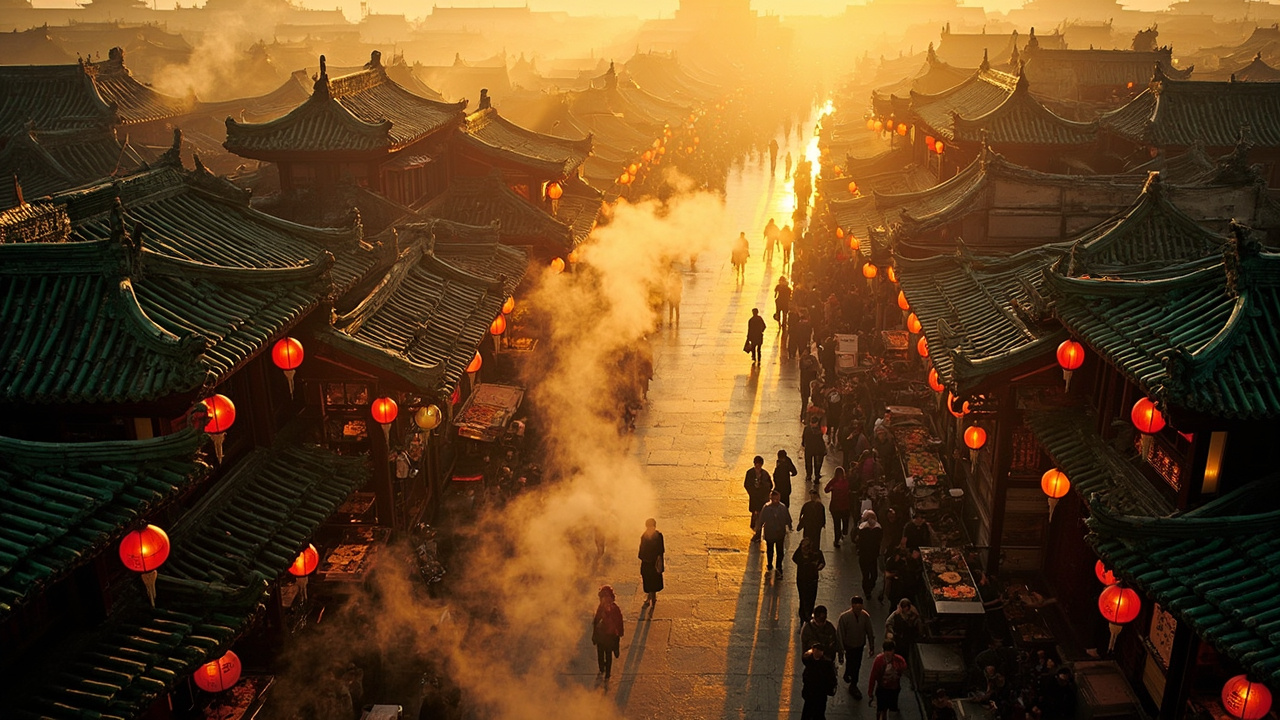
Top 10 Markets and Shopping Streets in China
From Shanghai's Bund to Beijing's Silk Street - 10 markets where foreigners can haggle, explore, and bring home authentic Chinese goods.
9 min read
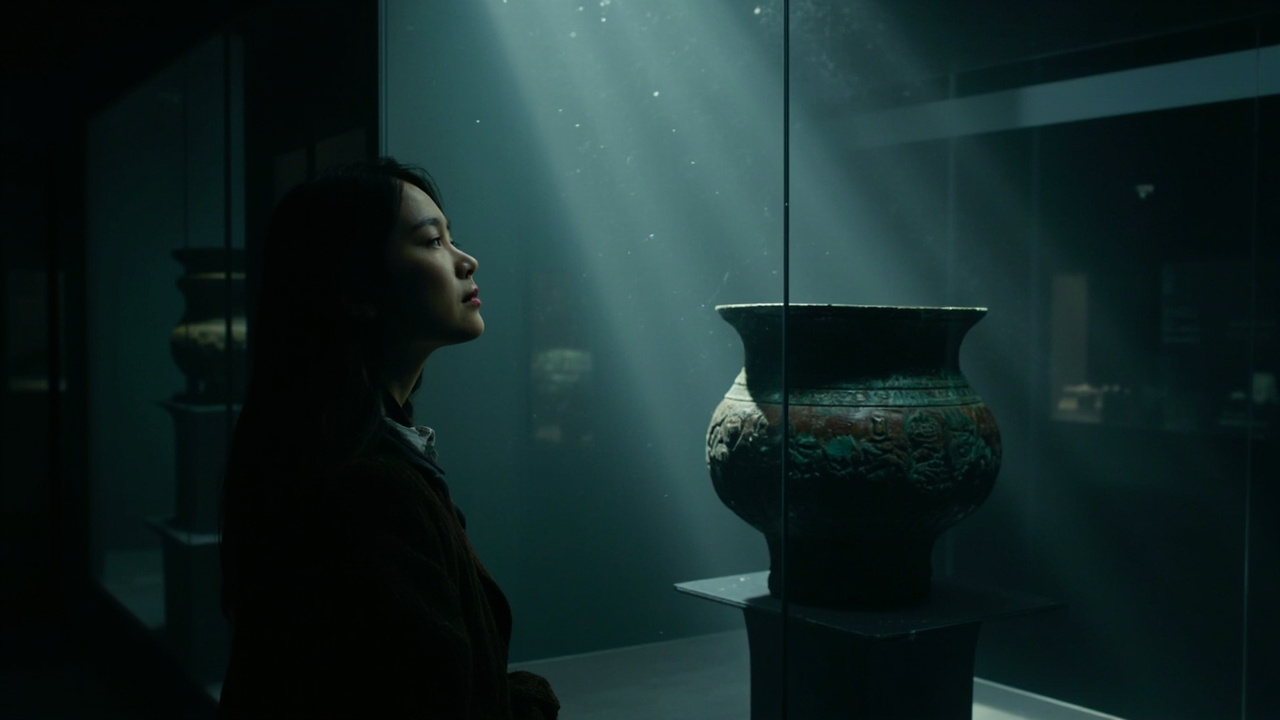
Top 10 Museums in China You Shouldn't Miss
China's museums span 5,000 years of civilization. These 10 - from the Palace Museum to Xi'an's terracotta gallery - are unmissable for culture lovers.
9 min read