
Chengdu Panda Base Guide
TODO: Extract from article (100-160 chars)
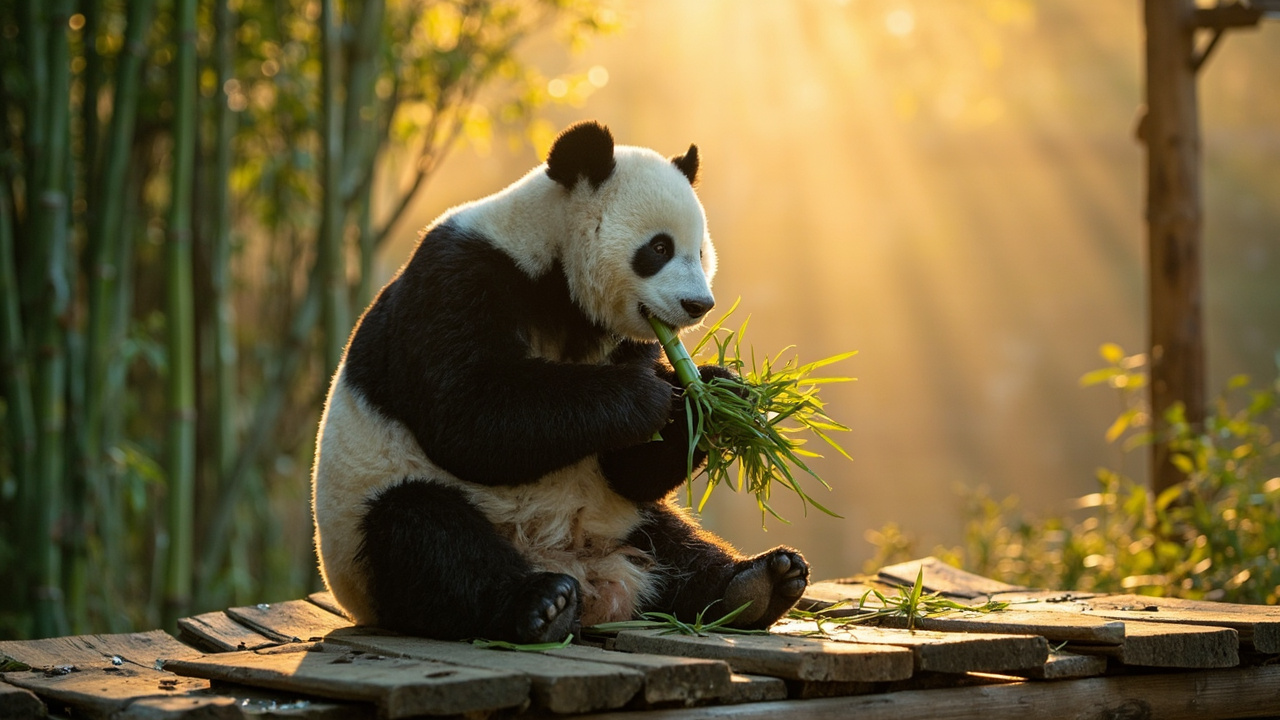
The first time I went to the Panda Base, I made a rookie mistake. I showed up at 10:30 a.m. on a Saturday in July. The pandas were asleep. All of them. I stood in a sweaty crowd of hundreds, watching a giant ball of black-and-white fur snore in a bamboo thicket, and I thought, I flew 7,000 miles for this?
I went back three days later at 7:15 a.m. on a Tuesday. That was the real show. The pandas were eating, wrestling, and tumbling over each other like overstuffed stuffed animals. One cub fell off a platform, rolled twice, and immediately tried to climb a tree. I watched for an hour and didn’t move.
Here’s the thing about the Chengdu Research Base of Giant Panda Breeding: it’s one of the few places in the world where you can see 80+ pandas in a semi-natural habitat, and it’s genuinely worth the trip. But it rewards people who plan. This guide covers the exact route, the timing, the tickets, and the mistakes I made so you don’t have to.
Quick answer
The Chengdu Panda Base is a 20-minute drive northeast of downtown Chengdu, open daily from 7:30 a.m. to 6:00 p.m., with entry costing about $7.50 (¥55). Go at opening time (7:30–9:00 a.m.) on a weekday to see pandas active during feeding; by 10 a.m. they’re mostly asleep. The base is fully accessible with English signage, and you can pay by Alipay or WeChat Pay at the gate, though cash is also accepted.
The Short Version
If you only have 90 seconds: go at 7:30 a.m. sharp, take the subway (Line 3 to Panda Avenue Station, Exit B), and walk or take the free shuttle the last 500 meters. Buy tickets in advance on the official WeChat mini-program or at the gate. See the cubs first (Moonlight Nursery), then the adults. Skip the gift shop. You’ll be done by 11 a.m. and back in the city for lunch. Don’t go in summer after 9 a.m. — the pandas are comatose and so are you.
How I Picked These
I’ve lived in Chengdu on and off for six years and visited the Panda Base at least a dozen times — at dawn, at noon, in rain, in smog, on national holidays (never again). I’ve brought visiting parents, skeptical friends, and a toddler who was more interested in the vending machines. I’ve also spent time at the Bifengxia Panda Base in Ya’an, which is farther out but worth knowing about. The advice below comes from those visits, plus conversations with keepers and the retired locals who walk the park’s perimeter every morning for exercise.
Comparison Table
| Rank | Place | Best For | Approx Cost (USD) | Time Needed | When to Go |
|---|---|---|---|---|---|
| 1 | Chengdu Panda Base (Main) | First-timers, seeing pandas up close | $7.50 (¥55) | 3–4 hours | Weekday mornings, Mar–May or Sep–Nov |
| 2 | Moonlight Nursery (inside base) | Watching panda cubs | Included | 30–45 min | 8:00–9:30 a.m. |
| 3 | Adult Panda Enclosures | Feeding time behavior | Included | 1 hour | 7:30–9:00 a.m. |
| 4 | Red Panda Area | Smaller, more active cousins | Included | 30 min | Early morning |
| 5 | Panda Museum (inside base) | Understanding the science | Included | 20 min | Any time |
| 6 | Bifengxia Panda Base (Ya’an) | Quieter, more natural setting | $12 (¥100) + transport | Full day | Weekdays |
| 7 | Dujiangyan Panda Base | Volunteer programs | $75–$150 (¥500–¥1000) | Half day | By reservation |
| 8 | Chengdu Zoo | Budget option, other animals | $2.70 (¥20) | 2 hours | Weekday mornings |
| 9 | Panda House (downtown) | Souvenir shopping | Free entry | 30 min | Any time |
| 10 | Kuanzhai Alley (nearby) | Post-panda brunch | Free | 1–2 hours | After panda visit |
Chengdu Panda Base — the main event
The main base is a 1,000-acre park that’s part zoo, part research facility, and part botanical garden. It’s not a zoo in the Western sense — pandas roam in large, forested enclosures separated by moats and glass walls. The layout is a loop that takes you past the nursery, the adult enclosures, and the red panda area.
Location: Chenghua District, about 12 km northeast of downtown Chengdu. The address is 1375 Panda Avenue (熊猫大道1375号).
Entry fee: $7.50 (¥55) for adults. Students with valid ID get in for about $3.70 (¥27). Children under 1.2 meters are free. You can buy tickets at the gate with cash, or via the official “成都大熊猫繁育研究基地” WeChat mini-program. If you don’t have WeChat set up, the gate accepts Alipay and cash. There’s also a ticket office for foreigners with passports.
Opening hours: 7:30 a.m. to 6:00 p.m. year-round. Ticket sales stop at 5:00 p.m. The pandas are fed between 8:00 and 9:00 a.m., which is when they’re most active. After that, they mostly sleep until the afternoon snack around 2:00–3:00 p.m.
How to get there: Take Metro Line 3 to Panda Avenue Station (熊猫大道站), Exit B. From the exit, it’s about a 500-meter walk east, or you can take the free shuttle bus that runs every 10 minutes. A taxi from downtown costs about $4–6 (¥30–40). If you’re coming from Tianfu Square, the subway takes about 40 minutes.
When to visit: March through May and September through November are ideal — the weather is mild and the pandas are more active. Winter is also good because pandas prefer cold weather and you’ll see them romping in the snow. Summer is brutal: hot, humid, and crowded. If you must go in summer, be at the gate at 7:15 a.m.
Insider tips:
- Go straight to the Moonlight Nursery first. The cubs are most active between 8:00 and 9:00 a.m., and the crowd is thinner at the back of the park.
- The park is huge. Wear comfortable shoes and expect to walk 5–7 km if you see everything.
- Bring your own water and snacks. The food options inside are limited and overpriced.
- The viewing areas get packed by 9 a.m. Position yourself early at the glass walls near the adult enclosures.
- If you want photos without crowds, head to the red panda area — most tourists skip it.
I once spent 20 minutes watching a keeper try to coax a reluctant panda down from a tree with a bucket of apples. The panda won. The keeper shrugged, sat down on a bench, and pulled out his phone. Even the professionals know you can’t rush a panda.
Moonlight Nursery — where the cubs are
The nursery is the heart of the base. This is where newborn pandas and cubs up to about a year old are raised. If you’re lucky, you’ll see them in incubators or wobbling around on their own.
Location: The back section of the base, about a 20-minute walk from the main entrance. Follow the signs for “产房” or “Moonlight Nursery.”
Entry fee: Included in the base ticket.
Opening hours: Same as the base, but the cubs are most visible between 8:00 and 9:30 a.m. during feeding and playtime.
How to get there: Once inside the base, follow the main path uphill. The nursery is at the highest point of the park. There’s an electric shuttle that runs from the entrance to the nursery for about $1.40 (¥10) each way — worth it if you’re short on time.
When to visit: The best time is between 8:00 and 9:00 a.m., right after the morning feeding. The cubs are playful and the keepers often bring them out for supervised play sessions.
Insider tips:
- The nursery has two sections: the indoor incubator room (where newborns are kept) and the outdoor play area for older cubs.
- Photography is allowed, but no flash. The keepers will yell at you if you use it.
- The glass walls are often crowded. Stand at the side angles rather than directly in front — you’ll get a better view.
- If you see a crowd gathered, something cute is happening. Wait 30 seconds and it’ll move.
I watched a cub try to climb a bamboo stalk, fail, roll backward, and land in a heap. Its mother looked at it, looked at me, and went back to eating. The cub tried again immediately. That’s the whole experience, really.
Adult Panda Enclosures — the morning feeding
The adult pandas are spread across several large enclosures, each with a moat or glass barrier separating them from visitors. The morning feeding is the main event.
Location: Scattered throughout the base, but the largest concentration is along the main loop path between the entrance and the nursery.
Entry fee: Included in the base ticket.
Opening hours: Same as the base. Feeding happens between 8:00 and 9:00 a.m., with a smaller afternoon feeding around 2:00–3:00 p.m.
How to get there: Follow the main path. You can’t miss them — just follow the crowds and the sound of bamboo crunching.
When to visit: Weekday mornings are best. The enclosures are less crowded and the pandas are more active. Avoid weekends and Chinese public holidays if you can.
Insider tips:
- Each enclosure has a keeper station nearby. The keepers are friendly and will answer questions in Chinese, but don’t expect much English.
- The pandas often sit right against the glass. Get low and shoot from their eye level for better photos.
- Don’t tap on the glass. It stresses the pandas and the keepers will ask you to leave.
- The best viewing spots are at the corners of the enclosures, where the pandas tend to linger.
A keeper once told me that the pandas recognize their regular visitors. I’m not sure I believe it, but I did notice that one panda, a male named Chengji, always sat in the same spot by the moat, facing the same direction, like he was waiting for something.
Red Panda Area — the underrated gem
Most visitors rush past the red pandas to see the giant ones. That’s a mistake. Red pandas are smaller, more active, and honestly more entertaining to watch.
Location: Near the exit of the base, on the left side of the main path. Look for the signs with the red panda illustration.
Entry fee: Included in the base ticket.
Opening hours: Same as the base. Red pandas are most active in the early morning and late afternoon.
How to get there: Follow the main loop path back toward the entrance. The red panda area is on the lower half of the park.
When to visit: Early morning, before the crowds build up. The red pandas are often sleeping by midday.
Insider tips:
- Red pandas are shy. Stay quiet and still, and they’ll come closer.
- They’re often in the trees. Look up, not just at eye level.
- The red panda area is less crowded than the giant panda enclosures. It’s a good spot for a quieter experience.
- There’s a small viewing platform with benches. Sit there for a few minutes and just watch.
I saw a red panda stretch, yawn, and then slowly climb down a tree trunk headfirst. It paused halfway, looked around, and then continued. A Chinese tourist next to me whispered, “It’s like a cat but not a cat.” She wasn’t wrong.
Panda Museum — the science behind the cuteness
The museum inside the base explains the biology, conservation efforts, and history of giant pandas. It’s not the main attraction, but it adds context.
Location: Near the main entrance, to the right of the ticket office.
Entry fee: Included in the base ticket.
Opening hours: Same as the base.
How to get there: It’s directly inside the main gate. You’ll pass it on your way in.
When to visit: Any time, but it’s a good place to escape the heat or rain.
Insider tips:
- The museum has English labels on most exhibits.
- There’s a short film about panda breeding that runs on a loop. It’s worth watching if you have time.
- The museum is air-conditioned, which is a blessing in summer.
I learned more about panda digestion in that museum than I ever expected to. They eat 12 hours a day and digest only about 17% of what they consume. That’s why they’re always eating or sleeping. Honestly, I respect the lifestyle.
Bifengxia Panda Base — the quieter alternative
If you want to see pandas in a more natural setting with fewer crowds, Bifengxia in Ya’an is worth the trip. It’s about a 2-hour drive from Chengdu.
Location: Ya’an, about 150 km southwest of Chengdu.
Entry fee: About $12 (¥100) for the base, plus transport costs.
Opening hours: 8:30 a.m. to 5:00 p.m.
How to get there: Take a high-speed train from Chengdu West Station to Ya’an (about 1 hour, $10–15), then a taxi or bus to the base (30 minutes). Alternatively, book a day tour from Chengdu.
When to visit: Weekdays, early morning.
Insider tips:
- Bifengxia has fewer pandas than the Chengdu base but more space per panda.
- The setting is more mountainous and forested.
- You can often get closer to the pandas here.
I went to Bifengxia on a rainy Tuesday and had the place almost to myself. A keeper let me watch him prepare bamboo for the pandas, which involved chopping stalks and stacking them in neat bundles. It was oddly meditative.
Dujiangyan Panda Base — for volunteers
The Dujiangyan base, about an hour from Chengdu, offers volunteer programs where you can help prepare food and clean enclosures.
Location: Dujiangyan, about 60 km northwest of Chengdu.
Entry fee: Volunteer programs cost $75–$150 (¥500–¥1000) depending on the package.
Opening hours: By reservation only.
How to get there: Take the high-speed train from Chengdu to Dujiangyan (about 30 minutes), then a taxi to the base.
When to visit: Programs run year-round, but book weeks in advance.
Insider tips:
- Volunteer programs are popular and fill up fast. Book at least a month ahead.
- You’ll need to be reasonably fit — there’s a lot of walking and some manual labor.
- The program includes a behind-the-scenes look at the breeding center.
I didn’t do the volunteer program myself, but a friend who did said it was the highlight of her China trip. She spent a morning chopping bamboo and cleaning enclosures, then got to watch the pandas eat the food she’d helped prepare. She cried a little. I don’t blame her.
Chengdu Zoo — the budget option
If you’re short on time or money, the Chengdu Zoo has a small panda exhibit. It’s not as good as the base, but it’s cheap and easy to reach.
Location: Chenghua District, about 3 km south of the Panda Base.
Entry fee: About $2.70 (¥20).
Opening hours: 8:00 a.m. to 5:00 p.m.
How to get there: Take Metro Line 3 to Zoo Station (动物园站), Exit A.
When to visit: Weekday mornings.
Insider tips:
- The zoo has other animals too, including golden monkeys and South China tigers.
- The panda exhibit is small, but the pandas are often more visible here because the enclosure is smaller.
- It’s a good backup if the base is sold out or too crowded.
The zoo is fine, but it’s a bit sad compared to the base. The pandas have less space and the enclosures are more traditional. If you can, spend the extra money on the base.
Panda House — the souvenir stop
If you want panda merchandise without the crowds, Panda House in downtown Chengdu has a good selection.
Location: Chunxi Road, the main shopping street in downtown Chengdu.
Entry fee: Free to enter.
Opening hours: 10:00 a.m. to 10:00 p.m.
How to get there: Take Metro Line 2 or 3 to Chunxi Road Station (春熙路站), Exit B.
When to visit: Any time, but evenings are livelier.
Insider tips:
- The prices here are higher than at the base’s gift shop, but the selection is better.
- Look for the panda-shaped buns at the nearby bakery. They’re almost too cute to eat.
- The store has a panda mascot that poses for photos with tourists.
I bought a panda keychain here for a friend who said she wanted “something small and cute.” She now has a collection of about 20 panda keychains. I think I started something.
Kuanzhai Alley — the post-panda brunch stop
After your panda visit, head to Kuanzhai Alley for Sichuan snacks and people-watching. It’s touristy, but it’s also genuinely fun.
Location: Qingyang District, about 6 km southwest of the Panda Base.
Entry fee: Free.
Opening hours: Open all day, but most shops open around 10:00 a.m.
How to get there: Take Metro Line 4 to Kuanzhai Alley Station (宽窄巷子站), Exit B.
When to visit: Late morning or early afternoon, after your panda visit.
Insider tips:
- Try the dan dan noodles and the “three cannon” (三大炮) dessert — glutinous rice balls coated in soybean flour.
- The alley gets crowded by midday. Go early or late.
- The side streets are quieter and have better food.
The first time I went to Kuanzhai Alley, I ate three different kinds of skewers, a bowl of noodles, and a panda-shaped ice cream bar. I regret nothing.
FAQ summary
The Chengdu Panda Base opens at 7:30 a.m. daily, costs about $7.50 (¥55), and is best visited on weekday mornings before 9 a.m. when pandas are most active during feeding. Take Metro Line 3 to Panda Avenue Station, Exit B, then walk or take the free shuttle to the gate. Buy tickets at the entrance with cash, Alipay, or WeChat Pay, or in advance via the official WeChat mini-program. The base is fully accessible with English signage, and a visit typically takes 3–4 hours. For a quieter experience, consider Bifengxia in Ya’an or the Dujiangyan volunteer program.
FAQ
Q: What time should I arrive at the Chengdu Panda Base? A: Arrive at 7:15 a.m. to be at the gate when it opens at 7:30. The pandas are fed between 8:00 and 9:00 a.m., which is when they’re most active. By 10 a.m., most are asleep.
Q: How much does it cost to visit the Chengdu Panda Base? A: Entry is about $7.50 (¥55) for adults. Students with valid ID pay about $3.70 (¥27), and children under 1.2 meters are free. The electric shuttle inside the base costs about $1.40 (¥10) per ride.
Q: How do I get to the Chengdu Panda Base from downtown? A: Take Metro Line 3 to Panda Avenue Station (熊猫大道站), Exit B. From there, it’s a 500-meter walk east or a free shuttle ride to the gate. A taxi from downtown costs about $4–6 (¥30–40) and takes 20–30 minutes.
Q: Do I need to book tickets in advance? A: No, but it helps. You can buy tickets at the gate with cash, Alipay, or WeChat Pay. During Chinese holidays and weekends, the base can sell out, so booking via the official WeChat mini-program is safer.
Q: Is the Panda Base suitable for children? A: Yes, but keep in mind it’s a lot of walking. The base is stroller-friendly, and there are rest areas throughout. The cubs at the Moonlight Nursery are usually the biggest hit with kids.
Q: Can I hold or touch a panda at the base? A: No. The Chengdu Panda Base does not offer panda holding experiences. If you want a closer interaction, look into the volunteer program at Dujiangyan, which allows you to help prepare food but not touch the pandas.
Q: Is the Panda Base accessible for visitors with mobility issues? A: Partially. The main paths are paved and relatively flat, but the base is large and involves a lot of walking. The electric shuttle can take you between key areas. Wheelchair rental is not available on-site, so bring your own if needed.
The Honest Wrap-up
This guide is for anyone who wants to see pandas without the stress. The Chengdu Panda Base is genuinely one of the best wildlife experiences in China, but it’s also a tourist attraction with all the crowds that implies. Go early, go on a weekday, and you’ll have a magical morning. Go late, go on a weekend, and you’ll be staring at sleeping pandas through a wall of selfie sticks.
If you’re the kind of traveler who wants a more raw, natural experience, consider Bifengxia. If you want to get your hands dirty, book the Dujiangyan volunteer program. But for most people, the main base is the right call. It’s convenient, well-run, and the pandas are undeniably adorable.
One last thing: bring a hat, wear sunscreen, and don’t forget your passport. You’ll need it for the ticket office, and you’ll want it for the memory.
More guides you may like
Top 10 Bridges in China
China's bridges are engineering marvels spanning mountains, rivers, and seas. Here are 10 of the most spectacular, from ancient stone to modern steel.
8 min read

Top 10 Buddhist Sites in China
From the Leshan Giant Buddha to the Dunhuang Caves, these 10 Buddhist sites represent 2,000 years of China's spiritual heritage.
9 min read

Top 10 Day Trips from Beijing You Shouldn't Miss
Beijing is packed with history, but some of China's best experiences are just a few hours away. Here are 10 day trips that will transform your visit.
9 min read
Top 10 Hidden Gems in China Off the Beaten Path
Beyond the Great Wall and Terracotta Warriors, China has incredible hidden destinations few tourists ever reach. Here are 10 underrated gems worth the detour.
9 min read

Top 10 Markets and Shopping Streets in China
From Shanghai's Bund to Beijing's Silk Street - 10 markets where foreigners can haggle, explore, and bring home authentic Chinese goods.
9 min read
Top 10 Museums in China You Shouldn't Miss
China's museums span 5,000 years of civilization. These 10 - from the Palace Museum to Xi'an's terracotta gallery - are unmissable for culture lovers.
9 min read