
China Travel 2026 Guide
TODO: Extract from article (100-160 chars)
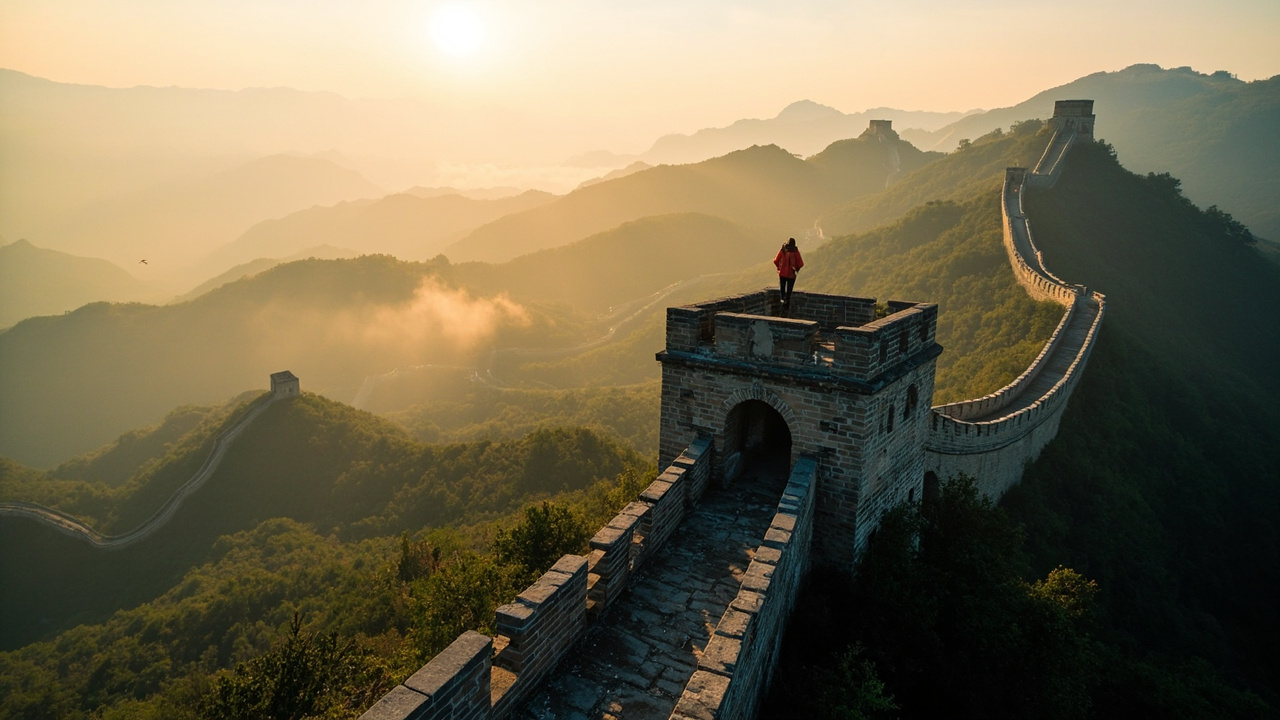
The cab driver in Beijing laughed at me when I asked him to take me to a “traditional” restaurant. He shook his head, pointed at a fluorescent-lit noodle shop, and said, “That’s for tourists. You want real food, come with me.” Twenty minutes later I was eating hand-pulled noodles in a basement canteen surrounded by office workers slurping louder than I thought was physically possible. That was seven years ago. I’ve been back forty-something times since, and I still think about those noodles.
China in 2026 is not the China you’ve seen in documentaries. It’s faster, more modern, and honestly, more confusing in some ways. But it’s also more accessible than ever for first-time visitors. The visa-free policies have expanded, high-speed rail now connects nearly every corner of the country, and you can pay for a street skewer with your phone before the vendor even finishes grilling it.
This guide covers the ten places I’d send a friend who’s never been here. Not the full list of every UNESCO site, but the ones that actually deliver on the promise. I’ll tell you what’s worth your money, what’s skippable, and the small details that make the difference between a good trip and a story you’ll tell for years.
Quick answer
China in 2026 is open and easier to visit than ever: citizens of 38 countries (including the US, UK, Canada, and most of Europe) can enter visa-free for up to 30 days through December 2026. Plan on spending $100–150 per day (CNY 720–1,080) for a comfortable trip covering transport, food, and mid-range hotels. The best time to visit is spring (April–May) or autumn (September–October) when temperatures are mild and skies are clearer.
The Short Version
If you only read one section, read this. China rewards the traveler who plans less and wanders more. Skip the packaged tours. Learn to use Alipay before you arrive. Download a translation app that works offline. Book your high-speed rail tickets through Trip.com or the official 12306 app. And whatever you do, don’t try to see all of China in ten days. Pick two regions, go deep, and leave wanting more.
How I Picked These
I’ve traveled through every province in China except Tibet and Xinjiang (both require special permits and planning I haven’t gotten around to). For this guide, I focused on places I’ve visited at least twice, in different seasons, and where I’ve had conversations with locals beyond “how much for this?” I also cross-checked my experiences with expat friends living in Beijing, Shanghai, and Chengdu, plus a handful of Chinese friends who were brutally honest about which spots are actually worth your time versus which ones exist purely for tour groups.
The result is a list that balances the icons you can’t skip with a few places that might not be on your radar yet. I’ve included practical details like exact metro exits and entry fees because that’s the stuff that actually stresses people out when they’re standing on a street corner with a dead phone.
Comparison Table
| Rank | Place | Best For | Approx Cost (USD) | Time Needed | When to Go |
|---|---|---|---|---|---|
| 1 | Beijing | First-timers, history, food | $80–120/day | 3–4 days | Apr–May, Sep–Oct |
| 2 | Xi’an | Terracotta Warriors, ancient capital | $70–100/day | 2–3 days | Mar–May, Sep–Nov |
| 3 | Shanghai | Modern China, nightlife, ease | $90–140/day | 2–3 days | Mar–May, Oct–Nov |
| 4 | Chengdu | Pandas, Sichuan food, teahouses | $60–90/day | 2–3 days | Mar–Jun, Sep–Nov |
| 5 | Guilin & Yangshuo | Karst scenery, outdoor activities | $50–80/day | 3–4 days | Apr–Oct |
| 6 | Zhangjiajie | Avatar mountains, hiking | $60–90/day | 2–3 days | Apr–Jun, Sep–Oct |
| 7 | Lijiang & Dali | Old towns, Yunnan culture | $50–80/day | 3–4 days | Mar–May, Sep–Nov |
| 8 | The Great Wall (Mutianyu) | Iconic day trip from Beijing | $50–70/day trip | 1 day | Apr–Oct, weekdays |
| 9 | Hong Kong | Food, city energy, easy entry | $100–150/day | 2–3 days | Oct–Nov, Dec–Feb |
| 10 | Suzhou & Hangzhou | Classical gardens, canals | $60–90/day | 2–3 days | Mar–May, Sep–Nov |
1. Beijing — The Capital That Keeps Surprising You
I’ve lived here for seven years and I still get lost in the hutongs. That’s not a complaint. Getting lost is the point. One afternoon I turned down an alley looking for a bathroom and found a courtyard home where an old man was teaching his grandson calligraphy. He waved me in, poured me jasmine tea, and we communicated through a translation app for an hour. That doesn’t happen in the tourist zones.
Beijing is overwhelming in the best way. The Forbidden City is genuinely massive, the Summer Palace is genuinely beautiful, and the food scene ranges from Peking duck palaces to hole-in-the-wall dumpling shops that have been running for decades. But the real magic is in the neighborhoods. The hutongs around Shichahai, the art districts in 798, the night markets in Wangfujing (skip the scorpion skewers, try the lamb).
📍 Location: Central Beijing, primarily Dongcheng and Xicheng districts 🎫 Entry fee: Forbidden City $9 (CNY 60) in peak season; Temple of Heaven $2.80 (CNY 20); many hutongs are free 🕒 Opening hours: Most major sites 8:30am–5pm, closed Mondays (check each site; the Forbidden City is closed Mondays except public holidays) 🚇 How to get there: Tiananmen East Station (Line 1), Exit A, walk west 5 minutes to the Meridian Gate entrance. For hutongs, take Line 8 to Shichahai Station, Exit A, and just start walking 🕐 When to visit: April–May or September–October. Weekdays are dramatically less crowded than weekends. Go to the Forbidden City first thing in the morning 💡 Insider tips: Book Forbidden City tickets on the official WeChat mini-program at least 7 days in advance, they sell out daily. Bring your passport for entry, not a photocopy. The security line at Tiananmen Square can take 30 minutes, factor that in. Download a translation app, English signage is decent at major sites but useless in hutongs. Try jianbing from a street cart for breakfast, it costs about $1 (CNY 7) and beats any hotel buffet
I once watched a tour group spend 45 minutes photographing the exact same spot on the Forbidden City’s marble bridge while a family of locals walked past them eating ice cream. Don’t be that group. Walk faster, go deeper, and find the less crowded courtyards in the back sections.
2. Xi’an — Where China’s History Actually Starts
The Terracotta Warriors are worth the hype. I know, everyone says that, but hear me out. When I first saw them in 2019, I expected to be underwhelmed. Instead, I stood at the edge of Pit 1 for twenty minutes without moving. There are 6,000 soldiers, each with a different face, and they’ve been standing there for 2,200 years. No photograph prepares you for the scale.
But Xi’an is more than the warriors. The old city walls are the most complete in China, and you can rent a bike and ride the full 14 kilometers (8.7 miles) in about 90 minutes. The Muslim Quarter is chaotic, loud, and absolutely essential for food lovers. Try the roujiamo (Chinese hamburger), biangbiang noodles, and yangrou paomo (lamb soup with bread that you tear into pieces yourself).
📍 Location: Xi’an city center, Shaanxi Province 🎫 Entry fee: Terracotta Warriors $20 (CNY 120); City Wall $7 (CNY 54); Muslim Quarter is free 🕒 Opening hours: Terracotta Warriors 8:30am–5:30pm (Mar–Nov), 8:30am–5pm (Dec–Feb); City Wall 8am–10pm 🚇 How to get there: Terracotta Warriors are 40km east of the city. Take Metro Line 9 to Huaqingchi Station, then bus 602 or a taxi (about $6/CNY 40). City Wall: Metro Line 2 to Yongningmen Station, Exit D, you’ll see the South Gate directly ahead 🕐 When to visit: March–May or September–November. Visit the warriors at 8:30am when gates open, tour groups arrive around 10am 💡 Insider tips: Hire a guide at the Terracotta Warriors entrance, about $30 (CNY 200) for 2 hours, they’ll show you details you’d miss alone. The Muslim Quarter is best after 6pm when the street food stalls fire up. Try the persimmon cakes, they’re only available in autumn. Skip the “official” Terracotta Warriors museum shop, the same souvenirs are half price at the stalls outside. Learn to say “bu la” (not spicy) if you can’t handle heat, Shaanxi food is serious about chili
I made the mistake of eating a full lunch before visiting the Muslim Quarter. By the time I saw the lamb skewers, I was too full to try them. I still regret that decision two years later.
3. Shanghai — China’s Future, For Better or Worse
Shanghai hits different at night. The Bund’s colonial buildings light up across the river from the Pudong skyline, and for a moment you forget you’re in China at all. It feels like a film set. Then you turn around and find a 90-year-old woman selling steamed buns from a cart, and you remember where you are.
The thing about Shanghai is that it’s the easiest Chinese city for first-timers. English is widely spoken in tourist areas, the metro is simple to navigate, and the food scene spans everything from $3 (CNY 20) soup dumplings to $300 tasting menus. But it’s also the least “Chinese” city in some ways. If you want ancient temples and traditional culture, Shanghai will disappoint. If you want world-class museums, incredible coffee, and nightlife that goes until 4am, you’ll love it.
📍 Location: Central Shanghai, primarily Huangpu and Xuhui districts 🎫 Entry fee: The Bund is free; Shanghai Museum is free (book in advance); Yu Garden $5.50 (CNY 40) 🕒 Opening hours: The Bund is best at sunset and night; Shanghai Museum 9am–5pm, closed Mondays; Yu Garden 8:45am–4:45pm 🚇 How to get there: The Bund: Metro Line 2 or 10 to East Nanjing Road Station, Exit 1, walk east 10 minutes. Yu Garden: Metro Line 10 to Yuyuan Garden Station, Exit 1, walk 5 minutes 🕐 When to visit: March–May or October–November. Avoid July–August, the humidity is brutal. Visit the Bund at sunset, then stay for the lights 💡 Insider tips: The Shanghai Museum’s new location in Pudong is spectacular and free, but you must reserve a slot on their WeChat mini-program. Try xiaolongbao (soup dumplings) at Jia Jia Tang Bao, but go before 11am or after 2pm to avoid the queue. The French Concession is perfect for walking, start at Wukang Road and just wander. Use the metro, taxis get stuck in traffic. For a view without the Bund crowds, go to the bar at the top of the Shanghai EDITION hotel
I met a barista in the French Concession who had moved from Melbourne for a job at a specialty coffee shop. She said the coffee scene in Shanghai was better than Australia’s. I thought she was exaggerating until I tried a flat white that was genuinely excellent.
4. Chengdu — The City That Taught Me to Slow Down
The first thing you notice in Chengdu is the pace. People walk slower. They sit in teahouses for hours. They play mahjong in parks while their grandchildren nap in strollers nearby. I’m not a naturally relaxed person, but Chengdu got to me. By day three, I was ordering tea and just… sitting. Watching. Letting the afternoon disappear.
The pandas are obviously the main draw, and the Giant Panda Breeding Research Base is genuinely worth it. Go early, before 8am, when the pandas are active and eating bamboo. By 10am, most of them are asleep and the crowds are three deep. But Chengdu’s real gift is the food. Sichuan cuisine is famous for its heat, but it’s actually more about the numbing spice of Sichuan peppercorns, a sensation called “ma” that tingles your lips in a way that’s weirdly addictive.
📍 Location: Chengdu, Sichuan Province, primarily Jinjiang and Qingyang districts 🎫 Entry fee: Panda Base $7 (CNY 55); Wuhou Shrine $7 (CNY 50); People’s Park is free 🕒 Opening hours: Panda Base 7:30am–6pm (Mar–Oct), 8am–5:30pm (Nov–Feb); People’s Park open all day 🚇 How to get there: Panda Base: Metro Line 3 to Panda Avenue Station, Exit B, then a 10-minute walk or free shuttle bus. People’s Park: Metro Line 2 to People’s Park Station, Exit A, you’re at the north gate 🕐 When to visit: March–June or September–November. Visit the pandas on a weekday, arrive by 7:30am 💡 Insider tips: The Panda Base has a “panda kitchen” where you can watch staff prepare food, it’s fascinating and most tourists miss it. In People’s Park, get your tea at the Heming Teahouse, it’s been running since 1923. Try mapo tofu at Chen Mapo Tofu, the original location, and order it “ma la” (numbing and spicy) for the full experience. The Jinli Ancient Street is touristy but worth an evening wander, the lanterns are beautiful. Learn to say “bu yao tai la” (not too spicy) if you’re sensitive to heat
A teahouse waiter in People’s Park refilled my cup five times without me asking. When I tried to tip him, he looked confused and waved me off. In Chengdu, hospitality is just expected, not rewarded.
5. Guilin & Yangshuo — The Landscape That Inspired a Thousand Paintings
I remember the exact moment the train emerged from a tunnel and the karst peaks appeared. Green cones rising from flat farmland, mist clinging to the tops, the Li River snaking between them. I pressed my face against the window like a child. The woman next to me laughed and said something I later translated as “everyone does that the first time.”
The Li River cruise from Guilin to Yangshuo is the classic experience, but I actually prefer renting a bike or e-bike in Yangshuo and exploring the countryside on my own. The Yulong River area is quieter than the main Li River route, with smaller karst formations and rice paddies that turn golden in autumn. You can also do bamboo rafting on the Yulong, which is more peaceful than the motorized rafts on the Li.
📍 Location: Guilin and Yangshuo, Guangxi Province 🎫 Entry fee: Li River cruise $60–100 (CNY 400–700) depending on boat class; Yulong River rafting $30–50 (CNY 200–350); countryside cycling is free 🕒 Opening hours: Cruises typically run 9am–2pm; rafting operates daylight hours 🚇 How to get there: High-speed rail from Guilin North Station to Yangshuo Station takes 30 minutes, then a 40-minute bus or taxi to town. From Yangshuo town, rent an e-bike for about $10 (CNY 70) per day 🕐 When to visit: April–October. September–October has the clearest skies. Avoid Chinese national holidays (early May, early October) when domestic tourism explodes 💡 Insider tips: Skip the Li River cruise if you’re on a budget, the scenery is similar from the riverside bike path between Yangshuo and Fuli. The Xianggong Hill viewpoint at sunrise is spectacular but requires a 5am start. Try beer fish, a local specialty cooked with beer and tomatoes, at a riverside restaurant. Learn to ride an e-bike before you arrive if you’ve never used one, the traffic in Yangshuo town is chaotic. Bring mosquito repellent, the rice paddies attract them at dusk
I watched a French couple try to negotiate with a farmer for a boat ride using only hand gestures and Google Translate. The farmer eventually laughed, waved them onto his bamboo raft, and charged them half the going rate. Sometimes the language barrier works in your favor.
6. Zhangjiajie — The Mountains That Became Avatar’s Pandora
The floating mountains of Zhangjiajie look fake. I know they’re real, I’ve stood on them, but my brain still refuses to process the sight of sandstone pillars rising 200 meters (650 feet) from the forest floor. The park’s marketing leans hard into the Avatar connection, which is cheesy, but the landscape genuinely looks like another planet.
The park is divided into several scenic areas connected by shuttle buses and cable cars. The most famous viewpoint is Yuanjiajie, where the “Avatar Hallelujah Mountain” stands. But my favorite spot is Tianzi Mountain, which is less crowded and has views that stretch for kilometers. The glass bridge at Zhangjiajie Grand Canyon is terrifying and worth doing once, just to feel your legs go weak.
📍 Location: Zhangjiajie National Forest Park, Hunan Province 🎫 Entry fee: Park entrance $35 (CNY 228), valid for 4 days; Glass bridge $25 (CNY 160); Bailong Elevator $10 (CNY 72) one way 🕒 Opening hours: 7am–6pm (peak season), 7:30am–5:30pm (off-season) 🚇 How to get there: Fly or take the high-speed rail to Zhangjiajie West Station. From downtown Zhangjiajie, take the park shuttle bus (about $1.50/CNY 10) to the forest park entrance. The cable car from the city to Tianmen Mountain is separate from the national forest park 🕐 When to visit: April–June and September–October. The park is often foggy, which sounds bad but actually makes the pillars look even more dramatic. Check the weather forecast and go on a clear day if possible 💡 Insider tips: Stay in the village of Wulingyuan near the park’s eastern entrance, it’s more convenient than downtown Zhangjiajie. Enter the park at 7am and go straight to Yuanjiajie before the tour groups arrive. The Bailong Elevator is a glass elevator built into a cliff face, it’s touristy but the ride is genuinely thrilling. Bring rain gear, the weather changes fast. The “Avatar” connection is everywhere, embrace it, it’s part of the fun
I got caught in a sudden thunderstorm on Tianzi Mountain and took shelter in a small pavilion with a group of Chinese tourists. One of them offered me a piece of dried mango and we spent an hour communicating through charades. It was the best part of my visit.
7. Lijiang & Dali — Yunnan’s Old Towns and the Art of Doing Nothing
I almost skipped Lijiang. I’d heard it was too touristy, too commercialized, too full of souvenir shops. And it is, in parts. But the old town’s maze of cobblestone streets, canals, and Naxi architecture is still magical if you wander away from the main square. The UNESCO-listed old town is best explored at dawn, when the day-trippers haven’t arrived and the streets are washed clean.
Dali, about two hours south, is more laid-back. The old town is smaller and less polished, but the surrounding countryside is stunning: Erhai Lake, Cangshan Mountain, and Bai minority villages where old women still wear traditional blue and white headdresses. I spent three days in Dali doing almost nothing, and it was exactly what I needed.
📍 Location: Lijiang Old Town and Dali Old Town, Yunnan Province 🎫 Entry fee: Lijiang Old Town maintenance fee $7 (CNY 50), sometimes waived in off-season; Dali Old Town is free; Erhai Lake cycling is free 🕒 Opening hours: Old towns are open 24/7; most museums and temples 8:30am–5:30pm 🚇 How to get there: Fly to Lijiang Sanyi Airport, then a 40-minute taxi to the old town. From Lijiang, take a high-speed train to Dali (about 2 hours). Both old towns are best explored on foot 🕐 When to visit: March–May and September–November. Yunnan has mild weather year-round, but summer brings rain and winter nights get cold 💡 Insider tips: Stay in a traditional courtyard guesthouse, not a chain hotel. The Naxi people have their own written language, one of the last surviving pictographic scripts in the world, look for it on shop signs. Try baba, a flatbread that’s either sweet or savory, from a street stall. In Dali, rent a bike and ride along Erhai Lake’s western shore, it’s flat and beautiful. Skip the “one-day tour” packages, they rush you through everything
A guesthouse owner in Lijiang invited me to join her family for dinner on my second night. We ate hotpot and she told me about growing up in the old town before it became a tourist destination. She missed the quiet, she said, but she appreciated the income.
8. The Great Wall at Mutianyu — The Right Way to See the Wall
The Great Wall is the one sight in China that genuinely lives up to every expectation. But the experience depends entirely on which section you visit. Badaling, the most famous section, is a human conveyor belt. I went once, in 2018, and spent more time shuffling behind tour groups than looking at the wall. Never again.
Mutianyu, about 90 minutes from Beijing, is the sweet spot. It’s restored enough to be safe and accessible, but it’s not a theme park. The wall here snakes along ridge lines for kilometers, with watchtowers every few hundred meters. You can hike for hours and see only a handful of other people, especially if you go on a weekday. The cable car and chairlift options mean you can customize your experience, and the toboggan ride down is genuinely fun.
📍 Location: Huairou District, about 70km northeast of Beijing 🎫 Entry fee: $6 (CNY 45) entrance; cable car $15 (CNY 100) round trip; toboggan $15 (CNY 100) 🕒 Opening hours: 7:30am–6pm (peak season), 8am–5pm (off-season) 🚇 How to get there: No metro access. Take a Didi (China’s Uber) from Beijing, about $50–60 (CNY 350–430) each way. Or book a private driver through your hotel. Public buses exist but are slow and complicated 🕐 When to visit: April–October on weekdays. Avoid weekends and Chinese holidays at all costs. Go early, the wall is best in morning light 💡 Insider tips: Take the chairlift up and the toboggan down, it’s the most fun you’ll have on the wall. Bring water and snacks, the vendors at the top charge triple. The wall gets steep in sections, wear proper shoes. If you want solitude, hike from Mutianyu toward the unrestored Jiankou section (about 2 hours each way), but only if you’re fit and have a guide. The “I climbed the Great Wall” certificate at the entrance is cheesy but my mom loved it
I met a retired English teacher from Xi’an at Mutianyu who was visiting with his grandson. He told me he’d been to the Wall 12 times, always Mutianyu, never Badaling. “Badaling is for people who want to say they’ve been,” he said. “Mutianyu is for people who want to see it.”
9. Hong Kong — The City That Feels Like a Different Country (Because It Is)
Hong Kong is technically part of China, but it operates under “one country, two systems,” which means it feels completely different. English is everywhere, the currency is different, the food scene is a glorious mix of Cantonese tradition and international influence. For first-time visitors to China, Hong Kong is an excellent entry point or a relaxing finale.
The city is compact and efficient. The MTR metro is world-class, the trams are charming, and the ferries across Victoria Harbour cost less than a dollar. The food is the main event: dim sum at Michelin-starred restaurants, cha chaan teng (local diners) serving French toast and milk tea, and street food stalls selling egg waffles and fish balls. The hiking trails around the island offer views that rival any city in the world.
📍 Location: Hong Kong Island, Kowloon, and the New Territories 🎫 Entry fee: Most attractions are free or under $10 (HKD 80). The Peak Tram is $8 (HKD 62) round trip 🕒 Opening hours: Shops and restaurants operate late, often until midnight. Museums typically 10am–6pm, closed Mondays 🚇 How to get there: Fly into Hong Kong International Airport, then take the Airport Express train (about $13/HKD 100) to central Hong Kong. The MTR connects everything 🕐 When to visit: October–November and December–February are the most pleasant. Summer is hot and humid with frequent typhoons 💡 Insider tips: Get an Octopus Card at any MTR station, it works on transport, in convenience stores, and at many restaurants. The Peak is best at sunset, but the tram queue can be 45 minutes, book tickets online in advance. Try dim sum at Lin Heung Tea House, it’s chaotic and the staff are brusque, but it’s a genuine local experience. Take the Star Ferry across the harbour at night, it costs less than $1 and the views are spectacular. Learn to say “mm goi” (thank you) in Cantonese, it goes a long way
A taxi driver in Hong Kong spent the entire ride from the airport explaining the difference between Hong Kong and mainland China, switching between English and Cantonese. “Same country,” he said, “but different everything else.” He wasn’t wrong.
10. Suzhou & Hangzhou — Classical Gardens, Canals, and the Art of Chinese Aesthetics
Suzhou and Hangzhou are often grouped together because they’re both in the Yangtze River Delta and both represent the refined, scholarly side of Chinese culture. But they’re different experiences. Suzhou is about gardens, canals, and silk. Hangzhou is about West Lake, tea plantations, and the legend of the White Snake.
Suzhou’s classical gardens are UNESCO-listed and represent the pinnacle of Chinese landscape design. The Humble Administrator’s Garden is the most famous, but I prefer the Master of the Nets Garden, which is smaller and more intimate. Hangzhou’s West Lake is beautiful but crowded; the real magic is in the surrounding hills, where tea plantations stretch to the horizon and temples hide in bamboo forests.
📍 Location: Suzhou Old Town and Hangzhou’s West Lake area, Zhejiang Province 🎫 Entry fee: Humble Administrator’s Garden $10 (CNY 80); Master of the Nets Garden $5.50 (CNY 40); West Lake is free; Lingyin Temple $10 (CNY 75) 🕒 Opening hours: Gardens typically 7:30am–5:30pm; West Lake is open 24/7 🚇 How to get there: High-speed rail connects both cities to Shanghai (30 minutes to Suzhou, 45 minutes to Hangzhou). In Suzhou, take Metro Line 1 to Lindun Road Station for the gardens. In Hangzhou, take Metro Line 1 to Longxiangqiao Station for West Lake 🕐 When to visit: March–May for gardens in bloom and September–November for clear skies. Avoid Chinese holidays when domestic tourists flood both cities 💡 Insider tips: Visit the gardens at opening time, before the tour groups arrive. The Master of the Nets Garden offers night tours in summer, which are magical. In Hangzhou, rent a bike and ride around West Lake, but avoid the eastern shore which is the most crowded. Take the bus to Longjing Village for tea tasting, the Dragon Well tea grown there is some of China’s best. Try “squirrel fish” in Suzhou, a sweet and sour dish shaped like a squirrel that’s more about presentation than flavor
I spent an afternoon at the Master of the Nets Garden with a retired calligrapher who was practicing his brushwork by the pond. He told me the garden was designed to be viewed from specific angles, each one a perfect painting. “The garden is not a place,” he said. “It’s a poem.”
FAQ summary
For first-time visitors to China in 2026, the key facts are: citizens of 38 countries can enter visa-free for up to 30 days through December 2026, and you’ll need WeChat Pay or Alipay set up before you arrive since many places don’t accept cash or international credit cards. The high-speed rail network is the best way to travel between major cities, with tickets bookable through Trip.com or the official 12306 app. Budget $100–150 per day (CNY 720–1,080) for a comfortable trip, and plan for spring (April–May) or autumn (September–October) for the best weather.
FAQ
Q: Do I need a visa to visit China in 2026? A: Citizens of 38 countries, including the US, UK, Canada, Australia, and most of Europe, can enter visa-free for up to 30 days through December 2026. Check the latest policy on the Chinese embassy website before booking, as rules can change.
Q: Is it safe to drink the water in China? A: No. Stick to bottled water or boiled water. Most hotels provide bottled water daily, and you can buy large bottles at convenience stores for about $0.50 (CNY 3.50). Ice in drinks at reputable establishments is generally safe, but when in doubt, ask for no ice.
Q: How do I pay for things in China? A: WeChat Pay and Alipay are essential. Set them up before you arrive by linking your international credit card. Most places, even street vendors, accept mobile payments. Cash is accepted but increasingly rare, and many businesses don’t accept international credit cards directly.
Q: Do I need a VPN for my phone in China? A: Yes. Google, Facebook, Instagram, WhatsApp, and many Western websites are blocked. Download a reliable VPN before you arrive and test it before you land. Alternatively, consider getting a China-specific SIM card, but note that some international SIMs don’t work well with VPNs.
Q: Is English widely spoken in China? A: In major cities and tourist areas, some English is spoken, but don’t expect fluency. Download a translation app like Google Translate (with offline packs) or Pleco for Chinese. The translation apps on WeChat and Alipay are also surprisingly good.
Q: How do I get around between cities? A: The high-speed rail network is excellent. Book tickets through Trip.com (English interface) or the official 12306 app. Trains between major cities like Beijing–Shanghai take 4.5 hours and cost about $80 (CNY 553) for second class. Domestic flights are also affordable and frequent.
Q: What should I pack for a trip to China? A: Comfortable walking shoes are essential. Bring a power adapter (China uses Type A, C, and I plugs, 220V). Pack layers, especially if visiting in spring or autumn when temperatures fluctuate. Bring a reusable water bottle, and consider packing toiletries since some budget hotels provide limited supplies.
The Honest Wrap-up
This list isn’t for everyone. If you want a resort vacation with beachside cocktails, China isn’t that. If you’re not comfortable with chaos, language barriers, and the occasional moment of feeling completely lost, you might struggle. But if you’re curious about a country that’s been central to world history for thousands of years and is now shaping the future, China delivers like nowhere else.
My advice to a friend booking their first trip: pick two or three places from this list and give them time. Don’t try to see everything. The best moments in China happen when you’re not rushing to the next attraction, when you’re sitting in a teahouse, wandering a hutong, or sharing a meal with someone you just met. The country will surprise you, frustrate you, and eventually win you over. It took me seven years and forty trips, but I’m still not done.
More guides you may like
Top 10 Bridges in China
China's bridges are engineering marvels spanning mountains, rivers, and seas. Here are 10 of the most spectacular, from ancient stone to modern steel.
8 min read

Top 10 Buddhist Sites in China
From the Leshan Giant Buddha to the Dunhuang Caves, these 10 Buddhist sites represent 2,000 years of China's spiritual heritage.
9 min read
Top 10 Day Trips from Beijing You Shouldn't Miss
Beijing is packed with history, but some of China's best experiences are just a few hours away. Here are 10 day trips that will transform your visit.
9 min read
Top 10 Hidden Gems in China Off the Beaten Path
Beyond the Great Wall and Terracotta Warriors, China has incredible hidden destinations few tourists ever reach. Here are 10 underrated gems worth the detour.
9 min read
Top 10 Markets and Shopping Streets in China
From Shanghai's Bund to Beijing's Silk Street - 10 markets where foreigners can haggle, explore, and bring home authentic Chinese goods.
9 min read
Top 10 Museums in China You Shouldn't Miss
China's museums span 5,000 years of civilization. These 10 - from the Palace Museum to Xi'an's terracotta gallery - are unmissable for culture lovers.
9 min read