
Hong Kong Layover Guide
TODO: Extract from article (100-160 chars)
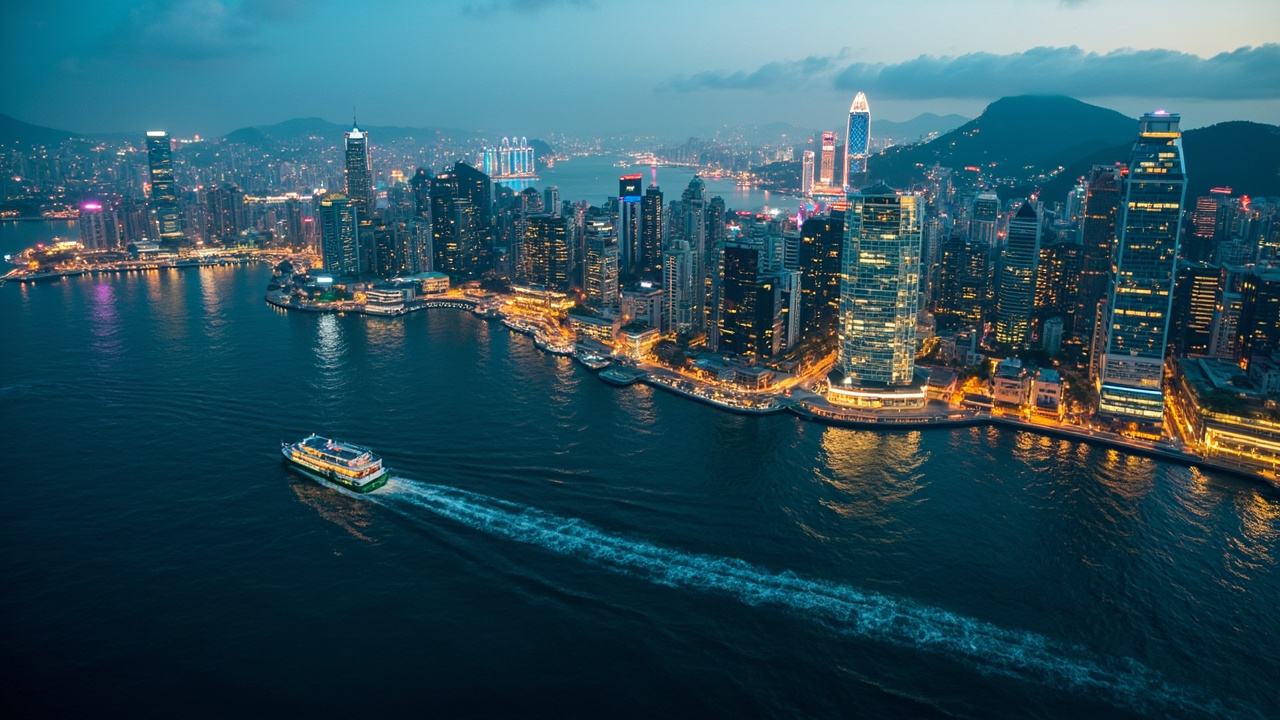
The cab driver in Hong Kong looked at my hand luggage, then at the boarding pass sticking out of my pocket, and raised an eyebrow. “You know you’re not going anywhere today, right?” I had eight hours between flights, and I’d just told him to take me to a noodle shop in Sham Shui Po instead of the airport hotel. He laughed, switched off the meter, and said he’d wait. That’s when I realized a layover here isn’t a delay. It’s a free pass to one of the most electric cities in Asia.
This guide is for first-time visitors to China who have a stopover in Hong Kong, whether you’re en route to Beijing, Shanghai, or Chengdu. I’ve done this exact dance dozens of times, and I know the specific anxieties: Will I need a visa? Can I pay with my phone? What if I miss my connection? I’ll answer all of that. More importantly, I’ll tell you exactly how to spend your hours so you land home talking about the food and the skyline, not the airport lounge.
Quick answer
Hong Kong offers visa-free transit for most nationalities staying under 24 hours, and you don’t need a Chinese visa if you stay in Hong Kong and don’t cross into mainland China. An 8-hour layover is enough time to take the Airport Express to Central, eat a proper meal, and see the harbor; 12+ hours lets you ride the tram to Victoria Peak or explore a local neighborhood like Sham Shui Po. Budget at least $40–60 USD (HKD 310–470) for transport, food, and one attraction, and make sure your phone can access WhatsApp or Google Maps before you land.
The Short Version
If you have less than six hours, don’t leave the airport. It’s not worth the stress. If you have six to ten hours, take the Airport Express to Central or Tsim Sha Tsui, walk the harborfront, eat at a dai pai dong (open-air food stall), and get back with two hours to spare. If you have more than ten hours, add Victoria Peak or a neighborhood like Sham Shui Po. Skip Disneyland, skip Ocean Park, skip the night markets if you’re tired. Hong Kong’s magic is in the density, the food, and the harbor light, not the ticketed attractions.
How I Picked These
I’ve transited through Hong Kong International Airport more times than I can count, and I’ve made every mistake in the book. I once missed a connection because I trusted a “quick” dim sum place that had a 45-minute queue. Another time I nearly missed the last Airport Express because I was transfixed by the light show on the Tsim Sha Tsui promenade. These picks come from actual visits, conversations with locals, and a healthy amount of trial and error. I’ve also spoken to airport staff and immigration officers about what they see tourists get wrong. This list is the result, filtered through the specific lens of a layover, where every minute counts.
Comparison Table
| Rank | Place | Best For | Approx Cost (USD) | Time Needed | When to Go |
|---|---|---|---|---|---|
| 1 | Victoria Peak | Iconic skyline views | $10–15 (HKD 80–120) | 3–4 hours | Late afternoon for sunset |
| 2 | Tsim Sha Tsui Promenade | Harbor views, photo ops | Free | 1–2 hours | Evening for skyline lights |
| 3 | Central–Mid-Levels Escalator | Urban exploration, food | Free | 1–2 hours | Morning or late afternoon |
| 4 | Sham Shui Po | Local street life, food | $5–10 (HKD 40–80) | 2–3 hours | Mid-morning for markets |
| 5 | Star Ferry | Classic harbor crossing | $0.50 (HKD 4) | 30–45 minutes | Daytime for clarity |
| 6 | Mong Kok Markets | Shopping, street food | $5–20 (HKD 40–160) | 2–3 hours | Evening, after 6 PM |
| 7 | Nan Lian Garden | Peace, traditional design | Free | 1–2 hours | Weekday mornings |
| 8 | Wong Tai Sin Temple | Culture, fortune-telling | Free | 1–1.5 hours | Morning before crowds |
| 9 | Shek O Beach | Escape, nature | Free | 3–4 hours | Sunny weekdays |
| 10 | Airport Premium Plaza | Relaxation, food | $20–40 (HKD 160–310) | 2–3 hours | Anytime before your flight |
Victoria Peak — The View That Justifies the Jet Lag
The first time I rode the Peak Tram, I was hungover and skeptical. Then the city tilted away beneath me, and the towers of Central leaned like a hand of cards about to fall. It’s a five-minute ride that feels like a theme park attraction, except the view at the top is real.
The Peak is Hong Kong’s postcard, and for good reason. From the Sky Terrace 428, you can see the harbor, the islands, and the dense urban grid stretching to the horizon. It’s the single best way to understand why this city looks the way it does, a forest of glass squeezed between mountains and sea. If you only do one thing on your layover, make it this.
📍 Location: Victoria Gap, above Central and Mid-Levels 🎟️ Entry fee: Peak Tram round trip + Sky Terrace 428 is about $12 (HKD 95). Walking up is free but brutal. 🕒 Opening hours: Peak Tram runs 7:00 AM–10:00 PM daily. Sky Terrace 428 is open 10:00 AM–10:00 PM. 🚕 How to get there: From the airport, take the Airport Express to Hong Kong Station ($13 USD / HKD 100 one-way). Walk to the Peak Tram terminus on Garden Road, about 10 minutes. Follow the signs; it’s well-marked. 📅 When to visit: Go 90 minutes before sunset. You’ll see daylight, golden hour, and the neon night all in one visit. 💡 Insider tips: Buy your Peak Tram ticket online before you go to skip the queue, which can be 30+ minutes. The free walking trail around the Peak is less crowded than the Sky Terrace and offers similar views. Bring a light jacket; it’s noticeably cooler up top. I once watched a couple get engaged at the viewing platform, and the entire crowd of strangers burst into applause. Hong Kong can be that kind of place.
Tsim Sha Tsui Promenade — The Free Show
I was walking along the harborfront when the sun dipped behind the mountains, and every building across the water flickered to life. The skyline of Central and Wan Chai lit up like a circuit board, and I understood why people photograph this spot obsessively.
The Promenade is Hong Kong’s front porch. It’s free, it’s easy, and it delivers the iconic view of the harbor with zero effort. The Avenue of Stars, Hong Kong’s version of the Hollywood Walk of Fame, runs along it, and there are benches, railings, and plenty of space to just stand and stare. The Symphony of Lights show happens at 8:00 PM nightly, but honestly, the view is better before the show starts, when you can actually see the buildings.
📍 Location: Tsim Sha Tsui, Kowloon, along Salisbury Road 🎟️ Entry fee: Free 🕒 Opening hours: Always open 🚕 How to get there: From the airport, take the Airport Express to Kowloon Station ($13 USD / HKD 100), then walk 15 minutes south, or take the free shuttle bus to Tsim Sha Tsui. Follow the signs to the Star Ferry Pier. 📅 When to visit: Late afternoon for the transition from day to night. Weekdays are quieter. 💡 Insider tips: The Star Ferry from Tsim Sha Tsui to Central costs less than a dollar and is the best value in Hong Kong. The light show at 8 PM is underwhelming; don’t rearrange your schedule for it. The best photo spot is near the Clock Tower, not the crowded Avenue of Stars. Bring a portable charger; you’ll drain your battery on photos. I met a retired British expat here who’d been coming to the same bench for 30 years. He told me the skyline changes every time he visits, and he’s never bored of it.
Central–Mid-Levels Escalator — The City on a Moving Walkway
The first time I rode the world’s longest outdoor covered escalator system, I was confused. It goes up, then down, then up again, and you’re never quite sure where you’ll end up. That’s the point. It’s a horizontal elevator through the city’s most interesting district.
The escalator was built to connect the wealthy residents of Mid-Levels to the business district below, but it’s become a tourist attraction in its own right. You can hop off at any point, explore a side street, eat at a local spot, and hop back on. The area around it is full of bars, restaurants, and tiny shops that cater to the expat crowd but still feel distinctly Hong Kong.
📍 Location: Central, starting at Central Market on Des Voeux Road Central 🎟️ Entry fee: Free 🕒 Opening hours: Escalators run downhill 6:00 AM–10:00 AM, then uphill 10:00 AM–midnight. Yes, it’s one-way, and it changes direction. 🚕 How to get there: From Hong Kong Station (Airport Express), walk east on Des Voeux Road Central for about 10 minutes. The entrance is obvious once you see the covered walkway. 📅 When to visit: Late afternoon, when the bars are opening and the crowds thin out. 💡 Insider tips: Get off at Hollywood Road and walk west to explore the antique shops and art galleries. The escalator is free, but the real experience is the detours. If you need a bathroom, the bars along the route are more welcoming than you’d expect. Try a local craft beer at one of the mid-level stops; it’s a different scene from the tourist traps. I got off at the wrong stop once and ended up in a tiny noodle shop that served the best wonton soup I’ve ever had. I still don’t know the name of the place.
Sham Shui Po — The Real Hong Kong
The first thing I noticed in Sham Shui Po was the smell. It’s a mix of dried fish, frying garlic, and the faint metallic tang of electronics from the street stalls. It’s not a tourist smell. It’s the smell of a neighborhood that hasn’t been polished for visitors.
Sham Shui Po is where Hong Kongers actually shop, eat, and live. The streets are lined with stalls selling everything from phone cases to dried seafood, and the food is some of the cheapest and most authentic in the city. This is not a place to be shy. Push through the crowds, point at what looks good, and eat standing up.
📍 Location: Sham Shui Po, Kowloon, between Nam Cheong Street and Yen Chow Street 🎟️ Entry fee: Free, but bring cash for food and shopping 🕒 Opening hours: Markets are liveliest 10:00 AM–6:00 PM. Food stalls open earlier and close late. 🚕 How to get there: From the airport, take the Airport Express to Kowloon Station, then transfer to the MTR Tung Chung Line to Nam Cheong Station. Or take a taxi from Kowloon Station, about 15 minutes and $5 USD (HKD 40). 📅 When to visit: Mid-morning on a weekday, when the markets are busy but not shoulder-to-shoulder. 💡 Insider tips: The Golden Computer Arcade has cheap electronics and accessories, but check prices online first to avoid getting ripped off. Try the tofu pudding at the famous street stall on Fuk Wing Street; it’s silky and barely sweet. Bring small bills; many stalls don’t accept cards or mobile payments. The public toilets are few and far between, so plan accordingly. A shopkeeper taught me how to say “how much” in Cantonese, then laughed at my pronunciation and gave me a discount anyway.
Star Ferry — The Dollar Ride That Feels Like a Cruise
I’ve crossed this harbor dozens of times, and I still get a small thrill when the green-and-white ferry pulls away from the pier. The engines rumble, the water churns, and for ten minutes, you’re suspended between two of the most famous skylines on earth.
The Star Ferry has been running since 1888, and the boats look like they haven’t changed much since. Wooden benches, open sides, and a distinct smell of salt and diesel. It’s not a luxury cruise. It’s better. It’s a working ferry that happens to offer one of the best views in the city for less than the price of a candy bar.
📍 Location: Star Ferry Pier, Tsim Sha Tsui (Kowloon side) and Central Pier 7 (Hong Kong Island side) 🎟️ Entry fee: Approximately $0.50 USD (HKD 4) for the upper deck, slightly less for the lower deck 🕒 Opening hours: 6:30 AM–11:30 PM daily, every 6–12 minutes 🚕 How to get there: From the airport, take the Airport Express to Kowloon Station, then walk or take the free shuttle to the Tsim Sha Tsui Star Ferry Pier. 📅 When to visit: Daytime for clear views, or just before sunset for the golden light. 💡 Insider tips: Sit on the left side of the boat for the best view of the Hong Kong Island skyline. The upper deck costs a few cents more but has better views. You can use an Octopus card or pay with exact change; the machines don’t give change. The ride from Central to Tsim Sha Tsui is the classic route, but the cross-harbor routes to Wan Chai are less crowded. I once saw a man in a full business suit eating a bag of chips on the ferry, completely absorbed in the view. He looked like he’d been doing it for years, and I understood why.
Mong Kok Markets — Where the City Never Sleeps
The first time I walked through the Mong Kok night market, I was overwhelmed. Vendors shouted, music blared, and the smell of stinky tofu mixed with fried squid and incense. It’s chaos, but it’s organized chaos, and once you find the rhythm, it’s exhilarating.
Mong Kok is shopping as a contact sport. The Ladies’ Market sells clothes and souvenirs, the Goldfish Market sells, well, goldfish, and the Flower Market is a riot of color and scent. The food stalls are the real draw for me, though. You can eat your way through the neighborhood for less than $10 USD (HKD 80) and never have the same thing twice.
📍 Location: Mong Kok, Kowloon, centered around Tung Choi Street and Fa Yuen Street 🎟️ Entry fee: Free, but bring cash for shopping and food 🕒 Opening hours: Markets are busiest 6:00 PM–11:00 PM. Some stalls open earlier. 🚕 How to get there: From the airport, take the Airport Express to Kowloon Station, then transfer to the MTR Tung Chung Line to Mong Kok Station. Exit at E2 and follow the crowds. 📅 When to visit: Evening, after 6 PM, when the stalls are fully open and the energy peaks. 💡 Insider tips: Bargaining is expected, but don’t be aggressive. Start at half the asking price and meet in the middle. The food stalls are better than the sit-down restaurants in the area; try the curry fish balls and egg waffles. Watch your pockets in the crowds; pickpocketing is rare but not unheard of. If you need a break, step into a dessert shop and order mango pomelo sago, a local favorite. I watched a vendor convince a tourist to buy a “genuine” Rolex for $50, and I couldn’t decide if I should warn him or applaud the performance.
Nan Lian Garden — Silence in the City
I stepped through the gates of Nan Lian Garden and the noise of the city vanished. It was like someone had pressed a mute button. The only sounds were water trickling over rocks and the occasional bird call. I sat on a bench for twenty minutes and just breathed.
Nan Lian Garden is a classical Chinese garden built in the Tang dynasty style, and it’s a shock to the system after the chaos of Kowloon. The rock formations, the bonsai trees, the perfectly raked gravel, it’s all meticulously maintained. It’s not a natural space. It’s a designed space, and that’s exactly what makes it so calming.
📍 Location: Diamond Hill, Kowloon, next to the Chi Lin Nunnery 🎟️ Entry fee: Free 🕒 Opening hours: 7:00 AM–9:00 PM daily 🚕 How to get there: From the airport, take the Airport Express to Kowloon Station, then transfer to the MTR Tung Chung Line to Diamond Hill Station. Exit C2 and walk five minutes east. 📅 When to visit: Weekday mornings, before the tour groups arrive. 💡 Insider tips: The vegetarian restaurant inside the garden is excellent, but it’s pricey; the dim sum at the Chi Lin Nunnery next door is a better value. The garden is a popular spot for wedding photos on weekends, so avoid it if you want peace. The timber structure of the nunnery was built without a single nail, which is worth appreciating before you rush off. I watched an elderly man practice tai chi in the garden for an hour, moving so slowly I thought he was frozen. Then he finished and walked away with the energy of someone half his age.
Wong Tai Sin Temple — Where Luck Is Manufactured
The first thing I noticed at Wong Tai Sin Temple was the smoke. Thick coils of incense rose from the main hall, and the air was thick with the smell of sandalwood. People were shaking bamboo sticks, consulting fortune tellers, and offering prayers with an intensity I hadn’t expected.
Wong Tai Sin is one of Hong Kong’s most popular temples, and it’s famous for one thing: making wishes come true. The temple is dedicated to Wong Tai Sin, a Taoist deity known for granting requests, and locals come here for everything from health to lottery numbers. It’s a working temple, not a museum, and that’s what makes it so fascinating.
📍 Location: Wong Tai Sin, Kowloon, on Ching Tak Street 🎟️ Entry fee: Free, but donations are appreciated 🕒 Opening hours: 7:00 AM–5:30 PM daily 🚕 How to get there: From the airport, take the Airport Express to Kowloon Station, then transfer to the MTR Tung Chung Line to Diamond Hill Station. Transfer to the Kwun Tong Line and take it one stop to Wong Tai Sin Station. Exit B2 and follow the signs. 📅 When to visit: Mornings, before the crowds and the heat. The temple is busiest on public holidays and the first and fifteenth days of the lunar month. 💡 Insider tips: To have your wish answered, kneel in front of the main altar, hold a bundle of incense, and state your wish clearly. Then shake a bamboo stick container until one stick falls out; the number on the stick corresponds to a fortune paper you can buy for a few dollars. The fortune-telling stalls outside the temple are a tourist trap; the ones inside are more authentic. Dress modestly and avoid shorts that are too short. I asked a fortune teller about my travel plans, and she told me I’d have a “successful journey but a heavy heart.” She was right about the journey, at least.
Shek O Beach — The Escape
I needed a break from the city, so I took a bus to the end of the line and ended up at Shek O. The beach was quiet, the water was clear, and the only sound was the gentle crash of waves. It felt like a different country.
Shek O is a fishing village turned weekend getaway, and it’s where Hong Kongers go to escape the city. The beach is small but clean, and the village has a handful of restaurants serving fresh seafood. It’s not a world-class beach, but that’s not the point. The point is the contrast, the sudden shift from glass towers to palm trees.
📍 Location: Shek O, southeastern Hong Kong Island 🎟️ Entry fee: Free 🕒 Opening hours: Beach is always open, but lifeguards are on duty 9:00 AM–6:00 PM 🚕 How to get there: From Central, take the MTR Island Line to Shau Kei Wan Station, Exit A3, then take Bus 9 to Shek O. The bus ride takes about 30 minutes and costs approximately $1.50 USD (HKD 12). Taxis are available but expensive. 📅 When to visit: Sunny weekdays, when the beach is nearly empty. Weekends are packed with locals. 💡 Insider tips: The beach gets crowded on weekends, so go early or not at all. The restaurants in the village are casual and cash-only; bring enough for a meal. There’s a small hiking trail that leads to a viewpoint overlooking the bay, worth it if you have extra time. The bus ride back to the city is scenic; sit on the right side for ocean views. I met a local surfer here who told me he’d been coming to Shek O for 20 years and had never once been to Victoria Peak. “Why would I?” he said. “I’ve got everything I need here.”
Airport Premium Plaza — The Smart Layover Move
I’ve spent more hours in Hong Kong Airport than I care to admit, and I’ve learned that the Premium Plaza lounges are the difference between a layover that drains you and one that resets you. I walked in, took a hot shower, ate a bowl of wonton noodles, and felt human again.
The Airport Premium Plaza has multiple locations in the terminal, and they’re open to anyone willing to pay for entry. It’s not a luxury experience, but it doesn’t need to be. It’s a quiet place to sit, eat, charge your phone, and gather your thoughts before the next leg of your journey.
📍 Location: Hong Kong International Airport, Terminal 1, various locations near gates 🎟️ Entry fee: Approximately $30–40 USD (HKD 230–310) for 3 hours, including food and drinks 🕒 Opening hours: 24 hours daily 🚕 How to get there: It’s inside the airport, so follow the signs or check the airport app for the nearest location. 📅 When to visit: Anytime, but especially before a long-haul flight or after a long layover. 💡 Insider tips: The shower facilities are the best value; you can pay for a shower alone without the full lounge access. The food is decent but not exceptional; if you have time, eat in the city instead. The lounges get crowded in the evenings, so go early. Some credit cards offer complimentary access, so check your benefits before you pay. I once fell asleep in a lounge chair and woke up two hours later with a blanket someone had draped over me. I never found out who did it, but I’m grateful.
FAQ summary
Hong Kong is visa-free for most nationalities for stays under 24 hours, and you don’t need a Chinese visa if you stay in Hong Kong. An 8-hour layover is enough for a harbor view and a meal; 12+ hours allows for Victoria Peak or a neighborhood like Sham Shui Po. Budget at least $40–60 USD (HKD 310–470) for transport and food, and download offline maps and messaging apps before you land.
FAQ
Do I need a visa for a Hong Kong layover? If you’re staying in Hong Kong for less than 24 hours and not crossing into mainland China, most nationalities don’t need a visa. Check the Hong Kong Immigration Department website for your specific country, but the transit rules are generally lenient.
Can I leave the airport during a layover? Yes, if your layover is long enough. You’ll need to clear immigration, which takes 30–60 minutes, and you’ll need to factor in travel time back to the airport. For layovers under 6 hours, it’s not worth leaving.
How do I pay for things in Hong Kong? The Octopus card is the most versatile option, accepted on transport and at most shops and restaurants. You can buy one at the airport. Credit cards are widely accepted, but smaller stalls and markets are cash-only. WeChat Pay and Alipay work in Hong Kong, but they’re less universal than on the mainland.
Will I need a VPN in Hong Kong? No. Hong Kong has open internet access, so you can use WhatsApp, Google Maps, and other apps without a VPN. This is different from mainland China, where you’ll need a VPN.
How do I get from the airport to the city? The Airport Express is the fastest option, reaching Central in about 24 minutes and costing approximately $13 USD (HKD 100) one-way. Taxis are more expensive, around $40–50 USD (HKD 310–390), but they’ll take you door-to-door.
Is English widely spoken in Hong Kong? Yes, especially in tourist areas, hotels, and transport hubs. You’ll find that most signs are bilingual, and many locals speak at least basic English. A translation app is helpful but not essential.
What should I do if my layover is less than 6 hours? Stay in the airport. The lounges, restaurants, and shopping are good enough, and the stress of leaving isn’t worth it. If you’re desperate for fresh air, there’s a small observation deck in Terminal 2.
The Honest Wrap-up
This list is for travelers who want to see a bit of Hong Kong without turning their layover into a second job. If you’re the type who needs to check every box, you’ll be disappointed. If you’re the type who wants one perfect view, one great meal, and one genuine moment, you’ll leave with a story worth telling. My advice: pick one thing from this list and commit to it. Don’t try to do everything. Hong Kong will still be here on your next layover, and trust me, there will be a next one. The city has a way of pulling you back.
More guides you may like

Top 10 Bridges in China
China's bridges are engineering marvels spanning mountains, rivers, and seas. Here are 10 of the most spectacular, from ancient stone to modern steel.
8 min read

Top 10 Buddhist Sites in China
From the Leshan Giant Buddha to the Dunhuang Caves, these 10 Buddhist sites represent 2,000 years of China's spiritual heritage.
9 min read

Top 10 Day Trips from Beijing You Shouldn't Miss
Beijing is packed with history, but some of China's best experiences are just a few hours away. Here are 10 day trips that will transform your visit.
9 min read

Top 10 Hidden Gems in China Off the Beaten Path
Beyond the Great Wall and Terracotta Warriors, China has incredible hidden destinations few tourists ever reach. Here are 10 underrated gems worth the detour.
9 min read

Top 10 Markets and Shopping Streets in China
From Shanghai's Bund to Beijing's Silk Street - 10 markets where foreigners can haggle, explore, and bring home authentic Chinese goods.
9 min read

Top 10 Museums in China You Shouldn't Miss
China's museums span 5,000 years of civilization. These 10 - from the Palace Museum to Xi'an's terracotta gallery - are unmissable for culture lovers.
9 min read