
Scams to Avoid in China
TODO: Extract from article (100-160 chars)
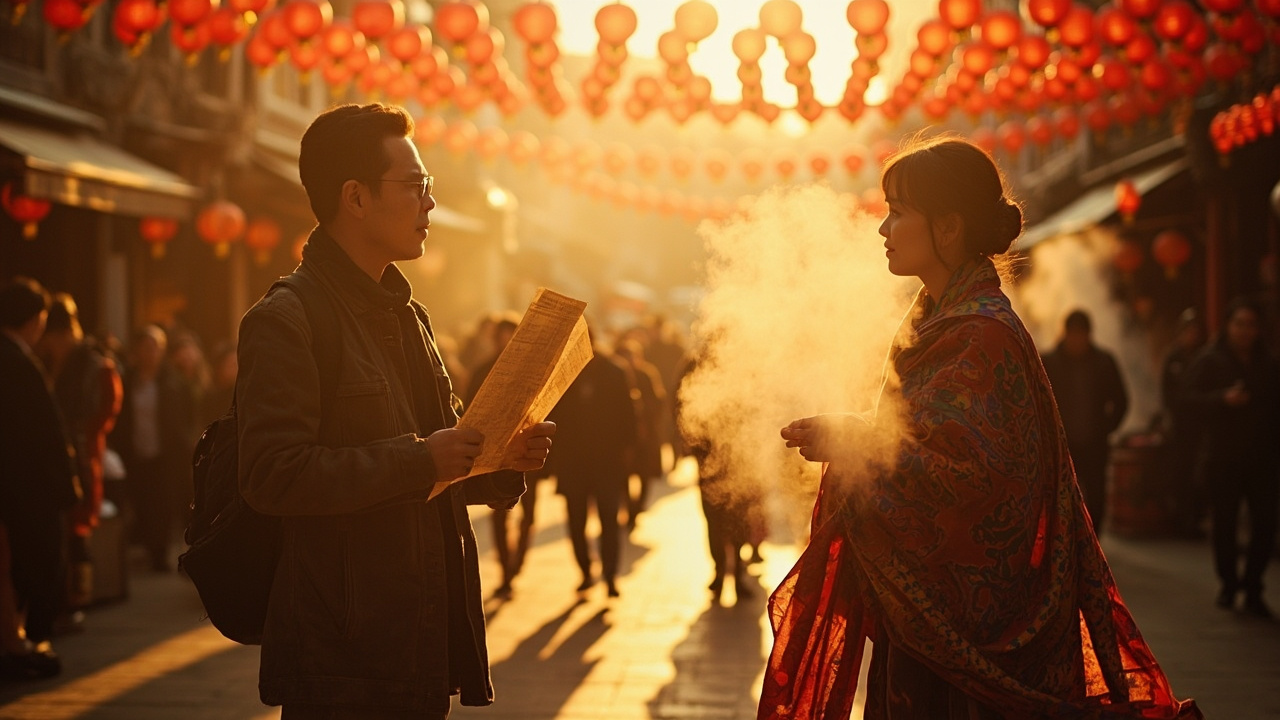
The first time I got scammed in China, it wasn’t on a dark alley or in a crowded market. It was in a bright, air-conditioned tea house near the Temple of Heaven in Beijing. A young woman with excellent English approached me, asked for help practicing her English, and within twenty minutes I was sitting across from a “tea master” who poured me twelve tiny cups of increasingly bitter brew. The bill was $180 (¥1,300). I paid it because I was embarrassed and confused. I later found out the same tea set costs $12 (¥85) in any supermarket.
That was seven years ago. Since then, I’ve traveled through all 34 provinces, been approached by every kind of hustler, and learned to spot the patterns. Here’s the thing about China: it is statistically one of the safest countries for tourists in the world. Violent crime against foreigners is almost unheard of. But scams exist, and they target tourists specifically because tourists are rich, confused, and polite.
This guide covers the ten scams I’ve either fallen for, watched happen to someone else, or heard about from locals who were angry enough to warn me. I’ll tell you exactly what to say, where to walk, and how to spot the setup before it happens.
Quick answer
The most common scams in China target tourists around major landmarks, tea houses, art galleries, and transportation hubs. You can avoid nearly all of them by ignoring unsolicited approaches from strangers, using official taxi queues and ride-hailing apps, and refusing invitations to “traditional tea ceremonies” or “student art exhibitions.” Most scams in China are low-pressure and non-violent; if you firmly say “bu yao” (no thanks) and keep walking, the situation ends. Violent crime is rare, and police genuinely do help tourists, so don’t be afraid to involve them if you’re being pressured.
The Short Version
If you only remember five things: never follow a stranger to a tea house, never buy art from someone who “found you” rather than you finding them, always use Didi or official taxi queues instead of curb-side drivers, agree on prices before touching anything in markets, and understand that anyone who approaches you speaking fluent English is probably not doing it out of friendliness. China is safe. The scams are annoying, not dangerous. Walk away and you win.
How I Picked These
I’ve been scammed three times in China. I’ve also watched dozens of scams happen to other tourists while I stood nearby, and I’ve interviewed Chinese friends and taxi drivers about which scams they see targeting foreigners in their cities. This list reflects the scams I’ve personally encountered or directly witnessed, plus a few that locals told me about with specific details. I’ve excluded scams that are purely theoretical or that I only read about online. Every entry here is something I’ve seen happen or had happen to me, with the exception of a few that were described to me by people who were victims themselves.
Comparison Table
| Rank | Scam | Where You’ll See It | Typical Loss | Risk Level |
|---|---|---|---|---|
| 1 | Tea House Ceremony | Beijing, Shanghai, tourist parks | $50-200 (¥360-1,400) | High |
| 2 | Art Gallery Student Scam | Beijing, Shanghai, Xi’an | $100-500 (¥700-3,500) | High |
| 3 | Taxi Meter Tricks | Airports, train stations nationwide | $10-50 (¥70-350) | Medium |
| 4 | Great Wall “Closed” Tour | Beijing | $30-100 (¥210-700) | Medium |
| 5 | Calligraphy/Art “Gifts” | Tourist streets, parks | $50-300 (¥350-2,100) | Medium |
| 6 | Currency Exchange | Border cities, airports | Varies | High |
| 7 | The “Buddhist” Blessing | Temples, sacred sites | $10-100 (¥70-700) | Low |
| 8 | Fake Police/Inspectors | Nightlife areas, subways | $50-500 (¥350-3,500) | High |
| 9 | Overpriced Restaurant Menus | Near major landmarks | $20-100 (¥140-700) | Medium |
| 10 | The “Free” Massage | Tourist hotels, parks | $50-200 (¥350-1,400) | Medium |
Tea House Ceremony — The Classic That Still Works
I watched this happen to a German couple in 2023 in Shanghai’s Yu Garden area. A young woman approached them, said she was an art student, and asked for help with her English homework. Twenty minutes later, they were in a tea house signing a receipt for $150 (¥1,050). The woman disappeared. The tea was mediocre.
The setup is always the same. Someone friendly approaches you near a tourist landmark, claims to be a student who needs English practice, and after a few minutes of conversation suggests visiting a “traditional tea ceremony” or “calligraphy class” nearby. The location is always a nondescript building, and the “ceremony” always ends with a bill for hundreds of dollars.
The key detail: these tea houses have a commission arrangement with the “students.” They split whatever they can get you to pay. The tea is real, but it’s cheap tea sold at a 2,000% markup.
How to avoid it: If a stranger approaches you and starts a conversation in English, assume it’s a scam until proven otherwise. Say “bu yao, xie xie” (no thanks) and keep walking. If you’re already in the tea house, stand up and leave. They won’t physically stop you. I’ve never heard of anyone being blocked from leaving.
Art Gallery Student Scam — The Most Expensive One
This one is more sophisticated. You’ll be approached by a young Chinese person who claims to be an art student. They’ll say they’re practicing English and ask your opinion on their “graduation exhibition.” The conversation leads to a gallery where you’ll see paintings that are actually quite good. A “professor” will appear and explain that the student needs to sell work to fund their studies. The prices start at $300 (¥2,100) and go up.
Here’s the trick: the paintings are mass-produced in factories, and the “student” and “professor” are actors. The gallery is a front. I’ve seen this scam operate in Beijing’s 798 Art District, near the Shanghai Museum, and around Xi’an’s Muslim Quarter.
The loss is higher because you’re buying something. I know a British traveler who spent $800 (¥5,600) on a “unique” painting that she later found identical copies of for $40 (¥280) in a market.
The tell: real art students don’t approach foreigners to practice English. Real galleries don’t pressure you. If anyone mentions “helping a student” while selling you something, walk away.
Taxi Meter Tricks — The Everyday Annoyance
This is the most common scam you’ll encounter, and it’s not even really a scam so much as a negotiation tactic. Taxi drivers at airports and train stations will either refuse to use the meter, quote a flat rate that’s triple the metered price, or take a longer route.
At Beijing Capital Airport, a metered taxi to the city center costs about $12 (¥85). Drivers who skip the meter will ask for $30-40 (¥210-280). At Shanghai Pudong, the metered fare to central Shanghai is around $15 (¥105). The flat-rate quote is usually $35-50 (¥245-350).
The fix is simple: use the official taxi queue, not the drivers who approach you in the arrivals hall. If a driver refuses to turn on the meter, get out and find another. In major cities, use Didi (China’s Uber) instead. The app shows the price upfront, and you don’t need to speak Chinese to use it.
One specific thing: at Beijing Capital Airport, the official taxi queue is outside, and there are staff members managing it. If someone approaches you inside the terminal offering a taxi, they’re not official. Walk past them.
Great Wall “Closed” Tour — The Beijing Classic
You’re at your hotel in Beijing, and the concierge or a driver tells you that the Badaling section of the Great Wall is closed for repairs. But they know a “secret” section that’s better anyway. They’ll drive you to a wall section that’s actually just a rebuilt tourist attraction, charge you $50-100 (¥350-700) for the “private tour,” and pocket the difference.
The truth: the Great Wall is never fully closed. Individual sections occasionally close for maintenance, but there are always multiple sections open. The “secret” sections drivers take you to are usually just less popular sections like Juyongguan or Mutianyu, which are perfectly fine but not worth a $100 premium.
The fix: book your Great Wall tour through a reputable company or go independently. The public bus to Badaling costs about $3 (¥20). The train to Mutianyu costs about $5 (¥35). If someone tells you the wall is closed, verify it yourself by checking online or calling your hotel’s front desk.
I once had a driver in Beijing try this on me. He said Badaling was closed for a “military exercise.” I checked my phone, showed him the official website saying it was open, and he shrugged and drove me there anyway. No hard feelings. The meter ran the whole time.
Calligraphy and Art “Gifts” — The Sympathy Play
This scam targets your empathy. You’ll be walking through a tourist area and see an elderly man or woman writing calligraphy on the ground with water. It’s beautiful, and they seem to be practicing a dying art. You stop to watch. They gesture for you to write your name in Chinese characters. It’s fun. Then they hand you a piece of paper with your name written in calligraphy and ask for a “donation.”
The donation is never small. They’ll gesture for $20, then $50, then $100. They’ll look disappointed if you offer less. The calligraphy is genuine, but the pressure is the scam.
I’ve seen this at the Temple of Heaven in Beijing, on the Bund in Shanghai, and in Chengdu’s People’s Park. The artists are often legitimately skilled, but they’re also professional beggars who target foreigners specifically.
The fix: if you want calligraphy, buy it from a shop. If you stop to watch, enjoy the performance and walk away when they hand you something. You don’t have to take it. If you do take it, you’ve entered a negotiation.
Currency Exchange — The Border Town Trap
This one is less common now that digital payments are everywhere, but it still happens in border cities and at airports. Someone will approach you with a “better rate” than the banks. The exchange rate they offer looks great. Then they count the money quickly, and you discover later that they’ve shortchanged you by 10-20%.
The fix: never exchange money with individuals. Use ATMs, which give you the official rate, or exchange at banks. China is almost entirely cashless now, and you’ll use Alipay or WeChat Pay for everything anyway. If you need cash, which is rare, use a bank ATM.
One note: if you’re entering China from Hong Kong or Macau, the exchange booths at the border are legitimate but have poor rates. You’re better off waiting until you’re in mainland China and using an ATM.
The “Buddhist” Blessing — The Temple Tactic
This scam happens at temples and sacred sites. Someone dressed as a monk or nun approaches you and presses a “blessing” bracelet or bead into your hand. They say it’s a gift. Then they produce a donation book and gesture that you should write your name and a donation amount. The book shows previous “donations” of $50-100 (¥350-700). They’ll pressure you to match.
The tell: real monks and nuns don’t approach tourists to give blessings. They certainly don’t carry donation books with suggested amounts. If someone in religious robes approaches you, they’re not legitimate.
I saw this at the Lingyin Temple in Hangzhou. A group of tourists from Southeast Asia were being pressured by a “monk” who had given them bracelets. One of them looked confused and uncomfortable. I walked over and said in English, “He’s not a real monk. You can give the bracelet back.” The “monk” walked away immediately.
The fix: if someone hands you something you didn’t ask for, hand it back. If they refuse to take it, put it on the ground and walk away. You’re not being rude; you’re being smart.
Fake Police and Inspectors — The Intimidation Play
This is rare, but it happens in nightlife areas and on the subway. Someone in plain clothes or a fake uniform approaches you, flashes a badge, and says you’ve committed a violation. They demand a fine, payable on the spot. The “fine” is always in cash.
The fix: real Chinese police officers don’t collect fines on the street. If you’re stopped by someone claiming to be police, ask to go to the police station. Real officers will accommodate you. Fake ones will disappear.
If you’re genuinely concerned, call 110 (the police emergency number). The dispatcher will connect you with an English-speaking officer. I’ve called 110 once in China, for a lost passport, and the officer who arrived spoke enough English to help.
Overpriced Restaurant Menus — The Two-Menu Trick
This scam is common in restaurants near major tourist attractions. You’ll be given a menu with reasonable prices. You order. When the bill comes, the prices are higher. The waiter explains that the menu you saw was “old” or “for a different section.”
The fix: take a photo of the menu before you order. If the bill doesn’t match, show the photo. Most restaurants will correct the bill rather than argue with evidence.
I’ve also seen restaurants add a “service charge” of 10-15% that wasn’t mentioned. In China, service charges are not customary. If you see one on the bill, ask them to remove it. They usually will.
One specific thing: in Beijing’s tourist areas like Wangfujing and Qianmen, some restaurants have two menus, one in Chinese and one in English. The English menu has higher prices. If you can, ask for the Chinese menu or use the QR code to order through your phone, which shows the standard prices.
The “Free” Massage — The Teaser
This one targets tourists in hotel lobbies, parks, and shopping areas. Someone approaches you and offers a “free” shoulder massage or a “free” trial at a traditional Chinese medicine center. The massage is free. The follow-up is not. You’ll be told you have “blocked energy” or “poor circulation” and pressured into buying expensive treatments or herbal supplements.
The fix: nothing is free. If someone offers you a massage in a public place, decline. If you’re genuinely interested in traditional Chinese medicine, go to a licensed clinic or hospital, where prices are regulated and transparent.
I once saw a tourist in a Shanghai park get pressured into buying $200 (¥1,400) worth of “herbal patches” after a “free” shoulder massage. The patches were probably worth $5 (¥35). The tourist looked embarrassed and confused. The masseuse looked satisfied.
FAQ summary
The scams targeting tourists in China are overwhelmingly non-violent and follow predictable patterns: unsolicited approaches from English-speaking strangers, invitations to tea houses or art galleries, taxi drivers who refuse meters, and pressure tactics around temples and tourist sites. The most common losses range from $10 to $200 (¥70 to ¥1,400). You can avoid nearly all scams by using official transportation, ignoring unsolicited invitations, agreeing on prices before purchasing, and firmly walking away from any situation that feels pressured. China is a safe destination, and police genuinely assist tourists who report scams.
FAQ
Q: Is China safe for tourists? A: Yes, China is statistically one of the safest countries for tourists. Violent crime against foreigners is extremely rare. The main risk is petty scams targeting tourists, which are annoying but not dangerous. If you use common sense and follow the advice in this guide, you’ll have a safe trip.
Q: Do I need to speak Chinese to avoid scams? A: No. Learning two phrases helps: “bu yao” (no thanks) and “bu yao, xie xie” (no thanks, thank you). Most scammers speak enough English to approach you, but they also understand when you firmly decline. If you’re being pressured, walking away ends the situation.
Q: What should I do if I’m being scammed? A: Walk away. Scammers in China don’t use physical force. If someone is blocking your path or being aggressive, move toward a crowded area or a shop and ask for help. If you’ve already paid and realize you were scammed, call 110. The police will help, especially if you have a receipt or can describe the location.
Q: Are taxi drivers in China always trying to scam me? A: No. Most taxi drivers are honest and use the meter. The problem is concentrated at airports and train stations, where drivers know tourists are tired and unfamiliar with prices. Use the official taxi queue or a ride-hailing app like Didi, and you’ll avoid most issues.
Q: Do I need cash in China? A: Almost never. China is nearly cashless. You’ll use Alipay or WeChat Pay for everything, from street food to hotel bookings. Set up these apps before you arrive and link them to your international credit card. Keep a small amount of cash (about $50 or ¥350) for emergencies, but you’ll rarely need it.
Q: Is it safe to accept help from strangers in China? A: Generally, no. Locals who genuinely want to help will often gesture or use translation apps rather than approaching you with fluent English. If someone approaches you with excellent English and offers help, assume it’s a scam. Real help is available at tourist information centers, hotel front desks, and police stations.
Q: What is the most common scam in China? A: The tea house ceremony is the most common and most effective scam targeting tourists. A friendly stranger invites you to a “traditional tea ceremony,” and you end up with a bill for $50-200 (¥350-1,400). The setup happens near major tourist landmarks in Beijing, Shanghai, and Xi’an.
The Honest Wrap-up
This list covers the scams I’ve seen or experienced in seven years of traveling through China. It’s not exhaustive, but it covers the patterns. Scammers in China are not creative. They use the same tactics because those tactics work on tired, polite, confused tourists.
Here’s the truth: China is one of the safest countries I’ve ever traveled in. I’ve walked alone at midnight in cities across the country and never felt threatened. The scams are an annoyance, not a danger. If you follow the advice in this guide, you’ll lose at most a few dollars to a taxi driver who takes the long way, and that’s about it.
The final piece of advice I’d give a friend: be polite, but not accommodating. In China, saying no is not rude. Walking away from a conversation is not rude. Refusing a “gift” is not rude. Scammers rely on your politeness. The moment you stop being polite to strangers who approach you, the scams stop working.
Now go book that flight. China is incredible, and the scams are just part of the texture of travel, like the crowds at the Great Wall or the chaos of a Beijing subway station at rush hour. You’ll laugh about the tea house story later. I promise.
More guides you may like
Top 10 Bridges in China
China's bridges are engineering marvels spanning mountains, rivers, and seas. Here are 10 of the most spectacular, from ancient stone to modern steel.
8 min read

Top 10 Buddhist Sites in China
From the Leshan Giant Buddha to the Dunhuang Caves, these 10 Buddhist sites represent 2,000 years of China's spiritual heritage.
9 min read

Top 10 Day Trips from Beijing You Shouldn't Miss
Beijing is packed with history, but some of China's best experiences are just a few hours away. Here are 10 day trips that will transform your visit.
9 min read

Top 10 Hidden Gems in China Off the Beaten Path
Beyond the Great Wall and Terracotta Warriors, China has incredible hidden destinations few tourists ever reach. Here are 10 underrated gems worth the detour.
9 min read
Top 10 Markets and Shopping Streets in China
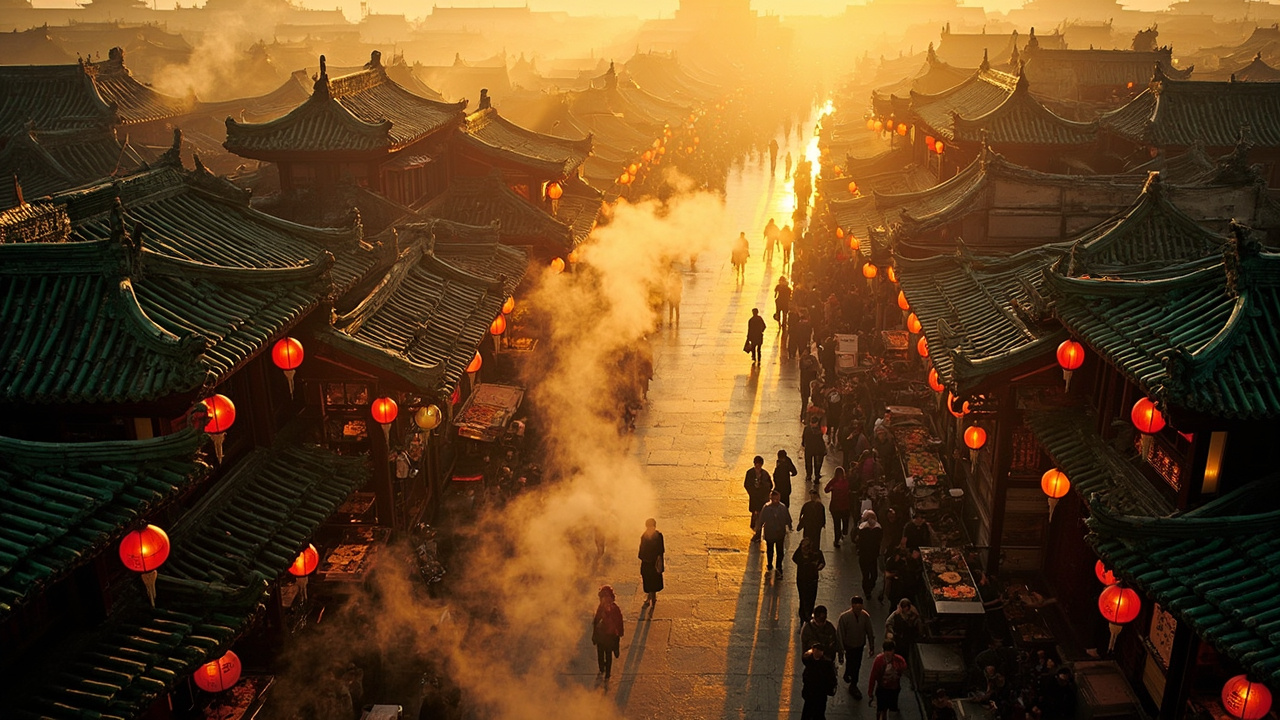
From Shanghai's Bund to Beijing's Silk Street - 10 markets where foreigners can haggle, explore, and bring home authentic Chinese goods.
9 min read
Top 10 Museums in China You Shouldn't Miss
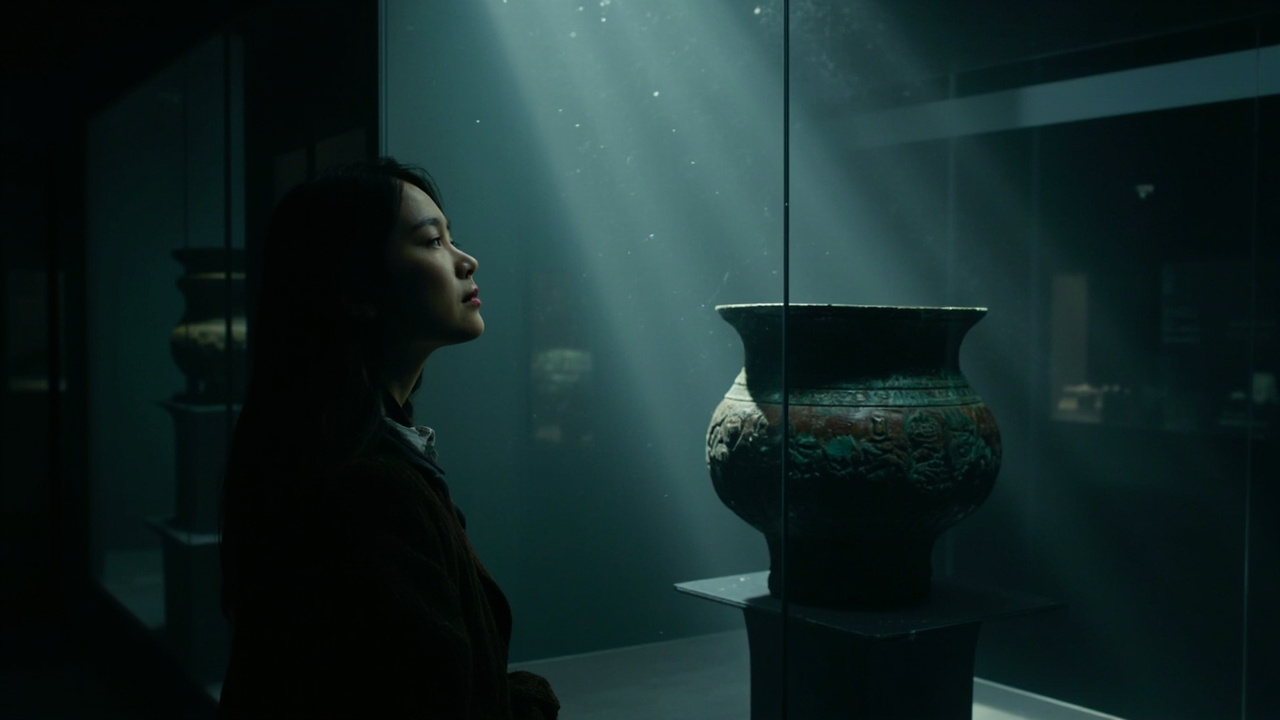
China's museums span 5,000 years of civilization. These 10 - from the Palace Museum to Xi'an's terracotta gallery - are unmissable for culture lovers.
9 min read