
China in Spring Travel Guide
TODO: Extract from article (100-160 chars)
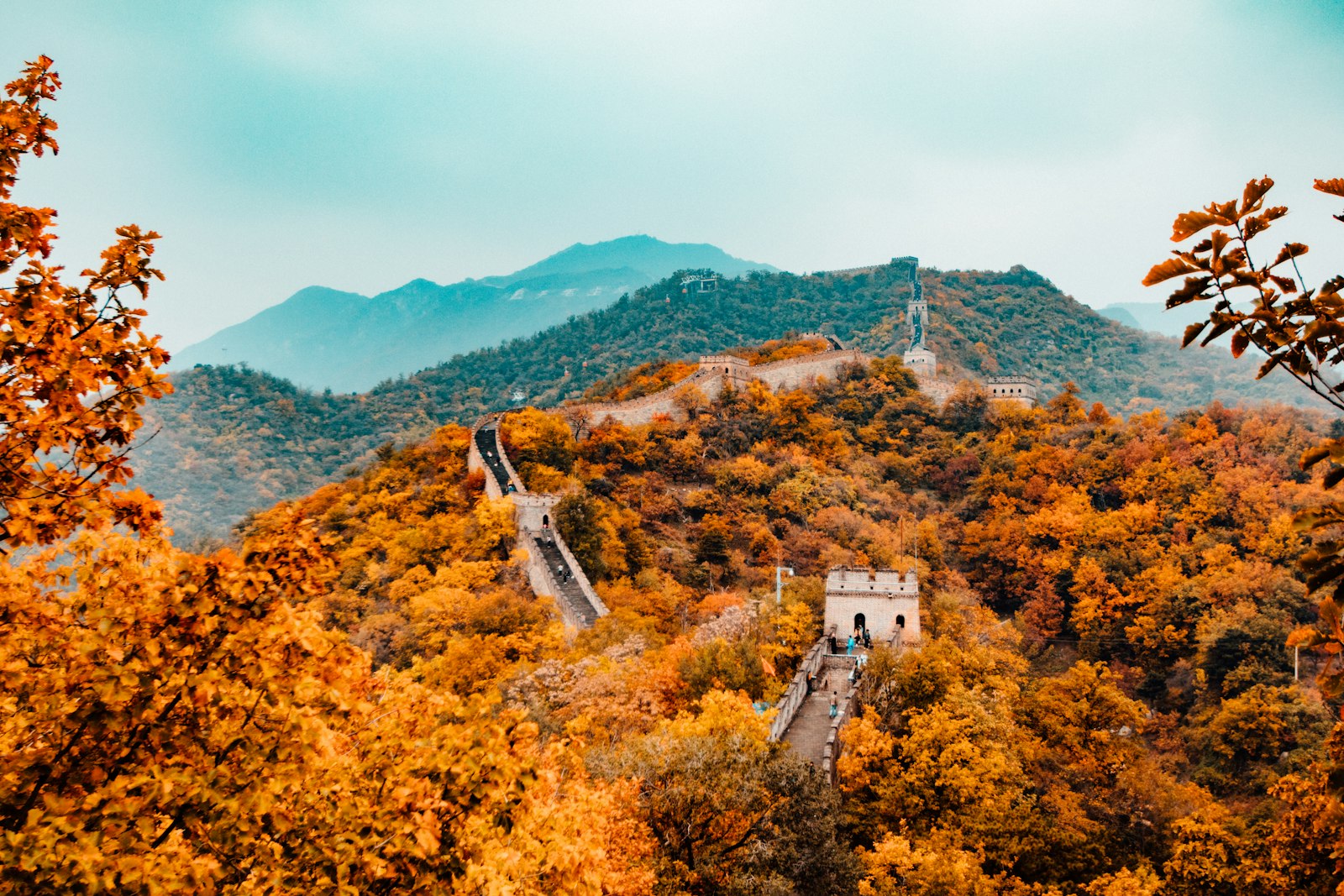
The cab driver in Beijing looked at me in the rearview mirror, then back at the road, then back at me. “Spring?” he asked, in the tone you’d use for a child who just said something sweet but wrong. It was mid-March, and a yellow-gray haze had settled over the city like a dirty blanket. He was right to laugh. Spring in China is not one thing. It’s a season that arrives in waves, starting in the south in February with plum blossoms and creeping north until it finally reaches Beijing in late April, often without warning, often with sandstorms in tow.
But when it does arrive, properly, it’s the best time to see this country. The crowds of summer haven’t materialized. The cold that seeps into your bones in January is gone. And the landscapes, from the rapeseed fields of Wuyuan to the canals of Suzhou, are doing things that no filter can replicate.
I’ve been traveling through China for seven years now, and I’ve learned that a spring trip here requires a bit of strategy. You can’t just show up in April and expect cherry blossoms everywhere. You need to know where to go and when, or you’ll spend your whole trip staring at construction sites and eating at airport noodle shops. This guide is built from the ground up to help you avoid that. It covers the ten places I’d actually send a first-time visitor in spring, with the kind of specifics that took me years of missed trains and wrong turns to figure out.
Quick answer
For a first-time visitor in spring (March to May), the best itinerary combines southern China’s early bloom (Shanghai, Suzhou, Hangzhou, Guilin) in late March with northern China’s late spring (Beijing, Xi’an, Pingyao) in late April to early May. Most tourists are eligible for China’s visa-free transit policy (240 hours for 54 countries), so check that before assuming you need a full visa. Budget $100–150 per day for comfortable mid-range travel, and book high-speed rail tickets at least a week ahead for the popular Hangzhou–Shanghai and Beijing–Xi’an routes.
The Short Version
If you have 90 seconds, here’s the deal. Spring in China is gorgeous but short, so plan around specific blooms and weather windows, not vague “spring” dates. Go south first (late March), north later (late April). Skip the Yangshuo river cruise if you’re short on time — the view from the Xingping section is better and free. Get Alipay set up before you land, because cash is genuinely awkward here now. And for the love of all that is holy, bring a mask for Beijing in early April. The sand from the Gobi doesn’t care about your itinerary.
How I Picked These
I didn’t pull these places from a listicle. I’ve been to every single one of them, most of them multiple times, in different seasons. I’ve watched the sun rise over the Great Wall at Jinshanling in April when the mountain air still had frost in it. I’ve eaten my way through Chengdu’s backstreets in March when the teahouses were full of old men playing cards and the air smelled like jasmine and chili oil. I’ve gotten hopelessly lost in the hutongs of Beijing on a windy spring evening and stumbled into a courtyard that turned out to be a 400-year-old temple.
I also talked to people who live there. A tea farmer in Hangzhou told me when the Longjing leaves are actually worth buying (early April, before Qingming, if you can get them). A hostel owner in Yangshuo told me which karst peaks are worth the climb and which are tourist traps. A taxi driver in Xi’an told me where he takes his own family for dumplings, which is not where the guidebooks send you. This list is the result of all that accumulated, occasionally embarrassing, trial and error.
Comparison Table
| Rank | Place | Best For | Approx Cost (USD) | Time Needed | When to Go |
|---|---|---|---|---|---|
| 1 | Hangzhou | Lakeside spring scenery, tea culture | $80–120/day | 2–3 days | Late March to early April |
| 2 | Beijing | History, Great Wall, hutongs | $90–140/day | 4–5 days | Mid-April to May |
| 3 | Guilin & Yangshuo | Karst landscapes, cycling | $70–110/day | 3–4 days | April to May |
| 4 | Suzhou | Classical gardens, canals | $80–120/day | 2 days | Late March to April |
| 5 | Xi’an | Terracotta Warriors, food | $70–100/day | 2–3 days | April to May |
| 6 | Chengdu | Pandas, food, teahouses | $60–90/day | 2–3 days | March to May |
| 7 | Shanghai | Urban energy, art deco | $100–150/day | 2–3 days | Late March to April |
| 8 | Wuyuan | Rapeseed fields, villages | $50–80/day | 2 days | Mid-March to early April |
| 9 | Pingyao | Ancient city walls, Ming dynasty | $50–70/day | 1–2 days | April to May |
| 10 | Luoyang | Peonies, Longmen Grottoes | $50–70/day | 1–2 days | Mid-April |
1. Hangzhou — Where Spring Actually Lives
I stood on the Su Causeway at 6:30 in the morning, and the mist was so thick over West Lake that the pagodas on the far shore looked like they were floating. An old man was practicing tai chi near a willow tree, moving so slowly that I initially thought he was just stretching. Then a heron flew low over the water, and for a moment, the whole scene felt staged. It wasn’t. This is just what Hangzhou does in spring.
Hangzhou is the place I send everyone who wants to understand why Chinese poets spent a thousand years writing about this landscape. West Lake is free to walk around, and the willow trees that line its shores are the first to green up in late March. The real magic happens on the less-traveled northern and western shores, where you’ll find fewer tour groups and more locals walking their dogs, flying kites, and drinking tea under the trees.
The tea is the thing, though. The Longjing (Dragon Well) tea fields in the hills west of the lake are where some of China’s most famous green tea is grown. In early April, just before Qingming Festival, the hills are covered in pickers in straw hats, and the air smells like fresh-cut grass and roasting leaves. You can walk right through the fields, and the farmers will wave at you. Some will even invite you in for a cup. It’s the closest thing to a perfect spring afternoon I’ve found in China.
📍 Location: West Lake area, Xihu District; tea fields at Longjing Village, about 6 km west of the lake 🎫 Entry fee: West Lake is free; Lingyin Temple is $40 (¥288); tea-picking experiences run $20–50 (¥140–350) 🕒 Opening hours: West Lake is always open; Lingyin Temple is 7:00–18:00 daily 🚇 How to get there: From Hangzhou East Station, take Metro Line 1 to Longxiangqiao Station, Exit C, and walk 10 minutes west to the lake. For Longjing Village, take bus 27 from the city center to the Longjing Tea House stop 🌤 When to visit: Late March to early April for the tea harvest and mildest weather; weekdays are significantly quieter than weekends 💡 Insider tips:
- Rent a bike and ride the 10 km loop around the lake counterclockwise — you’ll beat the tour groups
- The “Impression West Lake” night show is touristy but genuinely impressive; skip it if you’re on a budget
- Buy Longjing tea only from the official village cooperative shops, not from street vendors — the real stuff costs at least $50 (¥350) per 50g
- Take the cable car up to the top of Beigao Peak for a view that includes the entire lake and the Qiantang River
I once spent an afternoon in a tea house in Longjing Village with a farmer named Chen, who showed me how to tell real Longjing from fake by the shape of the leaves. He didn’t speak English, and I don’t speak much Mandarin, but we communicated fine with gestures, a translation app, and a shared appreciation for the fact that his great-grandfather had planted the very trees we were drinking from.
2. Beijing — The Capital Wakes Up Slowly
The first time I visited Beijing in April, I made the classic mistake of assuming spring meant warm weather. It was 12°C (54°F), windy, and the sky was the color of weak tea. But by late April, the city transforms. The willows along the moat turn green, the hutong courtyards fill with the scent of lilac, and the Great Wall at Jinshanling is covered in wild peach blossoms that look like pink snow against the grey stone.
Beijing is not a subtle city. It’s loud, dusty, and sprawling, and it will test your patience with its sheer scale. But it’s also the place where you’ll feel the weight of Chinese history most acutely. The Forbidden City is overwhelming in every sense, and the hutongs — the narrow alleyways that once formed the city’s residential heart — are worth getting lost in, especially in spring when the courtyard trees are in bloom.
The Great Wall is the thing, though. Skip Badaling, the section that every tour bus goes to, and head to Jinshanling instead. It’s about a 2.5-hour drive from the city, but the wall there is unrestored, crumbling in places, and absolutely empty on weekday mornings. I’ve walked sections of it for an hour without seeing another person. In spring, the hills on either side are covered in wild apricot and peach blossoms, and the light in the late afternoon turns the whole thing gold.
📍 Location: Forbidden City in Dongcheng District; Jinshanling section of the Great Wall in Luanping County, Hebei Province 🎫 Entry fee: Forbidden City is $9 (¥60); Jinshanling is $9 (¥65) plus a shuttle bus fee of $7 (¥50) 🕒 Opening hours: Forbidden City is 8:30–17:00, closed Mondays (except public holidays); Jinshanling is 8:00–17:00 daily 🚇 How to get there: For the Forbidden City, take Metro Line 1 to Tiananmen East Station, Exit A, and walk north through the security check. For Jinshanling, take a bus from Dongzhimen Station (Line 2) or book a private driver through your hotel 🌤 When to visit: Late April to mid-May for the best weather; go to the Great Wall on a weekday and arrive by 8:30 AM to beat the crowds 💡 Insider tips:
- Book Forbidden City tickets online at least a week ahead — they sell out daily, and you can’t buy them at the gate
- The Mutianyu section of the Wall has a toboggan ride down, which is silly and fun, but Jinshanling is the one for serious walkers
- Download a VPN before you arrive — Google Maps, WhatsApp, and Instagram are all blocked, and you’ll need the VPN to use them
- The hutongs around Shichahai are more atmospheric than Nanluoguxiang, which has become a tourist strip
I once got caught in a sandstorm on the Great Wall at Jinshanling. The wind picked up out of nowhere, and within minutes, the sky turned brown and the air tasted like dirt. My guide, a local man named Zhang, just laughed and said, “This is why we say Beijing has only two seasons: winter and summer.” Then he pulled two masks out of his bag and handed me one. Lesson learned.
3. Guilin & Yangshuo — The Landscape That Made the Paintings
The first time I saw the karst peaks of Guilin from the train window, I thought I was looking at a screensaver. The limestone mountains rise straight out of the flat rice paddies like the spines of some ancient beast, and the Li River winds between them in a way that seems too deliberate to be natural. But it is natural, and it’s been inspiring Chinese painters and poets for over a thousand years.
The classic spring itinerary here is a river cruise from Guilin to Yangshuo, but I’ll be honest with you: the cruise is overpriced and overrated. The boats are crowded, the windows are dirty, and you’ll spend most of the time jostling for photo space with tour groups. Instead, take the bus or train to Yangshuo first, rent a bike, and cycle the Yulong River valley. The scenery is the same, but you’ll have it to yourself, and you can stop whenever you want to watch water buffalo or eat noodles at a roadside stall.
Yangshuo itself has become a bit of a backpacker circus, with Western bars and souvenir shops lining every street. But the countryside around it is still genuinely gorgeous, especially in April when the rice paddies are flooded and reflect the sky like mirrors. The Xingping section of the Li River, about 30 minutes from Yangshuo, is where the 20 yuan banknote photo was taken, and it’s free to wander along the riverbank there.
📍 Location: Yangshuo County, Guilin Prefecture, Guangxi Province 🎫 Entry fee: Cycling the Yulong River valley is free; bamboo raft rides are $30–50 (¥210–350) per raft 🕒 Opening hours: The countryside is always open; most bike rental shops open at 8:00 and close by 19:00 🚇 How to get there: Take the high-speed train from Guilin North Station to Yangshuo Station (about 30 minutes, $15/¥105), then a shuttle bus or taxi to the town center (20 minutes) 🌤 When to visit: April and May have the best weather — warm but not hot, with occasional brief showers that make the landscape even more dramatic 💡 Insider tips:
- Rent an e-bike instead of a push bike if you’re not a strong cyclist — the hills are deceptively steep
- The “Impression Liu Sanjie” night show, directed by Zhang Yimou, uses the karst peaks as a backdrop and is genuinely spectacular
- Try the beer fish (pijiu yu), a local specialty made with river fish and beer — it’s unlike anything you’ll eat elsewhere in China
- The Moon Hill climb is steep but worth it for the view; go at sunset when the tour groups have left
I got hopelessly lost cycling in the countryside near Yangshuo and ended up at a small village where an old woman was drying chili peppers in her courtyard. She didn’t speak a word of English, but she gestured for me to sit down, brought me a cup of tea, and then pointed at the map on my phone to show me the way back. I never got her name, but I still think about that tea.
4. Suzhou — Gardens Built for Daydreaming
Suzhou is the kind of city that rewards slow movement. The classical gardens here were designed by scholar-officials in the Ming and Qing dynasties as places for contemplation, and they work best when you give them time. The Humble Administrator’s Garden, the largest and most famous, is a maze of pavilions, ponds, and rockeries that reveals itself gradually. In spring, the peonies and azaleas are in full bloom, and the wisteria hangs over the water like purple curtains.
But the gardens are only half the story. The old town of Suzhou is crisscrossed with canals, and the best way to experience it is to simply walk the narrow lanes that run alongside them. In the early morning, before the tour groups arrive, you’ll see locals washing vegetables in the canal, old men playing chess under the willow trees, and women hanging laundry out of windows that haven’t changed in centuries.
The gardens are genuinely special, but they’re also genuinely crowded. The Humble Administrator’s Garden gets thousands of visitors a day in spring, and it can feel less like a contemplative retreat and more like a shopping mall on Black Friday. Go early, or better yet, visit the smaller gardens like the Garden of Cultivation or the Couple’s Retreat Garden, which are less famous but just as beautiful, with a fraction of the crowds.
📍 Location: Old town of Suzhou, Jiangsu Province; Humble Administrator’s Garden is at 178 Dongbei Street 🎫 Entry fee: Humble Administrator’s Garden is $11 (¥80); smaller gardens are $3–6 (¥20–45) 🕒 Opening hours: Most gardens are 7:30–17:30 in spring; check individual gardens for rest days 🚇 How to get there: From Shanghai, take the high-speed train from Shanghai Station or Hongqiao Station to Suzhou Station (about 30 minutes, $10/¥70). From Suzhou Station, take Metro Line 4 to Beisita Station, Exit 1, and walk 10 minutes south 🌤 When to visit: Late March to mid-April for the best blooms; go on a weekday and arrive at opening time to beat the tour groups 💡 Insider tips:
- The Suzhou Museum, designed by I.M. Pei, is free and worth a visit — book online a few days ahead
- Try the local “squirrel-shaped mandarin fish” (songshu guiyu) — it’s a dish that’s as much about presentation as taste
- The Pingjiang Road canal area is more atmospheric in the evening, when the red lanterns reflect on the water
- If you’re interested in silk, the Suzhou Silk Museum has a fascinating live silkworm exhibit
I watched a calligrapher in the Garden of Cultivation practice his brushwork for nearly an hour. He was an old man with a white beard, and he wrote the same character over and over on sheets of newspaper, never seeming satisfied. When I finally worked up the courage to ask what he was writing, he smiled and said, “Spring.” Then he wrote it again.
5. Xi’an — Where History Has a Flavor
Xi’an hits you differently than the other cities on this list. There’s no mist, no gentle gardens, no poetic landscapes. Instead, there’s the raw weight of 3,000 years of history, concentrated in the dusty plains of Shaanxi Province. The Terracotta Warriors are the headline act, and they deserve the billing. Standing in that hangar-sized pit, looking at row after row of life-sized soldiers, each with a unique face, is one of those moments that makes you feel very small.
But Xi’an’s real treasure, for me, is the food. The Muslim Quarter, a warren of narrow streets near the Drum Tower, is where you’ll find some of the best eating in China. The hand-pulled noodles (biangbiang mian) are wide as belts and chewy as rubber bands. The roujiamo, a kind of Chinese hamburger made with slow-braised pork stuffed into a crispy flatbread, is worth the trip alone. And the lamb skewers, grilled over charcoal and dusted with cumin and chili, are best eaten standing up, with grease running down your chin.
Spring in Xi’an is pleasant but dry, with warm days and cool nights. The city walls, which are the most complete surviving city walls in China, are perfect for a sunset bike ride. Rent a bike at the South Gate and cycle the full 14 km circuit — it takes about an hour and a half, and the view of the old city from the top, with the modern skyline rising beyond the ancient ramparts, is genuinely moving.
📍 Location: Terracotta Warriors are in Lintong District, about 40 km east of the city center; Muslim Quarter is in the old city, near the Drum Tower 🎫 Entry fee: Terracotta Warriors are $18 (¥120); City Wall bike rental is $6 (¥45) for 2 hours 🕒 Opening hours: Terracotta Warriors are 8:30–17:30 (last entry 17:00); City Wall is 8:00–22:00 🚇 How to get there: For the Terracotta Warriors, take Metro Line 9 to Huaqingchi Station, then bus 602 or a taxi for the remaining 10 km. For the Muslim Quarter, take Metro Line 2 to Zhonglou Station, Exit C, and walk north 🌤 When to visit: April and May are ideal — warm days, cool nights, and clear skies. Avoid Chinese public holidays (early May) when domestic tourism peaks 💡 Insider tips:
- Hire a guide at the Terracotta Warriors — the site is poorly labeled in English, and you’ll miss the context without one
- The best roujiamo in the Muslim Quarter is at a tiny shop called Fanji, near the north end of Beiyuanmen Street
- Try the local specialty, paomo, a lamb soup with shredded flatbread that you tear into pieces yourself — it’s a participatory dish
- The Shaanxi History Museum is free but requires advance booking online; it’s worth the effort for the Tang dynasty collection
I once shared a table at a Muslim Quarter noodle shop with a man who turned out to be a retired history teacher from the city. He spent an hour explaining the difference between the Qin and Han dynasties while I ate the best bowl of noodles I’ve ever had. When I tried to pay for his meal, he refused, saying, “You are my guest in Xi’an.”
6. Chengdu — Slow Food, Fast Pandas
Chengdu is the city that taught me the meaning of the Chinese phrase “man sheng huo” — slow living. The pace here is different. People sit in teahouses for hours, playing mahjong or just watching the world go by. The food is spicy in a way that makes your eyes water and your nose run, but it’s also deeply comforting. And the pandas, of course, are the main attraction.
The Chengdu Research Base of Giant Panda Breeding is about 30 minutes from the city center, and it’s worth getting there early. The pandas are most active in the morning, before the heat of the day makes them sleepy. I arrived at 7:30 AM once and watched a panda methodically eat bamboo for a full hour, pausing only to scratch its belly. It was the most peaceful hour I’ve spent in China.
But Chengdu is more than pandas. The teahouse culture is the real draw. Head to People’s Park in the center of the city, find a teahouse by the lake, and order a cup of jasmine tea. For about $2 (¥15), you get a cup, a thermos of hot water, and the right to sit there for as long as you like. Old men will come around offering ear cleaning services, a bizarre but strangely relaxing experience involving tiny metal instruments and a tuning fork. Say yes. It’s weird, but you’ll never forget it.
📍 Location: Panda Base is in Chenghua District, about 10 km north of the city center; People’s Park is in Qingyang District 🎫 Entry fee: Panda Base is $7 (¥55); teahouse tea is $2–5 (¥15–35) 🕒 Opening hours: Panda Base is 7:30–18:00 (last entry 17:00); teahouses in People’s Park open around 8:00 and close by 22:00 🚇 How to get there: For the Panda Base, take Metro Line 3 to Panda Avenue Station, Exit B, then a free shuttle bus or taxi for the remaining 3 km. For People’s Park, take Metro Line 2 to People’s Park Station, Exit A 🌤 When to visit: March to May is ideal — mild temperatures and clear skies. Go to the Panda Base on a weekday and arrive by 7:30 AM to see the pandas at their most active 💡 Insider tips:
- The hotpot in Chengdu is a religious experience — go to a local place like Shu Daxia, and order the “nine-grid” pot with plenty of beef and vegetables
- If you can’t handle spice, say “bu la” (no spice) when ordering — but be prepared for the waiter to look at you with pity
- The teahouse ear cleaning costs about $3 (¥20) and takes 10 minutes — it’s worth it just for the story
- The Jinli pedestrian street is touristy, but the Wuhou Shrine next to it is genuinely interesting
I spent an entire afternoon in a People’s Park teahouse with a retired opera singer named Wang. He didn’t speak English, and I didn’t speak Mandarin, but we communicated through a translation app and a shared bottle of baijiu that he insisted on buying. By the end, he was singing Sichuan opera arias for me, and I was clapping along, understanding nothing but feeling everything.
7. Shanghai — The City That Never Sleeps (But Takes Naps)
Shanghai is the city I have the most complicated relationship with in China. It’s overwhelming, expensive, and often feels more like a global metropolis than a Chinese city. But it’s also where China’s future is being built, and there’s an energy here that you won’t find anywhere else in the country.
The Bund, the famous waterfront promenade, is best experienced at dawn, before the tour buses arrive and the neon signs of Pudong have dimmed. I walked it at 6 AM once, and the only other people were a few joggers and an old man flying a kite shaped like a dragon. The contrast between the colonial-era buildings on one side and the futuristic skyline on the other is the most potent visual metaphor for modern China you’ll find anywhere.
But the Shanghai I love is in the former French Concession, a neighborhood of tree-lined streets and art deco apartment buildings that feels more like Paris than Asia. The best way to explore it is on foot, wandering the streets like Wukang Road and Fuxing Road, stopping at independent cafes and boutiques. In spring, the plane trees that line the streets are covered in fresh green leaves, and the whole area has a soft, dappled light that makes everything look like a film.
📍 Location: The Bund is in Huangpu District; the French Concession spans Xuhui and Luwan Districts 🎫 Entry fee: The Bund is free; the Shanghai Museum is free but requires advance booking 🕒 Opening hours: The Bund is always open; most museums are 9:00–17:00, closed Mondays 🚇 How to get there: For the Bund, take Metro Line 2 to East Nanjing Road Station, Exit 1, and walk east for 10 minutes. For the French Concession, take Metro Line 10 to Shanghai Library Station, Exit 1 🌤 When to visit: Late March to April is ideal — mild temperatures and low humidity. Avoid May Day (May 1–5) when the city fills with domestic tourists 💡 Insider tips:
- The Bund is best at sunrise or after 22:00, when the crowds thin out and the lights of Pudong are at their most dramatic
- The Shanghai Museum has one of the best collections of Chinese art in the world, and it’s free — book a slot online a few days ahead
- Try xiaolongbao (soup dumplings) at Jia Jia Tang Bao, a tiny shop that’s been serving them for decades — get there before 11 AM or they sell out
- The Propaganda Poster Art Centre, hidden in a residential building, is a fascinating look at China’s mid-20th-century visual culture
I once got caught in a sudden spring downpour in the French Concession and ducked into a tiny bookstore on Shaoxing Road. The owner, a woman in her 60s who had lived in Shanghai her whole life, offered me a cup of tea and told me stories about the neighborhood during the Cultural Revolution. I stayed for two hours, and when the rain stopped, she refused to let me leave without buying a book.
8. Wuyuan — The Yellow Fields of Jiangxi
Wuyuan is not an easy place to get to, and that’s precisely why you should go. This region in northeastern Jiangxi Province is famous for its rapeseed fields, which bloom in a shocking, almost fluorescent yellow in late March and early April. The fields are terraced on the hillsides, and the traditional Hui-style villages with their white walls and black-tiled roofs look like they’ve been dropped into the landscape by a painter.
The most famous viewpoint is at Jiangling, where the terraced fields cascade down the hillside in a series of sweeping curves. At sunrise, when the mist is still hanging in the valleys, it looks like something out of a Zhang Yimou film. The village of Likeng is the most atmospheric of the old settlements, with a stream running through its center and old bridges connecting the two sides.
But Wuyuan is not for everyone. The infrastructure is basic, the accommodation is mostly guesthouses, and the English signage is minimal. You’ll need a translation app and a sense of adventure. But if you’re willing to put in the effort, you’ll be rewarded with one of the most beautiful landscapes in China, seen by a fraction of the tourists who visit the more famous destinations.
📍 Location: Wuyuan County, Shangrao Prefecture, Jiangxi Province 🎫 Entry fee: Jiangling viewpoint is $9 (¥60); Likeng village is $9 (¥60); a combined ticket for all villages is $25 (¥180) 🕒 Opening hours: The viewpoints are always open; village ticket offices are typically 8:00–17:30 🚇 How to get there: Take the high-speed train to Wuyuan Station from Shanghai (about 3 hours, $50/¥350) or Hangzhou (about 2 hours, $35/¥245). From the station, take a local bus or taxi to the villages 🌤 When to visit: Mid-March to early April for the rapeseed bloom; go on a weekday and arrive at Jiangling before 7 AM to beat the tour buses 💡 Insider tips:
- Hire a local driver for the day — it costs about $50 (¥350) and will save you hours of waiting for infrequent buses
- The village of Qinghua has a beautiful rainbow bridge (Caihong Qiao) that’s worth the detour
- Stay overnight in one of the villages — the evening light on the white walls is magical, and you’ll have the place to yourself after the day-trippers leave
- Bring cash — many of the smaller villages don’t accept mobile payments from foreign accounts
I watched the sunrise at Jiangling with a group of Chinese photographers who had driven six hours from Shanghai to capture the morning light on the terraces. One of them, a retired engineer named Li, showed me the photos he’d taken over the past decade, documenting how the village had slowly changed. “Every year it’s a little more commercial,” he said, “but the light is still the same.”
9. Pingyao — A City Frozen in the Ming Dynasty
Pingyao is the kind of place that makes you feel like you’ve stepped into a time machine. This walled city in Shanxi Province has preserved its Ming and Qing dynasty architecture so completely that walking through its gates feels like entering a different century. The streets are cobblestone, the buildings are grey brick with red lanterns, and there’s not a single modern structure within the walls.
I visited Pingyao in April, and the city was quiet in a way that felt almost sacred. The shops were open, selling the local specialty of vinegar and traditional paper cuttings, but there were few tourists. I climbed the city wall at sunset and watched the sun go down over the grey rooftops, with the smoke from cooking fires rising from the courtyards below. It was one of the most peaceful moments I’ve had in China.
The city’s history is fascinating. In the 19th century, Pingyao was the financial center of China, home to the country’s first banks. The Rishengchang Exchange Shop, now a museum, is where modern Chinese banking was born. But the real pleasure of Pingyao is simply wandering the streets, getting lost in the alleyways, and soaking up the atmosphere of a city that has somehow survived the relentless modernization that has transformed the rest of China.
📍 Location: Pingyao Ancient City, Jinzhong Prefecture, Shanxi Province 🎫 Entry fee: The city itself is free to enter; a combined ticket for all the museums and attractions inside is $18 (¥125) 🕒 Opening hours: The city walls are open 8:00–18:00; individual museums are typically 8:30–17:30 🚇 How to get there: Take the high-speed train from Beijing West Station to Pingyao古城 Station (about 3.5 hours, $60/¥420), then a taxi or bus for the 10-minute ride to the city gates 🌤 When to visit: April and May have the best weather — warm days and cool nights, with clear skies. Avoid Chinese public holidays when the city fills with domestic tourists 💡 Insider tips:
- Stay overnight inside the city walls — many of the traditional courtyard houses have been converted into guesthouses, and the city is magical after the day-trippers leave
- The local specialty is pingyao beef, a cured beef that’s been made here for centuries — try it at a local restaurant, not the tourist shops
- The county government office (Xianya) is the best-preserved example of Ming dynasty bureaucracy in China — it’s worth the extra ticket
- Rent a bike and ride along the top of the city walls — it’s the best way to see the layout of the old city
I had dinner at a small restaurant inside the city walls, and the owner, a woman in her 50s named Zhao, insisted on showing me how to make the local noodle dish, wantuo. She rolled the dough out by hand, cut it into strips, and then showed me how to wrap each strip around a chopstick to create the characteristic spiral shape. “My grandmother taught me this,” she said. “Her grandmother taught her.”
10. Luoyang — Peonies and Stone Buddhas
Luoyang is not on most first-time itineraries, and that’s a shame. This city in Henan Province was the capital of China for over a thousand years, and it’s home to the Longmen Grottoes, one of the most impressive Buddhist sites in the world. Thousands of statues, carved into the limestone cliffs over a period of 400 years, line the banks of the Yi River. The largest, the Vairocana Buddha, is 17 meters tall and looks out over the river with an expression of serene detachment that has survived 1,300 years of weather and war.
But Luoyang’s spring claim to fame is the peony. The city has been growing peonies for over 1,500 years, and in mid-April, when the flowers bloom, the city erupts in color. The Luoyang National Peony Garden has over 1,000 varieties, and the sheer scale of the blooms is almost obscene. I walked through the garden in April and felt like I was in a Monet painting on steroids.
The Longmen Grottoes are the main attraction, and they deserve several hours. The site is spread out along a 1 km stretch of cliff, and you’ll need to do a fair amount of walking and stair climbing. Go early in the morning, when the light is soft and the crowds are thin. By midday, the tour groups arrive, and the narrow walkways become a shuffling procession.
📍 Location: Longmen Grottoes are in Luolong District, about 12 km south of the city center; Peony Garden is in the northern part of the city 🎫 Entry fee: Longmen Grottoes are $12 (¥90); Peony Garden is $7 (¥50) 🕒 Opening hours: Longmen Grottoes are 8:00–18:30 in spring; Peony Garden is 7:30–18:30 🚇 How to get there: For the Longmen Grottoes, take Metro Line 2 to Longmen Station, Exit A, and walk 10 minutes to the entrance. For the Peony Garden, take bus 56 from the city center 🌤 When to visit: Mid-April for the peonies; the Longmen Grottoes are best visited on a weekday, arriving by 8 AM 💡 Insider tips:
- The peony bloom is short — about two weeks — so check the bloom forecast before booking your trip
- The Longmen Grottoes have a night tour in spring when the caves are illuminated — it’s a completely different experience
- Try the local specialty, “water banquet” (shuixi), a series of 24 courses, mostly soups and stews, served in rapid succession
- The White Horse Temple, about 12
More guides you may like
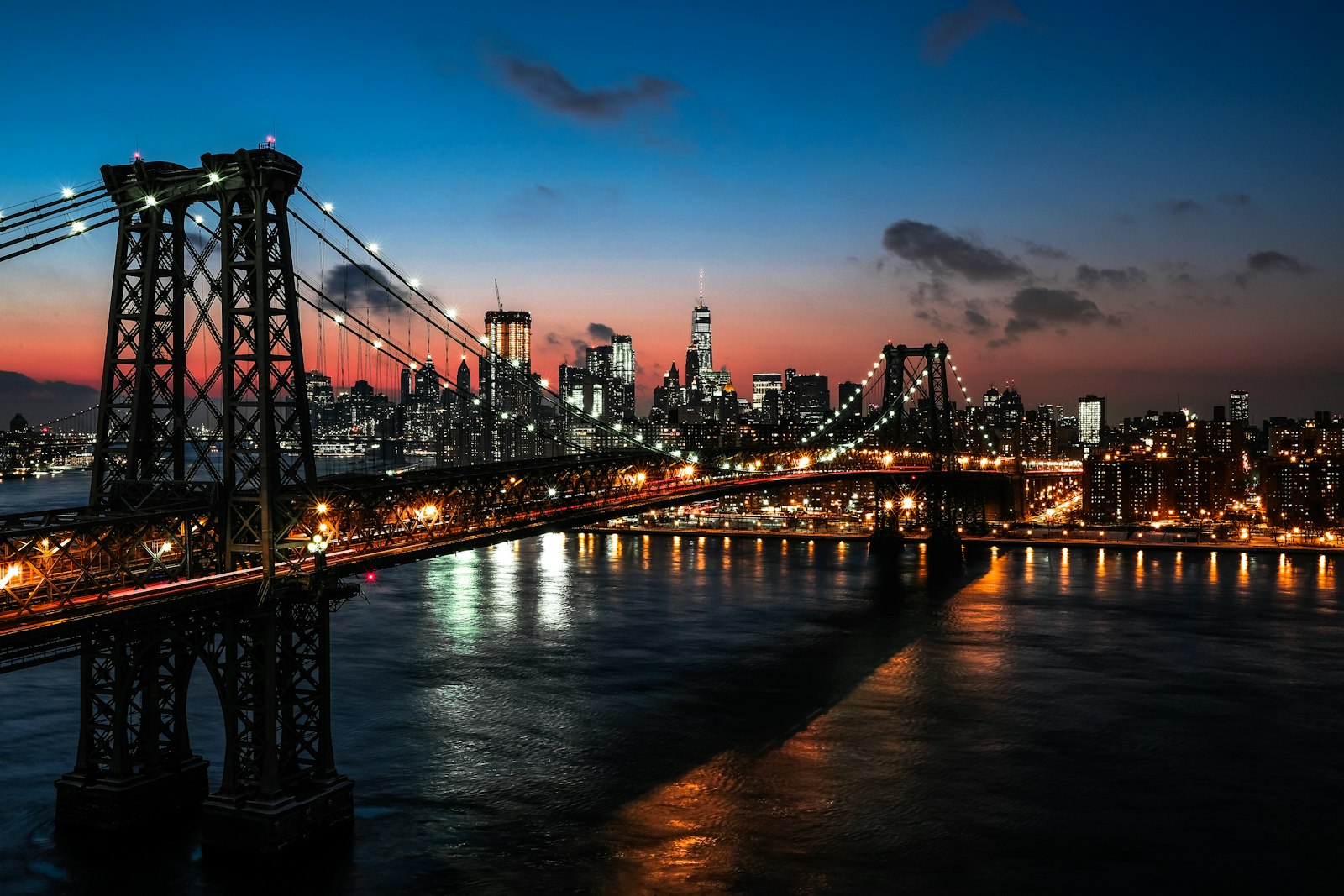
Top 10 Bridges in China
China's bridges are engineering marvels spanning mountains, rivers, and seas. Here are 10 of the most spectacular, from ancient stone to modern steel.
8 min read

Top 10 Buddhist Sites in China
From the Leshan Giant Buddha to the Dunhuang Caves, these 10 Buddhist sites represent 2,000 years of China's spiritual heritage.
9 min read
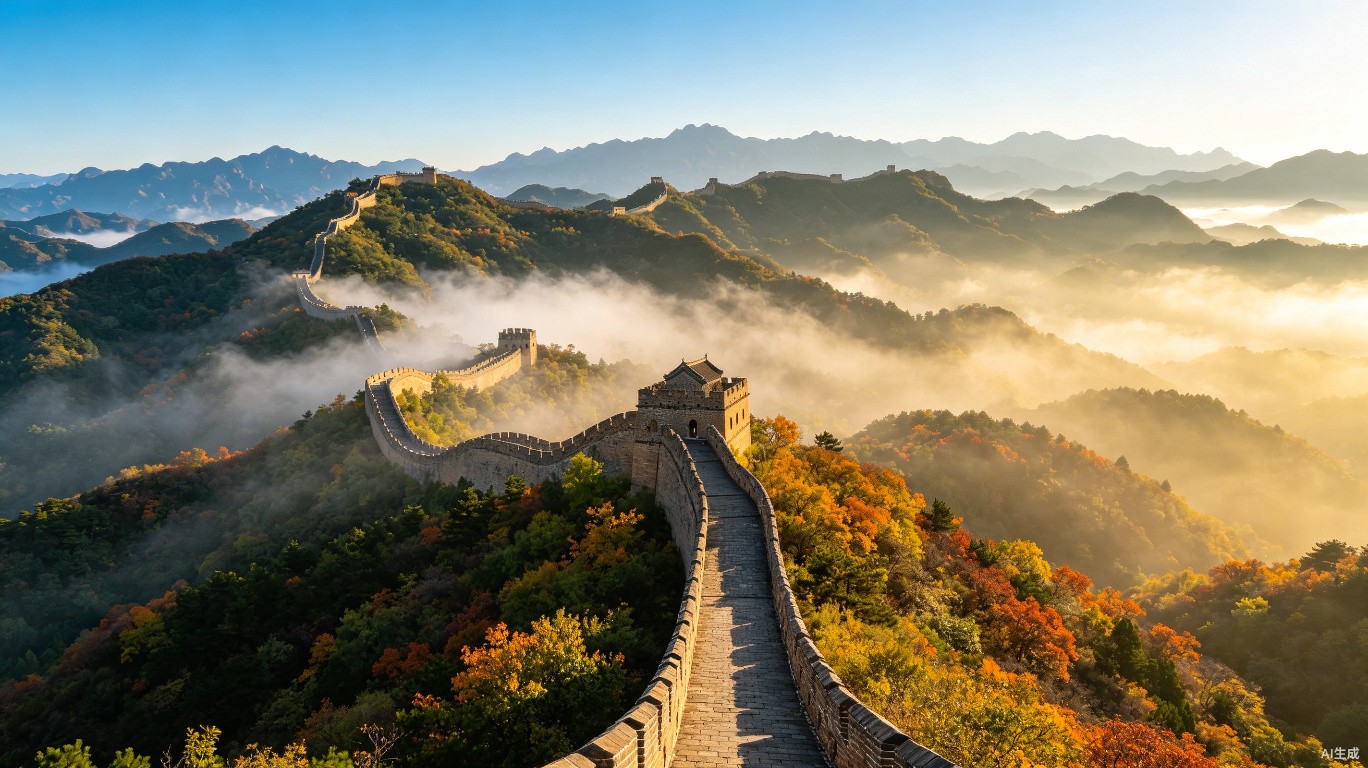
Top 10 Day Trips from Beijing You Shouldn't Miss
Beijing is packed with history, but some of China's best experiences are just a few hours away. Here are 10 day trips that will transform your visit.
9 min read
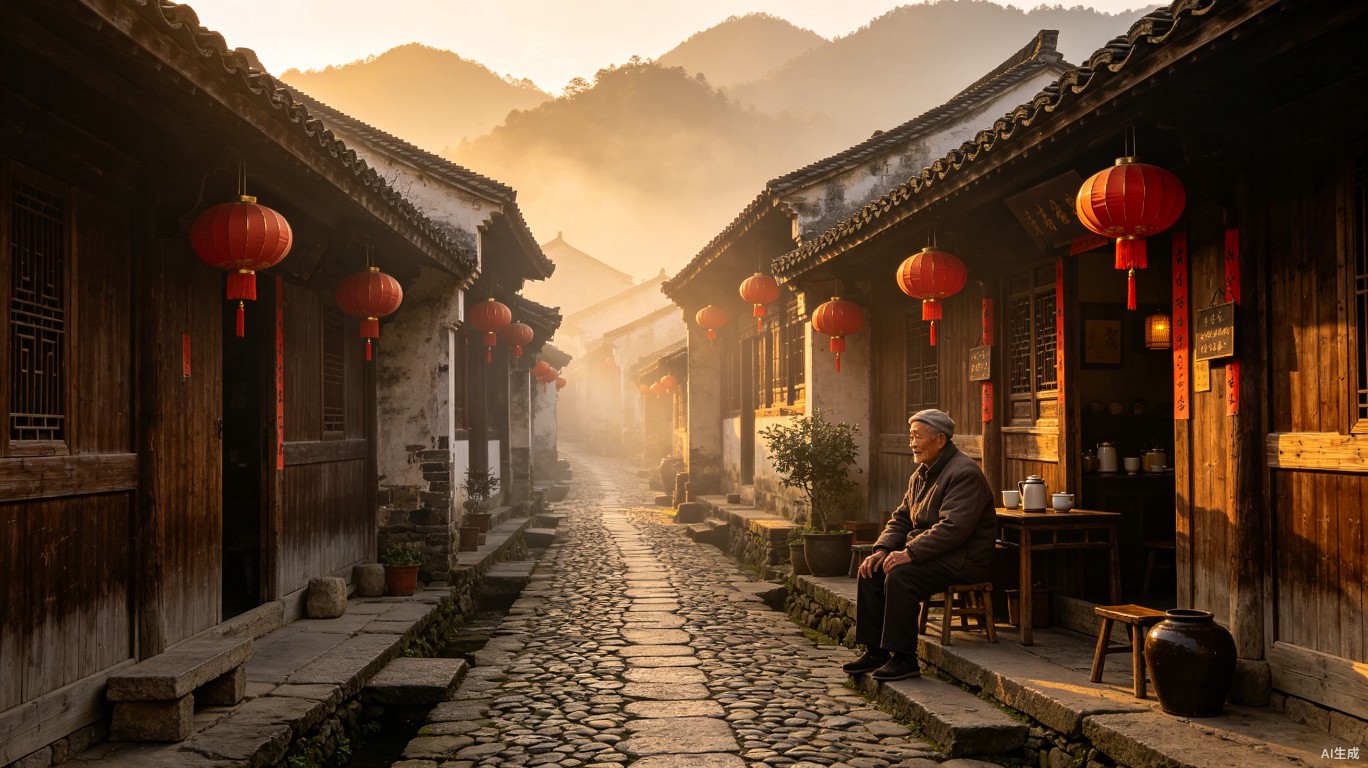
Top 10 Hidden Gems in China Off the Beaten Path
Beyond the Great Wall and Terracotta Warriors, China has incredible hidden destinations few tourists ever reach. Here are 10 underrated gems worth the detour.
9 min read
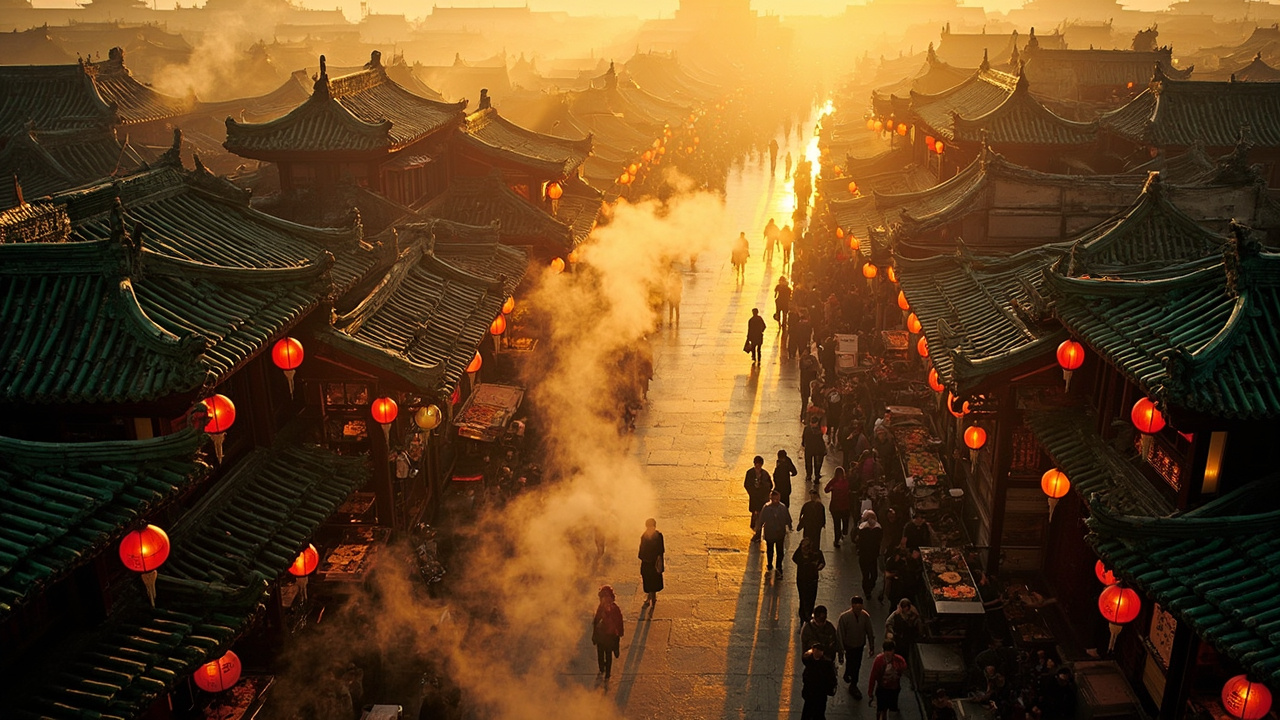
Top 10 Markets and Shopping Streets in China
From Shanghai's Bund to Beijing's Silk Street - 10 markets where foreigners can haggle, explore, and bring home authentic Chinese goods.
9 min read
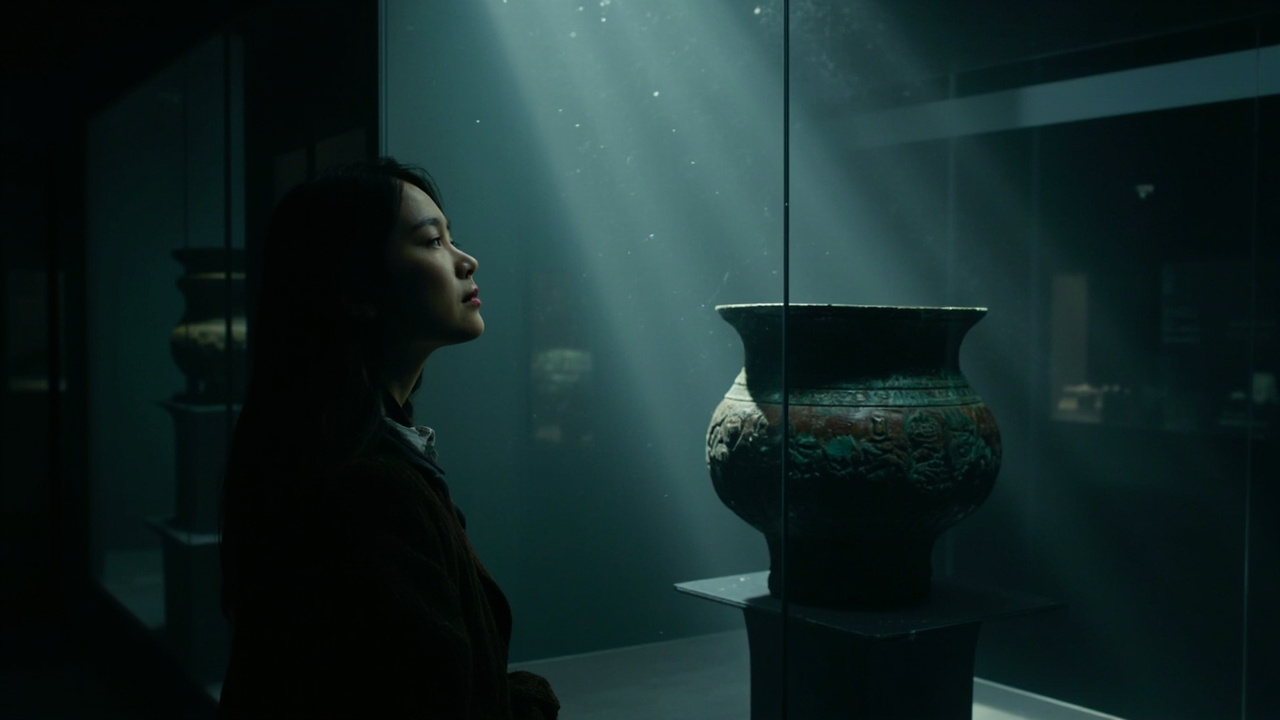
Top 10 Museums in China You Shouldn't Miss
China's museums span 5,000 years of civilization. These 10 - from the Palace Museum to Xi'an's terracotta gallery - are unmissable for culture lovers.
9 min read