
Jiuzhaigou Best Season
TODO: Extract from article (100-160 chars)
The driver pulled over without saying a word and pointed. I had been staring at my phone, checking elevation gain, and I almost missed it. Through the windshield, the valley opened up like a curtain being drawn. Five lakes in a row, each a different shade of blue, stacked against a wall of snow-dusted peaks. That was my first glimpse of Jiuzhaigou, and I understood immediately why the Tibetan name translates to “Nine Villages Valley.” No photo I had seen prepared me for how the water actually looks in person, that impossible turquoise that seems lit from below.
Jiuzhaigou is not a subtle place. It is China’s most famous nature reserve for a reason, and it draws crowds to match. But here is what most guides won’t tell you: the season you choose changes everything about what you experience, from whether you share the boardwalks with five thousand people or fifty, to whether you see autumn gold or winter ice.
I have been to Jiuzhaigou four times across different years and seasons. This guide breaks down each month, what you will actually see, what it costs, and the mistakes I made so you do not have to repeat them.
Quick answer
The best time to visit Jiuzhaigou is mid-October, specifically October 15–25, when autumn colors peak and the lakes reflect gold, red, and orange against the clearest water of the year. Expect to pay about $40 (¥280) for the entrance ticket plus $22 (¥90) for the mandatory shuttle bus, and book accommodation in the nearby town of Zhangzha at least two weeks ahead. If you want fewer crowds, late April to early May offers spring blossoms and moderate weather, while January through February gives you frozen waterfalls and almost no tourists.
The Short Version
Go in mid-October if you can handle crowds and want the iconic photos. Go in late April if you want comfortable weather without the masses. Go in January if you want the place to yourself and do not mind cold. Avoid July and August unless you have no other option, because rain makes the lakes muddy and the boardwalks feel like a shopping mall. The one thing nobody tells you: the shuttle bus system means everyone starts at the same place, so get on the first bus at 7:30 AM and go straight to the furthest stop, then work backward.
How I Picked These
I have visited Jiuzhaigou in April, June, October, and January. I have walked the full 55 kilometers of boardwalk on two separate trips, talked with park rangers over tea in the village of Shuzheng, and sat through a sudden hailstorm at the Long Lake that turned the water from mirror-flat to rippled chaos in minutes. I also spent three evenings in Zhangzha eating at the same family restaurant, where the owner’s daughter told me which weeks the tour groups from Chengdu arrive in waves. This guide combines my own observations with what locals actually told me, not what the tourism board prints.
Comparison Table
| Season | Best For | Approx Cost (USD) | Time Needed | When to Go |
|---|---|---|---|---|
| Autumn (Oct 15–25) | Peak colors, photography | $62 entry + shuttle | 1–2 days | Mid-October |
| Late Spring (Apr 20–May 5) | Fewer crowds, fresh green | $62 entry + shuttle | 1 day | Late April |
| Winter (Jan–Feb) | Solitude, frozen waterfalls | $40 entry + shuttle | 1 day | January |
| Summer (Jun–Aug) | Warm weather, waterfalls | $62 entry + shuttle | 2 days | June (avoid Jul–Aug) |
| Early Autumn (Sep) | Shoulder season balance | $62 entry + shuttle | 1–2 days | Early September |
Ten Detailed Entries
Five Flower Lake 鈥?The One That Made Me Question My Eyes
I stood at the railing for twenty minutes without taking a photo. The water was so clear I could see individual fish swimming ten meters down, and the fallen trees on the lakebed looked like they had been arranged by a set designer. The colors shift from emerald to sapphire to something almost milky, depending on where the sun hits. I watched a Chinese tourist next to me whisper to her husband, “Is this real?” and I knew exactly how she felt.
Five Flower Lake is small, maybe 300 meters across, but it is the most photographed spot in the entire park. The water chemistry here, high in calcium carbonate and other minerals, creates that layered effect you cannot find anywhere else. The fallen logs have been preserved by the mineral content, so they look fresh even though some have been there for decades.
📍 Location: Rize Valley, about 2 km south of the Pearl Shoal Waterfall 🎟️ Entry fee: Included in the park ticket ($40–62 USD / ¥280–440 depending on season) 🕒 Opening hours: 7:30 AM – 5:00 PM (park hours vary slightly by season) 🚌 How to get there: Take the shuttle bus from the park entrance to the Rize Valley line, get off at the Five Flower Lake stop ⏰ When to visit: 8:00–9:30 AM before tour groups arrive, or 3:30 PM when afternoon light hits the water 💡 Insider tips: Walk the boardwalk on the western side, not the main viewing platform. The crowds cluster at the first viewpoint, but the path continues around the lake with equally good views and a fraction of the people.
I made the mistake of stopping here first on my initial visit and nearly ran out of time for the rest of the valley. Budget no more than 30 minutes unless you are a photographer.
Long Lake 鈥?The Highest Point and the Coldest Wind
The shuttle dropped us at 3,100 meters and the temperature dropped ten degrees instantly. Long Lake is the largest and deepest lake in Jiuzhaigou, and it sits at the top of the Zechawa Valley like a frozen mirror. In January, the entire surface was solid ice, and I watched a Tibetan man in a heavy coat walk across it to check something on the far shore.
This lake never freezes completely in most years, but the winter ice creates a different kind of beauty. The surrounding peaks, which stay snow-covered until June, reflect in the water when it is not frozen. The lake is fed by snowmelt, which means the water level drops significantly by late autumn, exposing pale limestone shores that look like a different landscape entirely.
📍 Location: Top of Zechawa Valley, 3,100 meters elevation 🎟️ Entry fee: Included in park ticket 🕒 Opening hours: Same as park hours 🚌 How to get there: Shuttle bus from the entrance runs directly to Long Lake, about 40 minutes ⏰ When to visit: Early morning for still water, but note the wind picks up by 10 AM 💡 Insider tips: The walk from Long Lake down to the Five Color Pond is 4 km and mostly downhill. Most people take the shuttle, but walking this section gives you views of the valley that the bus passengers completely miss. Bring a jacket even in summer; the elevation makes it cold year-round.
A park ranger told me that the lake has never been fully measured because the deepest point exceeds their equipment’s range. I am not sure I believe him, but I like the story.
Nuorilang Waterfall 鈥?The Widest in China and the Loudest Place in the Park
You hear it before you see it. The sound builds as you approach, from a distant rumble to a full roar that drowns out every conversation. Nuorilang is 320 meters wide and drops 20 meters, and in peak flow during summer, the spray can soak you from fifty meters away. In winter, the entire waterfall freezes into a massive wall of ice that looks like something from a fantasy film.
I visited in January and again in June, and they felt like two completely different places. The frozen version is surreal, with ice formations that look like melted candles the size of buildings. The summer version is raw power, with water thundering over the edge in a way that makes you feel very small.
📍 Location: Central area of the park, where the Rize and Zechawa valleys meet 🎟️ Entry fee: Included in park ticket 🕒 Opening hours: Same as park hours 🚌 How to get there: Shuttle buses stop at Nuorilang from both valley lines ⏰ When to visit: Midday in summer for the best light through the spray; any time in winter 💡 Insider tips: The viewing platform at the base gets crowded. Walk up the stairs to the right of the main platform for a higher vantage point that most visitors miss. In winter, the boardwalk near the base can be icy, so wear boots with real grip.
I slipped on the ice here in January and a retired Chinese couple helped me up, laughing. They told me they come every year for the frozen waterfall. I understood why.
Shuzheng Lakes 鈥?Eighteen Lakes in a Row, and the Village That Gives the Park Its Name
The shuttle passed these lakes three times before I finally got off and walked them properly. Eighteen small lakes connected by streams and small waterfalls, each one a slightly different shade of green or blue. The boardwalk here is flat and easy, and the crowds thin out significantly because most people rush past on the bus to the “big” attractions.
Shuzheng Village sits right next to these lakes, and it is one of the nine Tibetan villages that gave Jiuzhaigou its name. A few families still live here, and you can see traditional houses with prayer flags and wooden construction that predates the park’s establishment in 1982.
📍 Location: Shuzheng Valley, the first valley you enter from the main gate 🎟️ Entry fee: Included in park ticket 🕒 Opening hours: Same as park hours 🚌 How to get there: Get off the shuttle at the Shuzheng Village stop, walk south along the boardwalk ⏰ When to visit: Late afternoon when the tour groups have started heading out 💡 Insider tips: The boardwalk from Shuzheng Village to the park entrance is 4.5 km and takes about an hour at a relaxed pace. Most people take the bus back, but walking this final stretch in the late afternoon light is one of the best things you can do in the park.
I bought a cup of yak butter tea from a woman in the village who did not speak a word of English but communicated entirely through smiles and gestures. It was salty and strange and I loved it.
Pearl Shoal Waterfall 鈥?The One That Looks Like a Wedding Dress
The water here spreads across a wide, gently sloping limestone shelf before cascading over the edge in hundreds of thin streams. The effect looks like a bride’s veil, which is exactly what the Chinese name means. The water sparkles as it flows over the travertine terraces, and in the right light, it genuinely looks like pearls scattered across the surface.
This waterfall is less dramatic than Nuorilang but more beautiful in a subtle way. The limestone terraces create a stepped effect that makes the water look like it is dancing. In autumn, the surrounding maple trees turn brilliant red and orange, framing the white water against a wall of fire.
📍 Location: Rize Valley, about 1 km south of Five Flower Lake 🎟️ Entry fee: Included in park ticket 🕒 Opening hours: Same as park hours 🚌 How to get there: Shuttle stop at Pearl Shoal, then walk 10 minutes downhill to the waterfall ⏰ When to visit: Morning for the best light on the terraces 💡 Insider tips: Walk the full boardwalk from the top of the shoal down to the base of the waterfall. It is 2 km and mostly downhill, and it takes you through the best sections that the shuttle passengers miss entirely.
The boardwalk here is where I realized that the park’s shuttle system, while convenient, makes people lazy. The best experiences come from walking.
Five Color Pond 鈥?Small, But It Will Ruin Other Lakes for You
This is the smallest lake in the park, barely 100 meters across, and it is the most intensely colored body of water I have ever seen. The water is so clear and so saturated with color that it looks like someone poured dye into it. The bottom is covered in fallen tree branches that have been preserved by the mineral content, and they create intricate patterns visible from the surface.
The viewing platform is small and always crowded, which is frustrating. But the color is so extraordinary that you will forgive the crowds. In autumn, the surrounding forest reflects in the water, turning the lake into a kaleidoscope of gold, red, and turquoise.
📍 Location: Zechawa Valley, about 2 km downhill from Long Lake 🎟️ Entry fee: Included in park ticket 🕒 Opening hours: Same as park hours 🚌 How to get there: Shuttle stop at Five Color Pond, or walk downhill from Long Lake ⏰ When to visit: 8:00–9:00 AM before the crowds build 💡 Insider tips: The viewing platform gets packed by 9:30 AM. Go early, take your photos, and leave. There is a smaller, less crowded viewpoint about 100 meters down the boardwalk that most people miss.
I watched a woman cry here. Not from sadness, but from the sheer beauty of the color. I did not think that was real until I saw it happen.
Arrow Bamboo Lake 鈥?Where the Panda Used to Come
The name comes from the arrow bamboo that grows along the shore, which used to attract pandas down from the higher forests. The pandas are gone now, driven away by the crowds, but the lake remains one of the most peaceful spots in the park. The water is a deep, calm green that feels different from the turquoise of the other lakes.
This lake sits at the top of the Rize Valley, and the shuttle stop is the last one before the turnaround point. The boardwalk around the lake is flat and easy, and the forest here is dense and quiet. In the early morning, the mist rises off the water and the whole scene feels like a Chinese ink painting come to life.
📍 Location: Top of Rize Valley, the final shuttle stop 🎟️ Entry fee: Included in park ticket 🕒 Opening hours: Same as park hours 🚌 How to get there: Take the shuttle to the end of the Rize Valley line ⏰ When to visit: First shuttle of the morning, before the crowds arrive 💡 Insider tips: The walk from Arrow Bamboo Lake down to the Panda Lake is 2 km through dense forest. It is one of the quietest sections of the park, and you might have it entirely to yourself if you go early enough.
A park worker told me that the pandas still come down at night sometimes, when the park is closed. I have no way to verify this, but I choose to believe it.
Panda Lake 鈥?The One with the Underwater Forest
The name comes from the panda-shaped patterns in the water, which are actually caused by the dark and light colors of the lakebed. The lake is famous for its underwater forest of fallen trees, which have been preserved by the mineral-rich water and create an eerie, beautiful scene beneath the surface.
The water here is exceptionally clear, and on a calm day, you can see the trees clearly from the boardwalk. The effect is like looking into a flooded forest, with branches reaching up toward the surface like they are trying to escape.
📍 Location: Rize Valley, about 1 km south of Arrow Bamboo Lake 🎟️ Entry fee: Included in park ticket 🕒 Opening hours: Same as park hours 🚌 How to get there: Shuttle stop at Panda Lake, or walk downhill from Arrow Bamboo Lake ⏰ When to visit: Mid-morning when the sun is high enough to illuminate the underwater trees 💡 Insider tips: The best viewing spot is from the boardwalk on the western side of the lake, where the angle of the sun makes the underwater forest most visible. The eastern side gets crowded with tour groups.
I spent an hour here just watching the fish swim between the underwater trees. It was the most peaceful hour of my entire trip.
Rhinoceros Lake 鈥?The Deepest Lake in the Shuzheng Valley
The name comes from a legend about a Tibetan monk who rode his rhinoceros into the lake and never came out. The lake is 18 meters deep, making it the deepest in the Shuzheng Valley, and the water is a deep, rich green that feels different from the brighter turquoise of the Rize Valley lakes.
The lake is shaped like a long, narrow ribbon, and the boardwalk follows its entire length. The far end of the lake is quieter than the near end, which is where the shuttle stops. If you walk to the far end, you will find a small pavilion where you can sit and watch the water without another person in sight.
📍 Location: Shuzheng Valley, about halfway between the entrance and Nuorilang 🎟️ Entry fee: Included in park ticket 🕒 Opening hours: Same as park hours 🚌 How to get there: Shuttle stop at Rhinoceros Lake ⏰ When to visit: Late afternoon when the light turns golden 💡 Insider tips: The walk from Rhinoceros Lake to Nuorilang is 3 km along a flat, easy boardwalk. It takes about 40 minutes and passes through some of the most beautiful forest in the park. Most people take the shuttle, so you will have the path mostly to yourself.
I met a photographer from Shanghai here who told me he had visited Jiuzhaigou twelve times. Twelve times. He still found new angles every visit.
The Primeval Forest 鈥?Skip It Unless You Have Extra Time
I am going to be honest: the Primeval Forest is the most overrated section of Jiuzhaigou. It is a dense forest of old-growth trees at the highest elevation in the park, and it looks like… a forest. If you have seen forests before, you can skip this. The shuttle ride takes 20 minutes each way, and the walking trail is steep and tiring at 3,000 meters elevation.
The one thing that makes it worth visiting is the view from the top of the trail, which looks out over the entire Zechawa Valley. On a clear day, you can see for miles. But the forest itself is not particularly special compared to the lakes and waterfalls that make Jiuzhaigou famous.
📍 Location: Top of Zechawa Valley, beyond Long Lake 🎟️ Entry fee: Included in park ticket 🕒 Opening hours: Same as park hours 🚌 How to get there: Shuttle bus from the Zechawa Valley line, about 50 minutes from the entrance ⏰ When to visit: Only if you have a second day in the park 💡 Insider tips: If you do go, take the right fork in the trail, which leads to a viewpoint that most people miss. The left fork is the main trail and gets crowded with tour groups.
I went here on my second visit because I felt obligated. I should have spent that time at Five Flower Lake instead.
FAQ summary
Jiuzhaigou is best visited in mid-October (October 15–25) for peak autumn colors, though late April offers fewer crowds and January offers winter solitude at reduced prices. The park requires both an entrance ticket ($40–62 USD depending on season) and a mandatory shuttle bus ticket ($22 USD), and all visitors must enter through the main gate in Zhangzha town. The park is open year-round except for brief closures, but winter visits require warm clothing and the highest lakes may be frozen.
FAQ
Q: What is the absolute best month to visit Jiuzhaigou?
A: Mid-October, specifically October 15–25, when autumn colors peak. The lakes reflect gold, red, and orange against the clearest water of the year. Book accommodation at least two weeks ahead because this is the busiest period.
Q: How many days should I spend at Jiuzhaigou?
A: One full day is enough to see the main highlights if you take the first shuttle at 7:30 AM and work backward from the furthest stops. Two days allows you to walk more of the boardwalks and visit the Primeval Forest without rushing.
Q: Is Jiuzhaigou worth visiting in winter?
A: Yes, if you do not mind cold weather. January and February offer frozen waterfalls, almost no crowds, and cheaper tickets at $40 USD instead of $62. The lakes freeze partially, creating a completely different landscape. Bring thermal layers and ice grips for your shoes.
Q: How do I get to Jiuzhaigou from Chengdu?
A: The most reliable option is flying from Chengdu Tianfu Airport to Jiuzhai Huanglong Airport (about 1 hour), then taking a shuttle bus or taxi for 2 hours to the park. The alternative is a 7–8 hour bus ride from Chengdu, which is cheaper but exhausting. A new high-speed rail line is under construction but not yet completed.
Q: Do I need to book tickets in advance?
A: Yes. Jiuzhaigou limits daily visitors to 41,000, and tickets often sell out during peak seasons. Book through the official WeChat mini-program or a travel platform at least 3–5 days ahead. Bring your passport to match the ticket name.
Q: Is the altitude a problem at Jiuzhaigou?
A: The park ranges from 2,000 to 3,100 meters elevation. Most visitors feel fine, but the Long Lake and Primeval Forest areas at 3,000+ meters can cause mild altitude sickness. Take it slow, drink water, and consider bringing acetazolamide if you are sensitive to altitude.
Q: What should I pack for Jiuzhaigou?
A: Layered clothing is essential because temperatures swing dramatically from morning to afternoon. In autumn, bring a warm jacket, comfortable walking shoes, and rain gear. In winter, add thermal underwear, gloves, and a hat. Sunscreen is important at high altitude year-round.
The Honest Wrap-up
Jiuzhaigou deserves the hype. It is one of those rare places that looks better in person than in photos, and that is saying something because the photos are spectacular. This list is for first-time visitors who want to see the highlights without feeling like they are being herded through a theme park. It is not for travelers who want solitude, because even in the quiet season, you will share the boardwalks with others.
The one piece of advice I would give a friend: get the first shuttle of the morning, go straight to the furthest point, and walk backward through the park. The crowds follow the buses, so if you stay ahead of them, you will have moments of genuine solitude in one of the most beautiful places on earth. And bring cash for the yak skewers at the snack stands. They are surprisingly good.
More guides you may like
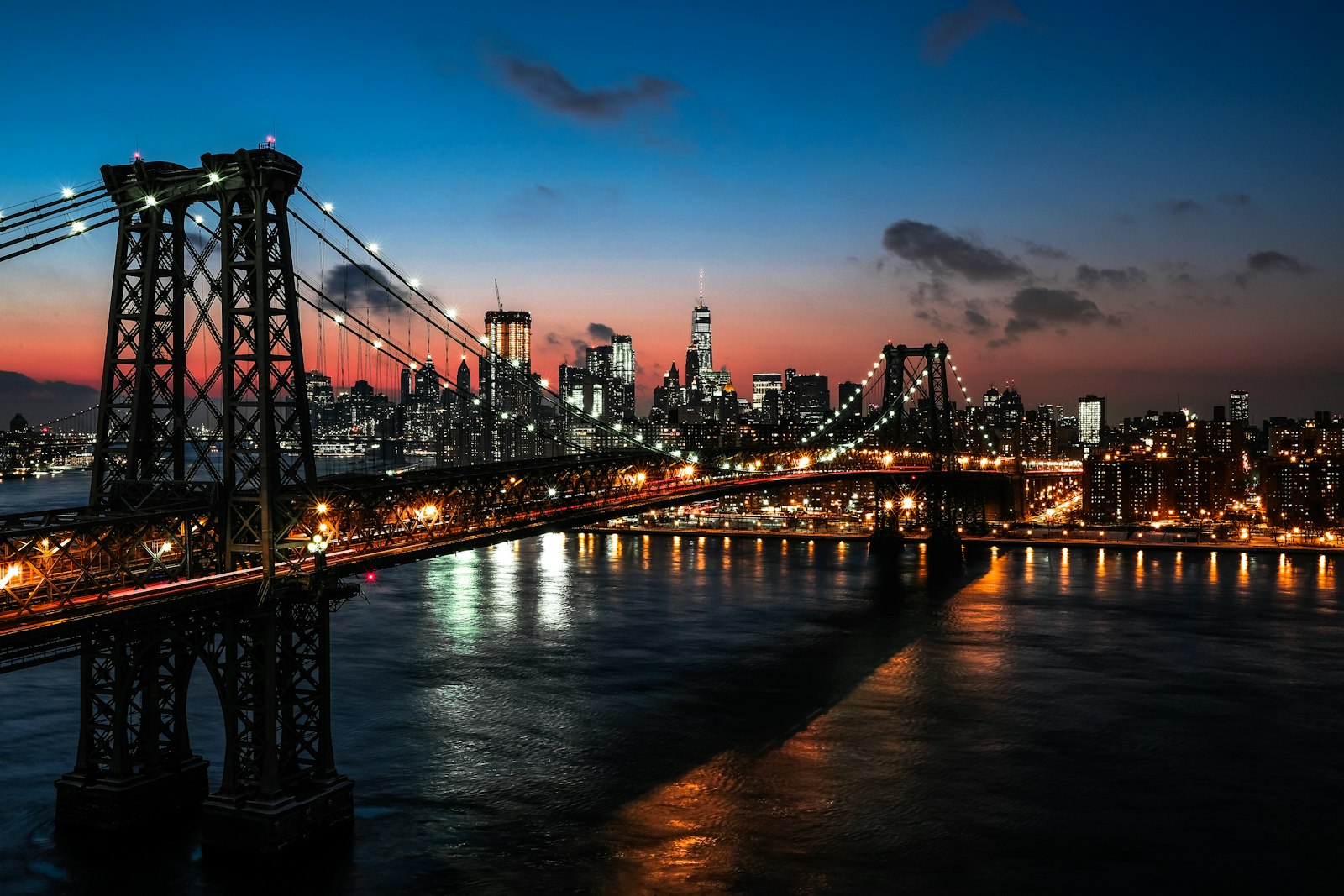
Top 10 Bridges in China
China's bridges are engineering marvels spanning mountains, rivers, and seas. Here are 10 of the most spectacular, from ancient stone to modern steel.
8 min read

Top 10 Buddhist Sites in China
From the Leshan Giant Buddha to the Dunhuang Caves, these 10 Buddhist sites represent 2,000 years of China's spiritual heritage.
9 min read
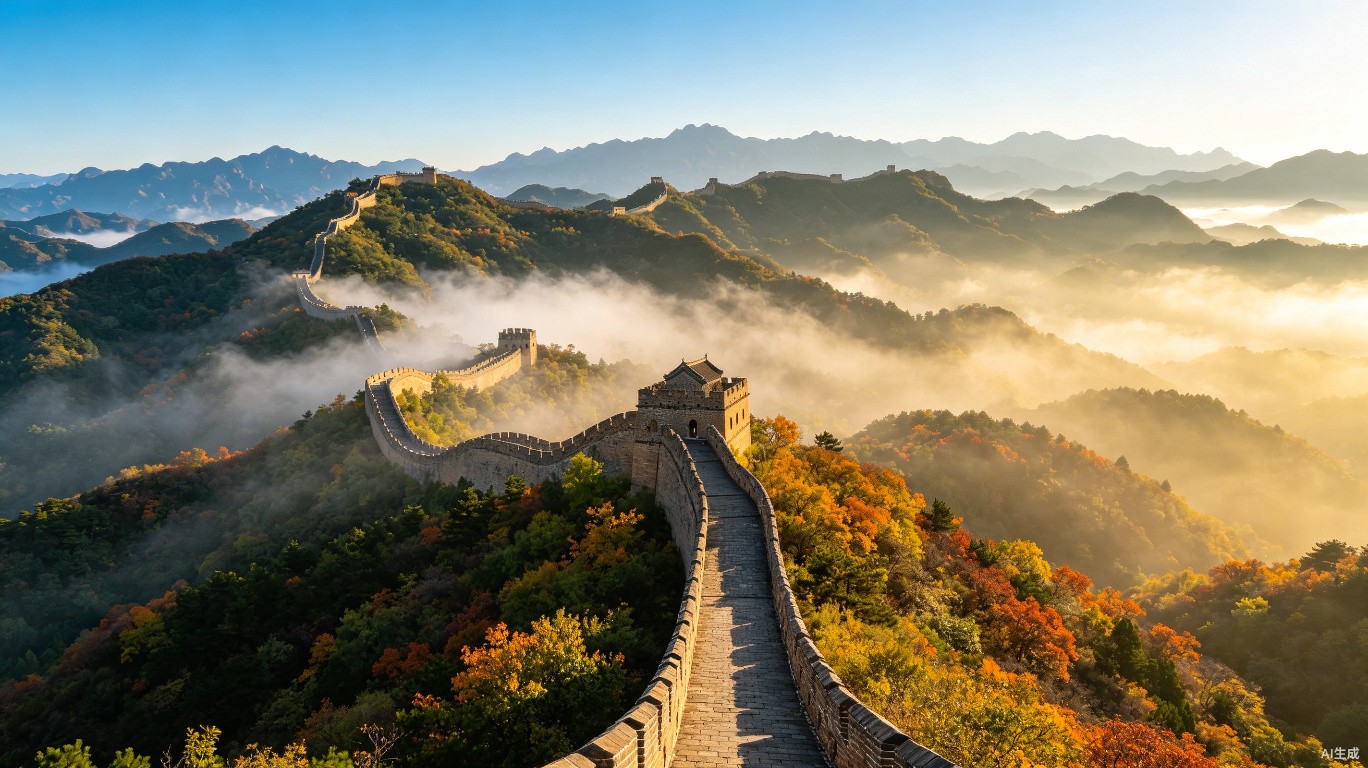
Top 10 Day Trips from Beijing You Shouldn't Miss
Beijing is packed with history, but some of China's best experiences are just a few hours away. Here are 10 day trips that will transform your visit.
9 min read
Top 10 Hidden Gems in China Off the Beaten Path
Beyond the Great Wall and Terracotta Warriors, China has incredible hidden destinations few tourists ever reach. Here are 10 underrated gems worth the detour.
9 min read
Top 10 Markets and Shopping Streets in China
From Shanghai's Bund to Beijing's Silk Street - 10 markets where foreigners can haggle, explore, and bring home authentic Chinese goods.
9 min read
Top 10 Museums in China You Shouldn't Miss
China's museums span 5,000 years of civilization. These 10 - from the Palace Museum to Xi'an's terracotta gallery - are unmissable for culture lovers.
9 min read