
Cantonese Cuisine Food Guide
TODO: Extract from article (100-160 chars)
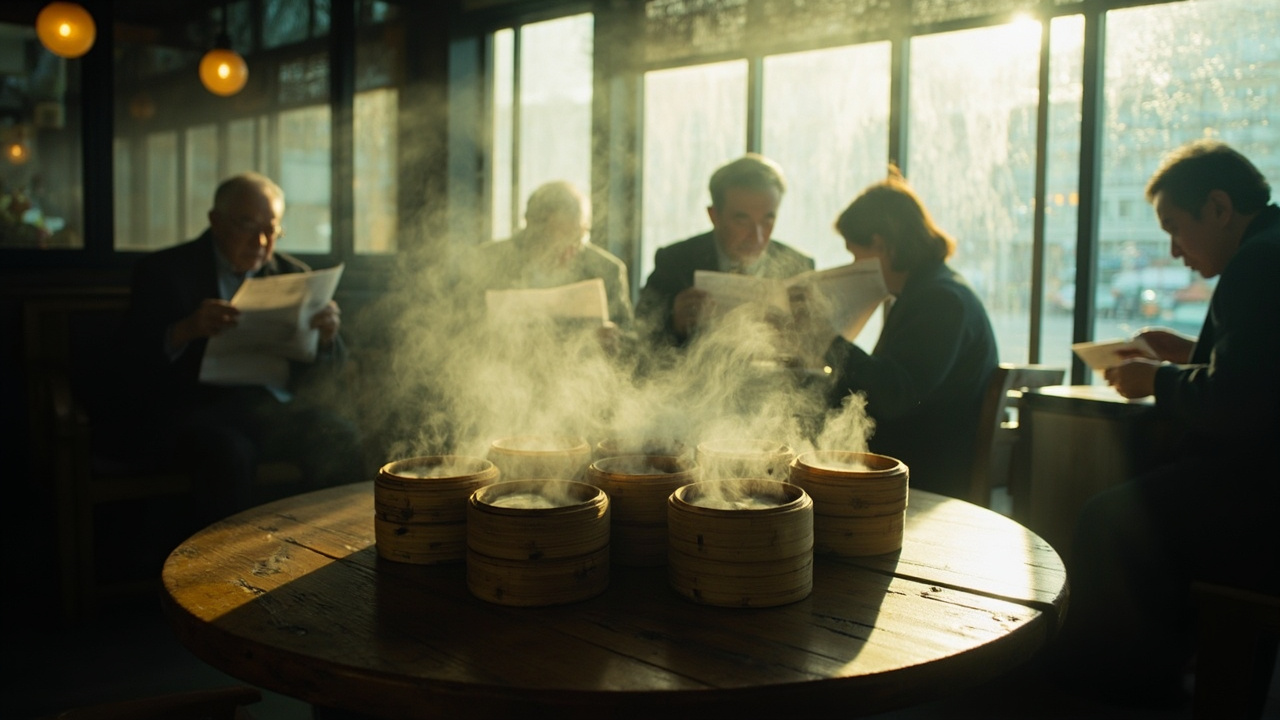
Cantonese Cuisine Food Guide
The first thing I ate in Guangzhou was a bowl of congee that cost me 8 yuan, and it ruined every other breakfast for me for about a year. I was sitting on a plastic stool at 7am on a side street off Duobao Road, the kind of place with fluorescent lights and a laminated menu I couldn’t read. An old man at the next table watched me struggle with the spoon, then reached over and pushed a plate of youtiao toward me without saying anything. That’s Cantonese food in one gesture: quiet, generous, and completely unbothered by whether you understand it.
I’ve spent the better part of seven years eating my way through Guangdong, Hong Kong, and the Cantonese diaspora that runs through every Chinatown on earth. I’ve paid $300 for dim sum in a Tsim Sha Tsui hotel and $1.20 for the best roast goose of my life in a Panyu alley with no sign. This guide is the honest middle: where to actually go, what to order, what it costs in 2026, and which famous places I think you can skip.
By the end you’ll know how to eat Cantonese food the way locals do — which is to say, early, often, and with a lot of tea.
Quick answer
Cantonese cuisine is best experienced in Guangzhou (its birthplace) and Hong Kong (its most polished form), and a first-timer can eat extremely well for $15–30 (110–220 CNY) per person per day. Most Western passport holders can enter China visa-free for up to 30 days in 2026, and Hong Kong is visa-free for 90 days for US, UK, and EU citizens. The single most important practical tip: set up Alipay or WeChat Pay before you land, because many of the best small restaurants no longer accept cash.
The Short Version
If you only have 90 seconds: fly into Guangzhou, eat dim sum before 9am, roast goose for lunch, and a late-night claypot rice on the street. Skip the hotel restaurants. Learn to say “m̀h gōi” (thank you / excuse me) and point at what the next table is eating — it works better than any translation app. Budget $20 a day and you’ll eat like a king. Bring an appetite and low expectations about air conditioning.
How I Picked These
I didn’t pull this from a listicle. Every place here I’ve eaten at personally, most of them more than once, and several of them with people who grew up in the neighborhood. I talked to taxi drivers, hostel receptionists, and a tea merchant in Fangcun who spent an hour explaining why he refuses to eat dim sum anywhere north of the Pearl River. I’ve deliberately included a mix of splurge and dirt-cheap, tourist-friendly and genuinely local, because a good food guide should let you choose your own adventure. Where I’m unsure about a current price, I’ve given a range rather than pretend precision.
Comparison Table
| Rank | Place | Best For | Approx Cost (USD) | Time Needed | When to Go |
|---|---|---|---|---|---|
| 1 | Guangzhou (Liwan District) | The real thing, dim sum origins | $15–25/day | 3–4 days | Oct–Dec, Mar–Apr |
| 2 | Hong Kong (Central & Sham Shui Po) | Michelin dim sum + street food | $40–70/day | 3–5 days | Nov–Feb |
| 3 | Shunde | Fish, dairy, the chef’s chef | $20–30/day | 2 days | Oct–Dec |
| 4 | Chaozhou | Teochew branch of Cantonese | $15–25/day | 2–3 days | Mar–May |
| 5 | Macau | Portuguese-Cantonese fusion | $50–80/day | 2 days | Nov–Mar |
| 6 | Guangzhou night markets | Late-night claypot, BBQ | $8–15/night | 1 evening | Any, year-round |
| 7 | Hong Kong yum cha palaces | Traditional trolley dim sum | $25–40/meal | 2 hours | Weekday mornings |
| 8 | Shenzhen | Modern Cantonese, cheap eats | $25–40/day | 2 days | Oct–Apr |
| 9 | Vancouver/Richmond, Canada | Best Cantonese outside Asia | $30–50/day | 2–3 days | Any |
| 10 | Your local Chinatown | A taste before you commit | $20–30/meal | 1 evening | Any |
Guangzhou’s Liwan District — Where Cantonese Food Was Born
I got lost in Liwan on my second day and didn’t mind at all. The streets around Shangxiajiu Pedestrian Street fold into each other like a badly drawn map, and every corner has a shop doing one thing extremely well. This is the old heart of Guangzhou, and arguably the birthplace of Cantonese cooking as we know it.
Why it matters: Liwan is where dim sum, roast meats, and rice noodle rolls were standardized into the forms that spread across the world. The neighborhood is dense, loud, and mostly untouristed once you leave the main pedestrian drag. You’ll eat better here for less money than almost anywhere else in China. It’s also the best place to understand that Cantonese food is a system — breakfast, lunch, afternoon tea, dinner, late-night — not a single meal.
📍 Location: Liwan District, bounded roughly by Renmin Middle Road and the Pearl River 🎫 Entry fee: Free (you pay only for food) 🕐 Opening hours: Most shops 6:30am–10pm; some dim sum spots close by 2pm 🚕 How to get there: Metro Line 1 to Changshou Road (Exit B) or Line 6 to Cultural Park (Exit A), then walk 5–10 minutes into the side streets ⏰ When to visit: Weekday mornings for dim sum, avoid 11am–2pm weekends when it’s shoulder-to-shoulder 💡 Insider tips: Bring cash as backup even with Alipay set up; many old shops have a 30–60 minute queue rule at peak; the best congee is always the shop with the least English signage; don’t sit at a table with a teapot already on it unless invited On my last visit I watched a woman in her 70s hand-pull noodles for twenty minutes without stopping, and when I tried to tip her she looked genuinely confused.
Hong Kong Yum Cha Palaces — The Full Ceremony
There’s a specific sound in a Hong Kong yum cha hall at 8am: the clatter of ceramic lids, the hiss of steam, the low roar of a hundred conversations, and somewhere a trolley wheel squeaking. I sat in one in Sham Shui Po for two hours and ate nine dishes and paid about $22.
Why it matters: Hong Kong preserved the trolley-service dim sum tradition that mainland China mostly abandoned in the 1990s. The food is more refined, the service faster, and the prices higher than Guangzhou. If you want to understand what dim sum was before it became a global brunch trend, this is the place. It’s also genuinely easy for a first-timer — menus often have English, and staff are used to foreigners.
📍 Location: Lin Heung Tea House area, Central; or Tim Ho Wan, Sham Shui Po 🎫 Entry fee: Free 🕐 Opening hours: 6am–3pm typical; some close Mondays 🚕 How to get there: MTR to Sham Shui Po (Exit B2), walk 3 minutes; or Central (Exit D2) for Lin Heung ⏰ When to visit: Arrive before 9am on a weekday; after 10am on weekends you’ll wait 45+ minutes 💡 Insider tips: Tap two fingers on the table to say thanks when tea is poured; the trolley comes to you, don’t chase it; order har gow and siu mai first to judge the kitchen; a “small” plate is genuinely small — order 6–8 dishes per person A waiter named Kwok refused to let me order in English and just brought me whatever he thought was best. He was right about all of it.
Shunde — The Chefs’ Secret
Shunde is a district of Foshan, about 40 minutes south of Guangzhou by high-speed rail, and it’s where a lot of Cantonese chefs actually come from. I went because a chef in Hong Kong told me to, and I’m passing that along.
Why it matters: Shunde is famous for two things — freshwater fish cooked with surgical precision, and dairy, which is unusual in southern Chinese cooking. The double-skin milk pudding (shuang pi nai) here is worth the trip alone. It’s quieter and cheaper than Guangzhou, and the food is arguably more technically accomplished. If you care about how Cantonese food is made, not just how it tastes, this is your stop.
📍 Location: Daliang and Ronggui neighborhoods, Shunde District, Foshan 🎫 Entry fee: Free 🕐 Opening hours: Restaurants 10am–2pm and 5–9pm; dessert shops often 1pm–11pm 🚕 How to get there: High-speed rail from Guangzhou South to Shunde Station (about 15 minutes, ~$3/22 CNY), then taxi 10 minutes ⏰ When to visit: Any weekday; weekends get busy with Guangzhou day-trippers 💡 Insider tips: Order the fish steamed whole, never fried; ask for “yú shēng” if you want the raw-fish specialty (only at trusted spots); the milk pudding is served hot or cold, try both; most restaurants have zero English, so have your translation app ready I made the mistake of ordering a whole fish “for one” and got something the size of my forearm. No regrets.
Chaozhou — The Other Cantonese
Teochew food is technically its own tradition, but it’s so intertwined with Cantonese cooking that skipping it would be a mistake. I spent three days in Chaozhou eating beef hotpot and drinking tiny cups of oolong and I still think about it.
Why it matters: Chaozhou is where you go for beef hotpot, braised meats, and a style of cooking that’s more delicate and less sweet than Guangzhou Cantonese. The city itself is beautiful — old walls, a famous bridge, and a pace that feels a century slower than Shenzhen. It’s also much cheaper than Hong Kong or Guangzhou.
📍 Location: Old Town, Chaozhou, Guangdong Province 🎫 Entry fee: Free (Guangji Bridge ~$3/20 CNY) 🕐 Opening hours: Beef hotpot spots 11am–2am; most shops close by 10pm 🚕 How to get there: High-speed rail from Guangzhou South to Chaoshan Station (about 3 hours, ~$25/180 CNY), then 20-minute taxi ⏰ When to visit: March–May or October–December; summers are brutally humid 💡 Insider tips: Beef hotpot is a timed dish — each cut cooks for a specific number of seconds, ask your server; the dipping sauce is usually shacha, not soy; tea is served constantly and refilled free; the night market near the bridge is the best cheap eat in the city A shop owner near the bridge gave me a free cup of tea every morning for three days and never once asked my name.
Macau — Where Cantonese Meets Portugal
Macau is a 60-minute ferry from Hong Kong and it’s the strangest, most delicious food city in Asia. I went for the egg tarts and stayed for the African chicken.
Why it matters: Macanese cuisine is a genuine fusion — Cantonese technique, Portuguese ingredients, and African and Southeast Asian spices, all mixed over 400 years. You can’t get this anywhere else. The city is small, walkable, and easy for foreigners. Prices are higher than mainland China but lower than Hong Kong for food.
📍 Location: Historic Centre (Senado Square area) and Taipa Village 🎫 Entry fee: Free 🕐 Opening hours: Restaurants 11am–11pm; egg tart shops often 7am–7pm 🚕 How to get there: Ferry from Hong Kong (TurboJET, ~$22/160 HKD, 60 min) or direct from Guangzhou by bus (~3 hours) ⏰ When to visit: November–March; avoid Lunar New Year when everything is packed 💡 Insider tips: The best egg tarts are at Lord Stow’s in Coloane, not the tourist spots; pork chop buns are a Macau invention, not Portuguese; casinos have free shuttle buses from the ferry terminal; the pataca is pegged to the HKD and both are accepted I ate four egg tarts in one afternoon and would do it again without hesitation.
Guangzhou Night Markets — Where the City Actually Eats
At 11pm on Baohan Straight Street, the city wakes up. Grills fire, woks clang, and the smell of charcoal and five-spice hangs in the air. This is where I ate the best claypot rice of my life for $2.50.
Why it matters: Night markets are the most honest version of Cantonese food — cheap, fast, and unapologetically local. You’ll see dishes here that never make it to restaurant menus. It’s also the easiest place to eat as a foreigner, because you can point at what you want.
📍 Location: Baohan Straight Street, Haizhu District; also Shipai and Tangxia 🎫 Entry fee: Free 🕐 Opening hours: 8pm–3am, busiest 10pm–midnight 🚕 How to get there: Metro Line 2 to Jiangnanxi (Exit D), walk 8 minutes ⏰ When to visit: Friday or Saturday night, but any night works 💡 Insider tips: Bring small bills; most stalls are cash or QR only; the claypot rice takes 20 minutes, order it first; avoid the seafood stalls unless you see locals eating there; the grilled oysters are worth the risk I paid too much for a plate of grilled squid on my first visit because I didn’t check the price first. Lesson learned.
Hong Kong Street Food — Sham Shui Po and Mong Kok
Sham Shui Po is the best cheap eating neighborhood in Hong Kong, full stop. I spent a full day there eating for under $25 and never had a bad bite.
Why it matters: This is where Hong Kongers actually eat — curry fish balls, egg waffles, beef brisket noodles, and tofu pudding, all for a few dollars each. It’s a working-class neighborhood with a food scene that’s been perfected over decades. Easy to navigate, mostly English-friendly, and genuinely fun.
📍 Location: Sham Shui Po (Apliu Street area) and Mong Kok (Fa Yuen Street) 🎫 Entry fee: Free 🕐 Opening hours: 10am–11pm; some stalls close on Sundays 🚕 How to get there: MTR to Sham Shui Po (Exit A2) or Mong Kok (Exit E2) ⏰ When to visit: Weekday afternoons; weekends are crowded 💡 Insider tips: The best beef brisket is at Kau Kee on Gough Street, but expect a queue; egg waffles are best fresh, not packaged; bring an Octopus card for small purchases; most stalls are cash only I watched a man make 40 egg waffles in a row without breaking rhythm, and I understood why people queue for them.
Shenzhen — Modern Cantonese for the Curious
Shenzhen gets skipped by food travelers, which is a mistake. The city is young and its Cantonese food scene is evolving fast.
Why it matters: Shenzhen is the easiest mainland city for a first-timer — modern, English-friendly, and full of restaurants that blend traditional Cantonese with contemporary technique. Prices are lower than Hong Kong, and the city is a 20-minute train from the Hong Kong border. It’s also a good place to test whether you like Cantonese food before committing to a deeper trip.
📍 Location: Futian and Nanshan districts 🎫 Entry fee: Free 🕐 Opening hours: Restaurants 10am–10pm; some late-night spots until 2am 🚕 How to get there: High-speed rail from Hong Kong West Kowloon (15 min), or Metro Line 1/2/11 ⏰ When to visit: October–April; summers are hot and rainy 💡 Insider tips: Alipay and WeChat Pay work everywhere; most restaurants have English menus; the seafood market at Shekou is worth a visit; a VPN is essential if you want Google or Instagram A hostel receptionist in Futian drew me a hand map of her favorite restaurants and it was better than any app.
Vancouver and Richmond, Canada — The Best Cantonese Outside Asia
I know this isn’t China, but if you’re a North American reader who wants a preview before you fly, Richmond, BC is the answer. It has the highest concentration of authentic Cantonese restaurants outside Asia.
Why it matters: The Cantonese food in Richmond is genuinely world-class — many chefs emigrated from Hong Kong in the 1990s and brought their kitchens with them. Prices are higher than China but the quality is comparable. It’s a low-risk way to learn what you like before committing to a long-haul flight.
📍 Location: Richmond (No. 3 Road) and Vancouver Chinatown 🎫 Entry fee: Free 🕐 Opening hours: 10am–10pm; dim sum spots close by 3pm 🚕 How to get there: SkyTrain Canada Line to Aberdeen or Richmond-Brighouse ⏰ When to visit: Any time; weekends are busiest for dim sum 💡 Insider tips: Book dim sum on weekends or wait an hour; the best roast pork is at HK B.B.Q. Master; tipping is expected (15–20%); English is universal A waiter in Richmond told me the food there is “more Hong Kong than Hong Kong now,” and I think he might be right.
Your Local Chinatown — The Taste Before the Trip
Before you book a flight, eat Cantonese food near you. It won’t be the same, but it’ll teach you what you like.
Why it matters: Chinatown restaurants are the entry point for most Westerners, and they’re a useful calibration. You’ll learn whether you love dim sum, whether you can handle whole fish, and whether you actually enjoy the texture of chicken feet (many people don’t, and that’s fine). Treat it as research, not the destination.
📍 Location: Your nearest Chinatown or Cantonese restaurant 🎫 Entry fee: Free 🕐 Opening hours: Varies 🚕 How to get there: Whatever gets you to dinner ⏰ When to visit: Before you book your flight 💡 Insider tips: Order one dish you’ve never tried; ask the server what they’d eat; if the menu is only in English, it’s probably adapted; the best spots are usually the least decorated I ate at a Cantonese place in London for years before I ever went to Guangzhou, and the difference was humbling.
FAQ summary
Cantonese cuisine is best experienced in Guangzhou and Hong Kong, where a first-timer can eat extremely well for $15–30 (110–220 CNY) per person per day. Most Western passport holders can enter mainland China visa-free for up to 30 days in 2026, and Hong Kong is visa-free for 90 days for US, UK, and EU citizens. Set up Alipay or WeChat Pay before you arrive, since many of the best small restaurants no longer accept cash, and expect English to be limited outside Hong Kong and major hotels.
FAQ
Q: Do I need a visa to visit Guangzhou or Hong Kong for food travel? A: Most Western passport holders can enter mainland China visa-free for up to 30 days in 2026, and Hong Kong is visa-free for 90 days for US, UK, and EU citizens. Check your specific nationality before booking, since policies change.
Q: How much should I budget per day for Cantonese food? A: In Guangzhou or Shunde, budget $15–30 (110–220 CNY) per person per day for excellent food. In Hong Kong, expect $40–70 (310–550 HKD) per day. Macau is the most expensive at $50–80 per day.
Q: Can I use Alipay or WeChat Pay as a foreigner? A: Yes, both now support international credit cards, but you must set them up before you arrive. Many small restaurants in Guangzhou are QR-only, so having one working is essential.
Q: Is English widely spoken in Cantonese restaurants? A: In Hong Kong, yes, especially in tourist areas. In mainland China, English is limited outside hotels and modern malls. A translation app with camera mode is genuinely useful.
Q: Do I need a VPN or local SIM card? A: Yes, if you’re going to mainland China. Google, Instagram, and WhatsApp are blocked, so install a VPN before you fly. A local SIM (China Mobile or China Unicom) is cheap and reliable.
Q: What’s the best time of year to visit for food? A: October to December is ideal — cool, dry, and harvest season. March to April is also good. Avoid July and August, when humidity makes everything less pleasant.
Q: What if I don’t eat meat or seafood? A: Cantonese cuisine is vegetable-friendly but not vegetarian by default — many dishes use meat stock or oyster sauce. Say “wǒ chī sù” (I eat vegetarian) and ask specifically. Hong Kong has more dedicated vegetarian options.
The Honest Wrap-up
This guide is for the traveler who wants to eat their way through southern China, not just see it. It’s not for someone who needs a curated, English-first experience at every meal — that exists, but it’s not the point. If you’re the kind of person who’s willing to point at a menu you can’t read and trust the result, you’re going to have the best food trip of your life. Book the flight. Bring an empty stomach and a working payment app. And when in doubt, order what the table next to you is having.
More guides you may like

Top 10 Bridges in China
China's bridges are engineering marvels spanning mountains, rivers, and seas. Here are 10 of the most spectacular, from ancient stone to modern steel.
8 min read

Top 10 Buddhist Sites in China
From the Leshan Giant Buddha to the Dunhuang Caves, these 10 Buddhist sites represent 2,000 years of China's spiritual heritage.
9 min read

Top 10 Day Trips from Beijing You Shouldn't Miss
Beijing is packed with history, but some of China's best experiences are just a few hours away. Here are 10 day trips that will transform your visit.
9 min read

Top 10 Hidden Gems in China Off the Beaten Path
Beyond the Great Wall and Terracotta Warriors, China has incredible hidden destinations few tourists ever reach. Here are 10 underrated gems worth the detour.
9 min read

Top 10 Markets and Shopping Streets in China
From Shanghai's Bund to Beijing's Silk Street - 10 markets where foreigners can haggle, explore, and bring home authentic Chinese goods.
9 min read

Top 10 Museums in China You Shouldn't Miss
China's museums span 5,000 years of civilization. These 10 - from the Palace Museum to Xi'an's terracotta gallery - are unmissable for culture lovers.
9 min read