
Sichuan Travel Guide
TODO: Extract from article (100-160 chars)
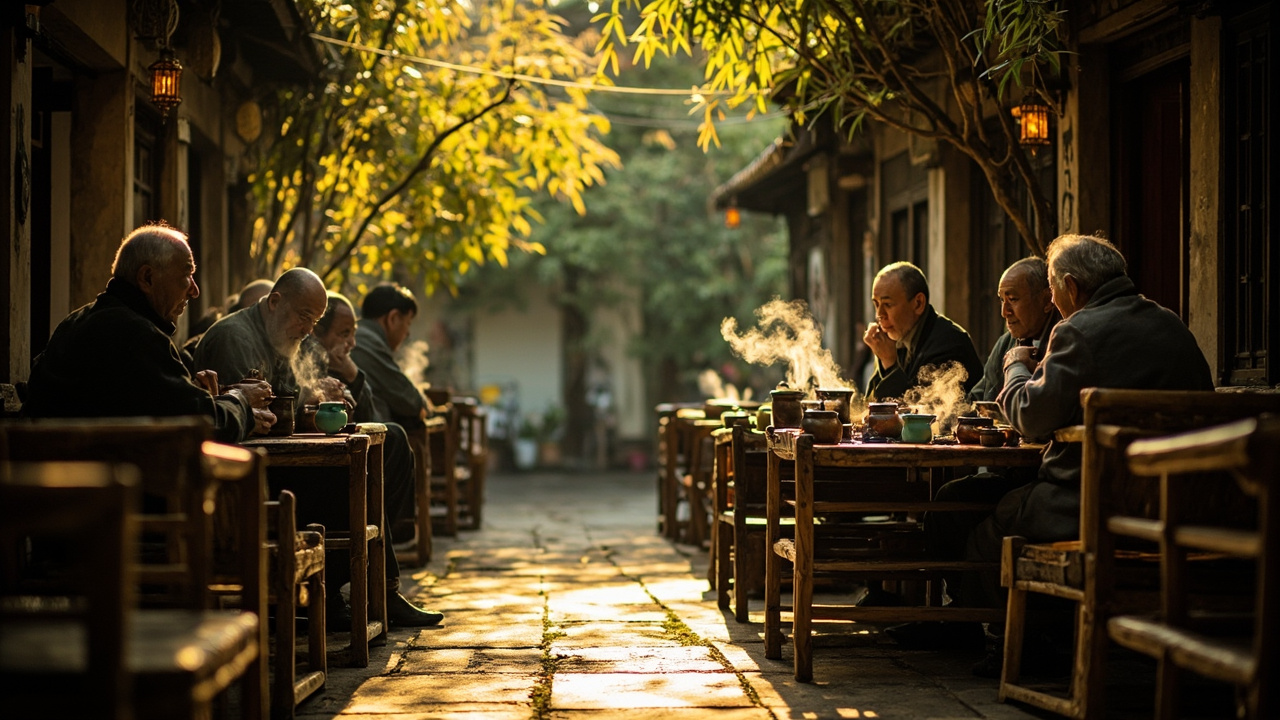
Sichuan Travel Guide
The woman at the noodle stall on Chengdu’s Kuanzhai Alley didn’t ask what I wanted. She just looked at my face, decided I needed the medium spice level, and handed me a bowl of dan dan noodles for 12 yuan. I ate standing up, tears running down my face, and understood immediately that Sichuan doesn’t negotiate. It just feeds you.
That was my first week in the province, back in 2019. I’ve been back six times since. Sichuan is the part of China I recommend to first-timers more than anywhere else, and it’s not because of the pandas, though the pandas help. It’s because Sichuan packs more variety into one province than most countries manage in their entirety: 5,000-meter mountains, tea terraces, Buddhist grottoes, a capital city where you can eat world-class food for $3, and the single most important Buddhist site in China. You can ride a high-speed train between most of it.
This guide covers the ten places I’d actually send a friend to, with real prices, real directions, and the mistakes I made so you don’t have to.
Quick answer
Sichuan is visa-free for citizens of 50+ countries (including the US, UK, EU, Australia, and most of Southeast Asia) for stays up to 30 days as of 2026. Fly into Chengdu Tianfu International (TFU) or Chengdu Shuangliu (CTU), budget $60–120 per day for mid-range travel, and aim for April–May or September–October when the weather is dry and the crowds are manageable. You need Alipay or WeChat Pay set up before you land, because cash is nearly extinct and foreign credit cards work at maybe 30% of places.
The Short Version
If you have one week: Chengdu for three days (pandas, food, teahouses), then a high-speed train to Leshan for the giant Buddha, then two days in Jiuzhaigou if you can handle the altitude. Skip Emei Shan unless you’re a hiker. Skip the Sichuan Opera unless you love tourist shows. Eat everything, but ask for 微辣 (wēi là, mild) if you’re not used to heat, and understand that “mild” in Sichuan is still spicier than anything in your home city.
How I Picked These
I’ve been to Sichuan six times since 2019, most recently in October 2025. I don’t trust hotel concierge recommendations or TripAdvisor top-ten lists. Everything here comes from either walking it myself, eating it myself, or getting dragged there by a Chengdu friend named Wei who runs a tea shop off Chunxi Road and refuses to let me pay for anything. I’ve made the mistake of visiting Jiuzhaigou in July (monsoon), eaten at a tourist-trap hotpot on Jinli Street (never again), and once missed the last bus back from Qingcheng Shan and had to pay 400 yuan for a private car. That’s the kind of thing I’m trying to save you from.
I’ve ranked these by a mix of “would I go back” and “would a first-timer actually enjoy this.” Some famous places didn’t make the cut. Mount Emei is spectacular but demands two days and strong knees. I left it off because most first-timers don’t have either.
Comparison Table
| Rank | Place | Best For | Approx Cost (USD) | Time Needed | When to Go |
|---|---|---|---|---|---|
| 1 | Chengdu | Food, pandas, base camp | $50–90/day | 3–4 days | Mar–May, Sep–Nov |
| 2 | Leshan Giant Buddha | One jaw-dropping sight | $15–25 | 1 day | Apr–Oct |
| 3 | Jiuzhaigou Valley | Alpine lakes, photography | $120–180 | 2–3 days | Sep–Oct |
| 4 | Huanglong | Travertine pools, high altitude | $80–120 | 1 day | Sep–Oct |
| 5 | Dujiangyan & Qingcheng Shan | History, Taoism, easy hiking | $40–60 | 1–2 days | Apr–Jun, Sep–Nov |
| 6 | Emei Shan | Serious hiking, sunrise | $80–130 | 2 days | May–Oct |
| 7 | Langzhong Ancient City | Traditional town, no crowds | $40–70 | 1–2 days | Apr–May, Sep–Oct |
| 8 | Siguniang Mountain | Trekking, Tibetan culture | $100–150 | 2–3 days | Jun–Oct |
| 9 | Sanxingdui Museum | Ancient bronze, weird history | $20–30 | Half day | Year-round |
| 10 | Hailuogou Glacier | Glacier, hot springs | $90–140 | 2 days | May–Oct |
Chengdu — The City That Feeds You and Never Lets Go
I once spent an entire afternoon in People’s Park doing nothing but drinking jasmine tea and watching retired men play cards. Cost: 20 yuan. It was the best afternoon of that entire trip.
Chengdu is not a city you “see.” It’s a city you sink into. The capital of Sichuan moves at half the speed of Beijing or Shanghai, and that’s the point. You come here to eat, drink tea, wander, and let the city happen to you. The pandas are the headline, but honestly, the food is the reason I keep coming back. Chengdu has more restaurants per capita than any city in China, and the average meal costs less than a coffee in London.
The pandas at the Chengdu Research Base of Giant Panda Breeding are worth the early wake-up. Go at 7:30am when they’re feeding, not 11am when they’re asleep. The base is 10km north of the city, and the crowds are real. Book tickets through the official WeChat mini-program the night before.
📍 Location: Chengdu city center. Pandas are in Chenghua District, north of the Third Ring Road. 🎫 Entry fee: Panda Base ¥55 (~$8). People’s Park is free. Wenshu Monastery is free. 🕒 Opening hours: Panda Base 7:30am–6pm (last entry 5pm). Teahouses in People’s Park open around 7am and close when the last customer leaves, usually 10pm. 🚕 How to actually get there: Fly into Chengdu Tianfu (TFU), take Metro Line 18 to Chengdu South Railway Station, then Metro Line 1 or 7 to your hotel. For the pandas, take Metro Line 3 to Panda Avenue Station, Exit B, then walk 10 minutes or take the shuttle (¥2). ⏰ When to visit: March–May and September–November. Avoid Chinese New Year and the first week of October (Golden Week) at all costs. 💡 Insider tips: Get a local SIM card at the airport (China Mobile, ¥100 for 30GB). Set up Alipay before you arrive — most restaurants only accept QR code payment. Learn the phrase “bú yào là” (不要辣, no chili) if you can’t handle heat. The Chunxi Road area is the touristy shopping zone; skip it and go to Yulin or Jianshe Road for actual food. I ate mapo tofu at Chen Mapo Doufu (the original location on Xiyulong Street) and understood why it’s been on the menu since 1862.
Leshan Giant Buddha — The 71-Meter Man Who Watches the River
The first time I saw the Buddha, I was standing on the boat, and I actually said “oh” out loud. Not a word. Just a sound.
The Leshan Giant Buddha is the largest stone Buddha in the world, carved into a cliff face between 713 and 803 AD. It’s 71 meters tall. His ears alone are 7 meters long. The scale doesn’t translate in photos — you have to stand at his feet or on a boat in front of him to feel it. The carving was done to calm the river spirits at the confluence of three rivers, which apparently worked, because the waters here are calmer than they used to be.
The problem is the crowds. On a weekend in summer, the queue to walk down the staircase beside the Buddha can take three hours. The boat option is faster and honestly gives you a better view of the whole thing.
📍 Location: Leshan city, about 140km south of Chengdu. The Buddha is at the Lingyun Temple scenic area.
🎫 Entry fee: ¥80 ($11) for the walking route. Boat ticket ¥70 ($10) and doesn’t require the scenic area ticket.
🕒 Opening hours: 7:30am–6:30pm (April–October), 8am–5:30pm (November–March).
🚄 How to actually get there: High-speed train from Chengdu East or Chengdu South to Leshan Station, 1 hour, ¥54–65 (~$8–9). From Leshan Station, take bus 601 or a taxi (¥30) to the scenic area. Book train tickets on the 12306 app or through Trip.com.
⏰ When to visit: Weekday mornings, April–June or September–October. Avoid weekends and Chinese holidays entirely.
💡 Insider tips: The boat leaves from a dock 2km from the walking entrance — don’t confuse them. Bring your passport for ticket purchase; foreign passports sometimes need manual verification at the gate. There’s a small vegetarian restaurant inside the scenic area near the Lingyun Temple that most tourists miss.
I met a monk named Shi Heng who told me the Buddha’s eyes were originally painted, and you can still see traces of red pigment if you look from the boat at the right angle.
Jiuzhaigou Valley — The Lakes That Look Photoshopped (They Aren’t)
I didn’t believe the photos. I assumed they were edited. Then I stood at Five Flower Lake in October and watched the water shift from turquoise to emerald to deep blue in the space of thirty seconds as a cloud moved, and I stopped doubting.
Jiuzhaigou is a UNESCO World Heritage site in northern Sichuan, close to the Gansu border. It’s a valley of terraced lakes, waterfalls, and Tibetan villages at 2,000–3,000 meters elevation. The water is that color because of dissolved limestone and calcium carbonate, which is the same reason the lakes in Plitvice look the way they do. It’s real. It’s also extremely popular, and the park limits daily visitors to 41,000, so you must book tickets in advance.
The altitude is no joke. If you’re coming from sea level, give yourself a day to acclimatize in Chengdu or Songpan before going up.
📍 Location: Jiuzhaigou County, Aba Prefecture, about 430km north of Chengdu.
🎫 Entry fee: ¥190 ($26) peak season, ¥80 ($11) low season. Park bus ¥90 ($12), mandatory.
🕒 Opening hours: 7am–6pm (peak), 8:30am–5pm (low season). Closed for maintenance in some winter months.
🚌 How to actually get there: Fly from Chengdu to Jiuzhai Huanglong Airport (JZH), 1 hour, ¥700–1,200 ($95–165). Or take a 8–10 hour bus from Chengdu Chadianzi Bus Station (¥145). The new high-speed rail line from Chengdu to Huanglong Jiuzhai Station opened in 2024 — 2 hours, then a 1-hour shuttle to the park.
⏰ When to visit: Late September to late October for autumn colors. Avoid July–August (monsoon) and Chinese New Year.
💡 Insider tips: Book tickets on the official WeChat mini-program at least 3 days ahead. Bring cash for the Tibetan village shops — some don’t take QR codes. The park is one-way; you ride the bus to the top and walk down. Altitude sickness is real here; bring Diamox if you’re prone.
A Tibetan woman named Zhuoma sold me butter tea from a thermos near Long Lake and refused to take payment until I’d finished the whole cup.
Huanglong — The Yellow Dragon’s Travertine Spine
Huanglong is what happens when calcium carbonate, water, and 3,500 meters of altitude decide to collaborate on a piece of land art.
The name means “Yellow Dragon” and refers to the golden travertine pools that cascade down the valley like the spine of a sleeping dragon. It’s smaller than Jiuzhaigou and often visited on the same trip, but it’s a different experience: more exposed, higher, and quieter. The walk is 3.6km one way, mostly on boardwalks, and you can take a cable car up and walk down.
The altitude here is the real issue. The top of the valley is at 3,600 meters. If you’re not acclimatized, you’ll feel it. I got a headache that lasted four hours and had to sit down twice.
📍 Location: Songpan County, Aba Prefecture, 40km from Jiuzhaigou.
🎫 Entry fee: ¥170 ($24) peak, ¥60 ($8) low season. Cable car ¥80 up, ¥40 down.
🕒 Opening hours: 7am–6pm (peak), 8am–5pm (low season).
🚌 How to actually get there: Same airport as Jiuzhaigou (JZH). From the airport, it’s a 1-hour taxi or shuttle (¥100). From Jiuzhaigou, it’s a 1.5-hour drive.
⏰ When to visit: September–October for the best water color. The pools are fullest after summer rains.
💡 Insider tips: Take the cable car up and walk down — the reverse is brutal on your knees. Bring oxygen cans (available at the entrance for ¥30) if you’re unsure about altitude. There’s almost no food inside the park; eat before you go.
I watched a French couple in their 60s power up the whole boardwalk without stopping, and I’ve never felt more inadequate in my life.
Dujiangyan & Qingcheng Shan — The Engineering Marvel and the Taoist Mountain
Dujiangyan is a 2,300-year-old irrigation system that still works. That sentence alone should make you want to go.
Built in 256 BC by Li Bing and his son, the Dujiangyan Irrigation System diverted the Min River without a dam, using a levee, a channel, and a spillway. It’s still irrigating the Chengdu plain today. UNESCO listed it in 2000. The site is calm, green, and quietly astonishing — less “wow” than the Buddha, more “wait, they did this in 256 BC?”
Qingcheng Shan, the mountain next door, is one of the birthplaces of Taoism. The front mountain has the temples and the cable car; the back mountain has the hiking trails and the waterfalls. Most tourists do the front. I prefer the back.
📍 Location: Dujiangyan city, 60km northwest of Chengdu.
🎫 Entry fee: Dujiangyan ¥80 ($11). Qingcheng Shan front ¥90 ($13), back ¥20 ($3).
🕒 Opening hours: 8am–6pm (peak), 8am–5pm (low season).
🚄 How to actually get there: High-speed train from Chengdu Station to Dujiangyan Station, 30 minutes, ¥15 ($2). From the station, bus 4 or 101 to the scenic area. For Qingcheng Shan, take the train to Qingchengshan Station, then bus 101.
⏰ When to visit: April–June or September–November. Avoid summer weekends.
💡 Insider tips: The Dujiangyan site is best done with a guide or an audio guide — the engineering is not self-explanatory. Qingcheng Shan back mountain is a full-day hike; bring more water than you think you need. There’s a small tea house halfway up the back mountain where the owner will let you rest as long as you buy one cup.
I got lost on the back mountain for two hours and ended up at a tiny temple where a monk gave me instant noodles and refused to take money.
Emei Shan — The Mountain That Earns Its Reputation
Emei Shan is one of the four sacred Buddhist mountains of China. It’s 3,099 meters at the summit, and the sunrise from the Golden Summit is one of the most photographed sights in the country. It’s also a serious hike that will destroy your legs if you’re not prepared.
The full hike from the base to the summit takes 2–3 days. Most people take the bus to Leidongping (2,430m), walk the last 1.5 hours to the cable car, and ride up. That’s the sensible option. The sunrise is worth it. The monkeys on the trail are not — they will steal your food and possibly your phone. I watched a macaque unzip a woman’s backpack in under four seconds.
📍 Location: Emeishan city, 150km south of Chengdu.
🎫 Entry fee: ¥160 ($22) peak, ¥110 ($15) low season. Cable car ¥65 up, ¥55 down. Bus to Leidongping ¥90 round trip.
🕒 Opening hours: 6am–6:30pm (peak), 7am–5:30pm (low season).
🚄 How to actually get there: High-speed train from Chengdu South to Emeishan Station, 1.5 hours, ¥65 (~$9). From the station, bus 5 or 12 to the scenic area.
⏰ When to visit: May–October. The summit is cold year-round; bring layers.
💡 Insider tips: Stay overnight at the summit if you want sunrise — book the Golden Summit hotel months ahead. Don’t carry visible food on the monkey trail. The temple vegetarian meals (¥20–30) are better than the tourist restaurants.
I shared a dorm room at the summit with a Chinese university student who woke me at 4:30am to see the sunrise and then insisted on buying me breakfast.
Langzhong Ancient City — The Town That Time Forgot
Langzhong is what people imagine when they think of “ancient China,” except it’s real and almost nobody goes.
It’s a 2,300-year-old city on the Jialing River, once the capital of the Ba state and later a major center of feng shui study. The old town is a maze of stone streets, wooden houses, and courtyard gardens, all still lived in. It’s not a theme park. People actually live there. I watched a woman hang laundry across a 400-year-old doorway and then go back inside to watch TV.
📍 Location: Langzhong city, Nanchong, northeastern Sichuan, 300km from Chengdu. 🎫 Entry fee: Free to enter the old town. Individual attractions ¥20–50 each. 🕒 Opening hours: Old town is always open. Attractions 8:30am–6pm. 🚄 How to actually get there: High-speed train from Chengdu East to Langzhong Station, 2.5 hours, ¥95 (~$13). From the station, taxi to the old town (¥20). ⏰ When to visit: April–May or September–October. Weekdays are almost empty. 💡 Insider tips: Stay in a courtyard guesthouse inside the old town (¥200–400/night). The local specialty is “Zhang Fei beef” — dried, spiced, and named after the Three Kingdoms general who was stationed here. The best view of the town is from the Huaguang Tower at sunset. I ate a bowl of beef noodles at a stall run by a woman named Auntie Chen, who told me her family had been making the same recipe for six generations.
Siguniang Mountain — The Four Girls and the Tibetan Plateau
Siguniang means “Four Girls Mountain” in Chinese, named after four peaks that legend says are four sisters. The tallest is 6,250 meters. The valleys below are Tibetan pastureland, and the whole area feels like a different country from Chengdu.
This is a trekking destination. The two main valleys, Changping and Haizi, offer day hikes and multi-day routes. The Tibetan villages at the base are welcoming and cheap. I stayed in a family guesthouse for ¥150 a night with three meals included, and the grandmother made me butter tea every morning.
📍 Location: Xiaojin County, Aba Prefecture, 220km west of Chengdu. 🎫 Entry fee: ¥80–120 (~$11–17) per valley. Trekking permits extra. 🕒 Opening hours: 7am–5pm. 🚌 How to actually get there: Bus from Chengdu Chadianzi to Xiaojin (6 hours, ¥120), then taxi to Siguniang (¥50). Or join a tour from Chengdu. ⏰ When to visit: June–October. The mountain is snow-covered year-round. 💡 Insider tips: Altitude is 3,200m at the base — acclimatize first. Bring cash; ATMs are unreliable. The Tibetan hotpot at the village restaurants is worth the ¥60. A Tibetan guide named Tashi taught me how to say “thank you” in his dialect and then laughed at my pronunciation for ten minutes.
Sanxingdui Museum — The Bronze Masks That Shouldn’t Exist
Sanxingdui is the archaeological site that broke Chinese history. The bronze masks found here have huge eyes, exaggerated features, and no clear connection to any known Chinese dynasty. They’re 3,000–5,000 years old and look like they belong in a sci-fi film.
The museum in Guanghan, 40km from Chengdu, houses the best of the finds. It’s a half-day trip and absolutely worth it. The new museum building opened in 2023 and is much better than the old one.
📍 Location: Guanghan city, 40km north of Chengdu.
🎫 Entry fee: ¥72 ($10).
🕒 Opening hours: 8:30am–6pm. Closed Mondays.
🚄 How to actually get there: High-speed train from Chengdu East to Guanghan North, 20 minutes, ¥18 ($2.50). Then bus or taxi to the museum.
⏰ When to visit: Weekday mornings. Avoid holidays.
💡 Insider tips: Book tickets on the official WeChat account. The audio guide is worth the ¥30. The gold masks and bronze trees are the highlights — don’t skip the second floor.
I stood in front of the largest bronze mask for ten minutes and couldn’t decide if it was beautiful or terrifying.
Hailuogou Glacier — The Lowest Glacier in China (and the Hot Springs)
Hailuogou is a glacier at 2,850 meters, which is low for a glacier, and that means you can actually walk to it without mountaineering gear. The glacier itself is gray and crevassed, not the pristine white you see in photos, but the surrounding forest and the hot springs at the base make the trip worthwhile.
The hot springs are the real draw. After a day of walking on the glacier, soaking in a 40°C outdoor pool with snow-capped mountains in view is one of the better experiences in Sichuan.
📍 Location: Moxi town, Luding County, western Sichuan, 300km from Chengdu. 🎫 Entry fee: ¥92 (~$13) park entry. Cable car ¥150 round trip. Hot springs ¥120–200. 🕒 Opening hours: 7am–5pm. 🚌 How to actually get there: Bus from Chengdu to Moxi (7 hours, ¥140). Or fly to Kangding and take a bus. The new Ya’an–Kangding high-speed rail (opened 2024) makes this much easier — 3 hours from Chengdu to Kangding, then 1.5 hours by bus. ⏰ When to visit: May–October. The glacier is accessible year-round but the hot springs are best in cooler months. 💡 Insider tips: The cable car is the only way to reach the glacier viewing platform. Bring a swimsuit for the hot springs. The altitude at the base is 1,600m, so no acclimatization needed. I met a retired couple from Chongqing who come here every year for their anniversary and have stayed in the same room for eleven years.
FAQ summary
The most important things to know: Sichuan is visa-free for 30 days for most Western and Southeast Asian passports as of 2026, and you need Alipay or WeChat Pay set up before arrival because cash is rarely accepted. Budget $60–120 per day for mid-range travel, and plan your trip for April–May or September–October to avoid both monsoon season and the worst crowds. High-speed rail connects Chengdu to Leshan, Dujiangyan, Emei Shan, and (as of 2024) the Jiuzhaigou area, so you don’t need to rent a car. Book panda base and Jiuzhaigou tickets in advance through official WeChat mini-programs.
FAQ
Q: Do I need a visa to visit Sichuan in 2026? A: Most likely no. As of 2026, citizens of 50+ countries including the US, UK, EU, Australia, Japan, and most of Southeast Asia can enter China visa-free for up to 30 days. Check the latest list before booking, since policies change. If your country isn’t on the list, apply for a standard tourist visa 4–6 weeks ahead.
Q: How much does a trip to Sichuan cost? A: Budget $60–90 per day for hostels, street food, and public transport, or $120–200 per day for mid-range hotels and restaurant meals. A 10-day trip including flights from the US runs $1,800–3,000 total. High-speed trains are cheap: Chengdu to Leshan is $8–9.
Q: Is the food really that spicy? A: Yes, but you can control it. Say “wēi là” (微辣, mild) and most restaurants will tone it down. “Bú yào là” (不要辣, no chili) works too, though you’ll get some strange looks. Hotpot is the spiciest option — start with a half-mild, half-spicy pot.
Q: Do I need a VPN in Sichuan? A: Yes, if you want to use Google, Instagram, WhatsApp, or Gmail. Install a reliable VPN before you arrive — most VPN websites are blocked once you’re inside China. A local SIM card (China Mobile or China Unicom) costs ¥100–200 for 30GB and works everywhere except remote mountain areas.
Q: How do I pay for things in Sichuan? A: Set up Alipay or WeChat Pay before you land. Both accept foreign credit cards now, and you’ll use QR codes for everything from street noodles to train tickets. Cash is accepted at some places but increasingly rare. Bring ¥500 in cash as backup.
Q: Can I visit Jiuzhaigou and Huanglong in one trip? A: Yes, and most people do. They’re 1.5 hours apart by car. Fly into Jiuzhai Huanglong Airport, spend 2 days in Jiuzhaigou and 1 day in Huanglong, then fly back to Chengdu. Book park tickets at least 3 days in advance, especially in October.
Q: Is English widely spoken in Sichuan? A: Not really, outside of major hotels and tourist sites in Chengdu. Download a translation app (Baidu Translate works better than Google in China) and learn a few phrases. Younger people in Chengdu often speak some English; outside the city, almost nobody does.
The Honest Wrap-up
This list is for first-time visitors who want a mix of famous sights and real Sichuan, and who are willing to eat things they can’t identify. It’s not for people who want a resort vacation or who can’t handle spice, altitude, or crowds. If that’s you, go to Shanghai instead. If you’re the kind of traveler who wants to stand in front of a 1,200-year-old Buddha and then eat noodles for $2, Sichuan will ruin you for other destinations. Book the flight. Set up Alipay. Learn to say “wēi là.” Everything else you’ll figure out when you get there.
More guides you may like
Top 10 Bridges in China
China's bridges are engineering marvels spanning mountains, rivers, and seas. Here are 10 of the most spectacular, from ancient stone to modern steel.
8 min read

Top 10 Buddhist Sites in China
From the Leshan Giant Buddha to the Dunhuang Caves, these 10 Buddhist sites represent 2,000 years of China's spiritual heritage.
9 min read
Top 10 Day Trips from Beijing You Shouldn't Miss
Beijing is packed with history, but some of China's best experiences are just a few hours away. Here are 10 day trips that will transform your visit.
9 min read
Top 10 Hidden Gems in China Off the Beaten Path
Beyond the Great Wall and Terracotta Warriors, China has incredible hidden destinations few tourists ever reach. Here are 10 underrated gems worth the detour.
9 min read
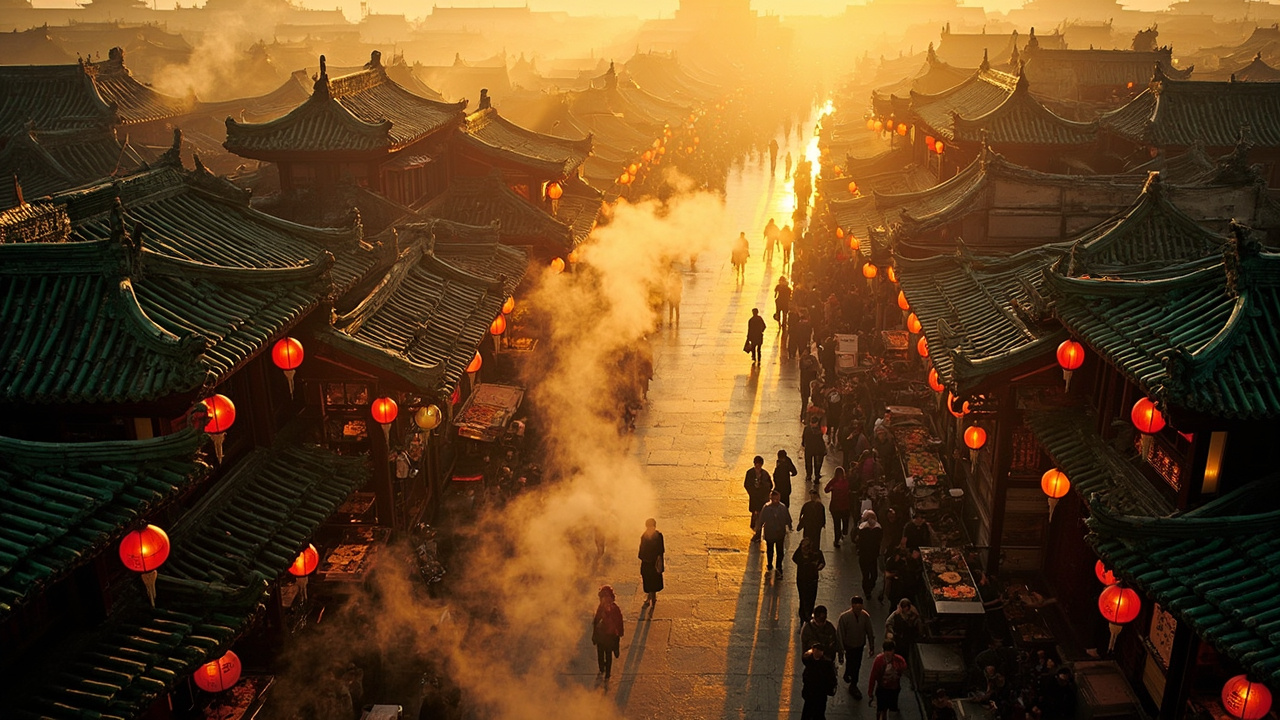
Top 10 Markets and Shopping Streets in China
From Shanghai's Bund to Beijing's Silk Street - 10 markets where foreigners can haggle, explore, and bring home authentic Chinese goods.
9 min read
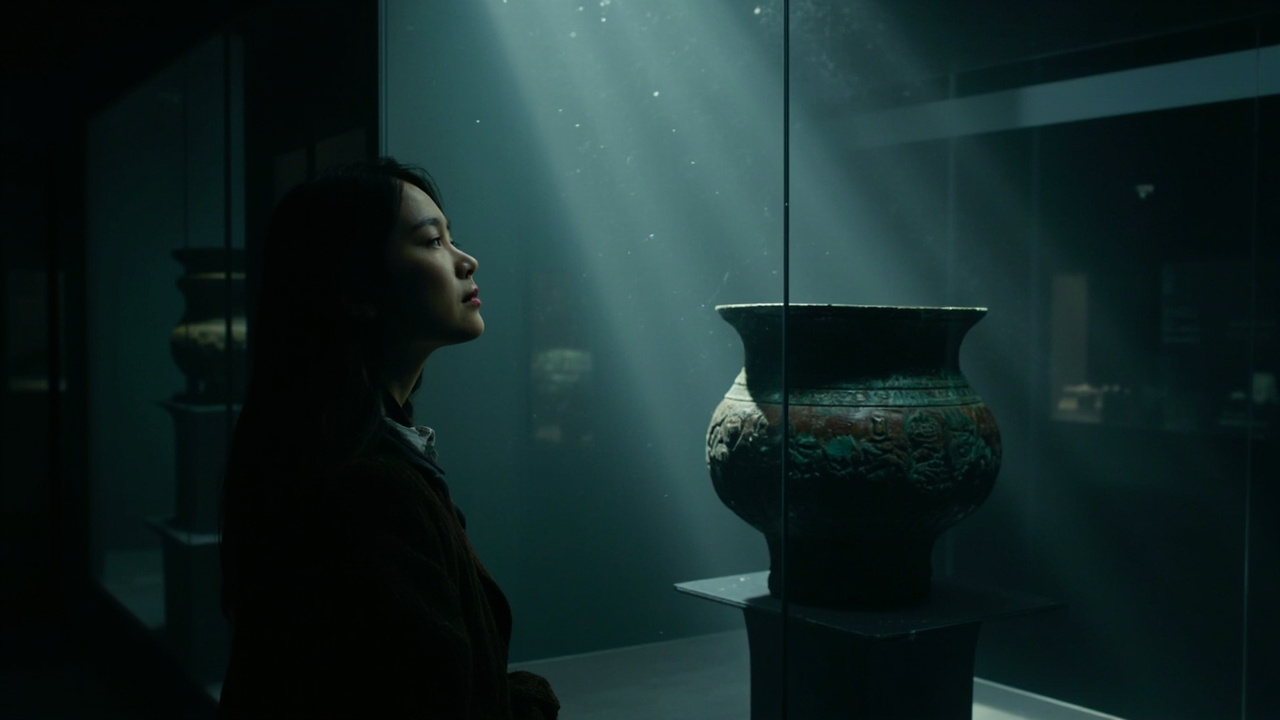
Top 10 Museums in China You Shouldn't Miss
China's museums span 5,000 years of civilization. These 10 - from the Palace Museum to Xi'an's terracotta gallery - are unmissable for culture lovers.
9 min read