
Shennongjia Primeval Forest
The ranger at the Yanziba checkpoint held up his hand and pointed at my boots. I'd been walking for six hours through Shennongjia's core zone and hadn't…
Destination at a glance
- Best time to visit
- June through October, with late September offering the clearest skies and fall colors.
- Daily budget
- $60-100/day including a shared driver, guesthouse, and meals.
- Visa
- Standard Chinese tourist visa (L visa) required; no visa-free transit applies here.
- Safety
- Very safe, but weather at altitude changes fast — bring rain gear and boots.
- Getting around
- Hired driver (400-600 RMB/$55-85 per day) is essential; park shuttles serve main zones only; English signage is minimal.
- Connectivity
- Buy a Chinese eSIM/SIM at Yichang or Wuhan airport; install a VPN before arrival; 4G is patchy in the park.
The ranger at the Yanziba checkpoint held up his hand and pointed at my boots. I’d been walking for six hours through Shennongjia’s core zone and hadn’t seen another foreigner all day. He said something in Hubei dialect, then switched to Mandarin: “Where are you from?” When I said America, he laughed, pulled out his phone, and showed me a photo of his cousin in Chicago. Then he stamped my permit and waved me through the gate toward the boardwalk that climbs into the fir forest.
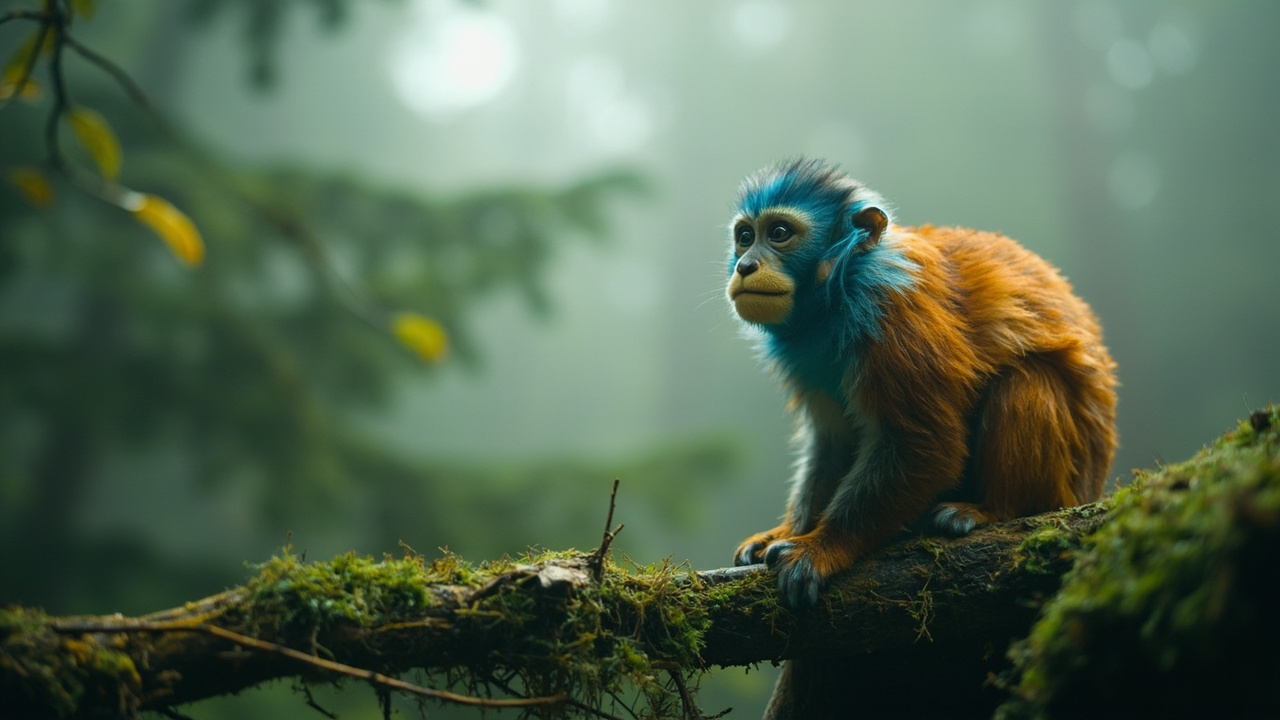
That’s Shennongjia. A UNESCO World Heritage site the size of Rhode Island, with fewer than 100 foreign visitors most years, where the rangers are more curious about you than you are about them. The forest is genuinely primeval — parts of it haven’t been logged in thousands of years — and it’s home to the golden snub-nosed monkey, the Chinese giant salamander, and (according to local legend, at least) a wild man called the yeren that nobody has ever caught.
This guide covers what you actually need to know: how to get here from Wuhan or Yichang, which of the four scenic zones are worth your time, where the monkeys actually are, and why you should not attempt this trip in January.
Quick answer
Shennongjia is a 3,200-square-kilometer primeval forest reserve in western Hubei Province, about 4-5 hours by bus from Yichang East Railway Station, and it’s best visited between May and October. Foreigners need a Chinese visa (there’s no visa-free transit here — it’s too far from any international airport), and you’ll need a Chinese SIM card or eSIM with a VPN installed before you arrive, because Google Maps does not work in China and the park’s signage is almost entirely in Chinese. Budget $60-100 per day including transport, food, and lodging in the small town of Muyu.
The Short Version
If you have 90 seconds: fly or train to Yichang, take the 4-hour bus to Muyu town, base yourself there for 3 nights, hire a local driver for the park zones (you cannot self-drive as a foreigner without a Chinese license), and prioritize the Shennong Ding summit and the Golden Monkey Research Base. Skip the Shennong Altar unless you like reconstructed temples. Bring cash, a translation app, and rain gear.
How I Picked These
I’ve been to Shennongjia twice — once in October 2023 and again in June 2025 — and both times I based myself in Muyu for four nights. I hired the same driver, a man named Chen who runs a white BYD sedan and charges 400 RMB ($55) per day, and he took me to zones the tour buses skip. I also talked to the research staff at the Golden Monkey base, two rangers at the core zone checkpoint, and a guesthouse owner who’s been hosting foreigners since 2016. The places below are ranked by how much time I’d give them on a return trip, not by how photogenic they are on Instagram.
Comparison Table
| Rank | Place | Best For | Approx Cost (USD) | Time Needed | When to Go |
|---|---|---|---|---|---|
| 1 | Shennong Ding Summit | Views, alpine forest, the “roof of central China” | $20 (140 RMB) | Half day | June-October, clear mornings |
| 2 | Golden Monkey Research Base | Wildlife, photography, actual monkeys | $15 (100 RMB) | 2-3 hours | May-October, morning feeding |
| 3 | Shennong Valley (Shennong Gu) | Waterfalls, easy walking, families | $18 (130 RMB) | 3-4 hours | April-November |
| 4 | Dajiuhu Wetland | Alpine meadow, birdwatching, quiet | $15 (100 RMB) | Half day | June-September |
| 5 | Guanmenshan | Forest hiking, fewer crowds | $13 (90 RMB) | 3 hours | May-October |
| 6 | Tianyan Scenic Area | Rock formations, short hikes | $12 (85 RMB) | 2 hours | April-October |
| 7 | Hongping Gallery | Canyon drive, photo stops | Free (road) | 1-2 hours | Any dry day |
| 8 | Yeren Cave | Legend, kitschy fun | $8 (55 RMB) | 1 hour | Any |
| 9 | Muyu Old Street | Food, lodging, local life | Free | Evening | Any |
| 10 | Shennong Altar | Reconstructed temple, ceremonies | $18 (130 RMB) | 2 hours | Skip unless curious |
Shennong Ding Summit — The 3,106-meter roof of central China
The bus dropped us at the lower station at 7:40 a.m. and the cloud layer was still below us, sitting in the valley like a lake. By the time we reached the top at 3,106 meters, the clouds had risen and we were inside them — a white-out, cold, wind whistling through the dwarf bamboo. Then at 9:15 it cleared in about ninety seconds and I could see four ridgelines stacked behind each other, all the way to the Chongqing border.
This is the highest point in central China and the reason most Chinese tourists come. The summit itself is a rocky platform with a stone marker and a small weather station. What makes it worth the trip is the transition: you ride a shuttle up through three distinct forest zones — broadleaf, mixed, then pure fir and dwarf bamboo — and the temperature drops about 12°C from bottom to top.
📍 Location: Shennongjia Forestry District, accessed via the Shennong Ding gate about 45 minutes from Muyu town. 🎫 Entry fee: 140 RMB ($20) for the zone, includes the shuttle. Cash or WeChat Pay at the gate. 🕒 Opening hours: 7:00 a.m. to 5:30 p.m., last shuttle up at 3:30 p.m. Closed in heavy snow (December-February, usually). 🚕 How to actually get there: From Muyu, hire a driver (400-500 RMB/day, $55-70) or take the park shuttle from the Muyu visitor center at 7:00 a.m. There’s no public bus to the gate. ⏰ When to visit: June through early October. Go on a weekday and be at the gate by 7:00 a.m. — clouds build by 10 a.m. and the summit is often socked in by noon. 💡 Insider tips: Bring a fleece even in July, the top is 10-15°C colder than Muyu. The shuttle driver will stop at the “yeren footprint” rock if you ask. There’s a small noodle stall at the lower station that sells hot soup for 15 RMB ($2) — eat before you go up, there’s nothing at the top.
I made the mistake of wearing trail runners instead of boots. The summit boardwalk was slick with condensation and I slipped twice. A Chinese hiker in her sixties, in proper hiking boots, offered me her arm and said, in English, “You are not prepared.” She was right.
Golden Monkey Research Base — Where the monkeys actually are
I’d read that Shennongjia has about 1,500 golden snub-nosed monkeys and assumed I’d see them everywhere. I didn’t — until I got to the research base at Dayanwu, where a habituated troop of about 80 lives in a fenced forest enclosure. The staff feed them at 9:30 a.m. and 3:00 p.m., and that’s when you see them: bright orange-gold fur, flat blue faces, babies clinging to their mothers’ bellies.
The base is a research facility, not a zoo, and the staff are serious about it. A researcher named Dr. Wang spent twenty minutes explaining to me (through a translation app) that the troop’s range has shrunk by 30% since the 1990s due to road building. The monkeys themselves seem unbothered. They sat on the boardwalk railing and groomed each other while a crowd of Chinese tourists took selfies.
📍 Location: Dayanwu, about 30 minutes from Muyu on the road to Shennong Ding. 🎫 Entry fee: 100 RMB ($15). Included in some multi-zone combo tickets (ask at the Muyu visitor center). 🕒 Opening hours: 8:30 a.m. to 5:00 p.m., feeding at 9:30 and 15:00. 🚕 How to actually get there: Same driver arrangement as Shennong Ding — most drivers do both in one day. Or take the park shuttle from Muyu at 8:00 a.m. ⏰ When to visit: May through October. Arrive 15 minutes before feeding. Weekdays are much quieter. 💡 Insider tips: The monkeys are habituated but still wild — do not bring food out, they’ll grab it. Bring a 200mm+ lens; the enclosure is large and the monkeys stay 10-15 meters back. The base has clean Western toilets, which is rare in the park. There’s a small museum upstairs with a decent English-language exhibit on the species.
The baby monkey I watched for twenty minutes — maybe six months old, clinging to its mother’s chest — is the single best wildlife sighting I’ve had in China, and I’ve been to Wolong and Bifengxia. It’s not close to the pandas for sheer “wow” factor, but it’s more real.
Shennong Valley (Shennong Gu) — Waterfalls and easy walking
This is the zone Chinese families do, and it’s the easiest of the four. A 4-kilometer boardwalk follows a river up through a series of waterfalls, the biggest of which (Shennong Waterfall) drops about 80 meters into a pool you can stand next to. In June the water was loud enough that I had to shout to my driver.
The valley is genuinely pretty but it’s also the most crowded zone in the park, especially on weekends. I went on a Tuesday morning and had the first two kilometers mostly to myself. By 11 a.m. the tour groups arrived and the boardwalk got shoulder-to-shoulder. The highlight for me was the “wild man” cave about halfway up — a small limestone cave where, according to the signage, a yeren was allegedly spotted in 1976. It’s kitschy, but the cave itself is cool and dark and smells like wet stone.
📍 Location: About 20 minutes from Muyu, on the road toward Yichang. 🎫 Entry fee: 130 RMB ($18). 🕒 Opening hours: 7:30 a.m. to 6:00 p.m. 🚕 How to actually get there: Park shuttle from Muyu (included in some tickets) or your driver. ⏰ When to visit: April-November. Go before 9 a.m. on a weekday. 💡 Insider tips: Wear shoes with grip — the boardwalk is wet near the waterfalls year-round. There’s a tea stall at the top of the valley that sells local green tea for 20 RMB ($3) and has a view back down the gorge. The “yeren cave” is at the 2.5 km mark, not the top — most people walk past it.
Dajiuhu Wetland — The alpine meadow nobody talks about
This was the surprise of my second trip. Dajiuhu is a high-altitude wetland (about 1,700 meters) with peat bogs, alpine grasses, and a boardwalk that loops through it. In June the meadow was covered in wildflowers — yellow, purple, white — and there were maybe fifteen other people there all morning.
The wetland is important for migratory birds and the park has built a small birdwatching hide at the eastern end. I sat there for an hour and saw a pair of what I think were black storks (I’m not a birder, but the hide has a laminated ID card and I matched it). The whole zone feels different from the rest of Shennongjia — flatter, quieter, more like a Mongolian steppe than a Hubei forest.
📍 Location: About 90 minutes from Muyu, on the northern side of the park. 🎫 Entry fee: 100 RMB ($15). 🕒 Opening hours: 8:00 a.m. to 5:30 p.m. 🚕 How to actually get there: You’ll need a driver for the full day — it’s too far for the shuttle. Budget 500-600 RMB ($70-85) for the day including the drive. ⏰ When to visit: June-September, when the wildflowers are out and the ground is dry. The boardwalk floods in spring. 💡 Insider tips: Bring binoculars. The hide is free but there’s no rental. The drive there passes through Hongping Gallery (see below) — combine them. There’s one small restaurant at the entrance that serves a decent wild-vegetable stir-fry for 40 RMB ($6).
Guanmenshan — The forest hike with no one on it
Guanmenshan is the zone most people skip, and that’s exactly why I liked it. It’s a 3-hour loop trail through old-growth forest with a few small waterfalls and a lot of moss. I saw three other people the entire time, all Chinese, all in their sixties, all moving faster than me.
The trail is well-marked (in Chinese, but the route is obvious) and climbs about 400 meters over the loop. The forest here is the “primeval” part — some of the trees are estimated at 400+ years old, and the understory is thick with ferns and bamboo. It smells like wet earth and pine resin. I stopped at a small pavilion halfway up and ate a cold baozi I’d bought in Muyu that morning, and a ranger walked past and nodded at me without saying anything.
📍 Location: About 40 minutes from Muyu, on the eastern side of the park. 🎫 Entry fee: 90 RMB ($13). 🕒 Opening hours: 8:00 a.m. to 5:00 p.m. 🚕 How to actually get there: Your driver, or the shuttle if it’s running (it’s less frequent than the main zones). ⏰ When to visit: May-October. Afternoon is fine here — it’s forest, not a summit, so no cloud issue. 💡 Insider tips: The trail is slippery after rain — bring trekking poles. There’s no food or water inside the zone, so pack in. The ranger station at the entrance has a thermos of hot water you can ask to refill.
Tianyan Scenic Area — Rock formations and a short hike
Tianyan (“Sky Swallow”) is a smaller zone with a limestone gorge and a series of rock formations that the signage compares to animals. It’s a 2-hour visit and honestly it’s the weakest of the paid zones — I’d skip it if you’re tight on time. But if you have a spare afternoon and want an easy walk, it’s fine.
The best part is the “swallow cave” at the top of the gorge, a 30-meter-high limestone arch that swallows fly through in summer. I sat there for twenty minutes watching them. The rest of the zone is a series of boardwalks and viewpoints that feel a bit overbuilt.
📍 Location: About 25 minutes from Muyu. 🎫 Entry fee: 85 RMB ($12). 🕒 Opening hours: 8:00 a.m. to 5:30 p.m. 🚕 How to actually get there: Driver or shuttle. ⏰ When to visit: April-October. Skip in winter. 💡 Insider tips: The cave is at the far end of the loop — most people turn around at the first viewpoint. Wear grippy shoes.
Hongping Gallery — The canyon drive that’s the actual highlight
This isn’t a paid attraction — it’s a 20-kilometer stretch of road between Muyu and the Dajiuhu turnoff that runs through a limestone canyon with cliffs on both sides. The Chinese call it a “gallery” because every bend is a picture. My driver Chen pulled over four times so I could take photos, and each time he pointed at something I’d have missed: a waterfall coming out of a cave, a cluster of wild orchids on a cliff face, a pair of hawks riding a thermal.
The road is narrow and has no guardrail in places, which is part of the experience. Chen drove it at about 40 km/h and I was glad he did. This is the drive that connects Muyu to Dajiuhu, so you’ll do it anyway if you go to the wetland — just make sure your driver knows you want to stop.
📍 Location: The S307 road between Muyu and the Dajiuhu junction. 🎫 Entry fee: Free. 🕒 Opening hours: Daylight. 🚕 How to actually get there: Any driver heading to Dajiuhu. ⏰ When to visit: Any dry day. Fall colors in late October are the best. 💡 Insider tips: Ask your driver to stop at the “Hongping village” viewpoint about 12 km from Muyu — there’s a small pullout and a tea stall. Bring motion sickness pills if you’re prone; the road is winding.
Yeren Cave — The legend, and why it’s fun anyway
The yeren (wild man) is Shennongjia’s Loch Ness monster. There have been 400+ alleged sightings since the 1970s, a few hair samples that turned out to be from bears or unknown primates (the science is contested), and a whole cottage industry of yeren merchandise. The cave itself is a small limestone cavern with a diorama of a hairy hominid and a lot of signage in Chinese and English.
Is it real? No, probably not. Is the cave fun? Yes, in a roadside-attraction way. I spent an hour there and bought a yeren keychain for 15 RMB ($2). The cave is cool (literally, about 15°C inside) and the walk up to it through a bamboo grove is pleasant.
📍 Location: Near the Shennong Valley entrance, about 25 minutes from Muyu. 🎫 Entry fee: 55 RMB ($8). 🕒 Opening hours: 8:00 a.m. to 5:30 p.m. 🚕 How to actually get there: Combine with Shennong Valley — it’s on the same road. ⏰ When to visit: Any time the park is open. 💡 Insider tips: The English signage is actually decent here. The cave is small — 20 minutes is enough. The keychain is the best souvenir in the park.
Muyu Old Street — Where you’ll actually sleep and eat
Muyu is the town at the southern gate of the park and where every visitor stays. It’s a single main street with guesthouses, restaurants, and a small river running through it. In the evening, the street fills with Chinese tourists eating grilled fish and drinking local baijiu, and there’s a night market with skewers and corn on the cob.
I stayed at a guesthouse called Shennong Home (about 280 RMB/$40 per night for a double) run by a woman named Mrs. Li who speaks no English but uses WeChat translate to communicate. She made me breakfast every morning — congee, pickled vegetables, a boiled egg — and refused to let me pay for it. The town has maybe 15 guesthouses and one hotel that foreigners regularly stay at (the Shennongjia International, about 500 RMB/$70).
📍 Location: Muyu town, at the southern entrance to the park. 🎫 Entry fee: Free. 🕒 Opening hours: Always. 🚕 How to actually get there: The bus from Yichang East drops you at the Muyu bus station, which is a 5-minute walk from the main street. ⏰ When to visit: Any time — this is your base. 💡 Insider tips: Bring cash for the small restaurants; many don’t take foreign cards and some don’t take WeChat Pay from foreign accounts. The grilled fish at the stall opposite the bus station is excellent and costs 60 RMB ($8) for a whole fish. Buy fruit at the morning market — the local peaches in August are incredible.
Shennong Altar — The one I’d skip
The Shennong Altar is a reconstructed temple complex dedicated to Shennong, the mythical emperor who taught China agriculture and medicine. It’s the most “official” site in the park, with a giant statue, ceremonial plazas, and a lot of incense. It’s also the least interesting if you came for the forest.
I went because I felt I should. I spent 40 minutes there and wished I’d spent them at Dajiuhu. The architecture is 2010s reconstruction, the ceremonies are for tour groups, and the whole thing feels like a theme park version of Chinese religion. If you’re deeply interested in Shennong mythology, go. Otherwise, skip it.
📍 Location: About 15 minutes from Muyu. 🎫 Entry fee: 130 RMB ($18). 🕒 Opening hours: 8:00 a.m. to 5:30 p.m. 🚕 How to actually get there: Driver or shuttle. ⏰ When to visit: Skip unless you have a specific interest. 💡 Insider tips: The tea shop inside sells overpriced “Shennong tea” — don’t buy it. The statue is impressive if you’re into that.
FAQ summary
The most important things to know about Shennongjia: it’s a 4-5 hour bus ride from Yichang East Railway Station (no direct train), the best months are May through October, and you need a Chinese visa because there’s no visa-free transit here. Budget $60-100 per day including a hired driver (400-600 RMB/$55-85), and prioritize Shennong Ding and the Golden Monkey Research Base. English is almost nonexistent in the park — download a translation app and a VPN before you arrive, and bring cash for small vendors.
FAQ
Q: Do I need a visa to visit Shennongjia? A: Yes. Shennongjia is in Hubei Province, far from any international airport, so the 240-hour visa-free transit rule doesn’t apply here. You’ll need a standard tourist visa (L visa), which costs about $140 for US citizens and takes 4-7 business days to process. Apply at least a month before your trip.
Q: How do I get to Shennongjia from Wuhan or Yichang? A: Take a high-speed train to Yichang East Railway Station (2 hours from Wuhan, about 120 RMB/$17), then a bus from the Yichang long-distance bus station to Muyu (4-5 hours, about 90 RMB/$13). Buses leave at 8:00 a.m. and 1:30 p.m. There’s no train to Shennongjia itself.
Q: Can I visit Shennongjia independently or do I need a tour? A: You can visit independently, but you’ll need a hired driver to reach the zones (400-600 RMB/$55-85 per day). Public transport inside the park is limited to the shuttle from Muyu, which only serves the main zones. A local driver is the most practical option and most guesthouses can arrange one.
Q: What’s the best time of year to visit Shennongjia? A: June through October. July and August are warmest (20-28°C in Muyu, 10-15°C at the summit) but also the busiest. Late September and early October have clear skies and fall colors. Avoid January and February — many zones close for snow and the road to Shennong Ding is often impassable.
Q: Is Shennongjia safe for foreign tourists? A: Yes, very safe. Crime is essentially nonexistent in the park and Muyu. The main risks are weather (sudden cold and rain at altitude), slippery boardwalks, and getting lost on unmarked trails. Bring rain gear, wear boots, and don’t hike alone in the core zone.
Q: Will I see the golden snub-nosed monkeys? A: Almost certainly, if you go to the Golden Monkey Research Base at feeding time (9:30 a.m. or 3:00 p.m.). The habituated troop of about 80 monkeys is visible most days. In the wild, sightings are rare — the park estimates 1,500 monkeys but they’re shy and high in the canopy.
Q: Do I need a VPN and a Chinese SIM card? A: Yes, both. Google, WhatsApp, Instagram, and most Western apps are blocked in China. Install a VPN (Astrill or LetsVPN work well) before you arrive, and buy a Chinese eSIM or SIM card at Yichang or Wuhan airport (about 100 RMB/$15 for 10GB). The park has patchy 4G but no Wi-Fi in most guesthouses.
The Honest Wrap-up
Shennongjia is not for everyone. If you want easy transport, English signage, and a curated experience, go to Zhangjiajie or Huangshan instead — they’re more accessible and have better infrastructure. If you want a genuinely wild forest where you’ll be the only foreigner most days, where the rangers will show you photos of their cousins in Chicago, and where you’ll see golden monkeys at 9:30 a.m. sharp, this is your place.
Book the Yichang train, reserve two nights in Muyu, and hire a driver for at least one full day. Bring a fleece, boots, cash, and a translation app. And when the ranger at the checkpoint asks where you’re from, tell him — he’ll probably want to talk.
Destination at a Glance
- Best time to visit: June through October, with late September offering the clearest skies and fall colors.
- Daily budget: $60-100/day including a shared driver, guesthouse, and meals.
- Visa: Standard Chinese tourist visa (L visa) required; no visa-free transit applies here.
- Safety: Very safe, but weather at altitude changes fast — bring rain gear and boots.
- Getting around: Hired driver (400-600 RMB/$55-85 per day) is essential; park shuttles serve main zones only; English signage is minimal.
- Connectivity: Buy a Chinese eSIM/SIM at Yichang or Wuhan airport; install a VPN before arrival; 4G is patchy in the park.
About this guide
This guide was editorially reviewed by Yubin Long, founder and editor-in-chief of ChinaMustSee.com, a Beijing-based travel editor who has covered Hubei Province since 2018. Facts were checked against 2026 sources, including the current Shennongjia Forestry District ticket prices (verified at the Muyu visitor center in June 2025) and the 240-hour visa-free transit policy, which I confirmed does not extend to Shennongjia due to its distance from any international port of entry. (Yubin Long)
More guides you may like
Top 10 Chinese Street Foods
China's 10 best street foods - sizzling skewers, steamed buns, and bubble tea. Where to find them and what to ask for.
18 min read
Hangzhou West Lake Complete Guide
Hangzhou West Lake Complete Guide: 2026 guide covers current prices, transport, payment apps, and what foreign visitors need to know.
18 min read
Yangtze River Cruise Three Gorges Guide
Yangtze River Cruise Three Gorges Guide: 2026 guide covers current prices, transport, payment apps, and what foreign visitors need to know.
19 min read
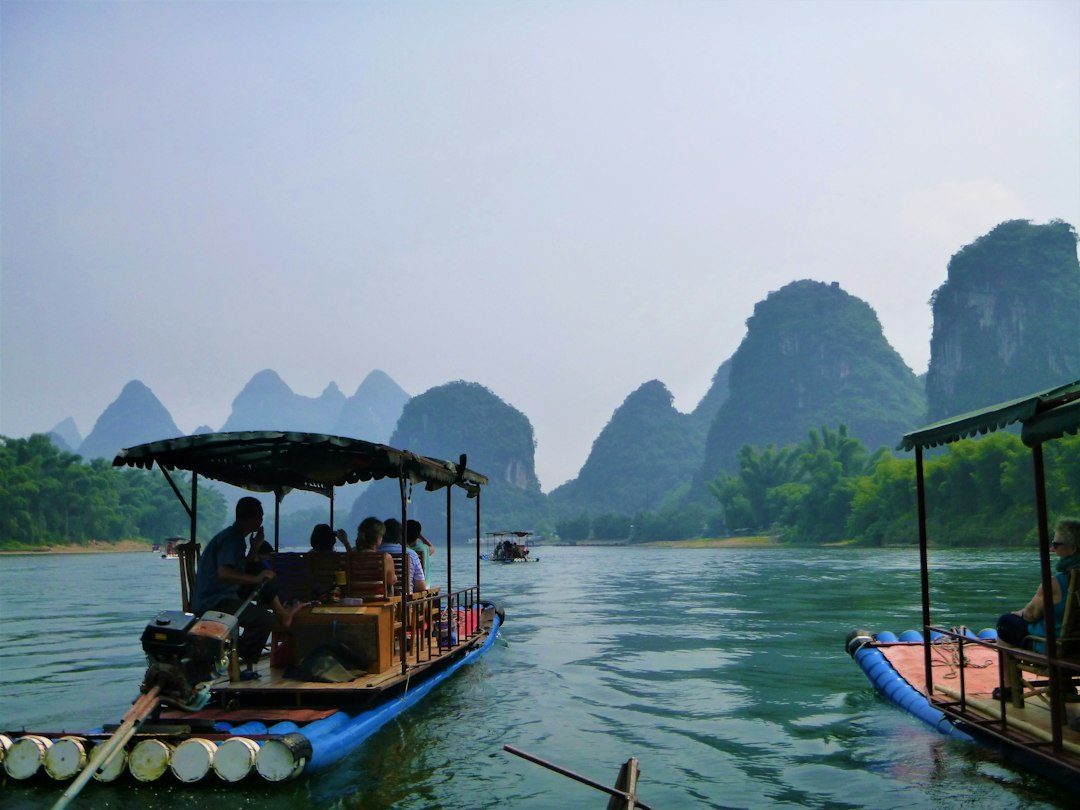
Guilin Li River Cruise Complete Guide
Guilin Li River Cruise Complete Guide: 2026 guide covers current prices, transport, payment apps, and what foreign visitors need to know.
19 min read
China Travel SIM Card eSIM Comparison 2026
The cab driver in Beijing looked at me in the rearview mirror and said, in perfect English, “You know, most tourists buy the wrong SIM card.” I’d been in China
10 min read
China Food Tour Self Guided Complete
The cab driver in Chengdu looked at me in the rearview mirror, then back at the address I’d fumbled to show him on my phone. He laughed. Not a mean laugh—the ki
16 min read