
Best Places to Visit in Spring
Best Places to Visit in Spring: 2026 guide covers current prices, transport, payment apps, and what foreign visitors need to know.
Best Places to Visit in Spring: The Complete 2026 Guide
The taxi driver laughed at me when I asked if the cherry blossoms were already out at Yuyuantan Park. “Too early, laowai,” he said, shaking his head. “First week of April. You Beijingers always rush.” I’d arrived in China in late March, fresh off a 14-hour flight from London, convinced I’d timed spring perfectly. I hadn’t. The trees were still bare, the air cold, and the only pink came from a street vendor’s cotton candy machine. But that miss taught me something: spring in China doesn’t arrive on a calendar. It shows up in bursts—peach blossoms in Guilin, mist over the Yangshuo karsts, the first sip of Longjing tea in a Hangzhou teahouse. I’ve been back every spring since, chasing those moments across 40-odd trips.
This guide covers ten places that genuinely shine in spring—not just because the weather improves, but because something specific happens there between March and May. I’ll tell you what to expect (the good, the crowded, the confusing), how much time to budget, and what a first-time visitor needs to know about paying, getting online, and not ending up on a bus tour that stops at six jade factories.
Quick answer
The taxi driver laughed at me when I asked if the cherry blossoms were already out at Yuyuantan Park. “Too early, laowai,” he said, shaking his head. “First week of April.
The Short Version
If you’ve got 90 seconds: pick Guilin and Yangshuo for iconic landscapes without the summer sweat, or Chengdu for pandas and people-watching in perfect 20°C air. Skip Beijing’s Spring Festival crowds if you want quiet. Bring an umbrella everywhere—spring rain is real. Set up Alipay before you land. And whatever you do, don’t plan a Great Wall visit on a misty April morning unless you enjoy walking into a gray wall of nothing.
How I Picked These
I’ve been to every place on this list at least twice in spring—some four or five times. I talked to hostel owners, taxi drivers named Liu and Wang, tea farmers, a retired calligraphy teacher who fed me dumplings, and a university student who helped me navigate a broken metro ticket machine. I also made plenty of mistakes: paid ¥80 for a “private” boat that turned out to be a group raft, spent two hours on the wrong bus in Luoyang, and once ate a Sichuan pepper that made my face go numb for twenty minutes (worth it). These recommendations come from those experiences. They’re not pulled from a tourism board brochure.
Comparison Table
| Rank | Place | Best For | Approx Cost (USD) | Time Needed | When to Go |
|------|-------|----------|--------------------|-------------|------------|
| 1 | Guilin & Yangshuo | Classic landscapes, river cruising | $50–150/day | 4–5 days | Late March–May |
| 2 | Chengdu | Pandas, food, laid-back vibe | $40–100/day | 3–4 days | March–April |
| 3 | Hangzhou | Tea, gardens, lake walks | $30–80/day | 2–3 days | Late March–April |
| 4 | Luoyang | Peony festival, history | $20–50/day | 2 days | Mid-April |
| 5 | Xi’an | Terracotta Warriors, spring air | $30–70/day | 2–3 days | March–May |
| 6 | Suzhou | Classical gardens, canals | $25–60/day | 2 days | Late March–April |
| 7 | Lijiang | Old town, mountains, ethnic culture | $35–80/day | 3–4 days | March–May |
| 8 | Zhangjiajie | Avenger’s mountains, glass bridges | $50–100/day | 3 days | April–May |
| 9 | Shanghai | Urban spring, parks, art | $40–120/day | 3–4 days | March–May |
| 10 | Beijing | History, cherry blossoms (if timed right) | $40–100/day | 4–6 days | Late March–April |
1. Guilin and Yangshuo — Where the Postcards Come Alive
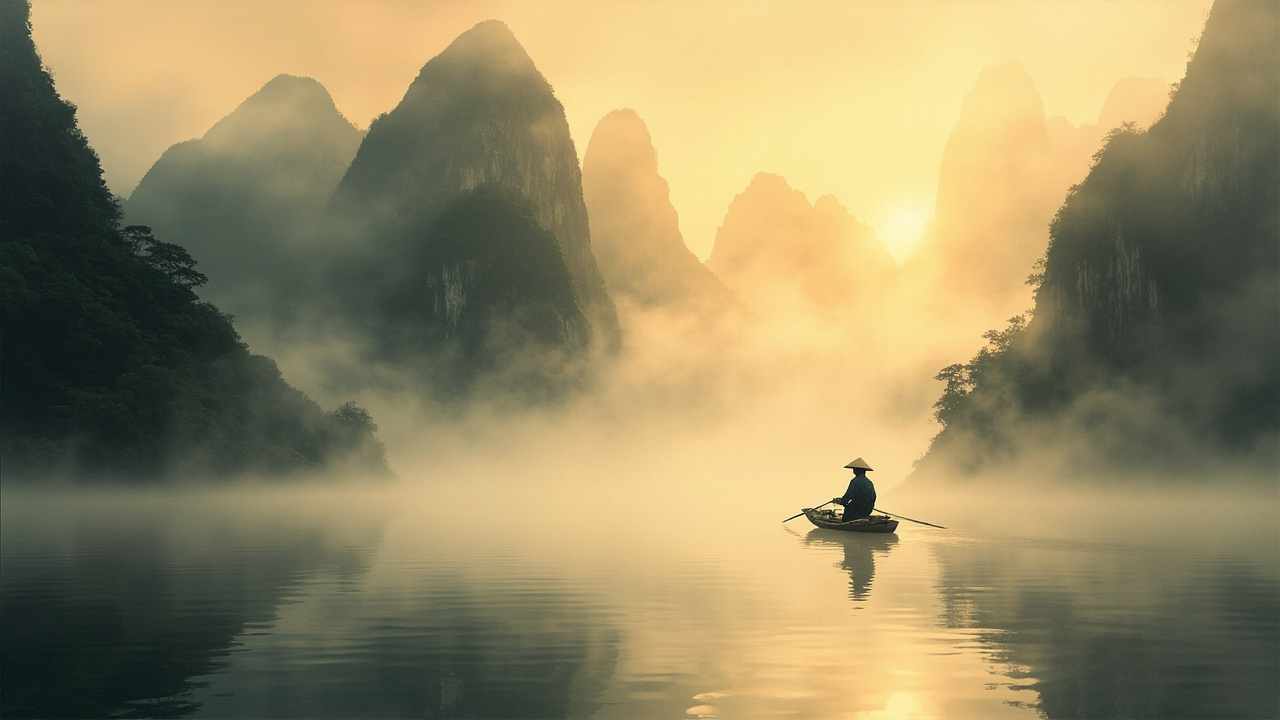
I was standing on a bamboo raft on the Li River, and for a solid minute I forgot to take a photo. The karst peaks rose out of the mist like something painted on silk—except the water was real, the water buffalo was real, and the cold rain running down my neck was real too. Spring in Guilin is wet, but that’s exactly what makes it gorgeous. The rice terraces turn bright green, the Li River runs full and clear, and the crowds haven’t peaked yet (that happens in July).
What makes it special isn’t just the scenery—it’s how the rain changes the light. On an overcast April afternoon, the mountains look layered, each one a different shade of blue-green fading into gray. The farmers are planting in the paddies, and the air smells of wet earth and jasmine. You can spend a whole day just cycling the back roads around Yangshuo, stopping at villages where old women sell fried tofu and sugarcane juice.
📍 Yulong River area, Yangshuo County (about 1.5 hours from Guiliang city center)
🎫 Li River cruise from Guiliang to Yangshuo: $55–70 (¥400–500) per person; free to walk along the riverbanks in town.
🕐 Cruises run 8:00 AM–2:00 PM daily. The park-like sections along the Yulong River are open all day, no gate.
🚆 From Guiliang West Station, take the high-speed train to Yangshuo Station (20 min, $7/¥50). From there, bus #1 goes to the West Street area (15 min). Or hire a Didi (Chinese Uber) for about $10/¥70.
⏰ Best in late March to early May. Avoid the May 1–3 Labor Day holiday—crowds triple. Weekdays are quiet. Start before 8 AM to see the mist lift off the river.
💡 Insider tips:
-
Don’t take the big cruise boats (overpriced, packed). Rent a bamboo raft from a local on the Yulong River for $20/¥150. Negotiate.
-
Rent an e-bike for $8/¥60 per day to explore the countryside. The main rental shops on West Street speak basic English.
-
Bring a rain jacket. Spring showers come fast and leave fast. An umbrella works but limits photo-taking.
-
Download Google Translate or Pleco. Very little English outside the tourist strips.
-
Get a local SIM card at the airport—China Mobile has good coverage in the karst valleys. VPN needed for Instagram, Google, WhatsApp.
I once ate a bowl of “snail noodles” (luosifen) from a street cart in Yangshuo at 9 PM, and the old lady running the cart laughed when my eyes watered. She gave me a cold Tsingtao and said, “Good for stomach.” She wasn’t wrong.
2. Chengdu — Slow, Spicy, and Full of Pandas
The first thing you notice in Chengdu is the temperature. It’s not too hot, not too cold—just right, like the porridge I had for breakfast at a tiny shop near the Wenshu Monastery. The second thing you notice is the smell: chili oil, Sichuan pepper, garlic, and something sweet I could never identify. Spring is the season when Chengdu shakes off its gray winter and turns mellow. The pandas at the breeding base are active (they hate summer heat), the tea houses fill up early, and the pace of life feels almost Mediterranean.
Chengdu is special because it’s a city that hasn’t forgotten how to relax. In spring, people sit in bamboo chairs in the park, drinking jasmine tea and playing mahjong. The air is hazy with pollen and cooking smoke. The food is ferocious—mapo tofu, dan dan noodles, hot pot that will ruin you for all other hot pot—but the atmosphere is gentle. You can spend a whole afternoon doing nothing and feel like you’ve accomplished something.
📍 Jinli Ancient Street area, Wuhou District, near the Wuhou Shrine.
🎫 Panda Base: $7 (¥55). Wenshu Monastery: free (donation suggested ¥5). Jinli Ancient Street: free.
🕐 Panda Base 7:30 AM–6:00 PM (arrive before 9 AM to see the pandas eating). Wenshu Monastery 8:00 AM–5:00 PM. Jinli Street shops 9 AM–9:30 PM.
🚆 Take Metro Line 3 to Panda Base Station (Exit B). The base entrance is a 5-minute walk. For Jinli, take Metro Line 5 to Gaoshengqiao Station, Exit D.
⏰ March and April are perfect. Avoid weekends at the Panda Base—it’s a zoo. Go Wednesday or Thursday. Spring Festival (late Jan–mid Feb) is over, so crowds are manageable.
💡 Insider tips:
-
The Panda Base opens at 7:30, but the pandas are fed around 8:30–9:00. Get there by 8, head straight to the giant panda nursery viewing area (building #1).
-
Don’t bother with the “VIP” ticket that includes a tour. You can walk the whole base in 2 hours on your own.
-
Try the “tea and mahjong” culture at People’s Park (Renmin Gongyuan). A pot of green tea costs $2/¥15. Bring cash—some old vendors don’t take WeChat.
-
Hot pot restaurants often have a “no spicy” section on the menu, but it’s not always marked. Ask for “qingtang guo” (clear broth pot).
-
A 7-day SIM with 20GB data costs about $20/¥150 at the airport. VPN essential for social media.
I met a guy named Li at the Wenshu Monastery teahouse who was practicing calligraphy. He wrote my name in Chinese characters—林飞 (Lin Fei)—and said it meant “forest flying.” I kept the paper in my wallet until it fell apart two years later.
3. Hangzhou — The Tea Harvest Moment
I arrived in Hangzhou on a drizzly Wednesday in early April, and the whole city smelled like a tea shop. Not the dry, shelf-stable kind—the fresh, grassy, just-picked kind. The Longjing (Dragon Well) tea harvest was in full swing, and the hills around West Lake were dotted with pickers in wide hats. I walked into a small tea farm in Longjing Village, and the farmer’s wife poured me a cup of tea that was so green it looked like liquid jade. She charged me nothing. Later I bought 50 grams from her for $10—the best tea I’ve ever had.
Hangzhou in spring is about two things: West Lake when the peach blossoms are out, and the tea harvest. The lake is stunning any time, but in late March and early April the cherry and peach trees along the Su Causeway explode in pink. The air is soft, the water is flat and gray-blue, and the bridges are covered with tourists—but somehow it’s still romantic. The tea villages in the hills feel like a different world: quiet, terraced, and timeless.
📍 West Lake area (especially Su Causeway and Bai Causeway) and Longjing Village (about 30 min bus ride from lake).
🎫 West Lake: free. Lingyin Temple: $6 (¥45). Longjing Village: free to wander; tea tastings vary.
🕐 West Lake accessible 24 hours. Lingyin Temple 7:00 AM–5:30 PM. Tea farms usually open 8 AM–5 PM.
🚆 Take High-speed rail to Hangzhou East Station. Metro Line 1 to Longxiangqiao Station (Exit C) for West Lake. To Longjing Village: bus 27 from Jianguo North Road to Longjing Temple stop.
⏰ Late March to April 20 is the tea harvest—best time. Avoid the May Day week. Go to the lake at 6:30 AM to beat the crowds.
💡 Insider tips:
-
Skip the tourist boats on West Lake. Rent a private rowboat ($15/¥100 per hour) from the dock near the Broken Bridge. The boatmen know the stories.
-
For genuine Longjing tea, don’t buy from the shops on the lakefront. Go to Longjing Village and look for farms that let you watch the roasting pan.
-
Bring a translator app. English is limited in the tea villages.
-
The “Impression West Lake” outdoor show is overhyped and costs $40/¥300. Save your money and watch the sunset from the Leifeng Pagoda instead.
-
Spring rain is frequent. A light waterproof jacket is better than an umbrella for photos.
I watched an old woman pan-fire tea leaves by hand in Longjing Village, her fingers moving like she’d done it ten thousand times. She looked up, smiled, and said something in Hangzhou dialect. I smiled back, not understanding a word.
4. Luoyang — The Peony Festival That Named a Dynasty
I went to Luoyang in mid-April expecting a dusty industrial city. What I got was a city drowning in flowers. Peonies—huge, ruffled, the size of dinner plates—filled every park, every traffic median, every temple courtyard. The Luoyang Peony Festival has been running since the Tang Dynasty, and locals treat it with serious pride. I met a retired teacher at the National Peony Garden who spent an hour explaining the difference between the “Yao’s Yellow” and “Wei’s Purple” varieties. I didn’t understand half of it, but I nodded a lot.
Luoyang is special because it’s the only place where the peony isn’t just decoration—it’s identity. The city was the capital of the Tang and Eastern Han dynasties, and the flower became a symbol of wealth and beauty. Spring is the only time you can see it in full bloom (April 10–25 is the peak). And the peony isn’t the only draw: the Longmen Grottoes, one of China’s great Buddhist cave complexes, are less crowded in spring than in summer, and the light at sunset makes the carved Buddhas glow.
📍 Longmen Grottoes: 13 km south of city center. National Peony Garden: near Luoyang Museum.
🎫 Longmen Grottoes: $12 (¥90). Peony Garden: $6–10 (¥45–75) depending on bloom stage.
🕐 Longmen Grottoes 8:00 AM–6:30 PM (last entry 5:30). Peony Garden 7:30 AM–7:00 PM.
🚆 High-speed train to Luoyang Longmen Station (from Xi’an: 1.5 hours, from Beijing: 3.5 hours). Metro Line 2 to Longmen Station for grottoes. For peony gardens, bus 33 from city center.
⏰ Visit mid-April. The first week of the festival (April 1–7) has fewer blooms. Go on a weekday to avoid crowd jams on the narrow walkways of Longmen.
💡 Insider tips:
-
The Longmen Grottoes have two sections: east and west. Most tourists only do the west bank (the big Buddha). The east bank has smaller caves and far fewer people—go there after 4 PM for sunset.
-
At the Peony Garden, the “four-variety” peonies are the most prized. Ask a gardener to point them out.
-
The local specialty is “water banquet” (shuixi)—a 24-course meal where every dish is soupy. It’s an experience, not a meal. Try one restaurant (e.g., Zhenbutong) but share with friends.
-
English signs are decent at Longmen, poor elsewhere. Translation app a must.
-
Luoyang is dry in spring. Bring lip balm and water.
I bought a bag of peony-scented tea from a stall near the garden. The vendor, a woman in her sixties, insisted I sit down and drink a cup with her. We communicated through hand gestures and smiles. It was the best cup of tea of my life.
5. Xi’an — The Terracotta Warriors Without the Summer Mob
The first time I saw the Terracotta Warriors, I was standing in a hangar-sized building with about 300 other people—and it still felt eerily quiet. The warriors stand in rows, each face different, each weapon once real. Spring is the ideal time to see them: the air is cool, the crowds are half of what they are in July, and you can actually take a photo without ten strangers in it. I went back on a rainy Tuesday in April and had Pit 2 almost to myself.
Xi’an in spring is more than just the warriors. The city wall—14 kilometers long—is perfect for cycling in the mild weather. The Muslim Quarter comes alive with street food vendors selling lamb skewers, persimmon cakes, and cold noodles. The air smells of cumin and sesame. Spring brings a breeze that cuts through the haze, so the sky is clearer than in summer.
📍 Terracotta Warriors: Lintong District, 40 km east of Xi’an. Muslim Quarter: Bell Tower area, central Xi’an.
🎫 Warriors: $17 (¥120). City Wall: $8 (¥54). Muslim Quarter: free.
🕐 Warriors 8:30 AM–5:00 PM (last entry 4:30). City Wall 8:00 AM–10:00 PM (bike rental until 7 PM).
🚆 To Warriors: Take Metro Line 9 to Huqingchi Station, then bus 306 (15 min, ¥5). Or book a Didi from city center (approx $25/¥180). To Muslim Quarter: Metro Line 2 to Bell Tower Station, Exit C.
⏰ March–May (April best). Warriors: arrive at 8:30 AM opening to avoid tour groups. Weekday only. Muslim Quarter is best after sundown.
💡 Insider tips:
-
At the Warriors Museum, skip the shuttle from the parking lot (it’s a 10-minute walk). Don’t buy souvenirs from the first vendor inside—prices drop 50% in the back.
-
Rent a bike on the City Wall for $5/¥35. The ride takes 1.5–2 hours. Stop at the south gate for the best photos.
-
The Muslim Quarter’s street food is safe, but stick to stalls with long lines. Liangpi (cold noodles) and Yangrou Paomo (lamb soup with bread) are must-tries.
-
Bring a reusable water bottle—Xi’an tap water is safe in hotels but tastes mineral-heavy. Buy bottled water for ¥2.
-
VPN needed for Google Maps and WhatsApp. Alipay accepted almost everywhere.
I tried to order “roujiamo” (Chinese hamburger) by pointing at a picture. The vendor shouted something, wrapped it in paper, and handed it over with a grin. The pork was so tender it fell apart in my hands.
6. Suzhou — Ming Dynasty Gardens in Bloom
I have a theory that the best time to see a classical Chinese garden is when everything is wet. In Suzhou, April showers turn the Humble Administrator’s Garden into a series of reflections: the pavilions in the pond, the plum blossoms on the water, your own raincoat dripping onto the stone pathways. I walked through the garden in a light drizzle, and the only other people were a young couple taking engagement photos. The photographer kept adjusting the bride’s dress, and I stood there thinking, this is why people wrote poems about gardens.
Suzhou in spring is about two things: the gardens and the canals. The gardens (there are nine UNESCO World Heritage ones) are at their peak in late March and April, when the azaleas, peonies, and wisteria are in bloom. The canal neighborhoods—Pingjiang Road, Shantang Street—are less crowded than in summer, and the tea houses along the water are perfect for an afternoon of people-watching.
📍 Pingjiang Road (old canal street) and Humble Administrator’s Garden (Zhuozheng Yuan), near Suzhou Museum.
🎫 Humble Administrator’s Garden: $10 (¥70). Lingering Garden: $7 (¥55). Pingjiang Road: free.
🕐 Gardens 7:30 AM–5:30 PM (hours shorten in winter). Pingjiang Road shops open 10 AM–9 PM.
🚆 High-speed train from Shanghai to Suzhou Station (25 min, $10/¥70). Metro Line 4 to Beisi Pagoda Station, then walk 10 min to Humble Administrator’s Garden. Or Didi from station (¥20).
⏰ Late March to late April. Avoid May Day. Go to the gardens at 8 AM when they open—the light is soft and the crowds are thin.
💡 Insider tips:
-
Book garden tickets online via WeChat (official account: “苏州园林旅游”) at least one day ahead. Weekend tickets sell out.
-
The Humble Administrator’s Garden is the most famous and most crowded. The Lion Grove Garden (less famous, more rockeries) is just as beautiful and half the tourists.
-
In Pingjiang Road, don’t eat at the first “traditional” restaurant you see. Walk to the far end—locals eat at the tiny noodle shops near the canal.
-
English levels are low. Have your hotel write the names of gardens in Chinese to show taxi drivers.
-
Suzhou is very walkable. Bring comfortable shoes—the stone streets are uneven.
I sat in a tea house on Pingjiang Road and watched a boatman navigate a canal so narrow he had to pole the boat with his foot. He yelled something to a shopkeeper, who threw him a bag of oranges. Just another day in Suzhou.
7. Lijiang — The Old Town That (Still) Has Character
I arrived in Lijiang after a 12-hour overnight train from Kunming, grumpy and tired. Then I stepped onto the cobblestones of the Old Town at 6 AM, with the mountains glowing pink in the distance, and the grumpiness evaporated. The canals were running fast with snowmelt from the Jade Dragon Snow Mountain. A woman was sweeping the steps of a Naxi-style inn, and the only sound was water and birds. For one brief hour, Lijiang was the ancient town I’d read about.
Lijiang is controversial among travelers. Some say it’s overrun with tourists and karaoke bars. They’re not wrong—the main streets are a mess of gift shops and loud music. But spring is different. The weather—sunny days, cool nights, no rain—makes it possible to explore the quieter corners. The Black Dragon Pool has the best reflection of the snow mountain. The nearby villages of Shuhe and Baisha are an easy bike ride away and feel like Lijiang 20 years ago.
📍 Old Town (Dayan), Lijiang, Yunnan Province. Shuhe: 4 km north; Baisha: 10 km north.
🎫 Old Town Lijiang: free (¥80 “maintenance fee” no longer charged). Black Dragon Pool: $7 (¥50). Jade Dragon Snow Mountain: $17 (¥120) + cable car $30 (¥200).
🕐 Old Town open 24 hours. Black Dragon Pool 7:00 AM–7:00 PM. Snow Mountain cable cars 7:30 AM–4:00 PM.
🚆 Fly to Lijiang Sanyi Airport (direct flights from major cities) or take high-speed train from Kunming (3 hours). From airport: airport bus to Old Town (¥20). From train station: bus 18 to city center.
⏰ March–May. Avoid Chinese holidays (May Day, Qingming Festival). Go to Black Dragon Pool at sunrise (6:30 AM) for the perfect mountain reflection.
💡 Insider tips:
-
The Old Town has a “no cars” policy inside. You’ll walk on smooth cobblestones. Don’t bring a suitcase with wheels bigger than a carry-on—you’ll drag it over every crack.
-
The most authentic Naxi food is Yak Yogurt and Baba (a flatbread). Find a small shop on a side alley, not the main square.
-
If you go to Jade Dragon Snow Mountain, pre-book the cable car ticket (they sell out days ahead). Get the “big cable car” to Glacier Park at 4,500m. Altitude sickness is real—buy oxygen cans (¥20–50) at the base.
-
English is limited to the tourist strip. Thao’s Travel (local agency) has English-speaking guides if you want a day trip.
-
Alipay and WeChat Pay are widely used, but small vendors in Shuhe may only take cash. Carry ¥200 in small bills.
In Baisha, I met a Naxi woman who painted murals in a 500-year-old temple. She showed me how to mix pigments from ground minerals—turquoise from malachite, red from cinnabar. She gave me a small piece of the pigment as a souvenir. I still keep it on my desk.
8. Zhangjiajie — The Mountains That Inspired Avatar (Without the Blue Aliens)
The cable car ride up Tianmen Mountain is not for people who fear heights. I’m not afraid of heights, but I gripped the railing as the car swung over a sheer cliff and the mist swallowed the ground below. When we broke through the clouds, the view was absurd—limestone pillars rising out of a sea of white, like something from a fantasy novel. Spring in Zhangjiajie means fog, and the fog is the whole point. It makes the mountains look infinite.
Zhangjiajie National Forest Park is the reason you came. The quartzite sandstone pillars—some over 1,000 meters—are the tallest in China. In April and May, the mist rolls in from the valleys, shrouding the peaks in a milky haze. The air is cool (15–20°C) and heavy with moisture. The Bailong Elevator, a glass-sided elevator built into a cliff, takes you up 330 meters in under two minutes. It’s terrifying and magnificent.
📍 Wulingyuan District, Zhangjiajie, Hunan Province.
🎫 National Forest Park: $30 (¥220) – valid for 4 days. Tianmen Mountain: $35 (¥258) includes cable car. Glass Bridge: $25 (¥180).
🕐 Park 7:00 AM–6:00 PM (last entry 4:00). Tianmen cable car 8:00 AM–5:00 PM.
🚆 High-speed train from Changsha to Zhangjiajie West Station (3 hours, $35/¥250). From station: bus #5 to Wulingyuan (40 min, ¥10). Or Didi (¥100).
⏰ April–May. Avoid Golden Week (May 1). Best time: a weekday after rain—the mist is thickest. Start at 7 AM to beat the tour groups.
💡 Insider tips:
-
The park is huge. Don’t try to “do it all” in one day. Focus on two areas: Yuanjiajie (the “Avatar” pillars) and Tianzi Mountain. Spend two days if you can.
-
The Glass Bridge is overpriced and often crowded. Go at 8 AM or skip it—the natural viewpoints are more impressive.
-
Bring a raincoat and waterproof shoes. Spring drizzle is constant. The mist adds to the atmosphere but makes paths slippery.
-
Buy a map at the entrance (¥5)—phone signal is patchy inside the park. GPS often fails.
-
English signs are minimal. The official park app has an English option. Screenshot key Chinese phrases before you go.
I watched a monkey steal a bag of chips from a German tourist near the Skywalk. The monkey opened the bag, ate exactly three chips, and threw the rest off the cliff. The German laughed so hard he nearly fell off himself.
9. Shanghai — The Urban Spring That Sneaks Up on You
I don’t usually recommend big cities for spring travel, but Shanghai makes an exception. The first time I walked through the French Concession in April, the plane trees had just leafed out, turning the streets into green tunnels. The air smelled of coffee and wet pavement. I ducked into a small park—Fuxing Park—and found locals practicing tai chi, playing badminton, and a group of retirees singing opera under a pagoda. It felt like the city had exhaled after a long winter.
Shanghai in spring is about the parks and the people. Yuyuan Garden is crowded but the old town next to it is still charming. The Bund is best on a clear morning (before 9 AM) when the colonial buildings glow in the low light. But the real magic is the residential neighborhoods—the lane houses (longtang) in Jing’an or Xintiandi, where laundry hangs between buildings and old men play chess on folding tables.
📍 French Concession: Huaihai Road area. Fuxing Park: near South Huangpi Road. Yuyuan Garden: Old City.
🎫 Yuyuan Garden: $4 (¥30). Shanghai Museum: free. Bund: free.
🕐 Yuyuan Garden 9:00 AM–4:30 PM. Fuxing Park open 24 hours. Shanghai Museum 9:00 AM–5:00 PM (closed Monday).
🚆 Metro Line 1 to South Huangpi Road (Exit 2) for French Concession. Metro Line 10 to Yuyuan Garden Station (Exit 1) for Yuyuan. Line 2 to East Nanjing Road for Bund.
⏰ Late March–May. Weekdays are best—weekends in the French Concession are packed with brunch crowds. Visit the Bund at sunrise (6 AM) to avoid the selfie stick army.
💡 Insider tips:
-
For a great skyline view without the Bund crowds, go to the bar at the top of the Peace Hotel (not cheap, but one drink is worth the elevator fee).
-
Yuyuan Garden is worth a visit but eat outside the tourist zone—the “nanxiang” steamed bun shop on the main street is overpriced. Walk two blocks north to a local xiaolongbao joint.
-
English is widespread in central Shanghai. You can get by without a translation app in most restaurants and metro stations.
-
WeChat Pay and Alipay are essential. Get a Shanghai Public Transportation Card (¥30 deposit) from any metro station to skip ticket lines.
-
VPN is mandatory for Google Maps (Apple Maps works natively). Or download Baidu Maps offline.
I once had a street vendor in the French Concession ask me where I was from. “America,” I said. He nodded, then handed me a skewer of grilled tofu and said, “Welcome to Shanghai.” No payment asked. I insisted, but he waved me off.
10. Beijing — The Great Wall in the Season of Dust and Blossoms
The first time I attempted the Great Wall in spring, I picked a Saturday in late March. The sky was yellow—a full-on dust storm from the Gobi Desert. I couldn’t see more than 20 meters. But I climbed anyway, and at the top, a gust of wind cleared the dust for exactly 30 seconds, revealing a stretch of wall snaking over green hills dotted with peach blossoms. It was enough.
Spring in Beijing is a gamble. You might get perfect blue skies (after a cold front passes) or you might get sand in your teeth. But it’s also the season of cherry blossoms at Yuyuantan Park, the imperial gardens at the Summer Palace, and the Great Wall with wildflowers. The key is timing and location. Avoid Badaling (the crowded tourist section) and go to Mutianyu or Jinshanling. The wall is less restored, the crowds thinner, and the spring views (on a clear day) spectacular.
📍 Mutianyu: 75 km north of Beijing. Yuyuantan Park: Haidian District (south of CCTV Tower).
🎫 Mutianyu: $6 (¥45) + cable car $15 (¥100). Yuyuantan Park: $2 (¥10) during bloom festival.
🕐 Mutianyu 7:00 AM–6:00 PM (last cable car down at 5:30). Yuyuantan Park 6:00 AM–8:30 PM.
🚆 To Mutianyu: Take Metro Line 13 to Dongzhimen, then bus 916 (to Huairou, 1.5 hours), then minibus to Mutianyu. Or book a shared van via Didi (¥300–400 round trip). For Yuyuantan: Metro Line 1 to Gongzhufen Station, Exit A, walk 10 min north.
⏰ Late March–April 15 for blossoms. Great Wall: avoid weekends. Go on a Tuesday or Wednesday. Start at 7:30 AM to have the wall to yourself.
💡 Insider tips:
-
Mutianyu has a toboggan run down from the wall ($10/¥70). It’s fun but can be slow if crowded. Use the cable car down if you’re in a hurry.
-
The “Great Wall” at Badaling is the only one with direct bus from Beijing (bus 877), but it’s a zoo. Don’t go. Jinshanling (2.5 hours from city) is farther but even better than Mutianyu.
-
Check the air quality index (AQI) before you go. Above 150? Skip the wall and do the Forbidden City instead.
-
Bring lunch. The food at the base of Mutianyu is overpriced and mediocre. Pack a sandwich and eat on the wall.
-
Yuyuantan Park’s cherry blossom festival runs early April. Arrive by 7 AM to avoid the crowds. The best spot is near the lake on the west side.
At the top of Mutianyu, I sat down on a stone step, and a Chinese college student asked if he could take a photo with me. “My first foreigner on the Great Wall,” he said. We took a selfie together. I never got the photo, but I’m glad I said yes.
FAQ summary
Key points covered: 1. Do I need a visa to visit China in spring 2026.
FAQ
1. Do I need a visa to visit China in spring 2026?
Yes for most nationalities, but the visa-free transit policy (24/72/144 hours) now extends to 54 countries, including the US, UK, Canada, Australia, and most EU nations. You can stay up to 144 hours (6 days) in cities like Beijing, Shanghai, Guangzhou, and Chengdu if you’re transiting to a third country. Full tourist visas (L-visa) are required for longer stays. As of early 2026, citizens of France, Germany, Italy, Netherlands, Spain, Malaysia, and Singapore get 15-day visa-free entry (policy renewed through 2027). Check your local Chinese embassy—rules change quarterly.
**2. How do I pay for things?
Related Guides
Looking for more China travel guides? These match your topic:
- Best Time to See Cherry Blossoms in China 2026
- Best Time to Visit China: Month-by-Month Guide
- China Etiquette: Cultural Do’s and Don’ts for Foreigners: The Complete 2026 G…
- China Golden Week Travel Survival Guide
- China Group Tours vs Independent Travel Which is Better
- China Itinerary Planning: 7-Day 14-Day and 21-Day Routes: The Complete 2026 G…
Topics
More guides you may like
Best Time to See Cherry Blossoms in China 2026
Best Time to See Cherry Blossoms in China: 2026 guide covers current prices, transport, payment apps, and what foreign visitors need to know.
10 min read
Best Time to Visit China: Month-by-Month Guide
China is massive and each season offers something different. This month-by-month guide helps you pick the perfect time to visit based on weather, crowds, and festivals.
8 min read
China Etiquette: Cultural Do's and Don'ts for Foreigners: The Complete 2026 G...
China has unique social customs that can confuse first-time visitors. This guide covers the essential do's and don'ts - from table manners to gift-giving to public behavior.
9 min read
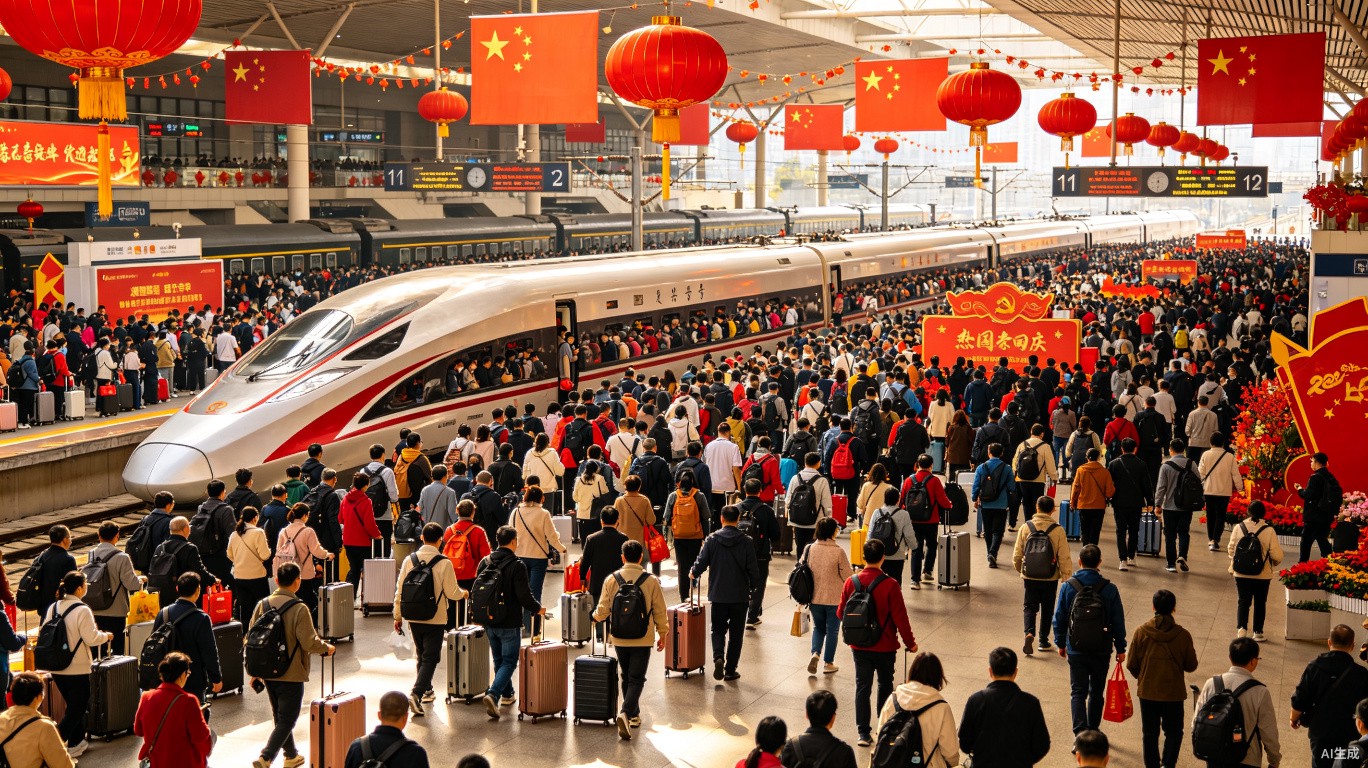
China Golden Week Travel Survival Guide
How to survive China's National Day Golden Week (October 1-7) - what to avoid, where to go, and how to beat the crowds.
9 min read
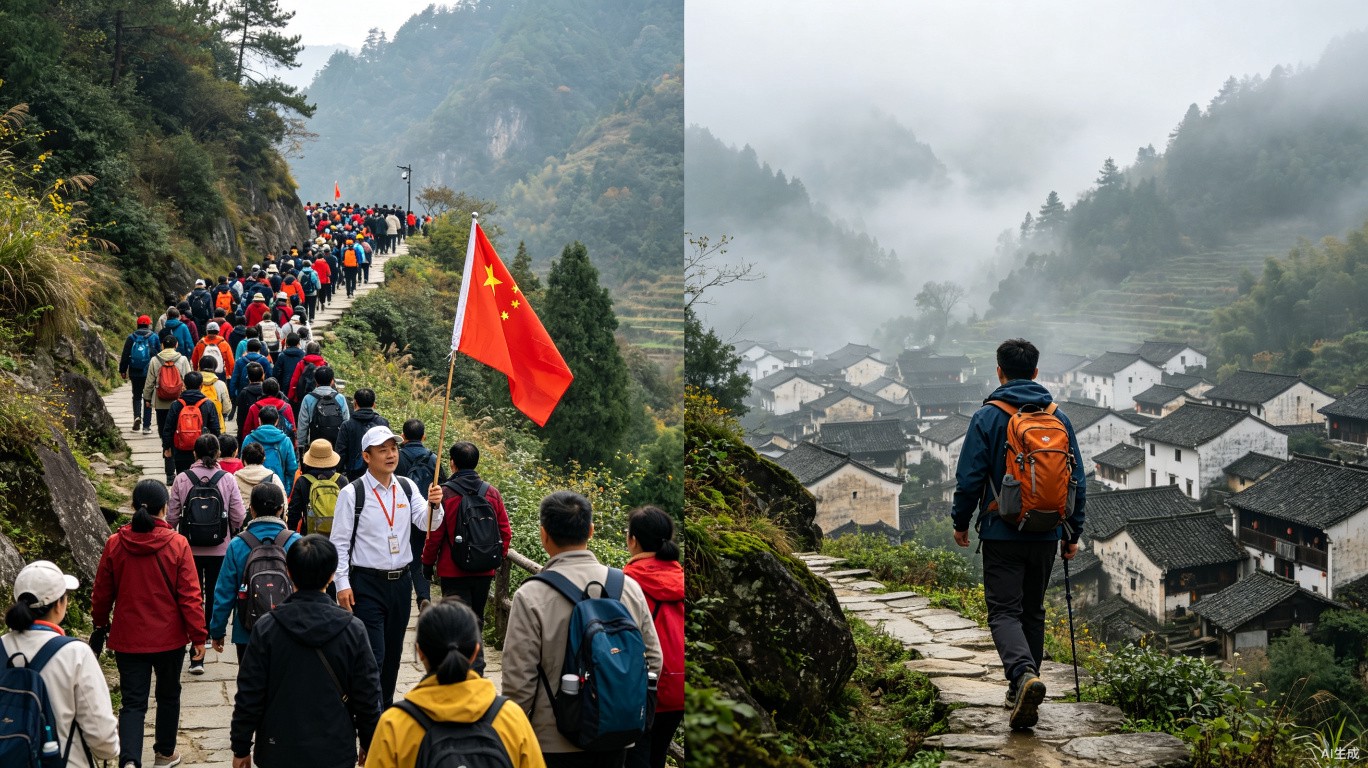
China Group Tours vs Independent Travel Which is Better
Should you join a guided tour or travel independently in China? Honest comparison of cost, flexibility, and experience.
7 min read
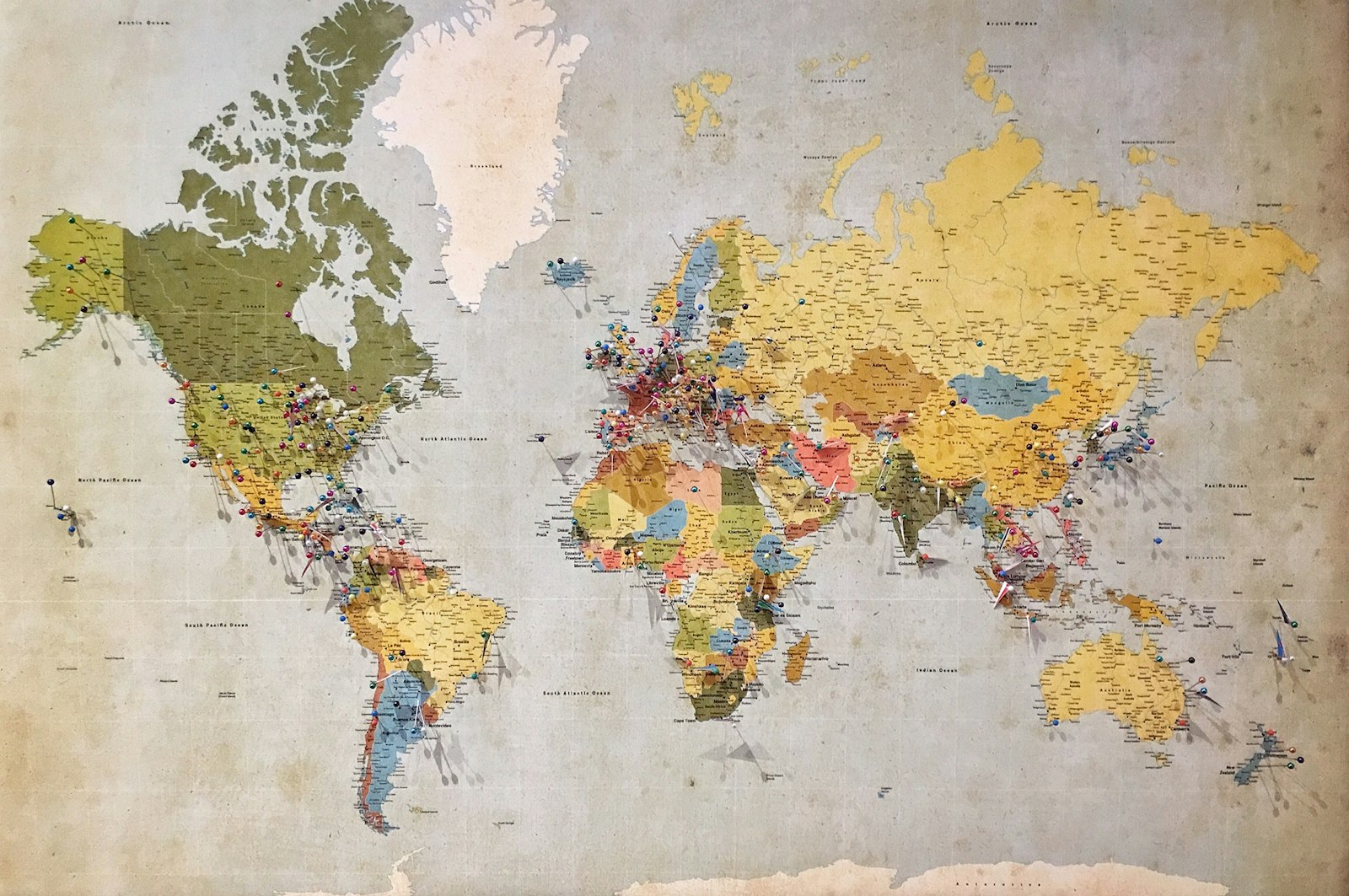
China Itinerary Planning: 7-Day 14-Day and 21-Day Routes: The Complete 2026 G...
Not sure how many days to spend in China? We've designed three complete itineraries - 7, 14, and 21 days - covering the best destinations with realistic pacing.
9 min read