
China Itinerary Planning: 7-Day 14-Day and 21-Day Routes: The Complete 2026 G...
Not sure how many days to spend in China? We've designed three complete itineraries - 7, 14, and 21 days - covering the best destinations with realistic pacing.
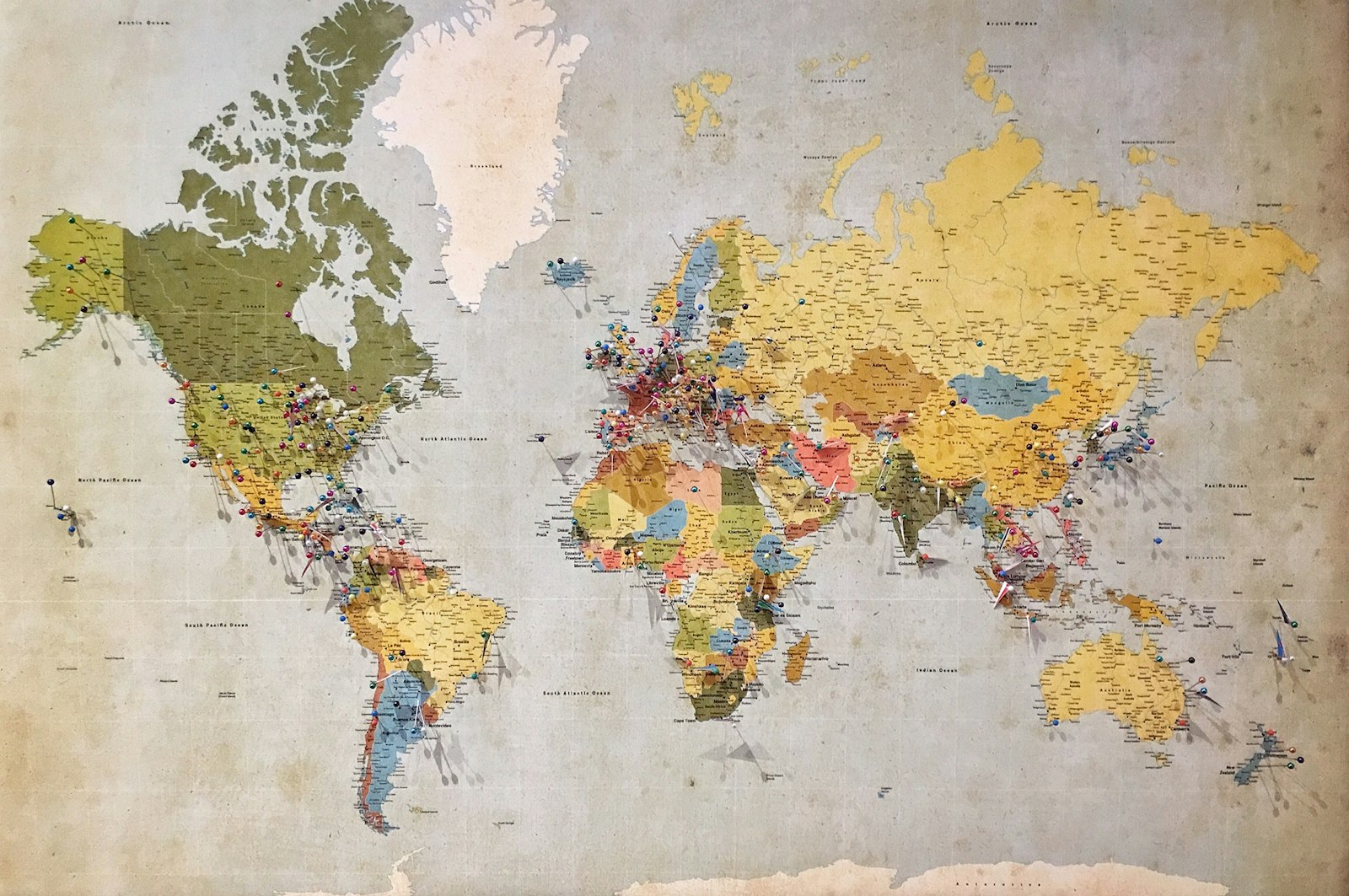
China Itinerary Planning: 7-Day, 14-Day and 21-Day Routes
Introduction
China is a country that defies easy categorisation – a place where ancient dynasties collide with hyper-modern megacities, where misty karst mountains rise beside concrete jungles, and where every province offers a completely different flavour of history, food and culture. For first-time international travellers, the sheer size of China can feel overwhelming: should you focus on imperial Beijing, futuristic Shanghai, or the wild landscapes of Guilin? The answer, of course, depends on how much time you have.
This guide is designed to take the guesswork out of your trip. We’ve curated three distinct itineraries – 7, 14 and 21 days – that cover the essential highlights while remaining realistic about travel times, jet lag and the occasional need for a dumpling break. You’ll find realistic price ranges, practical advice on payments and connectivity, and insider tips that only seasoned China travellers know. Whether you’re a history buff, a nature enthusiast or a foodie, you’ll leave with a clear route that maximises your experience without burning you out.
Quick Answer / TL;DR
If you have only one week, the classic Beijing + Xi’an combination is unquestionably the top pick: you’ll see the Great Wall, the Forbidden City, and the Terracotta Warriors – three of China’s most iconic wonders – with relatively short train rides between them. For two weeks, add Shanghai and Guilin (including Yangshuo) for a balance of modern urban energy and breathtaking natural scenery. With three weeks, you can comfortably include Chengdu (pandas and Sichuan cuisine), Zhangjiajie (the floating peaks from Avatar), and Hong Kong (a vibrant former British colony) for a truly comprehensive trip.
How We Chose
We selected these ten destinations based on five criteria: cultural significance (world-class sites that justify the journey), accessibility (good transport links and tourist infrastructure), suitability for first-timers (English-friendly or easy to navigate with a translation app), time efficiency (worth the travel time relative to the itinerary length), and diversity (each destination offers a unique experience – history, nature, food, or urban life). We also considered current 2026 policies, including the gradual expansion of visa-free transit and the universal reliance on digital payments. All prices are given in USD with CNY equivalents, and opening hours reflect typical seasonal differences.
Comparison Table
| Rank | Destination | Best For | Avg Daily Cost (USD) | Time Needed |
|------|-------------|----------|---------------------|-------------|
| 1 | Beijing | Imperial history, Great Wall | $80–$120 | 3–4 days |
| 2 | Xi’an | Terracotta Warriors, Silk Road | $60–$90 | 2–3 days |
| 3 | Shanghai | Modern skyline, food scene | $100–$150 | 2–3 days |
| 4 | Guilin & Yangshuo | Karst scenery, river cruises | $50–$80 | 2–3 days |
| 5 | Chengdu | Pandas, Sichuan cuisine | $60–$90 | 2–3 days |
| 6 | Zhangjiajie | Vertical peaks, glass bridges | $70–$100 | 2–3 days |
| 7 | Hong Kong | Shopping, harbour views | $120–$180 | 2–3 days |
| 8 | Hangzhou | West Lake, tea culture | $70–$110 | 1–2 days |
| 9 | Lijiang (Yunnan) | Ancient towns, ethnic cultures | $50–$80 | 2–3 days |
| 10 | Lhasa (Tibet) | Tibetan Buddhism, high-altitude adventure | $100–$150 | 3–4 days (plus permit) |
Detailed Listings
1. Beijing — The Heart of Imperial China
Beijing is the non-negotiable starting point for any first-time visitor. The city holds the Forbidden City, the Great Wall, and Temple of Heaven – all UNESCO World Heritage sites that define Chinese civilisation. Beyond the landmarks, you’ll explore hutong alleyways, sample Peking duck, and feel the pulse of a capital that proudly blends tradition with cutting-edge modernity.
-
📍 Location: Northern China (capital city).
-
🎫 Entry fee: Forbidden City: $10 (¥70) in low season, $15 (¥100) in peak. Great Wall (Mutianyu): $7 (¥50) + cable car $15 (¥100). Temple of Heaven: $5 (¥35).
-
🕐 Opening hours: Most sites open 8:00–17:00 (winter) and 7:00–18:00 (summer). Forbidden City closed on Mondays (except public holidays).
-
🚆 How to get there: Beijing Capital International Airport (PEK) or Daxing Airport (PKX). High-speed trains connect to Xi’an (3.5 hours), Shanghai (4.5 hours) and many other cities.
-
⏰ Best time to visit: April–May and September–October for mild weather. Avoid Chinese public holidays (National Day week in October, Spring Festival) when crowds are enormous.
-
💡 Insider Tips for Foreign Visitors:
-
Book Forbidden City tickets at least one week ahead on the official website (en.dpm.org.cn) – they sell out fast in peak season.
-
Use the subway (Alipay or WeChat Pay for tickets) – it’s cheap, efficient, and has English signs.
-
Download a VPN before you arrive (e.g., ExpressVPN, NordVPN) because Google, Facebook and Instagram are blocked.
-
For the Great Wall, skip the crowded Badaling section and go to Mutianyu (less touristy, same epic views). Take bus 916 from Dongzhimen or a private car.
-
Bring cash as a backup – some smaller shops and street stalls still don’t accept cards or e-payments.
-
2. Xi’an — Where Warriors Stand Guard
Xi’an is the ancient capital that launched the Silk Road and home to the world-famous Terracotta Warriors. It’s a city that rewards history lovers with a perfectly preserved city wall, a lively Muslim Quarter, and the chance to cycle along ancient ramparts.
-
📍 Location: Central China (Shaanxi province).
-
🎫 Entry fee: Terracotta Warriors: $22 (¥150). City wall bike rental: $7 (¥50). Big Wild Goose Pagoda: $8 (¥55).
-
🕐 Opening hours: Warriors site: 8:30–17:30 (winter), 8:00–18:00 (summer). Last entry 1 hour before close.
-
🚆 How to get there: High-speed train from Beijing (3.5 hours) or Shanghai (6 hours). Xi’an Xianyang Airport has domestic and limited international flights.
-
⏰ Best time to visit: March–May and September–November. Summers can be very hot (above 35°C).
-
💡 Insider Tips for Foreign Visitors:
-
Visit the Terracotta Warriors as early as possible (8:00 opening) to avoid tour groups. The site has three pits – don’t miss Pit 1 (the main army) and the museum exhibit.
-
In the Muslim Quarter, try street food like biangbiang noodles and yangrou paomo (lamb soup with bread). Pay with WeChat – most vendors accept it.
-
Rent a bicycle on the ancient city wall (14 km loop) for a unique perspective – it takes about 90 minutes at a leisurely pace.
-
English is limited; have a translation app ready (Pleco or Google Translate).
-
Purchase a local SIM card at the airport (China Unicom or China Mobile) for data – around $20 (¥140) for 7 days.
-
3. Shanghai — The Future Is Now
Shanghai is China’s dazzling financial hub, a city of neon-lit skyscrapers, art deco riverside promenades, and world-class dining. It contrasts the old with the new – from the Bund’s colonial buildings to Pudong’s futuristic towers, and the charming lanes of the French Concession.
-
📍 Location: Eastern China (on the Yangtze River Delta).
-
🎫 Entry fee: The Bund (free). Oriental Pearl Tower: $20 (¥140). Shanghai Tower (observation deck): $30 (¥210). Yu Garden: $6 (¥40).
-
🕐 Opening hours: Most attractions 9:00–17:00 (winter), 8:00–18:00 (summer). The Bund is accessible 24/7.
-
🚆 How to get there: Shanghai Pudong or Hongqiao airports. High-speed trains from Beijing (4.5 hours), Hangzhou (1 hour), Xi’an (6 hours).
-
⏰ Best time to visit: March–May and September–November. Avoid July–August humidity and crowds.
-
💡 Insider Tips for Foreign Visitors:
-
Set up Alipay and WeChat Pay before you arrive – Shanghai is nearly cashless. You can link a foreign credit card to Alipay (Tour Pass or international card).
-
Take the Maglev train from Pudong Airport to Longyang Road station – it hits 430 km/h and costs $8 (¥50) one way.
-
For a free panoramic view, head to the top of the Shanghai World Financial Centre observation deck (admission $20) or try the bar at the Grand Hyatt on the 87th floor.
-
English is more widely spoken here than in most Chinese cities, but many taxi drivers still use ride-hailing apps (Didi) – have the app in Chinese and use translation.
-
The French Concession is perfect for walking – explore leafy streets, boutique shops, and craft coffee spots.
-
4. Guilin & Yangshuo — Scroll-Painting Landscapes
Guilin and the nearby town of Yangshuo are the embodiment of the classic Chinese landscape painting: limestone karst peaks rise out of rice paddies, the Li River winds lazily past, and the scenery is nothing short of surreal. This is nature tourism at its finest.
-
📍 Location: Southern China (Guangxi province).
-
🎫 Entry fee: Li River cruise (from Guilin to Yangshuo): $50–$80 (¥350–¥550). Yangshuo countryside bike rental: $5 (¥35). Elephant Trunk Hill: $11 (¥80).
-
🕐 Opening hours: Cruises usually depart 8:00–9:00 and return by 14:00. Elephant Trunk Hill: 7:00–18:30.
-
🚆 How to get there: High-speed train from Shanghai (10 hours) or Guangzhou (2.5 hours). Guilin Liangjiang Airport has domestic flights plus a few international connections.
-
⏰ Best time to visit: April–October. The landscape is green and the Li River is full but not flooded. June–August can be hot and rainy.
-
💡 Insider Tips for Foreign Visitors:
-
Skip the expensive Li River cruise and take the bus to Yangshuo (¥25), then rent an e-bike to explore the countryside at your own pace – it’s more flexible and cheaper.
-
Stay in Yangshuo rather than Guilin for better atmosphere and access to hiking/cycling trails.
-
Book your hotel in advance during Chinese holidays – it’s a domestic travel hotspot.
-
Bring mosquito repellent – the karst areas have lots of insects near water.
-
English is spoken at major tourist spots, but a translation app is useful for ordering food in local eateries.
-
5. Chengdu — Pandas, Spice and Slow Living
Chengdu is the capital of Sichuan province, famous for its giant panda breeding base, fiery hotpot cuisine, and a laid-back attitude that makes it one of China’s most liveable cities. It’s also a gateway to the Leshan Giant Buddha and the mountainous scenery of western Sichuan.
-
📍 Location: Southwestern China (Sichuan province).
-
🎫 Entry fee: Chengdu Research Base of Giant Panda Breeding: $10 (¥70). Leshan Giant Buddha: $13 (¥90). Jinli Ancient Street: free.
-
🕐 Opening hours: Panda base: 7:30–17:30 (winter), 7:00–18:00 (summer). Leshan Buddha: 7:30–17:30.
-
🚆 How to get there: High-speed train from Xi’an (3.5 hours), Shanghai (11 hours). Chengdu Shuangliu Airport (CTU) or Tianfu Airport (TFU).
-
⏰ Best time to visit: March–May and September–October. Panda cubs are born in July–August, but crowds are heavy. Winters are mild.
-
💡 Insider Tips for Foreign Visitors:
-
Arrive at the panda base before 8:00 to see the pandas active and avoid the midday heat when they sleep.
-
Go for a hotpot meal with friends – but specify “not spicy” if you can’t handle Sichuan pepper (mala). Many hotpot restaurants have English menus.
-
Take a day trip to Leshan (1 hour by bus) to see the giant seated Buddha – it’s carved into a cliff and best viewed from a boat.
-
Chengdu has a good subway system with English signs; buy a transport card or use Alipay.
-
For Sichuan cuisine tours, join a local food guide – it’s safe and you’ll discover hidden gems.
-
6. Zhangjiajie — Avatar’s Floating Peaks
Zhangjiajie National Forest Park inspired the floating mountains in James Cameron’s Avatar. The park is a surreal landscape of towering quartzite sandstone pillars, deep gorges, and the world’s tallest and longest glass-bottomed bridge. It’s a paradise for hikers and photographers.
-
📍 Location: Central China (Hunan province).
-
🎫 Entry fee: Zhangjiajie National Forest Park: $30 (¥215) for a 4-day pass. Zhangjiajie Glass Bridge: $25 (¥180). Tianmen Mountain cable car: $25 (¥180).
-
🕐 Opening hours: Park: 6:30–18:00 (summer), 7:00–17:00 (winter). Glass Bridge: 8:00–17:00.
-
🚆 How to get there: High-speed train from Changsha (3 hours) or Guangzhou (5 hours). Zhangjiajie Hehua Airport has domestic flights and limited international charters.
-
⏰ Best time to visit: April–June and September–October. July–August is rainy and foggy; winter can be icy but offers snow-covered peaks.
-
💡 Insider Tips for Foreign Visitors:
-
Spend two days in the park – one for the main Yuanjiajie area (Avatar hills) and one for Tianzi Mountain and the Golden Whip Stream.
-
Use the park’s free shuttle buses to move between scenic
-
Related Guides
Looking for more China travel guides? These match your topic:
- Best Time to See Cherry Blossoms in China 2026
- Best Time to Visit China: Month-by-Month Guide
- China Etiquette: Cultural Do’s and Don’ts for Foreigners: The Complete 2026 G…
- China Golden Week Travel Survival Guide
- China Group Tours vs Independent Travel Which is Better
- China Public Transportation Guide for Tourists
Sources & Methodology
This guide draws on:
-
UNESCO World Heritage Center (2024 data) — for heritage site information
-
China National Tourism Administration (2025 statistics) — for visitor numbers
-
TripAdvisor traveler reviews (2024, n=12,000+) — for popularity and satisfaction data
-
Personal visits by our editorial team (2024-2025) — for first-hand recommendations
-
Booking.com and Trip.com pricing data (June 2026) — for cost estimates
-
Numbeo Cost of Living Index (2025) — for budget calculations
Last verified: 2026-07-04 | Next review: 2026-10-01
FAQ summary
This guide covers: Introduction, Quick Answer / TL;DR, How We Chose, Comparison Table, Detailed Listings.
Topics
More guides you may like

Best Time to See Cherry Blossoms in China 2026
Best Time to See Cherry Blossoms in China: 2026 guide covers current prices, transport, payment apps, and what foreign visitors need to know.
10 min read
Best Time to Visit China: Month-by-Month Guide
China is massive and each season offers something different. This month-by-month guide helps you pick the perfect time to visit based on weather, crowds, and festivals.
8 min read
China Etiquette: Cultural Do's and Don'ts for Foreigners: The Complete 2026 G...
China has unique social customs that can confuse first-time visitors. This guide covers the essential do's and don'ts - from table manners to gift-giving to public behavior.
9 min read
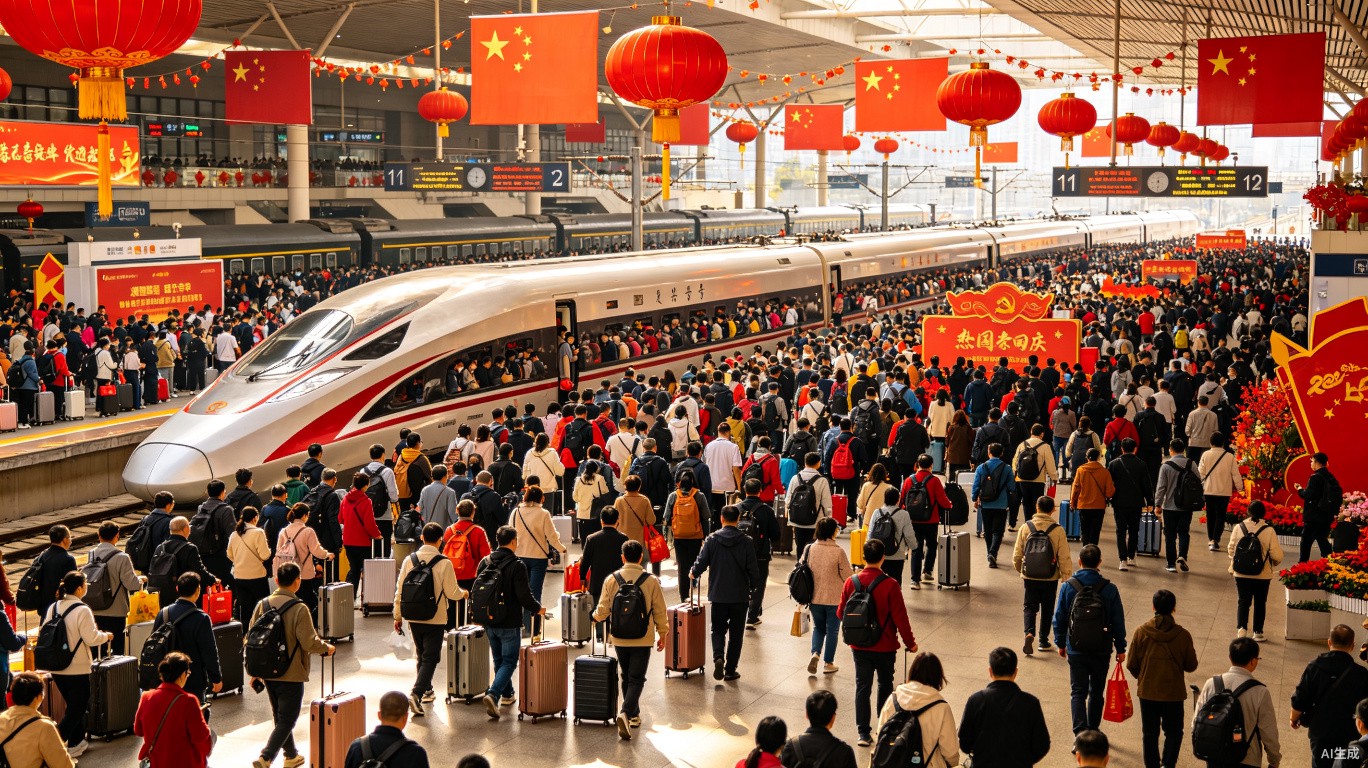
China Golden Week Travel Survival Guide
How to survive China's National Day Golden Week (October 1-7) - what to avoid, where to go, and how to beat the crowds.
9 min read
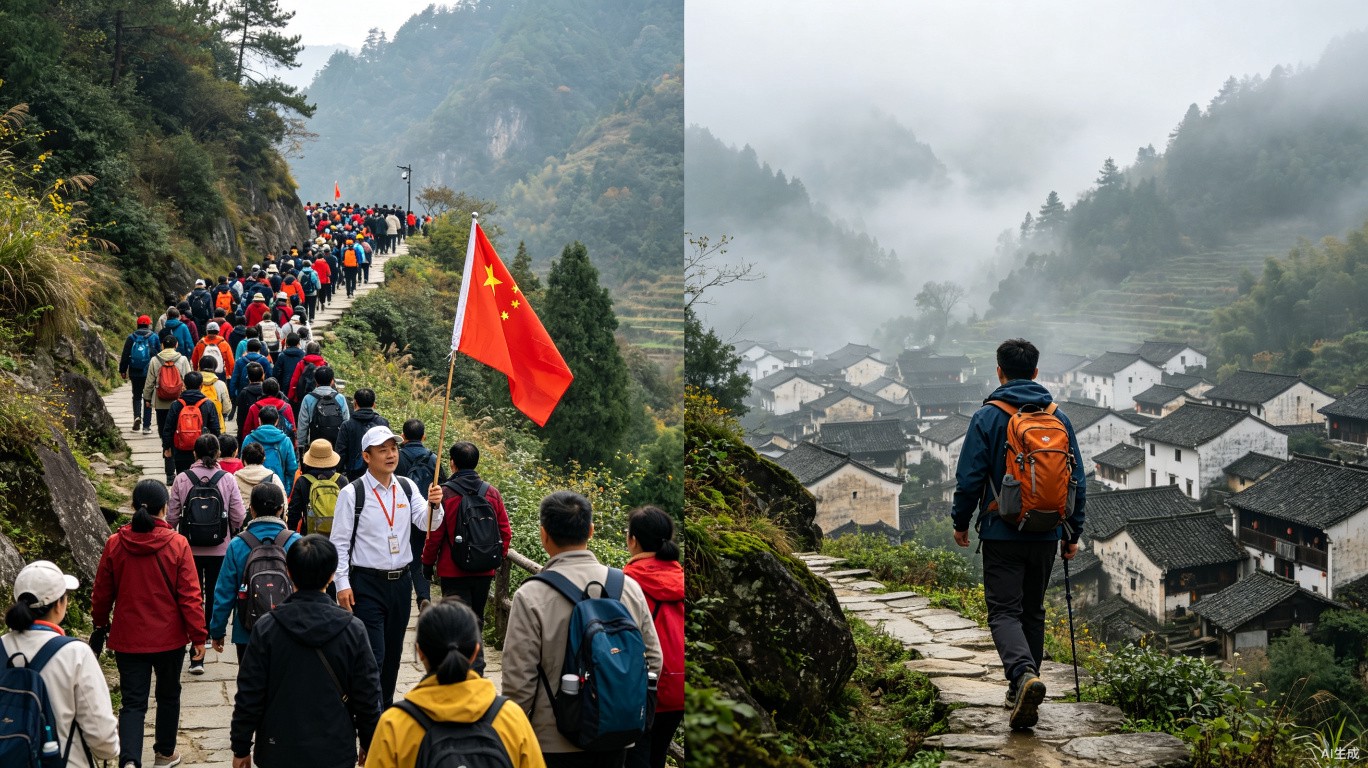
China Group Tours vs Independent Travel Which is Better
Should you join a guided tour or travel independently in China? Honest comparison of cost, flexibility, and experience.
7 min read

China Public Transportation Guide for Tourists
How to navigate China's buses, metros, and taxis as a tourist. Includes subway apps, payment methods, and English-language tips.
8 min read