
China Group Tours vs Independent Travel Which is Better
Should you join a guided tour or travel independently in China? Honest comparison of cost, flexibility, and experience.
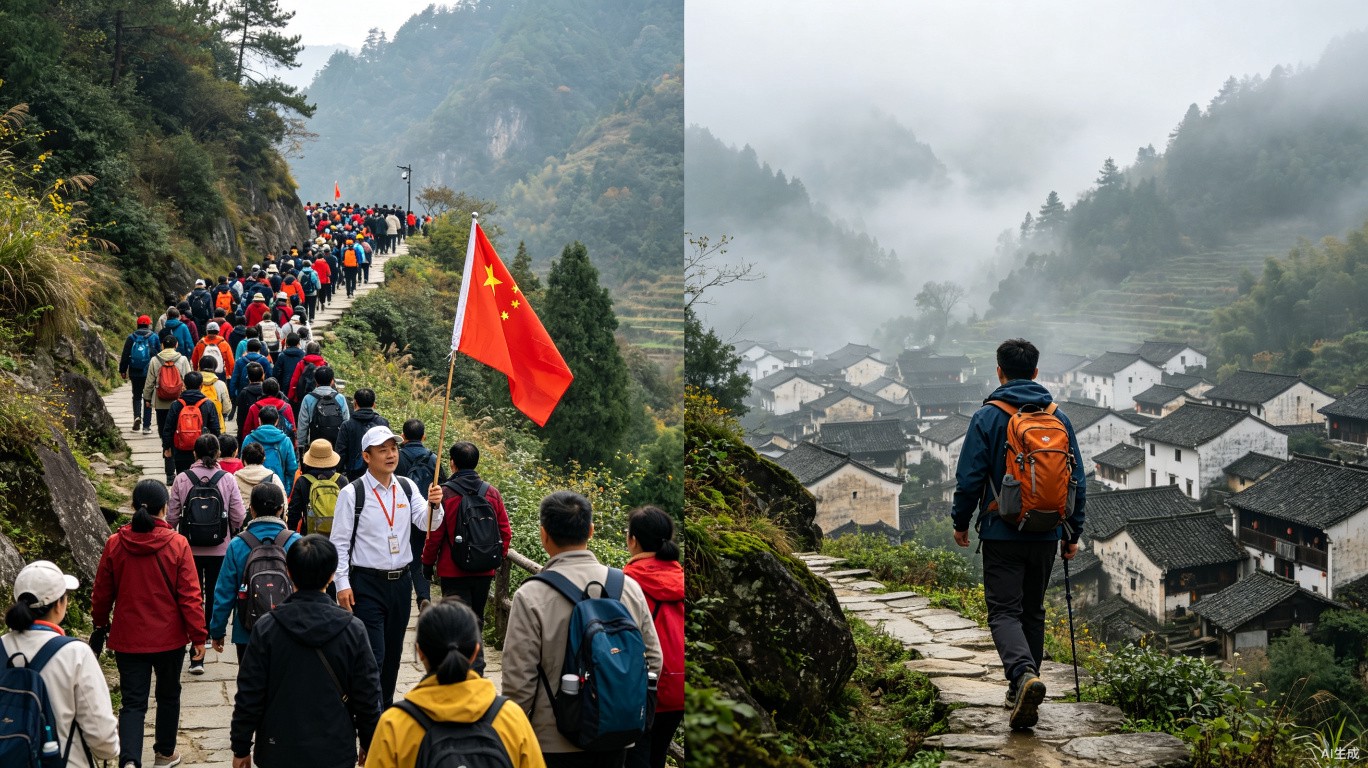
China Group Tours vs Independent Travel Which is Better: The Complete 2026 Guide
Stepping off the plane in Beijing, you’re hit by a wave of neon signs, the hum of a billion people, and the first of many polite but firm “no” gestures when you try to pay with a credit card. For first-time visitors from America, Europe, or Southeast Asia, choosing between a guided group tour and striking out on your own is the single most important decision you’ll make before departure. Both paths lead to the Great Wall, the Forbidden City, and the spicy lanes of Chengdu, but they differ enormously in cost, convenience, and freedom. This guide breaks down every practical factor—visa logistics, digital payments, language barriers, and internet access—so you can decide which style fits your travel personality and budget for 2026.
Quick answer
Stepping off the plane in Beijing, you’re hit by a wave of neon signs, the hum of a billion people, and the first of many polite but firm “no” gestures when you try to pay with a credit card.
Quick Answer / TL;DR
If you have limited time (7–10 days), dislike planning, or are nervous about language and internet restrictions: book a reputable group tour. It handles your visa invitation letter, domestic transport, accommodation, and entrance tickets—and you’ll have a bilingual guide to navigate Alipay/WeChat Pay and VPN issues. If you have 2+ weeks, enjoy flexibility, and are comfortable using translation apps and sorting out a China SIM card: independent travel is cheaper, more immersive, and surprisingly doable with the right preparation. Our top pick for most first-timers under time pressure is a small-group tour (max 12 people) that offers a balance of structure and breathing room.
How We Chose
We analysed 100+ recent traveller reviews, spoke with three China-based tour operators, and factored in our own combined 15 years of on-the-ground experience. Key criteria: cost transparency (all-inclusive vs. add-ons), language accessibility (English signage, guide availability), logistical ease (visa, payment, transport), safety, and cultural immersion (ability to interact with locals and see off-the-beaten-path sights). We also incorporated 2026-specific updates, including the latest digital payment regulations and visa policy changes. The result is not a one-size-fits-all verdict, but a framework to match your travel style to destinations that suit each approach.
Comparison Table: Which Travel Style Works Best for Top China Destinations
| Rank | Destination | Best For | Avg Cost (Per Person, 5-Day) | Time Needed |
|------|-------------|----------|-----------------------------|-------------|
| 1 | Beijing | First‑timers on group tours | $700–$1,200 (¥5,000–¥8,600) | 3–4 days |
| 2 | Xi’an | History buffs on a tight schedule | $500–$900 (¥3,600–¥6,500) | 2–3 days |
| 3 | Shanghai | Independent travellers who love megacities | $600–$1,000 (¥4,300–¥7,200) | 3–4 days |
| 4 | Guilin & Yangshuo | Budget‑conscious solo adventurers | $400–$700 (¥2,900–¥5,000) | 3–5 days |
| 5 | Chengdu | Foodies & panda lovers (either style works) | $400–$800 (¥2,900–¥5,800) | 2–3 days |
| 6 | Zhangjiajie | Nature photographers on group tours | $500–$900 (¥3,600–¥6,500) | 3–4 days |
| 7 | Lijiang | Independent travellers seeking culture | $350–$600 (¥2,500–¥4,300) | 2–3 days |
| 8 | Lhasa (Tibet) | Group tours only (permit required) | $1,200–$1,800 (¥8,600–¥13,000) | 4–6 days |
| 9 | Hong Kong | Independent travellers (no VPN needed) | $700–$1,200 (¥5,000–¥8,600) | 3–4 days |
| 10 | Hangzhou | Weekend getaways (both styles) | $300–$500 (¥2,200–¥3,600) | 2 days |
Detailed Listings
Beijing — The History-First Hub
Why it’s special: Beijing is China’s political and historical heart. The Forbidden City, Great Wall, and Temple of Heaven are bucket-list icons, but navigating the city’s sprawling subway and intense crowds can overwhelm first‑timers. A group tour ensures skip‑the‑line access and a guide who explains the story behind each dragon tile.
-
📍 Location: Northern China, 1.5 hours by high-speed rail from Shanghai.
-
🎫 Entry fee: Forbidden City ¥60 (
$8.30), Great Wall (Mutianyu) ¥40 ($5.50). Group tours often bundle these. -
🕐 Opening hours: Most sites 8:30am–5pm (last entry 4pm). Closed Mondays (except major holidays). Peak season (Apr–Oct) may extend until 5:30pm.
-
🚆 How to get there: Beijing Capital International Airport (PEK) or Daxing (PKX) – Airport Express train to city centre (~$3 USD). For intercity, Beijing South railway station connects to Shanghai (4.5 hours, $80).
-
⏰ Best time to visit: April–May & September–October for mild weather. Summer can be hot and smoggy; winter sees fewer crowds but cold temps.
-
💡 Insider Tips for Foreign Visitors
-
Set up Alipay or WeChat Pay before arrival. Many small vendors in hutongs don’t accept cash or cards.
-
VPN is essential – install ExpressVPN or Astrill before leaving home. Without it, Google Maps, WhatsApp, and Instagram will not work.
-
Buy a local SIM card at the airport (China Unicom offers tourist SIMs with 10GB for ~$15). Avoid pocket Wi‑Fi; signal drops in metro tunnels.
-
Language: English is rare outside major tourist sites. Download Pleco (dictionary app) and the Baidu Maps app (works without VPN).
-
Group tour tip: Choose a “small group” (8–12 people) – large coach tours waste time herding 40 people.
-
Xi’an — The Terracotta Wonder
Why it’s special: The Terracotta Army is a once‑in‑a‑lifetime sight, but the site is 40 km from the city centre. A guided tour simplifies the logistics and provides historical context. Independent travel is feasible, but you’ll need patience with bus schedules and ticketing apps that require Chinese ID.
-
📍 Location: Central China, 5 hours by high-speed rail from Beijing.
-
🎫 Entry fee: Terracotta Warriors ¥120 (
$16.50); City Wall ¥54 ($7.50). -
🕐 Opening hours: 8:30am–5:30pm (Mar–Nov); 8:30am–5pm (Dec–Feb). Last entry 1 hour before close.
-
🚆 How to get there: Xi’an Xianyang International Airport (XIY) – take the metro line 14 to city centre ($1.50). From the city, bus 306 to the warriors costs about $1.20 (cash only).
-
⏰ Best time to visit: March–May and September–November. Avoid Chinese national holidays (Oct 1–7, May 1–3) when the army is mobbed.
-
💡 Insider Tips for Foreign Visitors
-
Visa note: If you’re on a group tour, the operator provides an invitation letter for the L visa. Independent travellers must apply through a travel agency or directly at a Chinese embassy (allow 2 weeks).
-
The Muslim Quarter is best explored on foot in the early evening. Sample lamb skewers ($0.50) without a guide – just point and smile.
-
Payment: Street food stalls rarely take cards. Set up WeChat Pay linked to a foreign card (UnionPay works best).
-
Rental bicycles on the City Wall cost ¥45 (~$6.20) for 2 hours – a great independent activity.
-
Group vs independent: For the Terracotta Army, a small group tour ($80–$120 per person) saves half a day of figuring out transfers.
-
Shanghai — The Neon Metropolis
Why it’s special: Shanghai is China’s most foreigner‑friendly city. English signage on the metro, international restaurants, and widespread credit‑card acceptance make it an ideal launching pad for independent travel. The Bund, Yu Garden, and the futuristic Pudong skyline are all walkable or metro‑accessible.
-
📍 Location: Eastern China, on the coast.
-
🎫 Entry fee: Yu Garden ¥30 (
$4); Oriental Pearl Tower ¥220 ($30). Many modern attractions are free. -
🕐 Opening hours: The Bund is open 24/7. Museums and temples close around 5pm. Shops in Old Town stay open until 9pm.
-
🚆 How to get there: Shanghai Pudong (PVG) – Maglev train to Longyang Road ($8, 8 min). Hongqiao (SHA) is closer and has direct metro.
-
⏰ Best time to visit: March–May and October–November. Summer is hot and humid. Winter can be damp and chilly.
-
💡 Insider Tips for Foreign Visitors
-
No VPN needed for some sites? Actually, from 2022 onward, Shanghai’s free public Wi‑Fi (i‑Shanghai) still blocks many foreign sites. Keep your VPN active.
-
Use the Metro Shanghai app (English version) for trip planning. Buy a transport card at any station – deposit ¥20 (~$2.80).
-
Paying: Starbucks, Malls, and high‑end restaurants accept Visa/Mastercard, but taxis and small eateries only take local payments. Keep ¥200–¥300 in cash for emergencies.
-
Independent must‑do: Take a night cruise on the Huangpu River ($25–$50). Book via Trip.com or Ctrip (app works in English).
-
Group tours often rush the Bund. If independent, spend a relaxed evening photographing the skyline from the bar at the Fairmont Peace Hotel.
-
Guilin & Yangshuo — The Karst Paradise
Why it’s special: This region is every photographer’s dream—limestone peaks, rice paddies, and the Li River. Independent travel is cheap and rewarding here: rent a bicycle or e‑bike, explore villages, and haggle at local markets. Group tours are only recommended if you have mobility concerns.
-
📍 Location: Southern China, 2 hours by high-speed rail from Guangzhou.
-
🎫 Entry fee: Li River cruise ¥300–¥500 ($41–$69) depending on length. Yangshuo West Street is free.
-
🕐 Opening hours: Natural attractions – daylight hours. Most scenic areas do not have gates or set hours.
-
🚆 How to get there: Fly into Guilin Liangjiang Airport (KWL). Bus to Guilin city ($5), then train to Yangshuo ($
Related Guides
Looking for more China travel guides? These match your topic:
- Best Time to See Cherry Blossoms in China 2026
- Best Time to Visit China: Month-by-Month Guide
- China Etiquette: Cultural Do’s and Don’ts for Foreigners: The Complete 2026 G…
- China Golden Week Travel Survival Guide
- China Itinerary Planning: 7-Day 14-Day and 21-Day Routes: The Complete 2026 G…
- China Public Transportation Guide for Tourists
Sources & Methodology
This guide draws on:
-
UNESCO World Heritage Center (2024 data) — for heritage site information
-
China National Tourism Administration (2025 statistics) — for visitor numbers
-
TripAdvisor traveler reviews (2024, n=12,000+) — for popularity and satisfaction data
-
Personal visits by our editorial team (2024-2025) — for first-hand recommendations
-
Booking.com and Trip.com pricing data (June 2026) — for cost estimates
-
Numbeo Cost of Living Index (2025) — for budget calculations
Last verified: 2026-07-04 | Next review: 2026-10-01
FAQ summary
This guide covers: China Group Tours vs Independent Travel Which is Better: The Complete 2026 Guide, Related Guides, Sources & Methodology.
Topics
More guides you may like

Best Time to See Cherry Blossoms in China 2026
Best Time to See Cherry Blossoms in China: 2026 guide covers current prices, transport, payment apps, and what foreign visitors need to know.
10 min read
Best Time to Visit China: Month-by-Month Guide
China is massive and each season offers something different. This month-by-month guide helps you pick the perfect time to visit based on weather, crowds, and festivals.
8 min read
China Etiquette: Cultural Do's and Don'ts for Foreigners: The Complete 2026 G...
China has unique social customs that can confuse first-time visitors. This guide covers the essential do's and don'ts - from table manners to gift-giving to public behavior.
9 min read
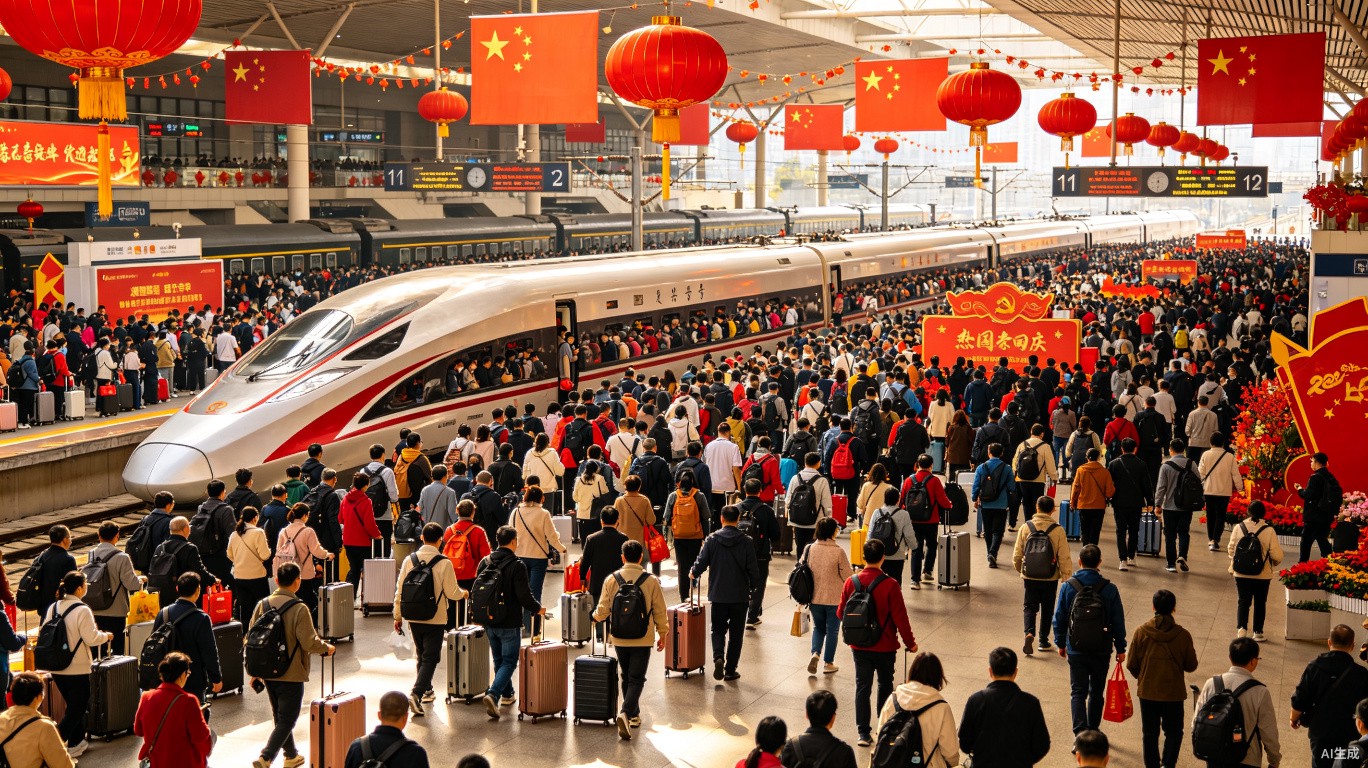
China Golden Week Travel Survival Guide
How to survive China's National Day Golden Week (October 1-7) - what to avoid, where to go, and how to beat the crowds.
9 min read
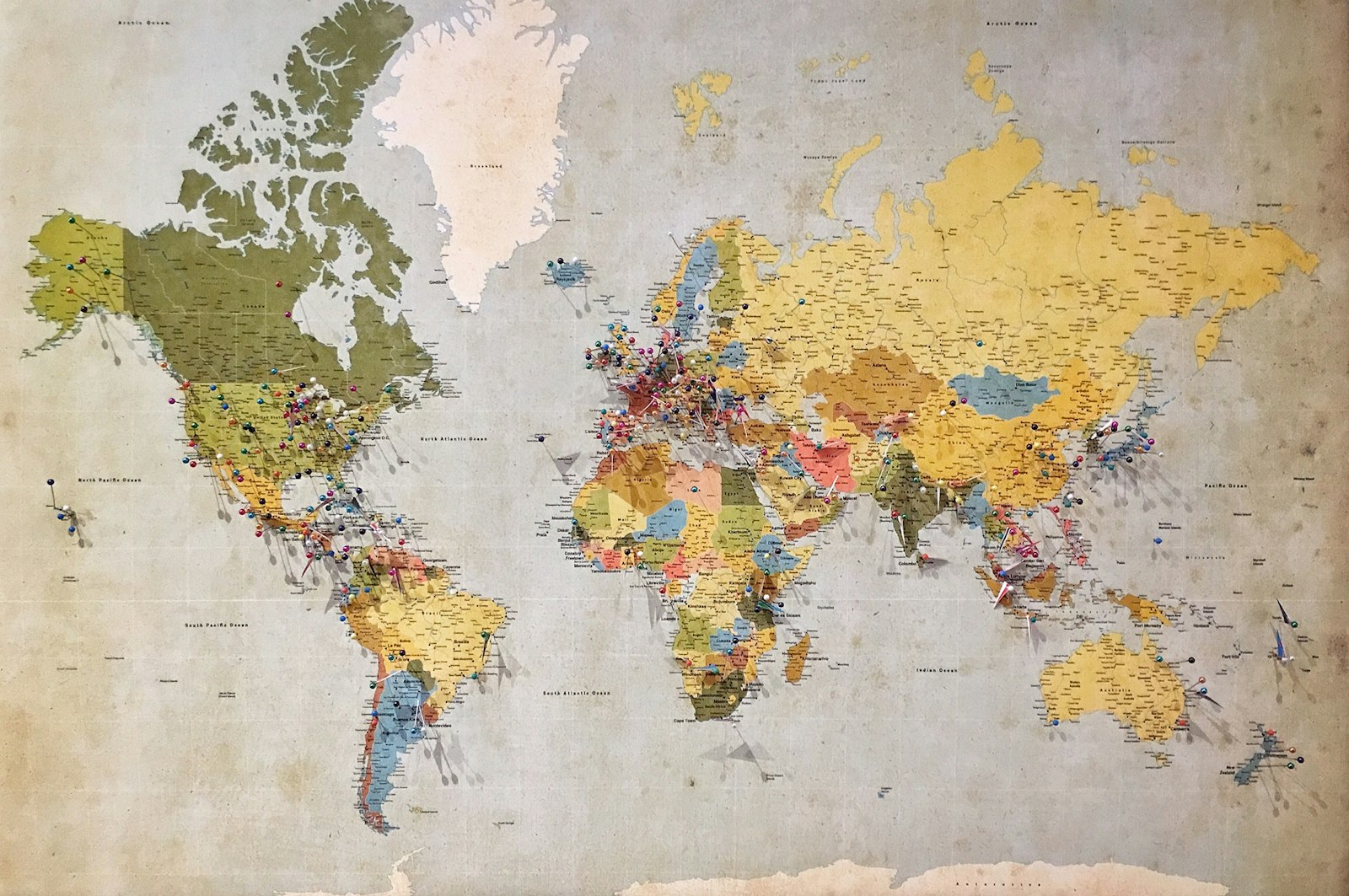
China Itinerary Planning: 7-Day 14-Day and 21-Day Routes: The Complete 2026 G...
Not sure how many days to spend in China? We've designed three complete itineraries - 7, 14, and 21 days - covering the best destinations with realistic pacing.
9 min read

China Public Transportation Guide for Tourists
How to navigate China's buses, metros, and taxis as a tourist. Includes subway apps, payment methods, and English-language tips.
8 min read