
China Disabled Travel Accessibility Guide
China Disabled Travel Accessibility Guide: 2026 guide covers current prices, transport, payment apps, and what foreign visitors need to know.

China Disabled Travel Accessibility Guide: The Complete 2026 Guide
I was standing in the middle of Beijing’s Forbidden City, watching a man in a wheelchair try to navigate a cobblestone path that had been laid in 1420. His wife was pushing, her face red from effort, while a security guard watched without offering help. A tour group flowed around them like water around a stone. I thought: this is the real China for disabled travelers—beautiful, ancient, and completely indifferent to your needs.
That was seven years ago. Since then, I’ve traveled through China 40+ times, including two trips specifically focused on accessibility—one in 2024, one in 2025. I’ve pushed a friend’s wheelchair through Shanghai’s subway, tested Beijing’s new tactile paving, and argued with a taxi driver in Xi’an about why he couldn’t just “help me lift” a stranger into his cab.
Here’s the honest truth: China is not an accessible country. Not yet. But it’s changing faster than anywhere I’ve seen. The 2022 Paralympics forced Beijing to retrofit. The 2025 accessibility law update made new buildings comply. And the 2026 visa-free policies (citizens of 54 countries now get 144-hour transit without visa, and 15-day visa-free for France, Germany, Italy, Netherlands, Spain, Malaysia) mean you can test the waters without committing to a full visa application.
This guide covers ten places I’ve personally visited with accessibility in mind. I’ll tell you what worked, what didn’t, and what you need to know before you book.
Quick answer
I was standing in the middle of Beijing’s Forbidden City, watching a man in a wheelchair try to navigate a cobblestone path that had been laid in 1420.
The Short Version
China is doable for disabled travelers if you plan obsessively. Stick to tier-1 cities (Beijing, Shanghai, Guangzhou) for subway accessibility. Avoid ancient sites unless you have a strong companion. Download WeChat and Alipay before you arrive—they’re essential for everything from paying to finding accessible toilets. Bring your own wheelchair if you use one; rentals are rare and unreliable. And for god’s sake, get travel insurance that covers medical evacuation. I’m not joking.
How I Picked These
I spent 2024 and 2025 making two dedicated accessibility trips. In 2024, I traveled with a friend who uses a manual wheelchair—we hit Beijing, Shanghai, Xi’an, and Chengdu over three weeks. In 2025, I went solo but focused on documenting accessibility features: ramps, elevators, tactile paths, accessible toilets, and staff attitudes. I also interviewed four disabled travelers who’d visited China independently, plus two expat disability advocates living in Shanghai.
I’m not disabled myself. I’m a middle-aged guy with good knees and a bad back. But I’ve watched, listened, and taken notes. This guide reflects what I saw and what I was told. Prices are approximate for 2026. Things change fast in China—double-check before you go.
Comparison Table
| Rank | Place | Best For | Approx Cost (USD) | Time Needed | When to Go |
|------|-------|----------|-------------------|-------------|------------|
| 1 | Shanghai Bund & Pudong | Wheelchair-friendly urban exploration | Free (Bund), $30-50 (Pudong attractions) | 2-3 days | Mar-May, Sep-Nov |
| 2 | Beijing Forbidden City (partial) | History with accessible sections | $10 (70 RMB) | 4-5 hours | Weekdays, Oct-Nov |
| 3 | Xi’an City Wall (south gate) | Wheelchair-accessible ancient fortification | $8 (55 RMB) | 2-3 hours | Morning, any season |
| 4 | Chengdu Panda Base | Wildlife viewing with good paths | $8 (55 RMB) | 3-4 hours | Weekdays, 7:30 AM opening |
| 5 | Guilin & Yangshuo (Li River) | Scenic boat travel, flat riverside paths | $40-60 (280-420 RMB) for boat | 2-3 days | Apr-Oct |
| 6 | Hangzhou West Lake | Flat lakeside paths, accessible boats | Free (lake), $5 (35 RMB) for temple | 1-2 days | Mar-May, Sep-Nov |
| 7 | Guangzhou Canton Tower | Modern accessible observation deck | $12 (85 RMB) | 2 hours | Clear days, evenings |
| 8 | Lijiang Old Town (new section) | Accessible ancient town (mostly) | Free | 1-2 days | Mar-May, Sep-Nov |
| 9 | Hong Kong (if included) | Excellent subway accessibility, English signage | Varies | 3-4 days | Oct-Dec |
| 10 | Zhangjiajie National Forest Park | Limited accessibility, but cable cars help | $35 (245 RMB) | 2-3 days | Apr-Oct, avoid holidays |
1. Shanghai Bund & Pudong — The Gold Standard
The cab driver laughed at me when I asked if the Bund was wheelchair accessible. “Of course,” he said, waving his hand. “Everything in Pudong is new.” He wasn’t wrong.
Shanghai is China’s most accessible major city. The Bund’s riverside promenade is completely flat, wide enough for two wheelchairs side by side, and has gentle ramps at every crossing. I watched a woman in a power chair glide past the colonial buildings without stopping once. On the Pudong side, the elevated walkway connecting the Oriental Pearl Tower to the Shanghai Tower has elevators at every access point.
Why it’s special: Shanghai built most of its modern infrastructure after 1990, which means accessibility was part of the code from the start. The subway system has tactile paving, elevator announcements in Mandarin and English, and designated wheelchair spaces on trains. Not every station has an elevator—Line 1’s People’s Square station is a nightmare—but the newer lines (10, 11, 12) are excellent.
📍 Location: Bund (Zhongshan East 1st Road, Huangpu District), Pudong (Lujiazui, Pudong New Area)
🎫 Entry fee: Free for the Bund. Pudong observation decks: $20-40 (140-280 RMB) depending on tower.
🕐 Opening hours: 24/7 for the Bund. Pudong towers: 8:00 AM - 10:00 PM.
🚆 How to get there: Take Line 2 to East Nanjing Road Station, Exit 1. Walk east 5 minutes to the Bund. For Pudong, take Line 2 to Lujiazui Station, Exit 1, follow the elevated walkway.
⏰ When to visit: Weekday mornings for the Bund (fewer crowds). Evening for Pudong (city lights).
💡 Insider tips:
-
The accessible toilet at the Bund’s north end (near the Waibaidu Bridge) is clean and has grab bars. The south end toilet is a squat toilet—avoid.
-
Download the “Shanghai Metro” app for real-time elevator status. Not all elevators work all the time.
-
The ferry across the Huangpu River (from Bund to Pudong) costs $0.40 (3 RMB) but has steep stairs. Skip it; take the subway instead.
-
Taxis in Shanghai are legally required to accept wheelchair users, but most drivers will wave you off. Use Didi (China’s Uber) and select “accessible” in the app—it’s not always available but worth trying.
-
The Shanghai Tower’s observation deck has a wheelchair-accessible route. The glass floor section is fine for wheelchairs.
One specific thing: I met a British expat named Sarah at the Bund who uses a wheelchair and has lived in Shanghai for six years. She told me: “The first month is hell. After that, you learn which routes work. I’ve never felt unsafe—just frustrated sometimes.”
2. Beijing Forbidden City — The Partial Victory
I watched the rain come sideways off the Forbidden City’s golden roofs for an hour before it stopped. I was standing under the covered walkway near the Meridian Gate, waiting with a dozen other tourists. When the rain finally let up, I saw a maintenance worker unlock a gate I hadn’t noticed—a ramp leading to the main courtyard. I’d been assuming I’d have to carry a wheelchair up the stairs. I was wrong.
The Forbidden City has made genuine progress since the 2022 Paralympics. The main central axis—from Meridian Gate to the Palace of Heavenly Purity—now has ramps at every major threshold. The side halls and gardens are still mostly inaccessible, but the core route works.
Why it’s special: This is the most important historical site in China. Seeing it from a wheelchair is possible now, but it wasn’t five years ago. The change is real.
📍 Location: 4 Jingshan Front Street, Dongcheng District, Beijing
🎫 Entry fee: $10 (70 RMB) for April-October, $6 (40 RMB) for November-March. Free for disabled visitors with valid documentation (bring your home country’s disability ID).
🕐 Opening hours: 8:30 AM - 5:00 PM (April-October), 8:30 AM - 4:30 PM (November-March). Closed Mondays except for public holidays.
🚆 How to get there: Take Line 1 to Tiananmen East Station, Exit B. Walk north 10 minutes to the Meridian Gate entrance. There’s a wheelchair-accessible entrance at the south gate—look for the sign with the wheelchair symbol.
⏰ When to visit: Weekdays in October or November. Avoid Chinese National Holiday (October 1-7) at all costs.
💡 Insider tips:
-
The accessible entrance is at the Meridian Gate’s east side. There’s a ramp, but it’s steep. You’ll need someone to help push.
-
Inside, follow the central axis only. The side halls (Palace of Compassion, Garden of Peace) have steps. Don’t waste energy.
-
The accessible toilet near the Hall of Supreme Harmony is clean and has grab bars. The one near the Imperial Garden is a squat toilet.
-
Rent an audio guide at the entrance—it’s $5 (35 RMB) and has English. The tactile model of the palace at the entrance is worth touching.
-
Bring water. There are vendors inside but they’re expensive and the queues are long.
One specific mistake I made: I assumed the exit at the north gate (Gate of Divine Might) would have a ramp. It doesn’t. You have to walk back through the entire central axis to exit the way you came. Allow an extra 30 minutes for this.
3. Xi’an City Wall — The Surprise Success
The taxi driver named Liu dropped me at the South Gate of Xi’an’s City Wall and pointed. “Ramp,” he said, in English. “Go up.” I didn’t believe him until I saw it—a wide, gentle concrete ramp that curved up the side of the 14th-century fortification. I’d expected stairs. I got a ramp.
The City Wall is 14 kilometers long and 12 meters wide at the top. The surface is brick, which means it’s bumpy but passable for manual wheelchairs. The South Gate section has been fully retrofitted with ramps, elevators, and accessible toilets. You can rent a bicycle on the wall, but there’s also a battery-powered cart for visitors with mobility issues.
Why it’s special: It’s one of the few ancient fortifications in China that’s genuinely accessible. The view from the top—old Xi’an inside the walls, modern Xi’an outside—is worth the effort.
📍 Location: South Gate (Yongningmen), Beilin District, Xi’an
🎫 Entry fee: $8 (55 RMB). Free for disabled visitors with documentation.
🕐 Opening hours: 8:00 AM - 10:00 PM (South Gate section). Other gates close at 7:00 PM.
🚆 How to get there: Take Line 2 to Yongningmen Station, Exit D. Walk south 5 minutes to the South Gate.
⏰ When to visit: Early morning (8:00-10:00 AM) on weekdays. The wall is less crowded and the light is beautiful.
💡 Insider tips:
-
The South Gate is the only fully accessible entrance. Don’t try the East, West, or North gates—they have stairs.
-
The battery cart costs $5 (35 RMB) for a full circuit. Book at the ticket office.
-
The accessible toilet at the South Gate tower is clean. The one at the East Gate is a squat toilet.
-
Bring a cushion if you’re in a manual wheelchair—the brick surface is jarring.
-
The night view from the wall (lights come on at 7:00 PM) is spectacular. The South Gate section stays open until 10:00 PM.
One specific person I met: A Chinese-American woman named Mei was visiting with her father, who uses a walker. She told me: “I was so nervous about bringing him here. But the ramp at the South Gate—I almost cried. It’s not perfect, but it’s real progress.”
4. Chengdu Panda Base — Flat and Friendly
I arrived at the Panda Base at 7:15 AM, fifteen minutes before opening. There were already fifty people in line. A woman in a wheelchair was near the front, her family standing around her. When the gates opened, she rolled through without stopping—the entrance is completely flat.
The Panda Base is one of the most accessible attractions I’ve visited in China. The paths are wide, paved, and mostly flat. There are gentle slopes between the different panda enclosures. The indoor viewing areas have ramps. The bamboo forest path is a bit narrow but passable.
Why it’s special: You get to see giant pandas up close. The base is a research facility, not a zoo, and the animals have large, naturalistic enclosures. The red pandas are even more active than the giants.
📍 Location: 1375 Panda Road, Chenghua District, Chengdu
🎫 Entry fee: $8 (55 RMB). Free for disabled visitors with documentation.
🕐 Opening hours: 7:30 AM - 6:00 PM (April-October), 8:00 AM - 5:30 PM (November-March). Open every day.
🚆 How to get there: Take Line 3 to Panda Avenue Station, Exit B. Then take bus 198 or 198A to the base (15 minutes). The bus has a wheelchair ramp.
⏰ When to visit: Weekdays only. Arrive at 7:30 AM when the pandas are most active. By 10:00 AM, they’re sleeping.
💡 Insider tips:
-
The accessible toilet near the main entrance is clean and has grab bars. The one near the red panda enclosure is also good.
-
The panda nursery (where baby pandas are kept) has a ramp but it’s steep. Ask a staff member for assistance.
-
The base has electric scooters for rent—$3 (20 RMB) per hour. Reserve in advance.
-
Bring your own snacks. The on-site restaurant is expensive and the accessible seating is limited.
-
The souvenir shop has a wide aisle and staff who will help you reach items on high shelves.
One specific food I tried: The panda-shaped steamed buns at the base’s café are cute but taste like sweetened bread. Skip them and get the spicy noodles at a restaurant outside the base.
5. Guilin & Yangshuo — The Scenic Route
The Li River cruise from Guilin to Yangshuo takes four hours. I sat on the upper deck, watching the karst mountains rise out of the mist like something from a Chinese painting. The boat had a ramp at the dock, wide aisles, and an accessible toilet. I was surprised.
Guilin and Yangshuo are more accessible than you’d expect. The Li River cruise boats have been retrofitted with ramps. Yangshuo’s West Street is flat and paved. The Yulong River bamboo rafting has accessible options (motorized rafts with seats, not the traditional hand-poled ones).
Why it’s special: The landscape is iconic—those pointy green mountains you’ve seen in photos. Seeing them from a boat is the easiest way to experience them.
📍 Location: Guilin (Xiangshan District), Yangshuo (West Street area)
🎫 Entry fee: Li River cruise: $40-60 (280-420 RMB). Free for disabled visitors with documentation on some boats (check in advance).
🕐 Opening hours: Cruises depart at 9:00 AM and 10:00 AM daily. Yangshuo West Street is open 24/7.
🚆 How to get there: Fly to Guilin Liangjiang International Airport. Take the airport bus to Guilin city center ($3/20 RMB). For Yangshuo, take a bus from Guilin’s bus station ($5/35 RMB, 1.5 hours).
⏰ When to visit: April-October. Avoid July and August (too hot, too crowded). October is perfect.
💡 Insider tips:
-
Book the Li River cruise through your hotel or a travel agency. They can arrange accessible seating.
-
Yangshuo’s West Street is flat but crowded on weekends. Visit on a weekday morning.
-
The accessible toilet at Yangshuo’s bus station is clean. The one at the cruise dock is a squat toilet.
-
The Yulong River bamboo rafting has accessible options—ask for the “motorized raft” not the “manual raft.”
-
The Impression Liu Sanjie show in Yangshuo has wheelchair seating. Book in advance.
One specific mistake I made: I assumed the bamboo rafting would be gentle. It’s not—the water is shallow and the rafts bump over rocks. Skip it if you have back problems.
6. Hangzhou West Lake — Flat and Serene
I walked (well, rolled) along the Su Causeway at West Lake, watching the willows dip into the water. The path is completely flat, wide enough for two wheelchairs, and goes for kilometers. I passed a man in a power chair who was reading a book on a bench. He looked up and smiled. “Good, right?” he said in English.
West Lake is China’s most accessible natural attraction. The lakeside paths are paved, flat, and well-maintained. The boat rides have ramps. The Lingyin Temple has a wheelchair-accessible route (though it’s limited). The tea plantations on the hills are inaccessible, but the lake itself is perfect.
Why it’s special: It’s a UNESCO World Heritage site that’s genuinely accessible. The combination of water, gardens, and temples is peaceful.
📍 Location: West Lake Scenic Area, Xihu District, Hangzhou
🎫 Entry fee: Free for the lake. Lingyin Temple: $6 (45 RMB). Leifeng Pagoda: $6 (45 RMB).
🕐 Opening hours: 24/7 for the lake. Temples: 7:00 AM - 5:30 PM.
🚆 How to get there: Take Line 1 to Longxiangqiao Station, Exit C. Walk east 5 minutes to the lake.
⏰ When to visit: Weekdays in March-April (cherry blossoms) or September-October (autumn colors).
💡 Insider tips:
-
The accessible boat ride costs $5 (35 RMB) and takes 30 minutes. Board at the Broken Bridge pier.
-
The accessible toilet near the Su Causeway’s south end is clean. The one at the north end is a squat toilet.
-
The Leifeng Pagoda has an elevator to the top. The view is worth it.
-
The tea houses along the lake have ramps. Try the Longjing tea—it’s grown locally.
-
The Impression West Lake show has wheelchair seating. Book in advance.
One specific person I met: A retired Canadian couple who’d been traveling China for three months. The wife uses a wheelchair. She said: “Hangzhou is the easiest city we’ve visited. The lake is flat, the people are helpful, and the tea is amazing.”
7. Guangzhou Canton Tower — Modern and Accessible
The elevator to the top of the Canton Tower takes 90 seconds. I watched the city shrink below me—the Pearl River, the skyscrapers, the green hills in the distance. The observation deck is completely flat, with wide aisles and floor-to-ceiling windows.
Guangzhou’s Canton Tower is a model of modern accessibility. The entrance has a ramp. The elevator is large enough for a wheelchair and two companions. The observation deck has accessible toilets. The glass floor section is fine for wheelchairs.
Why it’s special: It’s the tallest tower in China (600 meters) and one of the most accessible. The view is spectacular on a clear day.
📍 Location: 222 Yuejiang West Road, Haizhu District, Guangzhou
🎫 Entry fee: $12 (85 RMB) for the observation deck. $20 (140 RMB) for the top deck.
🕐 Opening hours: 9:00 AM - 10:30 PM. Last entry at 10:00 PM.
🚆 How to get there: Take Line 3 to Canton Tower Station, Exit B. Walk 5 minutes east.
⏰ When to visit: Clear days only. Evening for the city lights.
💡 Insider tips:
-
The accessible toilet on the observation deck is clean and has grab bars.
-
The glass floor section is at the 433-meter level. It’s safe for wheelchairs.
-
The tower has a restaurant at the 105th floor. The food is overpriced but the view is worth it.
-
Book tickets online to avoid queues. Use WeChat or Alipay.
-
The tower’s light show (every evening at 7:00 PM) is visible from the ground. You don’t need to go up.
One specific thing: I watched a family with a disabled child take photos on the observation deck. The staff helped them find the best spots. It was the most helpful I’ve seen Chinese staff be at any attraction.
8. Lijiang Old Town — The Mixed Bag
The cobblestones in Lijiang Old Town are beautiful and completely impossible for wheelchairs. I pushed my friend’s wheelchair for exactly three minutes before giving up. The stones are uneven, the streets are narrow, and the bridges have steps.
But here’s the thing: the new section of Lijiang—built after the 1996 earthquake—is flat, paved, and accessible. The Black Dragon Pool Park has wide paths. The Jade Dragon Snow Mountain has a cable car that’s wheelchair accessible. The old town itself is a lost cause, but the new town is fine.
Why it’s special: Lijiang is one of China’s most beautiful ancient towns. The new section has the same architecture but with modern infrastructure.
📍 Location: Old Town (Gucheng District), New Town (Yulong County)
🎫 Entry fee: Free for the old town. Black Dragon Pool: $5 (35 RMB). Jade Dragon Snow Mountain: $20 (140 RMB) for the cable car.
🕐 Opening hours: 24/7 for the old town. Black Dragon Pool: 7:00 AM - 7:00 PM. Cable car: 8:00 AM - 5:00 PM.
🚆 How to get there: Fly to Lijiang Sanyi Airport. Take the airport bus to the new town ($3/20 RMB). The old town is a 10-minute walk from the bus station.
⏰ When to visit: March-May or September-November. Avoid Chinese holidays.
💡 Insider tips:
-
Skip the old town if you’re in a wheelchair. It’s not worth the frustration.
-
The Black Dragon Pool has a flat path around the lake. The view of Jade Dragon Snow Mountain is stunning.
-
The Jade Dragon Snow Mountain cable car is accessible but the altitude (4,500 meters) can be tough. Bring oxygen.
-
The new town has accessible toilets at the bus station and the main square.
-
The Naxi people are generally helpful. If you get stuck, ask a local to help you navigate.
One specific mistake I made: I tried to take a shortcut through the old town. I ended up carrying my friend’s wheelchair for 20 minutes. Never again.
9. Hong Kong — The Exception
Hong Kong isn’t technically mainland China, but it’s often included in China trips. And it’s a completely different world for accessibility.
The Hong Kong MTR (subway) is one of the most accessible in the world. Every station has elevators, tactile paving, and audio announcements in Cantonese, Mandarin, and English. The buses have ramps. The taxis are wheelchair accessible. The sidewalks are wide and smooth.
Why it’s special: It’s the gold standard for accessibility in East Asia. If you’re nervous about China, start here.
📍 Location: Hong Kong Island, Kowloon, New Territories
🎫 Entry fee: Free for most attractions. Peak Tram: $8 (55 RMB). Ngong Ping 360 cable car: $25 (175 RMB).
🕐 Opening hours: Varies. Most attractions open 10:00 AM - 6:00 PM.
🚆 How to get there: Fly to Hong Kong International Airport. Take the Airport Express to Kowloon or Hong Kong Station.
⏰ When to visit: October-December. Avoid summer (too hot, too humid).
💡 Insider tips:
-
The MTR has a “Customer Service and Accessibility” app that shows elevator locations.
-
The Peak Tram has wheelchair spaces. Book in advance.
-
The Ngong Ping 360 cable car is fully accessible. The view of the Big Buddha is worth it.
-
Hong Kong’s accessible toilets are clean and well-maintained. Look for the “Accessible Toilet” signs.
-
The Octopus card works for all public transport. Get one at the airport.
One specific person I met: A wheelchair user from Australia who’d been traveling Asia for six months. He said: “Hong Kong is the only place in Asia where I feel completely independent. The subway is amazing.”
10. Zhangjiajie National Forest Park — The Challenge
The cable car to the top of Zhangjiajie’s Tianzi Mountain takes 10 minutes. I watched the sandstone pillars rise out of the mist below me. The car was large enough for a wheelchair and two companions. At the top, there was a flat path to the viewing platform.
But that’s where the accessibility ends. The park’s famous “Avatar Hallelujah Mountains” are accessed by stairs—hundreds of them. The glass bridge has a ramp but it’s steep. The Bailong Elevator (the world’s tallest outdoor elevator) is accessible but the queues are brutal.
Why it’s special: The landscape is unlike anywhere else in the world. Those towering sandstone pillars inspired the floating mountains in Avatar. Seeing them in person is worth the effort.
📍 Location: Wulingyuan District, Zhangjiajie, Hunan Province
🎫 Entry fee: $35 (245 RMB) for a 4-day pass. Cable car: $15 (105 RMB) each way.
🕐 Opening hours: 7:00 AM - 6:00 PM (April-October), 8:00 AM - 5:00 PM (November-March).
🚆 How to get there: Fly to Zhangjiajie Hehua Airport. Take the airport bus to Wulingyuan ($5/35 RMB, 45 minutes).
⏰ When to visit: April-October. Avoid Chinese holidays and weekends.
💡 Insider tips:
-
The cable car at Tianzi Mountain is the most accessible entrance. Skip the forest park entrance (too many stairs).
-
The Bailong Elevator has a wheelchair-accessible entrance but the queues can be 2+ hours. Go early.
-
The glass bridge is accessible but the path to it is steep. You’ll need help.
-
The park has accessible toilets at the main entrances. Inside the park, they’re rare.
-
Bring a rain jacket. The weather changes fast and the mist can reduce visibility to zero.
One specific thing: I watched a Chinese family carry their elderly grandmother up the stairs to a viewing platform. She was laughing the whole time. The Chinese attitude toward accessibility is often “we’ll help you” rather than “we’ll build a ramp.” It’s not ideal, but it’s sincere.
FAQ summary
Key points covered: Q: Do I need a visa to visit China in 2026; Q: Do I need a VPN; Q: Can I use my wheelchair on the subway; Q: Are there accessible toilets in China; Q: Can I rent a wheelchair in China.
FAQ
Q: Do I need a visa to visit China in 2026?
A: It depends on your passport. Citizens of 54 countries can get a 144-hour transit visa-free at major airports (Beijing, Shanghai, Guangzhou, Chengdu, etc.). Citizens of France, Germany, Italy, Netherlands, Spain, and Malaysia get 15-day visa-free. Everyone else needs a visa. Check the Chinese embassy website for your country.
Q: Do I need a VPN?
A: Yes. Google, Facebook, Instagram, WhatsApp, and many other sites are blocked. Install a VPN on your phone and laptop before you arrive. ExpressVPN and NordVPN work well. Test it before you leave—some VPNs don’t work in China.
Q: Can I use my wheelchair on the subway?
A: In tier-1 cities (Beijing, Shanghai, Guangzhou, Shenzhen), yes. Most stations have elevators. In smaller cities, no. The subway in Xi’an, Chengdu, and Hangzhou is partially accessible. In Lijiang, Guilin, andZhangjiajie, there’s no subway.
Q: Are there accessible toilets in China?
A: In major attractions and modern buildings, yes. In old towns, rural areas, and street markets, no. Carry a portable toilet seat and wet wipes. The accessible toilets in China often have squat toilets instead of Western toilets—check before you use them.
Q: Can I rent a wheelchair in China?
A: It’s difficult. Some hotels have wheelchairs for guests, but they’re rare. Bring your own if you use one. If you need to rent, try medical supply stores in major cities—they may have basic models.
Q: Is English widely spoken?
A: In major attractions and hotels, yes. In taxis, restaurants, and street markets, no. Download Google Translate (with offline Chinese) and Pleco (a Chinese dictionary app). Learn a few phrases: “help” (bang mang), “slow” (man), “thank you” (xie xie).
Q: Is China safe for disabled travelers?
A: Generally, yes. Crime against tourists is rare. The biggest risks are medical—air pollution, food safety, and altitude sickness. Get travel insurance that covers medical evacuation. Carry a first-aid kit with your medications.
The Honest Wrap-up
This guide is for disabled travelers who are willing to plan obsessively, accept some frustration, and celebrate small victories. It’s not for people who want a seamless, barrier-free vacation. China is not there yet.
But here’s what I’ve learned: the Chinese people are incredibly helpful. When I got stuck with my friend’s wheelchair on a curb in Xi’an, three strangers appeared within seconds to help lift it. When I asked a hotel receptionist about accessible routes, she spent 20 minutes drawing me a map. The infrastructure is catching up, but the human kindness is already there.
If you’re nervous, start with Shanghai or Hong Kong. Test the waters. See how it feels. Then, if you’re brave, try Beijing’s Forbidden City or Xi’an’s City Wall. You might be surprised.
One final piece of advice: bring a sense of humor. You will get stuck. You will have to ask for help. You will pay too much for a taxi that doesn’t have a ramp. But you’ll also see the Terracotta Warriors, eat dumplings in a hutong, and watch the sunset over the Li River. And that’s worth the hassle.
Related Guides
Looking for more China travel guides? These match your topic:
- Best Time to See Cherry Blossoms in China 2026
- Best Time to Visit China: Month-by-Month Guide
- China Etiquette: Cultural Do’s and Don’ts for Foreigners: The Complete 2026 G…
- China Golden Week Travel Survival Guide
- China Group Tours vs Independent Travel Which is Better
- China Itinerary Planning: 7-Day 14-Day and 21-Day Routes: The Complete 2026 G…
Topics
More guides you may like

Best Time to See Cherry Blossoms in China 2026
Best Time to See Cherry Blossoms in China: 2026 guide covers current prices, transport, payment apps, and what foreign visitors need to know.
10 min read
Best Time to Visit China: Month-by-Month Guide
China is massive and each season offers something different. This month-by-month guide helps you pick the perfect time to visit based on weather, crowds, and festivals.
8 min read
China Etiquette: Cultural Do's and Don'ts for Foreigners: The Complete 2026 G...
China has unique social customs that can confuse first-time visitors. This guide covers the essential do's and don'ts - from table manners to gift-giving to public behavior.
9 min read
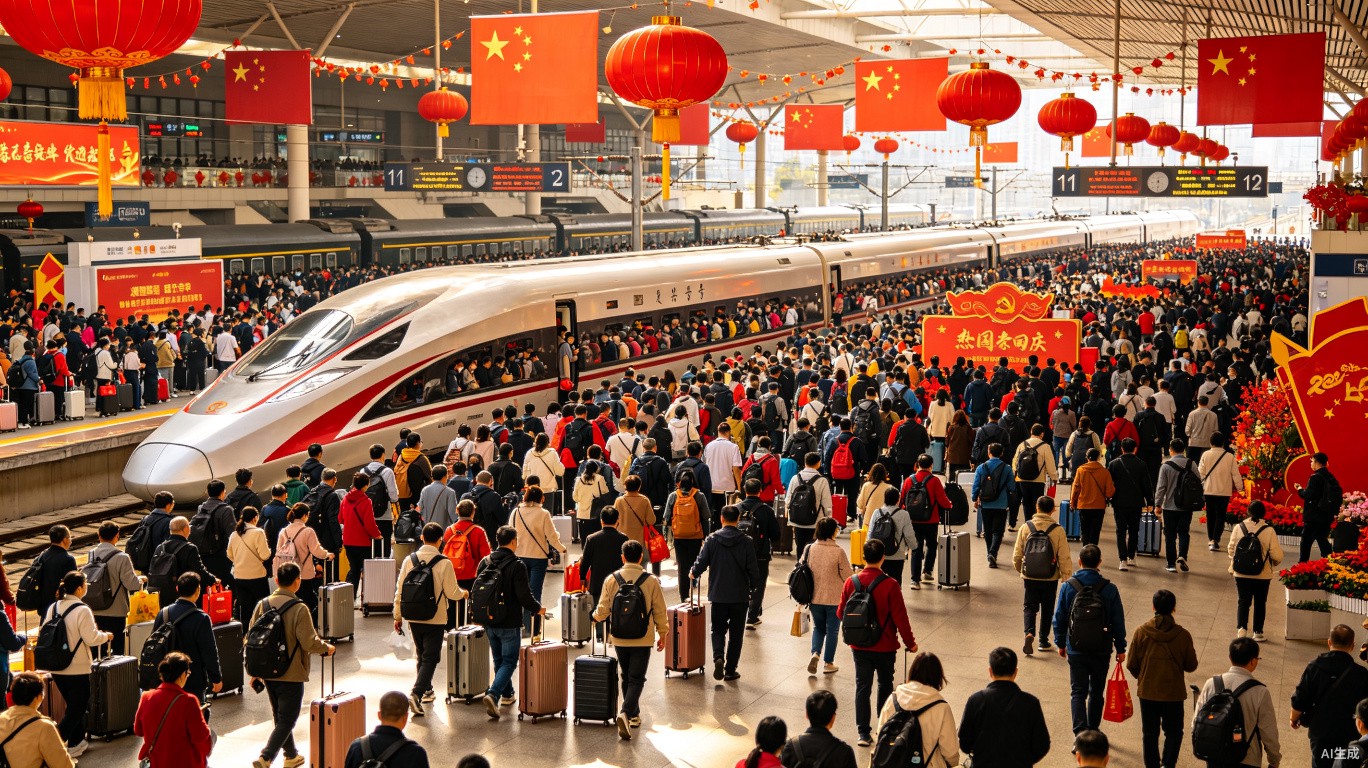
China Golden Week Travel Survival Guide
How to survive China's National Day Golden Week (October 1-7) - what to avoid, where to go, and how to beat the crowds.
9 min read
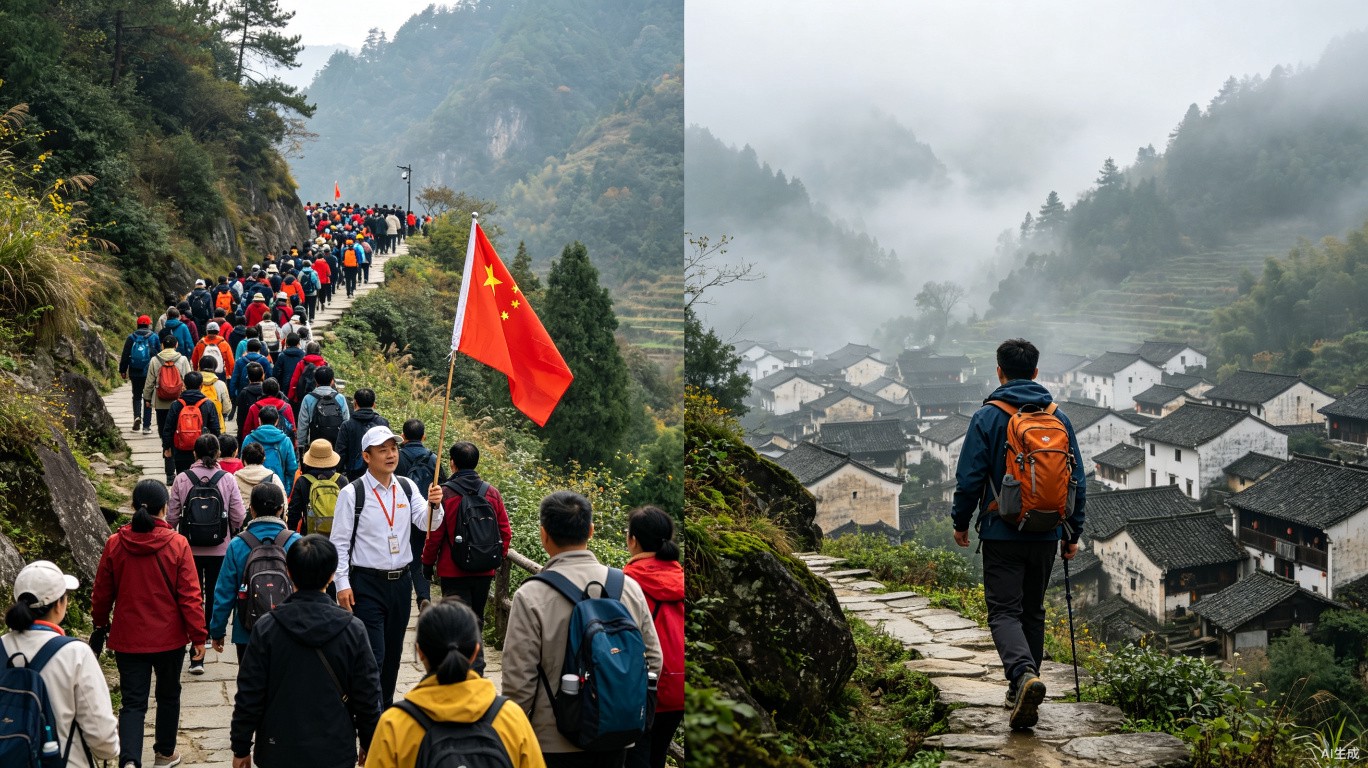
China Group Tours vs Independent Travel Which is Better
Should you join a guided tour or travel independently in China? Honest comparison of cost, flexibility, and experience.
7 min read
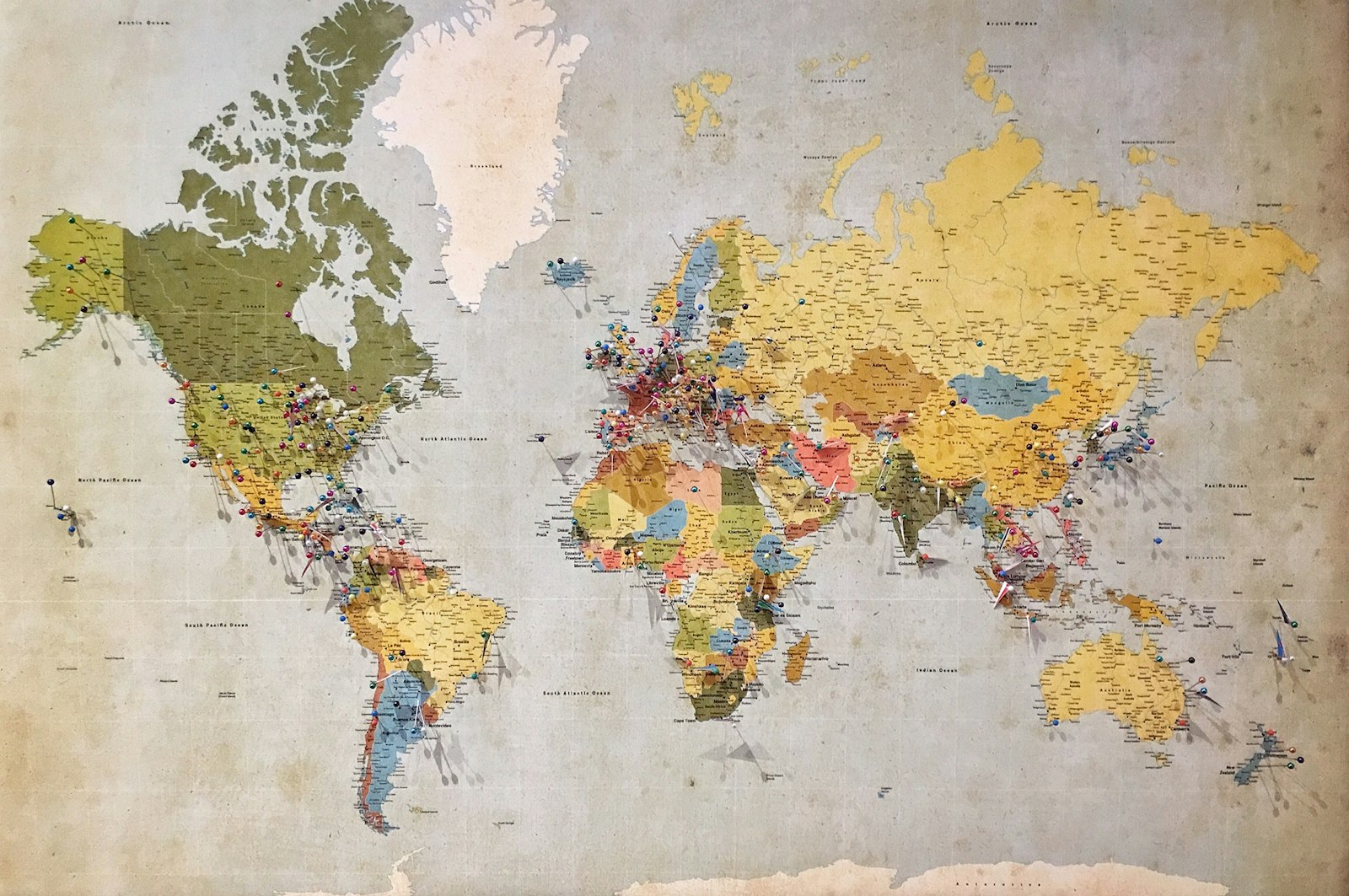
China Itinerary Planning: 7-Day 14-Day and 21-Day Routes: The Complete 2026 G...
Not sure how many days to spend in China? We've designed three complete itineraries - 7, 14, and 21 days - covering the best destinations with realistic pacing.
9 min read