
China Ice and Snow Festival Harbin 2026
China Ice and Snow Festival Harbin: 2026 guide covers current prices, transport, payment apps, and what foreign visitors need to know.
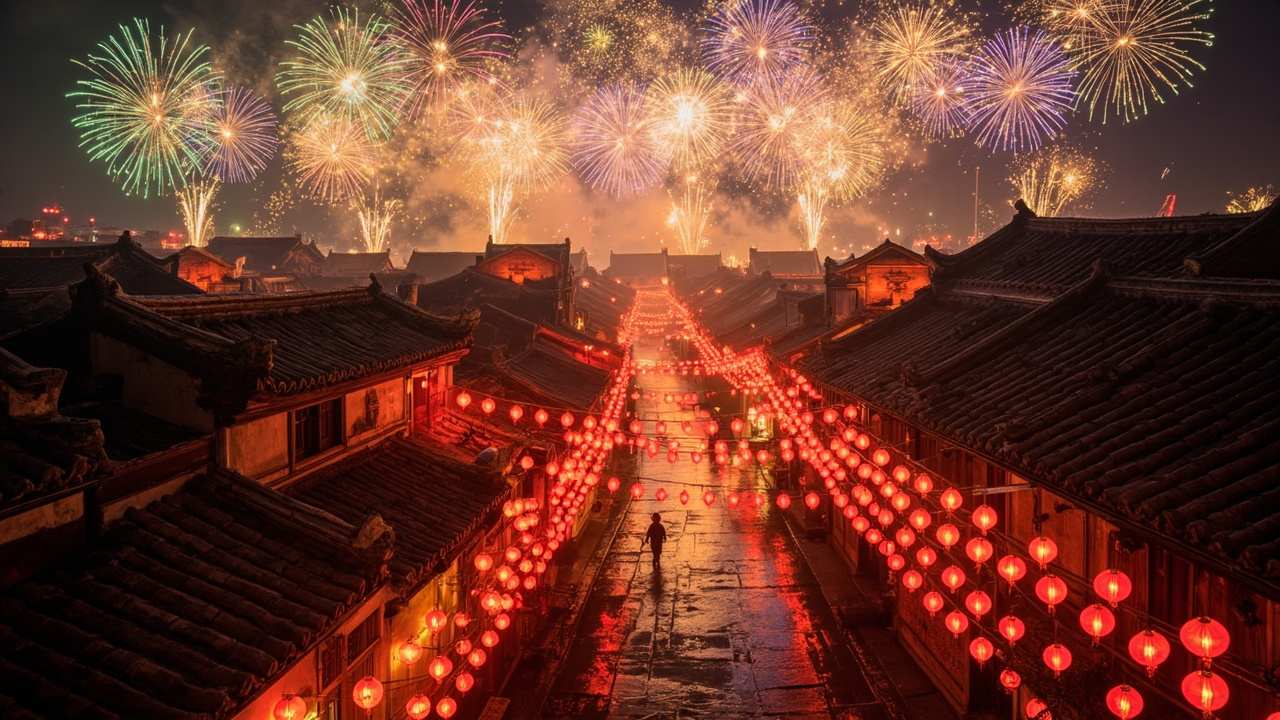
China Ice and Snow Festival Harbin 2026: The Complete 2026 Guide
The cold hit me like a wall the second I stepped off the train. Minus 28°C, and I’d dressed like I was going for a winter walk in London. My phone died in under three minutes. My beard froze solid. And yet, standing there in Harbin’s main square at 9 PM, watching a city carved entirely from ice glow pink and blue under colored lights, I forgot I had toes at all.
That was my first Ice and Snow Festival, seven years ago. I’ve been back four times since. Each visit, I learn something new about how to survive it, how to enjoy it, and which parts are genuinely worth your money versus which ones exist purely for Instagram.
This guide covers the 2026 festival season—what’s changed, what’s stayed the same, and exactly how a first-time international visitor can navigate Harbin without losing a finger to frostbite or a week’s budget to overpriced tickets.
Quick answer
The cold hit me like a wall the second I stepped off the train. Minus 28°C, and I’d dressed like I was going for a winter walk in London. My phone died in under three minutes. My beard froze solid.
The Short Version
Harbin’s Ice and Snow Festival runs from early January to late February 2026, with the main ice sculpture park (Ice and Snow World) opening around January 5th. It’s cold—colder than anywhere you’ve ever been. You need thermal layers, a good winter jacket, hand warmers, and a backup battery for your phone. The festival is spread across three main sites: Ice and Snow World (big, expensive, spectacular), Sun Island Snow Sculpture Expo (quieter, more artistic), and Zhaolin Park Ice Lantern Fair (older, smaller, more charming). Skip the Siberian Tiger Park unless you really like sad-looking tigers. Stay near Central Street. Eat hotpot every night. Bring cash for street vendors.
How I Picked These
I’ve visited Harbin in January four times—once solo, twice with friends who’d never been to China, and once for a week-long photography project. I’ve stood in lines at Ice and Snow World for 90 minutes and I’ve gone on a Tuesday morning when there were maybe 200 people total. I’ve eaten street food that gave me food poisoning and street food that changed my life. I’ve argued with taxi drivers who didn’t speak English and I’ve sat in a Russian restaurant with a Harbin local who explained why the city feels more like Siberia than Shanghai.
Every recommendation here comes from first-hand experience, conversations with locals, and the specific mistakes I’ve made so you don’t have to.
Comparison Table
| Rank | Place | Best For | Approx Cost (USD) | Time Needed | When to Go |
|------|-------|----------|-------------------|-------------|------------|
| 1 | Ice and Snow World | The main event, massive ice castles | $45 (¥320) | 3-4 hours | Weekday, 3 PM (sunset transition) |
| 2 | Sun Island Snow Expo | Artistic snow sculptures, fewer crowds | $35 (¥250) | 2-3 hours | Morning, weekday |
| 3 | Zhaolin Park Ice Lanterns | Traditional lanterns, local vibe | $10 (¥70) | 1-2 hours | Evening, any day |
| 4 | Central Street | Food, shopping, architecture | Free | 2-3 hours | Late afternoon |
| 5 | Saint Sophia Cathedral | Russian architecture, photo spot | $5 (¥35) | 30 min | Late afternoon for golden hour |
| 6 | Harbin Ice and Snow World (night show) | Light show, music, spectacle | Included in entry | 1 hour extra | 7 PM show |
| 7 | Volga Manor | Russian-themed resort, quieter | $25 (¥180) | Half day | Weekday |
| 8 | Harbin Polarland | Indoor penguin/ice show | $30 (¥210) | 2 hours | Anytime (indoor) |
| 9 | Siberian Tiger Park | Controversial, real tigers | $25 (¥180) | 1-2 hours | Morning feeding |
| 10 | Yabuli Ski Resort | Skiing, snowboarding | $50-100 (¥350-700) | Full day | January weekdays |
1. Ice and Snow World — The One Everyone Talks About
I remember standing at the entrance for the first time, watching a Japanese tourist next to me take off her glove to touch an ice wall, then immediately put it back on. The scale is absurd. These aren’t snowmen. These are cathedrals, castles, and city walls made from blocks of ice harvested from the Songhua River, each one lit from within by LED strips.
The 2026 theme is “Northern Lights Dream,” which means more color-changing ice and a central pavilion that supposedly mimics the aurora borealis. I haven’t seen it yet, but the concept sketches look impressive.
Is it worth $45? Yes, once. Go at 3 PM when the gates open. You’ll see everything in daylight, then watch the lights come on as the sun sets around 4:30. That transition—gray ice turning to blue, then pink, then electric green—is the best 45 minutes of the entire festival. Stay for the 7 PM light show if you have the patience. It’s loud, crowded, and a bit cheesy, but kids love it.
📍 Songbei District, Harbin
🎫 $45 (¥320) for adults. Free for children under 1.2m.
🕐 11 AM – 10 PM daily (gates open 11, but ice looks best after 3 PM)
🚆 Take Metro Line 2 to Ice and Snow World Station, Exit 3. Walk 10 minutes north. Taxi from Central Street costs about $5 (¥35).
⏰ Best on weekdays. Avoid weekends and Chinese New Year week (late January 2026).
💡 Insider tips:
-
Buy tickets online via WeChat mini-program “哈尔滨冰雪大世界” (Harbin Ice and Snow World). Shows QR code. No printing needed.
-
Bring hand warmers. The ones you stick in your gloves. Your phone will die in 20 minutes without them.
-
There’s a free hot drink station near the central pavilion. Look for the red tent.
-
Wear boots with serious grip. The ice paths get polished smooth by thousands of feet.
-
Don’t bother with the paid “VIP fast pass.” The line moves fast enough.
I met a guy from Malaysia who’d never seen snow before. He stood under a 30-meter ice tower for ten minutes, just staring up. I didn’t interrupt him.
2. Sun Island Snow Sculpture Expo — The Art You Actually Want to See
If Ice and Snow World is the blockbuster movie, Sun Island is the art-house film. The sculptures here are carved from snow, not ice, and the detail is something else. I watched a sculptor spend three hours working on a single eagle’s wing, using what looked like a putty knife and a spray bottle.
The 2026 expo features works from 20 countries, including a 15-meter replica of the Taj Mahal and a series of smaller pieces by Japanese artists that are almost impossibly delicate. The snow is packed so tightly it feels like marble.
It’s quieter here. Fewer crowds. More space to actually look at things. The downside? It’s outdoors, exposed to the wind, and there’s less shelter. Dress warmer than you think you need.
📍 Sun Island Scenic Area, Songbei District
🎫 $35 (¥250) adults, $20 (¥140) students with ID
🕐 8:30 AM – 5 PM daily
🚆 Take Metro Line 2 to World Trade City Station, Exit 1, then take bus 29 or taxi (10 minutes, about $3/¥20).
⏰ Morning, weekday. By 11 AM the tour groups arrive.
💡 Insider tips:
-
The best photo spot is from the wooden bridge near the west entrance, looking east at 4 PM.
-
There’s a small heated pavilion with hot tea and instant noodles. Bring your own cup.
-
English signage is minimal. Download Pleco dictionary app before you go.
-
Don’t touch the sculptures. The oil from your skin ruins the snow surface.
-
The “Snow Maze” is a waste of time. Skip it.
I bought a bag of roasted chestnuts from a vendor near the entrance. He charged me double because I’m foreign. I didn’t argue. They were the best chestnuts I’ve ever eaten.
3. Zhaolin Park Ice Lantern Fair — The Original, and Still the Best
This is where the festival started, back in 1963. It’s smaller, older, and less polished than the newer parks. That’s exactly why I like it.
The ice lanterns are traditional—hollow blocks of ice with candles inside, arranged along pathways and around frozen ponds. No LED strips. No electronic music. Just firelight through ice, reflecting off snow. It feels like walking through a fairy tale from 50 years ago.
The 2026 edition has added a few modern touches—a small ice slide for kids, a hot food area with proper Harbin sausages—but the core experience hasn’t changed. It’s charming in a way the bigger parks aren’t.
📍 Zhaolin Park, Daoli District
🎫 $10 (¥70) adults, free for children under 1.2m
🕐 10 AM – 9 PM daily (best after dark, 5 PM onwards)
🚆 Take Metro Line 2 to Central Street Station, Exit 1. Walk 15 minutes east. Or taxi from Central Street, about $2 (¥15).
⏰ Evening, any day. Weekends are busier but still manageable.
💡 Insider tips:
-
Go at 5 PM when the lanterns are first lit. You’ll see them transition from unlit to glowing.
-
The sausages near the south gate are the real deal. ¥10 each.
-
There’s a small ice skating rink for kids. Bring your own skates if you have them.
-
No English at all. Point and smile.
-
The “lantern making” workshop is fun for 10 minutes. Don’t pay extra.
I watched an elderly Chinese couple take a selfie in front of a lantern shaped like a rabbit. The woman adjusted her husband’s scarf three times before she was satisfied. He stood there patiently, smiling. That’s the energy of this place.
4. Central Street (Zhongyang Dajie) — The Spine of Harbin
This is where you’ll spend most of your non-festival time. Central Street is a 1.4-kilometer pedestrian boulevard lined with early 20th-century European buildings—Russian, French, German, Byzantine. It looks more like St. Petersburg than any Chinese city I’ve seen.
In winter, the street is packed with tourists, vendors, and locals. The air smells of grilled meat, fried bread, and the exhaust from horse-drawn carriages that clip-clop through the crowds. You’ll find Harbin’s famous sausages (smoky, garlicky, addictive), Russian bread, and something called “ice cream on a stick” that locals eat at -20°C without flinching.
The 2026 season has a new ice sculpture display at the north end—a 20-meter dragon that changes color. It’s fine. The real reason to come here is the food and the architecture.
📍 Daoli District, runs from Jingwei Street to the Flood Control Monument
🎫 Free
🕐 Shops open 9 AM – 10 PM. Street is always accessible.
🚆 Take Metro Line 2 to Central Street Station, Exit 1. You’re on the street.
⏰ Late afternoon (3-5 PM) for fewer crowds and good light. Evenings are packed.
💡 Insider tips:
-
The Harbin Beer bar on the corner of Youyi Road has the cheapest draft beer in the district. ¥8 per glass.
-
Try the “Guo Bao Rou” (锅包肉) at Lao Changchun Restaurant. It’s sweet and sour pork, Harbin-style.
-
The Russian souvenir shops are overpriced. Buy your matryoshka dolls at the small shop on the side street, not the main road.
-
Horse-drawn carriages cost ¥50 for a 10-minute ride. Negotiate.
-
There’s a free heated rest area in the basement of the Harbin Department Store. Good for warming up.
I sat in a small dumpling shop near the south end, sharing a table with a Russian tour guide who told me she’d been coming to Harbin for 15 years. “The city changes every year,” she said, “but the cold never does.”
5. Saint Sophia Cathedral — The Photo You’ll Post
Saint Sophia is a Russian Orthodox cathedral built in 1907, now a museum of Harbin’s architectural history. It’s not a functioning church. It’s a beautiful brick building with green onion domes that looks like it was airlifted from Moscow.
The square in front is always full of photographers, couples taking wedding photos, and pigeons. In winter, the snow on the green domes creates a contrast that’s genuinely stunning. The interior is less impressive—a small museum with old photos and models of buildings that no longer exist. Spend 20 minutes inside, then spend 30 minutes outside taking photos.
📍 88 Toulong Street, Daoli District
🎫 $5 (¥35) adults
🕐 9 AM – 5 PM daily (last entry 4:30 PM)
🚆 Take Metro Line 2 to Central Street Station, Exit 2. Walk 10 minutes south.
⏰ Late afternoon for golden hour light on the domes.
💡 Insider tips:
-
The best angle is from the southeast corner of the square, looking northwest.
-
Go at 4 PM in January. The sun sets behind the cathedral.
-
The museum inside is boring. Don’t feel bad skipping it.
-
There’s a Starbucks across the street if you need to warm up.
-
Street vendors sell roasted sweet potatoes nearby. Buy one. ¥5.
I watched a Chinese wedding shoot here. The bride was wearing a sleeveless dress in -25°C. She smiled for 45 minutes straight. I don’t know how.
6. Harbin Ice and Snow World Night Show — The Spectacle You’ll Endure
I’m including this because you’ll probably end up at it anyway. The night show runs at 7 PM and 8:30 PM, featuring music, laser lights, and a “snowfall” effect that’s actually foam from machines. It’s loud, crowded, and designed for Chinese domestic tourists who love a good production.
The 2026 show has a new “Northern Lights” projection on the main ice castle. It’s pretty. It’s also impossible to see if you’re shorter than 1.8 meters because everyone holds their phones up.
📍 Inside Ice and Snow World
🎫 Included in entry fee
🕐 7 PM and 8:30 PM, 20 minutes each
🚆 Same as Ice and Snow World
⏰ Go to the 7 PM show. The 8:30 show is more crowded.
💡 Insider tips:
-
Stand near the back. The view is better and you won’t get pushed.
-
The best spot is on the raised platform near the hot drink tent.
-
Leave immediately after the show ends. Everyone else will too, and the exit gets jammed.
-
Don’t bother recording the whole thing. Your phone battery will die. Just watch.
I stood next to a family from Guangzhou who had never seen snow before. The kids were screaming with joy. The parents were shivering and laughing. It was the best part of the show.
7. Volga Manor — The Russian Theme Park That Actually Works
Volga Manor is a Russian-themed resort about 30 minutes outside Harbin. It sounds touristy. It is touristy. But it’s also genuinely beautiful—wooden Russian dachas, a small church, horse-drawn sleigh rides, and a restaurant serving borscht and pelmeni.
The 2026 season has added a new “Russian Winter Festival” with folk dancing, vodka tasting, and a small ice skating rink. It’s aimed at Chinese tourists who want to experience “Russia without leaving China.” For international visitors, it’s a pleasant half-day trip if you’re tired of ice sculptures.
The sleigh ride through the birch forest is the highlight. It costs extra ($15/¥100) but it’s worth it for the silence and the snow.
📍 1 Xiangshui Road, Harbin
🎫 $25 (¥180) adults, includes basic activities
🕐 9 AM – 5 PM daily
🚆 Take bus 47 from Harbin East Railway Station, or taxi (40 minutes, about $20/¥140)
⏰ Weekday morning. Weekends are crowded with families.
💡 Insider tips:
-
The vodka tasting is free with entry. The pours are small.
-
The restaurant serves decent Russian food. Try the beef stroganoff.
-
The sleigh ride runs until 4 PM. Book when you arrive.
-
English is limited. Learn “Spasiba” (thank you in Russian).
-
The gift shop is overpriced. Skip it.
I shared a sleigh with a retired couple from Beijing. The wife told me she’d always wanted to visit Russia but never had the chance. “This is close enough,” she said, smiling.
8. Harbin Polarland — The Indoor Escape
When you’ve been outside for four hours and your fingers have stopped working, Polarland is a warm indoor option. It’s an aquarium and polar animal park with beluga whales, penguins, seals, and a “polar bear” that’s actually a white bear from a zoo in Beijing.
The main attraction is the beluga whale show, which is genuinely impressive—two trainers swimming with the whales in a giant tank, choreographed to music. The penguin walk is also fun, though the enclosure is small.
The 2026 season has a new “Ice and Snow Theater” with acrobats and ice skating. It’s fine. The real reason to come is the warmth.
📍 1-3 Taiyang Avenue, Songbei District
🎫 $30 (¥210) adults, $20 (¥140) children
🕐 9 AM – 5 PM daily
🚆 Take Metro Line 2 to World Trade City Station, Exit 2. Walk 15 minutes. Or taxi from Sun Island, about $3 (¥20).
⏰ Mid-afternoon (2-4 PM) when you need a break from the cold.
💡 Insider tips:
-
The beluga show is at 11 AM and 3 PM. Arrive 20 minutes early for good seats.
-
The penguin feeding is at 10:30 AM.
-
The aquarium section is small. Don’t expect a world-class facility.
-
There’s a cafe with reasonable prices. ¥30 for a coffee.
-
The gift shop sells penguin plushies. Your kids will want one.
I watched a penguin slide on its belly across the ice. A toddler next to me pointed and said “Mama, look!” in perfect English. His mother was Chinese. He was born in Australia. This is Harbin now.
9. Siberian Tiger Park — The Controversial One
I almost didn’t include this. The Siberian Tiger Park is a breeding and research facility that houses over 500 Siberian tigers. It’s controversial because the tigers are kept in large enclosures but are fed live chickens and goats for tourist entertainment.
I went once. I won’t go again. The tigers themselves are magnificent—huge, orange, striped—but watching them chase a chicken that has no chance of escape made me uncomfortable. The park has made efforts to improve conditions, but it’s still a zoo with a performance element.
If you go, go for the morning feeding (10 AM). The tigers are active and you’ll see them up close from a bus that drives through the enclosures. The bus has bars. You’re safe.
📍 88 Songbei Avenue, Songbei District
🎫 $25 (¥180) adults, includes bus ride
🕐 9 AM – 4 PM daily
🚆 Take Metro Line 2 to World Trade City Station, Exit 3, then bus 29 or taxi (15 minutes, about $4/¥28)
⏰ Morning feeding at 10 AM. Afternoon feeding at 2 PM.
💡 Insider tips:
-
The bus ride is 30 minutes. Sit on the left side for better views.
-
You can buy raw meat to feed the tigers through the bus windows. ¥50 per stick.
-
The “cub petting” area is separate and costs extra ($10/¥70).
-
This is not a sanctuary. It’s a breeding facility. Manage your expectations.
-
The gift shop sells tiger-themed everything. I bought nothing.
A Chinese tourist next to me on the bus was filming everything on his phone. “This is amazing,” he kept saying. I wasn’t sure I agreed.
10. Yabuli Ski Resort — The Real Snow Experience
If you want to actually ski or snowboard, Yabuli is your best option. It’s a 3-hour drive from Harbin, but the 2026 season has a new high-speed train that cuts the trip to 90 minutes. The resort hosted the 1996 Asian Winter Games and has proper slopes, modern lifts, and decent equipment rental.
The snow is good—dry powder, cold temperatures, and long runs. The longest run is 5 kilometers. There are slopes for beginners, intermediates, and experts. The 2026 season has added a new terrain park with jumps and rails.
The downside? It’s expensive by Chinese standards. Lift tickets start at $50 (¥350) for a half-day. Equipment rental is another $30 (¥210). But compared to European or North American resorts, it’s a bargain.
📍 Yabuli Town, Shangzhi City, Heilongjiang Province
🎫 $50-100 (¥350-700) per day depending on season and package
🕐 8 AM – 5 PM daily
🚆 Take high-speed train from Harbin West Railway Station to Yabuli West Station (90 minutes, $15/¥100). Then free shuttle bus to resort.
⏰ January weekdays for best snow and fewest crowds. Weekends are busy.
💡 Insider tips:
-
Rent equipment at the resort. Don’t bring your own unless you have a car.
-
The beginner slope is free with the lift ticket.
-
The food at the resort is mediocre and expensive. Bring snacks.
-
English is limited. Download a ski terms translation list.
-
The hot springs at the nearby hotel are a great post-ski activity. ¥80 extra.
I fell on my first run. A 10-year-old Chinese girl skied past me and said “Are you okay?” in perfect English. I told her I was fine. She laughed and skied away. I’ve never recovered.
FAQ summary
Key points covered: How cold does it actually get in Harbin during the festival; Do I need a visa to visit China for the 2026 festival; Is WeChat Pay or Alipay necessary; Do I need a VPN for internet access in China; …
FAQ
Q: How cold does it actually get in Harbin during the festival?
A: Average January temperatures are -20°C to -30°C (-4°F to -22°F). Wind chill can make it feel like -40°C. You need thermal underwear, fleece, a down jacket, a hat that covers your ears, a scarf, insulated boots, and two pairs of socks. Hand warmers are essential.
Q: Do I need a visa to visit China for the 2026 festival?
A: As of 2025, China offers visa-free entry for citizens of 54 countries, including the US, UK, Canada, Australia, and most EU nations, for stays up to 15 days. This policy is expected to continue through 2026. Check the latest on the Chinese Embassy website before booking.
Q: Is WeChat Pay or Alipay necessary?
A: Yes. Most vendors, restaurants, and ticket offices accept WeChat Pay or Alipay. Cash is accepted but less common. Set up WeChat Pay before you arrive—it requires a Chinese bank account or a foreign credit card linked through the app. Alternatively, bring a Visa/Mastercard and use ATMs at banks.
Q: Do I need a VPN for internet access in China?
A: Yes. Google, Facebook, Instagram, WhatsApp, and many other sites are blocked. Install a VPN on your phone and laptop before you leave. ExpressVPN and NordVPN work reliably. Test it before you go.
Q: Can I use my regular SIM card?
A: Your home SIM will work on international roaming, but it’s expensive. Buy a Chinese SIM card at Harbin Taiping Airport or a China Mobile shop in the city. A 7-day data-only SIM costs about $10 (¥70). Bring your passport for registration.
Q: Is English widely spoken in Harbin?
A: Not really. Hotel staff and some restaurant menus have English. Most street vendors, taxi drivers, and ticket sellers don’t. Download Pleco (translation app) and learn basic phrases: “hello” (nǐ hǎo), “thank you” (xiè xiè), “how much” (duō shǎo qián).
Q: What should I pack specifically for the festival?
A: Thermal base layers (top and bottom), fleece mid-layer, down jacket, waterproof outer shell, insulated waterproof boots rated to -30°C, thick wool socks, hat covering ears, scarf, gloves (two pairs—thin liner gloves under thick mittens), hand warmers, backup battery for phone (cold kills batteries), lip balm, moisturizer (the air is dry).
The Honest Wrap-up
The Harbin Ice and Snow Festival is one of those things you should see once. It’s cold, it’s crowded, it’s expensive by Chinese standards, and you’ll spend half your time trying to keep your phone alive. But standing under a 30-meter ice castle that glows blue at sunset, watching families slide down ice slides and couples take selfies in front of frozen cathedrals—there’s nothing else like it.
This list is for first-timers who want to see the main attractions without getting ripped off or frozen solid. It’s not for people who hate crowds, or who think -30°C sounds like a fun challenge. If that’s you, go in February instead of January, or skip the festival entirely and visit Harbin in summer.
My final advice: book your hotel near Central Street. Buy hand warmers in bulk. Eat hotpot every night. And when you’re standing in Ice and Snow World, shivering and wondering why you came, remember that you’re experiencing something that only exists for two months a year. That’s the point.
Related Guides
Looking for more China travel guides? These match your topic:
- Best Time to See Cherry Blossoms in China 2026
- Best Time to Visit China: Month-by-Month Guide
- China Etiquette: Cultural Do’s and Don’ts for Foreigners: The Complete 2026 G…
- China Golden Week Travel Survival Guide
- China Group Tours vs Independent Travel Which is Better
- China Itinerary Planning: 7-Day 14-Day and 21-Day Routes: The Complete 2026 G…
Topics
More guides you may like

Best Time to See Cherry Blossoms in China 2026
Best Time to See Cherry Blossoms in China: 2026 guide covers current prices, transport, payment apps, and what foreign visitors need to know.
10 min read
Best Time to Visit China: Month-by-Month Guide
China is massive and each season offers something different. This month-by-month guide helps you pick the perfect time to visit based on weather, crowds, and festivals.
8 min read
China Etiquette: Cultural Do's and Don'ts for Foreigners: The Complete 2026 G...
China has unique social customs that can confuse first-time visitors. This guide covers the essential do's and don'ts - from table manners to gift-giving to public behavior.
9 min read
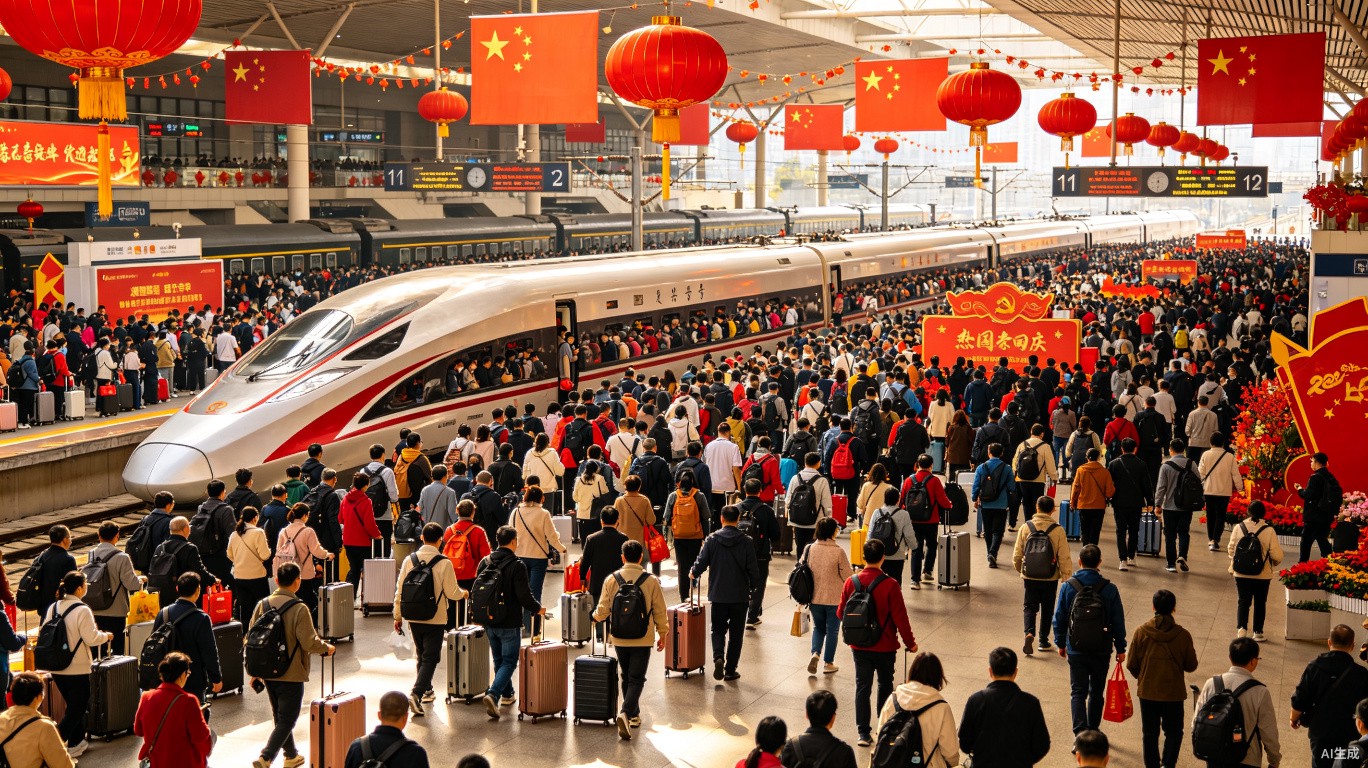
China Golden Week Travel Survival Guide
How to survive China's National Day Golden Week (October 1-7) - what to avoid, where to go, and how to beat the crowds.
9 min read
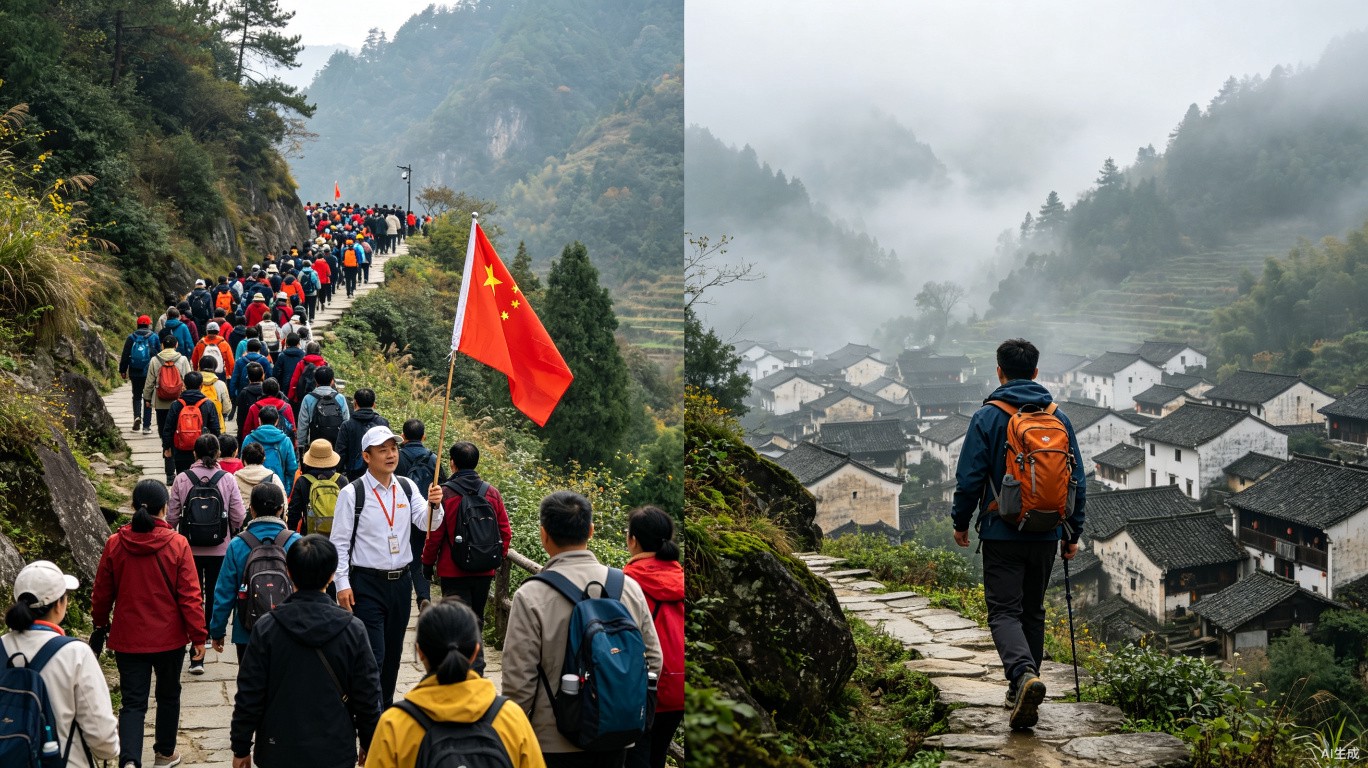
China Group Tours vs Independent Travel Which is Better
Should you join a guided tour or travel independently in China? Honest comparison of cost, flexibility, and experience.
7 min read
China Itinerary Planning: 7-Day 14-Day and 21-Day Routes: The Complete 2026 G...
Not sure how many days to spend in China? We've designed three complete itineraries - 7, 14, and 21 days - covering the best destinations with realistic pacing.
9 min read