
China Travel in Shoulder Season Guide
China Travel in Shoulder Season Guide: 2026 guide covers current prices, transport, payment apps, and what foreign visitors need to know.
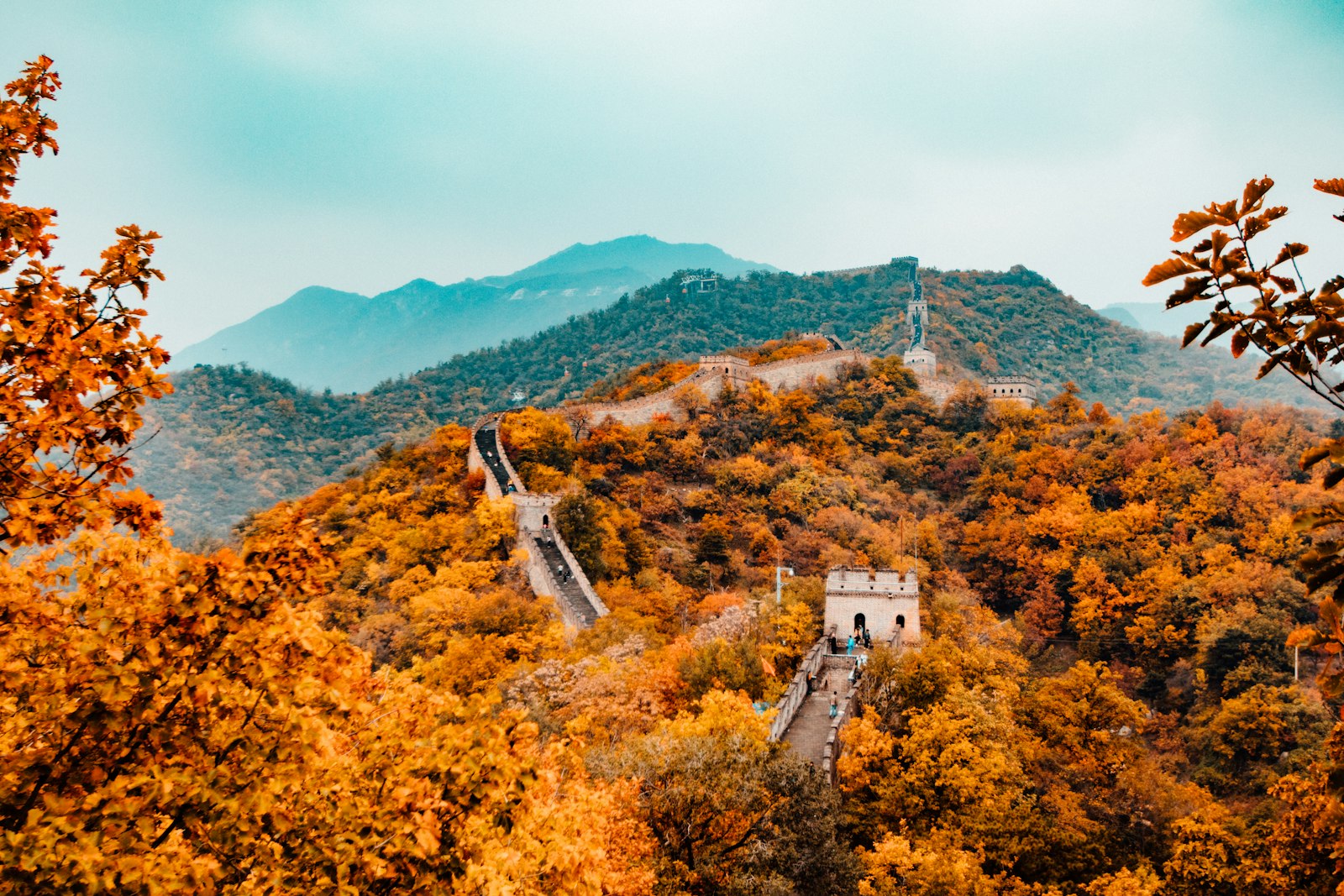
China Travel in Shoulder Season Guide: The Complete 2026 Guide
The cab driver laughed at me when I asked if it ever rained in Beijing during April. I was standing outside the Temple of Heaven, soaked to the bone, watching a group of elderly locals doing tai chi under a pagoda as if the downpour didn’t exist. They moved slowly, deliberately, completely unbothered by the water streaming off the eaves. That’s when I realized I’d been coming to China during the wrong months.
I’d spent years avoiding the “bad” seasons—the sticky summers, the freezing winters, the unpredictable spring rains. But that afternoon, standing in a puddle with a broken umbrella, I watched the clouds break over the Forbidden City and understood something: shoulder season in China isn’t a compromise. It’s the secret.
This guide is for first-time visitors who want to see China without the crowds, without the peak-season prices, and without the weather that makes you question your life choices. I’ve been traveling through China for seven years, and I’ve made every mistake you’re about to avoid. Let me save you the soggy shoes.
Quick answer
The cab driver laughed at me when I asked if it ever rained in Beijing during April.
The Short Version
Skip summer (June-August) unless you love sweat and queues. Skip Golden Week (October 1-7) and Chinese New Year unless you hate yourself. The sweet spots are April-May and September-October. You’ll get 60-70°F days, half the tourists, and hotel prices that won’t make you cry. Bring a light jacket and a translation app. You’ll be fine.
How I Picked These
I didn’t research this from a desk. I’ve taken 40+ trips across China—trains, buses, overnight sleeper cars, and one unforgettable ride in a minibus with 14 people and three chickens. I talked to taxi drivers named Liu and Wang, hostel receptionists who corrected my Mandarin, and a tea shop owner in Hangzhou who refused to let me pay for my first pot. I made notes on my phone while eating street food, getting lost in hutongs, and missing the last bus to a village I still can’t pronounce. These are the places I’d send my own friends to.
Comparison Table
| Rank | Place | Best For | Approx Cost (USD) | Time Needed | When to Go |
|------|-------|----------|-------------------|-------------|------------|
| 1 | Beijing | First-timers, history, food | $50-80/day | 4-5 days | April, October |
| 2 | Xi’an | Ancient history, Terracotta Warriors | $40-60/day | 2-3 days | March-May, September-November |
| 3 | Guilin/Yangshuo | Scenery, hiking, river views | $35-55/day | 3-4 days | April-May, September-October |
| 4 | Chengdu | Pandas, food, laid-back vibe | $30-50/day | 2-3 days | March-June, September-November |
| 5 | Shanghai | Modern China, nightlife, museums | $60-100/day | 3-4 days | March-May, September-November |
| 6 | Hangzhou | Tea culture, West Lake, gardens | $40-60/day | 2-3 days | April, October |
| 7 | Lijiang | Old town, ethnic culture, mountains | $35-55/day | 3-4 days | March-May, September-November |
| 8 | Zhangjiajie | Avatar mountains, glass bridges | $40-60/day | 2-3 days | April-May, September-October |
| 9 | Suzhou | Classical gardens, canals | $35-50/day | 2 days | March-May, September-November |
| 10 | Huangshan | Yellow Mountain, sunrise hiking | $45-65/day | 2-3 days | April-May, September-October |
1. Beijing — The City That Won’t Let You Sleep
I remember my first morning in Beijing. I’d been up for 24 hours, jet-lagged and confused, and I walked out of my hutong hostel at 5 AM. The street was empty except for a man sweeping with a bamboo broom. The sound—swish, swish, swish—was the only thing breaking the silence. Then the sun hit the corner of a temple roof, and I understood why people fall in love with this city.
Beijing is overwhelming in the best way. The Forbidden City is exactly as impressive as you’ve heard, but it’s the hutongs—those narrow alleyways between the main streets—that will stick with you. You’ll smell sesame oil and coal smoke. You’ll hear mahjong tiles clicking through open windows. You’ll eat jianbing from a cart and wonder why you ever ate breakfast any other way.
📍 Location: Central Beijing, mostly within the 2nd Ring Road
🎫 Entry fee: Forbidden City $12 (¥85), Great Wall sections $6-10 (¥45-70), Temple of Heaven $5 (¥35)
🕐 Opening hours: Most sites 8:30 AM-5 PM, last entry 1 hour before close. Forbidden City closed Mondays.
🚆 How to get there: Take the Airport Express from PEK to Dongzhimen (¥25). For Forbidden City, take Line 1 to Tiananmen East, Exit B. Walk south 3 minutes.
⏰ When to visit: April and October. Avoid May 1-3 (Labor Day crowds). Weekdays only.
💡 Insider tips:
-
Book Forbidden City tickets 7 days ahead on the official WeChat mini-program. They sell out.
-
The Mutianyu section of the Great Wall is less crowded than Badaling. Take Bus 916 from Dongzhimen, then a shuttle.
-
Download Alipay before you arrive. Street food vendors don’t take cash anymore.
-
Learn “bù yào là” (no spice) unless you love Sichuan-level heat.
-
The subway is your friend. It’s cheap, clean, and has English signs.
I met a taxi driver named Liu who told me his daughter was studying in Australia. He showed me her photo on his phone while stuck in traffic for 45 minutes. He didn’t speak English. I didn’t speak Mandarin. We communicated through hand gestures and smiles.
2. Xi’an — Where History Has a Smell
The first thing you notice in Xi’an is the smell of lamb. It hits you at the airport, follows you through the Muslim Quarter, and lingers on your jacket for days. I’m not complaining. The lamb skewers here are the best I’ve had anywhere, and I’ve had a lot.
The Terracotta Warriors are the main draw, and they’re worth every bit of hype. But here’s what nobody tells you: the real magic happens in the evening, when the Muslim Quarter comes alive. The narrow streets fill with smoke from charcoal grills. The call to prayer echoes from the Great Mosque. You’ll eat biangbiang noodles—thick, hand-pulled, covered in chili oil—and watch the world go by.
📍 Location: City center, mostly around the Bell Tower and Muslim Quarter
🎫 Entry fee: Terracotta Warriors $18 (¥120), City Wall $8 (¥54), Shaanxi History Museum free (book ahead)
🕐 Opening hours: Warriors 8:30 AM-5 PM (last entry 4:30). Museum closed Mondays.
🚆 How to get there: From Xi’an North Station, take Metro Line 2 to Bell Tower. For Warriors, take bus 306 from Xi’an Railway Station (1 hour).
⏰ When to visit: March-May or September-November. Summer is brutally hot.
💡 Insider tips:
-
Go to the Warriors at 8 AM. You’ll have Pit 1 almost to yourself for 30 minutes.
-
The Muslim Quarter is best at night. Skip the tourist restaurants and eat where locals queue.
-
Rent a bike on the City Wall. It’s 14 km around and takes 2 hours.
-
The Shaanxi History Museum is free but you need to book 3 days in advance on WeChat.
-
Try yangrou paomo—lamb soup with shredded bread. It’s Xi’an’s signature dish.
I ate at a stall in the Muslim Quarter where the owner, a woman in her 60s, saw me struggling with chopsticks and brought me a fork without me asking. She just smiled and nodded.
3. Guilin and Yangshuo — The Postcard Comes to Life
I watched the rain come sideways off the karst mountains for an hour before it stopped. Then the clouds lifted, and the Li River turned the color of jade. A fisherman on a bamboo raft floated past, his cormorants perched on the bow. I was standing on a bridge in Yangshuo, and I couldn’t believe a place like this actually existed.
The scenery here looks like a Chinese painting because Chinese painters literally painted this landscape. The limestone peaks rise straight out of the rice paddies. The river winds through them like a silk ribbon. It’s absurdly beautiful, and it’s also incredibly accessible.
📍 Location: Yangshuo County, 1 hour from Guilin city
🎫 Entry fee: Li River cruise $30-50 (¥200-350), Yangshuo countryside free, Moon Hill $3 (¥20)
🕐 Opening hours: Most outdoor sites are daylight hours. The cruise runs 9 AM-2 PM.
🚆 How to get there: Take the high-speed train from Guilin to Yangshuo Station (30 minutes, $10/¥70). Then bus or taxi to town (20 minutes).
⏰ When to visit: April-May and September-October. Summer is humid and crowded.
💡 Insider tips:
-
Skip the Li River cruise. Rent an e-bike and explore the countryside instead.
-
Stay in Yangshuo, not Guilin. Guilin is a city. Yangshuo is the experience.
-
The West Street night market is touristy but fun. Eat the beer fish.
-
Book accommodations with a view of the karsts. It’s worth the extra $10.
-
Learn to ride a scooter or e-bike. It’s the best way to see the area.
A hostel receptionist named Xiao Wang drew me a map on a napkin showing a hiking trail that wasn’t in any guidebook. It led to a waterfall where I swam alone for an hour.
4. Chengdu — The City That Doesn’t Care About Your Plans
Chengdu is the only city in China where I’ve felt genuinely relaxed. The pace is slower. The people smile more. The food is so good it will ruin you for all other Chinese food.
The pandas are the obvious draw, and yes, they’re adorable. But the real reason to come to Chengdu is the food. Sichuan cuisine is not just spicy—it’s complex, layered, and addictive. You’ll eat mapo tofu that makes your lips go numb. You’ll try hotpot that leaves you sweating and happy. You’ll wonder why you ever ate Chinese food in your home country.
📍 Location: Central Chengdu, mostly around Jinli Ancient Street and Wuhou Shrine
🎫 Entry fee: Panda Base $8 (¥55), Wuhou Shrine $8 (¥60), Jinli Ancient Street free
🕐 Opening hours: Panda Base 7:30 AM-5 PM. Go early—pandas sleep by noon.
🚆 How to get there: From Chengdu East Station, take Metro Line 2 to Chunxi Road. For Panda Base, take Metro Line 3 to Panda Avenue, then shuttle bus.
⏰ When to visit: March-June or September-November. Avoid August (hot and rainy).
💡 Insider tips:
-
Go to the Panda Base at 7:30 AM. The pandas are most active in the morning.
-
Skip the tourist hotpot places. Go to a local spot like Huangcheng Laoma.
-
Try the tea houses in People’s Park. A pot of jasmine tea costs $2 (¥15).
-
Learn “wēi là” (mild spice) if you can’t handle heat. “Bù là” means no spice at all.
-
The Jinli night market is overpriced but worth a walk for the atmosphere.
I met a shop owner named Mrs. Chen who insisted I try her homemade chili oil. She spooned it onto a piece of bread and watched my face as I ate it. When I didn’t cough, she nodded approvingly and gave me a jar to take home.
5. Shanghai — The Future, But Make It Chaotic
Shanghai hits you like a wall of noise and light. The Bund at night is spectacular—the colonial buildings on one side, the Pudong skyline on the other, the Huangpu River between them. But I found the real Shanghai in the French Concession, where plane trees line the streets and old men play chess in the parks.
This city is China’s most international, and it shows. You’ll hear a dozen languages on the subway. You’ll find coffee shops that wouldn’t be out of place in Melbourne. You’ll eat xiaolongbao (soup dumplings) that cost $1 for a basket and taste like heaven.
📍 Location: Central districts: Huangpu, Jing’an, French Concession
🎫 Entry fee: The Bund free, Oriental Pearl Tower $15 (¥100), Yu Garden $5 (¥35)
🕐 Opening hours: Most museums 9 AM-5 PM. The Bund is best at sunset.
🚆 How to get there: From PVG Airport, take the Maglev train to Longyang Road (8 minutes, $8/¥50). Metro Line 2 connects most tourist areas.
⏰ When to visit: March-May or September-November. Summer is humid. Winter is cold and gray.
💡 Insider tips:
-
Walk the Bund at sunrise. You’ll have it almost to yourself.
-
The French Concession is best explored on foot or by bike.
-
Eat xiaolongbao at Din Tai Fung or a local spot like Jia Jia Tang Bao.
-
Skip the tourist restaurants on Nanjing Road. Walk 2 blocks away for better food at half the price.
-
The Shanghai Museum is free and excellent. Book online to skip the line.
I got hopelessly lost in the French Concession and ended up at a tiny noodle shop run by a couple in their 70s. The husband didn’t speak English. The wife didn’t either. But they brought me a bowl of noodles with an egg on top, and I’ve never been so happy to be lost.
6. Hangzhou — Where the Tea Grows and Time Slows
I sat in a tea house overlooking West Lake for three hours. I drank Longjing tea—the real stuff, picked from the hills behind me—and watched the boats drift across the water. The lake was misty. The mountains were blue-gray in the distance. I didn’t check my phone once.
Hangzhou is China’s answer to “slow living.” It’s been a retreat for poets, scholars, and emperors for a thousand years. The lake is the centerpiece, but the real magic is in the tea plantations that surround the city. Walk through them in the morning, when the mist hangs over the terraced hills, and you’ll understand why the Chinese have been drinking tea here for centuries.
📍 Location: West Lake area and Longjing Village
🎫 Entry fee: West Lake free, Lingyin Temple $6 (¥45), tea plantations free
🕐 Opening hours: West Lake is always open. Tea houses open 9 AM-9 PM.
🚆 How to get there: From Shanghai, take the high-speed train to Hangzhou East (1 hour, $15/¥100). Then Metro Line 1 to Longxiangqiao for West Lake.
⏰ When to visit: April (tea harvest season) and October. Avoid summer weekends.
💡 Insider tips:
-
Walk the Su Causeway at sunrise. It’s the most beautiful part of West Lake.
-
Visit Longjing Village for real tea. Don’t buy from street vendors.
-
Rent a boat on the lake. A private boat costs $15 (¥100) per hour.
-
The Leifeng Pagoda is touristy but has the best view of the lake.
-
Try dongpo pork—braised pork belly named after a poet. It’s incredible.
A tea farmer named Mr. Zhang invited me into his home and showed me how to roast tea leaves by hand. He gave me a small bag of his best Longjing and refused payment. “You understand,” he said through a translator app. “That’s enough.”
7. Lijiang — The Old Town That’s Too Perfect
I’ll be honest: Lijiang’s old town feels like a movie set. The cobblestone streets are too clean. The canals are too clear. The Naxi women in traditional dress seem to be posing for photos. But then I walked 10 minutes outside the old town, and everything changed.
The real Lijiang is in the villages around it—Baisha, Shuhe, and the Jade Dragon Snow Mountain. The old town is worth a day, but the surrounding countryside is where you’ll find the magic. The Naxi people have lived here for centuries, and their culture is still alive in the mountain villages.
📍 Location: Old Town (Dayan), plus Baisha and Shuhe villages
🎫 Entry fee: Old Town free (was ¥80, dropped in 2024), Jade Dragon Snow Mountain $20 (¥140)
🕐 Opening hours: Old Town always open. Mountain cable cars 7:30 AM-4 PM.
🚆 How to get there: Fly into Lijiang Airport (flights from major cities). Bus to old town (40 minutes).
⏰ When to visit: March-May and September-November. Summer is rainy. Winter is cold but clear.
💡 Insider tips:
-
Skip the main old town. Stay in Shuhe—quieter, cheaper, more authentic.
-
Go to Baisha for the frescos and the Naxi culture.
-
The Jade Dragon Snow Mountain requires booking 3 days ahead. The cable car sells out.
-
Learn about Naxi culture at the Dongba Culture Museum.
-
Try Naxi barbecue—grilled meat with local spices. It’s simple and delicious.
I met a Naxi woman named A-Mu who ran a small guesthouse in Shuhe. She showed me how to make butter tea, which tastes exactly as strange as it sounds. I drank three cups to be polite. She laughed and said I was now officially Naxi.
8. Zhangjiajie — The Mountains That Inspired Avatar
The first time I saw the quartz-sandstone pillars of Zhangjiajie, I thought my eyes were playing tricks. They rise straight out of the forest, hundreds of meters high, covered in green. The mist moves through them like something alive. James Cameron didn’t invent Pandora—he just copied this place.
The national park is massive, and you’ll need at least two days to see the highlights. The glass bridge is terrifying and worth it. The Bailong Elevator is a glass elevator built into a cliff face. The hiking trails are steep but rewarding. This is not a place for people with a fear of heights.
📍 Location: Wulingyuan District, 30 km from Zhangjiajie city
🎫 Entry fee: National Park $30 (¥225), valid 4 days. Glass Bridge $20 (¥138).
🕐 Opening hours: Park 7 AM-6 PM. Glass bridge 8 AM-5 PM.
🚆 How to get there: High-speed train from Changsha to Zhangjiajie West (3 hours, $25/¥170). Then bus to Wulingyuan entrance (30 minutes).
⏰ When to visit: April-May and September-October. Avoid Chinese holidays.
💡 Insider tips:
-
Enter through the Wulingyuan gate, not the forest park gate. Less crowded.
-
Take the Bailong Elevator up, hike down. The queue for the elevator down is 2 hours.
-
The glass bridge is less scary than it looks. Walk in the middle if you’re nervous.
-
Bring rain gear. The weather changes fast in the mountains.
-
Stay in Wulingyuan town, not Zhangjiajie city. Closer to the park entrance.
I stood on the glass bridge for 20 minutes before I could take a step. A Chinese grandmother walked past me without looking down, holding her grandson’s hand. She smiled at me like I was being ridiculous. She was right.
9. Suzhou — The Gardens That Rewire Your Brain
I spent an hour in the Humble Administrator’s Garden before I realized I hadn’t thought about anything. No to-do lists. No emails. No worries. Just the sound of water dripping off a rock, the sight of a moon gate framing a bamboo grove, the smell of osmanthus flowers.
Suzhou’s classical gardens are designed to be miniature versions of nature—a mountain here, a lake there, all in a space smaller than a city block. They’re meditative, calming, and completely unlike anything in Western garden design. The city also has canals that rival Venice, but without the crowds.
📍 Location: Old town Suzhou, mostly around Guanqian Street and Pingjiang Road
🎫 Entry fee: Humble Administrator’s Garden $8 (¥55), Lingering Garden $6 (¥45), canals free
🕐 Opening hours: Gardens 7:30 AM-5 PM. Pingjiang Road best at night.
🚆 How to get there: High-speed train from Shanghai to Suzhou (30 minutes, $10/¥70). Metro Line 1 to Lindun Road for gardens.
⏰ When to visit: March-May (spring blooms) and September-November.
💡 Insider tips:
-
Visit the Humble Administrator’s Garden at 8 AM. It gets crowded by 10.
-
Pingjiang Road is the most beautiful canal street. Walk the whole length.
-
Try “squirrel-shaped mandarin fish” (songshu guiyu)—a Suzhou specialty.
-
The Suzhou Museum is free and designed by I.M. Pei. Book ahead.
-
Take a boat ride on the canals at sunset. It costs $10 (¥70) for 30 minutes.
I ate at a restaurant on Pingjiang Road where the owner, a woman in her 50s, saw me taking photos of the food and brought out a dish that wasn’t on the menu. “For your camera,” she said in English. It was the best meal I had in Suzhou.
10. Huangshan — The Mountain That Makes You Earn It
The hike up Huangshan is brutal. 6,000 stone steps, some of them nearly vertical, winding through pine trees and past waterfalls. I stopped every 20 minutes to catch my breath. My legs shook. My lungs burned. And then I reached the top, and the clouds parted, and I saw the peaks rising out of the sea of white.
Huangshan (Yellow Mountain) is China’s most famous mountain for a reason. The granite peaks, the twisted pines, the sea of clouds—it’s the landscape that inspired a thousand paintings. But you have to earn it. There’s a cable car, but the real experience is the hike.
📍 Location: Huangshan City, 2 hours from the mountain by bus
🎫 Entry fee: Mountain $20 (¥140), cable car $10 (¥70) each way
🕐 Opening hours: Cable car 6:30 AM-5 PM (seasonal). Mountain always open.
🚆 How to get there: High-speed train to Huangshan North Station. Then bus to the mountain (1 hour, $5/¥35).
⏰ When to visit: April-May (spring blooms) and September-October (clear skies). Avoid summer weekends.
💡 Insider tips:
-
Stay overnight on the mountain. The sunrise is worth the $100 (¥700) room.
-
Take the cable car up, hike down. Your knees will thank you.
-
Bring water and snacks. Everything on the mountain costs 3x normal.
-
The “Welcome Pine” is the most famous tree in China. It’s worth the walk.
-
Check the weather forecast. If it’s cloudy, skip the hike and come another day.
I met a group of Chinese college students on the summit who shared their instant noodles with me. We sat on the rocks, eating noodles and watching the clouds, not speaking the same language but understanding each other perfectly.
FAQ summary
Key points covered: Q: Do I need a visa for China in 2026; Q: Can I use my phone in China; Q: How do I pay for things; Q: Is it safe to travel alone in China; Q: Do people speak English.
FAQ
Q: Do I need a visa for China in 2026?
A: It depends on your passport. As of 2026, citizens of 54 countries (including the US, UK, Australia, and most of Europe) can visit for up to 144 hours without a visa if transiting through certain cities. For longer stays, you’ll need a tourist visa (L visa). Apply at least 1 month ahead. Cost is about $140 (¥1000).
Q: Can I use my phone in China?
A: Yes, but you need a VPN installed before you arrive. Google, Facebook, Instagram, and WhatsApp are blocked. Get a Chinese SIM card at the airport (China Mobile or China Unicom, about $20/¥140 for 10GB). Or use an eSIM from providers like Airalo.
Q: How do I pay for things?
A: China is nearly cashless. You need WeChat Pay or Alipay. Link your foreign credit card (Visa/Mastercard) to the app before you leave. Some places accept cash, but street vendors and taxis often don’t have change. Set up the apps at home—it takes 15 minutes.
Q: Is it safe to travel alone in China?
A: Yes. China is one of the safest countries I’ve ever traveled in. Violent crime is rare. Petty theft happens in tourist areas, but it’s less common than in Europe or the US. The biggest risk is getting lost or scammed by taxi drivers. Use Didi (China’s Uber) instead.
Q: Do people speak English?
A: In major cities and tourist areas, some English. In smaller towns, almost none. Download Google Translate (works offline with Chinese) or Pleco for Mandarin. Learn a few phrases: “xiè xiè” (thank you), “duō shǎo qián” (how much), “wǒ bù dǒng” (I don’t understand).
Q: What should I pack for shoulder season?
A: Layers. Spring and fall temperatures range from 50-75°F. Bring a light jacket, comfortable walking shoes, an umbrella, and a reusable water bottle. Most hotels provide toiletries. Pack toilet paper—public restrooms often don’t have it.
Q: How do I get around between cities?
A: High-speed trains are the best option. Book tickets on Trip.com or 12306 (China’s official site). Second-class seats are comfortable and affordable. For example, Beijing to Shanghai is 4.5 hours and costs about $80 (¥560). Flights are also available but factor in airport time.
The Honest Wrap-Up
This list isn’t for everyone. If you want luxury resorts and English-speaking guides, you’ll find them in Shanghai and Beijing. If you want adventure and discomfort, go to Zhangjiajie and Huangshan. If you want to eat your way through a country, start in Chengdu and don’t stop.
But here’s what I’d tell a friend who’s about to book the flight: Don’t overplan. Leave room for the unexpected. The best moments in China happen when you get lost, when you eat something you can’t pronounce, when you accept an invitation from a stranger. The country is chaotic and beautiful and frustrating and magical. It will exhaust you and change you.
Bring comfortable shoes. Download a translation app. Learn to say “thank you.” And when the rain comes sideways off the mountains, don’t run from it. Stand in it. That’s when China shows you what it’s really made of.
Related Guides
Looking for more China travel guides? These match your topic:
- Best Time to See Cherry Blossoms in China 2026
- Best Time to Visit China: Month-by-Month Guide
- China Etiquette: Cultural Do’s and Don’ts for Foreigners: The Complete 2026 G…
- China Golden Week Travel Survival Guide
- China Group Tours vs Independent Travel Which is Better
- China Itinerary Planning: 7-Day 14-Day and 21-Day Routes: The Complete 2026 G…
Topics
More guides you may like
Best Time to See Cherry Blossoms in China 2026
Best Time to See Cherry Blossoms in China: 2026 guide covers current prices, transport, payment apps, and what foreign visitors need to know.
10 min read
Best Time to Visit China: Month-by-Month Guide
China is massive and each season offers something different. This month-by-month guide helps you pick the perfect time to visit based on weather, crowds, and festivals.
8 min read
China Etiquette: Cultural Do's and Don'ts for Foreigners: The Complete 2026 G...
China has unique social customs that can confuse first-time visitors. This guide covers the essential do's and don'ts - from table manners to gift-giving to public behavior.
9 min read
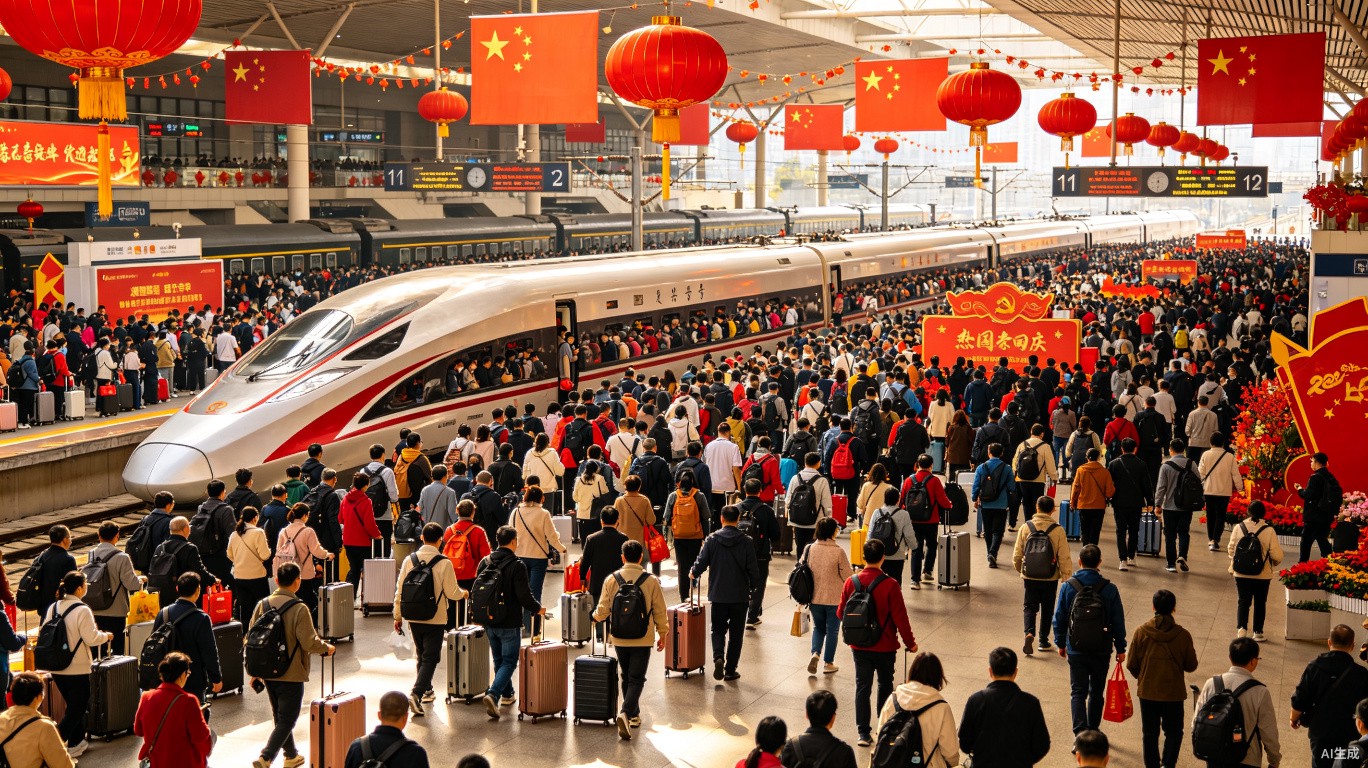
China Golden Week Travel Survival Guide
How to survive China's National Day Golden Week (October 1-7) - what to avoid, where to go, and how to beat the crowds.
9 min read
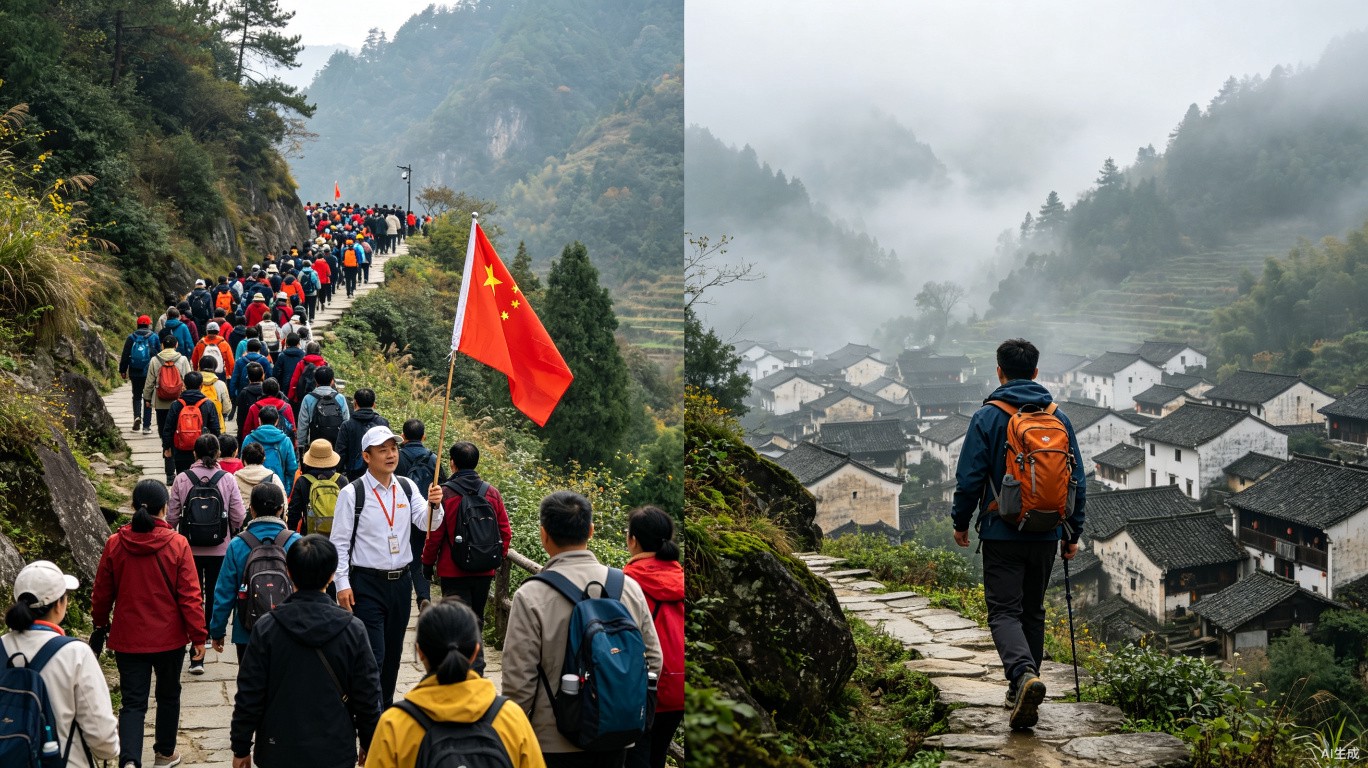
China Group Tours vs Independent Travel Which is Better
Should you join a guided tour or travel independently in China? Honest comparison of cost, flexibility, and experience.
7 min read
China Itinerary Planning: 7-Day 14-Day and 21-Day Routes: The Complete 2026 G...
Not sure how many days to spend in China? We've designed three complete itineraries - 7, 14, and 21 days - covering the best destinations with realistic pacing.
9 min read