
Best Chinese New Year Destinations
Best Chinese New Year Destinations: 2026 guide covers current prices, transport, payment apps, and what foreign visitors need to know.
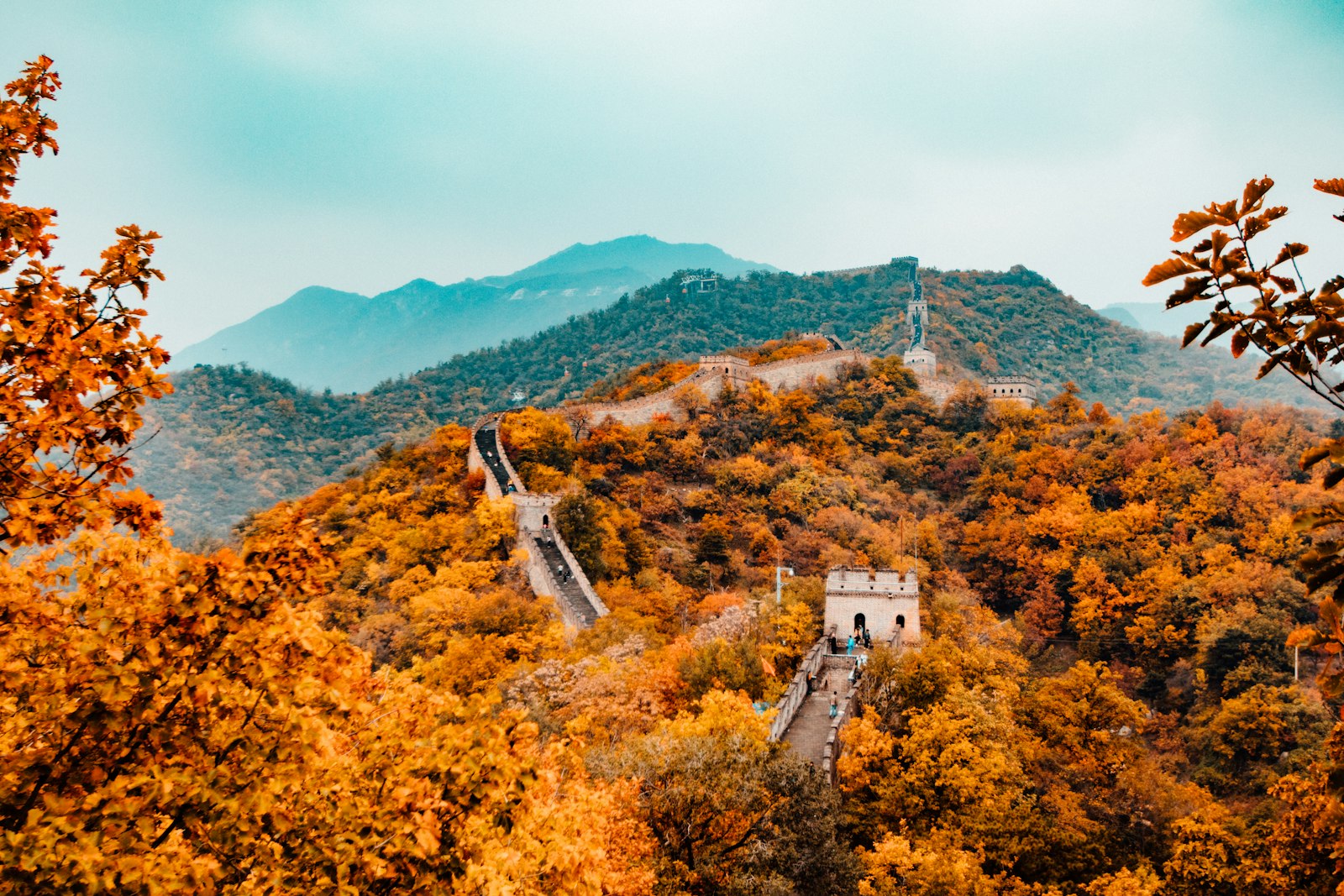
Best Chinese New Year Destinations: The Complete 2026 Guide
The cab driver in Beijing looked at me through the rearview mirror, one eyebrow raised. “You want to go where for Spring Festival?” he asked, as if I’d suggested we drive to the moon. It was my second Chinese New Year in China, and I’d just told him I was heading to a tiny village in Shanxi province that a friend had mentioned at a dinner party. He laughed, then nodded slowly. “Okay, laowai. You’ll see.”
I did see. I saw a village where every doorway was plastered in fresh red couplets, where the air smelled of coal smoke and frying dumplings, and where a grandmother I’d never met pulled me into her courtyard to eat nian gao (sticky rice cake) because “you’re far from home.” That night, standing under fireworks that lit up the entire valley, I understood something: Chinese New Year isn’t a holiday you watch. It’s a holiday you fall into.
This guide is for first-time international visitors who want to do exactly that. I’ve spent seven years living in Beijing and traveled through China more than forty times, including six Spring Festivals in wildly different places. I’ve made every mistake—booked train tickets too late, showed up to temples that were closed, tried to find a taxi on New Year’s Eve. I’ve also had moments that made all the chaos worth it.
Here’s what you’ll get: ten destinations that actually work for foreign visitors during Chinese New Year, with specific prices, transport details, and the kind of insider knowledge you only get from someone who’s been there. No fluff. No generic advice. Just what I’d tell a friend who’s about to book the flight.
Quick answer
The cab driver in Beijing looked at me through the rearview mirror, one eyebrow raised. “You want to go where for Spring Festival?” he asked, as if I’d suggested we drive to the moon.
The Short Version
If you have ninety seconds: Harbin for the ice festival (but book everything six months ahead). Xi’an for history without the usual crowds (Spring Festival is actually a smart time to go). Pingyao for the most authentic old-town New Year experience (but bring warm socks). Skip Shanghai unless you want to watch a city empty out. Skip Hong Kong unless you love crowds more than I do. And whatever you do—book your train tickets the second they go on sale.
How I Picked These
I visited every destination on this list at least once during Chinese New Year. For most of them, I went multiple times—once as a tourist, once with a local friend who showed me the back alleys and the hole-in-the-wall food stalls. I talked to taxi drivers, hostel owners, and random people on trains. I kept a notebook of prices, opening hours, and which translation app phrases actually worked. I also made a point of asking locals: “If you had one week for Spring Festival, where would you go?” Their answers shaped this list more than any guidebook ever could.
Comparison Table
| Rank | Place | Best For | Approx Cost (USD) | Time Needed | When to Go |
|------|-------|----------|-------------------|-------------|------------|
| 1 | Harbin | Ice & snow festival | $50-80/day | 3-4 days | Jan 5–Feb 15 |
| 2 | Xi’an | History + New Year atmosphere | $40-60/day | 3-5 days | Feb 5–15 |
| 3 | Pingyao | Authentic ancient town | $30-50/day | 2-3 days | Feb 8–12 |
| 4 | Chengdu | Food + pandas + relaxed vibe | $35-55/day | 4-5 days | Feb 5–15 |
| 5 | Beijing | Iconic sights with fewer crowds | $50-80/day | 4-6 days | Feb 5–10 (before crowds return) |
| 6 | Lijiang | Minority culture + mountain scenery | $40-60/day | 3-4 days | Feb 8–15 |
| 7 | Guangzhou | Canton food + warm weather | $45-65/day | 3-4 days | Feb 5–12 |
| 8 | Zhangjiajie | Natural beauty without peak crowds | $40-55/day | 3-4 days | Feb 8–12 |
| 9 | Nanjing | Lantern festival + history | $35-50/day | 2-3 days | Feb 8–15 |
| 10 | Macau | Portuguese-Chinese fusion + fireworks | $60-100/day | 2-3 days | Feb 8–12 |
1. Harbin — The City That Freezes Over and Loves It
I stepped off the train in Harbin and my nostrils froze together. Not a metaphor. The air was minus 28 degrees Celsius, and for the first five minutes, I couldn’t feel my cheeks. A local woman selling bing tang hulu (candied hawthorn skewers) saw me shivering and handed me one for free. “Eat fast,” she said in Mandarin. “It’s the only thing colder than you right now.”
Harbin during Chinese New Year is not a comfortable trip. It’s a memorable one. The Ice and Snow World is the main draw—entire castles, cathedrals, and slides carved from blocks of frozen Songhua River ice, lit up in neon colors that look like a fever dream. But the real magic is Zhaolin Park, where the annual Ice Lantern Festival has been running since 1963. I walked through at 8 PM on New Year’s Eve, and the only sound was the crunch of boots on snow and the occasional gasp from someone seeing the ice pagodas for the first time.
📍 Location: Daoli District, central Harbin
🎫 Entry fee: Ice and Snow World ~$40 (¥288); Zhaolin Park ~$15 (¥100); Central Street is free
🕐 Opening hours: Ice and Snow World 11 AM–9:30 PM; Zhaolin Park 9 AM–9 PM
🚆 How to get there: From Harbin Station, take bus 47 or 29 to Ice and Snow World (30 min). For Zhaolin Park, take Line 1 to [Bingxue Dajie], Exit 2, walk 10 minutes east
⏰ When to visit: Weekdays are quieter. Go to Ice and Snow World at 3 PM to see it in daylight, then watch it light up at sunset
💡 Insider tips:
-
Wear three layers on your legs. Thermal underwear, fleece pants, and windproof outer layer. I learned this the hard way.
-
Buy hand warmers at any convenience store (¥2 each). Stick them in your gloves and boots.
-
The Russian restaurant on Central Street (华梅西餐厅) is touristy but worth it for the borscht and bread.
-
Download Didi before you arrive—taxis are hard to find on New Year’s Eve.
-
The Siberian Tiger Park is a 20-minute bus ride away and surprisingly fascinating.
I met a retired train conductor named Mr. Chen at a dumpling shop. He told me he’d worked the Harbin-Beijing route for thirty years and had never once been to Ice and Snow World. “Too cold,” he said, laughing. “I see enough ice from the window.”
2. Xi’an — The Ancient Capital That Actually Gets Quieter
Most people assume Chinese New Year means crowds everywhere. Not in Xi’an. The city of 12 million people empties out as workers return to their home villages, and for about five days, the Terracotta Warriors feel almost private. I walked through Pit 1 on the morning of New Year’s Day and shared the space with maybe twenty other people. The guard looked bored. The warriors looked exactly as they have for 2,200 years.
The real action happens at night. The Muslim Quarter transforms into a lantern-lit maze of food stalls, with skewers of lamb sizzling next to pots of yangrou paomo (lamb soup with bread). I ate my way through Huimin Street twice—once with a local friend who insisted I try the liangpi (cold noodles), once alone because I couldn’t stop thinking about them. On New Year’s Eve, the city wall hosts a fireworks display that lights up the entire old town.
📍 Location: Central Xi’an (Muslim Quarter is near Bell Tower)
🎫 Entry fee: Terracotta Warriors ~$22 (¥160); City Wall ~$8 (¥54); Muslim Quarter is free
🕐 Opening hours: Terracotta Warriors 8:30 AM–5 PM; City Wall 8 AM–10 PM
🚆 How to get there: Terracotta Warriors: take bus 306 from Xi’an Railway Station (1 hour). Muslim Quarter: take Line 2 to [Zhonglou], Exit C, walk 2 minutes west
⏰ When to visit: Go to the Terracotta Warriors at 8:30 AM sharp. The Muslim Quarter is best at 7 PM when the food stalls are fully open
💡 Insider tips:
-
The Terracotta Warriors have three pits. Pit 1 is the famous one. Pit 3 is small but has the command center. Most tourists skip Pit 2—don’t.
-
At the Muslim Quarter, look for stalls with long queues. That’s how you find the good food.
-
The Shaanxi History Museum is free but requires a reservation three days in advance. Do it on WeChat.
-
Bring cash for the Muslim Quarter—some old vendors don’t take WeChat Pay.
-
The city wall bike rental is ¥45 for 2 hours. Do it at sunset.
I met a French couple at the Bell Tower who’d been traveling China for three months. “We came to Xi’an for the warriors,” the woman said. “We stayed for the noodles.” She was eating a bowl of biangbiang noodles as wide as her face.
3. Pingyao — Time Travel Without the Crowds
The first thing I noticed in Pingyao was the silence. No scooters. No car horns. Just the sound of footsteps on ancient stone streets and the occasional crackle of fireworks in the distance. The old town is a walled city from the Ming and Qing dynasties, and during Chinese New Year, it feels like stepping into a history book that’s come alive.
I arrived on the second day of the New Year and found the streets decorated with red lanterns so thick they looked like a ceiling. Every courtyard hotel had its own nian hua (New Year paintings) pasted on the doors, and the smell of vinegar—Pingyao’s famous lao chen cu—hung in the air like a welcome mat. I spent an afternoon in a tiny museum dedicated to the city’s history as China’s banking capital, where a guide named Li showed me the world’s first check. “This piece of paper,” he said, “changed everything.”
📍 Location: Pingyao Ancient City, Shanxi Province
🎫 Entry fee: Combined ticket for all attractions ~$20 (¥130); walking the streets is free
🕐 Opening hours: Most museums 8 AM–6 PM; city gates open 24 hours
🚆 How to get there: Take a high-speed train from Beijing to Pingyao Ancient City Station (2.5 hours, ~$50/¥350). From the station, take bus 108 or a taxi (15 minutes)
⏰ When to visit: Go during the first three days of the New Year. Weekdays are empty. Avoid the afternoon of New Year’s Eve—everything closes early
💡 Insider tips:
-
Stay in a courtyard hotel inside the old town. I paid $30 (¥200) per night at a place called Yide Hotel and got a room with a kang (heated brick bed).
-
The vinegar is worth buying. Look for “Pingyao Beef” shops that also sell aged vinegar—the 10-year stuff is incredible.
-
Climb the city wall at 6 AM. You’ll have it to yourself, and the sunrise over the old rooftops is worth the cold.
-
Don’t eat at restaurants on the main street. Walk two blocks into the alleyways and find the places with plastic stools outside.
-
Bring cash. Many small shops don’t take cards.
I made the mistake of assuming the city wall had multiple exits. It doesn’t. I walked three kilometers before finding a staircase down, and by then my feet had gone numb. Worth it for the view, but wear better shoes than I did.
4. Chengdu — Pandas, Hotpot, and the Art of Doing Nothing
Chengdu during Chinese New Year is the opposite of Harbin. It’s warm (well, 10°C), it’s relaxed, and the main activity is sitting in a tea house drinking gaiwan tea while the city does its thing around you. I spent the morning of New Year’s Day at the Panda Base, watching a giant panda named Cheng Shuang eat bamboo for two hours. She didn’t look up once. I respected her commitment.
The food in Chengdu during Spring Festival is a different beast. Hotpot restaurants stay open until 2 AM, and the streets of Jinli Ancient Street are packed with vendors selling dan dan mian (noodles in chili oil) and fuqi feipian (beef offal in chili sauce). I ate at a place called Huangcheng Laoma on the second day of the New Year and watched a family of eight argue over who got the last piece of tripe. The grandmother won.
📍 Location: Chengdu, Sichuan Province (Panda Base in Chenghua District)
🎫 Entry fee: Panda Base ~$8 (¥55); Jinli Ancient Street is free
🕐 Opening hours: Panda Base 7:30 AM–5 PM; Jinli 9 AM–10 PM
🚆 How to get there: Panda Base: take Metro Line 3 to [Panda Avenue], Exit B, then bus 198 or a taxi (10 minutes). Jinli: take Metro Line 2 to [Wide and Narrow Alley], Exit C, walk 15 minutes south
⏰ When to visit: Go to the Panda Base at 7:30 AM when they’re most active. Jinli is best at 8 PM when the lanterns are lit
💡 Insider tips:
-
The Panda Base has a “VIP” ticket (¥100) that lets you skip the line. Worth it during New Year.
-
Don’t order hotpot alone. The portions are designed for groups. Find a local food tour on WeChat.
-
The Wide and Narrow Alley (Kuanzhai Xiangzi) is touristy but has good tea houses. Go to the one with the wooden tables and the old man playing erhu.
-
Chengdu’s airport has a direct metro line now. Don’t pay for a taxi.
-
Learn the phrase “bu la” (not spicy). You’ll need it.
I tried mapo tofu at a stall in Jinli and immediately understood why Sichuan food is famous. The numbness from the Sichuan peppercorns lasted fifteen minutes. I didn’t mind.
5. Beijing — The Capital When Everyone Goes Home
Beijing during Chinese New Year is the city’s best-kept secret. The population drops by roughly 40% as migrant workers return to their hometowns, and for about a week, the Forbidden City feels like it belongs to you. I walked through the Meridian Gate on the morning of New Year’s Day and saw maybe fifty people in the entire complex. The guards looked relieved.
The hutongs (old alleyways) are where the real New Year energy lives. I wandered through Nanluoguxiang on New Year’s Eve and found a courtyard where a family was setting off fireworks. The grandfather waved me over and handed me a sparkler. “Happy New Year, foreign friend,” he said in English. His grandchildren laughed. I stayed for an hour.
📍 Location: Central Beijing (Forbidden City in Dongcheng District)
🎫 Entry fee: Forbidden City ~$10 (¥60); Temple of Heaven ~$5 (¥34); hutongs are free
🕐 Opening hours: Forbidden City 8:30 AM–4:30 PM (closed Mondays); Temple of Heaven 6 AM–9 PM
🚆 How to get there: Forbidden City: take Line 1 to [Tiananmen East], Exit B, walk 5 minutes north. Temple of Heaven: take Line 5 to [Tiantan East Gate], Exit A
⏰ When to visit: Go to the Forbidden City on New Year’s Day morning. The Temple of Heaven is best at 7 AM when locals practice tai chi
💡 Insider tips:
-
The Forbidden City requires advance booking. Do it on the official website or WeChat at least a week before.
-
Jingshan Park (across from the Forbidden City’s north gate) has the best view of the entire complex. Entry is ¥2.
-
The Lama Temple is packed on New Year’s Day. Go on the second day instead.
-
Most restaurants close for the first three days of the New Year. Eat at hotel restaurants or find Muslim-owned places (they stay open).
-
The fireworks ban in central Beijing means you’ll need to go to the outskirts to see them. Take Line 15 to [Sunhe] and walk toward the river.
I tried to find a taxi on New Year’s Eve and failed for 45 minutes. A delivery driver on an electric scooter offered me a ride to my hotel for ¥20. I took it. Best decision of the night.
6. Lijiang — Snow Mountains and Naxi New Year
Lijiang feels like a painting. The old town is a maze of canals, stone bridges, and wooden buildings with curved roofs, all set against the backdrop of the Jade Dragon Snow Mountain. During Chinese New Year, the Naxi minority celebrate their own traditions alongside the Han holiday, and the result is a festival that feels both familiar and completely alien.
I arrived on the third day of the New Year and found the Black Dragon Pool surrounded by Naxi women in traditional blue aprons, burning incense and offering prayers. A musician named He played the bawu (a bamboo flute) for an hour while I sat on a bench and watched the mountain change color in the sunset. He didn’t speak English. I didn’t speak Naxi. We communicated through smiles and the occasional nod.
📍 Location: Lijiang Old Town, Yunnan Province
🎫 Entry fee: Old town maintenance fee ~$10 (¥80); Black Dragon Pool ~$3 (¥20); Jade Dragon Snow Mountain ~$15 (¥100)
🕐 Opening hours: Old town is open 24 hours; Black Dragon Pool 7 AM–7 PM; Snow Mountain cable car 8 AM–4 PM
🚆 How to get there: From Lijiang Station, take bus 4 or 18 to the old town (20 minutes). For the Snow Mountain, take bus 101 from the old town (1 hour)
⏰ When to visit: Go to Black Dragon Pool at 7 AM for the reflection of the mountain. The old town is best at 6 PM when the lanterns come on
💡 Insider tips:
-
The old town is a maze. Download a map offline. I got lost three times before I gave up and just wandered.
-
The Naxi New Year involves a lot of eating. Try baba (a thick pancake) and guoqiao mixian (bridge-crossing noodles).
-
The cable car to the Snow Mountain sells out fast. Book it on WeChat three days in advance.
-
Shuhe Ancient Town (20 minutes north) is quieter and has better prices.
-
Altitude sickness is real here. The old town is at 2,400 meters. Drink water and avoid alcohol on the first day.
I bought a hand-carved wooden mask from a Naxi artist named A-Zhu. He told me it was a “protection spirit” for travelers. I’ve kept it on my desk for five years.
7. Guangzhou — The Warm Escape with the Best Food in China
If you want to escape the cold, Guangzhou is the answer. The temperature during Chinese New Year hovers around 15-20°C, and the city’s Cantonese culture means the holiday is celebrated with a seriousness that Beijing can’t match. The flower markets—yes, flower markets—are the centerpiece, and the entire city smells like orchids and tangerines.
I went to the Yuexiu Flower Market on New Year’s Eve and found a crowd that moved like a river. Families carried pots of peach blossoms and kumquat trees, and the air was thick with the sound of Cantonese opera from a temporary stage. I bought a single orchid from an old woman who told me it would bring good luck. She was right—I found ¥20 in my pocket the next day.
📍 Location: Yuexiu District, Guangzhou
🎫 Entry fee: Flower markets are free; Chen Clan Academy ~$3 (¥20); Canton Tower ~$25 (¥180)
🕐 Opening hours: Flower markets run 9 AM–11 PM (only for 3 days before New Year); Chen Clan Academy 8:30 AM–5:30 PM
🚆 How to get there: Yuexiu Flower Market: take Line 1 to [Gongyuanqian], Exit D. Chen Clan Academy: take Line 1 to [Chen Clan Academy], Exit B
⏰ When to visit: Go to the flower market at 9 PM when it’s most lively. Chen Clan Academy is best at 8:30 AM to avoid crowds
💡 Insider tips:
-
The flower markets are only open for three days before New Year. Check the dates carefully.
-
Dim sum is a must. Go to Guangzhou Restaurant or Tao Tao Ju for the real experience.
-
The Canton Tower has a glass-floor observation deck. Skip it if you’re afraid of heights.
-
English is less common here than in Beijing or Shanghai. Download Pleco for translation.
-
The subway runs until midnight on New Year’s Eve. Use it.
I ate cheung fun (rice noodle rolls) at a stall in the Liwan District and watched a chef make them from scratch. He moved like a dancer. The sauce was perfect.
8. Zhangjiajie — The Avatar Mountains Without the Avatar Crowds
Zhangjiajie National Forest Park is famous for the quartz-sandstone pillars that inspired the floating mountains in Avatar. During Chinese New Year, the crowds are thin, the air is cold, and the mist hangs between the peaks like a veil. I hiked the Zhangjiajie Grand Canyon on the second day of the New Year and saw maybe twenty people the entire morning.
The glass bridge over the canyon is the main attraction, and I’ll be honest—it’s terrifying. I spent the first five minutes clinging to the railing while a group of Chinese teenagers ran past me laughing. A guide named Xiao Wang saw my face and said, “Don’t look down. Look at the mountains.” I did. It helped.
📍 Location: Zhangjiajie, Hunan Province
🎫 Entry fee: National Forest Park ~$35 (¥248) for 4 days; Glass Bridge ~$25 (¥180)
🕐 Opening hours: Park 7 AM–6 PM; Glass Bridge 8 AM–5 PM
🚆 How to get there: From Zhangjiajie Station, take bus 4 or a taxi to the park entrance (30 minutes). For the Glass Bridge, take the park shuttle from the east gate
⏰ When to visit: Go to the park at 7 AM. The mist is thickest in the morning. Avoid the Glass Bridge on weekends
💡 Insider tips:
-
The park is huge. Pick one area per day. I tried to do everything in one day and ended up exhausted.
-
The Bailong Elevator (a glass elevator built into a cliff) costs ¥12 extra. Skip the queue by going at 8 AM.
-
Bring waterproof shoes. The paths are slippery, and the mist turns to rain by afternoon.
-
The town of Wulingyuan has better food than Zhangjiajie city. Try the tujia (local ethnic) dishes.
-
A VPN is essential here. The park has no international internet access.
I slipped on a wet stone step near Tianzi Mountain and twisted my ankle. A local farmer sold me a walking stick for ¥5. I still have it.
9. Nanjing — The Lantern Festival That Rivals the Forbidden City
Nanjing’s Confucius Temple Lantern Fair is one of China’s oldest New Year traditions, dating back to the Ming Dynasty. The Qinhuai River is lined with lanterns shaped like dragons, phoenixes, and zodiac animals, and the reflection in the water looks like a second city made of light. I went on the fifth day of the New Year and spent two hours just walking along the river, watching families take photos and children chase each other with sparklers.
The food here is underrated. I ate xiao long bao (soup dumplings) at a restaurant called Liu Xing Ji and watched a chef fold each dumpling with the precision of a surgeon. The broth was hot enough to burn my tongue. I didn’t care.
📍 Location: Qinhuai District, Nanjing
🎫 Entry fee: Lantern Fair is free; Confucius Temple ~$5 (¥35); Ming Xiaoling Mausoleum ~$10 (¥70)
🕐 Opening hours: Lantern Fair runs 6 PM–10 PM (Jan 28–Feb 15); Confucius Temple 9 AM–9 PM
🚆 How to get there: Take Line 1 to [Sanshanjie], Exit 3, walk 10 minutes east. For Ming Xiaoling, take Line 2 to [Muxuyuan], Exit 1, then bus 20
⏰ When to visit: Go to the Lantern Fair at 7 PM. The Confucius Temple is best at 9 AM on weekdays
💡 Insider tips:
-
The Lantern Fair is free but crowded. Go on a weekday if possible.
-
The Ming Xiaoling Mausoleum is a 30-minute walk from the park entrance. Wear comfortable shoes.
-
Nanjing’s salted duck (yan shui ya) is famous. Buy it at a shop called Han Fu Yuan.
-
The Nanjing Massacre Memorial is free but emotionally heavy. Visit it on a separate day.
-
The Purple Mountain Observatory has great views of the city at sunset.
I watched a calligrapher write Spring Festival couplets at the Confucius Temple. He asked me my name and wrote it in characters that meant “peaceful traveler.” I framed it when I got home.
10. Macau — The Fireworks Capital of the New Year
Macau during Chinese New Year is a sensory overload in the best way. The casinos run 24 hours, the Portuguese architecture glows under red lanterns, and the fireworks display over the Macau Tower is the most spectacular I’ve seen in China. I stood on the waterfront on New Year’s Eve and watched the sky explode for twenty minutes straight.
The food is where Macau really shines. The fusion of Portuguese and Cantonese cuisines creates things like pastel de nata (egg tarts) with a Chinese twist and minchi (minced pork with potatoes) that tastes like nothing else. I ate at a restaurant called Riquexó in the old town and had a bacalhau (salted cod) dish that made me miss Portugal.
📍 Location: Macau Peninsula and Taipa
🎫 Entry fee: Macau Tower observation deck ~$20 (¥160); Ruins of St. Paul’s is free; casinos are free to enter
🕐 Opening hours: Macau Tower 10 AM–9 PM; Ruins of St. Paul’s open 24 hours; casinos open 24 hours
🚆 How to get there: From the Hong Kong-Zhuhai-Macau Bridge, take a shuttle bus to Macau (40 minutes). From the Macau Ferry Terminal, take bus 3 to the city center
⏰ When to visit: Go to the Macau Tower for fireworks at midnight. The Ruins of St. Paul’s are best at 7 AM before the crowds
💡 Insider tips:
-
The fireworks are on New Year’s Eve and the 7th day of the New Year. Check the schedule.
-
The casinos offer free drinks and snacks. Don’t feel pressured to gamble.
-
The Macau Museum has excellent exhibits on the city’s Portuguese history.
-
English is widely spoken. Most signs are bilingual.
-
The Coloane Village (30 minutes by bus) is quieter and has the best egg tarts in Macau.
I lost $20 at a blackjack table in the Venetian and decided that was my limit. The dealer smiled and said, “Happy New Year. Better luck next year.”
FAQ summary
Key points covered: Q: Do I need a visa for China in 2026; Q: How do I book train tickets during Chinese New Year; Q: Will my phone work in China; Q: How do I pay for things; Q: What should I wear.
FAQ
Q: Do I need a visa for China in 2026?
A: It depends. As of 2026, citizens of 54 countries (including the US, UK, Australia, and most of Europe) can get a 24-hour transit visa-free at major airports. For longer stays, you’ll need a tourist visa (L visa), which costs about $140 and takes 4-7 business days. Check the latest policies on the Chinese embassy website.
Q: How do I book train tickets during Chinese New Year?
A: Use the official 12306 app or website. Tickets go on sale 15 days in advance, and they sell out in hours during Spring Festival. Create an account before you arrive. If you can’t get a ticket, try a travel agent or book a flight instead.
Q: Will my phone work in China?
A: You’ll need a Chinese SIM card or an international roaming plan. China Mobile and China Unicom sell tourist SIMs at airports for about $10-20. A VPN is essential for accessing Google, Facebook, WhatsApp, and Instagram. Install it before you arrive.
Q: How do I pay for things?
A: WeChat Pay and Alipay are everywhere. Set them up before you leave—you’ll need a Chinese bank account or an international credit card that supports them. Carry some cash (¥500-1000) for small vendors and taxis.
Q: What should I wear?
A: It depends on where you go. Harbin: multiple layers, thermal underwear, waterproof boots. Guangzhou: light jacket, comfortable shoes. Everywhere else: layers. The key is to be prepared for indoor heating (which is often too hot) and outdoor cold (which is often colder than you expect).
Q: Is it safe to travel alone during Chinese New Year?
A: Yes. China is one of the safest countries for solo travelers. The main risks are scams (overpriced taxis, fake tickets) and getting lost. Stay in well-reviewed hotels, use Didi for taxis, and download offline maps.
Q: What if I don’t speak Mandarin?
A: You’ll survive. Major cities have English signs on metros and at tourist attractions. Download Pleco for translation and Google Translate for voice translation. Learn basic phrases: “xie xie” (thank you), “duo shao qian” (how much), “zhe ge” (this one).
The Honest Wrap-Up
This list isn’t for everyone. If you want a luxury vacation with zero inconvenience, go to Thailand. If you want to see China without any cultural friction, wait until April. Chinese New Year is messy, chaotic, and occasionally frustrating. The trains are crowded. The restaurants close when you least expect it. The cold will make you question your life choices.
But if you’re willing to embrace the chaos—to eat dumplings with strangers, to get lost in ancient alleyways, to watch fireworks explode over a frozen river while your breath turns to steam—then this is the best time to come. I’ve spent six New Years in China, and every single one taught me something I couldn’t have learned from a guidebook.
The final piece of advice I’d give a friend: book your train tickets the second they go on sale. Pack more socks than you think you need. And when a grandmother pulls you into her courtyard to eat sticky rice cake, say yes. You’ll remember that moment longer than any temple or museum.
Related Guides
Looking for more China travel guides? These match your topic:
- Best Time to See Cherry Blossoms in China 2026
- Best Time to Visit China: Month-by-Month Guide
- China Etiquette: Cultural Do’s and Don’ts for Foreigners: The Complete 2026 G…
- China Golden Week Travel Survival Guide
- China Group Tours vs Independent Travel Which is Better
- China Itinerary Planning: 7-Day 14-Day and 21-Day Routes: The Complete 2026 G…
Topics
More guides you may like

Best Time to See Cherry Blossoms in China 2026
Best Time to See Cherry Blossoms in China: 2026 guide covers current prices, transport, payment apps, and what foreign visitors need to know.
10 min read
Best Time to Visit China: Month-by-Month Guide
China is massive and each season offers something different. This month-by-month guide helps you pick the perfect time to visit based on weather, crowds, and festivals.
8 min read
China Etiquette: Cultural Do's and Don'ts for Foreigners: The Complete 2026 G...
China has unique social customs that can confuse first-time visitors. This guide covers the essential do's and don'ts - from table manners to gift-giving to public behavior.
9 min read
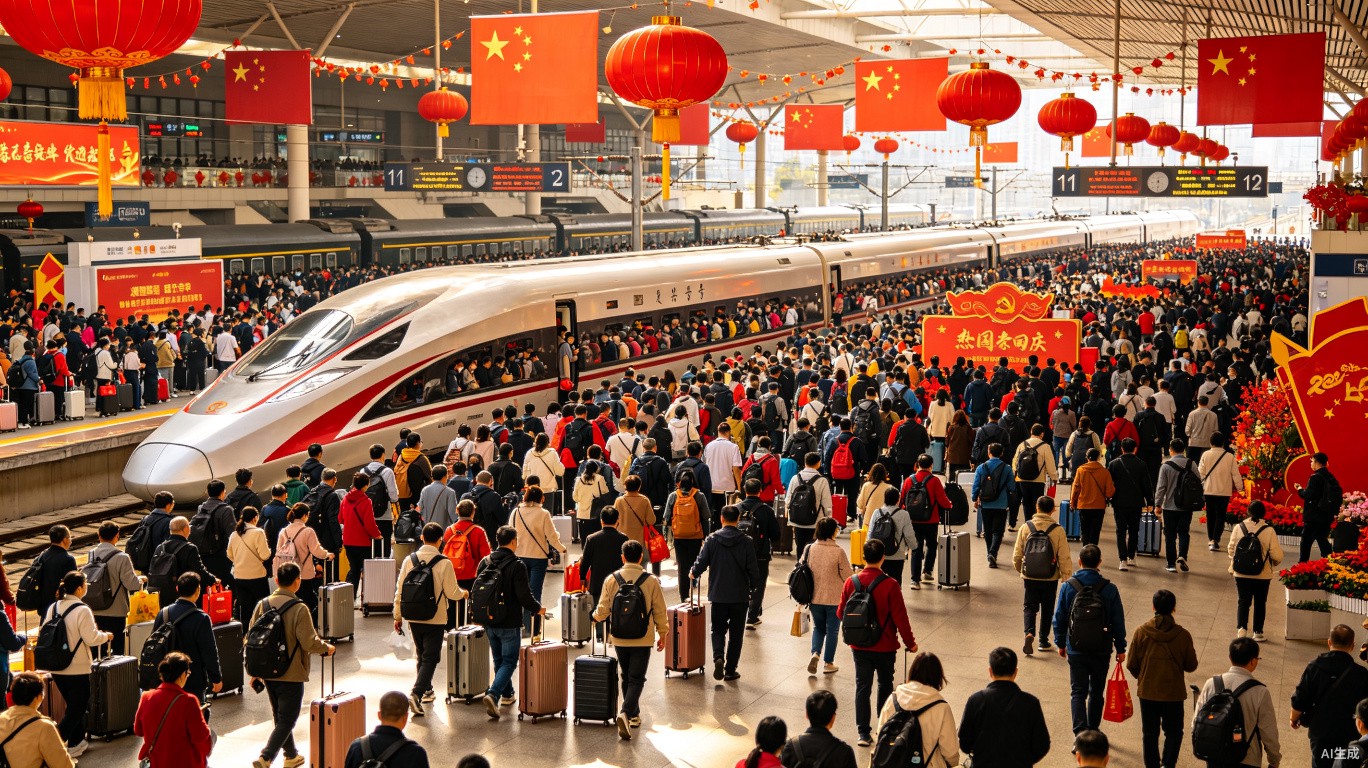
China Golden Week Travel Survival Guide
How to survive China's National Day Golden Week (October 1-7) - what to avoid, where to go, and how to beat the crowds.
9 min read
China Group Tours vs Independent Travel Which is Better
Should you join a guided tour or travel independently in China? Honest comparison of cost, flexibility, and experience.
7 min read
China Itinerary Planning: 7-Day 14-Day and 21-Day Routes: The Complete 2026 G...
Not sure how many days to spend in China? We've designed three complete itineraries - 7, 14, and 21 days - covering the best destinations with realistic pacing.
9 min read