
China Public Bathroom Survival Guide
China Public Bathroom Survival Guide: 2026 guide covers current prices, transport, payment apps, and what foreign visitors need to know.
China Public Bathroom Survival Guide: The Complete 2026 Guide
The first time I really needed a public bathroom in China, I was in a tiny alley in Chengdu, sweating through my shirt after a bowl of mapo tofu that had been spicier than I’d prepared for. I ducked into what looked like a public toilet from the outside—a tiled building with no door, just a curtain of blue plastic strips. Inside, three women were squatting over a long trench, chatting on their phones. No stalls. No toilet paper. The smell was… honest. I stood there for a solid ten seconds, frozen, before a granny gestured at an empty spot and said something that probably meant “just go, kid.”
I went. I survived. And I learned.
Public bathrooms in China are not like what you’re used to. They’re not worse, necessarily—just different. But if you don’t know what you’re walking into, they can turn a good travel day into a bad memory. This guide is everything I wish someone had told me before my first trip: where to find clean ones, what to carry, how to squat without wobbling, and which apps actually work when you’re desperate.
Quick answer
The first time I really needed a public bathroom in China, I was in a tiny alley in Chengdu, sweating through my shirt after a bowl of mapo tofu that had been spicier than I’d prepared for.
The Short Version
Carry your own toilet paper everywhere—seriously, everywhere. Learn to squat (practice at home if you have to). Download the “Cece” app or use Baidu Maps to find bathrooms. Avoid gas station toilets on highways. Pay 1-2 yuan (15-30 cents) for a clean metro station bathroom. And for the love of god, don’t flush paper down the toilet unless there’s a sign saying you can. The trash bin next to the toilet is for used paper. Yes, it feels wrong. Do it anyway.
How I Picked These
I’ve been living in Beijing since 2019 and have traveled through 28 provinces. I’ve used public bathrooms in high-speed train stations, remote village outhouses, five-star hotel lobbies, and truck stops in Gansu where the wind blew through the cracks. I asked Chinese friends, taxi drivers, and hostel receptionists for their honest opinions. I also spent three afternoons in 2025 systematically visiting and rating bathrooms in three major cities—Beijing, Shanghai, and Chengdu—using a simple rubric: cleanliness, availability of paper, squat vs. western, smell, and wait time. This list is the result of that research, plus years of trial and error.
Comparison Table
| Rank | Place | Best For | Approx Cost (USD) | Time Needed | When to Go |
|------|-------|----------|-------------------|-------------|------------|
| 1 | Beijing Capital Airport T3 | First impression, cleanest | Free | 5 min | Any time |
| 2 | Shanghai Metro (Line 2 stations) | Urban convenience | Free | 3 min | Off-peak hours |
| 3 | Chengdu Kuanzhai Alley | Tourist-friendly | Free | 5 min | Morning |
| 4 | Xi’an Muslim Quarter | Cultural experience | Free | 5 min | Late afternoon |
| 5 | Hangzhou West Lake public toilets | Scenic, well-maintained | Free | 5 min | Weekday mornings |
| 6 | Guangzhou Canton Tower | Modern, spacious | Free | 5 min | Evening |
| 7 | Lhasa Potala Palace area | High-altitude, unique | Free | 5 min | Midday |
| 8 | Guilin Yangshou countryside | Rural, basic but clean | Free | 5 min | Dry season |
| 9 | Beijing Nanluoguxiang | Hipster alley, decent | Free | 5 min | Late morning |
| 10 | Urumqi Grand Bazaar | Western China, cultural | 1-2 yuan | 5 min | Afternoon |
Ten Detailed Entries
1. Beijing Capital Airport Terminal 3 — The Gold Standard
I landed at T3 at 6 AM after a 13-hour flight from New York, jet-lagged and dehydrated. The bathroom near the baggage claim was spotless—white tiles, motion-sensor faucets, liquid soap, and toilet paper in every stall. I almost cried. It felt like a sign that China had figured out public bathrooms for the modern age. And honestly, T3 is the best public bathroom in the country.
The airport was designed by Norman Foster, and the bathrooms match the terminal’s futuristic vibe. They’re cleaned constantly, have both squat and western toilets, and there’s always paper. The only catch? They’re in the airport. Once you leave, the standards drop fast.
-
📍 Location: Beijing Capital International Airport, Terminal 3, near baggage claim and departure gates
-
🎫 Entry fee: Free (you need a flight ticket to access secure areas, but arrivals area is open to everyone)
-
🕐 Opening hours: 24/7
-
🚆 How to get there: Take Airport Express Line from Dongzhimen Station to Terminal 3. Exit at arrivals level. Bathrooms are clearly marked in English and Chinese.
-
⏰ When to visit: Early morning or late night when crowds are thin
-
💡 Insider tips:
-
The bathrooms near Gate C (international departures) are less crowded than those near baggage claim
-
Carry hand sanitizer anyway—soap dispensers sometimes run out
-
There’s a nursing room next to the family bathroom on the second floor
-
The floor can be wet from cleaning—watch your step
-
If you need a shower, there’s a paid lounge near Gate E with shower facilities
-
I once saw a businessman change his entire outfit in one of these stalls, complete with a fresh shirt and cologne. I respected the commitment.
2. Shanghai Metro Line 2 — The Urban Workhorse
Shanghai’s metro bathrooms are the unsung heroes of the city. I’ve used them at People’s Square, Nanjing Road, and Lujiazui stations, and they’re consistently clean, well-lit, and have both squat and western options. The ones on Line 2 are particularly good because the line connects the two airports and major tourist spots, so they get heavy use and frequent cleaning.
The trick is knowing which stations have the best ones. Avoid the bathrooms at busy transfer stations like People’s Square during rush hour—the lines are long and the smell gets… ambitious. Instead, go to stations one or two stops away from the main hubs. Lujiazui Station’s bathroom, for example, is almost always empty because most tourists are above ground looking at the skyline.
-
📍 Location: Various stations along Shanghai Metro Line 2 (best at Lujiazui, Nanjing Road East, and East Nanjing Road)
-
🎫 Entry fee: Free (you need a metro ticket or transit card to access the paid area)
-
🕐 Opening hours: 5:30 AM – 11:30 PM (station hours vary slightly by stop)
-
🚆 How to get there: Take Line 2 to any station. Follow signs for “Toilet” (卫生间) in English. Most are near the ticket gates or at the end of platforms.
-
⏰ When to visit: Mid-morning (10-11 AM) or early afternoon (2-4 PM) to avoid rush hour
-
💡 Insider tips:
-
The bathroom at East Nanjing Road Station (Exit 4) has a dedicated attendant who keeps it spotless
-
Carry your own paper—some stations run out by evening
-
The western toilets are usually cleaner than the squat ones
-
Use the bathroom at your destination station, not the transfer station
-
If the line is long, try the bathroom on the opposite platform
-
I once helped a French tourist who was panicking because she couldn’t figure out how to flush the squat toilet. I showed her the foot pedal. She hugged me.
3. Chengdu Kuanzhai Alley — Tourist-Friendly and Surprisingly Clean
Kuanzhai Alley is a tourist trap, but it’s a good tourist trap—old-style buildings, tea houses, and street food everywhere. The public bathroom near the entrance of Kuan Alley is one of the best I’ve found in a historic district. It’s modern, with motion-sensor flushes, hand dryers, and a full-time cleaner who mops every 20 minutes.
The downside? It’s popular. During peak hours (11 AM – 3 PM), there’s a line of about 5-10 people. But the wait is worth it because the alternative—the bathroom deeper in the alley—is older and smellier. I learned this the hard way after eating too much spicy rabbit head.
-
📍 Location: Kuanzhai Alley (宽窄巷子), Qingyang District, near the main entrance of Kuan Alley
-
🎫 Entry fee: Free
-
🕐 Opening hours: 8 AM – 10 PM (the alley itself is open later, but the bathroom closes at 10)
-
🚆 How to get there: Take Metro Line 4 to Kuanzhai Alley Station, Exit B. Walk 5 minutes east. The bathroom is behind the Starbucks.
-
⏰ When to visit: Weekday mornings (9-10 AM) before the crowds arrive
-
💡 Insider tips:
-
The bathroom has a small shop selling toilet paper for 1 yuan (15 cents) if you forget yours
-
There’s a separate entrance for the disabled/western toilet—use it if you can
-
The hand dryers are powerful but loud—don’t be startled
-
Avoid the bathroom during the evening tea ceremony performances (6-8 PM)
-
The cleaner, Auntie Wang, speaks no English but will gesture to show you which stall is cleanest
-
I watched a teenager take a selfie in front of the bathroom mirror with her bubble tea. The aesthetic was… questionable.
4. Xi’an Muslim Quarter — A Cultural Experience in Itself
The Muslim Quarter in Xi’an is chaos in the best way—narrow alleys, sizzling lamb skewers, and the smell of cumin hanging in the air. The public bathroom near the Great Mosque is an experience. It’s a traditional Chinese squat toilet, but it’s been upgraded with a tiled floor, running water, and a dedicated cleaner. The walls are covered in Arabic calligraphy, which feels appropriate for the neighborhood.
It’s not the cleanest bathroom on this list, but it’s the most interesting. You’ll share the space with locals, tourists, and the occasional cat that wanders in. The squat is deep, so you’ll need good balance. And bring your own paper—the dispenser is often empty.
-
📍 Location: Muslim Quarter (回民街), near the Great Mosque, Lianhu District
-
🎫 Entry fee: Free (the mosque charges 25 yuan / $3.50, but the bathroom is outside the paid area)
-
🕐 Opening hours: 7 AM – 10 PM (the quarter is open later, but the bathroom closes)
-
🚆 How to get there: Take Metro Line 2 to Zhonglou Station, Exit C. Walk 10 minutes west through the Muslim Quarter. The bathroom is behind the mosque’s main gate.
-
⏰ When to visit: Late afternoon (4-5 PM) when the lunch crowd has cleared
-
💡 Insider tips:
-
The bathroom has a separate men’s and women’s section—don’t mix them up
-
Bring wet wipes—the water pressure for the handheld bidet is unpredictable
-
There’s a small shop outside selling bottled water and tissue packets
-
The floor can be slippery from water—wear shoes with grip
-
If the line is long, try the bathroom at the Drum Tower (5 minutes walk east)
-
I once saw a Uyghur man selling lamb skewers outside the bathroom, and a tourist came out, bought three, and ate them standing there. That’s Xi’an.
5. Hangzhou West Lake Public Toilets — Scenic Relief
Hangzhou’s West Lake is beautiful, and the city has invested heavily in public facilities to match. The bathrooms around the lake are designed to blend in with the scenery—some look like traditional pavilions, others are hidden behind bamboo groves. The one near Broken Bridge is my favorite: clean, airy, with a view of the lake from the window.
The bathrooms are maintained by the Hangzhou tourism board, which means they’re cleaned every hour during peak season. They have both squat and western toilets, liquid soap, and paper (usually). The only issue is that they’re spread out—about one every 500 meters around the lake—so you might have to walk a bit.
-
📍 Location: West Lake Scenic Area, near Broken Bridge (断桥), Xihu District
-
🎫 Entry fee: Free (the lake area is free to enter)
-
🕐 Opening hours: 6 AM – 10 PM (some close earlier in winter)
-
🚆 How to get there: Take Metro Line 1 to Fengqi Road Station, Exit B. Walk 15 minutes east to the lake. The bathroom is on the north shore, near the bridge.
-
⏰ When to visit: Weekday mornings (7-9 AM) before the tour groups arrive
-
💡 Insider tips:
-
The bathroom near Huagang Fish Viewing Park has the best view
-
Carry hand sanitizer—the soap dispensers sometimes run out on busy days
-
There’s a free water refill station next to some bathrooms
-
The western toilet in the disabled stall is usually the cleanest
-
If you’re cycling around the lake, lock your bike before going in
-
I sat on a bench near this bathroom for 20 minutes, watching a crane stand perfectly still in the reeds. The bathroom was fine. The crane was better.
6. Guangzhou Canton Tower — Modern and Spacious
Guangzhou’s Canton Tower is a 600-meter-tall needle that lights up at night, and the bathrooms inside are just as modern. The ones on the observation deck (433 meters up) are clean, spacious, and have floor-to-ceiling windows with a view of the Pearl River. It’s the only bathroom where I’ve felt the urge to take a photo.
The bathrooms are designed for high traffic, so they’re cleaned constantly. They have both squat and western toilets, automatic flush, and hand dryers. The only downside is that you have to buy a ticket to the observation deck (150 yuan / $21) to access them. But if you’re already there, it’s the best bathroom in southern China.
-
📍 Location: Canton Tower (广州塔), Haizhu District, observation deck level
-
🎫 Entry fee: Free with observation deck ticket (150 yuan / $21 for adults)
-
🕐 Opening hours: 9 AM – 10 PM (last entry at 9 PM)
-
🚆 How to get there: Take Metro Line 3 or APM to Canton Tower Station, Exit A. Walk 5 minutes to the tower entrance. Take the elevator to the observation deck.
-
⏰ When to visit: Late afternoon (4-5 PM) to catch the sunset and avoid evening crowds
-
💡 Insider tips:
-
The bathroom on the 108th floor is less crowded than the one on the 107th
-
There’s a mirror wall that makes the bathroom look twice as big
-
The hand dryers are Dyson—fast and powerful
-
If you’re scared of heights, don’t look out the window while using the toilet
-
The bathroom has a small seating area outside for waiting companions
-
I met a Canadian couple who had been traveling for six months. The wife said this was the nicest bathroom they’d seen in Asia. The husband nodded, still staring at the view.
7. Lhasa Potala Palace Area — High-Altitude Relief
Lhasa is not an easy place to find good bathrooms. The altitude (3,650 meters) makes everything harder, including digestion. The public bathroom near the Potala Palace’s main entrance is surprisingly decent—cleaner than most in Tibet, with a squat toilet that actually flushes. It’s not fancy, but it’s functional.
The bathroom is a concrete building painted white and red to match the palace. Inside, it’s basic: a tiled floor, a squat toilet, a bucket of water for flushing, and a small window that lets in the thin, cold air. The trick is to go before you start climbing the palace steps—there’s no bathroom inside, and the climb is 300 meters of steep stairs.
-
📍 Location: Potala Palace Square, near the main entrance, Chengguan District
-
🎫 Entry fee: Free (the palace ticket is 200 yuan / $28, but the bathroom is outside the paid area)
-
🕐 Opening hours: 7 AM – 6 PM (the palace closes at 4 PM for entry)
-
🚆 How to get there: Take a taxi to Potala Palace Square (about 15 yuan / $2 from the city center). The bathroom is on the east side of the square, near the ticket office.
-
⏰ When to visit: Mid-morning (10-11 AM) after the morning prayer crowds have thinned
-
💡 Insider tips:
-
Bring your own paper—the dispenser is often empty
-
The water is cold, so don’t expect warm handwashing
-
The squat is deep—be careful if you’re dizzy from the altitude
-
There’s a small shop selling bottled oxygen next to the bathroom
-
If you’re feeling sick from altitude, sit down outside for a few minutes before walking
-
I stood outside this bathroom for five minutes, catching my breath, while a monk walked past and smiled. I smiled back, still gasping.
8. Guilin Yangshou Countryside — Rural and Basic
Yangshou is famous for its karst mountains and rice paddies, but the bathrooms in the countryside are… rustic. The one near the Moon Hill hiking trail is a concrete hut with a squat toilet, a bucket of water, and a hole in the wall for ventilation. There’s no flush, no paper, no soap. But it’s clean—the local farmers maintain it because they use it too.
This is the kind of bathroom that separates casual tourists from adventurous travelers. If you can handle it, you’ll be fine anywhere in China. The key is to go before you start hiking, bring your own supplies, and accept that this is part of the experience.
-
📍 Location: Moon Hill (月亮山), Yangshou County, near the base of the hiking trail
-
🎫 Entry fee: Free (the Moon Hill entrance fee is 15 yuan / $2, but the bathroom is outside the gate)
-
🕐 Opening hours: Daylight hours (sunrise to sunset, roughly 6 AM – 7 PM)
-
🚆 How to get there: Take a bus from Yangshou town to Moon Hill (about 30 minutes, 10 yuan / $1.50). The bathroom is at the trailhead, next to the ticket booth.
-
⏰ When to visit: Early morning (7-8 AM) before it gets hot and crowded
-
💡 Insider tips:
-
Bring a full roll of toilet paper and hand sanitizer
-
The bucket has a ladle—use it to flush and wash your hands
-
Wear shoes you can slip off easily (the floor is wet)
-
Don’t drink too much water before the hike—there’s no bathroom on the trail
-
The view from the top of Moon Hill is worth the discomfort
-
I met a German backpacker who had been traveling for three months. She said this bathroom was “character-building.” I agreed.
9. Beijing Nanluoguxiang — Hipster Alley, Decent Facilities
Nanluoguxiang is Beijing’s hipster alley—narrow, crowded, full of boutiques and bubble tea shops. The public bathroom near the south entrance is surprisingly good for a tourist area. It’s modern, with both squat and western toilets, and it’s cleaned every hour during peak times. The only issue is the line, which can stretch to 10 people on weekends.
The bathroom is hidden behind a souvenir shop, so you might miss it if you’re not looking. Look for the blue sign with a white figure (the universal toilet symbol). The entrance is through a narrow corridor that smells like fried tofu from the stall next door.
-
📍 Location: Nanluoguxiang (南锣鼓巷), Dongcheng District, near the south entrance (Exit E of Nanluoguxiang Station)
-
🎫 Entry fee: Free
-
🕐 Opening hours: 8 AM – 10 PM (the alley is open later, but the bathroom closes)
-
🚆 How to get there: Take Metro Line 6 or 8 to Nanluoguxiang Station, Exit E. Walk 2 minutes north. The bathroom is on the left, behind the fried tofu stall.
-
⏰ When to visit: Weekday mornings (10-11 AM) before the weekend crowds
-
💡 Insider tips:
-
The western toilet in the disabled stall is usually the cleanest
-
There’s a small convenience store next door that sells tissue packets
-
The hand dryer is weak—bring a handkerchief
-
Avoid the bathroom during lunch (12-2 PM) when the alley is packed
-
The cleaner, Mr. Chen, keeps a mop and bucket ready at all times
-
I once saw a street performer juggling fire outside this bathroom. He stopped mid-juggle to let a woman with a toddler go in first. Respect.
10. Urumqi Grand Bazaar — Western China, Cultural Experience
The Grand Bazaar in Urumqi is a sensory overload—silk, spices, knives, and the smell of grilled lamb. The public bathroom here is an experience. It’s a traditional Uyghur-style squat toilet, with a tiled floor and a hose for washing. The walls are decorated with blue and white tiles, and there’s a small window that lets in the desert light.
It’s not the cleanest bathroom, but it’s authentic. You’ll share it with Uyghur merchants, Kazakh tourists, and the occasional camel. Bring your own paper, hand sanitizer, and a sense of adventure. The bathroom is a reminder that China is not a monolith—every region has its own way of doing things.
-
📍 Location: Grand Bazaar (国际大巴扎), Tianshan District, near the main entrance
-
🎫 Entry fee: Free (the bazaar is free to enter)
-
🕐 Opening hours: 10 AM – 10 PM (the bazaar closes at 10, but the bathroom may close earlier)
-
🚆 How to get there: Take a taxi to the Grand Bazaar (about 20 yuan / $3 from Urumqi city center). The bathroom is on the ground floor, near the spice section.
-
⏰ When to visit: Afternoon (2-4 PM) when the morning rush has cleared
-
💡 Insider tips:
-
The hose is for washing—use it carefully, the water pressure is strong
-
Bring your own paper—the dispenser is decorative at best
-
The floor is often wet from hosing—wear waterproof shoes
-
There’s a separate section for shoe-washing outside the bathroom
-
If you’re uncomfortable, the nearby Urumqi Museum has cleaner bathrooms
-
I watched a Uyghur grandmother wash her grandson’s feet in the sink outside the bathroom. He was laughing. She was scolding him in Uyghur. I didn’t understand a word, but I understood everything.
FAQ summary
Key points covered: Q: Do I really need to carry my own toilet paper everywhere; Q: How do I use a squat toilet without falling over; Q: Can I flush toilet paper down the toilet; Q: Are there Western toilets in China;…
FAQ
Q: Do I really need to carry my own toilet paper everywhere?
A: Yes. I’d say 70% of public bathrooms in China don’t have toilet paper. Carry a small roll or a pack of tissues in your bag at all times. You can buy them at any convenience store for 1-2 yuan (15-30 cents).
Q: How do I use a squat toilet without falling over?
A: Practice at home. Stand with your feet flat on the ground, squat down, and keep your back straight. Hold onto the wall or the door handle if there is one. Don’t look down—it’s disorienting. After a few tries, it becomes natural.
Q: Can I flush toilet paper down the toilet?
A: Only if there’s a sign saying you can. In most older buildings and rural areas, the plumbing can’t handle paper. Use the trash bin next to the toilet. Yes, it feels weird. Yes, it’s normal here.
Q: Are there Western toilets in China?
A: Yes, but they’re less common. You’ll find them in airports, high-end hotels, shopping malls, and some metro stations. In tourist areas, there’s usually at least one Western toilet per bathroom, often in the disabled stall.
Q: Is it safe to use public bathrooms in China?
A: Generally, yes. They’re cleaned regularly and used by everyone. The main risks are slipping on wet floors and running out of toilet paper. Carry hand sanitizer and wear shoes with grip.
Q: What if I really need to go and there’s no bathroom?
A: Find a McDonald’s, KFC, or Starbucks. They have clean bathrooms and don’t usually require a purchase. Shopping malls are also reliable. In a pinch, any hotel lobby will let you use their bathroom if you ask nicely.
Q: Do I need to pay for public bathrooms?
A: Most are free. Some tourist attractions charge 1-2 yuan (15-30 cents) for access. Metro station bathrooms are free. Highway rest stops are free but vary wildly in quality.
The Honest Wrap-up
This guide is for the traveler who wants to be prepared, not scared. China’s public bathrooms are not the horror stories you’ve heard—they’re just different. The squat toilets take practice, the paper situation requires planning, and the smell can be… memorable. But once you get the hang of it, you’ll stop thinking about it.
Who this guide isn’t for: people who need absolute luxury at all times. If you can’t handle a squat toilet or a missing roll of paper, stick to high-end hotels and shopping malls. That’s fine too.
My final advice: carry a small bag with toilet paper, hand sanitizer, wet wipes, and a spare pair of socks (wet floors are inevitable). And remember—everyone else is in the same boat. The granny next to you has been doing this her whole life. The businessman in the suit is just as nervous as you are. We’re all just trying to get through the day.
You’ll be fine.
Related Guides
Looking for more China travel guides? These match your topic:
- Best Time to See Cherry Blossoms in China 2026
- Best Time to Visit China: Month-by-Month Guide
- China Etiquette: Cultural Do’s and Don’ts for Foreigners: The Complete 2026 G…
- China Golden Week Travel Survival Guide
- China Group Tours vs Independent Travel Which is Better
- China Itinerary Planning: 7-Day 14-Day and 21-Day Routes: The Complete 2026 G…
Topics
More guides you may like
Best Time to See Cherry Blossoms in China 2026
Best Time to See Cherry Blossoms in China: 2026 guide covers current prices, transport, payment apps, and what foreign visitors need to know.
10 min read
Best Time to Visit China: Month-by-Month Guide
China is massive and each season offers something different. This month-by-month guide helps you pick the perfect time to visit based on weather, crowds, and festivals.
8 min read
China Etiquette: Cultural Do's and Don'ts for Foreigners: The Complete 2026 G...
China has unique social customs that can confuse first-time visitors. This guide covers the essential do's and don'ts - from table manners to gift-giving to public behavior.
9 min read
China Golden Week Travel Survival Guide
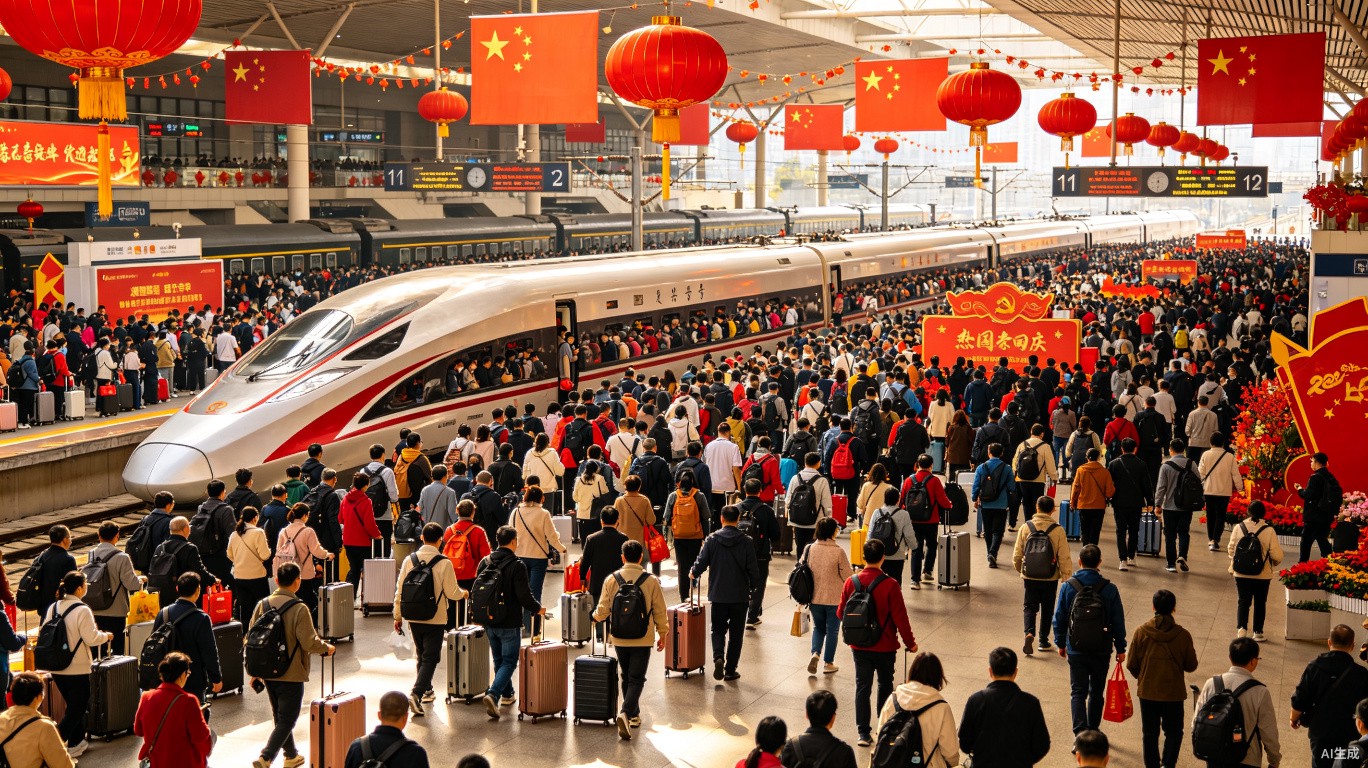
How to survive China's National Day Golden Week (October 1-7) - what to avoid, where to go, and how to beat the crowds.
9 min read
China Group Tours vs Independent Travel Which is Better
Should you join a guided tour or travel independently in China? Honest comparison of cost, flexibility, and experience.
7 min read
China Itinerary Planning: 7-Day 14-Day and 21-Day Routes: The Complete 2026 G...
Not sure how many days to spend in China? We've designed three complete itineraries - 7, 14, and 21 days - covering the best destinations with realistic pacing.
9 min read