
How to Tip in China Proper Etiquette
How to Tip in China Proper Etiquette: 2026 guide covers current prices, transport, payment apps, and what foreign visitors need to know.

How to Tip in China Proper Etiquette: The Complete 2026 Guide
The cab driver laughed at me when I asked if he needed a tip. It was my third day in Beijing, 2017, and I’d just spent twenty minutes sweating through a Mandarin phrasebook trying to figure out the right amount. He waved his hand, said something I later learned meant “don’t be silly,” and drove off before I could even get my change. I stood there on the curb, wallet open, feeling like an idiot.
Seven years and forty-something trips later, I’ve learned that tipping in China isn’t just different—it’s almost backward from what most Westerners expect. You don’t tip for good service. You tip to say thank you for something exceptional, or you don’t tip at all. And if you try to tip the wrong person, you might actually offend them.
This guide is what I wish someone had told me before that first cab ride. I’ll walk you through exactly where your money is welcome, where it’s insulting, and how to handle the gray areas without looking like a clueless tourist.
Quick answer
The cab driver laughed at me when I asked if he needed a tip. It was my third day in Beijing, 2017, and I’d just spent twenty minutes sweating through a Mandarin phrasebook trying to figure out the right amount.
The Short Version
Don’t tip at restaurants, hotels, or taxis. Do tip tour guides, drivers on long trips, and hotel porters who carry your bags. The maximum you’ll ever need is 100 RMB ($14). Anything more and you’re either getting scammed or making people uncomfortable. When in doubt, a warm “thank you” in Chinese (xièxie) is worth more than cash.
How I Picked These
I’ve tipped, been refused, been chased down, and once accidentally tipped a man who turned out to be the restaurant owner. I’ve asked dozens of Chinese friends, hotel managers, and tour guides what they actually expect. I’ve tested the rules in Beijing, Shanghai, Chengdu, Lijiang, and a dozen smaller cities. These aren’t theories from a guidebook—they’re what actually happens on the ground in 2026.
Quick Reference Table
| Situation | Tip? | Amount (USD) | Amount (CNY) | Notes |
|-----------|------|--------------|--------------|-------|
| Restaurant (casual) | No | $0 | ¥0 | Leave change if you want, but not expected |
| Restaurant (fine dining) | Optional | $2-4 | ¥15-30 | Only for exceptional service |
| Hotel porter | Yes | $1-2 | ¥5-15 | Per bag, hand directly |
| Hotel housekeeping | No | $0 | ¥0 | Leave a note if you must |
| Taxi | No | $0 | ¥0 | Round up to nearest ¥5 if you’re feeling generous |
| Private driver (full day) | Yes | $10-15 | ¥70-100 | At end of trip |
| Tour guide (group) | Yes | $5-10 | ¥35-70 | Per person, per day |
| Tour guide (private) | Yes | $10-20 | ¥70-140 | Per day, hand at end |
| Spa/massage | No | $0 | ¥0 | Service fee included |
| Toilet attendant | No | $0 | ¥0 | They’re paid salary, not tips |
| Street vendor | No | $0 | ¥0 | Just pay the price |
1. Restaurants: The Biggest Trap
I watched a French couple at a hot pot restaurant in Chengdu leave 50 RMB on the table. The waitress ran after them halfway down the street, waving the money. They thought she was being polite. She was genuinely confused.
Here’s the rule: Do not tip at restaurants. Not at the noodle shop, not at the dumpling house, not even at the fancy Peking duck place on the 48th floor. Service charges are already included in the bill at nicer restaurants. At cheap places, the staff are paid a wage, and tipping creates an awkward dynamic.
The exception? If you’re at a high-end Western restaurant in Shanghai or Beijing where the menu explicitly says “service charge not included.” Even then, 10% max. I’ve eaten at Michelin-starred places in Shanghai where the bill already had a 15% service charge printed on it. Check the bottom of your receipt for “服务费” (fúwù fèi) before you add anything.
One thing I’ve started doing: if the service was genuinely exceptional, I’ll leave the small change—maybe 5-10 RMB. But I do it casually, not as a “tip” but as a “keep the coins.” The staff usually nod and pocket it without fuss.
2. Hotels: Where Tipping Actually Works
The first time I stayed at a proper Chinese hotel, I tried to tip the bellhop. He looked at the 20 RMB note like it was a parking ticket. “No need, sir,” he said, and walked away.
But here’s the thing: hotel porters will accept tips if you hand them the money directly. The trick is the amount. 5-10 RMB per bag is fine. 20 RMB if you have heavy luggage. Anything more and they’ll refuse out of embarrassment.
Housekeeping is different. Don’t leave money on the pillow—they won’t take it. If you really want to thank them, leave a note in Chinese saying “谢谢” (xièxie) with 20 RMB. But honestly? Most housekeeping staff are instructed not to accept tips. I’ve had money left untouched for three days.
The concierge desk is the one place where tipping is becoming more normal, especially at international chain hotels. If they get you hard-to-find tickets or arrange a last-minute driver, 50 RMB is appropriate. Hand it over with both hands and a smile.
3. Taxis and Ride-Hailing: Just Round Up
I once tipped a Beijing cab driver 10 RMB on a 30 RMB fare. He stopped the car, turned around, and spent two minutes explaining (in rapid Chinese I barely understood) that I was being ridiculous. Then he handed the money back.
Do not tip taxi drivers. Not in Beijing, Shanghai, or anywhere else. The fare is the fare. The only exception is if they help you with heavy luggage—then 5-10 RMB is fine.
For Didi (China’s Uber), the app handles everything. There’s no tip option in the app. If you try to hand cash to the driver, they’ll wave it off. I’ve had drivers refuse tips so firmly I thought I’d offended them.
What you can do: if the fare is 28.5 RMB, just say “30 is fine” and don’t take the change. That’s not really a tip—it’s convenience. Drivers appreciate it but don’t expect it.
4. Tour Guides: The One Place You Must Tip
This is where the rules flip completely. Tour guides expect tips. Not in a greedy way—it’s genuinely part of their income.
For a group tour (think: the Forbidden City with 15 other people), tip the guide 50-100 RMB per person per day. Hand it to them at the end of the tour, not during. I usually put it in a red envelope (hóngbāo) if I have one—it makes the gesture more respectful.
For private guides, 100-200 RMB per day is standard. More if they’ve been exceptional—taking you to local restaurants, helping with translation, going beyond the script.
I once had a guide in Xi’an who spent an extra two hours with me after the official tour ended, showing me the Muslim Quarter at night. I gave her 300 RMB. She tried to refuse. I insisted. She finally accepted with a genuine smile and a bow. That’s the sweet spot—enough to be generous, not so much that it feels like charity.
Important: Tip the guide, not the driver separately. If there’s a driver for a multi-day trip, the guide will usually handle the driver’s tip. Ask the guide: “Should I tip the driver separately?” They’ll tell you.
5. Private Drivers: The Long Haul Rule
If you hire a driver for a full day (say, driving from Beijing to the Great Wall and back), tip 100 RMB at the end. For multi-day trips, 50-100 RMB per day.
The key is timing. Hand it to them when they drop you off at your hotel, not during the trip. And do it casually—fold the money, shake their hand, and pass it over. Don’t make a ceremony of it.
I once took a driver from Chengdu to the Leshan Giant Buddha, a three-hour drive each way. He waited for me for five hours while I explored. I gave him 150 RMB. He tried to give 50 back. I refused. He finally nodded and said “péngyou” (friend). That’s the sign you’ve done it right.
6. Spas and Massages: Read the Menu
Massage places in China are a minefield. Some include service charges. Some don’t. Some expect tips. Some consider them offensive.
The rule: Check the menu or receipt for “服务费” or “小费” (xiǎofèi, meaning tip). If it’s listed, don’t tip extra. If it’s not, and the service was good, 10-20 RMB is fine.
But here’s the catch: at the cheap foot massage places (the ones charging 60 RMB for an hour), tipping is not expected. At the fancy spa in a five-star hotel, it’s becoming more normal. I usually tip 10% at high-end places, but I’ve never had anyone look disappointed when I didn’t.
One time in a Shanghai spa, the masseuse spent an extra 20 minutes on my back without asking. I tipped her 50 RMB. She was genuinely surprised and grateful. That’s the exception, not the rule.
7. Street Vendors and Markets: No Tipping, But…
You don’t tip at street food stalls, souvenir shops, or markets. The price is the price. But here’s what you can do: if a vendor gives you a discount (which happens in tourist markets), don’t then tip them. That defeats the purpose. Just say thank you and move on.
The exception is if someone does something extraordinary—like the old woman in Lijiang who spent 20 minutes teaching me how to properly wrap a scarf. I bought the scarf (overpriced, I knew it) and gave her an extra 10 RMB. She smiled and tucked it into her apron pocket without a word. That felt right.
8. Toilet Attendants: The Confusing One
You’ll see small dishes with coins at public toilet entrances. These are not tips. They’re for toilet paper, which isn’t always provided. If you use the paper, leave 1-2 RMB. If you don’t, don’t leave anything.
I’ve seen tourists drop 10 RMB in these dishes and walk away looking proud. The attendants just shrug. Don’t be that person.
9. Red Envelopes: When to Use Them
If you want to tip someone in a way that feels culturally appropriate, use a red envelope (hóngbāo). You can buy them at any convenience store for 1-2 RMB. Put cash inside and hand it over with both hands.
This is especially good for:
-
Tour guides at the end of a multi-day trip
-
Hotel staff who’ve done something special
-
Private drivers on long journeys
Don’t use red envelopes for casual tips like restaurant change or taxi rounding. That’s overkill.
10. The One Time You Should Never Tip
Do not tip government employees. Not museum staff, not ticket booth workers, not police officers, not anyone in uniform. It’s not just inappropriate—it could be interpreted as a bribe.
I saw a tourist try to tip a museum guard in Xi’an for letting them take a photo in a no-photo zone. The guard looked horrified and called a supervisor. The tourist spent ten minutes explaining themselves. Just don’t.
FAQ summary
Key points covered: Q: What if I accidentally tip and they refuse; Q: Should I tip in USD or RMB; Q: What about WeChat or Alipay tips; Q: Is there a service charge at Chinese restaurants; Q: What if I’m at a hot pot r…
FAQ
Q: What if I accidentally tip and they refuse?
A: Smile, say “xièxie,” and put the money away. Don’t insist. In China, refusing twice is normal politeness. If they refuse a third time, they genuinely don’t want it.
Q: Should I tip in USD or RMB?
A: Always RMB. USD is useless to most Chinese workers unless they work at a five-star hotel. Even then, they have to exchange it, which costs them.
Q: What about WeChat or Alipay tips?
A: Some businesses now have a “tip” option in their digital payment systems, but it’s rare. Most Chinese don’t tip through apps. Cash is still king for tipping.
Q: Is there a service charge at Chinese restaurants?
A: At mid-range and upscale places, yes. Check your bill. At cheap places, no—the price on the menu is what you pay.
Q: What if I’m at a hot pot restaurant and the staff keeps refilling my water?
A: That’s their job. Don’t tip for standard service. If they do something extraordinary (like cutting your meat because you’re struggling with chopsticks), then maybe 10-20 RMB.
Q: Do I tip at bars?
A: No. Not at local bars, not at fancy cocktail bars. The price includes service. If you want to show appreciation, buy the bartender a drink (they’ll usually take a soda or tea).
Q: What about tipping at the airport?
A: Don’t tip porters or check-in staff. If someone helps you with luggage, 10-20 RMB is fine, but it’s not expected.
The Honest Wrap-Up
This guide is for people who want to be respectful, not for people who want to throw money around. If you’re the type who tips 20% everywhere back home, you’ll need to dial it way back in China. The locals will appreciate your restraint more than your cash.
Who this isn’t for: luxury travelers staying at Ritz-Carltons and eating at three-Michelin-star restaurants. Those places have their own tipping culture, and it’s closer to Western norms. But for 95% of China travel—the hostels, the street food, the local guides, the cab rides—follow these rules and you’ll never offend anyone.
My final advice? Carry 100 RMB in small bills (10s and 20s) in a separate pocket. You’ll use it maybe once a week. The rest of the time, just say “xièxie” with a genuine smile. That’s the tip that matters most.
Related Guides
Looking for more China travel guides? These match your topic:
- Best Time to See Cherry Blossoms in China 2026
- Best Time to Visit China: Month-by-Month Guide
- China Etiquette: Cultural Do’s and Don’ts for Foreigners: The Complete 2026 G…
- China Golden Week Travel Survival Guide
- China Group Tours vs Independent Travel Which is Better
- China Itinerary Planning: 7-Day 14-Day and 21-Day Routes: The Complete 2026 G…
Topics
More guides you may like

Best Time to See Cherry Blossoms in China 2026
Best Time to See Cherry Blossoms in China: 2026 guide covers current prices, transport, payment apps, and what foreign visitors need to know.
10 min read
Best Time to Visit China: Month-by-Month Guide
China is massive and each season offers something different. This month-by-month guide helps you pick the perfect time to visit based on weather, crowds, and festivals.
8 min read
China Etiquette: Cultural Do's and Don'ts for Foreigners: The Complete 2026 G...
China has unique social customs that can confuse first-time visitors. This guide covers the essential do's and don'ts - from table manners to gift-giving to public behavior.
9 min read
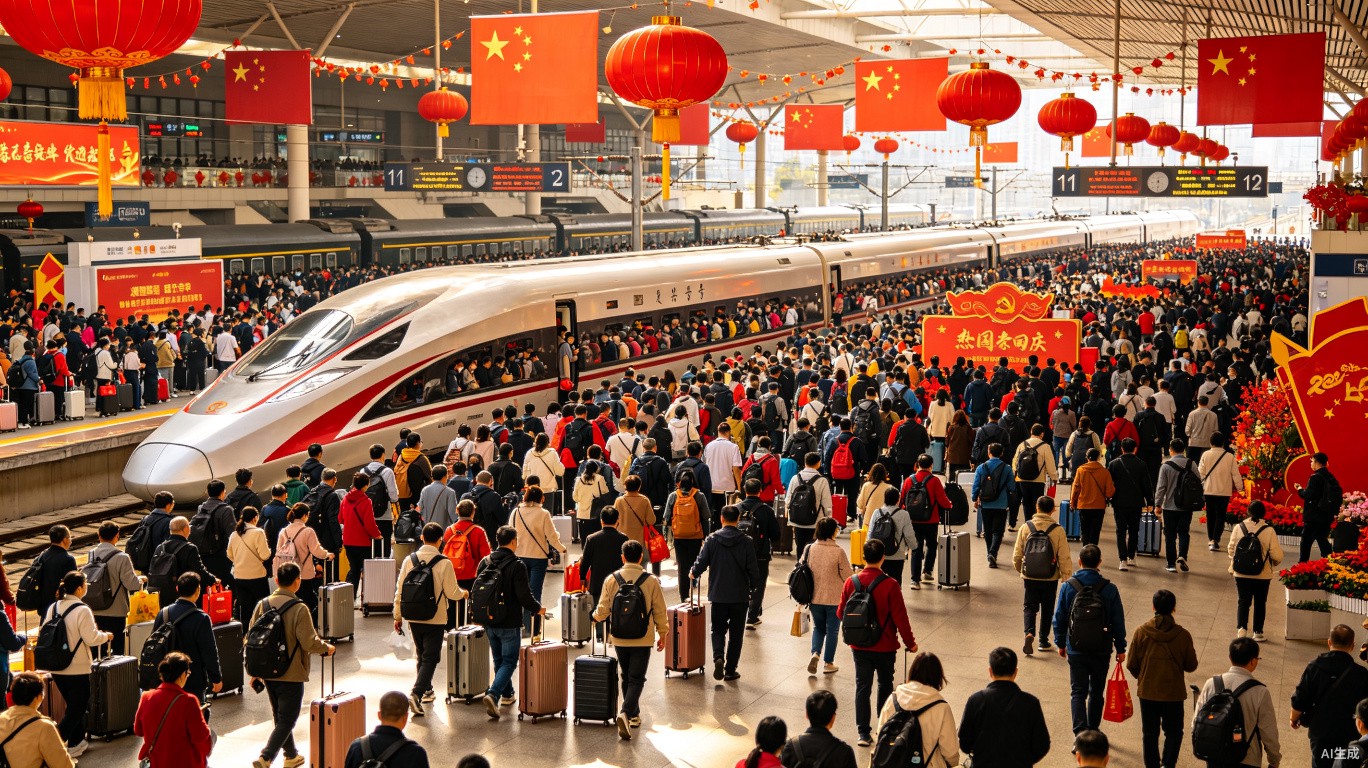
China Golden Week Travel Survival Guide
How to survive China's National Day Golden Week (October 1-7) - what to avoid, where to go, and how to beat the crowds.
9 min read

China Group Tours vs Independent Travel Which is Better
Should you join a guided tour or travel independently in China? Honest comparison of cost, flexibility, and experience.
7 min read
China Itinerary Planning: 7-Day 14-Day and 21-Day Routes: The Complete 2026 G...
Not sure how many days to spend in China? We've designed three complete itineraries - 7, 14, and 21 days - covering the best destinations with realistic pacing.
9 min read