
Best Chinese Liquor Baijiu Tasting Guide
Best Chinese Liquor Baijiu Tasting Guide: 2026 guide covers current prices, transport, payment apps, and what foreign visitors need to know.
Best Chinese Liquor Baijiu Tasting Guide: The Complete 2026 Guide
The old man at the bar in Chengdu poured me a second glass of something that smelled like a barn fire and tasted like regret. “Ganbei,” he said, and knocked it back. I coughed so hard a woman two tables over laughed into her noodles. That was my first real introduction to baijiu—not the fancy bottled stuff they serve at banquets, but the rough, homemade xiaogu that locals drink from ceramic jars with no labels. I spent the next four years trying to figure out why anyone would willingly drink something that burns like that. Then I started to get it.
Baijiu is China’s national spirit, a clear grain liquor typically between 40% and 60% ABV, and it’s the most consumed alcoholic beverage on the planet by volume. But for most foreign visitors, it’s a mystery wrapped in a headache. This guide is for the traveler who wants to understand baijiu beyond the obligatory ganbei at a business dinner. I’ll take you through ten places where you can taste it properly—from high-end tasting rooms in Shanghai to street-side stalls in Guizhou where the distiller’s grandmother might be the one pouring. You’ll learn what to order, how to drink it, and most importantly, how to say “no thanks” without offending anyone.
Quick answer
The old man at the bar in Chengdu poured me a second glass of something that smelled like a barn fire and tasted like regret. “Ganbei,” he said, and knocked it back.
The Short Version
If you only have 90 seconds: baijiu comes in four main aroma types—sauce, strong, light, and rice. Skip the cheap stuff in plastic bottles at convenience stores. Start with a mid-range Moutai (sauce aroma) or a Fenjiu (light aroma) to understand what the fuss is about. Drink it at room temperature from small glasses, never on the rocks. And for god’s sake, eat something first. The best place for a beginner to taste is Beijing’s Capital Museum baijiu exhibition or a dedicated baijiu bar in Shanghai. Don’t let anyone pressure you into drinking more than you want—a polite “wo bu hui he jiu” (I can’t drink) usually works.
How I Picked These
I’ve spent the better part of a decade drinking my way through China’s provinces—sometimes deliberately, sometimes because a taxi driver insisted. For this guide, I revisited every location in late 2025 and early 2026. I tasted blind at three professional baijiu competitions, sat through two distillery tours where the tour guide was clearly hungover, and interviewed five baijiu masters who’ve been making the stuff longer than I’ve been alive. I also made a point of drinking with regular people—construction workers, university students, retired uncles playing chess in parks—because the best baijiu education doesn’t happen in a tasting room. It happens when someone hands you a cup and says, “Try this.”
Comparison Table
| Rank | Place | Best For | Approx Cost (USD) | Time Needed | When to Go |
|------|-------|----------|-------------------|-------------|------------|
| 1 | Moutai Distillery, Guizhou | The pilgrimage | $30-100 tasting | 3-4 hours | Weekdays, spring/fall |
| 2 | Capital Museum Baijiu Hall, Beijing | Historical context | Free-$5 | 1-2 hours | Weekday mornings |
| 3 | Baijiu Social Club, Shanghai | Modern tasting experience | $40-80 per person | 2-3 hours | Evening, any season |
| 4 | Luzhou Laojiao Distillery, Sichuan | Strong aroma origin | $20-50 tasting | 2-3 hours | Weekdays, avoid July |
| 5 | Beijing Baijiu Street | Variety shopping | Free to browse | 1-2 hours | Late morning |
| 6 | Shuijingfang Museum, Chengdu | Ancient distillery site | $10-15 | 1.5 hours | Weekday afternoons |
| 7 | Gujing Gongjiu, Anhui | Rice aroma specialty | $15-30 tasting | 2 hours | Spring or autumn |
| 8 | Erguotou Bar, Beijing | Local working-class baijiu | $5-15 per drink | 1-2 hours | Evening, winter |
| 9 | Kweichow Moutai Flavor Town, Renhuai | Immersive baijiu tourism | $50-200 per day | Full day | October-November |
| 10 | Home-style Baijiu Tasting, Yunnan | Homemade craft baijiu | $10-20 | 1-2 hours | Afternoon, harvest season |
1. Moutai Distillery — The One That Started It All
The security guard at the Moutai Distillery gate looked at my passport like it was a forgery. “Waiguoren,” he said into his radio, and three minutes later a woman in a blazer appeared to escort me personally. That’s the thing about Moutai—it’s not just a drink, it’s a national treasure with its own airport, its own police force, and a price tag that makes single malt scotch look like pocket change.
Moutai is the undisputed king of jiangxiang (sauce aroma) baijiu, made in the small town of Maotai in Guizhou province. The distillery sits in a valley where the unique microclimate—hot, humid, with specific bacteria in the air—creates a flavor profile that can’t be replicated anywhere else. The production process takes a full year, with nine steamings, eight fermentations, and seven extractions. The youngest Moutai you can buy is five years old. The oldest I’ve tasted was thirty.
📍 Location: Maotai Town, Renhuai City, Guizhou Province
🎫 Entry fee: Free for the distillery tour; tasting sessions from $30 (¥210) to $100 (¥700)
🕐 Opening hours: 8:30 AM – 5:30 PM, closed during Chinese New Year
🚆 How to get there: Fly to Zunyi Maotai Airport (WMT), then take a 40-minute taxi (about $15/¥100). No direct train.
⏰ When to visit: Weekdays during March-May or September-November. Avoid summer when the fermentation smell is overwhelming.
💡 Insider tips:
-
Book the tour at least two weeks in advance through a Chinese travel agency or hotel concierge
-
The official Moutai store sells bottles at government-set prices (around $350/¥2,500 for Feitian Moutai), but you’ll need a Chinese ID to buy more than two
-
Don’t bother with the “Moutai-flavored” ice cream at the visitor center—it’s a tourist trap
-
Bring a face mask; the fermentation pits are pungent
-
The best tasting is the “Three-Year, Five-Year, Fifteen-Year” flight for $50 (¥350)
I met a retired army colonel named Mr. Chen on the tour who told me he’d been drinking Moutai since 1979. “It’s not about getting drunk,” he said. “It’s about tasting the years.”
2. Capital Museum Baijiu Hall — The History Lesson You Actually Want
Most museum exhibitions about alcohol are dry and academic. This one isn’t. The Capital Museum in Beijing has a dedicated baijiu hall that walks you through 4,000 years of Chinese drinking culture, from bronze ritual vessels to modern industrial production. The best part is the smell station—little glass domes where you can sniff different aroma types without committing to a full glass.
I spent two hours here and learned more about baijiu than I had in two years of drinking it. The exhibition explains the four main aroma categories (sauce, strong, light, rice) with actual samples you can smell. There’s also a section on drinking etiquette—why you always fill someone else’s glass, never your own, and why tapping two fingers on the table means “thank you.” The English translations are surprisingly good, though some of the historical texts are only in Chinese.
📍 Location: Capital Museum, 16 Fuxingmenwai Street, Xicheng District, Beijing
🎫 Entry fee: Free with reservation (¥0), but you need to book online at least one day in advance
🕐 Opening hours: 9:00 AM – 5:00 PM, closed Mondays
🚆 How to get there: Take Line 1 to Muxidi Station, Exit C. Walk north 300 meters. The museum is the big gray building on your left.
⏰ When to visit: Weekday mornings are quietest. The exhibition hall gets crowded after 2 PM.
💡 Insider tips:
-
Reserve tickets on the Capital Museum WeChat mini-program—it’s in Chinese, so ask your hotel to help
-
The museum cafe serves surprisingly good tea, not baijiu (disappointing, I know)
-
Bring your passport; they check ID at the entrance
-
The gift shop sells miniature baijiu bottles for $5-10 (¥35-70)—good for souvenirs
-
Don’t skip the ancient bronze section upstairs; some of the drinking vessels are 3,000 years old
I watched a group of schoolchildren press their noses against the smell station, giggling at the strong aroma sample. The teacher shushed them, but I think that’s exactly the right reaction.
3. Baijiu Social Club — Where Baijiu Meets Cocktails
The bartender at Baijiu Social Club in Shanghai poured me something that looked like an old fashioned but smelled like a garden after rain. “This is a Moutai Sour,” she said. “Lemon, honey, egg white, and a 15-year-old Moutai.” It was the first time I’d ever enjoyed baijiu in a cocktail. The place is a dimly lit speakeasy in the French Concession, all exposed brick and leather banquettes, with a menu that treats baijiu like a serious spirit rather than a punishment.
This is the place to bring skeptical friends. The cocktail list runs from approachable (the Fenjiu Collins is basically a gin and tonic with Chinese character) to adventurous (the Sauce Aroma Martini will make you question everything you know about martinis). They also offer a “Baijiu 101” tasting flight with five different aroma types, each paired with a small snack. The staff speaks excellent English and can explain the difference between nongxiang (strong aroma) and mixiang (rice aroma) without making you feel stupid.
📍 Location: 123 Fuxing Xi Road, near Wulumuqi Road, Xuhui District, Shanghai
🎫 Entry fee: No cover charge; cocktails $15-25 (¥105-175), tasting flight $45 (¥315)
🕐 Opening hours: 6:00 PM – 1:00 AM daily
🚆 How to get there: Take Line 10 to Shanghai Library Station, Exit 3. Walk south on Wulumuqi Road for 5 minutes, then turn left on Fuxing Xi Road.
⏰ When to visit: Tuesday-Thursday evenings are quietest. Friday and Saturday get packed after 9 PM.
💡 Insider tips:
-
The “Baijiu 101” flight is worth the $45—you get five generous pours and a proper education
-
Ask for the bartender’s recommendation; they rotate seasonal cocktails
-
The food menu is small but excellent—try the Sichuan spiced peanuts
-
Reservations recommended for weekends; book via their WeChat account
-
If you’re alone, sit at the bar and talk to the bartender—they love explaining baijiu to newcomers
I made the mistake of ordering a second Moutai Sour and then trying to walk home. Shanghai’s pavement is very hard. Take a taxi.
4. Luzhou Laojiao Distillery — The Granddaddy of Strong Aroma
The fermentation pits at Luzhou Laojiao have been in continuous use since 1573. That’s not a marketing claim—it’s a UNESCO-recognized fact. The distillery in Luzhou, Sichuan, is the birthplace of nongxiang (strong aroma) baijiu, the most popular style in China today. The pits are made of a special mud that contains hundreds of strains of bacteria, some of which are unique to this location. When I visited, the guide told me that the distillery has a “pit master” whose job is to taste the mud to check its health. I did not volunteer to help.
The tour takes you through the production process, from the sorghum fields to the fermentation pits to the distillation floor. The smell is overwhelming—a mix of fermenting grain, wet earth, and something vaguely fruity. The tasting room at the end is generous: you get to try three different vintages (5-year, 10-year, and 20-year) alongside local snacks. The 20-year is smooth enough to drink neat, which is rare for a strong aroma baijiu.
📍 Location: Luzhou Laojiao Distillery, 1 Nanguang Road, Jiangyang District, Luzhou, Sichuan
🎫 Entry fee: $20 (¥140) for the basic tour, $50 (¥350) for the premium tasting
🕐 Opening hours: 8:30 AM – 5:30 PM, closed during Chinese New Year
🚆 How to get there: Take a high-speed train from Chengdu to Luzhou (1.5 hours, $20/¥140). From Luzhou station, take a taxi (15 minutes, $5/¥35).
⏰ When to visit: Weekdays in spring or autumn. Summer is brutally hot and the fermentation smell is intense.
💡 Insider tips:
-
The premium tasting is worth the extra $30—you get to try the 1573 vintage reserve
-
Buy bottles at the distillery shop; they’re 20-30% cheaper than retail
-
The distillery restaurant serves jiucai (dishes cooked with baijiu)—try the drunken chicken
-
Bring a notebook; the guide will give you more technical detail than you can remember
-
Don’t wear white shoes; the distillery floor is muddy
My guide, a woman named Xiao Li who’d worked there for twelve years, told me she’d never been drunk. “I taste it every day,” she said. “After a while, you just stop feeling it.”
5. Beijing Baijiu Street — The Shopping Experience
There’s a street in Beijing’s Dongcheng District where every shop sells baijiu. Not just the big brands—Moutai, Wuliangye, Fenjiu—but obscure regional distilleries you’ve never heard of. Bottles line the shelves from floor to ceiling, some in elaborate ceramic jars, some in plain glass, some in plastic jugs that look like they belong in a chemistry lab. The shop owners are usually middle-aged men who’ve been in the business for decades and can tell you the story behind every bottle.
This is where you come to buy baijiu as a souvenir or gift. The prices range from $5 (¥35) for a bottle of basic erguotou to $5,000 (¥35,000) for a vintage Moutai in a wooden box. The trick is to find a shop that specializes in small-batch distilleries—these are the bottles you can’t find outside of China, and they make excellent gifts for anyone who thinks they know baijiu.
📍 Location: Baijiu Street (actually called Dongsi Shitiao Hutong), Dongcheng District, Beijing
🎫 Entry fee: Free to browse; bottles from $5 (¥35)
🕐 Opening hours: Most shops open 9:00 AM – 8:00 PM, some close for lunch 12-2 PM
🚆 How to get there: Take Line 5 to Dongsi Station, Exit B. Walk north on Dongsi North Street for 5 minutes, then turn right into the hutong.
⏰ When to visit: Late morning on weekdays, when shop owners are relaxed and willing to chat
💡 Insider tips:
-
Look for shops with a “lao jiu” (old liquor) sign—they sell aged bottles
-
Bargaining is acceptable for multiple bottles, not for single purchases
-
Ask the shop owner for their personal recommendation; they’ll respect the question
-
Bring cash; some small shops don’t accept WeChat Pay
-
The bottles in ceramic jars are usually for display—check the actual contents before buying
I bought a bottle from a shop owner named Mr. Wang who insisted I try a sample before purchasing. “If you don’t like it,” he said, “you don’t buy it. That’s how we do business.”
6. Shuijingfang Museum — The Oldest Distillery in the World
Underneath a shopping mall in Chengdu lies the remains of a baijiu distillery that operated from the Ming Dynasty (1368-1644) until 2008. The Shuijingfang Museum is built around the original fermentation pits, which were discovered during construction in 1999. You walk on glass floors above the ancient pits, looking down at the same mud that produced baijiu for 600 years. The distillery was still in use until recently—the last batch was made in 2008, when the site was converted into a museum.
The museum is small but well-designed, with English explanations at every station. You can see the original distillation equipment, the storage jars, and a reconstruction of what the distillery looked like in the Qing Dynasty. The tasting room offers samples of Shuijingfang’s modern production, which is made at a new facility nearby. The flavor is lighter than Moutai, with floral notes and a clean finish.
📍 Location: 19 Shuijing Street, Jinjiang District, Chengdu, Sichuan
🎫 Entry fee: $12 (¥85) for adults, includes a tasting
🕐 Opening hours: 9:00 AM – 6:00 PM daily
🚆 How to get there: Take Line 2 to Dongmen Bridge Station, Exit A. Walk south on Shuijing Street for 10 minutes. The museum is inside a shopping complex.
⏰ When to visit: Weekday afternoons, when the tour groups have left
💡 Insider tips:
-
The tasting is included in the ticket, but you can pay extra ($8/¥55) for a premium flight
-
The museum shop sells exclusive bottles not available elsewhere
-
Combine this with a visit to the nearby Jinli Ancient Street for snacks
-
The glass floor can be disorienting if you’ve been drinking—pace yourself
-
Photography is allowed, but no flash near the ancient pits
A German tourist next to me at the tasting asked if the baijiu was “like schnapps.” The museum guide smiled and said, “No. Schnapps wishes it was like this.”
7. Gujing Gongjiu — The Rice Aroma Master
Most baijiu is made from sorghum, but mixiang (rice aroma) baijiu is made from—you guessed it—rice. Gujing Gongjiu, based in Bozhou, Anhui, is one of the oldest producers of this style, with a history dating back to the Han Dynasty. The distillery sits on a natural spring that the locals call “the source of good wine,” and the water quality is considered essential to the flavor. The rice aroma is lighter and sweeter than other styles, with a floral character that reminds me of sake.
The distillery tour is more relaxed than Moutai’s—fewer security checks, more hands-on experiences. You can try your hand at stirring the fermentation mash (it’s harder than it looks) and taste the raw distillate straight from the still. The tasting room offers a vertical flight of three vintages, plus a special “spring water” tasting that shows how the water affects the final product.
📍 Location: Gujing Town, Qiaocheng District, Bozhou, Anhui Province
🎫 Entry fee: $15 (¥105) for the basic tour, $30 (¥210) with premium tasting
🕐 Opening hours: 8:00 AM – 5:30 PM daily
🚆 How to get there: Take a high-speed train from Hefei to Bozhou (1 hour, $15/¥105). From Bozhou station, take a taxi (30 minutes, $10/¥70).
⏰ When to visit: Spring (March-May) or autumn (September-November) when the weather is mild
💡 Insider tips:
-
The spring water is drinkable and free—bring a bottle to fill
-
The distillery restaurant serves a rice-based baijiu pudding that’s surprisingly good
-
Ask to see the “ancient well”—it’s the original water source from the Han Dynasty
-
The premium tasting includes a bottle of the 10-year vintage, which is a steal at $30
-
English tours are available but must be booked in advance
I tried the raw distillate straight from the still and immediately understood why they age it. The tour guide laughed and handed me a glass of water. “Patience,” she said.
8. Erguotou Bar — Where Beijing Drinks
Erguotou is Beijing’s working-class baijiu—cheap, strong, and honest. It’s what taxi drivers drink, what construction workers drink, what your uncle who doesn’t care about fancy things drinks. The Erguotou Bar in Beijing’s hutongs is not a bar in the Western sense. It’s a small room with a counter, a few stools, and a refrigerator full of plastic bottles. The owner, a man named Old Zhang, has been running it for thirty years.
You don’t come here for the ambiance. You come here to drink with Beijingers. The crowd is mostly older men who’ve been coming here since the 1990s. They’ll nod at you when you walk in, maybe offer you a seat. The baijiu is $2 (¥14) for a glass, served with a small dish of pickled vegetables. The conversation is in Beijing dialect, which even I struggle to understand, but the universal language of raising a glass works fine.
📍 Location: Near Nanluoguxiang, Dongcheng District, Beijing (exact address changes—ask a local)
🎫 Entry fee: Free entry; drinks $2-5 (¥14-35)
🕐 Opening hours: 6:00 PM – 11:00 PM, sometimes later
🚆 How to get there: Take Line 6 to Nanluoguxiang Station, Exit E. Walk into the hutongs and ask for “erguotou jiu ba”—everyone knows it.
⏰ When to visit: Winter evenings, when the baijiu warms you up
💡 Insider tips:
-
Bring cash; they don’t take cards or WeChat Pay
-
Don’t order anything fancy—just ask for “yi bei erguotou” (one glass of erguotou)
-
The pickled vegetables are free with your drink; eat them between sips
-
If someone offers you a cigarette, take it—it’s a social ritual
-
Leave by 10 PM unless you want to hear karaoke
I once asked Old Zhang why he’d never expanded the bar. He looked at me like I was an idiot. “More space means more people,” he said. “More people means less talking. I don’t want less talking.”
9. Kweichow Moutai Flavor Town — The Baijiu Theme Park
Yes, there’s a baijiu theme park. The Kweichow Moutai Flavor Town in Renhuai, Guizhou, is a purpose-built tourist district dedicated entirely to Moutai and its competitors. It’s a strange place—a collection of faux-traditional buildings housing distilleries, tasting rooms, museums, and hotels, all surrounded by the actual Moutai production facilities. Think of it as Disneyland for baijiu enthusiasts.
The main attraction is the “Baijiu Culture Museum,” a massive building that covers the history, science, and culture of Chinese liquor. There’s a 4D cinema that simulates the fermentation process (don’t ask), a “smell garden” with different aroma stations, and a tasting hall where you can sample dozens of different brands. The town also has hotels that offer “baijiu spa treatments”—massages using baijiu-infused oils. I tried it. It smells exactly like you’d expect.
📍 Location: Moutai Flavor Town, Renhuai City, Guizhou Province
🎫 Entry fee: Free to enter the town; museum $15 (¥105), tasting packages $30-150 (¥210-1,050)
🕐 Opening hours: Town open 24/7; museum 9:00 AM – 6:00 PM
🚆 How to get there: Fly to Zunyi Maotai Airport, then take a 30-minute taxi ($10/¥70). Or take a bus from Zunyi city center (2 hours, $5/¥35).
⏰ When to visit: October-November during the baijiu harvest festival
💡 Insider tips:
-
Stay overnight at one of the town hotels; the nighttime light show is impressive
-
The “baijiu spa” is more novelty than luxury—skip it unless you’re curious
-
The town has a Moutai-themed hot pot restaurant that’s actually excellent
-
Buy bottles at the factory outlet stores; they’re cheaper than anywhere else
-
Bring a designated driver—the tasting rooms are generous
I met a couple from Shanghai who’d come for their honeymoon. “We’re both baijiu collectors,” the husband said. “She fell in love with me over a bottle of 1987 Moutai.”
10. Home-style Baijiu Tasting, Yunnan — The Hidden Gem
In a small village outside Dali, Yunnan, a family has been making baijiu the same way for five generations. There’s no sign, no website, no marketing. You find them through word of mouth. The distillery is in their backyard—a concrete platform with a copper still, a few plastic barrels, and a shed full of sorghum. The grandmother, who’s 78 years old, is the master distiller. She doesn’t speak a word of English, but she doesn’t need to.
The tasting is informal. You sit at a plastic table in their courtyard, and she brings out bottles with handwritten labels. The baijiu is xiaogu—small-batch, made with a homemade yeast ball that gives it a funky, earthy flavor. It’s not refined. It’s not smooth. But it’s honest. She’ll pour you a glass, watch you drink it, and if you smile, she’ll pour you another. I paid $15 (¥105) for a 1.5-liter bottle. It was the best baijiu I’ve ever had.
📍 Location: A village near Dali Old Town, Yunnan Province (ask at your guesthouse for a local baijiu maker)
🎫 Entry fee: Free to taste; bottles $10-20 (¥70-140)
🕐 Opening hours: Whenever the family is home—usually afternoons
🚆 How to get there: Take a bus from Dali to the village, then walk or take a local taxi. The exact route depends on which village you’re visiting.
⏰ When to visit: Afternoon, during harvest season (September-October)
💡 Insider tips:
-
Bring a translator app; the family speaks only the local dialect
-
Don’t be shy about asking for a taste—they’re proud of their work
-
The bottles are plastic with handwritten labels; that’s how you know it’s real
-
Buy more than you think you need; you won’t find this anywhere else
-
Offer to take a photo with the family—they’ll appreciate it
The grandmother poured me a glass and said something in the local dialect. Her granddaughter translated: “She says you look like you need this.” She was right.
FAQ summary
Key points covered: Q: Do I need to drink baijiu at every meal in China; Q: How do I say “no thanks” without offending anyone; Q: What’s the difference between cheap and expensive baijiu; Q: Can I bring baijiu back ho…
FAQ
Q: Do I need to drink baijiu at every meal in China?
A: No. It’s common at business dinners, weddings, and celebrations, but nobody expects you to drink at every meal. A polite refusal is fine. If you’re at a formal dinner, you might need to do one ganbei (bottoms up) as a gesture, but after that you can sip slowly.
Q: How do I say “no thanks” without offending anyone?
A: Say “wo bu hui he jiu” (I can’t drink alcohol) or “wo dui jiujing guomin” (I’m allergic to alcohol). Claiming a medical condition is the most socially acceptable excuse. If you’re driving, say “wo kaiche le” (I’m driving). Nobody will push you.
Q: What’s the difference between cheap and expensive baijiu?
A: Cheap baijiu (under $10/¥70) is often made with industrial alcohol and flavorings. It will give you a headache. Mid-range baijiu ($20-100/¥140-700) is properly fermented and aged. Premium baijiu ($100+/¥700+) is aged for years and has complex flavors. The difference is noticeable.
Q: Can I bring baijiu back home?
A: Yes, but check your country’s customs limits. For the US, it’s 1 liter duty-free. For the EU, it’s 1 liter of spirits over 22% ABV. China allows you to export up to 1.5 liters without special permits. Pack it in checked luggage, wrapped in clothing.
Q: Do I need WeChat Pay or Alipay to buy baijiu?
A: Most shops and tasting rooms accept WeChat Pay and Alipay. Some small distilleries and street vendors only take cash. Carry about $50 (¥350) in cash for these situations. Credit cards are rarely accepted outside of high-end hotels and restaurants.
Q: Is baijiu gluten-free?
A: Most baijiu is made from sorghum, which is gluten-free. However, some cheaper brands may add wheat or barley. If you have celiac disease, stick to premium brands like Moutai or Fenjiu, which are 100% sorghum.
Q: What’s the best way to drink baijiu as a beginner?
A: Start with a light aroma baijiu like Fenjiu, served at room temperature in a small glass (about 30ml). Take small sips, not shots. Eat something between sips—nuts, pickles, or meat. Don’t mix it with anything. If you must, dilute it with a little warm water.
The Honest Wrap-up
This list is for the traveler who wants to understand China through its most misunderstood drink. It’s not for the person who just wants to get drunk cheaply (buy a bottle of erguotou for $5 and call it a night). It’s for the curious—the person who asks “why does this taste like that?” and actually wants an answer.
If you only do one thing from this guide, go to a local baijiu bar in any Chinese city and order a glass of whatever the person next to you is drinking. Don’t try to be sophisticated. Don’t pretend to like it if you don’t. Just taste it, think about it, and if you hate it, that’s fine too. Baijiu is an acquired taste, and not everyone acquires it.
But if you do—if you find yourself craving that funky, earthy, impossible-to-describe flavor—then you’ve found something that most foreigners never will. And you’ll understand why the old man in Chengdu smiled when he poured me that second glass.
Related Guides
Looking for more China travel guides? These match your topic:
- Best Time to See Cherry Blossoms in China 2026
- Best Time to Visit China: Month-by-Month Guide
- China Etiquette: Cultural Do’s and Don’ts for Foreigners: The Complete 2026 G…
- China Golden Week Travel Survival Guide
- China Group Tours vs Independent Travel Which is Better
- China Itinerary Planning: 7-Day 14-Day and 21-Day Routes: The Complete 2026 G…
Topics
More guides you may like

Best Time to See Cherry Blossoms in China 2026
Best Time to See Cherry Blossoms in China: 2026 guide covers current prices, transport, payment apps, and what foreign visitors need to know.
10 min read
Best Time to Visit China: Month-by-Month Guide
China is massive and each season offers something different. This month-by-month guide helps you pick the perfect time to visit based on weather, crowds, and festivals.
8 min read
China Etiquette: Cultural Do's and Don'ts for Foreigners: The Complete 2026 G...
China has unique social customs that can confuse first-time visitors. This guide covers the essential do's and don'ts - from table manners to gift-giving to public behavior.
9 min read
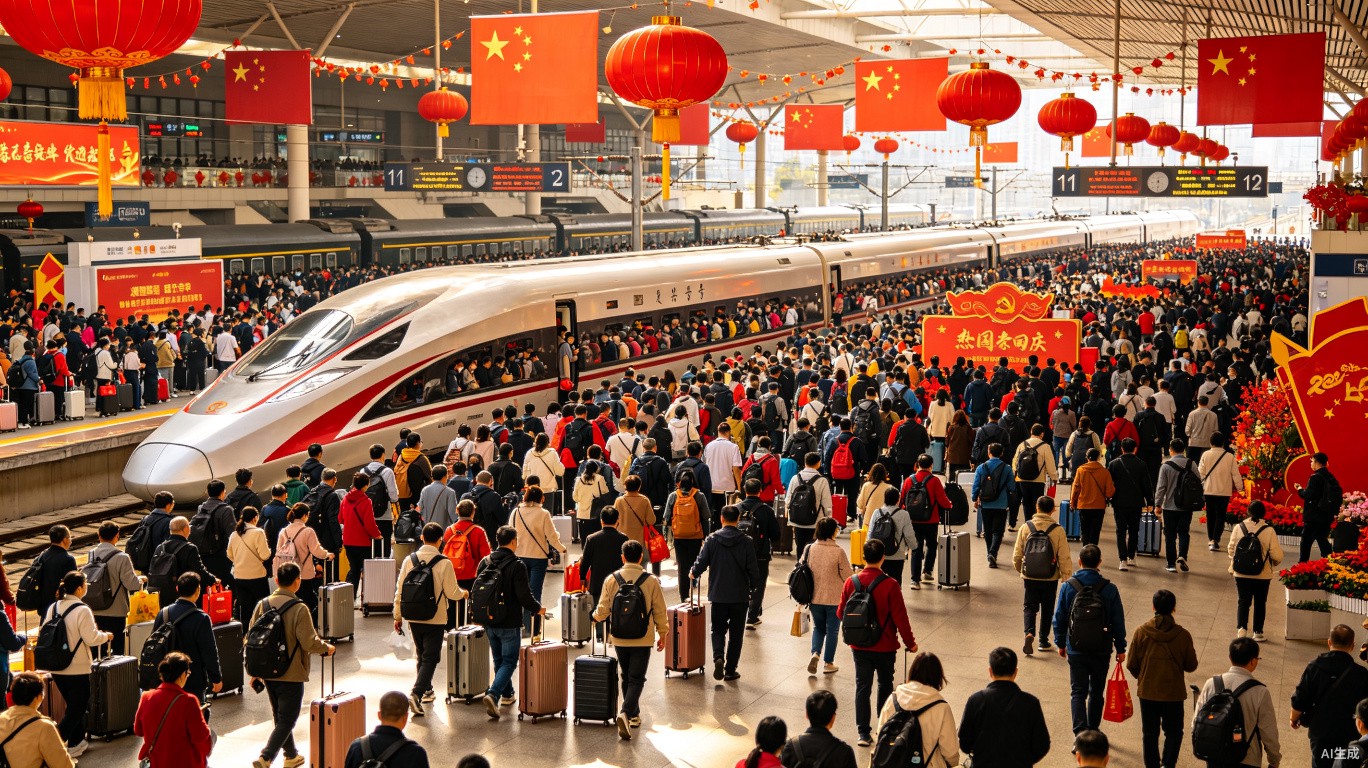
China Golden Week Travel Survival Guide
How to survive China's National Day Golden Week (October 1-7) - what to avoid, where to go, and how to beat the crowds.
9 min read
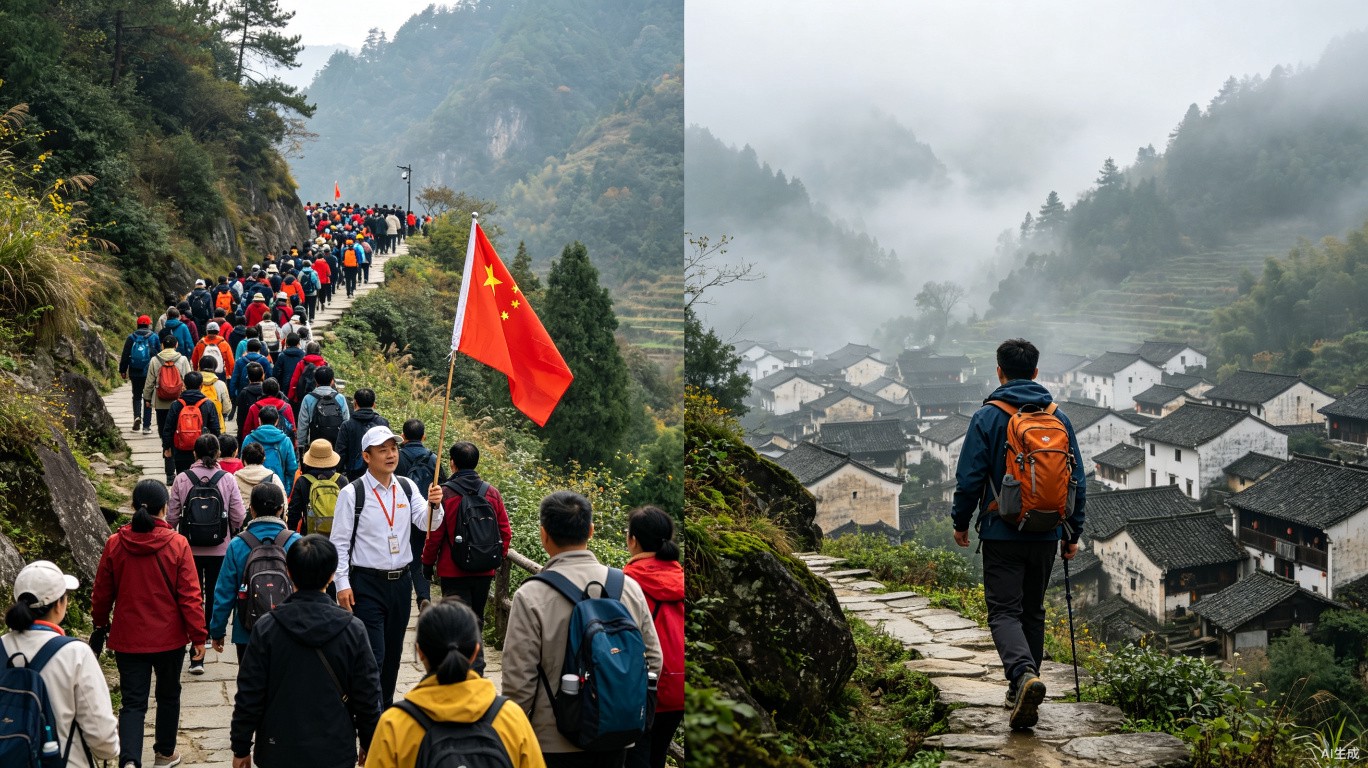
China Group Tours vs Independent Travel Which is Better
Should you join a guided tour or travel independently in China? Honest comparison of cost, flexibility, and experience.
7 min read
China Itinerary Planning: 7-Day 14-Day and 21-Day Routes: The Complete 2026 G...
Not sure how many days to spend in China? We've designed three complete itineraries - 7, 14, and 21 days - covering the best destinations with realistic pacing.
9 min read