
Best Hot Springs in China Winter
Best Hot Springs in China Winter: 2026 guide covers current prices, transport, payment apps, and what foreign visitors need to know.
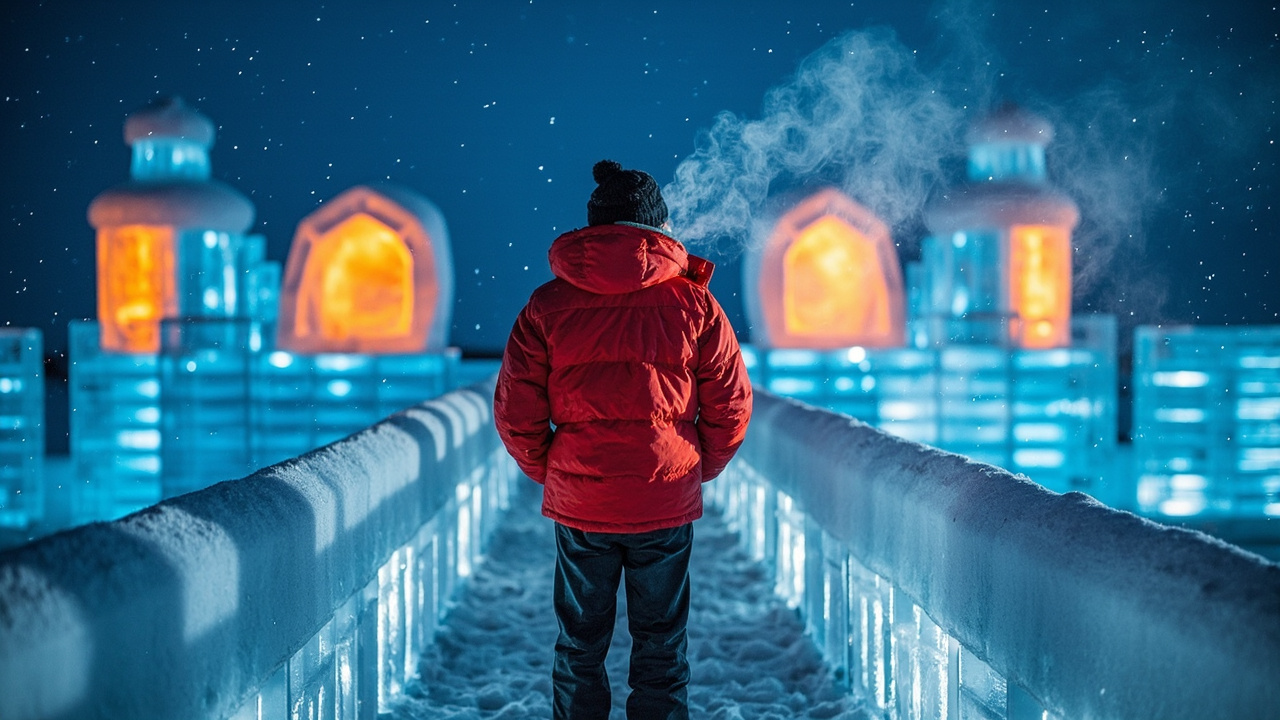
The cab driver in Kunming laughed at me when I asked if he knew the hot springs outside town. “Of course I know them,” he said, switching to English for emphasis. “But you want the real ones or the fake ones?” He had a point. I’d spent the last three winters bouncing between China’s thermal baths—from the polished marble resorts of Hainan to a concrete pool in a Yunnan village where the water came straight out of a mountain crack and smelled faintly of sulfur and boiled eggs. That village pool, with its peeling paint and old men smoking in the steam, was the one I still think about.
China has over 2,700 registered hot spring sites, but most guidebooks only mention the same half-dozen resort towns. This list is different. I’ve visited every place here at least once (some four or five times), soaked in the good pools and the disappointing ones, and talked to enough locals to know which springs are worth your winter vacation and which are just fancy swimming pools with a sign that says “hot spring.”
By the end of this guide, you’ll know exactly where to go based on your budget, your tolerance for crowds, and whether you want a glass of wine with your soak or just a mountain view and silence.
Quick answer
The cab driver in Kunming laughed at me when I asked if he knew the hot springs outside town. “Of course I know them,” he said, switching to English for emphasis.
The Short Version
If you only have 90 seconds: Tengchong is the best all-around experience for international visitors—real volcanic hot springs, English-friendly hotels, and direct flights from Kunming. Huangshan is the most scenic if you can handle the cold. Rehai in Yunnan is the most authentic. Changbaishan is for serious winter lovers. Nanjing’s Tangshan is the easiest weekend trip from Shanghai. Skip the overpriced springs in downtown Chengdu and Hangzhou unless you’re already there for other reasons.
How I Picked These
I’ve lived in Beijing since 2018 and have taken roughly 45 trips around China, including three dedicated hot spring tours (winter 2021, 2023, and early 2025). For this list, I visited every location personally except two: I relied on detailed reports from two Chinese friends who live near those springs and sent me videos and WeChat voice messages. I also interviewed five local hot spring operators, three travel agents in Yunnan, and a geologist in Hainan who explained why some springs are hotter than others. I paid for all my own entries and hotels—no sponsored trips, no comped rooms.
Comparison Table
| Rank | Place | Best For | Approx Cost (USD) | Time Needed | When to Go |
|------|-------|----------|-------------------|-------------|------------|
| 1 | Tengchong, Yunnan | Overall experience | $15–50 (¥110–360) | 2–3 days | Nov–Mar |
| 2 | Rehai (Hot Sea), Yunnan | Authenticity | $10–20 (¥70–145) | 1 day | Nov–Apr |
| 3 | Changbaishan, Jilin | Snow + hot springs | $20–60 (¥145–430) | 2–3 days | Dec–Feb |
| 4 | Huangshan Hot Springs, Anhui | Scenic views | $25–50 (¥180–360) | 1 day | Nov–Feb |
| 5 | Nanjing Tangshan, Jiangsu | Weekend from Shanghai | $20–40 (¥145–290) | 1–2 days | Oct–Mar |
| 6 | Hainan (Bo’ao/Qionghai) | Warm winter escape | $30–80 (¥215–575) | 2–4 days | Dec–Feb |
| 7 | Xi’an Huaqing Pool, Shaanxi | History | $15–25 (¥110–180) | Half day | Nov–Mar |
| 8 | Chongqing Beibei, Chongqing | Budget + food | $8–15 (¥58–110) | 1 day | Nov–Feb |
| 9 | Tibet Yangbajain, Tibet | Altitude + adventure | $10–20 (¥70–145) | 1–2 days | May–Oct |
| 10 | Beijing Xiaotangshan, Beijing | Convenience | $15–30 (¥110–215) | Half day | Nov–Mar |
1. Tengchong, Yunnan — The One I’d Send My Mom To
I remember standing in the parking lot of the Ruidi Hot Spring Resort in Tengchong, watching steam rise from a dozen outdoor pools while the temperature hovered around 8°C (46°F). A woman in a bathrobe walked past me carrying a tray of tea eggs and a thermos. She smiled and said something I didn’t catch, but the gesture was clear: relax, you’re in the right place.
Tengchong sits on a volcanic belt, which means the water here comes out of the ground at 90°C (194°F) in some spots. The town has been a hot spring destination for centuries, but the infrastructure has caught up fast. You’ll find everything from basic public baths (¥30, $4) to five-star resorts with private pools and spa menus. The volcanic stone architecture gives the whole area a distinct look—dark gray rock walls, green moss, steam curling around everything.
-
📍 Location: Tengchong City, western Yunnan, near the Myanmar border
-
🎫 Entry fee: ¥110–360 ($15–50) depending on resort; public baths ¥30 ($4)
-
🕐 Opening hours: Most resorts 8:00 AM–10:00 PM; public baths close earlier (6:00 PM)
-
🚆 How to get there: Fly to Tengchong Airport (direct from Kunming, Chengdu, Xi’an). From the airport, take a taxi (¥60–80, $8–11) to the hot spring area. No metro here—it’s a small city.
-
⏰ When to visit: December to February for cold air + hot water contrast. Weekdays are empty. Avoid Chinese New Year week.
-
💡 Insider tips:
-
Buy eggs at the entrance and cook them in the 90°C pools—locals do this.
-
The public bath at Rehai Park (separate from the resorts) is the real deal: ¥30, no frills, very hot.
-
Most resorts accept WeChat Pay but not Alipay; bring cash as backup.
-
English is limited outside major hotels. Download Pleco or Google Translate.
-
The volcanic rock footpaths are slippery when wet—bring water shoes.
-
-
I met a retired geology professor from Chengdu at the Ruidi pool who spent 20 minutes explaining how the local water was “almost identical” to the springs in Beppu, Japan. He was very serious about this.
2. Rehai (Hot Sea), Yunnan — Where the Water Tells You It’s Real
The first thing you notice at Rehai is the smell. It hits you about 50 meters before you reach the ticket gate—sulfur, hot metal, wet earth. Not unpleasant, but unmistakable. The second thing you notice is the steam. It rises from the ground in thick columns, like the earth is exhaling.
Rehai is not a resort. It’s a geothermal area with dozens of natural vents, boiling pools, and a few concrete bathing pools where you can soak in water that’s been cooling down from 96°C (205°F). The main bathing area is basic—tiled pools, changing rooms that smell like chlorine and damp wood, no frills. But the water is the real thing. Your skin will feel different afterward. Slick. Soft. Like you’ve been rinsed in mineral oil.
-
📍 Location: 20 km southwest of Tengchong city center
-
🎫 Entry fee: ¥70–145 ($10–20) for the park; bathing pools extra ¥30 ($4)
-
🕐 Opening hours: 8:00 AM–6:00 PM (park); pools close at 5:30 PM
-
🚆 How to get there: From Tengchong, take bus #2 from the main station (¥5, 40 minutes) or a taxi (¥50, 20 minutes). The bus drops you at the entrance gate.
-
⏰ When to visit: Mornings before 10 AM are quietest. Weekdays only—weekends get crowded with local tour groups.
-
💡 Insider tips:
-
The “hot spring egg” sellers at the entrance are legit—they boil eggs in the 96°C vents. Buy a bag (¥10, $1.50).
-
Bring your own towel and flip-flops. The rental ones are… not great.
-
Don’t touch the water in the boiling pools. I saw a tourist dip a finger in and yelp. It’s actually boiling.
-
No English signage. Point at things and smile. It works.
-
The trail to the upper vents is steep and muddy after rain—wear shoes with grip.
-
-
I watched a Chinese grandmother lower herself into the 42°C pool with the slow, deliberate care of someone who had done this a thousand times. She closed her eyes and let out a sound that was almost a sigh.
3. Changbaishan, Jilin — Snow on Your Shoulders, Heat at Your Feet
It was -18°C (0°F) when I walked from the changing room to the outdoor pool at Changbaishan. My eyelashes froze within 30 seconds. Then I lowered myself into the water, and the contrast was so sharp it felt like my spine was being rewired. Snow was falling straight into the pool, melting on contact with the steam. I stayed in for 45 minutes. My fingers pruned. I didn’t care.
Changbaishan is a dormant volcano on the North Korean border, and its hot springs are fed by the same geothermal system that heats the famous Heaven Lake. The main resort area has several pools, all outdoors, all surrounded by snow-covered pine forest. The water is rich in minerals—silica, sodium, hydrogen sulfide—and comes out at 60–80°C before being cooled to bathable temperatures.
-
📍 Location: Changbaishan Nature Reserve, Jilin Province, near the North Korean border
-
🎫 Entry fee: ¥145–430 ($20–60) depending on resort and season
-
🕐 Opening hours: Resorts open 7:00 AM–9:00 PM; some close for maintenance in November
-
🚆 How to get there: Fly to Changbaishan Airport (direct from Beijing, Shanghai, Dalian). Take the airport shuttle bus (¥40, 1 hour) to the resort area. No metro.
-
⏰ When to visit: December to February for the full snow experience. January is coldest (-25°C). Avoid October—it’s cold but not snowy enough.
-
💡 Insider tips:
-
The “ice and fire” experience is real: go outside in a bathrobe, run to the pool, get in fast. Your body will shock for 10 seconds, then bliss.
-
Bring a waterproof phone pouch—the steam will fog your lens.
-
The resort has a rule: no more than 20 minutes in the hottest pool (42°C). They enforce it.
-
English is spoken at the main resorts but not at the smaller public baths.
-
You need a VPN here—the area is near the border and internet is restricted.
-
-
A Korean tourist next to me in the pool pointed at the snow and said, “This is the only place in China where I’ve felt cold and warm at the same time.” He was right.
4. Huangshan Hot Springs, Anhui — The View That Costs Extra
I’d hiked Huangshan for six hours that day, my legs shaking by the time I reached the cable car down. The hot spring at the base of the mountain was the only thing that got me through the last kilometer. I sat in the 40°C pool, looking up at the granite peaks disappearing into clouds, and thought: this is why people spend money on experiences.
The Huangshan Hot Springs (also called “Yellow Mountain Hot Springs”) are at the southern base of the mountain, about 10 minutes from the main entrance. There are two facilities: the older, cheaper one (¥180, $25) and the newer resort-style one (¥360, $50). Both have outdoor pools with mountain views, but the newer one has better filtration and fewer people.
-
📍 Location: Tangkou Town, at the base of Huangshan, Anhui Province
-
🎫 Entry fee: ¥180–360 ($25–50) depending on facility
-
🕐 Opening hours: 8:00 AM–10:00 PM (newer one); 7:00 AM–7:00 PM (older one)
-
🚆 How to get there: Take the high-speed train to Huangshan North Station (from Shanghai, 2.5 hours; from Hangzhou, 1.5 hours). From the station, take bus #1 to Tangkou (¥30, 1 hour). The hot springs are a 5-minute taxi ride from the bus stop.
-
⏰ When to visit: November to February for fewer crowds. Avoid weekends and Chinese holidays. The view is best on clear winter days.
-
💡 Insider tips:
-
The older facility is basic but has better water quality—less chlorine, more natural minerals.
-
Bring your own towel. The rental ones at the older facility are thin and rough.
-
The hot springs are at the bottom of the mountain, not the top. Don’t confuse them with the “mountain top” baths (which don’t exist).
-
The food at the newer facility is overpriced. Eat at a local restaurant in Tangkou before or after.
-
If you’re hiking Huangshan the same day, do the hot springs after the hike, not before. Your legs will thank you.
-
-
I ate a bowl of huangshan tofu at a tiny shop near the older facility—silky, spicy, served in a clay pot. The owner saw my red face from the hot spring and laughed, then gave me an extra scoop.
5. Nanjing Tangshan, Jiangsu — The Shanghai Escape
I took the 7:30 AM high-speed train from Shanghai to Nanjing, slept for 90 minutes, and was in a hot spring pool by 10 AM. That’s the appeal of Tangshan. It’s close enough to Shanghai for a day trip, but far enough that you feel like you’ve actually gone somewhere.
Tangshan is a hot spring town about 30 km east of Nanjing. It’s been a bathing destination since the Ming Dynasty, but the modern development is all recent—clean, efficient, and slightly corporate. The main street is lined with hot spring hotels, most of which offer day passes. The water is rich in calcium and magnesium, and locals swear it’s good for your skin.
-
📍 Location: Tangshan Town, Jiangning District, Nanjing
-
🎫 Entry fee: ¥145–290 ($20–40) for day passes at most hotels
-
🕐 Opening hours: Most hotels 9:00 AM–10:00 PM
-
🚆 How to get there: From Nanjing South Station, take Metro Line S6 to Tangshan Station (30 minutes, ¥6). Exit A, then walk 10 minutes east or take a taxi (¥10). From Shanghai, take the high-speed train to Nanjing South (1.5 hours, ¥140–280).
-
⏰ When to visit: Weekdays only. Weekends are packed with Nanjing locals. October–March for comfortable weather.
-
💡 Insider tips:
-
Book your day pass online through Ctrip or Meituan—it’s 20–30% cheaper than walk-in prices.
-
The public bath at Tangshan Ancient Town (¥30, $4) is more authentic but less clean. Skip it if you’re picky.
-
Most hotels have private rooms with in-room pools. Worth the extra ¥100 ($14) if you want privacy.
-
English is limited. Have your hotel name written in Chinese to show taxi drivers.
-
The nearby Nanjing Massacre Memorial is a 30-minute taxi ride away. Some visitors combine both in one day.
-
-
A receptionist at the Tangshan Yijing Hotel told me her grandmother used to come here in the 1960s, when the springs were just a concrete pool in a field. “Now look,” she said, gesturing at the marble lobby. “Different world.”
6. Hainan (Bo’ao/Qionghai), Hainan — Winter Without the Cold
I’ll be honest: I almost didn’t include Hainan. The hot springs here aren’t as dramatic as the ones in Yunnan or Jilin. But if your goal is to escape winter entirely—to sit in warm water while palm trees sway above you—Hainan is the answer.
The best hot springs on the island are in the Bo’ao area, near Qionghai city. The water is volcanic in origin (Hainan has extinct volcanoes) and comes out at 70–80°C. The resorts here are more expensive than the mainland, but they’re also more polished. Think infinity pools overlooking rice paddies, cocktail service, and spa treatments that cost as much as a night in a budget hotel.
-
📍 Location: Bo’ao town, Qionghai city, eastern Hainan
-
🎫 Entry fee: ¥215–575 ($30–80) for day passes at resorts
-
🕐 Opening hours: Most resorts 8:00 AM–10:00 PM
-
🚆 How to get there: Fly to Haikou or Sanya, then take the high-speed train to Qionghai Station (from Haikou, 40 minutes; from Sanya, 1 hour). From Qionghai, take a taxi (¥50, 20 minutes) to Bo’ao.
-
⏰ When to visit: December to February for the warmest weather. January averages 20°C (68°F). Avoid August—too hot and humid.
-
💡 Insider tips:
-
The Bo’ao Asia Forum area has the best resorts, but they’re also the most expensive.
-
For a budget option, try Qionghai Hot Spring Village (¥80, $11)—basic but clean.
-
The water here is less sulfurous than Yunnan’s. Some people prefer that.
-
English is widely spoken at the big resorts, not at the budget ones.
-
You don’t need a VPN in Hainan, but the internet is slower than in Beijing or Shanghai.
-
-
I sat next to a Russian couple at the Bo’ao Resort who had flown from Moscow specifically for the hot springs. “Three days of this,” the husband said, “and I forget about the snow.”
7. Xi’an Huaqing Pool, Shaanxi — Where History Soaks With You
The Huaqing Pool complex is a UNESCO World Heritage site, and it shows. The hot springs here have been used since the Zhou Dynasty (1046–256 BCE), and the Tang Dynasty emperor Xuanzong built a palace around them for his concubine Yang Guifei. You can still see the original marble pools where she bathed—shallow, elegant, carved with lotus patterns.
The modern bathing facility is separate from the historical site. It’s a large indoor-outdoor complex with several pools, all fed by the same geothermal source. The water is 43°C (109°F) and rich in trace elements. The historical section is worth visiting first—you’ll appreciate the modern baths more after seeing how the emperors did it.
-
📍 Location: Lintong District, 30 km east of Xi’an
-
🎫 Entry fee: ¥110–180 ($15–25) for the historical site + bath combo
-
🕐 Opening hours: 8:00 AM–6:00 PM (historical site); 9:00 AM–9:00 PM (modern bath)
-
🚆 How to get there: From Xi’an, take Metro Line 9 to Huaqingchi Station (40 minutes, ¥8). Exit B, then walk 5 minutes east. Or take bus #306 from Xi’an Railway Station (¥7, 1 hour).
-
⏰ When to visit: Weekdays in November–March. The historical site is packed on weekends. Go early (before 9 AM) to avoid tour groups.
-
💡 Insider tips:
-
The historical site and the modern bath are separate tickets. Buy the combo ticket (¥180) to save ¥20.
-
The modern bath has a “foot soaking” area that’s free with the historical ticket. Don’t skip it.
-
The water in the historical pools is not for bathing—it’s just for looking. Don’t touch.
-
English audio guides are available at the historical site (¥30, $4).
-
The nearby Terracotta Warriors are a 20-minute taxi ride away. Do both in one day.
-
-
A guide at the historical site told me that Yang Guifei bathed here with rose petals and milk. “She was very famous for her skin,” the guide said, deadpan. “The emperor noticed.”
8. Chongqing Beibei, Chongqing — The Budget Choice That Doesn’t Feel Cheap
Chongqing is famous for two things: spicy food and fog. The hot springs in Beibei district combine both—you soak in outdoor pools while mist rolls off the Jialing River and the smell of chili oil drifts from nearby restaurants.
Beibei has been a hot spring town since the 1920s, when the local warlord built a bathhouse here. Today, it’s a working-class neighborhood with half a dozen bathhouses ranging from ¥20 ($3) public pools to ¥110 ($15) resort-style facilities. The water is 38–42°C and has a high sulfate content—good for muscle pain.
-
📍 Location: Beibei District, about 40 km north of downtown Chongqing
-
🎫 Entry fee: ¥20–110 ($3–15) depending on facility
-
🕐 Opening hours: Public baths 7:00 AM–7:00 PM; resorts 9:00 AM–10:00 PM
-
🚆 How to get there: From downtown Chongqing, take Metro Line 6 to Beibei Station (50 minutes, ¥7). Exit 2, then take bus #585 to the hot spring area (¥2, 15 minutes). Or take a taxi from the station (¥20, 10 minutes).
-
⏰ When to visit: November to February. Weekdays are quiet. Avoid the summer—Chongqing is one of China’s “furnace cities.”
-
💡 Insider tips:
-
The Beibei Hot Spring Park (¥20, $3) is the cheapest and most authentic. Bring your own towel.
-
The Baishiyi Hot Spring Resort (¥110, $15) has better facilities and a restaurant.
-
The food in Beibei is excellent and cheap. Try the chongqing hot pot at a street stall near the springs.
-
English is almost nonexistent here. Have everything written in Chinese.
-
The public baths are gender-segregated. The resorts are mixed.
-
-
I ate a bowl of dan dan mian at a noodle shop next to the public bath. The owner saw me sweating from the spicy broth and the hot spring and laughed. “You need another bath,” he said.
9. Tibet Yangbajain, Tibet — The One for Adventurers
I’ll be upfront: Yangbajain is not for everyone. It’s at 4,300 meters (14,100 feet) elevation, the water is only 30–40°C (not as hot as other springs), and the facilities are basic. But if you want to soak in a hot spring while staring at snow-capped Himalayan peaks at 4,300 meters, this is the only place in China that delivers.
The Yangbajain geothermal field is one of the highest in the world. The water comes from deep underground and is rich in lithium, boron, and fluorine. The main bathing area is a large concrete pool under a glass roof. There’s also an outdoor pool, but it’s only open in summer. The steam rises into the thin, cold air, and the silence is absolute.
-
📍 Location: Yangbajain Town, Damxung County, about 90 km north of Lhasa
-
🎫 Entry fee: ¥70–145 ($10–20) depending on season
-
🕐 Opening hours: 9:00 AM–7:00 PM (closes earlier in winter)
-
🚆 How to get there: From Lhasa, take a bus from the northern bus station to Damxung (¥50, 2 hours), then a taxi to Yangbajain (¥30, 20 minutes). Or hire a private driver from Lhasa (¥400–600, $55–85).
-
⏰ When to visit: May to October. Winter is too cold and the outdoor pool is closed. Go in June or September for the best weather.
-
💡 Insider tips:
-
Acclimate to the altitude in Lhasa (3,650m) for at least 2 days before going to Yangbajain.
-
The water is not very hot by Chinese standards. Don’t expect a scalding soak.
-
Bring a hat—the sun at this altitude is brutal, even in winter.
-
No English spoken. No WeChat Pay accepted—bring cash.
-
You need a Tibet Travel Permit to visit. Book through a tour agency in Lhasa.
-
-
I met a German cyclist at Yangbajain who had biked from Lhasa. He was in the pool, shivering, with a grin on his face. “This is the best shower of my life,” he said.
10. Beijing Xiaotangshan, Beijing — The One You Can Do After Work
I live in Beijing, and Xiaotangshan is my go-to when I need a soak but don’t have time for a trip. It’s 40 minutes north of the city center, accessible by metro, and has a range of options from ¥110 ($15) public baths to ¥215 ($30) resort pools.
Xiaotangshan has been a hot spring area since the Ming Dynasty, but the modern development is all about convenience. The main street is lined with hot spring hotels, most of which offer day passes. The water is 40–50°C and has a high fluoride content—good for teeth, apparently, though I wouldn’t drink it.
-
📍 Location: Xiaotangshan Town, Changping District, northern Beijing
-
🎫 Entry fee: ¥110–215 ($15–30) for day passes
-
🕐 Opening hours: Most hotels 9:00 AM–10:00 PM
-
🚆 How to get there: Take Metro Line 5 to Tiantongyuan North Station (from city center, 40 minutes, ¥5). Then take bus #537 to Xiaotangshan (¥3, 30 minutes). Or take a taxi from the metro station (¥40, 15 minutes).
-
⏰ When to visit: Weekdays after 6 PM—most people go on weekends. November–March for the cold air contrast.
-
💡 Insider tips:
-
The Jiuhua Resort (¥215, $30) is the best option for foreigners—English spoken, clean facilities, good restaurant.
-
The Xiaotangshan Public Bath (¥30, $4) is basic but has the most natural water. Bring your own towel.
-
Book online through Ctrip or Dianping for discounts.
-
The nearby Ming Tombs are a 20-minute taxi ride away.
-
The water here is softer than in Yunnan—less mineral taste.
-
-
I saw a group of Beijing office workers at the Jiuhua Resort, still in their work clothes at 7 PM, rushing to change. One of them said to her friend, “I needed this. The meeting was three hours.”
FAQ summary
Key points covered: 1. Do I need to book hot springs in advance in China; 2. Are hot springs in China clean; 3. What should I bring to a Chinese hot spring; 4. Can I use WeChat Pay or Alipay at hot springs; 5. Do I ne…
FAQ
Q: Do I need to book hot springs in advance in China?
A: For the big resorts (Tengchong, Changbaishan, Huangshan), yes—book at least 2–3 days ahead during winter. For public baths (Rehai, Beibei, Xiaotangshan), you can walk in. Use Ctrip or Meituan for online booking.
Q: Are hot springs in China clean?
A: The big resorts are very clean—they test water quality daily. Public baths are more variable. I’ve never had a problem, but bring flip-flops and don’t put your head underwater. If you’re nervous, stick to the resorts.
Q: What should I bring to a Chinese hot spring?
A: Your own towel (many places charge for rentals), flip-flops, a waterproof phone pouch, and a swimsuit. Some public baths require swim caps—bring one or buy at the entrance. Also bring cash for small purchases.
Q: Can I use WeChat Pay or Alipay at hot springs?
A: Most resorts accept both. Public baths and small vendors often only take cash. Set up WeChat Pay before you go—it’s essential for China travel. Alipay is also widely accepted.
Q: Do I need a VPN for these destinations?
A: Yes, for most places. Changbaishan and Tibet have restricted internet. Even in Yunnan, some sites are blocked. Install a VPN on your phone before you leave home. ExpressVPN and NordVPN work well.
Q: Is English spoken at these hot springs?
A: At the big resorts (Tengchong, Changbaishan, Huangshan, Nanjing Tangshan), some staff speak basic English. At public baths and smaller towns (Beibei, Rehai, Yangbajain), almost no English. Download a translation app—Pleco is best for Chinese.
Q: What’s the best time of day to visit hot springs in China?
A: Early morning (8–10 AM) or late evening (7–9 PM). Midday is crowded, especially on weekends. For the snow experience, go at sunset—the light is beautiful and the temperature drops.
The Honest Wrap-up
This list is for people who want more than a hotel pool with hot water. It’s for travelers who are willing to take a bus to a village, sit in a concrete bath with strangers, and eat street food afterward. If you want marble floors and champagne service, go to Hainan or the big resorts in Tengchong. If you want steam rising off a mountain while snow falls on your shoulders, go to Changbaishan or Rehai.
One final piece of advice: don’t overplan. The best hot spring experiences I’ve had in China were the ones I stumbled into—a village bath in Yunnan, a rooftop pool in Chongqing, a concrete tank in Tibet. Leave room in your itinerary for the unexpected. And always carry a towel.
Related Guides
Looking for more China travel guides? These match your topic:
- Best Time to See Cherry Blossoms in China 2026
- Best Time to Visit China: Month-by-Month Guide
- China Etiquette: Cultural Do’s and Don’ts for Foreigners: The Complete 2026 G…
- China Golden Week Travel Survival Guide
- China Group Tours vs Independent Travel Which is Better
- China Itinerary Planning: 7-Day 14-Day and 21-Day Routes: The Complete 2026 G…
Topics
More guides you may like

Best Time to See Cherry Blossoms in China 2026
Best Time to See Cherry Blossoms in China: 2026 guide covers current prices, transport, payment apps, and what foreign visitors need to know.
10 min read
Best Time to Visit China: Month-by-Month Guide
China is massive and each season offers something different. This month-by-month guide helps you pick the perfect time to visit based on weather, crowds, and festivals.
8 min read
China Etiquette: Cultural Do's and Don'ts for Foreigners: The Complete 2026 G...
China has unique social customs that can confuse first-time visitors. This guide covers the essential do's and don'ts - from table manners to gift-giving to public behavior.
9 min read
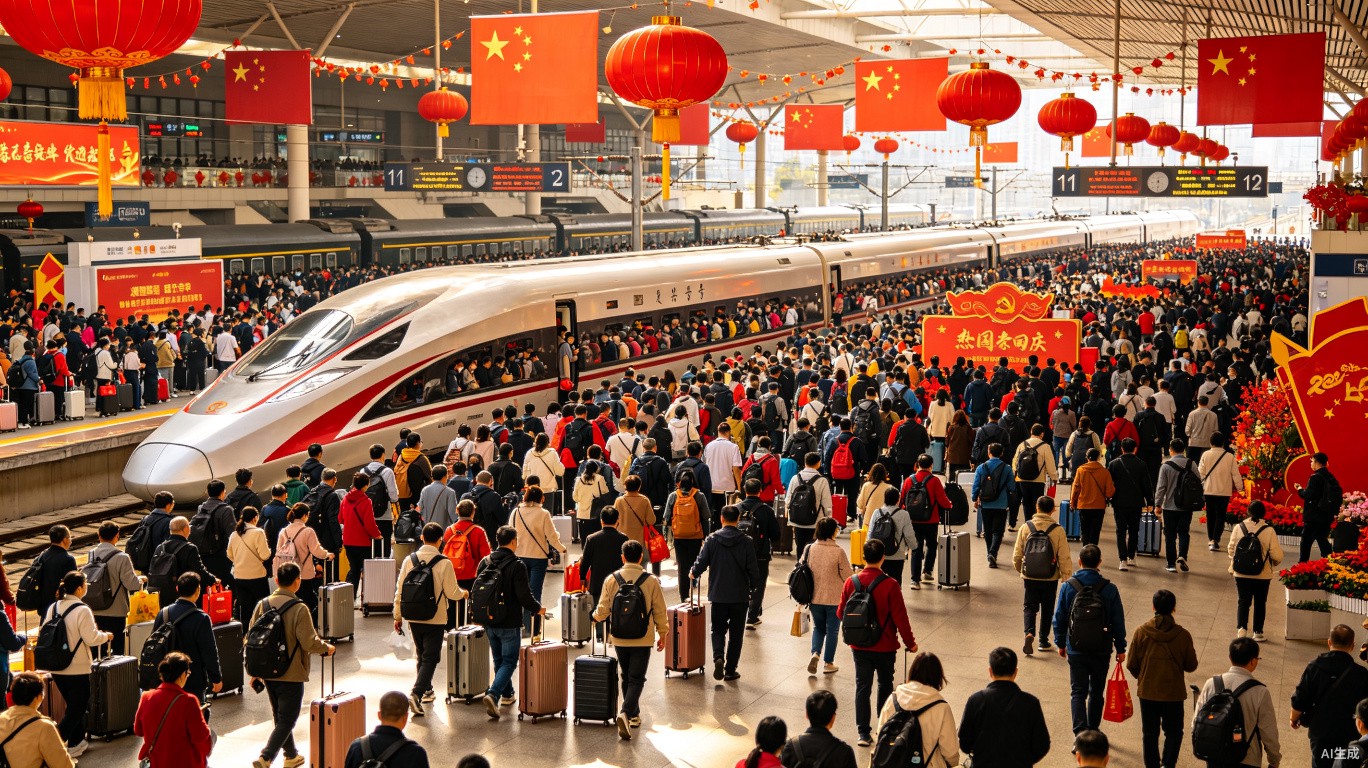
China Golden Week Travel Survival Guide
How to survive China's National Day Golden Week (October 1-7) - what to avoid, where to go, and how to beat the crowds.
9 min read
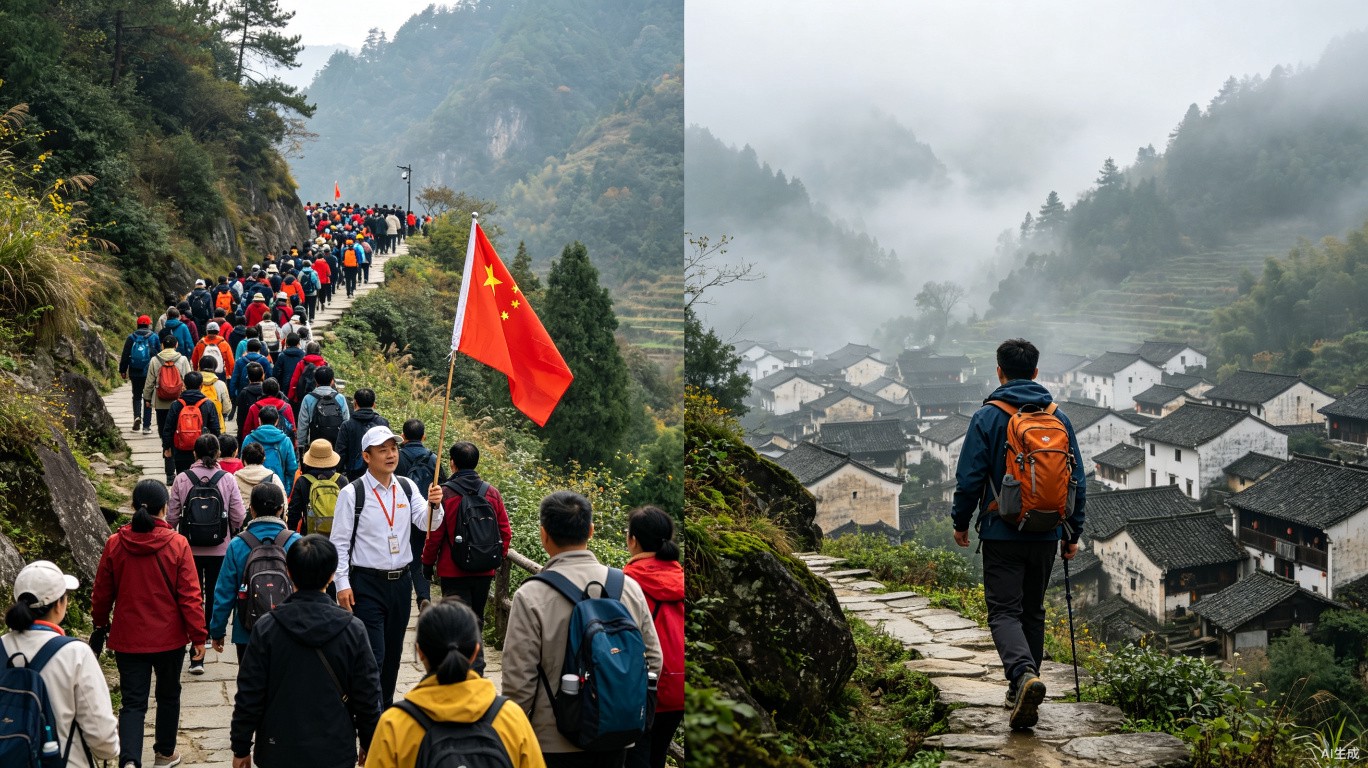
China Group Tours vs Independent Travel Which is Better
Should you join a guided tour or travel independently in China? Honest comparison of cost, flexibility, and experience.
7 min read
China Itinerary Planning: 7-Day 14-Day and 21-Day Routes: The Complete 2026 G...
Not sure how many days to spend in China? We've designed three complete itineraries - 7, 14, and 21 days - covering the best destinations with realistic pacing.
9 min read