
China National Day Golden Week Survival Guide
China National Day Golden Week Survival Guide: 2026 guide covers current prices, transport, payment apps, and what foreign visitors need to know.
China National Day Golden Week Survival Guide: The Complete 2026 Guide
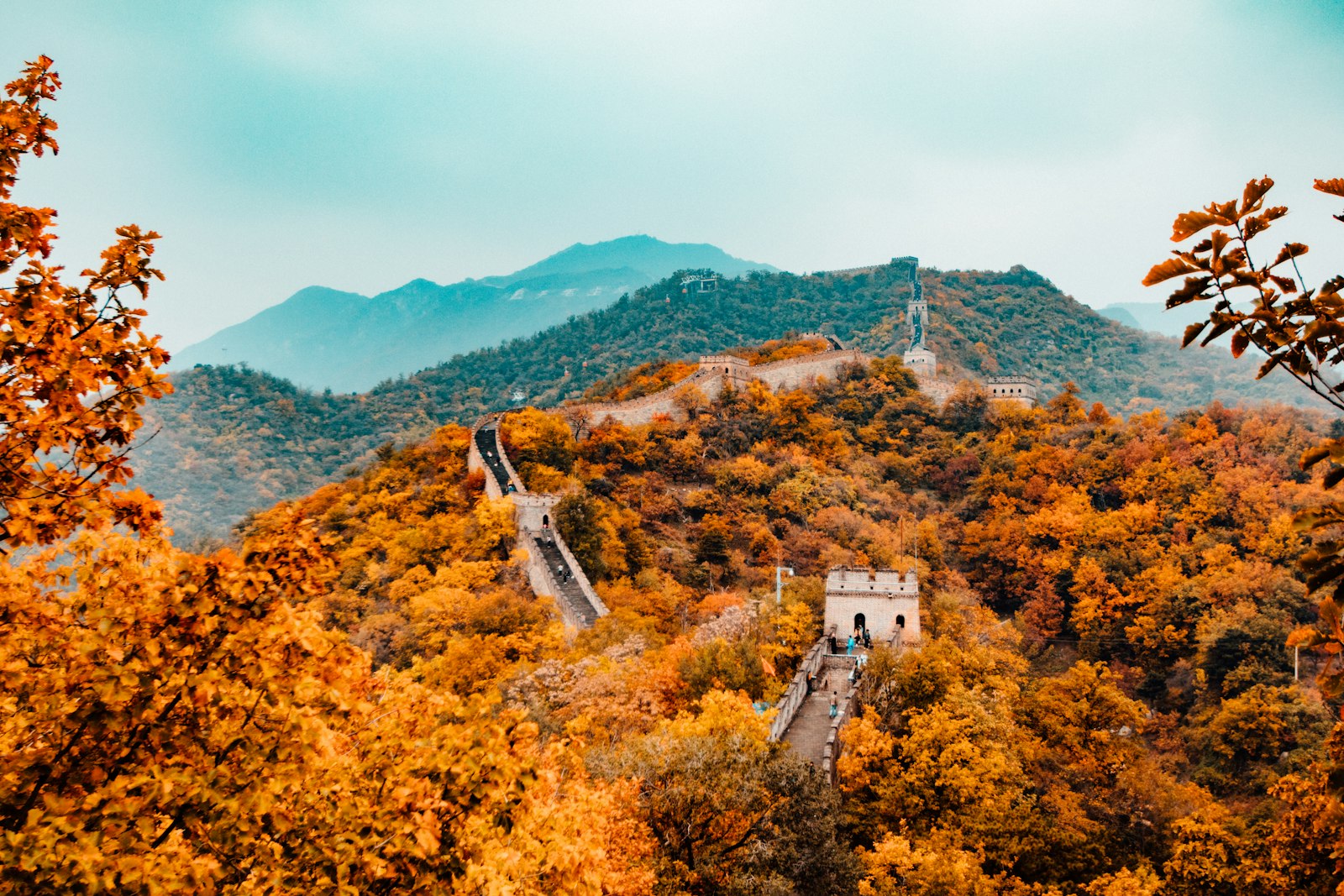
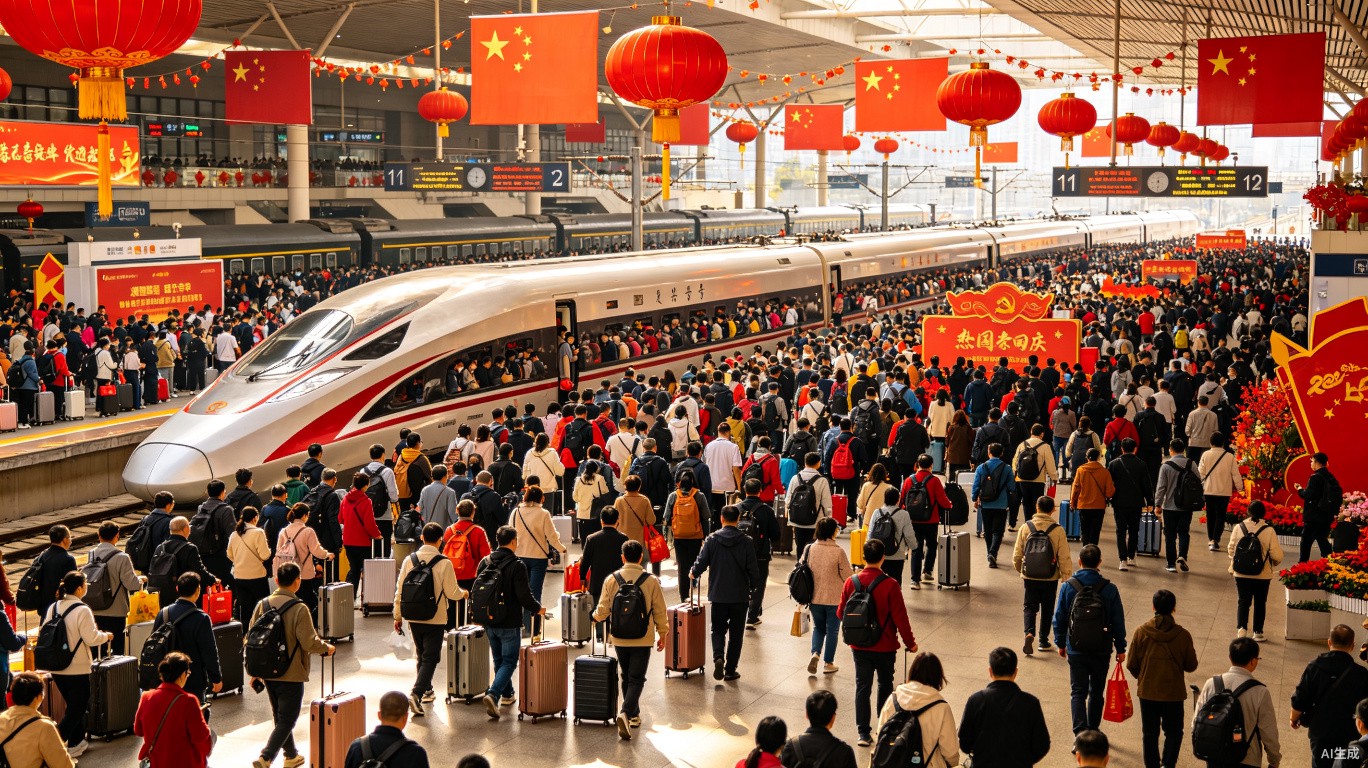
The cab driver laughed at me when I asked if he thought Golden Week would be busy. This was in 2019, late September, and I was heading to my apartment in Beijing’s Chaoyang district. He laughed so hard he almost missed the turn. “Máng,” he said, wiping his eye. Busy. Then he spent the next ten minutes describing, in a mix of Mandarin and hand gestures, what I should expect: train stations packed like sardine cans, the Great Wall visible only as a line of human heads, and hotel prices that would make my eyes water.
I didn’t believe him. I thought he was exaggerating.
He wasn’t.
Seven years and forty-something trips later, I’ve learned that Golden Week—China’s National Day holiday, running October 1-7—is less a vacation and more a controlled chaos experiment. The country’s 1.4 billion people take to the roads, rails, and skies simultaneously. The Forbidden City sells out weeks in advance. The Bund in Shanghai becomes a slow-moving river of selfie sticks. And yet, somehow, it’s still worth doing—if you know where to go, when to move, and what to avoid.
This guide is the conversation I wish someone had with me before my first Golden Week. It’s based on actual train rides, actual mistakes (I once spent four hours trying to buy a ticket at Beijing West Station), and actual conversations with locals who told me the shortcuts. I’ll tell you which places are worth the crowds, which are better skipped, and how to survive the ones you can’t avoid.
Quick answer
The cab driver laughed at me when I asked if he thought Golden Week would be busy. This was in 2019, late September, and I was heading to my apartment in Beijing’s Chaoyang district.
The Short Version
If you have 90 seconds: Book everything—trains, flights, hotels—at least three weeks ahead. Avoid the Great Wall, the Forbidden City, and West Lake unless you enjoy being shoulder-to-shoulder with strangers for hours. Instead, head to smaller cities like Chengdu, Guilin, or Xi’an, where the crowds are manageable and the food is better. Get a VPN before you arrive. Download Alipay and WeChat Pay. And for the love of everything, do not try to take a taxi from Beijing Capital Airport on October 1.
How I Picked These
I spent the last three Golden Weeks crisscrossing China—by high-speed rail, by sleeper bus, by shared taxi with strangers who spoke no English. I talked to hostel receptionists in Kunming, a tea shop owner in Hangzhou, a noodle vendor in Xi’an, and a retired professor in Chengdu. I asked them the same question: “If you had one week in China during Golden Week, where would you go?” Their answers, plus my own mistakes, form the backbone of this guide. I also cross-checked prices and opening hours with official tourism sites and WeChat groups. Nothing here is from a press release.
Comparison Table
| Rank | Place | Best For | Approx Cost (USD) | Time Needed | When to Go |
|------|-------|----------|-------------------|-------------|------------|
| 1 | Chengdu | Food, pandas, relaxed vibe | $40-60/day | 3-4 days | Oct 2-5 (avoid Oct 1) |
| 2 | Xi’an | History, Terracotta Warriors | $35-55/day | 2-3 days | Oct 3-6 (afternoon visits) |
| 3 | Guilin/Yangshuo | Scenery, hiking, river views | $30-50/day | 3-5 days | Oct 2-6 (early mornings) |
| 4 | Lijiang | Old town, ethnic culture | $35-55/day | 2-3 days | Oct 4-7 (avoid weekends) |
| 5 | Shanghai | Modern China, nightlife | $50-80/day | 2-3 days | Oct 5-7 (after the rush) |
| 6 | Beijing | History, culture, food | $45-70/day | 3-4 days | Oct 6-7 (last two days) |
| 7 | Hangzhou | Tea, lakes, gardens | $40-60/day | 2-3 days | Oct 2-3 (dawn visits) |
| 8 | Zhangjiajie | National park, glass bridge | $35-50/day | 2-3 days | Oct 3-5 (weekdays) |
| 9 | Suzhou | Classical gardens, canals | $30-45/day | 1-2 days | Oct 5-7 (afternoons) |
| 10 | Dunhuang | Silk Road, desert, caves | $40-60/day | 2-3 days | Oct 1-3 (before crowds) |
1. Chengdu — Where the Pandas Are Actually Chill
I remember sitting in a tiny mala tang shop in Chengdu’s Kuanzhai Alley, sweat dripping down my forehead, a bowl of numbingly spicy broth in front of me. The owner, a woman in her sixties named Auntie Chen, kept refilling my tea without asking. “You’re not from here,” she said in Mandarin. I nodded. “Eat slower. The spice will find you.”
Chengdu is the city that makes you forget you’re in China during Golden Week. The pace is slower. The people are friendlier. And the food—oh, the food—is worth the trip alone. The pandas at the Chengdu Research Base are active in the morning, and the queues are shorter than you’d expect because most tourists head to the Great Wall instead.
Why it’s special: Chengdu has a laid-back energy that’s rare in Chinese cities. The tea houses, the spicy hotpot, the old alleyways—it feels like a city that’s been doing its own thing for centuries and doesn’t care what you think.
📍 Location: Jinjiang District, near Chunxi Road. The panda base is in the northern suburb, about 30 minutes by taxi.
🎫 Entry fee: Panda base: $8 (¥55). Jinli Ancient Street: free. Wuhou Temple: $8 (¥55).
🕐 Opening hours: Panda base: 7:30 AM – 6:00 PM (last entry 5:00 PM). Arrive by 8 AM to see the pandas active.
🚆 How to get there: Take Metro Line 3 to Panda Avenue Station, Exit B. Then take the free shuttle bus or walk 10 minutes. From the airport, take Metro Line 10 to Taipingyuan, then transfer to Line 3.
⏰ When to visit: October 2-5, early mornings. Avoid October 1 when everyone is arriving.
💡 Insider tips:
-
Book panda base tickets on WeChat (search “成都大熊猫繁育研究基地”) at least 3 days ahead.
-
The hotpot is spicy. Order weila (微辣, mild spice) if you’re not used to it.
-
Kuanzhai Alley is touristy but worth it for the street food. Try the dan dan mian (noodles with minced pork).
-
Taxis are cheap. Use Didi (Chinese Uber) via Alipay.
-
English is limited. Download Pleco for translation.
I made the mistake of ordering te la (extra spicy) hotpot on my first night. I spent the next hour drinking soy milk and sweating through my shirt. Auntie Chen laughed at me.
2. Xi’an — The Warriors Are Worth the Wait
The Terracotta Warriors are not overrated. I know that’s a controversial thing to say about a UNESCO site that appears on every China itinerary, but I’ll stand by it. Standing in Pit 1, looking at thousands of life-sized soldiers, each with a different face, is one of those rare moments where the photos don’t do it justice. The sheer scale of it—the ambition, the manpower, the centuries of silence—hits you in the chest.
But here’s the thing: Golden Week crowds make it a nightmare. I visited on October 3 and spent 45 minutes just getting through the entrance. The trick is to go in the afternoon, around 2 PM, when the morning tour buses have left and the crowds thin out.
Why it’s special: Xi’an is China’s ancient capital, and the history is layered everywhere—from the Ming Dynasty city wall to the Muslim Quarter’s narrow alleys. The food is a fusion of Chinese and Central Asian flavors, and the yangrou paomo (lamb soup with bread) is the best I’ve had anywhere.
📍 Location: The Terracotta Warriors are in Lintong District, about 40 km east of Xi’an city center. The Muslim Quarter is in the city center, near the Bell Tower.
🎫 Entry fee: Terracotta Warriors: $18 (¥120). City wall: $8 (¥54). Muslim Quarter: free.
🕐 Opening hours: Terracotta Warriors: 8:30 AM – 5:30 PM. City wall: 8:00 AM – 10:00 PM.
🚆 How to get there: Take Metro Line 9 to Huaqingchi Station, then take bus 306 (¥7) or a taxi (¥50-80). From Xi’an North Station, take Metro Line 2 to Beidajie, then transfer to Line 1 to Fangzhicheng, then Line 9.
⏰ When to visit: October 3-6, afternoons. Avoid October 1-2 when the crowds peak.
💡 Insider tips:
-
Buy Terracotta Warrior tickets online via WeChat (search “秦始皇帝陵博物院”) at least 5 days ahead.
-
The Muslim Quarter is best visited at night for street food. Try the liangpi (cold noodles) and roujiamo (Chinese hamburger).
-
Rent a bike on the city wall. It’s 14 km around and takes about 2 hours.
-
The Shaanxi History Museum is free but requires booking 7 days in advance on WeChat.
-
Taxi drivers near the warriors may try to overcharge. Use Didi for a fixed price.
I met a retired history teacher named Mr. Wang at the warriors. He pointed to a soldier’s face and said, “This one is based on a real person. We don’t know who, but he was here.”
3. Guilin and Yangshuo — The Rice Terraces Are Empty
I watched the rain come sideways off the mountains in Yangshuo for an hour before it stopped. When it did, the mist settled in the valleys like a silk curtain, and the karst peaks looked like they’d been painted by a calligrapher’s brush. I was alone on the trail. Everyone else was in town, eating lunch.
This is the secret to Guilin and Yangshuo during Golden Week: everyone goes to the Li River cruise and the crowded viewpoints. Nobody hikes the Longji Rice Terraces. Nobody takes the back roads to Xianggong Mountain. If you’re willing to walk, you’ll have the place to yourself.
Why it’s special: The landscape is otherworldly—limestone karsts rising from flat farmland, rivers winding through valleys, rice terraces carved into hillsides. It’s the China you see in paintings, but real.
📍 Location: Guilin city is in the northeast of Guangxi. Yangshuo is 60 km south. Longji Rice Terraces are 100 km northwest of Guilin.
🎫 Entry fee: Li River cruise: $50 (¥360). Longji Rice Terraces: $12 (¥80). Yangshuo: free.
🕐 Opening hours: Longji Rice Terraces: 7:00 AM – 7:00 PM. Li River cruises run 8:00 AM – 2:00 PM.
🚆 How to get there: High-speed train from Guilin to Yangshuo (30 minutes, $5/¥35). For Longji, take a bus from Guilin Bus Station (2 hours, $8/¥55).
⏰ When to visit: October 2-6, early mornings (before 8 AM) for the terraces. Late afternoons for Yangshuo.
💡 Insider tips:
-
Skip the Li River cruise. Rent a bike in Yangshuo and cycle along the Yulong River instead. It’s free and more beautiful.
-
Stay in a farmhouse at Longji. The family-run guesthouses cost $20-30/night and include dinner.
-
The bamboo rafting on the Yulong River is worth it. Negotiate the price before getting on.
-
Yangshuo’s West Street is touristy. Eat at the small alleys off the main road.
-
Bring a rain jacket. The weather changes fast.
I tried the beer fish in Yangshuo—a local specialty cooked in, you guessed it, beer. It was good, but the fish still had bones. I spent ten minutes picking them out.
4. Lijiang — The Old Town That’s Still Worth It
I’ll be honest: I almost didn’t include Lijiang. The old town is famous, which means it’s also famous for being crowded, overpriced, and full of souvenir shops selling the same embroidered bags. But then I remembered walking through the back alleys at 6 AM, when the only sounds were water flowing through the canals and a woman sweeping her doorstep. That version of Lijiang still exists.
The trick is to stay inside the old town—not in a chain hotel outside—and wake up early. By 9 AM, the tour groups arrive, and the magic evaporates. But those first two hours? They’re worth the trip.
Why it’s special: Lijiang is a Naxi minority town with a canal system that dates back 800 years. The architecture is a mix of Chinese and Tibetan, and the surrounding mountains are stunning. It’s also the gateway to Tiger Leaping Gorge, one of the best hikes in China.
📍 Location: Old Town (Dayan) is in the center of Lijiang city. Tiger Leaping Gorge is 60 km north.
🎫 Entry fee: Old Town: free (but there’s a ¥80 “maintenance fee” that’s rarely enforced). Tiger Leaping Gorge: $14 (¥100).
🕐 Opening hours: Old Town: 24 hours. Tiger Leaping Gorge: 8:00 AM – 6:00 PM.
🚆 How to get there: Fly into Lijiang Sanyi Airport (flights from major cities). Take the airport bus ($3/¥20) to the city center, then walk or take a taxi to the old town.
⏰ When to visit: October 4-7. Avoid weekends. Visit the old town at dawn (6-8 AM) and Tiger Leaping Gorge on a weekday.
💡 Insider tips:
-
Skip the touristy bars on Sifang Street. Go to the quieter alleys near the Wangu Tower.
-
The Black Dragon Pool is free before 8 AM. After that, it’s $5 (¥35).
-
Tiger Leaping Gorge is a 2-day hike. Stay at the Halfway Guesthouse for the best views.
-
Naxi food is underrated. Try baba (flatbread) and guoqiao mixian (crossing-the-bridge noodles).
-
The altitude is 2,400 meters. Take it easy on the first day.
I met a Naxi woman named A-Mu who sold handmade scarves near the Wangu Tower. She taught me how to say “thank you” in Naxi: “awu la.” I still remember it.
5. Shanghai — The Bund at 6 AM Is a Different City
The Bund at noon during Golden Week is a slow-moving river of selfie sticks and tour group flags. I’ve seen it. I’ve been part of it. It’s not fun. But the Bund at 6 AM, when the fog is still low over the Huangpu River and the only sounds are the horns of cargo ships? That’s a different city entirely.
Shanghai is China’s most modern city, and it handles crowds better than most. The metro is efficient, the signs are in English, and there’s a Starbucks on every corner. But the real magic is in the old French Concession, where plane trees line the streets and Art Deco buildings hide speakeasies behind unmarked doors.
Why it’s special: Shanghai is the city that never sleeps, but it also has quiet corners. The Yu Garden, the Bund, the French Concession—each neighborhood has a different personality. And the food scene is world-class.
📍 Location: The Bund is on the west bank of the Huangpu River. The French Concession is in Xuhui and Luwan districts.
🎫 Entry fee: The Bund: free. Yu Garden: $5 (¥35). Shanghai Tower: $25 (¥180).
🕐 Opening hours: The Bund: 24 hours. Yu Garden: 8:30 AM – 5:30 PM. Shanghai Tower: 9:00 AM – 10:00 PM.
🚆 How to get there: Metro Line 2 to East Nanjing Road Station, Exit 1. Walk east for 5 minutes to the Bund.
⏰ When to visit: October 5-7, after the initial rush. Visit the Bund at dawn (6-7 AM) or late evening (after 9 PM).
💡 Insider tips:
-
The Shanghai Tower observation deck is less crowded at sunset on weekdays.
-
Yu Garden is packed during Golden Week. Go at 8:30 AM when it opens.
-
The French Concession is best explored on foot or by bike. Rent a shared bike via Alipay.
-
Book restaurant reservations via Dianping (Chinese Yelp) at least 2 days ahead.
-
The Huangpu River night cruise is overpriced. Walk the Bund instead.
I tried xiaolongbao (soup dumplings) at a hole-in-the-wall shop on Yuyuan Road. The owner, a man named Lao Zhang, told me his family had been making them for 40 years. “The secret is the gelatin,” he said. “You have to let it set overnight.”
6. Beijing — The Forbidden City Is a Mistake
I’m going to say something that might get me in trouble: skip the Forbidden City during Golden Week. I know it’s on every bucket list. I know you’ve seen it in movies. But the reality of standing in a 3-hour line under the October sun, packed between hundreds of other tourists, is not worth it. The Forbidden City sells out weeks in advance, and even if you get tickets, you’ll spend more time shuffling than looking.
Instead, go to the Temple of Heaven, which is less crowded and equally impressive. Or walk the hutongs (old alleys) around Nanluoguxiang, where you can still see Beijing life happening—grandparents playing chess, vendors selling candied hawthorn, cats sleeping on window ledges.
Why it’s special: Beijing is China’s political and cultural heart. The scale of everything—the Forbidden City, the Great Wall, Tiananmen Square—is overwhelming. But the city’s soul is in its hutongs and its food.
📍 Location: The Forbidden City is in Dongcheng District, north of Tiananmen Square. The Temple of Heaven is in the south of the city.
🎫 Entry fee: Forbidden City: $10 (¥70). Temple of Heaven: $5 (¥35). Jingshan Park: $2 (¥15).
🕐 Opening hours: Forbidden City: 8:30 AM – 5:00 PM (closed Mondays). Temple of Heaven: 6:00 AM – 9:00 PM.
🚆 How to get there: For the Forbidden City, take Metro Line 1 to Tiananmen East or West Station. For the Temple of Heaven, take Metro Line 5 to Tiantan East Gate Station.
⏰ When to visit: October 6-7, when most tourists have left. Visit the Temple of Heaven at 6 AM to see locals doing tai chi.
💡 Insider tips:
-
The Great Wall (Mutianyu section) is less crowded than Badaling. Book a private driver for $80-100.
-
Jingshan Park offers the best view of the Forbidden City from above. Go at sunset.
-
Peking duck at Dadong or Sijiminju is worth the wait. Book ahead.
-
The hutongs near Shichahai are quieter than Nanluoguxiang.
-
Download the Metro app. Beijing’s subway is huge but easy to navigate.
I spent an hour watching an old man practice calligraphy with water on the ground in Ritan Park. He used a giant brush and wrote poems in characters that evaporated in the sun. He didn’t speak English, but he smiled and handed me the brush. I wrote my name. It looked terrible.
7. Hangzhou — West Lake Before the Sun Comes Up
The first time I saw West Lake, I was underwhelmed. It was 11 AM on a Saturday, and the shore was packed with tourists taking photos of the same pagoda from the same angle. I almost left. But a friend who grew up in Hangzhou told me to come back at dawn. “Before the tour buses arrive,” she said. “That’s when you’ll understand.”
She was right. At 5:30 AM, the lake is still. The mist hangs over the water like a blanket. A few elderly people practice tai chi on the shore. A fisherman in a bamboo hat rows a small boat. The only sound is the splash of his oar. That’s the West Lake that poets have written about for a thousand years.
Why it’s special: Hangzhou is the city of tea and silk, of gardens and lakes. It’s been a destination for Chinese travelers for centuries, and the beauty is real—if you know when to look.
📍 Location: West Lake is in the center of Hangzhou. Longjing Tea Village is 20 minutes southwest.
🎫 Entry fee: West Lake: free. Lingyin Temple: $6 (¥45). Longjing Tea Village: free.
🕐 Opening hours: West Lake: 24 hours. Lingyin Temple: 7:00 AM – 6:00 PM.
🚆 How to get there: High-speed train from Shanghai (45 minutes, $10/¥70). Take Metro Line 1 to Longxiangqiao Station, Exit C, walk 10 minutes to the lake.
⏰ When to visit: October 2-3, dawn (5:30-7:30 AM). Avoid weekends and afternoons.
💡 Insider tips:
-
Rent a bike and cycle the 10 km loop around the lake. It takes about 2 hours.
-
Longjing Tea Village is worth the trip. Try the Dragon Well tea at a local farmhouse.
-
The Hefang Street night market is touristy but fun. Try the chou doufu (stinky tofu).
-
Lingyin Temple is beautiful but crowded. Go early.
-
The best view of the lake is from Baochu Pagoda, a 15-minute hike up a hill.
I met a tea farmer named Chen in Longjing Village. He showed me how to pick the leaves—only the top two, he said, and only in the morning. “The tea knows when you’re rushing,” he said. “It tastes better when you’re calm.”
8. Zhangjiajie — The Mountains That Inspired Avatar
The glass bridge at Zhangjiajie is terrifying. I’m not afraid of heights, but standing on a transparent floor 300 meters above a canyon, watching the wind sway the cables, made my knees weak. The woman next to me was crying. The man behind her was taking a selfie. I stood frozen for a full minute before I could take a step.
Zhangjiajie National Forest Park is the place that inspired the floating mountains in Avatar, and the comparison is apt. The quartz-sandstone pillars rise out of the mist like something from another planet. During Golden Week, the park is crowded, but the crowds are concentrated at the cable car and the glass bridge. If you’re willing to hike, you’ll find empty trails.
Why it’s special: The geology is unique—nowhere else in the world has these pillar-like formations. The park is massive, with multiple sections, and you could spend a week exploring and still not see everything.
📍 Location: Zhangjiajie city in Hunan Province. The national park is 30 km north of the city.
🎫 Entry fee: National park: $30 (¥215) for 4 days. Glass bridge: $10 (¥70).
🕐 Opening hours: National park: 7:00 AM – 6:00 PM. Glass bridge: 8:00 AM – 5:00 PM.
🚆 How to get there: Fly into Zhangjiajie Hehua Airport. Take the airport bus ($2/¥15) to the city center, then a bus to the park ($1/¥8).
⏰ When to visit: October 3-5, weekdays. Visit the glass bridge at 8 AM when it opens.
💡 Insider tips:
-
Stay at a hotel near the park entrance (Wulingyuan). It saves 30 minutes of commuting.
-
The Bailong Elevator (glass elevator built into a cliff) has long queues. Skip it and hike instead.
-
The Tianmen Mountain cable car is the longest in the world. Book tickets online 3 days ahead.
-
The weather changes fast. Bring a rain jacket and layers.
-
English signage is limited. Download Pleco or Google Translate.
I tried tu jia san xia guo (Tujia three-pot dish) at a restaurant near the park. It was spicy, sour, and delicious. I asked the owner what was in it. She smiled and said, “Everything.”
9. Suzhou — The Gardens Are Quiet in the Rain
It was drizzling when I visited the Humble Administrator’s Garden in Suzhou. Most tourists had retreated to their hotels, so I had the place almost to myself. The rain made everything look better—the moss on the rocks, the reflections in the ponds, the bamboo leaves dripping water. I sat in a pavilion for an hour, watching the rain create ripples in the water, and thought: this is what a Chinese garden is supposed to feel like.
Suzhou is known as the “Venice of the East” for its canals, but the real draw is the classical gardens. There are nine UNESCO-listed gardens in the city, each with a different design philosophy. The Humble Administrator’s Garden is the largest, but the Lingering Garden is more intimate.
Why it’s special: Suzhou’s gardens are masterpieces of Chinese landscape design—every rock, every tree, every window is placed with intention. The city also has a canal district that’s less touristy than Venice.
📍 Location: The gardens are in the old city center. The canal district is near Shantang Street.
🎫 Entry fee: Humble Administrator’s Garden: $10 (¥70). Lingering Garden: $8 (¥55). Shantang Street: free.
🕐 Opening hours: Most gardens: 7:30 AM – 5:30 PM. Shantang Street: 24 hours.
🚆 How to get there: High-speed train from Shanghai (30 minutes, $8/¥55). Take Metro Line 1 to Suzhou Museum Station, Exit 3, walk 5 minutes.
⏰ When to visit: October 5-7, afternoons. Rainy days are best—fewer crowds.
💡 Insider tips:
-
Book garden tickets online via WeChat at least 2 days ahead.
-
The Suzhou Museum (designed by I.M. Pei) is free but requires booking 7 days in advance.
-
Shantang Street is beautiful at night. Go after 8 PM when the tour groups leave.
-
Try suzhou mian (Suzhou noodles) with shengjian (pan-fried pork buns).
-
The canals near Pingjiang Road are quieter than Shantang Street.
I met a calligrapher named Li in the Lingering Garden. He was painting characters on fans and selling them for $5 each. I bought one with the character for “peace.” He signed it with his seal.
10. Dunhuang — The Silk Road’s Last Great Stop
The Mogao Caves are not a place you visit. They’re a place you experience. Standing in Cave 45, looking at a thousand-year-old statue of the Buddha, with the paint still vibrant and the expressions still clear, I felt something I can’t quite describe. It wasn’t religious. It was historical. It was the realization that people a millennium ago cared enough about beauty to carve it into a cliff.
Dunhuang is remote—it’s in the Gobi Desert, in the far west of China—but it’s worth the journey. The Mogao Caves are the most important Buddhist art site in China, and the Singing Sand Dunes are surreal. During Golden Week, the crowds are lighter than in the east because it’s harder to get to.
Why it’s special: Dunhuang was a key stop on the Silk Road, and the cultural fusion is visible everywhere—Chinese, Indian, Persian, Greek influences all mixed together. The desert landscape is stark and beautiful.
📍 Location: Dunhuang city in Gansu Province. The Mogao Caves are 25 km southeast.
🎫 Entry fee: Mogao Caves: $30 (¥200). Singing Sand Dunes: $18 (¥120). Yumen Pass: $10 (¥70).
🕐 Opening hours: Mogao Caves: 8:00 AM – 6:00 PM (booked in timed slots). Singing Sand Dunes: 6:00 AM – 8:00 PM.
🚆 How to get there: Fly into Dunhuang Airport (flights from Beijing, Xi’an, Lanzhou). Take the airport bus ($2/¥15) to the city center.
⏰ When to visit: October 1-3, before the eastern crowds arrive. Visit the Mogao Caves in the morning.
💡 Insider tips:
-
Book Mogao Cave tickets online at least 7 days ahead. They sell out during Golden Week.
-
The Singing Sand Dunes are best at sunset. Climb to the top for a view of the crescent moon-shaped lake.
-
The night market near the Bell Tower has good street food. Try the lamb skewers and xingjiang bing (Xinjiang bread).
-
The desert is cold at night. Bring a jacket.
-
English tours of the caves are limited. Book a private guide for $50-80.
I rode a camel at the Singing Sand Dunes. The camel’s name was Xiao Huang (Little Yellow). He sneezed on me halfway through the ride. The guide laughed and said, “He likes you.”
FAQ summary
Key points covered: 1. Do I need a visa for China in 2026; 2. How do I set up WeChat Pay and Alipay; 3. Do I need a VPN; 4. Is English widely spoken; 5. How do I buy train tickets.
FAQ
Q: Do I need a visa for China in 2026?
A: It depends on your passport. As of 2026, citizens of 54 countries (including the US, UK, Australia, and most of Europe) can enter visa-free for up to 15 days if they’re transiting through certain cities. For longer stays, you’ll need a tourist visa (L-visa). Apply at least 4 weeks ahead. The cost is about $140 (¥1,000) for US citizens.
Q: How do I set up WeChat Pay and Alipay?
A: Download both apps before you leave. For WeChat Pay, link a foreign credit card (Visa/Mastercard) or use the “Tourist Card” feature. For Alipay, you can link a foreign card or use the “Alipay Tour Pass” (preloaded card). Both work at most shops, restaurants, and taxis. Bring some cash as backup—small vendors sometimes don’t accept digital payments.
Q: Do I need a VPN?
A: Yes. China blocks Google, Facebook, Instagram, WhatsApp, and many other Western sites. Install a VPN (like ExpressVPN, NordVPN, or Astrill) on your phone and laptop before you arrive. Test it before you leave. Some VPNs don’t work in China. I’ve used ExpressVPN for years and it works.
Q: Is English widely spoken?
A: In major cities and tourist areas, some English is spoken at hotels, airports, and train stations. In smaller cities and rural areas, almost no one speaks English. Download Pleco (dictionary app) and Google Translate (with offline packs). Learn a few phrases: “xie xie” (thank you), “duo shao qian” (how much), “zhe ge” (this one).
Q: How do I buy train tickets?
A: Use the official app “12306” (in Chinese) or a third-party app like Trip.com (English interface). You’ll need your passport number. Book at least 2 weeks ahead for Golden Week. High-speed trains are comfortable and on time. Second class is fine for short trips; first class is worth it for journeys over 3 hours.
Q: What should I pack for Golden Week?
A: October weather varies: Beijing and Xi’an are cool (15-22°C), Guilin and Yangshuo are warm (20-28°C), Dunhuang is cold at night (5-15°C). Pack layers, a rain jacket, comfortable walking shoes, and a reusable water bottle. Bring toilet paper—public restrooms often don’t have it.
Q: How do I avoid the worst crowds?
A: Avoid October 1 (travel day) and October 7 (return day). Visit popular sites at dawn or late afternoon. Book everything in advance. Choose smaller cities over Beijing and Shanghai. And accept that you will encounter crowds—it’s part of the experience.
The Honest Wrap-up
This list isn’t for everyone. If you want a relaxing vacation where you don’t have to plan anything, Golden Week in China is not for you. The crowds are real, the logistics are complicated, and there will be moments when you wonder why you didn’t go to Thailand instead.
But if you’re willing to wake up early, book ahead, and embrace the chaos, Golden Week offers something no other time of year can: the chance to see China at its most alive. The energy is infectious. The food is everywhere. And the moments of quiet—a misty morning on West Lake, an empty trail in Yangshuo, a rain-soaked garden in Suzhou—are sweeter because you earned them.
My final piece of advice: book the flight. Then book the train. Then book the hotel. Then download the apps. Then pack your patience. And when you’re standing in a crowd of a thousand people, wondering if it’s worth it, remember: the best stories start with “I can’t believe I did that.”
Go. You’ll be fine. You’ll have stories.
Related Guides
Looking for more China travel guides? These match your topic:
- Best Time to See Cherry Blossoms in China 2026
- Best Time to Visit China: Month-by-Month Guide
- China Etiquette: Cultural Do’s and Don’ts for Foreigners: The Complete 2026 G…
- China Golden Week Travel Survival Guide
- China Group Tours vs Independent Travel Which is Better
- China Itinerary Planning: 7-Day 14-Day and 21-Day Routes: The Complete 2026 G…
Topics
More guides you may like
Best Time to See Cherry Blossoms in China 2026
Best Time to See Cherry Blossoms in China: 2026 guide covers current prices, transport, payment apps, and what foreign visitors need to know.
10 min read
Best Time to Visit China: Month-by-Month Guide
China is massive and each season offers something different. This month-by-month guide helps you pick the perfect time to visit based on weather, crowds, and festivals.
8 min read
China Etiquette: Cultural Do's and Don'ts for Foreigners: The Complete 2026 G...
China has unique social customs that can confuse first-time visitors. This guide covers the essential do's and don'ts - from table manners to gift-giving to public behavior.
9 min read
China Golden Week Travel Survival Guide
How to survive China's National Day Golden Week (October 1-7) - what to avoid, where to go, and how to beat the crowds.
9 min read
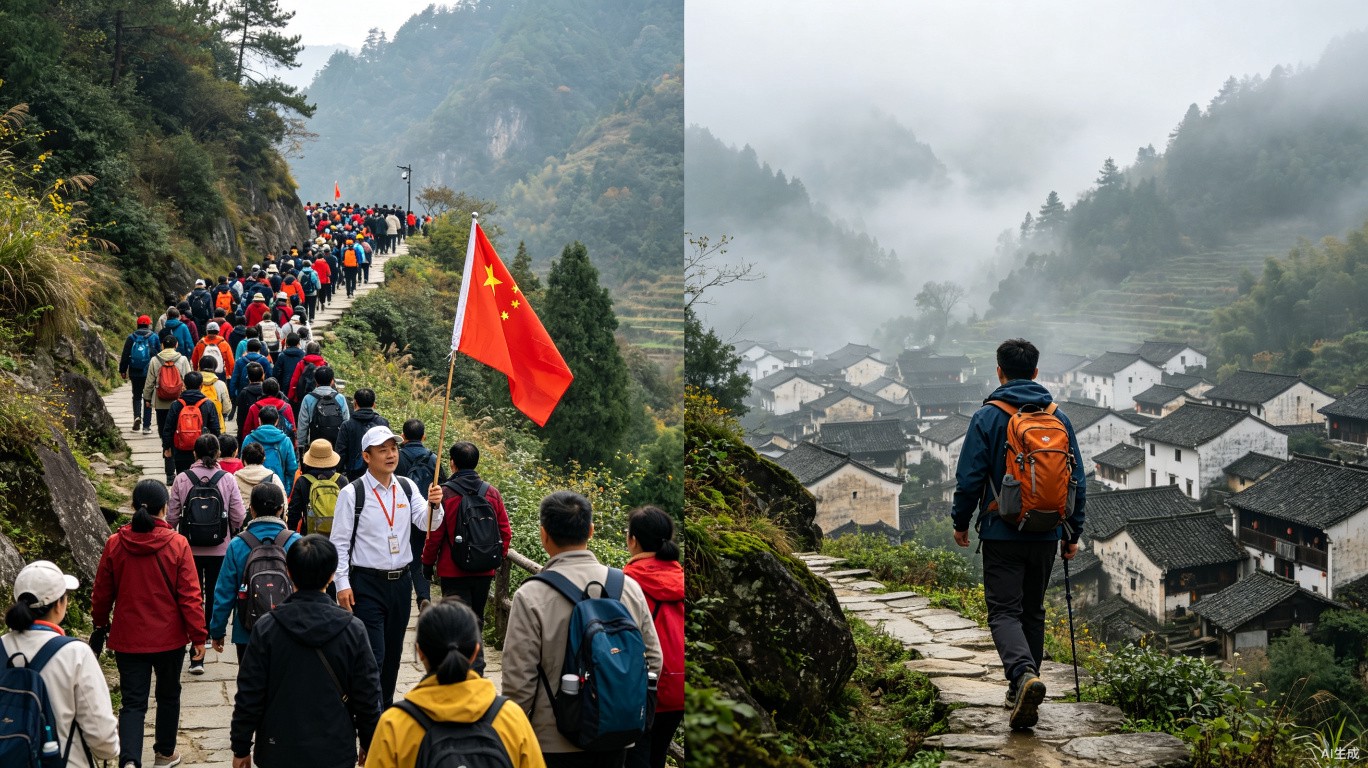
China Group Tours vs Independent Travel Which is Better
Should you join a guided tour or travel independently in China? Honest comparison of cost, flexibility, and experience.
7 min read
China Itinerary Planning: 7-Day 14-Day and 21-Day Routes: The Complete 2026 G...
Not sure how many days to spend in China? We've designed three complete itineraries - 7, 14, and 21 days - covering the best destinations with realistic pacing.
9 min read