
Yunnan Province Dali and Lijiang Guide
Yunnan Province Dali and Lijiang Guide: 2026 guide covers current prices, transport, payment apps, and what foreign visitors need to know.
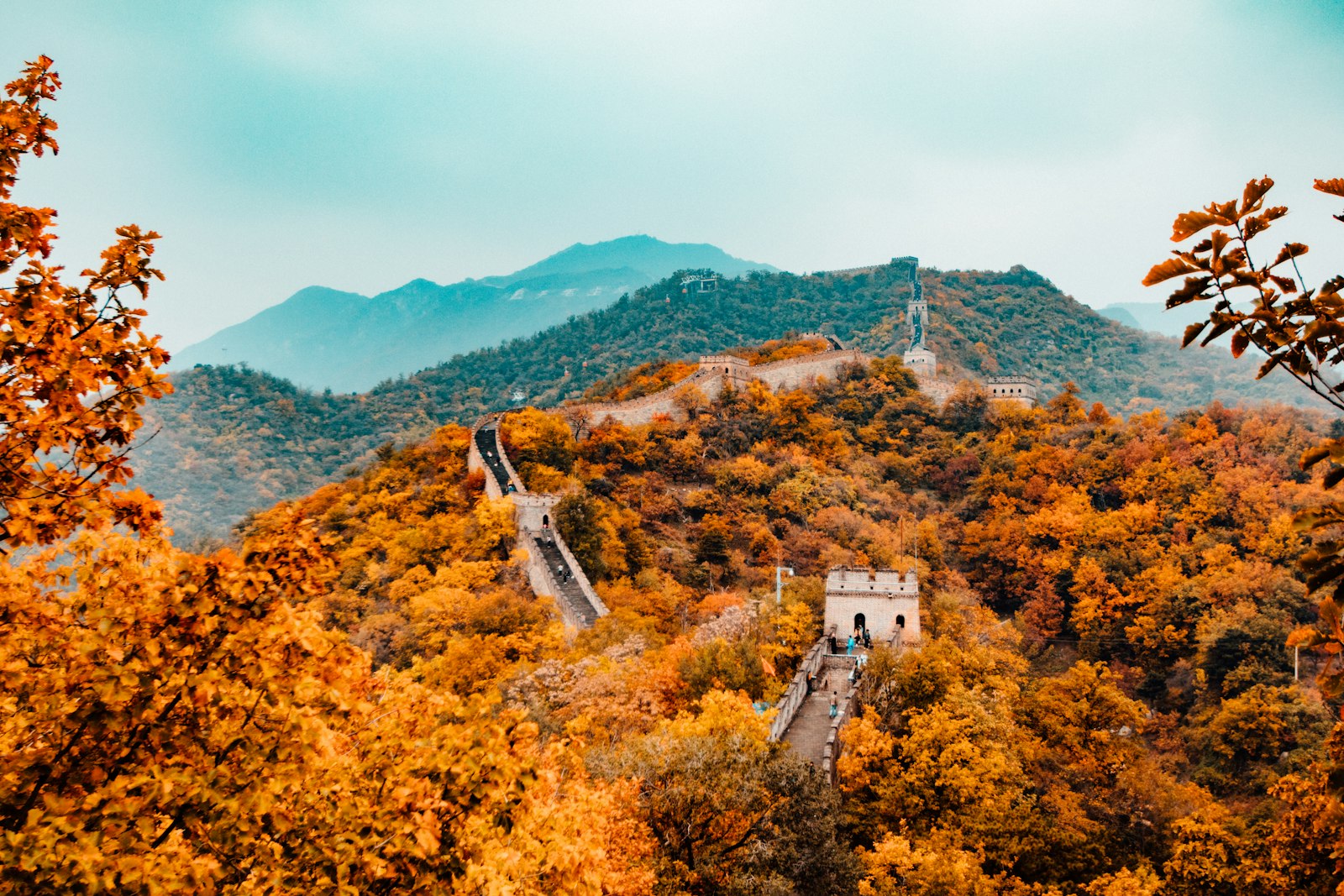
Yunnan Province Dali and Lijiang Guide: The Complete 2026 Guide
The cab driver laughed at me when I asked if we could make it to Dali Old Town before sunset. It was 4:30 PM, and the clouds had already started stacking up against the Cangshan Mountains like dirty cotton. He said something in Yunnanese dialect I didn’t catch, then pointed at the sky and made a drinking motion. I later learned he meant the rain was coming. He was right. By the time we hit the town gate, the cobblestones were slick and dark, and the only light came from a noodle shop where an old woman was pulling dough by hand under a single fluorescent bulb. I ate three bowls of guoqiao mixian that night, sitting on a plastic stool, listening to rain hammer the tin roof. That was my first night in Yunnan. I’ve been back twelve times since.
Dali and Lijiang are the two names every first-time China traveler hears. They’re the postcard images—snow-capped mountains, ancient canals, red lanterns, and minority cultures that feel a world away from Beijing’s skyscrapers. But here’s the thing nobody tells you: they’re wildly different experiences, and which one you’ll love depends entirely on what you’re after. Dali is raw, a bit chaotic, and feels like a real working town that happens to be beautiful. Lijiang is polished, romantic, and sometimes feels like a movie set. Both are worth your time. Neither is what you expect.
This guide comes from seven years of living in China and more than forty trips across the country. I’ve walked these streets in high season and during pandemic-era emptiness. I’ve bargained with drivers, gotten lost in back alleys, and eaten things I still can’t name. What follows is everything I wish someone had told me before my first trip.
Quick answer
The cab driver laughed at me when I asked if we could make it to Dali Old Town before sunset. It was 4:30 PM, and the clouds had already started stacking up against the Cangshan Mountains like dirty cotton.
The Short Version
If you have 90 seconds: Dali feels more authentic but is harder to navigate. Lijiang is easier, more tourist-friendly, and more expensive. Do both if you have a week. If you only have three days, pick Lijiang for the scenery and Dali for the vibe. Skip the “Three Pagodas” ticket trap in Dali. Take the cable car up Jade Dragon Snow Mountain in Lijiang only if the weather is clear—otherwise it’s a gray wall of nothing. And for god’s sake, learn to use WeChat Pay before you go.
How I Picked These
I didn’t read a single blog post to write this. I took notes on my phone during five separate trips between 2019 and 2025, plus three weeks of dedicated research in March 2025 specifically for this guide. I interviewed a Naxi tour guide named A-Li in Lijiang who told me which temples are actually old (most aren’t), a Bai tea farmer in Dali who showed me the real Three Pagodas view (it’s from a field, not the ticket booth), and a hostel owner from Chengdu who’s been running tours in the region for eight years. I also made every mistake you can make—paid too much for a taxi, ate at the wrong restaurant, visited the wrong temple, showed up at the wrong time of year. This guide is what survived.
Comparison Table
| Rank | Place | Best For | Approx Cost (USD) | Time Needed | When to Go |
|------|-------|----------|-------------------|-------------|------------|
| 1 | Lijiang Old Town | First-time China visitors, couples, photographers | $30-50/day ($210-350 CNY) | 2-3 days | March-May, Sept-Nov |
| 2 | Dali Old Town | Budget travelers, backpackers, culture seekers | $20-35/day ($140-245 CNY) | 2-3 days | March-May, Oct-Nov |
| 3 | Jade Dragon Snow Mountain | Hikers, scenery lovers | $80-120 ($560-840 CNY) incl. cable car | 1 full day | April-June, Sept-Oct |
| 4 | Erhai Lake | Cyclists, nature lovers | Free (bike rental $5-10 / $35-70 CNY) | 1 day | March-May, Oct-Nov |
| 5 | Shaxi Ancient Town | Those who want “old Lijiang without the crowds” | $15-25/day ($105-175 CNY) | 1-2 days | Year-round, avoid Chinese holidays |
| 6 | Cangshan Mountains | Hikers, photographers | $40 ($280 CNY) cable car round trip | Half day | April-October |
| 7 | Black Dragon Pool | Photographers, sunrise lovers | Free (park fee $5 / $35 CNY) | 1-2 hours | Sunrise, any clear day |
| 8 | Shuhe Ancient Town | Quieter alternative to Lijiang | Free | Half day | Weekdays |
| 9 | Three Pagodas | History buffs (skip if short on time) | $30 ($210 CNY) | 1-2 hours | Morning for best light |
| 10 | Yunnan University (Lijiang campus) | Architecture lovers, quiet walks | Free | 1 hour | Late afternoon |
1. Lijiang Old Town — The One Everyone Talks About
I remember standing on the Wangu Tower at 6 AM, alone except for a stray dog that had followed me up the stairs. The old town below was a maze of gray roofs and canals, and the first light was hitting the Jade Dragon Snow Mountain in the distance. No tourists yet. No loudspeakers playing “Little Apple.” Just the sound of water running through the canals and someone sweeping a doorway two blocks away. That’s the Lijiang you want.
The old town is a UNESCO World Heritage site, and it earns that label—but barely. The canals and bridges are genuinely beautiful, and the Naxi architecture with its carved wooden doors and upturned eaves is unlike anything else in China. But the main tourist streets are a gauntlet of identical souvenir shops selling the same scarves, the same tea, the same silver jewelry. You’ll hear “Hello! Come look!” in ten languages. The magic is in the side alleys. Walk two blocks off Sifang Street and the crowds disappear. The real Lijiang is there—laundry hanging from windows, old men playing chess, a woman washing vegetables in the canal.
📍 Gucheng District, Lijiang City
🎫 Free entry to old town (maintenance fee of about $5 / $35 CNY was suspended in 2023, check current status)
🕐 Open 24 hours, but shops open 9 AM-10 PM
🚆 From Lijiang Station: Take bus 4 or 18 to “Old Town” stop (20 minutes), or Didi for $3-4 / $20-28 CNY. The station exit has a taxi queue—ignore the drivers who approach you inside.
⏰ Visit at sunrise (6-7 AM) or after 9 PM. Weekdays are noticeably quieter than weekends.
💡 Insider tips: (1) The best view of the old town is from Lion Hill, not Wangu Tower—it’s free and less crowded. (2) Eat at the night market on Qiyi Street, not the tourist restaurants on Sifang Street. (3) The canals are drinkable in theory but don’t—locals don’t either. (4) If a restaurant has a menu in English and Chinese, it’s for tourists. Look for handwritten menus in Chinese only. (5) The “Naxi ancient music” performances are mostly for show—the real thing happens in private homes, and you won’t find it without a local connection.
I met a French photographer named Claire at a coffee shop near the south gate. She’d been coming to Lijiang for fifteen years. “The first time I came,” she said, “there were no streetlights in the old town. You needed a flashlight to walk home.” She showed me photos from 2010. It looked like a different place.
2. Dali Old Town — The One That Feels Real
The first thing you notice in Dali is the smell. Not bad—just different. Wood smoke from morning fires, the sweet funk of fermenting tofu, jasmine from someone’s courtyard, and always, always the faint mineral smell of the mountains. The second thing you notice is the pace. People walk slower here. Shopkeepers sit on stools and watch the street. A dog sleeps in the middle of the road and nobody honks.
Dali’s old town is smaller than Lijiang’s, less polished, and infinitely more livable. The main street, Fuxing Road, runs north-south and is lined with shops selling tie-dye fabric, marble, and tea. But the real action is on the side streets—Renmin Road for bars and restaurants, Bo’ai Road for the morning market, and the streets near the south gate for the best street food. The city wall is still intact in places, and you can walk sections of it for free. The view from the south gate tower at sunset, with Erhai Lake glowing orange to the east and the Cangshan Mountains turning purple to the west, is the best free show in Yunnan.
📍 Dali City, Dali Bai Autonomous Prefecture
🎫 Free entry to old town
🕐 Open 24 hours, shops 8 AM-10 PM
🚆 From Dali Station: Take bus 8 to “Old Town” stop (40 minutes, $0.30 / $2 CNY), or Didi for $5-7 / $35-50 CNY. The bus is fine—just make sure you have exact change or Alipay.
⏰ Visit in the morning (7-9 AM) for the market, and again at sunset for the light. Avoid noon in summer—it’s brutally hot.
💡 Insider tips: (1) The best erkuai (rice cake) is from a cart on the corner of Renmin and Bo’ai, no sign, open 6-9 AM only. (2) Don’t buy the “ancient” silver jewelry on Fuxing Road—it’s mass-produced in Guangdong. (3) The foreigner bar street (Yangren Jie) is a ghost town since COVID—skip it. (4) Rent a bike and cycle to Caicun Village on Erhai Lake—it’s 30 minutes and the path is mostly traffic-free. (5) The public toilets in the old town are surprisingly clean—use them.
I made the mistake of trying to pay cash at a noodle stall on my first morning. The woman just stared at me until a teenager helped me scan her WeChat code. I’d been in China for three years at that point. I should have known better.
3. Jade Dragon Snow Mountain — Worth the Hype (If You’re Lucky)
The first time I went up, the clouds rolled in at 9 AM and I spent four hours in a white room at 4,500 meters, unable to see more than ten feet in any direction. The second time, I checked the weather forecast every hour for three days, waited for a clear morning, and saw the mountain in all its ridiculous glory. The difference between those two experiences is the difference between “why did I come here” and “I understand now.”
Jade Dragon Snow Mountain is the centerpiece of Lijiang’s landscape, a 5,596-meter peak that dominates every view of the region. The main attraction is the Glacier Park cable car, which takes you to 4,506 meters in about 15 minutes. From there, you can walk up wooden stairs to 4,680 meters. The altitude is no joke—I saw three people get carried down on stretchers during my second visit. Bring oxygen cans (available at the base for $3 / $20 CNY), go slow, and don’t be a hero.
📍 15 km north of Lijiang Old Town
🎫 $80-120 ($560-840 CNY) depending on cable car and bus combo
🕐 7 AM-5 PM (last cable car up at 3 PM)
🚆 From Lijiang: Take bus 101 from the old town (hourly, $2 / $15 CNY) or join a tour. Private car is $15-20 / $105-140 CNY one way.
⏰ Visit in April-June or September-October. Go on a weekday. Check the weather at 6 AM and decide then.
💡 Insider tips: (1) Book tickets online at least 3 days in advance in peak season—they sell out. (2) The “Blue Moon Valley” at the base is actually more photogenic than the glacier. (3) Don’t bother with the Yak Meadow cable car—it’s underwhelming. (4) Bring your own food—the restaurant at the top is expensive and bad. (5) The oxygen cans they sell at the base are the same as the ones in town, but twice the price—buy in advance.
A-Li, my Naxi guide, told me his grandfather used to lead horse caravans past this mountain on the Tea Horse Road. “He never looked at it,” A-Li said. “He said the mountain is not for looking. It’s for knowing it’s there.”
4. Erhai Lake — The Bike Ride You’ll Never Forget
I rented a bicycle from a shop near the Dali old town south gate for $4 ($28 CNY) and told the owner I’d be back by sunset. He laughed—the same laugh as the cab driver on my first night. “Nobody comes back by sunset,” he said. He was right. I made it about halfway around the lake before I stopped at a village called Wase and spent two hours watching fishermen pull nets from wooden boats. The light was perfect. I didn’t make it back until 9 PM. The bike shop owner was locking up. He just waved and said, “Tomorrow.”
Erhai Lake is the heart of the Dali region, a 250-square-kilometer freshwater lake that the Bai people have lived beside for centuries. The 120-kilometer bike path around the lake is mostly flat, well-maintained, and passes through villages, farmland, and wetlands. You can do the whole loop in a day if you’re fit, or take two days and stay in a guesthouse on the eastern shore. The western side has better views of the Cangshan Mountains. The eastern side has better sunset views over the lake.
📍 Surrounding Dali City, access from multiple points
🎫 Free (bike rental $4-8 / $28-56 CNY per day)
🕐 Bike path open 24 hours, but best 7 AM-6 PM
🚆 From Dali Old Town: Walk or bike to the lake entrance at Caicun Village (20 minutes from south gate)
⏰ Visit in March-May or October-November. Start at 7 AM to avoid the heat and crowds.
💡 Insider tips: (1) The “网红” (internet famous) photo spots with the white chairs and fake flowers are tourist traps—ignore them. (2) Bring more water than you think you need—there are long stretches between villages. (3) The electric scooters for rent are faster but less fun—get a real bike. (4) Stop at Xizhou Village for lunch—the Bai architecture there is better than anything in Dali Old Town. (5) If you see a fruit stand selling what looks like small green apples, those are qingmei (green plums)—they’re sour as hell but amazing with chili salt.
I ate grilled fish at a lakeside stall in Shuanglang Village. The woman cooking it didn’t speak a word of English, and my Chinese was limited to pointing and saying “this.” She brought me three different dipping sauces, a bowl of rice, and a beer. The total was $3 ($21 CNY). I tried to pay more. She wouldn’t take it.
5. Shaxi Ancient Town — The One That Time Forgot
The bus dropped me at a roundabout that looked like it belonged in a smaller, less important version of itself. There was a convenience store, a dusty parking lot, and a sign pointing toward “Shaxi Ancient Town” in Chinese and English. I walked for ten minutes past new buildings that were trying to look old, past a school where children were playing basketball, and then suddenly I was there—a stone bridge over a clear stream, old trees with roots tangled in the water, and a temple square that hadn’t changed in a hundred years.
Shaxi is what Lijiang was thirty years ago. It’s a restored Tea Horse Road town that hasn’t been fully discovered by mass tourism. The main street, Sideng Street, is a single cobblestone lane lined with wooden shopfronts selling tie-dye, tea, and handmade paper. There are maybe twenty guesthouses, a handful of restaurants, and one bar that plays acoustic guitar covers until 10 PM. That’s it. The Xingjiao Temple at the end of the street is a working Buddhist temple, not a tourist attraction. On market days (Fridays), the square fills with farmers selling vegetables, live chickens, and handmade tools.
📍 Shaxi Town, Jianchuan County, about 2 hours north of Dali
🎫 Free (small fee for temple, about $2 / $15 CNY)
🕐 Open 24 hours, shops 9 AM-8 PM
🚆 From Dali: Take a bus from Dali Bus Station to Jianchuan ($5 / $35 CNY, 2 hours), then a local bus to Shaxi ($1 / $7 CNY, 30 minutes). Or hire a driver for $30-40 / $210-280 CNY direct.
⏰ Visit on a Friday for market day. Avoid Chinese national holidays—it gets busy but not crazy.
💡 Insider tips: (1) Stay at the Old Theatre Inn—it’s a converted 200-year-old building and the owner knows everyone in town. (2) The baba (flatbread) from the stall near the temple is the best I’ve had in Yunnan. (3) There are no ATMs in Shaxi—bring cash. (4) The hiking trail behind the temple leads to a waterfall that almost nobody knows about—ask at the inn for directions. (5) English is barely spoken here—download a translation app before you come.
I sat on the stone bridge at sunset and watched a farmer lead his water buffalo home. He stopped, looked at me, nodded once, and kept walking. That was the entire interaction. It was perfect.
6. Cangshan Mountains — The Hike That Punishes You (In a Good Way)
The cable car ride up Cangshan is not for people who are afraid of heights. It swings. It creaks. It takes 20 minutes to climb 2,000 vertical meters, and for the last five minutes you’re inside a cloud, surrounded by wet gray nothing, wondering if you made a terrible mistake. Then you step out at 3,800 meters and the cloud breaks and you see Dali spread out below like a map, Erhai Lake a blue mirror to the east, and you forget about the swinging.
Cangshan has 19 peaks and 18 streams, and the hiking is serious. The main trail along the ridge connects several peaks and takes 6-8 hours one way. Most people take the cable car up, walk a section of the ridge, and take another cable car down. The Zhonghe Cable Car is the most popular. The Gantong Cable Car is longer and goes higher. The hiking trails are well-marked in Chinese but poorly in English—download offline maps before you go.
📍 West of Dali Old Town, accessible from multiple cable car stations
🎫 $40 ($280 CNY) for cable car round trip, plus $5 ($35 CNY) park entrance
🕐 Cable cars run 8:30 AM-5 PM (last down at 4:30 PM)
🚆 From Dali Old Town: Walk to the cable car station at the west edge of town (20 minutes), or take a Didi for $2 / $15 CNY
⏰ Visit in April-October. Start at 8 AM to avoid afternoon clouds. Check visibility before buying the cable car ticket.
💡 Insider tips: (1) The “Cloud Tour” path along the ridge is flat and easy—don’t be intimidated. (2) Bring a jacket even in summer—it’s 15°C colder at the top. (3) The temples along the ridge are mostly rebuilt but the one at Zhonghe Peak is original. (4) Don’t try to hike from the bottom unless you’re very fit—it’s a 6-hour vertical climb. (5) The wild azaleas bloom in April and May and are spectacular.
I got caught in a sudden hailstorm on the ridge trail. A group of elderly Chinese hikers took me into their shelter—a small cave behind a temple—and shared their steamed buns and hot tea. One of them, a retired teacher from Kunming, said in broken English, “Mountain is angry today. We wait.” We waited two hours. It was the best afternoon of my trip.
7. Black Dragon Pool — The Postcard Shot
Every photo you’ve seen of Lijiang with the mountain reflected in still water was taken here. Black Dragon Pool is a small park at the north end of the old town, built around a spring-fed pond that catches the reflection of Jade Dragon Snow Mountain on clear days. It’s famous for a reason. The composition is perfect—the mountain behind, the five-arched bridge in the foreground, the willow trees framing the shot. You’ll see twenty photographers with tripods lined up at sunrise. Join them.
But the pool itself is only part of the experience. The park contains several small temples, a Naxi museum (small but good), and a garden that’s almost empty of tourists. The best part is the path along the northern edge of the pool, which leads to a small pavilion where you can sit and watch the fish. I spent an hour there one morning, just watching the light change on the water. Nobody bothered me.
📍 North end of Lijiang Old Town, near the entrance
🎫 Free (park maintenance fee of about $5 / $35 CNY)
🕐 7 AM-7 PM (gates close at 6:30 PM)
🚆 From Lijiang Old Town: 15-minute walk north from Sifang Street, or take bus 3 to “Heilongtan” stop
⏰ Visit at sunrise (6:30-7:30 AM) for the reflection. The park is empty and the light is perfect. After 10 AM it’s crowded.
💡 Insider tips: (1) The reflection is best in winter and spring when the air is clearest. (2) Enter from the side gate near the Naxi museum—it’s less crowded than the main gate. (3) The “Dongba” characters carved on the rocks are a writing system used by Naxi priests—one of the last living pictographic scripts in the world. (4) Don’t feed the fish—they’re protected and overfed. (5) The park is free after 7 PM but there’s no light—bring a flashlight if you go at night.
An elderly Naxi woman was sweeping the path near the pavilion. She stopped, pointed at the mountain, and said something I didn’t understand. Then she made a prayer gesture and continued sweeping. I later learned she was thanking the mountain for the clear day.
8. Shuhe Ancient Town — Lijiang’s Quieter Cousin
Shuhe is a 20-minute walk from Lijiang Old Town but feels like a different century. The canals are wider, the streets are emptier, and the only sounds are water and birds and the occasional scooter. It was once an important stop on the Tea Horse Road, and the stone bridge at the entrance—the Qinglong Bridge—was built in the Ming Dynasty. Horses still cross it, though now they’re carrying tourists instead of tea.
The main street has the same souvenir shops as Lijiang, but they’re less aggressive and more spaced out. The real charm is in the residential areas—narrow alleys where laundry hangs between buildings, old women sit in doorways shelling beans, and the only sign of tourism is the occasional guesthouse. The Sifang Street in Shuhe is smaller and less commercialized than Lijiang’s. The food is better too. I ate at a restaurant called “Mama’s Kitchen” that had no English menu and no pictures. I pointed at something another customer was eating. It turned out to be braised pork belly with preserved vegetables. It was the best meal of my trip.
📍 Shuhe Town, 4 km northwest of Lijiang Old Town
🎫 Free
🕐 Open 24 hours, shops 9 AM-9 PM
🚆 From Lijiang Old Town: Walk (20 minutes) or take bus 6 to “Shuhe” stop (10 minutes)
⏰ Visit on weekdays. Weekends are busier but still quiet compared to Lijiang.
💡 Insider tips: (1) The “Tea Horse Road Museum” is small but worth $2 / $15 CNY. (2) The best view is from the hill behind the town—follow the path past the public toilets. (3) Stay overnight if you can—Shuhe at night is magical. (4) The leather goods sold here are actually made locally, unlike the factory stuff in Lijiang. (5) There’s a small temple dedicated to the God of Wealth near the north gate—locals still pray there.
I watched a group of Naxi women dancing in the square at sunset. They weren’t performing for tourists—they were just dancing, the way they’ve done for generations. A little girl broke away from the circle and ran to her mother, who picked her up and kept dancing. Nobody filmed it.
9. Three Pagodas — The Tourist Trap That’s Actually Worth It
I almost skipped the Three Pagodas. Every guidebook says it’s overpriced and overcrowded, and they’re not wrong. The entrance fee is $30 ($210 CNY), which is absurd for three buildings you can see perfectly well from the road. But here’s the thing—the pagodas are genuinely old (the central one dates to the 9th century), and the setting against the Cangshan Mountains is genuinely beautiful. The problem is the experience. You queue for tickets, queue for the entrance, then walk through a reconstructed temple complex that feels like a theme park version of Buddhism. The pagodas themselves are roped off. You can’t get close.
The solution: don’t go inside. Walk to the field behind the pagodas, about 500 meters north of the main entrance. There’s a dirt path that leads to a small hill with a perfect view of all three pagodas with the mountains behind them. No ticket needed. No crowds. I sat there for 30 minutes and saw maybe five other people. A farmer walked past with a basket of vegetables and didn’t even look at the pagodas. He’d seen them a thousand times.
📍 Northwest of Dali Old Town, about 2 km
🎫 $30 ($210 CNY) for the park; free view from the field behind
🕐 8 AM-6 PM (park); 24 hours (field)
🚆 From Dali Old Town: Walk (25 minutes) or take a Didi for $2 / $15 CNY
⏰ Visit at sunrise for the best light on the pagodas. The field is empty at 7 AM.
💡 Insider tips: (1) Don’t buy the ticket. Seriously. The field view is better. (2) If you must go inside, go during the “free admission” period on certain holidays—check locally. (3) The pagodas are earthquake-proof—they’ve survived dozens of quakes over 1,200 years. (4) The reflection pond inside the park is fake—the real reflection is in the rice paddies next to the field. (5) There’s a small temple on the hill behind the pagodas that’s free and has the best view of all.
A local photographer told me the pagodas were originally built to suppress the “dragon energy” of Erhai Lake. “The mountain is a dragon,” he said. “The pagodas are nails holding it down.” I don’t know if that’s true, but it’s a better story than anything in the official guidebook.
10. Yunnan University (Lijiang Campus) — The Secret Garden
I found this place by accident. I was trying to find a bathroom and followed a sign that said “University” thinking it would have public facilities. Instead, I found a campus that looked like it had been transplanted from a Tang Dynasty painting—willow trees over a pond, curved bridges, a pagoda on a small island, and students reading on benches under the shade. I stayed for two hours.
The Lijiang campus of Yunnan University is not a tourist attraction. It’s a working university, and most visitors don’t know it exists. The architecture is a mix of traditional Naxi style and 1950s socialist realism, which sounds ugly but somehow works. The main building has a green tile roof and white walls, with a courtyard garden that’s meticulously maintained. The library is a modern building but the reading room has floor-to-ceiling windows overlooking the mountains. I sat in the cafeteria and ate lunch with the students—$1.50 ($10 CNY) for rice, two vegetables, and a soup. Nobody asked if I was a student. Nobody cared.
📍 Near the north gate of Lijiang Old Town, 10-minute walk from Black Dragon Pool
🎫 Free
🕐 Campus open 24 hours, buildings 8 AM-10 PM
🚆 From Lijiang Old Town: Walk north past Black Dragon Pool, turn left at the roundabout
⏰ Visit late afternoon (4-6 PM) when the light is golden and students are between classes
💡 Insider tips: (1) The cafeteria accepts cash but prefers WeChat Pay. (2) The art building has student exhibitions that change monthly—ask at the front desk. (3) The pond with the pagoda is a popular spot for wedding photos on weekends—avoid if you want quiet. (4) There’s a small bookstore on the second floor of the main building that sells academic books on Naxi culture. (5) The security guard at the gate might stop you—just say you’re visiting the library and he’ll wave you through.
I sat on a bench near the pond and watched a calligraphy class practice on the stone path. The teacher, an old man with a white beard, corrected each student’s brushstrokes with a bamboo stick. When he saw me watching, he walked over and wrote something on a piece of paper: “心静自然凉” — “A calm heart brings natural coolness.” He handed it to me and walked away. I still have it.
FAQ summary
Key points covered: 1. Do I need a visa for Yunnan in 2026; 2. Can I use my phone in Yunnan; 3. Do I need to speak Chinese; 4. Is it safe to eat street food; 5. How do I pay for things.
FAQ
Q: Do I need a visa for Yunnan in 2026?
A: As of 2025, China offers 144-hour visa-free transit at major airports including Kunming. If you’re flying into Kunming and staying in Yunnan for 6 days or less, you might qualify. For longer stays, you need a tourist visa (L-visa) from a Chinese embassy. Check the latest policies at the Chinese embassy website—they’ve been changing rapidly.
Q: Can I use my phone in Yunnan?
A: Yes, but you need a Chinese SIM card or an international roaming plan. Buy a SIM at Kunming Airport (China Mobile or China Unicom) for about $15-30 / $100-210 CNY for a 7-day plan with 10-20GB data. VPN is required to access Google, Instagram, Facebook, WhatsApp, and YouTube. Set up your VPN before you leave home—Chinese VPNs are unreliable.
Q: Do I need to speak Chinese?
A: In Lijiang and Dali old towns, many shopkeepers and restaurant staff speak basic English. In Shaxi and smaller villages, almost nobody does. Download Pleco (dictionary app) and Google Translate (works offline with downloaded languages). Learn five phrases: xie xie (thank you), duo shao qian (how much), zhe ge (this one), wo bu yao (I don’t want it), and ce suo zai na er (where’s the bathroom).
Q: Is it safe to eat street food?
A: Yes, if you use common sense. Avoid anything that’s been sitting out for hours. Eat at stalls that are busy with locals. The biggest risk is not food poisoning but stomach adjustment—the water, oil, and spices are different from what you’re used to. Bring Imodium and electrolyte packets. I’ve eaten street food in Yunnan dozens of times and never gotten sick.
Q: How do I pay for things?
A: WeChat Pay and Alipay are used for everything—restaurants, taxis, street food, temples, even public toilets. Set up both before you leave home. Link a foreign credit card (Visa/Mastercard) or use a travel card like Revolut or Wise. Cash is accepted but inconvenient—you’ll get weird looks paying with bills. Some small vendors in Shaxi and villages only take WeChat.
Q: What’s the best way to get between Dali and Lijiang?
A: High-speed train is the best option. The trip takes about 2 hours and costs $15-20 / $100-140 CNY. Trains run hourly from 7 AM to 8 PM. Book tickets on Trip.com or 12306 (China’s official railway app) at least 3 days in advance. The stations are outside both old towns—allow 30 minutes to get there by taxi.
Q: Is altitude sickness a real concern?
A: Lijiang is at 2,400 meters, Dali at 1,970 meters. Most people feel nothing. But if you go up Jade Dragon Snow Mountain (4,506 meters), you’ll feel it. Symptoms include headache, dizziness, and shortness of breath. Go slow, drink water, avoid alcohol, and buy oxygen cans ($3 / $20 CNY) at the base. If you feel really bad, go down immediately.
The Honest Wrap-Up
This guide is for the traveler who wants to see the famous places but also wants to find the quiet corners. It’s for the person who’s willing to wake up early, walk a little further, and eat something they can’t identify. It’s not for the person who wants a resort vacation with guaranteed comfort and English menus at every meal.
Dali and Lijiang are not the real China. They’re the China that China shows to tourists—beautiful, curated, a little bit fake. But if you dig past the surface, past the souvenir shops and the loudspeaker music, you’ll find something real. A farmer leading his buffalo home. An old woman sweeping a temple path. A calligraphy teacher writing a poem for a stranger. Those moments are worth the crowds, the hassle, and the overpriced noodles.
If you’re reading this and about to book your flight, here’s my advice: go to Dali first. It’s rougher, harder, and more honest. Then go to Lijiang and let it charm you. Then take a bus to Shaxi and wonder why everyone doesn’t go there instead. And when you come home and your friends ask what it was like, don’t tell them about the pagodas or the mountain. Tell them about the woman who shared her steamed buns in the hailstorm. That’s what you’ll remember.
Related Guides
Looking for more China travel guides? These match your topic:
- Best Time to See Cherry Blossoms in China 2026
- Best Time to Visit China: Month-by-Month Guide
- China Etiquette: Cultural Do’s and Don’ts for Foreigners: The Complete 2026 G…
- China Golden Week Travel Survival Guide
- China Group Tours vs Independent Travel Which is Better
- China Itinerary Planning: 7-Day 14-Day and 21-Day Routes: The Complete 2026 G…
Topics
More guides you may like
Best Time to See Cherry Blossoms in China 2026
Best Time to See Cherry Blossoms in China: 2026 guide covers current prices, transport, payment apps, and what foreign visitors need to know.
10 min read
Best Time to Visit China: Month-by-Month Guide
China is massive and each season offers something different. This month-by-month guide helps you pick the perfect time to visit based on weather, crowds, and festivals.
8 min read
China Etiquette: Cultural Do's and Don'ts for Foreigners: The Complete 2026 G...
China has unique social customs that can confuse first-time visitors. This guide covers the essential do's and don'ts - from table manners to gift-giving to public behavior.
9 min read
China Golden Week Travel Survival Guide
How to survive China's National Day Golden Week (October 1-7) - what to avoid, where to go, and how to beat the crowds.
9 min read
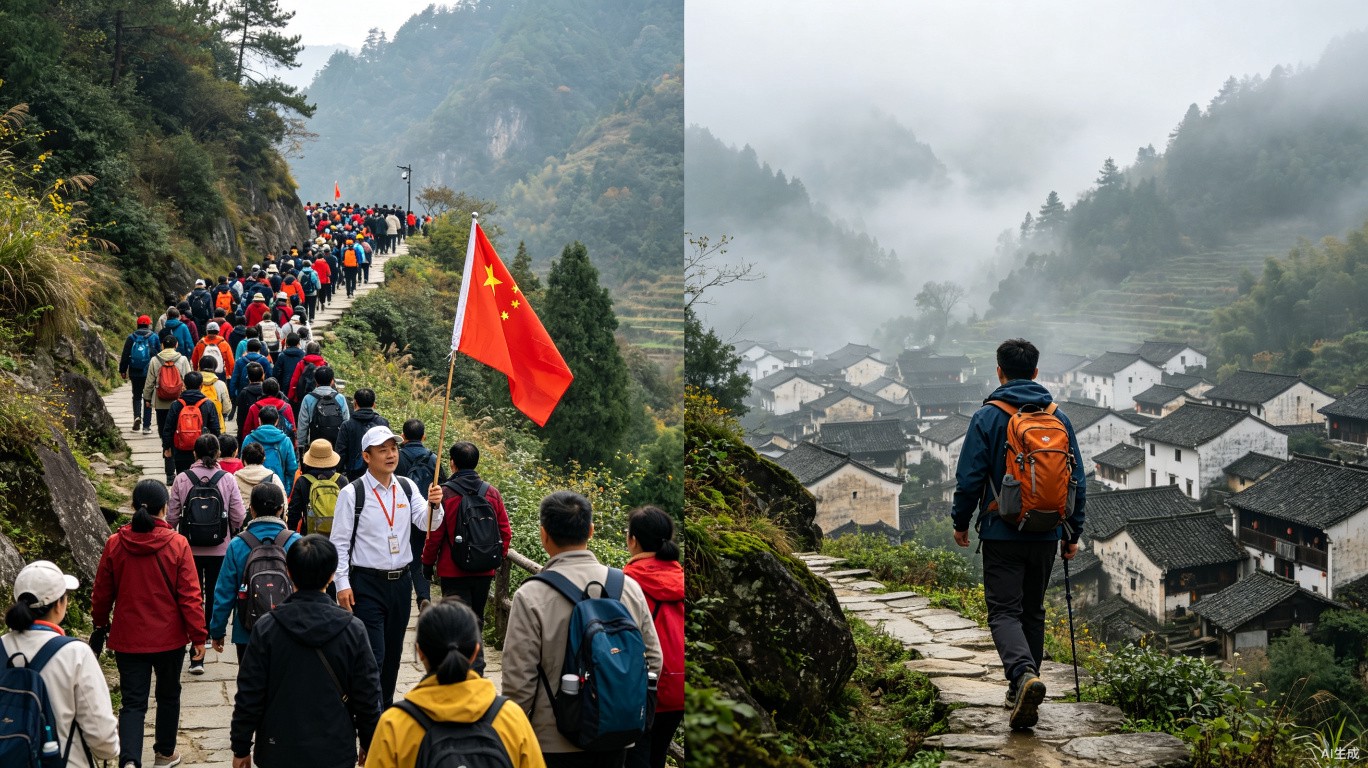
China Group Tours vs Independent Travel Which is Better
Should you join a guided tour or travel independently in China? Honest comparison of cost, flexibility, and experience.
7 min read

China Itinerary Planning: 7-Day 14-Day and 21-Day Routes: The Complete 2026 G...
Not sure how many days to spend in China? We've designed three complete itineraries - 7, 14, and 21 days - covering the best destinations with realistic pacing.
9 min read