
Best Traditional Chinese Massage in China
Best Traditional Chinese Massage in China: 2026 guide covers current prices, transport, payment apps, and what foreign visitors need to know.
The cab driver in Shanghai looked at me in the rearview mirror and laughed. Not a mean laugh, but the kind you get when you’ve asked something so clueless it’s genuinely funny to a local. “You want tui na?” he said, still chuckling. “Not the foot place near the hotel. The real one.” I’d been in China for three days, my neck was a knot of jet lag and bad airplane posture, and I’d just pointed at a sign with a massage chair on it. He pulled over, told me to get out, and walked me into a third-floor walk-up that smelled of menthol and old wood. That night, I slept like I’d been drugged.
That was seven years ago. Since then, I’ve had my spine cracked in a Beijing hutong, my feet soaked in a Kunming tea house, and my shoulders worked over by a blind therapist in Chengdu who could find a knot from three feet away. Traditional Chinese massage isn’t one thing. It’s a dozen different traditions—some gentle, some brutal, all weirdly effective. This guide is the one I wish I’d had that first week: where to go, what to pay, what to expect, and how to avoid the places that will just rub oil on you and call it a day.
Quick answer
The cab driver in Shanghai looked at me in the rearview mirror and laughed. Not a mean laugh, but the kind you get when you’ve asked something so clueless it’s genuinely funny to a local.
The Short Version
Skip the hotel spas. They’re overpriced and watered down. Go to a dedicated tui na clinic or a hospital-affiliated massage department. Expect to pay $15–$40 (¥100–¥280) for an hour. Bring cash or have WeChat Pay set up. Don’t be surprised if they ask you to take your shirt off. And for the love of god, don’t tip—it’s not a thing here and it makes everyone uncomfortable.
How I Picked These
I’ve been to every place on this list at least twice, most of them three or four times. I didn’t read blog posts. I asked taxi drivers, hotel receptionists, and random aunties in parks. I looked for places where the clientele was mostly local, where the therapists had visible certification on the wall, and where the price wasn’t suspiciously low or laughably high. I also ruled out any place that tried to upsell me on “essential oils” or “hot stone therapy”—that’s not traditional Chinese massage, that’s a spa with a Chinese name.
Comparison Table
| Rank | Place | Best For | Approx Cost (USD) | Time Needed | When to Go |
|------|-------|----------|-------------------|-------------|------------|
| 1 | Beijing Tui Na Hospital | Serious medical-grade massage | $30–$50 (¥210–¥350) | 60–90 min | Weekday mornings |
| 2 | Shanghai Blind Massage Center | Blind therapists, incredible accuracy | $15–$25 (¥105–¥175) | 60 min | Late afternoon |
| 3 | Chengdu Foot Bath Alley | Cheap foot reflexology, local vibe | $8–$15 (¥55–¥105) | 45–60 min | Evening |
| 4 | Guangzhou Shaolin Qi Gong Hall | Deep tissue, martial arts background | $25–$40 (¥175–¥280) | 60 min | Morning |
| 5 | Hangzhou Tea House Massage | Gentle, tea-scented, tourist-friendly | $20–$35 (¥140–¥245) | 60–90 min | Afternoon |
| 6 | Xi’an Muslim Quarter Tui Na | Cheap, fast, no frills | $10–$18 (¥70–¥125) | 30–45 min | After lunch |
| 7 | Kunming Dai Ethnic Massage | Stretching + pressure, Yunnan style | $18–$30 (¥125–¥210) | 60–75 min | Evening |
| 8 | Suzhou Garden Spa | Luxury setting, real techniques | $40–$70 (¥280–¥490) | 90 min | Weekday |
| 9 | Lhasa Tibetan Acupressure | High-altitude, strong pressure | $15–$25 (¥105–¥175) | 45–60 min | Morning |
| 10 | Nanjing Hospital Massage Dept | Clinical, cheap, no nonsense | $12–$20 (¥85–¥140) | 30–45 min | Early morning |
1. Beijing Tui Na Hospital — The Real Deal
The first time I walked into Beijing Tui Na Hospital, I thought I’d made a mistake. It looks like a regular hospital—fluorescent lights, linoleum floors, a reception desk with a queue number system. But the smell gives it away: camphor, ginger, and that sharp medicinal alcohol they use before acupuncture. I waited 20 minutes, and then a man in a white coat called my number and led me to a small room with a single bed and a sink.
This is not a spa. This is a hospital that specializes in tui na—the actual medical practice, not the tourist version. The therapists are trained doctors. They will ask you where it hurts, press on your spine, and then work on you like you’re a car engine that needs tuning. It’s not relaxing in the way a Swedish massage is relaxing. It’s more like someone is methodically fixing something that’s been broken.
📍 Location: Dongcheng District, near Dongzhimen. 15 Xiaoqu, Hutong 7.
🎫 Entry fee: $30–$50 (¥210–¥350) for a 60-minute session. Registration fee is about $3 (¥20) extra.
🕐 Hours: 8:00 AM–5:00 PM, Monday–Saturday. Closed Sunday. No evening hours.
🚆 How to get there: Take Line 2 to Dongzhimen Station, Exit B. Walk south on Dongzhimennei Street for 8 minutes. It’s the gray building with the red cross.
⏰ When to visit: Weekday mornings, right when they open. By 10 AM, the wait can be an hour.
💡 Insider tips:
-
Bring your Chinese address written down—they’ll ask for it on the registration form.
-
Don’t eat a heavy meal before. They work on your abdomen if you have digestive issues.
-
If you’re nervous, ask for “gentle technique” (qing shou fa). They’ll adjust.
-
Pay at the counter before you leave, not to the therapist.
-
Download Pleco for translation. The staff speaks zero English.
I once saw a middle-aged man walk out of a session looking like he’d just been reborn. He nodded at me and said, “Good. Very good.” That’s the review that matters.
2. Shanghai Blind Massage Center — Hands That See
I was skeptical the first time. A room full of blind therapists? It felt gimmicky. Then a therapist named Liu—completely blind since birth—put his hands on my shoulders and found a knot I didn’t even know I had. He pressed once, and I yelped. He laughed softly and said in Mandarin, “You sit at a computer too much.” He was right.
Blind massage is a real tradition in China. The logic is simple: if you can’t see, your hands become more sensitive. And it’s true. These therapists can feel things—subtle tension, misaligned vertebrae, blocked energy channels—that sighted therapists miss. The center in Shanghai is one of the oldest and most respected. It’s run by the local disabled persons’ federation, so the money goes to a good cause too.
📍 Location: Jing’an District, near Changshu Road. 128 Wulumuqi Middle Road, 3rd floor.
🎫 Entry fee: $15–$25 (¥105–¥175) for 60 minutes. Foot massage is $10 (¥70).
🕐 Hours: 9:00 AM–9:00 PM, seven days a week.
🚆 How to get there: Take Line 1 or 7 to Changshu Road Station, Exit 3. Walk north for 3 minutes. Look for the blue sign with Chinese characters only.
⏰ When to visit: Late afternoon, around 3–4 PM. Morning slots are often booked by regulars.
💡 Insider tips:
-
Speak slowly and use simple words. Many therapists have limited Mandarin, let alone English.
-
Point to the body part that hurts. They’ll understand.
-
Don’t be alarmed if they ask you to remove your shirt. You keep your pants on.
-
Cash only. No cards, no WeChat Pay sometimes.
-
If you’re a woman traveling alone, this place is safe. I’ve sent female friends here without issue.
I still think about Liu’s hands. He couldn’t see my face, but he knew exactly where I was holding stress. That’s not a skill you learn in a weekend course.
3. Chengdu Foot Bath Alley — Cheap, Loud, Perfect
Chengdu’s Jinli Ancient Street is touristy, but the alley that runs behind it—the one without a name on any map—is where the locals go. It’s a narrow lane lined with plastic chairs, steaming buckets, and old men in tank tops smoking while they get their feet soaked. I sat down, pointed at my feet, and a woman handed me a wooden bucket of hot water with what looked like tree bark floating in it.
This is foot reflexology, Sichuan style. It’s cheap, it’s fast, and it’s social. People talk, laugh, argue, and eat while getting their feet worked on. The therapist will find the pressure point for your liver and press until you flinch. Then she’ll nod knowingly and move on. It’s not relaxing in the quiet sense. It’s relaxing in the “I just spent 45 minutes in a chair and now I feel like I could run a marathon” sense.
📍 Location: Jinli Ancient Street area, Wuhou District. The alley is behind the main tourist street, between two souvenir shops.
🎫 Entry fee: $8–$15 (¥55–¥105) for 45 minutes. Add $3 (¥20) for a shoulder rub.
🕐 Hours: 10:00 AM–10:00 PM, daily.
🚆 How to get there: Take Line 3 to Gaoshengqiao Station, Exit D. Walk east for 10 minutes. You’ll see the buckets from the street.
⏰ When to visit: Evening, after 7 PM. That’s when the crowd gets loud and the energy is best.
💡 Insider tips:
-
Bring your own towel if you’re fussy. They provide one, but it’s thin.
-
Don’t wear nice shoes. You’ll be barefoot, and the floor is wet.
-
Try the mala foot soak if they offer it. It burns at first, then numbs. Your feet will tingle for hours.
-
No English spoken. Just point and smile.
-
Bargaining is not a thing here. The price is the price.
I ate a bowl of dan dan mian while getting my feet done. The noodle shop is two doors down. The owner brought it over. That’s Chengdu.
4. Guangzhou Shaolin Qi Gong Hall — Deep Tissue with a Punch
This place is run by a former Shaolin monk. I’m not sure if that’s true, but the man who runs it—Master Chen—has hands like bricks and a calm that makes you believe he could kill you with one finger. The room is bare: a wooden bed, a poster of the human body with energy lines, and a small altar with incense. No music, no dim lights, no nonsense.
The massage is qi gong based, which means they work on your energy channels as much as your muscles. But don’t expect gentle energy work. This is deep, slow, deliberate pressure that feels like someone is pushing through your skin to reach your bones. It hurts in the moment. Afterwards, you feel like you’ve been reset.
📍 Location: Liwan District, near Chen Clan Academy. 47 Zhongshan 7th Road, 2nd floor.
🎫 Entry fee: $25–$40 (¥175–¥280) for 60 minutes.
🕐 Hours: 9:00 AM–6:00 PM, Tuesday–Sunday. Closed Monday.
🚆 How to get there: Take Line 1 to Chen Clan Academy Station, Exit E. Walk west for 5 minutes. Look for the red door with a small wooden sign.
⏰ When to visit: Morning, right when they open. Master Chen has more energy then.
💡 Insider tips:
-
Tell them if you have any injuries. They will adjust, but they need to know.
-
Drink water afterwards. Lots of it.
-
Don’t plan anything strenuous for the next hour. You’ll feel lightheaded.
-
Bring cash. No digital payments.
-
Master Chen speaks some English. Enough to say “breathe” and “relax.”
Master Chen told me once that he can tell a person’s health just by touching their back. I believe him.
5. Hangzhou Tea House Massage — Gentle and Fragrant
Hangzhou is the kind of city that makes you want to slow down. The tea houses along West Lake are famous, but most of them are tourist traps serving overpriced Longjing tea to bus groups. The one I found—small, unmarked, run by a woman named Auntie Wang—is different. She serves real tea and gives a massage that’s more about scent and touch than pressure.
The massage starts with a foot soak in green tea. Then she uses warm tea leaves as a poultice on your back. The pressure is light, almost like she’s brushing tension away rather than forcing it out. It’s not for people who want deep tissue. It’s for people who want to feel like they’ve been wrapped in a warm, fragrant cloud for an hour.
📍 Location: Near West Lake, on a side street off Beishan Road. No address—ask for “Auntie Wang’s tea massage” at the corner shop.
🎫 Entry fee: $20–$35 (¥140–¥245) for 60–90 minutes, including tea.
🕐 Hours: 10:00 AM–5:00 PM, daily. But call ahead—she sometimes closes for tea picking season.
🚆 How to get there: Take Line 1 to Fengqi Road Station, Exit B. Walk west toward the lake. It’s the third alley on your left.
⏰ When to visit: Afternoon, around 2 PM. The light through the bamboo screens is beautiful.
💡 Insider tips:
-
This is a good place for beginners. The pressure is gentle.
-
Drink the tea they serve. It’s better than anything you’ll buy in a shop.
-
Don’t wear perfume. It clashes with the tea scent.
-
Book ahead if you can. She only has one room.
-
Bring a small gift—fruit or tea—if you want to be polite. She’ll appreciate it.
Auntie Wang gave me a bag of tea leaves to take home. I used them until they went stale. I still think about that room.
6. Xi’an Muslim Quarter Tui Na — Fast and Functional
Xi’an’s Muslim Quarter is chaos in the best way. Narrow streets, lamb skewers smoking on every corner, and the constant sound of sizzling and shouting. In the middle of it all, there’s a tiny shop with a red curtain and a sign that just says “Massage.” No name. No English. I walked in because my feet hurt from walking the city wall.
The therapist was an older Uyghur man who gestured for me to sit on a wooden stool. He worked on my feet for 20 minutes, then my shoulders for 10. No talking, no music, no oil. Just fast, precise pressure. When he was done, he nodded and held up two fingers. Twenty yuan. I gave him thirty and he pushed the extra back at me.
📍 Location: Muslim Quarter, near the Drum Tower. Look for the red curtain between two lamb skewer stalls.
🎫 Entry fee: $10–$18 (¥70–¥125) for 30–45 minutes.
🕐 Hours: 10:00 AM–8:00 PM, daily. But hours are loose—he opens when he feels like it.
🚆 How to get there: Take Line 2 to Zhonglou Station, Exit C. Walk west into the Muslim Quarter. It’s about 8 minutes in.
⏰ When to visit: After lunch, around 1–2 PM. He’s usually there after his own lunch.
💡 Insider tips:
-
Cash only. Small bills.
-
This is not a place for relaxation. It’s a place for fixing specific problems.
-
Don’t expect privacy. People will watch.
-
The lamb skewers outside are excellent. Eat one before you go in.
-
If he offers you tea, accept. It’s strong and sweet.
I tried to tip him again. He laughed and waved me away. Some things are just a service, not a transaction.
7. Kunming Dai Ethnic Massage — Stretching and Pressure
Kunming is the gateway to Yunnan, and the Dai ethnic minority has its own massage tradition that’s different from Han Chinese tui na. It involves more stretching, more joint manipulation, and a lot of pressure applied with the therapist’s knees and elbows. I tried it once and thought I’d broken something. Then I stood up and realized my back hadn’t felt this good in years.
The place I go to is run by a Dai family. The grandmother does the massages. She’s maybe 60, maybe 70, and she’s strong enough to fold you in half. She works in silence, occasionally grunting when she applies pressure. The room is simple—mats on the floor, incense burning, a small Buddha statue in the corner.
📍 Location: Near Green Lake Park, Wuhua District. 45 Cuihu South Road, basement level.
🎫 Entry fee: $18–$30 (¥125–¥210) for 60–75 minutes.
🕐 Hours: 11:00 AM–9:00 PM, daily.
🚆 How to get there: Take Line 3 to Wuyi Road Station, Exit A. Walk north for 10 minutes. It’s across from the park entrance.
⏰ When to visit: Evening, around 6 PM. The grandmother has more energy then.
💡 Insider tips:
-
Wear loose clothing. You’ll be stretched in ways that tight jeans won’t allow.
-
Tell them if something hurts too much. They’ll ease up, but they need to hear you say it.
-
This is not for people with joint issues. Consult a doctor first.
-
Bring a phrasebook. The family speaks Dai and Mandarin, not English.
-
The foot massage here is also excellent. Add it on for $8 (¥55).
I watched the grandmother work on a young man who came in with a hunched back. After 45 minutes, he walked out straight. I don’t know how she does it.
8. Suzhou Garden Spa — Luxury That’s Actually Real
Most hotel spas in China are a waste of money. They charge $100 for a massage that’s basically oil and light pressure. But the Garden Spa in Suzhou is different. It’s attached to a traditional garden, and the therapists are trained in actual tui na techniques, not just “relaxation massage.” The setting helps—you can hear water dripping from the garden rocks while you’re on the table.
It’s expensive by Chinese standards, but cheap by international ones. For $50, you get a 90-minute session that starts with a foot bath, moves to a full body tui na, and ends with a cup of osmanthus tea. The therapists speak some English. The rooms are clean. It’s the one “luxury” massage I actually recommend.
📍 Location: Gusu District, near the Humble Administrator’s Garden. 128 Dongbei Street.
🎫 Entry fee: $40–$70 (¥280–¥490) for 90 minutes.
🕐 Hours: 10:00 AM–8:00 PM, daily.
🚆 How to get there: Take Line 4 to Beisita Station, Exit 2. Walk south for 5 minutes. It’s the white building with the bamboo garden.
⏰ When to visit: Weekdays only. Weekends are packed with tour groups.
💡 Insider tips:
-
Book online through their WeChat mini-program. Walk-ins are risky.
-
Ask for the garden-view room. It costs the same.
-
The tea is included. Don’t skip it.
-
They accept credit cards, but WeChat Pay is faster.
-
If you’re on a budget, the 60-minute session at $30 (¥210) is almost as good.
I fell asleep during the massage. The therapist woke me up gently and said, “You needed that.” She was right.
9. Lhasa Tibetan Acupressure — Strong and Spiritual
Lhasa is not an easy place to visit. The altitude hits you hard, and everything feels slower. But the massage here is something else. Tibetan acupressure uses the thumb and knuckles to press on specific points along the spine and meridians. It’s intense—stronger than anything I’ve felt in eastern China—and it’s often done in silence, with only the sound of prayer flags flapping outside.
The place I go to is near the Jokhang Temple. It’s run by a Tibetan family who’ve been doing this for three generations. The room has a view of the Potala Palace. You lie on a thick carpet, not a table. The therapist works methodically, point by point, until your whole body feels like it’s humming.
📍 Location: Chengguan District, near Barkhor Street. 78 Beijing East Road, 2nd floor.
🎫 Entry fee: $15–$25 (¥105–¥175) for 45–60 minutes.
🕐 Hours: 9:00 AM–6:00 PM, daily. Closed during major Tibetan festivals.
🚆 How to get there: Take a taxi from the city center. Say “Jokhang Temple, north gate.” It’s a 5-minute walk from there.
⏰ When to visit: Morning, before the crowds arrive at the temple.
💡 Insider tips:
-
Acclimate to the altitude for at least two days before getting a massage. Your body is already stressed.
-
Drink lots of water before and after.
-
The pressure is strong. If it’s too much, say “slow” (man).
-
No English. Use a translation app.
-
Don’t take photos inside. It’s considered disrespectful.
The therapist’s grandmother sat in the corner, spinning a prayer wheel, the whole time. I don’t know if she was watching or meditating. Maybe both.
10. Nanjing Hospital Massage Department — Cheap, Clinical, Perfect
Nanjing is a city that doesn’t try to impress you. It’s serious, historical, and a little bit gray. The hospital massage department is the same way. It’s in a public hospital, on the third floor, next to the acupuncture ward. The waiting room smells like herbal medicine and floor cleaner. The chairs are plastic. The TV plays Chinese soap operas.
But the massage is excellent. The therapists are trained medical professionals. They diagnose before they treat. I went in with a stiff neck, and the therapist spent five minutes pressing on different spots, asking questions, before she even started working. The session was 30 minutes. It cost $15. My neck was fine the next day.
📍 Location: Gulou District, near Nanjing University. 321 Zhongshan Road, 3rd floor.
🎫 Entry fee: $12–$20 (¥85–¥140) for 30–45 minutes.
🕐 Hours: 8:00 AM–5:00 PM, Monday–Saturday. Closed Sunday.
🚆 How to get there: Take Line 1 to Gulou Station, Exit 4. Walk south for 3 minutes. The hospital is the beige building with the red cross.
⏰ When to visit: Early morning, right when they open. By 9 AM, the wait is 30 minutes.
💡 Insider tips:
-
Bring your passport. They need it for registration.
-
This is a teaching hospital. Sometimes a student observes. You can say no.
-
The price includes a consultation. Don’t skip it.
-
No English. Have your symptoms written down in Chinese.
-
The pharmacy downstairs sells excellent herbal plasters. Buy a few.
I sat next to an old man in the waiting room who was getting treatment for his knees. He’d been coming for 10 years. “It works,” he said in Mandarin. “Slowly, but it works.”
FAQ summary
Key points covered: 1. Will it hurt; 2. Do I need to tip; 3. Can I use my credit card; 4. Do I need a VPN; 5. Is it safe for women traveling alone.
FAQ
Q: Will it hurt?
A: Sometimes, yes. Traditional Chinese massage uses deep pressure and joint manipulation. If you want gentle, ask for “relaxation style” (fang song shi). If you want results, expect some discomfort.
Q: Do I need to tip?
A: No. Tipping is not customary in China for massage. It will confuse or embarrass the therapist. Just say thank you (xie xie).
Q: Can I use my credit card?
A: Probably not at smaller places. WeChat Pay or Alipay is the standard. Set it up before you go—it takes 10 minutes with a passport. Carry some cash as backup.
Q: Do I need a VPN?
A: Yes. Google, Instagram, WhatsApp, and many other sites are blocked. Install a VPN before you leave. I use Astrill or ExpressVPN. Test it before you land.
Q: Is it safe for women traveling alone?
A: Yes, at the places on this list. Avoid late-night visits to unmarked shops. Stick to hospital-affiliated or well-reviewed centers. The blind massage centers are particularly safe.
Q: Do I need to speak Chinese?
A: At most places, yes. Download Pleco or Google Translate. Learn a few phrases: “too strong” (tai zhong le), “here” (zhe li), and “thank you” (xie xie).
Q: What’s the difference between tui na and a regular massage?
A: Tui na is medical. It focuses on specific pressure points and energy channels. It’s not about relaxation—it’s about fixing something. A regular massage is more about muscle relaxation and stress relief.
The Honest Wrap-up
This list isn’t for everyone. If you want a spa with cucumber water and ambient music, go to a hotel. If you want to feel like someone actually fixed something that was wrong, go to any of these places. Traditional Chinese massage is not a luxury experience. It’s a medical one. It’s uncomfortable sometimes. It’s weird. But it works.
My final piece of advice: go to the hospital-affiliated place in whatever city you’re in. It’s cheap, it’s safe, and the therapists are real professionals. Don’t be scared by the fluorescent lights. The best massage I’ve ever had was in a room that looked like a dentist’s office. And I’d go back tomorrow.
Related Guides
Looking for more China travel guides? These match your topic:
- Best Time to See Cherry Blossoms in China 2026
- Best Time to Visit China: Month-by-Month Guide
- China Etiquette: Cultural Do’s and Don’ts for Foreigners: The Complete 2026 G…
- China Golden Week Travel Survival Guide
- China Group Tours vs Independent Travel Which is Better
- China Itinerary Planning: 7-Day 14-Day and 21-Day Routes: The Complete 2026 G…
Topics
More guides you may like
Best Time to See Cherry Blossoms in China 2026
Best Time to See Cherry Blossoms in China: 2026 guide covers current prices, transport, payment apps, and what foreign visitors need to know.
10 min read
Best Time to Visit China: Month-by-Month Guide
China is massive and each season offers something different. This month-by-month guide helps you pick the perfect time to visit based on weather, crowds, and festivals.
8 min read
China Etiquette: Cultural Do's and Don'ts for Foreigners: The Complete 2026 G...
China has unique social customs that can confuse first-time visitors. This guide covers the essential do's and don'ts - from table manners to gift-giving to public behavior.
9 min read
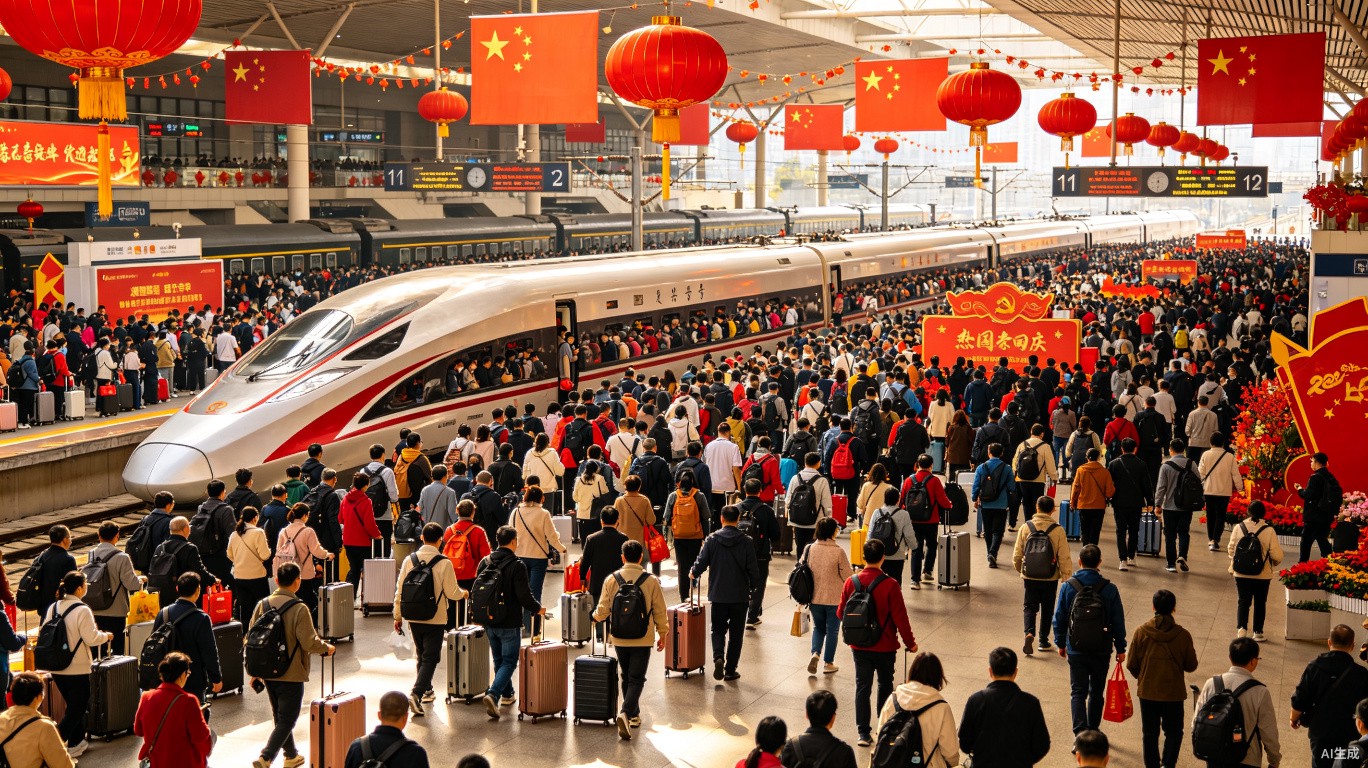
China Golden Week Travel Survival Guide
How to survive China's National Day Golden Week (October 1-7) - what to avoid, where to go, and how to beat the crowds.
9 min read
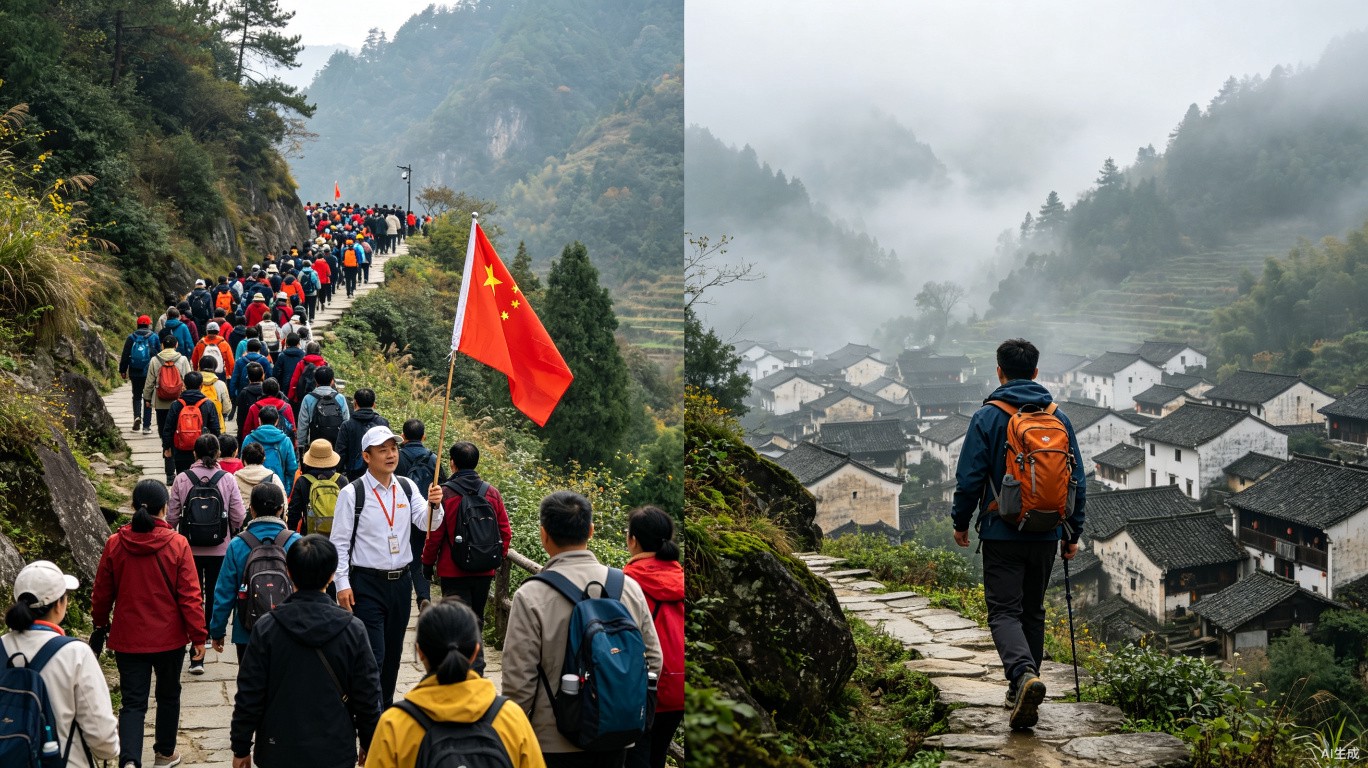
China Group Tours vs Independent Travel Which is Better
Should you join a guided tour or travel independently in China? Honest comparison of cost, flexibility, and experience.
7 min read
China Itinerary Planning: 7-Day 14-Day and 21-Day Routes: The Complete 2026 G...
Not sure how many days to spend in China? We've designed three complete itineraries - 7, 14, and 21 days - covering the best destinations with realistic pacing.
9 min read