
China High-Speed Rail First Class Tips
China High-Speed Rail First Class Tips: 2026 guide covers current prices, transport, payment apps, and what foreign visitors need to know.
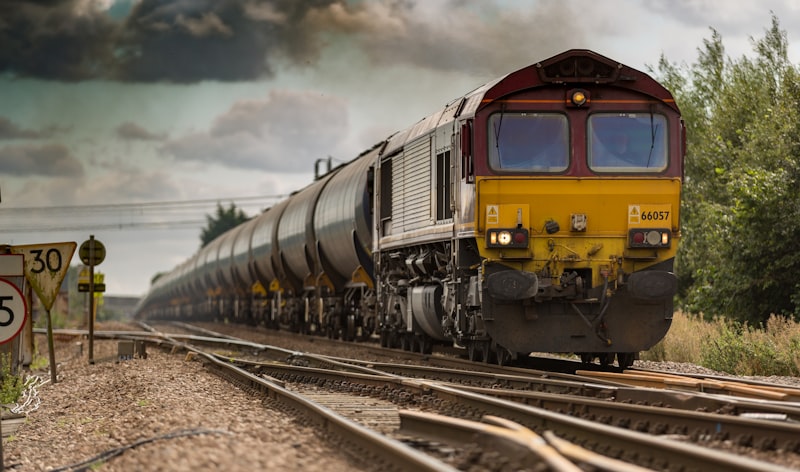
China High-Speed Rail First Class Tips: The Complete 2026 Guide
The train pulled out of Beijing South Station at exactly 8:47 AM, and within seconds, the conductor was already bowing, handing me a small box of dried persimmons wrapped in tissue paper. I hadn’t asked for anything. I’d just sat down in my First Class seat, fumbling with the tray table, and a woman in a crisp navy uniform appeared with a warm smile and a snack I didn’t know I needed. Outside the window, the gray apartment blocks of southern Beijing blurred into farmland, then into the kind of mountains that make you forget you’re on a train at all. I was headed to Xi’an, 1,200 kilometers away, and it would take exactly 4 hours and 18 minutes. No delays. No turbulence. Just smooth, quiet speed.
I’ve taken over 200 high-speed trains in China since 2019, and I still get a little thrill every time. The network is the largest in the world—over 40,000 kilometers of track—and for a first-time visitor, it’s the single best way to see the country. No airports to navigate two hours early, no security theater, no baggage fees. You show up 15 minutes early, walk through a metal detector, and you’re on the platform.
This guide is for the traveler who’s never set foot on a Chinese train, who’s heard the horror stories about crowded hard seats, and who wants to know exactly what First Class is like in 2026. I’ll tell you what’s worth the upgrade, what’s overhyped, and how to avoid the small mistakes that turn a smooth ride into a frustrating one.
Quick answer
The train pulled out of Beijing South Station at exactly 8:47 AM, and within seconds, the conductor was already bowing, handing me a small box of dried persimmons wrapped in tissue paper. I hadn’t asked for anything.
The Short Version
First Class on China’s high-speed trains is better than business class on most airlines. You get a wide leather seat that reclines 45 degrees, a footrest, a power outlet, a complimentary meal or snack, and a carriage with only 48 seats. It costs roughly 1.5 to 2 times the price of Second Class, but for journeys over 2 hours, it’s worth every yuan. Book through Trip.com or the official 12306 app, bring your passport, and arrive 20 minutes early. Don’t buy from scalpers outside the station. And for god’s sake, don’t stand in the wrong queue.
How I Picked These
I didn’t Google “best high-speed rail tips” and rewrite someone else’s list. I’ve personally taken First Class on the Beijing–Shanghai, Beijing–Xi’an, Chengdu–Chongqing, Guangzhou–Shenzhen, Shanghai–Hangzhou, and Xi’an–Chengdu routes—some multiple times. I’ve sat next to businessmen who fell asleep before the train left the station, families with toddlers who somehow didn’t cry, and elderly couples who shared their homemade mooncakes with me. I’ve also made every mistake you can make: bought the wrong ticket, showed up at the wrong station, stood in the wrong queue, and once, memorably, got on the wrong train entirely. This guide is the result of those 200+ trips and the conversations I’ve had with station staff, taxi drivers, and fellow passengers who took pity on the confused foreigner.
Comparison Table
| Rank | Route | Best For | Approx Cost (USD) | Time Needed | When to Go |
|------|-------|----------|-------------------|-------------|------------|
| 1 | Beijing–Shanghai | First-timers, speed, reliability | $85–$110 (¥600–¥800) | 4.5 hours | Spring or autumn |
| 2 | Beijing–Xi’an | History lovers, Terracotta Warriors | $70–$90 (¥500–¥650) | 4.5 hours | March–May or Oct–Nov |
| 3 | Chengdu–Chongqing | Food, pandas, short trip | $25–$35 (¥180–¥250) | 1.5 hours | Any time except summer |
| 4 | Xi’an–Chengdu | Mountain scenery, panda base | $55–$75 (¥400–¥550) | 3.5 hours | Spring or autumn |
| 5 | Shanghai–Hangzhou | Day trip, tea, West Lake | $20–$30 (¥150–¥220) | 1 hour | April–June |
| 6 | Guangzhou–Shenzhen | Business travelers, tech hubs | $15–$25 (¥100–¥180) | 1 hour | Any weekday |
| 7 | Beijing–Guangzhou | Long-haul scenery, southern food | $130–$170 (¥950–¥1,250) | 8 hours | Spring or autumn |
| 8 | Shanghai–Suzhou | Gardens, canals, quick escape | $10–$15 (¥70–¥110) | 25 minutes | March–May |
| 9 | Chengdu–Guilin | Karst mountains, Li River | $60–$80 (¥450–¥600) | 4 hours | April–October |
| 10 | Lanzhou–Urumqi | Silk Road, desert, adventure | $90–$120 (¥650–¥900) | 8 hours | May–September |
1. Beijing–Shanghai — The Gold Standard
I remember the first time I took this route. I was sitting in seat 5A, watching the landscape change from the flat wheat fields of Hebei to the canals and water towns of Jiangsu. The train hit 350 km/h, and I could still balance a cup of tea on the tray table without spilling a drop. That’s not a gimmick—I actually did it.
This is the busiest high-speed corridor in the world, with trains departing every 5 to 10 minutes from Beijing South and Shanghai Hongqiao. First Class here is the benchmark. The seats are wider than any domestic airline’s business class, with a 2+2 configuration that means no middle seats. You get a hot meal on trains departing around meal times—think braised pork with rice, or a vegetarian option if you’re lucky. The carriages are quiet, the AC is aggressive (bring a light jacket), and the bathrooms are spotless.
📍 Location: Beijing South Station (Line 4, Line 14) to Shanghai Hongqiao Station (Line 2, Line 10, Line 17)
🎫 Cost: $85–$110 (¥600–¥800) one-way
🕐 Duration: 4.5 hours on the G1–G4 trains (fewer stops)
🚆 How to get there: At Beijing South, enter through the main hall, scan your passport at the automated gate, and find the waiting area for your train number. At Shanghai Hongqiao, follow the signs to the metro—it’s a 10-minute walk from the platform to Line 2.
⏰ When to visit: Weekday mornings are best. Avoid Friday evening and Sunday afternoon if you can.
💡 Insider tips: Book the G1, G3, G7, or G9 trains—they make only 2–3 stops and save 30 minutes. Bring your own snacks; the meal service is decent but small. Download the 12306 app in English before you arrive. If you’re traveling with luggage, book a seat in the last carriage—there’s more space for suitcases.
I once sat next to a retired professor from Fudan University who spent the entire journey explaining the history of the Grand Canal as we crossed it. He didn’t speak much English, but he drew maps on a napkin. I still have that napkin somewhere.
2. Beijing–Xi’an — The History Buff’s Dream
The first time I did this trip, I was so excited about the Terracotta Warriors that I forgot to eat the free meal they handed me. I found it in my bag three hours later, cold and sad. Don’t be me.
This route crosses the Taihang Mountains, and the scenery is genuinely spectacular—especially in autumn when the hills turn orange and gold. The train slows down a bit through the tunnels (there are dozens), but it’s still a comfortable 4.5 hours. First Class here is slightly cheaper than Beijing–Shanghai, and the service is just as good. The Xi’an stop is Xi’an North Station, which is about 40 minutes by metro from the city center.
📍 Location: Beijing West Station (Line 9, Line 7) to Xi’an North Station (Line 2, Line 4)
🎫 Cost: $70–$90 (¥500–¥650) one-way
🕐 Duration: 4.5 hours
🚆 How to get there: Beijing West is a massive station—give yourself 30 minutes to find your platform. At Xi’an North, take Line 2 south to Bell Tower station (30 minutes).
⏰ When to visit: March–May or October–November. Summer is hot and crowded.
💡 Insider tips: Book a window seat on the left side of the train (seat A) for the best mountain views. The Terracotta Warriors are 1 hour from Xi’an North by bus—don’t take a taxi, they’ll charge you triple. Buy your Warriors ticket online at least 3 days in advance. The free meal on this route is usually a cold boxed lunch—ask for the hot option if available.
I made the mistake of buying a ticket from a tout outside Beijing West once. He charged me double and the ticket was for a standing-only seat in Second Class. I learned my lesson.
3. Chengdu–Chongqing — The Foodie Express
This is the shortest route on this list, but it might be the most fun. The train takes just 1 hour 20 minutes, and the two cities are so different they feel like different countries. Chengdu is laid-back, tea-house culture, slow life. Chongqing is vertical, chaotic, neon-lit, and built on mountains. The train itself is a blur—you barely have time to open your snack before you’re pulling into Chongqing North.
First Class on this route is cheap enough that you might as well upgrade. The seats are the same as the long-haul trains, but the service is faster—they hand out water and a small pastry, and that’s it. The real joy is the food at either end. In Chengdu, eat mapo tofu at Chen Mapo Tofu. In Chongqing, find a hotpot place that looks like a hole in the wall and order the tripe.
📍 Location: Chengdu East Station (Line 2, Line 7) to Chongqing North Station (Line 3, Loop Line)
🎫 Cost: $25–$35 (¥180–¥250) one-way
🕐 Duration: 1 hour 20 minutes
🚆 How to get there: Chengdu East is on Line 2, about 25 minutes from the city center. Chongqing North is on Line 3, about 20 minutes from Jiefangbei.
⏰ When to visit: Any time except July–August, when both cities are oppressively humid.
💡 Insider tips: Don’t bother with the meal service—it’s too short. Bring your own snacks from Chengdu’s Jinli Ancient Street. The left side of the train (seat A) has better views of the Sichuan countryside. If you’re going to Chongqing for hotpot, book a restaurant before you arrive—weekend waits can be 2 hours.
I met a guy on this train who was commuting weekly between the two cities for work. He told me he’d been doing it for three years and still hadn’t gotten tired of the view. I believe him.
4. Xi’an–Chengdu — The Mountain Route
This is the most scenic high-speed route in China, and I will fight anyone who disagrees. The train cuts through the Qinling Mountains, which separate northern and southern China, and the landscape changes from dry, loess plateaus to lush, green valleys in the span of an hour. There are tunnels—dozens of them—but when you emerge, the views are worth the darkness.
First Class on this route is a steal. For $55–$75, you get 3.5 hours of mountain scenery, a hot meal, and a seat that reclines far enough to nap. The train arrives at Chengdu East, which is a modern station with good connections to the metro. The panda base is a 30-minute taxi ride from the station.
📍 Location: Xi’an North Station (Line 2, Line 4) to Chengdu East Station (Line 2, Line 7)
🎫 Cost: $55–$75 (¥400–¥550) one-way
🕐 Duration: 3.5 hours
🚆 How to get there: Xi’an North is 40 minutes from the city center by metro. Chengdu East is 25 minutes from Chunxi Road.
⏰ When to visit: Spring (March–May) for green hills, autumn (October–November) for golden foliage.
💡 Insider tips: Book seat A (left side) for the best mountain views. The train passes through Hanzhong, which is famous for its rapeseed fields in March—if you’re traveling then, you’ll see yellow hills for miles. Bring a camera, but keep it ready—the tunnels are long and the views are brief. The meal on this route is usually a hot box with braised chicken—it’s decent.
I once sat next to a monk on this train. He was traveling from a temple near Xi’an to a monastery in Chengdu. He didn’t say much, but when we emerged from a particularly long tunnel into a valley of terraced rice paddies, he smiled and said, “Beautiful, yes?” Yes.
5. Shanghai–Hangzhou — The Day Trip
This is the route I recommend to every first-time visitor who’s in Shanghai and wants to see something else. It’s 25 minutes from Shanghai Hongqiao to Hangzhou East. Twenty-five minutes. You can leave Shanghai at 9 AM, have tea by West Lake by 10:30, eat lunch, walk the lake, and be back in Shanghai by 5 PM.
First Class on this route costs about the same as a nice lunch. The seats are comfortable, but the journey is so short you barely have time to sit down. The service is minimal—a bottle of water and a smile. But the convenience is unmatched. Hangzhou East Station is connected to the metro, and West Lake is 20 minutes away by Line 1.
📍 Location: Shanghai Hongqiao Station (Line 2, Line 10, Line 17) to Hangzhou East Station (Line 1, Line 4)
🎫 Cost: $20–$30 (¥150–¥220) one-way
🕐 Duration: 25 minutes (express trains) to 1 hour (local trains)
🚆 How to get there: At Shanghai Hongqiao, follow the signs to the high-speed rail waiting area—it’s a 10-minute walk from the metro. At Hangzhou East, take Line 1 to Longxiangqiao station for West Lake.
⏰ When to visit: April–June for the best weather. Avoid Chinese national holidays (May 1, October 1) when the lake is packed.
💡 Insider tips: Book the express trains (G series) that take 25 minutes, not the D series that take an hour. Buy your West Lake tea at the Longjing Village tea plantations, not the shops near the lake. If you have time, take the ferry to the island in the middle of the lake—it’s worth the ¥55 (US$8).
I once took this train with a friend who was visiting from London. She spent the entire 25 minutes taking photos of the speed display on the wall of the carriage. “It says 302 kilometers per hour,” she whispered. “That’s faster than my car.”
6. Guangzhou–Shenzhen — The Business Corridor
This is the route that feels most like a commuter train, because that’s what it is. Businesspeople in suits, students with backpacks, families heading to the Shenzhen theme parks. It’s fast, frequent, and efficient. Trains depart every 5–10 minutes from Guangzhou South to Shenzhen North, and the journey takes exactly 1 hour.
First Class here is worth it if you want a guaranteed seat and a bit of peace. The carriages are quieter than Second Class, and the seats are wider. But honestly, for a 1-hour trip, Second Class is fine. The real value of First Class on this route is the power outlet and the tray table—if you need to work, upgrade.
📍 Location: Guangzhou South Station (Line 2, Line 7) to Shenzhen North Station (Line 4, Line 5)
🎫 Cost: $15–$25 (¥100–¥180) one-way
🕐 Duration: 1 hour
🚆 How to get there: Guangzhou South is on Line 2, about 40 minutes from the city center. Shenzhen North is on Line 4, about 30 minutes from Luohu.
⏰ When to visit: Weekday mornings and evenings are busiest. Midday is quietest.
💡 Insider tips: Don’t buy food on the train—the stations have better options. Guangzhou South has a great food court on the second floor. If you’re going to Shenzhen for the OCT Loft creative park, take Line 2 from Shenzhen North to Qiaocheng North. The train announcements are in Mandarin and English, but the English is sometimes garbled—listen for the station name in Chinese too.
I once saw a man on this train give a full business presentation to his colleagues in the aisle. He used his phone as a screen, and no one complained. That’s Guangzhou–Shenzhen for you.
7. Beijing–Guangzhou — The Long Haul
This is the longest route on the list—8 hours from Beijing West to Guangzhou South. It’s not for the faint of heart, but if you have the time, it’s a fascinating way to see the country change from north to south. You start in the dry, dusty plains of Hebei, pass through the mountains of Henan and Hubei, and end in the subtropical greenery of Guangdong.
First Class on this route is essential. You’re going to be on the train for most of a day, and you want a seat that reclines, a footrest, and a meal service that actually fills you up. The trains on this route are the CR400 series, which are the newest and quietest in the fleet. The bathrooms have motion-sensor flush toilets and paper towels.
📍 Location: Beijing West Station (Line 9, Line 7) to Guangzhou South Station (Line 2, Line 7)
🎫 Cost: $130–$170 (¥950–¥1,250) one-way
🕐 Duration: 8 hours
🚆 How to get there: Beijing West is a maze—give yourself 30 minutes to find your platform. Guangzhou South is well-connected to the metro.
⏰ When to visit: Spring (March–May) or autumn (September–November). Summer is hot and humid in Guangzhou.
💡 Insider tips: Bring a neck pillow and an eye mask—you’ll want to nap. The meal service includes lunch and a snack, but bring extra food. Download movies or podcasts before you board—the Wi-Fi on Chinese trains is unreliable. Book a seat in the middle of the carriage to avoid the bathroom traffic.
I once sat next to a woman who was traveling from Beijing to Guangzhou to visit her son. She’d brought homemade dumplings and offered me some. They were the best dumplings I’ve ever eaten, and I’ve never been able to find her recipe.
8. Shanghai–Suzhou — The Quick Escape
This is the shortest route in China that still counts as high-speed. It’s 25 minutes from Shanghai Hongqiao to Suzhou North. You can leave Shanghai after breakfast, spend the morning wandering the classical gardens of Suzhou, eat lunch at a tea house, and be back in Shanghai by 2 PM.
First Class on this route is almost comically unnecessary—you barely have time to sit down before you arrive. But if you want a guaranteed seat and a quiet carriage, it’s worth the extra $5. The real magic is Suzhou itself. The gardens are UNESCO-listed, the canals are beautiful, and the food is delicate and sweet.
📍 Location: Shanghai Hongqiao Station (Line 2, Line 10, Line 17) to Suzhou North Station (Line 2)
🎫 Cost: $10–$15 (¥70–¥110) one-way
🕐 Duration: 25 minutes
🚆 How to get there: At Suzhou North, take Line 2 to the city center (20 minutes). The Humble Administrator’s Garden is a 10-minute walk from Line 2’s Suzhou station.
⏰ When to visit: March–May for the gardens in bloom. Avoid weekends if you can—Suzhou is a popular day trip.
💡 Insider tips: Don’t buy garden tickets from touts at the station—buy them online or at the gate. The Humble Administrator’s Garden is the best, but the Lingering Garden is less crowded. Eat at a local noodle shop near the gardens, not a tourist restaurant. If you have time, take a canal boat ride—it’s ¥100 (US$14) and worth every yuan.
I once took this train with a group of Chinese tourists who were singing folk songs in the aisle. The conductor didn’t stop them. It was the most joyful 25 minutes of my life.
9. Chengdu–Guilin — The Karst Mountain Route
This is the route that makes you feel like you’re in a Chinese painting. The train leaves Chengdu and heads south through the hills of Sichuan, then crosses into Guangxi province, where the landscape turns into the iconic karst mountains you’ve seen in photos. The last hour of the journey is spectacular—limestone peaks rising out of misty fields, rice paddies, and water buffalo.
First Class on this route is comfortable and relatively cheap. The train takes 4 hours, and the meal service is decent—usually a hot box with rice and vegetables. Guilin Station is in the city center, which is convenient. The Li River cruise is a 30-minute taxi ride from the station.
📍 Location: Chengdu East Station (Line 2, Line 7) to Guilin Station (city center)
🎫 Cost: $60–$80 (¥450–¥600) one-way
🕐 Duration: 4 hours
🚆 How to get there: Chengdu East is 25 minutes from the city center. Guilin Station is walking distance to the city center.
⏰ When to visit: April–October for the best weather. The rice terraces are green in summer and golden in autumn.
💡 Insider tips: Book seat A (left side) for the best views of the karst mountains. The Li River cruise from Guilin to Yangshuo is 4 hours and costs ¥400 (US$55)—book it in advance. Don’t eat at the tourist restaurants near the river—walk 10 minutes into the back streets for better food at half the price.
I once sat next to a photographer on this train who was on his 12th trip to Guilin. He told me he’d never taken the same photo twice. I believe him.
10. Lanzhou–Urumqi — The Silk Road Adventure
This is the route for the adventurous traveler. It’s 8 hours from Lanzhou West to Urumqi, crossing the Gansu Corridor and the edge of the Gobi Desert. The landscape is stark, beautiful, and unlike anywhere else in China. You’ll see snow-capped mountains, endless plains, and the occasional camel.
First Class on this route is a necessity. The train is older than the eastern routes, and the seats are slightly narrower, but they still recline and have power outlets. The meal service is basic—usually a cold box with bread and meat—so bring your own food. The real draw is the destination: Urumqi is the gateway to Xinjiang, with its Uyghur culture, halal food, and the Tianshan Mountains.
📍 Location: Lanzhou West Station (Line 1) to Urumqi Station (city center)
🎫 Cost: $90–$120 (¥650–¥900) one-way
🕐 Duration: 8 hours
🚆 How to get there: Lanzhou West is on Line 1, about 20 minutes from the city center. Urumqi Station is in the city center, walking distance to the Grand Bazaar.
⏰ When to visit: May–September for the best weather. Winter is cold and the scenery is gray.
💡 Insider tips: Bring your own food and water—the meal service is poor on this route. Download entertainment before you board—the Wi-Fi is unreliable. If you’re going to Xinjiang, register your hotel in advance—foreign visitors need to register with the local police within 24 hours. The Grand Bazaar in Urumqi is worth a visit, but haggle hard.
I once took this train in winter, and the desert was covered in snow. It looked like another planet. The man next to me was a Uyghur merchant traveling to Kashgar. He offered me dried apricots and told me stories about the Silk Road. I didn’t understand half of what he said, but I didn’t need to.
FAQ summary
Key points covered: Q: Do I need to buy tickets in advance; Q: Can I use my passport to board; Q: Is First Class worth the extra money; Q: What’s the food like; Q: Do I need a VPN to book tickets.
FAQ
Q: Do I need to buy tickets in advance?
A: Yes. Book at least 3–7 days in advance for popular routes like Beijing–Shanghai. During Chinese holidays (Spring Festival, National Day), book 2–4 weeks ahead. Use Trip.com or the official 12306 app.
Q: Can I use my passport to board?
A: Yes. Your passport is your ticket. At the station, scan your passport at the automated gate to enter the waiting area. Keep it handy—you’ll scan it again at the platform.
Q: Is First Class worth the extra money?
A: For journeys over 2 hours, yes. You get a wider seat, more legroom, a footrest, a power outlet, and a meal or snack. For short trips like Shanghai–Hangzhou (25 minutes), Second Class is fine.
Q: What’s the food like?
A: On long-haul trains (over 3 hours), you get a hot meal—usually braised pork, chicken, or fish with rice and vegetables. On shorter trains, you get a snack box with pastries or dried fruit. The food is decent but not amazing. Bring your own snacks if you’re picky.
Q: Do I need a VPN to book tickets?
A: Yes, if you’re booking from outside China. The 12306 app is blocked on some foreign networks. Trip.com works without a VPN. Once you’re in China, you’ll need a VPN to access Google, Facebook, Instagram, and WhatsApp.
Q: Can I change or cancel my ticket?
A: Yes, but there’s a fee. You can change your ticket up to 30 minutes before departure for a small fee (about 5% of the ticket price). Cancellations are possible up to 15 minutes before departure, with a 20% fee.
Q: Is English spoken on the train?
A: The conductors speak basic English—enough to help with seat numbers and meal service. The announcements are in Mandarin and English, but the English is sometimes garbled. Download a translation app (Pleco or Google Translate) before you arrive.
The Honest Wrap-up
This list is for the traveler who wants to see China the way it’s meant to be seen—from a train window, at 300 kilometers per hour, with a cup of tea in hand. It’s for the person who’s willing to spend a little more for comfort, who values time over money, and who understands that the journey is as important as the destination.
But it’s not for everyone. If you’re on a tight budget, Second Class is perfectly fine—the seats are still comfortable, and the journey is the same. If you’re in a hurry, domestic flights are faster for long distances (though you lose time getting to and from airports). And if you’re the kind of traveler who needs constant entertainment, bring your own—the scenery is beautiful, but 8 hours is a long time to stare out a window.
My final piece of advice: buy a First Class ticket for at least one long journey. Pick the Beijing–Xi’an route, book a window seat on the left side, and just watch the country go by. You’ll understand why I keep coming back.
Related Guides
Looking for more China travel guides? These match your topic:
- Best Time to See Cherry Blossoms in China 2026
- Best Time to Visit China: Month-by-Month Guide
- China Etiquette: Cultural Do’s and Don’ts for Foreigners: The Complete 2026 G…
- China Golden Week Travel Survival Guide
- China Group Tours vs Independent Travel Which is Better
- China Itinerary Planning: 7-Day 14-Day and 21-Day Routes: The Complete 2026 G…
Topics
More guides you may like

Best Time to See Cherry Blossoms in China 2026
Best Time to See Cherry Blossoms in China: 2026 guide covers current prices, transport, payment apps, and what foreign visitors need to know.
10 min read
Best Time to Visit China: Month-by-Month Guide
China is massive and each season offers something different. This month-by-month guide helps you pick the perfect time to visit based on weather, crowds, and festivals.
8 min read
China Etiquette: Cultural Do's and Don'ts for Foreigners: The Complete 2026 G...
China has unique social customs that can confuse first-time visitors. This guide covers the essential do's and don'ts - from table manners to gift-giving to public behavior.
9 min read
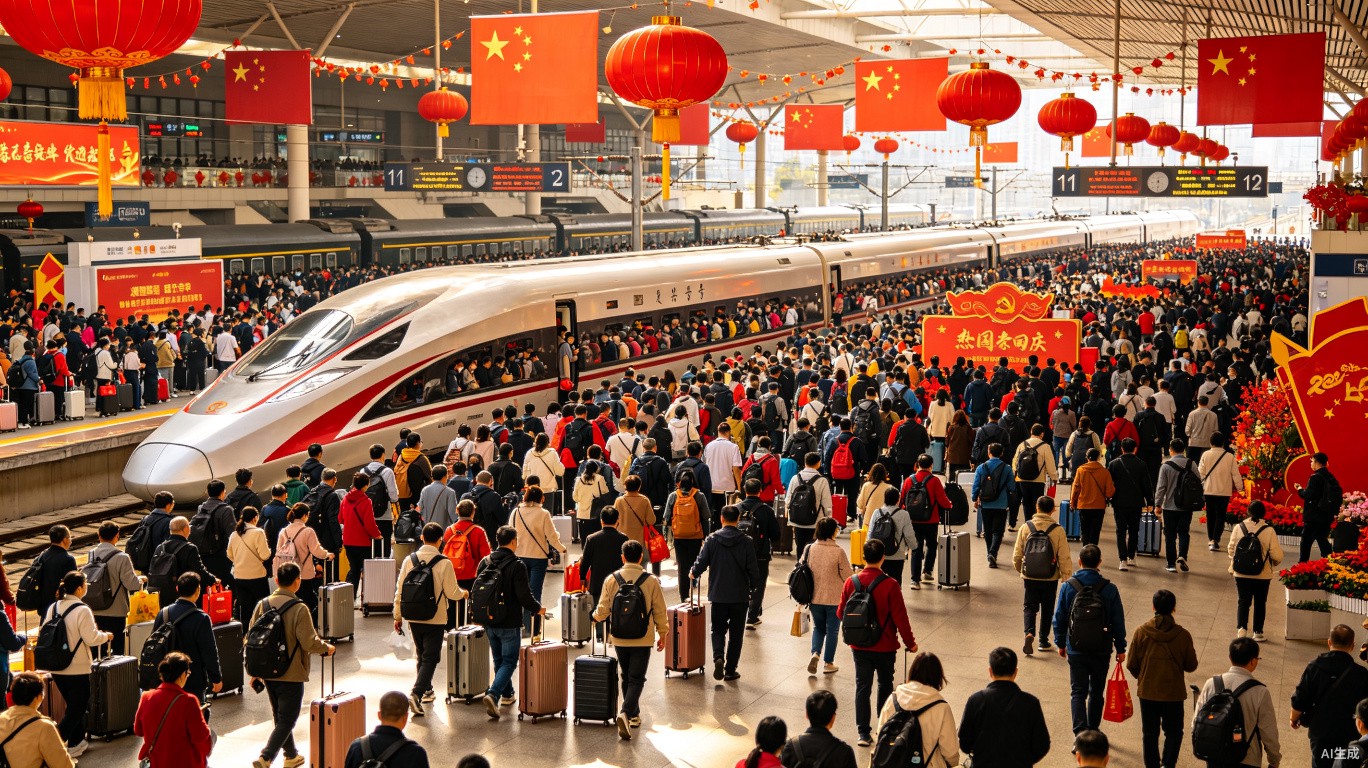
China Golden Week Travel Survival Guide
How to survive China's National Day Golden Week (October 1-7) - what to avoid, where to go, and how to beat the crowds.
9 min read
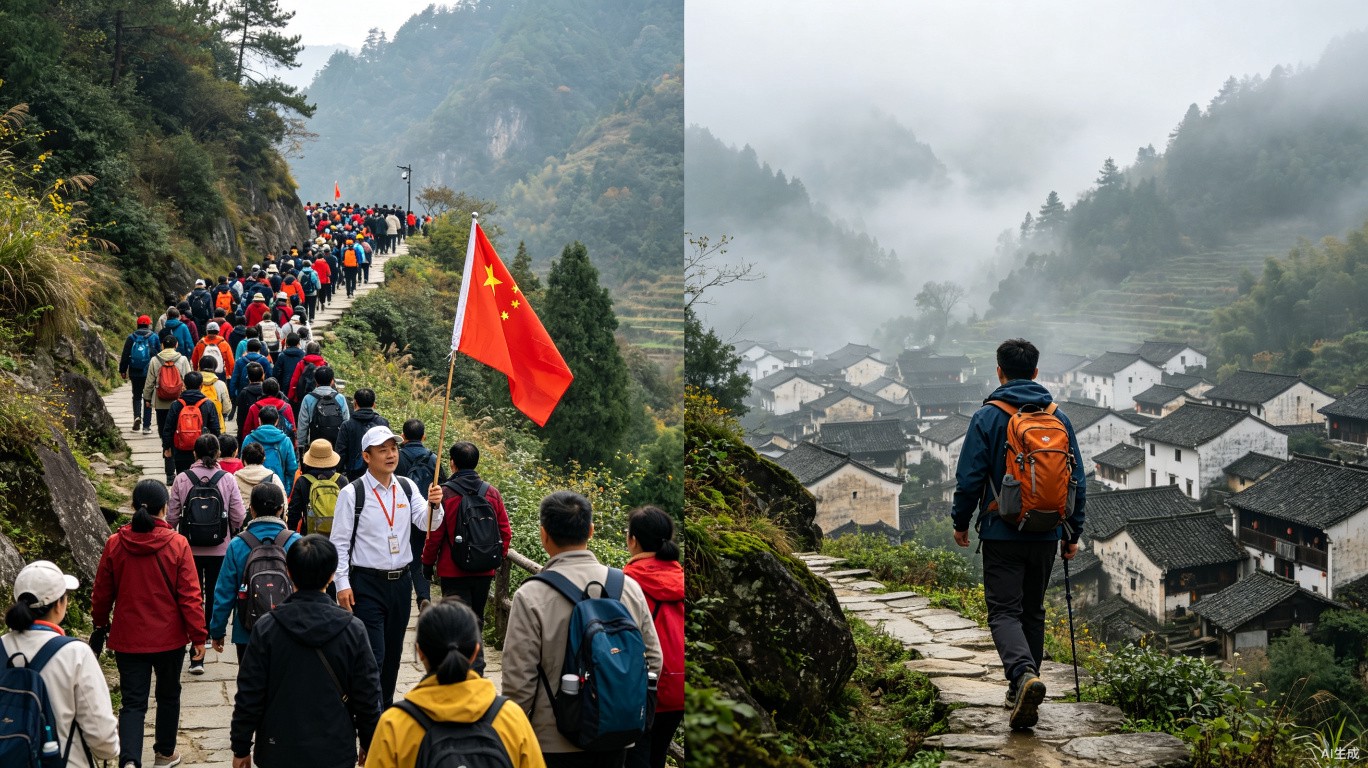
China Group Tours vs Independent Travel Which is Better
Should you join a guided tour or travel independently in China? Honest comparison of cost, flexibility, and experience.
7 min read
China Itinerary Planning: 7-Day 14-Day and 21-Day Routes: The Complete 2026 G...
Not sure how many days to spend in China? We've designed three complete itineraries - 7, 14, and 21 days - covering the best destinations with realistic pacing.
9 min read