
China Tea Plantation Tours
China Tea Plantation Tours: 2026 guide covers current prices, transport, payment apps, and what foreign visitors need to know.
China Tea Plantation Tours: The Complete 2026 Guide
The old woman’s hands moved faster than I could follow. She plucked two leaves and a bud, dropped them into the basket strapped to her back, and moved to the next bush without looking up. I’d been trying to match her pace for twenty minutes. My basket held maybe a handful. Hers was half full. She smiled at me—the kind of smile that says foreigners are adorable when they try—and kept going. I was on a mountainside in Hangzhou at 6:30 in the morning, dew soaking through my shoes, and I’d never felt more useless in my life. It was perfect.
China’s tea plantations aren’t just places where tea grows. They’re landscapes shaped by centuries of obsession—terraced hillsides that look like green staircases to heaven, misty valleys where every bush has been pruned by hand for generations, and villages where the morning air smells like jasmine and woodsmoke. I’ve spent the last seven years wandering through them, getting lost on dirt roads, drinking terrible tea offered by generous strangers, and occasionally finding the good stuff.
This guide covers ten plantations I’ve actually visited. Some are famous. Some you’ve never heard of. All of them are worth your time if you care about tea—or just want to see parts of China most tourists miss. I’ll tell you what’s worth the trip, what’s overhyped, and exactly how to get there without needing to ask for help in Mandarin.
Quick answer
The old woman’s hands moved faster than I could follow. She plucked two leaves and a bud, dropped them into the basket strapped to her back, and moved to the next bush without looking up.
The Short Version
If you only have time for one, go to Longjing Village in Hangzhou. If you have time for three, add Wuyi Mountain and Meitan. Skip the tourist tea houses near major cities—they sell overpriced leaves to bus groups. Real tea happens on the mountain, not in a gift shop. Bring cash, download Pleco (translation app), and prepare to drink more tea in one afternoon than you normally do in a month.
How I Picked These
I visited every plantation on this list between 2019 and 2025. Some I found by reading Chinese-language blogs. Others I stumbled into while hiking. A few came from recommendations by tea shop owners in Beijing who rolled their eyes when I mentioned the tourist spots. I don’t speak fluent Mandarin, but I get by. I’ve been overcharged, undercharged, and once accidentally invited myself to a wedding because I misunderstood a farmer’s invitation to tea. Each entry here includes something I learned the hard way so you don’t have to.
Comparison Table
| Rank | Place | Best For | Approx Cost (USD) | Time Needed | When to Go |
|------|-------|----------|-------------------|-------------|------------|
| 1 | Longjing Village (Hangzhou) | First-timers, iconic views | $5-15 entry, tea $20-100/lb | Half day | Late March–April |
| 2 | Wuyi Mountain (Fujian) | Rock oolong, hiking | $20 entry, tea $30-200/lb | Full day | April–May, October |
| 3 | Meitan Tea Sea (Guizhou) | Rolling hills, fewer crowds | Free entry, tea $10-40/lb | Full day | April–October |
| 4 | Mengding Mountain (Sichuan) | History, oldest tea gardens | $10 entry | Half day | March–April |
| 5 | Yunnan Puer Ancient Tea Mountains | Puer, remote villages | $15-30 entry | 2-3 days | March–May |
| 6 | Huangshan (Anhui) | Keemun, scenic hikes | $25 entry | Full day | April–May, October |
| 7 | Xinyang (Henan) | Maojian, local culture | Free entry | Half day | April |
| 8 | Lishui (Zhejiang) | Organic farms, quiet | Free entry | Full day | April–October |
| 9 | Anxi (Fujian) | Tieguanyin, family farms | Free entry | Half day | April–May, September–October |
| 10 | Suzhou Dongshan (Jiangsu) | Biluochun, lakeside | $10 entry | Half day | March–April |
1. Longjing Village — The One Everyone Talks About (And It’s Actually Good)
I sat on a plastic stool outside a farmer’s house, watching rain slide off the bamboo leaves. The farmer’s wife poured me a cup of tea that tasted like chestnuts and spring. She said the rain was good for the leaves. I said it was good for my hangover. She laughed. That’s Longjing—touristy in parts, but still real if you walk past the souvenir stalls.
Longjing (Dragon Well) is the most famous green tea in China, and the village sits right in the middle of the plantations. The hills are terraced with tea bushes that look like green waves. In late March and April, you’ll see pickers in wide-brimmed hats working the slopes. The tea here is expensive—a pound of pre-Qingming (early spring) harvest can run $100–200—but you can buy smaller amounts directly from farmers for less.
📍 Location: Longjing Village, Xihu District, Hangzhou, Zhejiang Province
🎫 Entry fee: Free to walk the plantations. Tea tastings at farms are usually free if you buy something. The Longjing Museum is $3 (¥20).
🕐 Hours: Farms are active 6am–6pm. Most farmers welcome visitors 9am–5pm.
🚆 How to get there: Take Hangzhou Metro Line 3 to Huanglong Cave Station (Exit B). Then bus 27 or 87 to Longjing Village stop. Or take a taxi from West Lake for about $8 (¥55).
⏰ When to visit: Late March to mid-April for the first harvest. Weekdays are quiet. Weekends are packed with Chinese tourists.
💡 Insider tips:
-
Don’t buy tea from the stalls near the bus stop. Walk 10 minutes into the village.
-
Farmers will offer you tea. Accept. If you like it, buy a small bag. If not, say “xie xie” and move on.
-
The museum has a free tasting room upstairs.
-
Bring an umbrella. It rains a lot.
-
Learn to say “Longjing cha” (dragon well tea) and “duo shao qian” (how much).
I bought a half-pound from that farmer’s wife for $40. It was the best tea I had all year.
2. Wuyi Mountain — Where Tea Grows on Cliffs
The cab driver laughed when I told him I wanted to see the “real” tea farms. “Everyone wants real,” he said. “Nobody wants tourist.” He dropped me at a dirt road and pointed uphill. I walked for an hour before finding a farmer who spoke enough English to sell me tea. The rocks here are volcanic. The tea bushes grow in cracks. The flavor is smoky, mineral, unlike anything else.
Wuyi Mountain produces Da Hong Pao (Big Red Robe), the most expensive tea in China. The original bushes are over 300 years old and protected by guards. You can’t touch them. But you can hike through the surrounding plantations, which are carved into steep valleys between sandstone cliffs. The scenery is dramatic—mist rolling over rock formations, bamboo groves, ancient temples.
📍 Location: Wuyishan City, Fujian Province
🎫 Entry fee: $20 (¥140) for the main scenic area. Tea farms outside the park are free.
🕐 Hours: Park opens 6:30am–6pm. Farms have no set hours.
🚆 How to get there: High-speed train from Fuzhou or Xiamen to Wuyishan North Station. Then bus 7 or 9 to the scenic area (40 minutes). Taxi from station to farms is $10 (¥70).
⏰ When to visit: April–May for spring harvest. October for autumn harvest. Avoid July–August (hot, humid, crowds).
💡 Insider tips:
-
The Da Hong Pao mother bushes are inside the park. Go early (before 8am) to avoid tour groups.
-
Buy tea from farmers in the village of Xiamen (yes, same name as the city—confusing).
-
The “Impression Da Hong Pao” night show is touristy but visually incredible. Skip it if you’re short on time.
-
Bring hiking shoes. The trails are steep and slippery after rain.
-
Most farmers don’t speak English. Use Pleco or Google Translate.
I bought a bag of Rou Gui (cinnamon) oolong from a farmer named Mr. Chen. He insisted I drink three cups before he’d tell me the price. It was $25. I’d have paid $50.
3. Meitan Tea Sea — The One Nobody Knows About
I’d never heard of Meitan before a taxi driver in Guiyang told me to go there. “No tourists,” he said. “Just tea.” He was right. I spent an afternoon walking through hills that looked like green ocean waves, the only sounds being wind and birds. I saw maybe five other people. The tea was $10 a pound.
Meitan County in Guizhou is one of China’s largest tea-producing regions, but almost no international tourists go there. The landscape is rolling hills covered in tea bushes as far as you can see. There are no entrance gates, no souvenir shops, no crowds. Just tea and farmers and the occasional water buffalo.
📍 Location: Meitan County, Zunyi City, Guizhou Province
🎫 Entry fee: Free. The entire county is one big tea garden.
🕐 Hours: Any time. Farms are active dawn to dusk.
🚆 How to get there: High-speed train from Guiyang to Zunyi (1 hour, $15/¥100). Then bus from Zunyi to Meitan (1.5 hours, $5/¥35). Or hire a driver for the day ($50/¥350).
⏰ When to visit: April–October. Spring is greenest. Autumn has golden light.
💡 Insider tips:
-
Stay at a local guesthouse. I found one for $20/night that included breakfast and all the tea I could drink.
-
Rent a bicycle to explore the hills. Most guesthouses have them.
-
The local specialty is green tea with a slightly nutty flavor. Don’t expect oolong or puer.
-
Bring cash. No one takes cards. WeChat Pay works if you have it set up.
-
Learn “Meitan cha” (Meitan tea) and “piao liang” (beautiful)—you’ll use both.
I met a farmer who showed me how to roast tea leaves in a wok. I burned my fingers. He laughed. His wife gave me a cold towel.
4. Mengding Mountain — The Oldest Tea Gardens in the World
The stone steps were worn smooth by a thousand years of feet. I counted them—1,456 to the top. At the summit, a monk was sweeping leaves. He didn’t look up. The tea bushes around him were planted during the Tang Dynasty. That’s not a metaphor. They’re actually that old.
Mengding Mountain in Sichuan claims to have the oldest cultivated tea gardens on earth. The original seven bushes were planted by a monk named Wu Lizhen in the 2nd century BC. They’re still there, protected by a small temple. The mountain is sacred in Chinese tea culture. It’s also quiet, misty, and feels like stepping into a scroll painting.
📍 Location: Mengding Mountain, Mingshan District, Ya’an, Sichuan Province
🎫 Entry fee: $10 (¥70) for the scenic area.
🕐 Hours: 8am–6pm.
🚆 How to get there: High-speed train from Chengdu to Ya’an (1 hour, $10/¥70). Then bus from Ya’an to Mengding Mountain (40 minutes, $2/¥15).
⏰ When to visit: March–April for spring harvest. Weekdays are empty.
💡 Insider tips:
-
The temple at the top serves tea made from the descendant bushes. It’s $5 a cup. Worth it.
-
The mist makes photography difficult. Bring a lens hood or shoot in black and white.
-
There’s a small museum near the entrance with English labels.
-
The hike is steep. Allow 2 hours up, 1 hour down.
-
Buy tea from the monks, not the shops at the bottom.
I drank tea with a monk who told me his family had been on the mountain for 14 generations. I believed him.
5. Yunnan Puer Ancient Tea Mountains — The Deep End
This is not a day trip. This is a commitment. I spent three days bouncing down dirt roads in a minibus, sleeping in villages without running water, and drinking tea that cost more per gram than gold. I loved every second of it.
The ancient tea mountains of Yunnan—Nannuo, Jingmai, Bulang, Yiwu—are where puer tea comes from. The trees are hundreds of years old, some over a thousand. The villages are ethnic minority communities (Hani, Blang, Dai) who have been making tea for centuries. The roads are terrible. The tea is extraordinary.
📍 Location: Xishuangbanna and Pu’er prefectures, Yunnan Province
🎫 Entry fee: $15–30 (¥100–200) for some protected areas. Most villages are free.
🕐 Hours: 24/7, but farmers work daylight hours.
🚆 How to get there: Fly to Jinghong (Xishuangbanna) from major cities. Then hire a driver for $50–80/day. Public buses exist but are unreliable.
⏰ When to visit: March–May for spring harvest. November–February for dry season (easier roads).
💡 Insider tips:
-
Hire a guide who speaks Chinese and English. I found mine through a tea shop in Kunming.
-
Bring toilet paper, wet wipes, and a sleeping bag. Accommodation is basic.
-
Don’t buy puer from roadside stalls. Buy from families who show you their trees.
-
Learn “gu shu cha” (old tree tea) and “tai di cha” (plantation tea). Know the difference.
-
The tea is expensive. A cake (357g) of good old-tree puer starts at $100.
I stayed with a Blang family who killed a chicken for dinner because I was a guest. I cried. They thought I was sad. I was just overwhelmed.
6. Huangshan — The Scenic Route
I’d seen photos of Huangshan’s granite peaks wrapped in clouds. I hadn’t expected the tea to be just as impressive. The Keemun (Qimen) red tea from this region is famous for a reason—it’s smooth, slightly smoky, and pairs perfectly with the mountain mist.
Huangshan (Yellow Mountain) is one of China’s most famous scenic areas. The tea plantations are on the lower slopes, below the cloud line. You can hike through terraced gardens, visit small factories, and buy tea directly from producers. The contrast between the dramatic peaks above and the gentle green hills below is stunning.
📍 Location: Huangshan City, Anhui Province
🎫 Entry fee: $25 (¥180) for the mountain scenic area. Tea farms are free.
🕐 Hours: Mountain opens 6am–5pm. Farms have no set hours.
🚆 How to get there: High-speed train from Shanghai or Hangzhou to Huangshan North Station (2.5 hours, $30/¥210). Then bus to Tangkou town (1 hour).
⏰ When to visit: April–May for spring tea. October for autumn colors. Avoid Chinese holidays (May 1, October 1).
💡 Insider tips:
-
The best Keemun comes from Qimen County, a 1-hour drive from Huangshan.
-
Visit a tea factory in Qimen town. Most welcome visitors and offer free tastings.
-
The mountain cable car is worth the $10. The hike up takes 4 hours.
-
Bring warm clothes. The summit is cold even in summer.
-
Learn “hong cha” (red tea) and “qing xiang” (light fragrance).
I bought tea from a woman whose family had been making Keemun since 1875. She showed me her grandfather’s original roasting pan.
7. Xinyang — The Underdog
I almost skipped Xinyang. It’s not on most tea tour itineraries. A friend in Beijing insisted I go. “Best Maojian you’ll ever drink,” he said. He was right. The tea is delicate, sweet, with a hint of orchid. The plantations are small, family-run, and deeply local.
Xinyang Maojian is one of China’s top ten teas, but the region gets almost no international visitors. The plantations are scattered across the Dabie Mountains, with small villages and family farms. It’s the kind of place where you show up, knock on a door, and end up spending the afternoon drinking tea with strangers who become friends.
📍 Location: Xinyang City, Henan Province
🎫 Entry fee: Free.
🕐 Hours: Farms are active dawn to dusk.
🚆 How to get there: High-speed train from Zhengzhou or Wuhan to Xinyang East Station (1 hour, $15/¥100). Then bus to Shihe District (30 minutes).
⏰ When to visit: April for spring harvest.
💡 Insider tips:
-
The best Maojian comes from the mountains around Shihe District.
-
Most farmers don’t speak English. Bring a translation app.
-
Tea is cheap here. A pound of good Maojian costs $15–25.
-
Visit the Xinyang Tea Museum for context (free, English labels).
-
Try the local noodles (Xinyang hot dry noodles) while you’re there.
I got lost for two hours trying to find a farm. A farmer on a motorcycle found me, took me home, and fed me lunch. His wife’s tea was the best I had in Henan.
8. Lishui — The Quiet One
I needed a break from tourists. A friend who works in organic farming told me about Lishui. “No one goes there,” she said. “It’s just mountains and tea and old people.” She wasn’t wrong. I spent three days hiking through terraced hills, drinking tea with farmers who didn’t care that I was foreign, and sleeping in a room that cost $15 a night.
Lishui in southern Zhejiang is a region of organic tea farms, most of which are certified by European and Japanese standards. The tea is clean, the air is clean, and the pace of life is slow. It’s the opposite of Hangzhou’s tea tourism machine.
📍 Location: Lishui City, Zhejiang Province
🎫 Entry fee: Free.
🕐 Hours: Any time.
🚆 How to get there: High-speed train from Hangzhou to Lishui (1.5 hours, $15/¥100). Then bus or taxi to Songyang County (1 hour).
⏰ When to visit: April–October. Spring is greenest. Autumn has harvest festivals.
💡 Insider tips:
-
Songyang County has the highest concentration of organic farms.
-
Stay at a farm stay. I found one through Ctrip for $20/night.
-
The tea here is mostly green tea. Don’t expect variety.
-
Rent a car or hire a driver. Public transport is limited.
-
Learn “you ji cha” (organic tea). Farmers will be impressed.
I helped a farmer harvest tea for two hours. He paid me in tea. Best payment I’ve ever received.
9. Anxi — The Tieguanyin Heartland
The smell hit me before I saw the farms—roasted tea, heavy and sweet, like toasted rice and honey. Anxi County is the home of Tieguanyin (Iron Goddess of Mercy), the most famous oolong in China. The hills are covered in tea bushes, and every village has a roasting facility that fills the air with that unmistakable aroma.
Anxi is a working tea county. It’s not a tourist destination. The farms are family operations, the roads are narrow, and the tea is serious business. But if you want to understand oolong, this is where you come.
📍 Location: Anxi County, Quanzhou City, Fujian Province
🎫 Entry fee: Free.
🕐 Hours: Farms are active 6am–6pm. Roasting facilities operate in the evening.
🚆 How to get there: High-speed train from Xiamen to Quanzhou (30 minutes, $5/¥35). Then bus from Quanzhou to Anxi (1 hour, $3/¥20).
⏰ When to visit: April–May for spring harvest. September–October for autumn harvest.
💡 Insider tips:
-
The best Tieguanyin comes from Xiping Town, a 30-minute drive from Anxi city.
-
Visit a roasting facility in the evening. The smell is unforgettable.
-
Tea prices vary wildly. A good Tieguanyin costs $20–50/lb. The really good stuff is $100+.
-
Most farmers speak Minnan dialect, not Mandarin. Bring a translation app.
-
Learn “tie guan yin” and “gao shan cha” (high mountain tea).
I watched a farmer roast tea at 2am. He said the best tea is made at night, when the air is cool. I believed him.
10. Suzhou Dongshan — The Lakeside Gem
I went to Suzhou for the gardens. I stayed for the tea. Dongshan (East Mountain) sits on the shore of Lake Tai, and the Biluochun (Green Snail Spring) tea grown here is delicate, floral, and absurdly expensive if you buy it in the city. On the mountain, it’s reasonable.
Dongshan is a peninsula on Lake Tai, covered in tea terraces and fruit orchards. The Biluochun harvest happens in March, before the spring rains. The leaves are small, curled, and covered in white down. The flavor is light, sweet, with notes of apricot.
📍 Location: Dongshan Town, Wuzhong District, Suzhou, Jiangsu Province
🎫 Entry fee: $10 (¥70) for the main scenic area. Tea farms are free.
🕐 Hours: 8am–5pm for the scenic area. Farms have no set hours.
🚆 How to get there: High-speed train from Shanghai or Nanjing to Suzhou (30 minutes, $10/¥70). Then bus 502 or 62 from Suzhou to Dongshan (1.5 hours, $2/¥15).
⏰ When to visit: Late March to early April for Biluochun harvest. Weekdays are quiet.
💡 Insider tips:
-
The best Biluochun comes from the hills above Dongshan town.
-
Buy tea from farmers near the top of the mountain. The price drops as you climb.
-
The lake views are spectacular. Bring a camera.
-
Suzhou’s gardens are worth a day if you have time.
-
Learn “bi luo chun” and “tai hu” (Lake Tai).
I bought tea from a farmer who showed me the exact bush it came from. I’ve never felt more certain about a purchase.
FAQ summary
Key points covered: 1. Can I visit these plantations without speaking Chinese; 2. Do I need a VPN in China; 3. How do I pay for tea; 4. What’s the best time of year to visit; 5. Can I buy tea and bring it home.
FAQ
Q: Can I visit these plantations without speaking Chinese?
A: Yes, but it’s harder. In Hangzhou and Suzhou, some farmers speak basic English. In remote areas like Yunnan and Guizhou, you’ll need a translation app. Download Pleco or Google Translate before you go. Offline packs help.
Q: Do I need a VPN in China?
A: Yes. Google, WhatsApp, Instagram, and Facebook are blocked. Set up a VPN before you arrive. I use Astrill or ExpressVPN. Test it before you leave the airport.
Q: How do I pay for tea?
A: Cash is king in rural areas. WeChat Pay and Alipay work everywhere in cities but require a Chinese bank account or a foreign credit card linked through a tour operator. Bring enough cash for tea purchases. ATMs are rare in villages.
Q: What’s the best time of year to visit?
A: March to May is peak tea season. The weather is mild, the hills are green, and you’ll see harvesting. October is also good for autumn harvests. Avoid July–August (too hot) and Chinese holidays (too crowded).
Q: Can I buy tea and bring it home?
A: Yes. Dried tea leaves are allowed through customs in most countries. Check your home country’s regulations. I’ve brought back dozens of pounds without issues. Keep receipts for expensive purchases.
Q: Is it safe to travel alone?
A: Yes. China is very safe for solo travelers, including women. The biggest risk is getting lost or scammed on price. Stick to the tips in this guide and you’ll be fine.
Q: How much should I budget for tea?
A: You can spend $10 for a decent pound or $500 for a rare puer cake. I recommend budgeting $50–100 for tea purchases on a week-long trip. The experience of buying from farmers is worth more than the tea itself.
The Honest Wrap-up
This list isn’t for everyone. If you want luxury resorts, English-speaking guides, and air-conditioned buses, book a tour from Hangzhou and call it done. But if you want to stand on a mountain at dawn, drink tea made from leaves picked that morning, and talk to farmers who’ve been doing this for generations, get off the bus at the wrong stop and walk uphill until you find someone who offers you a cup.
My one piece of advice: don’t plan too much. The best tea experiences I’ve had were the ones I stumbled into. A wrong turn. A missed bus. A farmer who waved me over. China rewards the curious and the patient. Bring an open mind, a full water bottle, and a willingness to drink whatever’s offered. You’ll leave with better tea than anything you can buy online.
Related Guides
Looking for more China travel guides? These match your topic:
- Best Time to See Cherry Blossoms in China 2026
- Best Time to Visit China: Month-by-Month Guide
- China Etiquette: Cultural Do’s and Don’ts for Foreigners: The Complete 2026 G…
- China Golden Week Travel Survival Guide
- China Group Tours vs Independent Travel Which is Better
- China Itinerary Planning: 7-Day 14-Day and 21-Day Routes: The Complete 2026 G…
Topics
More guides you may like
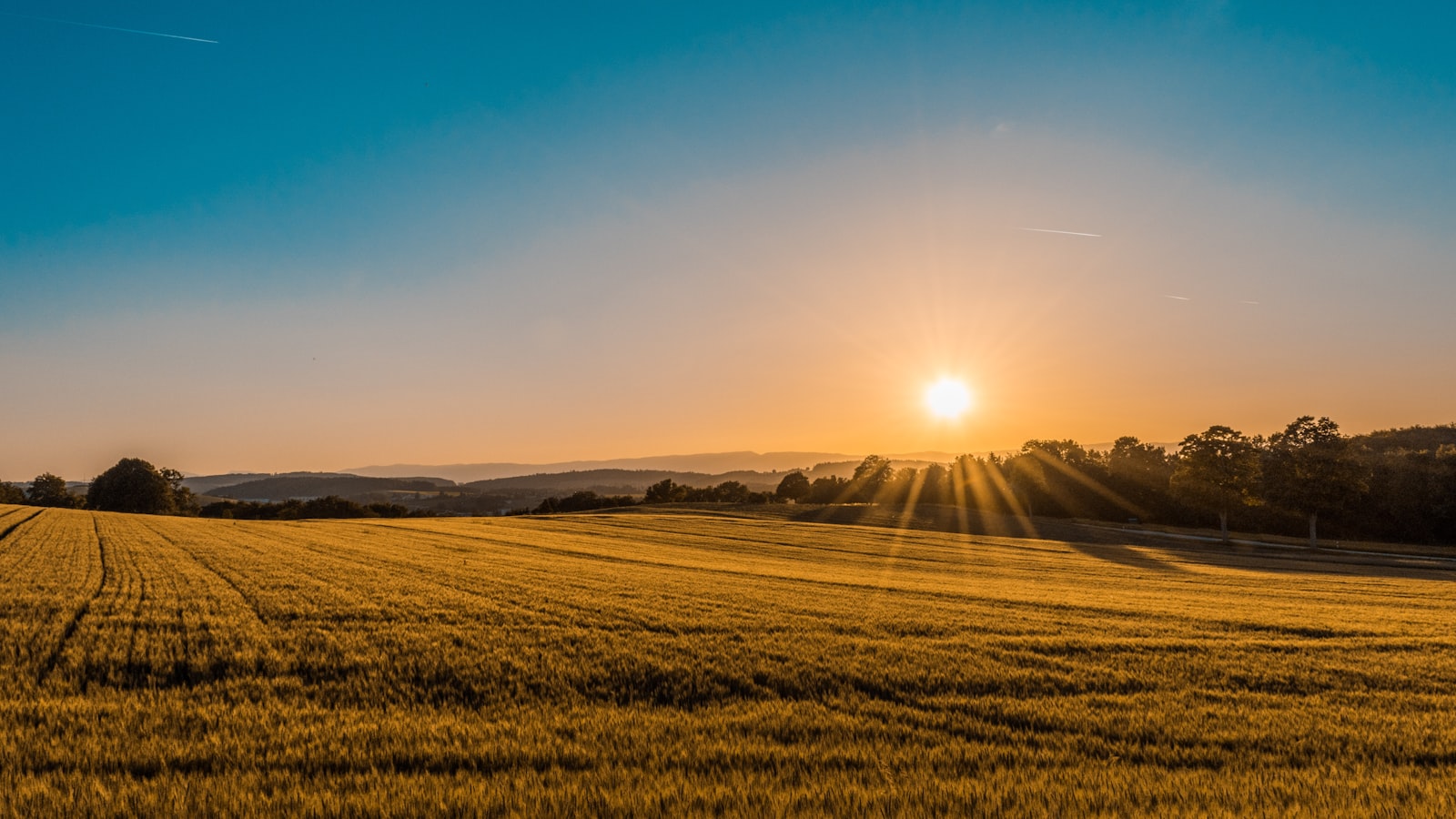
Best Time to See Cherry Blossoms in China 2026
Best Time to See Cherry Blossoms in China: 2026 guide covers current prices, transport, payment apps, and what foreign visitors need to know.
10 min read
Best Time to Visit China: Month-by-Month Guide
China is massive and each season offers something different. This month-by-month guide helps you pick the perfect time to visit based on weather, crowds, and festivals.
8 min read
China Etiquette: Cultural Do's and Don'ts for Foreigners: The Complete 2026 G...
China has unique social customs that can confuse first-time visitors. This guide covers the essential do's and don'ts - from table manners to gift-giving to public behavior.
9 min read

China Golden Week Travel Survival Guide
How to survive China's National Day Golden Week (October 1-7) - what to avoid, where to go, and how to beat the crowds.
9 min read
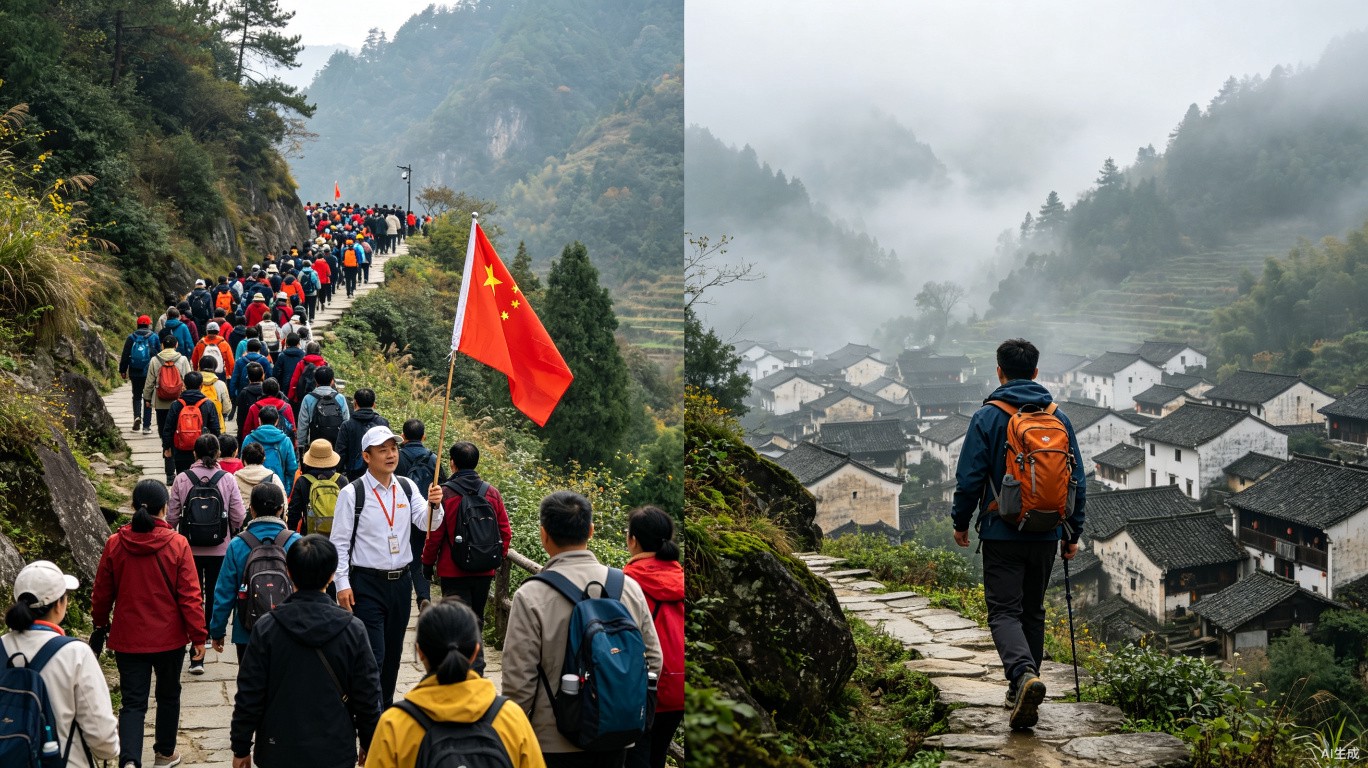
China Group Tours vs Independent Travel Which is Better
Should you join a guided tour or travel independently in China? Honest comparison of cost, flexibility, and experience.
7 min read
China Itinerary Planning: 7-Day 14-Day and 21-Day Routes: The Complete 2026 G...
Not sure how many days to spend in China? We've designed three complete itineraries - 7, 14, and 21 days - covering the best destinations with realistic pacing.
9 min read