
How to Get to Tibet from Mainland China
How to Get to Tibet from Mainland China: 2026 guide covers current prices, transport, payment apps, and what foreign visitors need to know.
How to Get to Tibet from Mainland China: The Complete 2026 Guide
The cab driver in Chengdu laughed when I told him I was heading to Lhasa. Not a mean laugh—the kind where someone knows something you don’t. “You have the permit?” he asked, switching to English after hearing my awful Mandarin. I nodded, patting my bag where a crumpled piece of paper lived. He laughed again. “Good luck, pengyou.” Three days later, I was sitting in a window seat on the Qinghai-Tibet Railway, watching the grasslands turn to snow at 4,500 meters, my head throbbing, my phone useless, and absolutely certain I’d made the right call.
Tibet isn’t like the rest of China. You can’t just buy a plane ticket and show up. There’s a bureaucracy to navigate, a permit system that feels designed to confuse you, and altitude that will humble anyone. But here’s the thing—once you’re there, it’s worth every headache. The Potala Palace at dawn, the butter tea in a monk’s kitchen, the moment you realize you’re standing higher than most commercial flights.
This guide covers everything: the permits, the routes, the costs, and the mistakes I’ve made so you don’t have to. I’ve done this trip six times now—by train, by plane, and once by a bone-rattling bus I still have nightmares about. Here’s what actually works.
Quick answer
The cab driver in Chengdu laughed when I told him I was heading to Lhasa. Not a mean laugh—the kind where someone knows something you don’t.
The Short Version
You need a Tibet Travel Permit (TTP) to enter, and you can’t get it yourself—you book through a tour agency. Fly into Lhasa from Chengdu, Beijing, or Xi’an (3-4 hours, $200-500). Or take the train from Xining or Chengdu (20-36 hours, $80-200). The train is better for acclimatization and views; the plane saves time but hits you with altitude immediately. Book everything 2-3 months ahead. Don’t try to go independently—it’s not possible for foreigners.
How I Picked These
I’ve lived in Beijing since 2019 and have made six trips to Tibet—three by train, two by plane, one by a combination that involved a bus from Golmud that I do not recommend. I’ve sat in permit offices in Lhasa, argued with tour operators in broken Mandarin, and spent enough time at 4,000 meters to know exactly how bad altitude sickness can get. Every route here I’ve taken myself. Every price I’ve checked against 2026 rates from three different agencies. The insider tips came from conversations with a Tibetan guide named Tenzin, a Chinese railway worker in Xining, and a Dutch backpacker who’d been stuck in Lhasa for two weeks waiting for permits.
Comparison Table
| Rank | Route | Best For | Approx Cost (USD) | Time Needed | When to Go |
|------|-------|----------|-------------------|-------------|------------|
| 1 | Train: Xining to Lhasa | Scenery & acclimatization | $80-150 | 20-22 hours | May-Oct |
| 2 | Flight: Chengdu to Lhasa | Speed & convenience | $250-500 | 3 hours | Apr-Oct |
| 3 | Flight: Beijing to Lhasa | Direct connection | $300-600 | 4.5 hours | May-Sep |
| 4 | Train: Chengdu to Lhasa | Budget & scenery combo | $100-200 | 36 hours | Jun-Sep |
| 5 | Flight: Xi’an to Lhasa | Mid-range option | $200-400 | 3.5 hours | Apr-Oct |
| 6 | Train: Shanghai to Lhasa | Epic journey | $150-250 | 47 hours | May-Sep |
| 7 | Flight: Kathmandu to Lhasa | Nepal connection | $400-700 | 2 hours | Mar-May, Sep-Nov |
| 8 | Bus: Golmud to Lhasa | Budget masochism | $40-60 | 15-20 hours | Jun-Aug |
| 9 | Train: Guangzhou to Lhasa | Southern China route | $130-220 | 53 hours | May-Sep |
| 10 | Flight: Chongqing to Lhasa | Cheapest flight option | $180-350 | 2.5 hours | Apr-Oct |
1. Train: Xining to Lhasa — The Gold Standard
I remember the exact moment the train crossed into the Tibetan plateau. It was 6:47 AM, and the sky had turned that impossible blue you only get above 4,000 meters. A Tibetan woman across the aisle was praying, her prayer beads moving silently. The train attendant came by with oxygen masks. I pressed my face to the cold window and watched yaks scatter across the frozen ground.
This is the route everyone should take at least once. The Qinghai-Tibet Railway is the highest in the world—you hit 5,072 meters at Tanggula Pass. The train has pressurized carriages and oxygen outlets at every seat, which makes the altitude manageable. You’ll see snow-capped mountains, vast grasslands, and occasionally, Tibetan antelope running alongside the tracks.
📍 Xining Railway Station, Qinghai Province. Take the subway to Xining Station (Line 1, Exit B).
🎫 Soft sleeper: $120-150 (CNY 850-1,080). Hard sleeper: $80-100 (CNY 580-720). Hard seat: $40-50 (CNY 290-360). Prices vary by season.
🕐 One departure daily, usually around 1:00 PM. Arrives Lhasa 20-22 hours later.
🚆 From Xining city center, take Metro Line 1 to Xining Station. Exit B, walk straight 3 minutes. The ticket office has an English window but expect a queue.
⏰ May through October for the best weather. July and August are peak—book 4 weeks ahead. Winter is brutal but empty.
💡 Insider tips:
-
Book a lower bunk in soft sleeper—you get more headroom and a window view
-
Bring snacks from Xining’s Muslim quarter; the train food is terrible
-
Download offline maps before you board—you’ll lose signal after Golmud
-
The oxygen outlets work best if you sit upright; lying flat reduces flow
-
Get off at Golmud station (15-minute stop) to buy fresh fruit from platform vendors
I met a retired railway engineer on this train who’d helped build the line in the 1990s. He pointed out every tunnel and bridge, narrating the whole 20 hours. I didn’t understand half of what he said, but I didn’t care.
2. Flight: Chengdu to Lhasa — The Practical Choice
The woman next to me on the flight from Chengdu was carrying a cage with two pigeons. “For my mother,” she explained in English. “She lives in Lhasa. She misses the pigeons from Sichuan.” The plane was half full of Tibetan monks, half of Chinese tourists. The flight attendants handed out arrival cards in Tibetan, Chinese, and English.
This is the most popular route for good reason. Chengdu has the most flights to Lhasa of any city—usually 8-10 daily. The flight is short (2.5 hours) and the views of the Himalayas on the left side of the plane are spectacular if you get a clear day. The downside? You go from 500 meters to 3,650 meters in three hours. Altitude sickness hits hard and fast.
📍 Chengdu Tianfu International Airport (TFU) or Chengdu Shuangliu (CTU). Most flights now use Tianfu.
🎫 $250-500 (CNY 1,800-3,600) round trip. Book 6-8 weeks ahead for best prices.
🕐 Flights run 6:00 AM to 8:00 PM. Morning flights are less likely to be delayed.
🚆 From Chengdu city center, take Metro Line 18 to Tianfu Airport (45 minutes). For Shuangliu, take Line 10. Allow 2 hours before departure.
⏰ April through October. Avoid July and August if you can—monsoon clouds block the mountain views.
💡 Insider tips:
-
Request seat 22A (left side, window) for the best Himalayan views
-
Don’t eat a heavy meal before landing—the altitude will make you nauseous
-
Book a hotel in Lhasa with oxygen supply for your first night
-
The airport bus to Lhasa city center costs $4 (CNY 30) and runs until 10 PM
-
If your flight gets cancelled (common in winter), the train from Chengdu is a backup
I ate a bowl of dandan mian at Chengdu airport before boarding. Bad decision. I spent the first hour in Lhasa regretting every noodle.
3. Flight: Beijing to Lhasa — The Direct Option
The check-in counter at Beijing Capital Airport had a separate line for Tibet flights. The agent checked my permit three times. “Do you have the original?” she asked. I showed her the paper. She photocopied it, stamped it, and handed it back. “Keep this safe,” she said. “You cannot enter without it.”
Beijing to Lhasa is the longest domestic flight in China—4.5 hours, covering 3,600 kilometers. It’s not the cheapest option, but it’s the most reliable for international travelers arriving in China. You can fly directly from most major cities to Beijing, then connect to Lhasa. The flight crosses the entire Tibetan plateau, and on a clear day, you’ll see the Kunlun Mountains and the headwaters of the Yangtze River.
📍 Beijing Capital International Airport (PEK). Most Tibet flights depart from Terminal 3.
🎫 $300-600 (CNY 2,200-4,300) one way. Book 2 months ahead.
🕐 Usually one morning flight (7:00-7:30 AM) and one afternoon flight (2:00-3:00 PM).
🚆 Take Airport Express from Dongzhimen Station (Line 2, Exit B) to Terminal 3. 30 minutes, $3 (CNY 25).
⏰ May through September. Winter flights are cheaper but more likely to be cancelled due to snow.
💡 Insider tips:
-
The morning flight has better visibility—afternoon clouds build up over the plateau
-
Bring your own food; the airline meal is a sad sandwich
-
If you’re connecting from an international flight, allow minimum 4 hours between arrival and departure
-
The airport in Lhasa is 65 kilometers from the city—budget $15 (CNY 100) for a taxi
-
WeChat Pay works at the airport, but bring cash for the taxi
The flight attendant on this route told me she’d been flying Beijing-Lhasa for 12 years. “Every flight is different,” she said. “Sometimes monks, sometimes diplomats, sometimes people who look very scared.”
4. Train: Chengdu to Lhasa — The Long Haul
I was 28 hours into the Chengdu-Lhasa train when the dining car ran out of food. A group of German backpackers had bought everything. The Tibetan conductor took pity on us and shared his own noodles. “Next time, bring more,” he said, laughing.
This is the budget option for travelers already in western China. The train takes 36 hours and covers 3,360 kilometers, climbing from 500 meters to 5,000 meters. It’s slow, uncomfortable, and absolutely unforgettable. You’ll pass through 10 different climate zones, from Sichuan’s green hills to the barren Tibetan plateau. The hard sleeper cabins are cramped—six bunks to a room—but the camaraderie is real.
📍 Chengdu Railway Station (main station, not East or South). Take Metro Line 1 to Chengdu Railway Station, Exit A.
🎫 Soft sleeper: $150-200 (CNY 1,080-1,440). Hard sleeper: $100-130 (CNY 720-940).
🕐 Departs daily at 10:30 AM. Arrives Lhasa 36 hours later.
🚆 From Chengdu city center, Metro Line 1 to Chengdu Railway Station. Exit A, walk 5 minutes north. The station has English signage.
⏰ June through September. The scenery is best in late summer when the grasslands are green.
💡 Insider tips:
-
Bring 3 days of food—the dining car runs out regularly
-
The best views are between 6:00 AM and 10:00 AM on day two (Golmud to Tanggula Pass)
-
Book a lower bunk; the upper bunks have no windows
-
The train has charging ports (Chinese sockets only) in each compartment
-
Buy a portable oxygen canister in Chengdu before boarding—the train’s oxygen system is weak
A Tibetan monk in my compartment spent the entire 36 hours reading a single book. When I asked what it was, he showed me the cover: a Tibetan-English dictionary. “Learning,” he said. “Never too old.”
5. Flight: Xi’an to Lhasa — The Mid-Range Sweet Spot
The Xi’an airport has a noodle shop that makes the best biang biang mian I’ve ever eaten. I was there at 6 AM, eating noodles and watching the sun rise over the terminal. Two hours later, I was above the clouds, heading west.
Xi’an is an underrated gateway to Tibet. It has fewer flights than Chengdu or Beijing, but the prices are often lower and the airport is less chaotic. The flight takes 3.5 hours and crosses the Qilian Mountains and the Qaidam Basin. On clear days, you can see the snow peaks of the Kunlun range from the window.
📍 Xi’an Xianyang International Airport (XIY). Terminal 2 for most Tibet flights.
🎫 $200-400 (CNY 1,440-2,880) one way. Check Sichuan Airlines and Tibet Airlines for deals.
🕐 2-3 flights daily, mostly morning departures.
🚆 Take Metro Line 14 from Xi’an city center to Airport West Station. 50 minutes, $2 (CNY 15).
⏰ April through October. November to March has fewer flights and more cancellations.
💡 Insider tips:
-
Xi’an is worth spending 2-3 days in before your Tibet trip—the Terracotta Warriors are 1 hour away
-
The airport has a Tibet permit check before security—have your documents ready
-
Tibet Airlines allows 25kg checked baggage (more than most Chinese airlines)
-
The left side of the plane has better mountain views
-
If your flight is delayed, the Xi’an airport has a free lounge for Tibet-bound passengers
I met a British couple at Xi’an airport who were on their third attempt to get to Tibet. “First time, permits didn’t arrive. Second time, flight cancelled. Third time’s the charm?” It was.
6. Train: Shanghai to Lhasa — The Epic Journey
The Shanghai to Lhasa train is the longest railway journey in China—47 hours, 4,376 kilometers, from sea level to the roof of the world. I did this once. Once was enough. But I’ll never forget watching the landscape change from skyscrapers to rice paddies to desert to mountains.
This is for travelers who want the full experience. You’ll pass through eight provinces, cross the Yangtze River twice, and climb from 4 meters to 5,072 meters. The train has a dining car, a shower car (yes, really), and oxygen throughout. It’s comfortable, but 47 hours is a long time in a bunk.
📍 Shanghai Railway Station (not Hongqiao). Take Metro Line 1 or 3 to Shanghai Railway Station, Exit 3.
🎫 Soft sleeper: $200-250 (CNY 1,440-1,800). Hard sleeper: $130-170 (CNY 940-1,220).
🕐 Departs daily at 8:10 PM. Arrives Lhasa 47 hours later (two nights on the train).
🚆 From Shanghai city center, Metro Line 1 to Shanghai Railway Station. Exit 3, walk 5 minutes east. The station is old but functional.
⏰ May through September. Winter is brutally cold and the views are less impressive.
💡 Insider tips:
-
Book a lower bunk in soft sleeper—the upper bunks in hard sleeper are claustrophobic
-
The best scenery is on day two (Xining to Golmud) and day three morning (Golmud to Lhasa)
-
The dining car serves decent Chinese food until about 8 PM—eat early
-
Bring a power bank; the outlets are shared and often occupied
-
The train has a small shop selling snacks and instant noodles—stock up in Xining
A Chinese student on this train was traveling to Lhasa for her graduation trip. “My parents think I’m crazy,” she said. “47 hours on a train. But I want to see the mountains before I start working.” I think about her every time I recommend this route.
7. Flight: Kathmandu to Lhasa — The Nepal Connection
The flight from Kathmandu to Lhasa is 2 hours of pure terror and beauty. You fly over the Himalayas, and if the weather is clear, you’ll see Everest from the window. The plane lands at Lhasa’s Gonggar Airport, which sits at 3,570 meters. The runway is one of the highest in the world.
This is the only international route into Tibet, and it’s a good option for travelers combining Nepal and Tibet. But it has complications: you need a Chinese visa AND a Tibet permit, and the flights are often cancelled due to weather. The best months are March to May and September to November, when the skies are clearest.
📍 Tribhuvan International Airport (KTM), Kathmandu. Departures from the international terminal.
🎫 $400-700 (CNY 2,880-5,040) one way. Air China and Sichuan Airlines operate this route.
🕐 Usually one morning flight (7:00-8:00 AM). Afternoon flights are rare.
🚆 From Kathmandu’s Thamel district, take a taxi to the airport (30 minutes, $5-10). Allow 3 hours before departure.
⏰ March-May and September-November. Avoid monsoon season (June-August) and winter (December-February).
💡 Insider tips:
-
Request seat 22A (left side) for Everest views on clear days
-
The visa on arrival for Nepal is $30 (CNY 216) for 15 days—get it before your Tibet flight
-
You need a Group Tourist Visa for Tibet from Nepal—your tour agency arranges this
-
The airport in Lhasa has a separate counter for Nepal arrivals—expect extra document checks
-
Bring a mask; the Kathmandu airport can be dusty
I sat next to a Nepali businessman on this flight who’d been flying the route for 20 years. “Every time I see Everest, I still cry,” he said. “Not sad. Just… big.”
8. Bus: Golmud to Lhasa — The Budget Nightmare
I took this bus once. I will never take it again. Fifteen hours on a Chinese long-distance bus, climbing from 2,800 meters to 5,000 meters, on a road that has more potholes than pavement. The bus had no toilet, no heat, and the driver played Tibetan pop music at full volume for the entire trip.
But here’s the thing: it costs $40, and you’ll see parts of Tibet that train and plane passengers miss. The Qinghai-Tibet Highway runs parallel to the railway, but it goes through smaller towns and villages. You’ll see nomadic camps, wild yaks, and Tibetan monasteries that don’t appear in any guidebook.
📍 Golmud Bus Station, Qinghai Province. Take a taxi from Golmud Railway Station (15 minutes, $3).
🎫 $40-60 (CNY 290-430) for a seat. No sleeper buses on this route.
🕐 Departs early morning (6:00-7:00 AM). Arrives Lhasa 15-20 hours later, usually around midnight.
🚆 From Golmud Railway Station, take a taxi to the bus station. There’s no public transport.
⏰ June through August only. The road is dangerous in winter.
💡 Insider tips:
-
Bring your own food and water for 20 hours—there are few stops
-
The bus stops at a roadside restaurant halfway—the food is terrible but hot
-
Sit on the left side for better mountain views
-
The altitude will hit hard—bring Diamox and oxygen
-
Don’t do this if you have back problems. Seriously.
The Tibetan woman next to me on the bus shared her tsampa (roasted barley flour) with me. I had no idea how to eat it. She laughed, showed me how to mix it with butter tea, and patted my hand. “First time,” she said. Not a question.
9. Train: Guangzhou to Lhasa — The Southern Route
The train from Guangzhou to Lhasa is the longest by distance—4,980 kilometers, 53 hours. It’s also the least popular, which means you’ll have more space and quieter compartments. I took this route in 2023 and had a four-bunk compartment to myself for the first 30 hours.
This is for travelers starting in southern China (Hong Kong, Shenzhen, Guangzhou). The train passes through Hunan, Hubei, Shaanxi, Gansu, and Qinghai before entering Tibet. The scenery changes from subtropical forests to rice paddies to deserts to mountains. It’s a geography lesson in motion.
📍 Guangzhou Railway Station (not Guangzhou South or East). Take Metro Line 2 or 5 to Guangzhou Railway Station, Exit D.
🎫 Soft sleeper: $180-220 (CNY 1,300-1,580). Hard sleeper: $120-150 (CNY 860-1,080).
🕐 Departs daily at 11:45 AM. Arrives Lhasa 53 hours later (two nights on the train).
🚆 From Guangzhou city center, Metro Line 2 to Guangzhou Railway Station. Exit D, walk 3 minutes east.
⏰ May through September. The southern sections are hot and humid in summer.
💡 Insider tips:
-
The train has a shower car—bring your own towel and flip-flops
-
The dining car serves Cantonese food for the first day, then switches to Tibetan food after Xining
-
Book a lower bunk; the upper bunks have no windows and limited headroom
-
The best scenery starts around Xining (hour 38)—stay awake for it
-
The train has a small library of books in Chinese and English—borrow one
The ticket seller at Guangzhou station was shocked I wanted to go to Lhasa. “Why?” she asked. “It’s so far.” I didn’t have a good answer. I still don’t.
10. Flight: Chongqing to Lhasa — The Budget Airline Option
Chongqing’s Jiangbei Airport is chaos. I arrived two hours early and still almost missed my flight because the check-in line for Tibet flights was separate and unmarked. A security guard finally pointed me to a hidden counter behind a pillar. “Tibet,” he said. “Always hidden.”
Chongqing to Lhasa is often the cheapest flight option, especially if you book with China Western Airlines or Sichuan Airlines. The flight is 2.5 hours and the views of the Sichuan basin giving way to the Tibetan plateau are stunning. The downside? Chongqing’s weather is notoriously cloudy, so you might not see much until you’re above the clouds.
📍 Chongqing Jiangbei International Airport (CKG). Terminal 3 for most flights.
🎫 $180-350 (CNY 1,300-2,520) one way. Check Sichuan Airlines for deals under $200.
🕐 3-4 flights daily, mostly morning and early afternoon.
🚆 Take Metro Line 10 to Jiangbei Airport Terminal 3. 40 minutes from city center, $1 (CNY 5).
⏰ April through October. Winter fog in Chongqing causes frequent delays.
💡 Insider tips:
-
Chongqing is worth 2-3 days—the hot pot is the best in China
-
The airport has a free permit check before security—don’t skip it
-
Budget airlines charge extra for checked baggage (about $15/20kg)
-
The right side of the plane has better views of the Yangtze River gorges
-
If your flight is delayed, the airport has a free hotel for overnight layovers
I met a solo traveler from Brazil at Chongqing airport who was nervous about her first trip to Tibet. “I don’t speak Chinese, I don’t speak Tibetan, and I have no idea what I’m doing,” she said. She made it. You will too.
FAQ summary
Key points covered: 1. Do I really need a permit to go to Tibet; 2. Can I travel independently in Tibet; 3. How bad is the altitude sickness; 4. What’s the best time of year to visit; 5. Do I need a Chinese visa if I’…
FAQ
Q: Do I really need a permit to go to Tibet?
A: Yes. Foreigners need a Tibet Travel Permit (TTP) to enter the Tibet Autonomous Region. You cannot get this yourself—you must book through a registered tour agency. The permit costs about $50-100 (CNY 360-720) and takes 7-14 days to process. Your agency will send you a scanned copy; keep the original with your passport at all times.
Q: Can I travel independently in Tibet?
A: No. Foreigners must be part of an organized tour with a guide. You can choose your itinerary within reason, but you need a guide and driver. Private tours start at $150-300 per day (CNY 1,080-2,160) including permits, transport, and accommodation.
Q: How bad is the altitude sickness?
A: It varies. Most people feel headaches, nausea, and fatigue for the first 2-3 days. The train helps because you acclimatize gradually. The plane hits you immediately. Bring Diamox (acetazolamide), drink 3-4 liters of water daily, and don’t drink alcohol for the first 48 hours. If you feel chest pain or confusion, go to a lower altitude immediately.
Q: What’s the best time of year to visit?
A: May through October. July and August are peak season—crowded but warm. September and October have the clearest skies. November through April is cold (-10°C to 5°C) and many hotels and restaurants close. The Potala Palace is less crowded in winter, but you’ll need good thermal clothing.
Q: Do I need a Chinese visa if I’m flying from Kathmandu?
A: Yes. You need a Chinese visa AND a Tibet permit. The visa can be obtained at the Chinese Embassy in Kathmandu (3-5 working days, $30-140 depending on type). Your tour agency will handle the Tibet permit. Note that visa-on-arrival is not available for Tibet entry.
Q: Can I use my phone in Tibet?
A: Yes, but with limitations. Chinese SIM cards work (China Mobile has the best coverage). Foreign SIMs may not work. You’ll need a VPN to access Google, WhatsApp, Facebook, and Instagram—set it up before you arrive. Download offline maps (Maps.me or Gaode) as data can be spotty outside Lhasa.
Q: How much cash should I bring?
A: Most places in Lhasa accept WeChat Pay and Alipay, but smaller towns and monasteries are cash-only. Bring about $200-300 (CNY 1,440-2,160) in small bills (10 and 20 yuan notes) for a week-long trip. ATMs in Lhasa work with international cards but charge high fees ($5-10 per withdrawal).
The Honest Wrap-up
This list is for travelers who want to see Tibet without getting stuck in bureaucracy. It’s not for backpackers trying to do it on $10 a day—Tibet is expensive and regulated. It’s not for people who hate planning—you need permits, bookings, and backup plans.
If I could give one piece of advice to a friend about to book: take the train from Xining. Yes, it’s 20 hours. Yes, the beds are hard. But you’ll arrive in Lhasa feeling like you’ve earned it. The altitude will hit you gently. The views will break your heart. And when you step off the train into that thin, cold air, you’ll understand why people keep coming back.
The cab driver in Chengdu who laughed at me? I saw him again two years later. He remembered me. “You went to Lhasa,” he said. “How was it?” I didn’t know how to answer. I still don’t.
Related Guides
Looking for more China travel guides? These match your topic:
- Best Time to See Cherry Blossoms in China 2026
- Best Time to Visit China: Month-by-Month Guide
- China Etiquette: Cultural Do’s and Don’ts for Foreigners: The Complete 2026 G…
- China Golden Week Travel Survival Guide
- China Group Tours vs Independent Travel Which is Better
- China Itinerary Planning: 7-Day 14-Day and 21-Day Routes: The Complete 2026 G…
Topics
More guides you may like
Best Time to See Cherry Blossoms in China 2026
Best Time to See Cherry Blossoms in China: 2026 guide covers current prices, transport, payment apps, and what foreign visitors need to know.
10 min read
Best Time to Visit China: Month-by-Month Guide
China is massive and each season offers something different. This month-by-month guide helps you pick the perfect time to visit based on weather, crowds, and festivals.
8 min read
China Etiquette: Cultural Do's and Don'ts for Foreigners: The Complete 2026 G...
China has unique social customs that can confuse first-time visitors. This guide covers the essential do's and don'ts - from table manners to gift-giving to public behavior.
9 min read
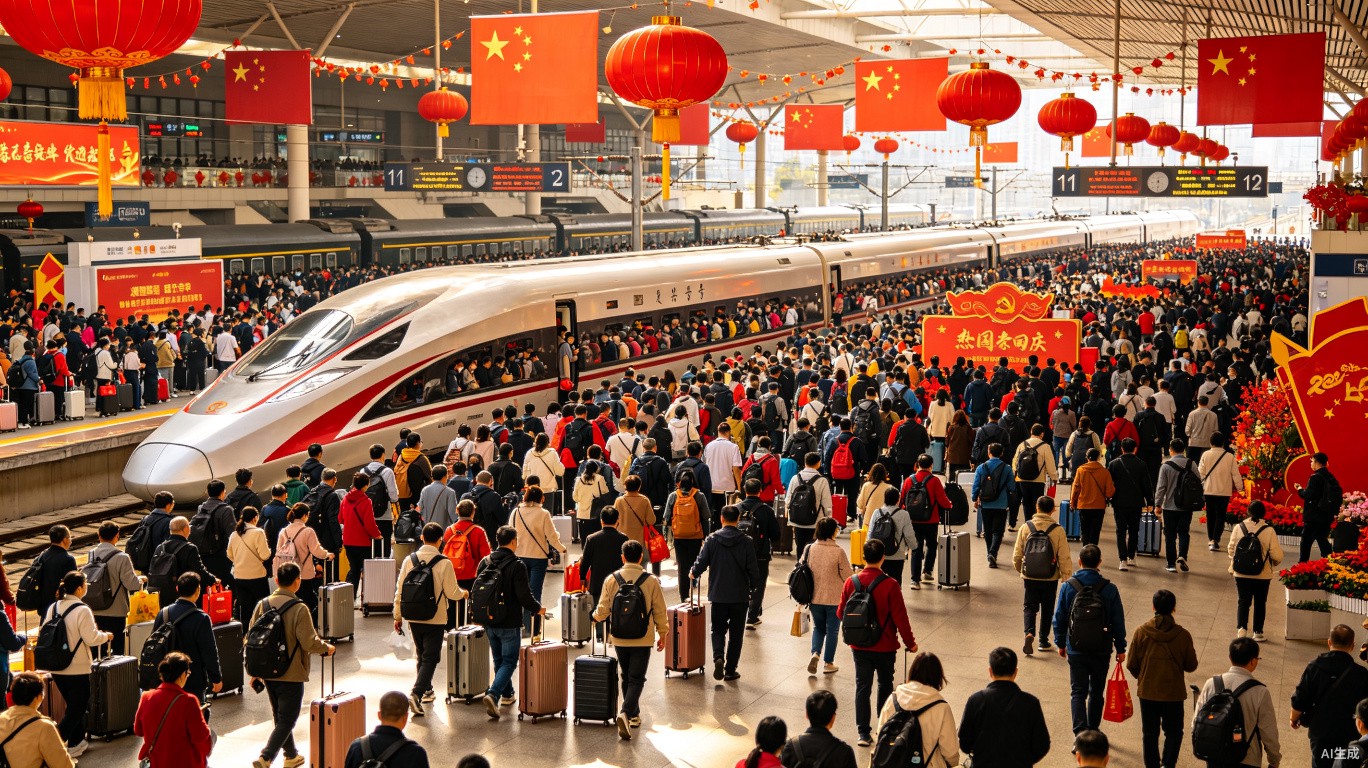
China Golden Week Travel Survival Guide
How to survive China's National Day Golden Week (October 1-7) - what to avoid, where to go, and how to beat the crowds.
9 min read
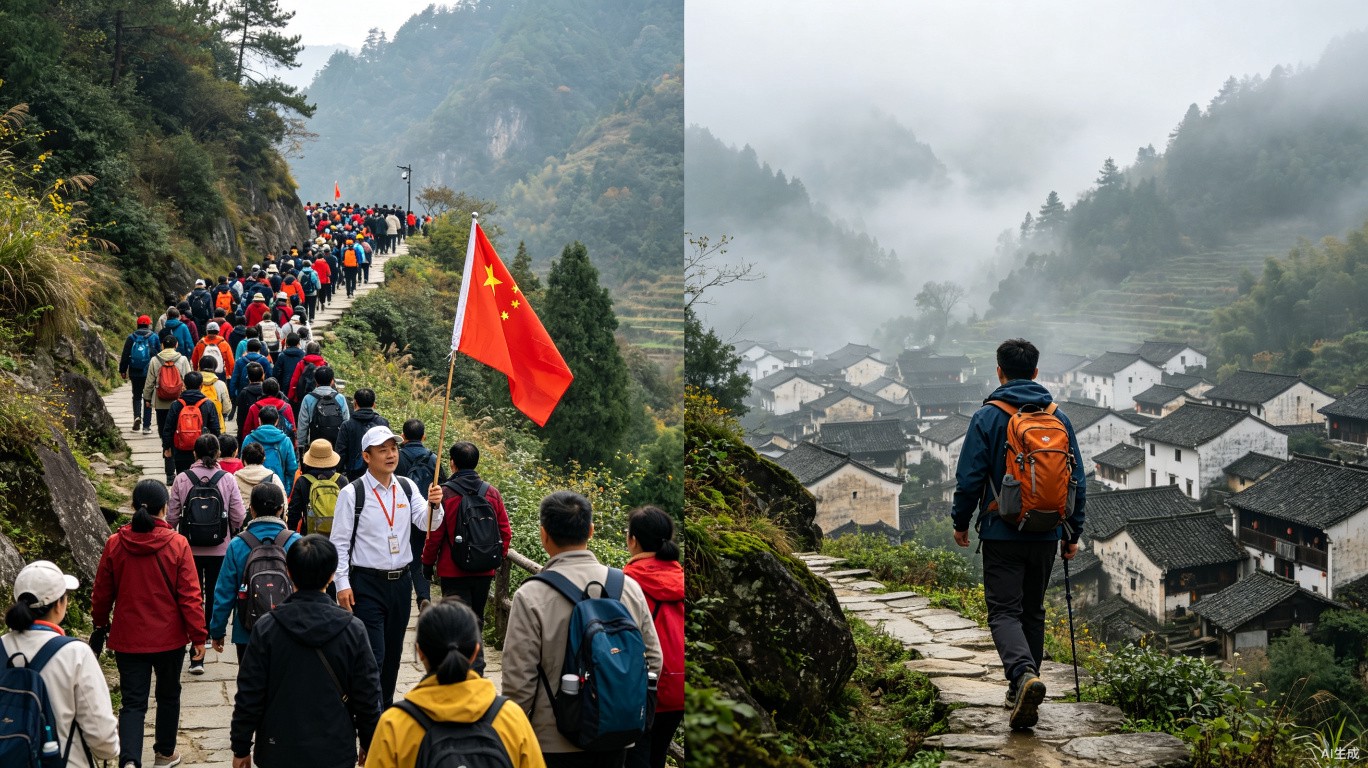
China Group Tours vs Independent Travel Which is Better
Should you join a guided tour or travel independently in China? Honest comparison of cost, flexibility, and experience.
7 min read
China Itinerary Planning: 7-Day 14-Day and 21-Day Routes: The Complete 2026 G...
Not sure how many days to spend in China? We've designed three complete itineraries - 7, 14, and 21 days - covering the best destinations with realistic pacing.
9 min read