
Best Sunset Viewing Spots in China
Best Sunset Viewing Spots in China: 2026 guide covers current prices, transport, payment apps, and what foreign visitors need to know.
Best Sunset Viewing Spots in China: The Complete 2026 Guide
The cab driver looked at me like I was crazy. “You want to go where?” he asked, half-laughing, half-confused. I pointed again at the map on my phone—some random hill on the outskirts of Guilin I’d read about in a十年前 blog post. He shrugged, muttered something about laowai (foreigners) and their strange obsessions, and hit the gas. Two hours later, I was standing on a rocky outcrop, alone, watching the sun dissolve into a soup of orange and purple over the karst peaks. No crowds. No ticket booth. Just me, the cicadas, and a sky that looked like it was bleeding watercolors.
That was the moment I got hooked. Not on sunsets themselves—I’d seen plenty of pretty ones back home in London. But on Chinese sunsets. There’s something different about them here. Maybe it’s the smog that turns the light into something thick and painterly. Maybe it’s the way the mountains rise out of nowhere, catching the last rays like giant stone fingers. Or maybe it’s just that China has more places that make you stop and pay attention.
I’ve been chasing these moments for seven years now. I’ve stood on Great Wall watchtowers as the sky turned to ash, floated on rice terraces in Yunnan as the sun slipped behind hills I couldn’t name, and sat on a park bench in Shanghai watching office workers photograph the same sky I was photographing. This list is the result of all that—ten spots where the sunset actually lives up to the hype.
If you’re planning a trip to China in 2026, you don’t have time to waste on mediocre viewpoints. Let me save you the bad cab rides.
Quick answer
The cab driver looked at me like I was crazy. “You want to go where?” he asked, half-laughing, half-confused.
The Short Version
If you only have 90 seconds: skip the crowded tourist spots. Go to Xiapu Mudflats for the most surreal light show on Earth, Yulong River for a peaceful bamboo raft sunset, and Lugu Lake if you want to feel like you’ve stepped into a painting. Avoid West Lake at sunset unless you enjoy shoulder-to-shoulder selfie sticks. And for god’s sake, don’t pay for a “sunset cruise” in any city—they’re overpriced and the view is worse than what you’d get from a free bridge.
How I Picked These
I’ve visited every single spot on this list personally—most of them multiple times, in different seasons. I’ve also talked to taxi drivers, hostel owners, and random locals who pointed me to better spots than the guidebooks mention. I ruled out places where the sunset is technically nice but the experience is ruined by crowds, bad infrastructure, or entry fees that don’t match the view. Every entry here passed the “would I send my own mother here?” test.
Comparison Table
| Rank | Place | Best For | Approx Cost (USD) | Time Needed | When to Go |
|------|-------|----------|-------------------|-------------|------------|
| 1 | Xiapu Mudflats, Fujian | Photographers, surreal light | Free–$7 (¥50) | 2–3 hours | April–October |
| 2 | Yulong River, Yangshuo | Peaceful raft sunset | $14–$28 (¥100–200) | 3–4 hours | March–November |
| 3 | Lugu Lake, Yunnan | Romantic, remote beauty | $7 (¥50) entry | Half day | September–November |
| 4 | Great Wall at Mutianyu | Iconic, less crowded | $10 (¥70) entry + cable car | 4–5 hours | April–October |
| 5 | Yellow Mountain (Huangshan) | Cloud sea + sunset | $28 (¥200) entry | Full day | October–November |
| 6 | Victoria Peak, Hong Kong | City skyline + harbor | Free (walk up) | 2–3 hours | October–March |
| 7 | Potala Palace Square, Lhasa | Spiritual, high altitude | Free | 1–2 hours | May–October |
| 8 | West Lake, Hangzhou | Classic, easy access | Free | 2–3 hours | October–November |
| 9 | Zhangjiajie National Forest | Avatar mountains, mist | $35 (¥250) entry | Full day | September–October |
| 10 | Pudong Skyline, Shanghai | Urban, modern | Free (from Bund) | 1–2 hours | Year-round |
1. Xiapu Mudflats — Where the Sky Becomes a Mirror
I remember the first time I saw a photo of Xiapu. I thought it was photoshopped. The colors—pink, gold, purple—reflected off wet mudflats like someone had spilled a box of crayons into the ocean. I booked a ticket the next week.
The reality was better. Xiapu isn’t a tourist town; it’s a fishing village that happens to sit on one of the most photogenic coastlines in Asia. The mudflats stretch for miles, dotted with bamboo poles and fishing nets that catch the last light. At low tide, the wet sand turns into a mirror, doubling the sky. You’ll see local women in conical hats wading through the shallows, collecting shellfish, completely unbothered by the photographers lining the shore.
📍 Location: Xiapu County, Ningde, Fujian Province
🎫 Entry fee: Free for most spots; some photography platforms charge $3–$7 (¥20–50)
🕐 Opening hours: 24/7, but best 1 hour before sunset
🚆 How to get there: Take a high-speed train to Xiapu Station (from Fuzhou, 1 hour). Then hire a taxi or local driver (about $14/¥100 one-way) to Saiqi Village or North Qi Beach—the two best viewpoints. Tell the driver “日落” (rìluò) and they’ll know.
⏰ When to visit: April–October. Weekdays are empty. Avoid Chinese holidays.
💡 Insider tips:
-
Bring waterproof shoes or sandals. The mud is slippery and gets everywhere.
-
The best photos are 30 minutes before sunset, not at sunset itself.
-
Local fishermen will pose for photos for a small tip ($1–2/¥5–10).
-
Download a tide chart app—low tide is essential.
-
Don’t eat at the tourist restaurants near the viewpoint. Walk 10 minutes into the village for better, cheaper seafood.
I once spent an hour talking to an old fisherman named Mr. Chen who showed me how to tie the bamboo poles. He laughed at my attempts and gave me a cup of tea. Best sunset I’ve ever had.
2. Yulong River — Bamboo Rafts and Golden Karsts
This is the sunset you picture when you think of “China.” Limestone karsts rising from a slow green river, bamboo rafts drifting past, the whole scene turning gold as the sun drops behind the hills. It’s not original—every travel poster uses this image—but it’s original for a reason.
I took a bamboo raft down the Yulong River in October. No motor, just a guy with a long pole pushing us along. The only sounds were the water and birds. As the sun set, the karsts turned from green to gray to silhouette. The sky went through every shade of orange and pink. My guide, a young guy named Xiao Wang, pointed out a heron perched on a rock. “Every evening, same rock,” he said. “He knows the good spot.”
📍 Location: Yulong River, Yangshuo County, Guangxi
🎫 Entry fee: Raft ride $14–$28 (¥100–200) depending on distance
🕐 Opening hours: 8:00 AM–6:00 PM (last raft departs around 4:30 PM)
🚆 How to get there: Take a high-speed train to Yangshuo Station (from Guilin, 30 minutes). From Yangshuo town, rent an e-bike ($7/¥50 for the day) and ride 15 minutes south to Jade Dragon Bridge—the most popular starting point.
⏰ When to visit: March–November. October is perfect—cool, clear, fewer mosquitoes.
💡 Insider tips:
-
Book the longer raft route (from Jade Dragon Bridge to the end). The short ones are rushed.
-
Bring a waterproof bag for your phone. The water is clean but you will get splashed.
-
Go on a weekday. Weekends are packed with Chinese tourists.
-
The raft operators expect a small tip ($2–3/¥15–20) if you want them to go slower.
-
Eat at a riverside restaurant after—try the beer fish, a local specialty.
I ate the best beer fish of my life at a shack called “Old Sister’s” near the raft dock. The owner didn’t speak English, but she smiled and brought me a second portion for free.
3. Lugu Lake — The Sunset That Takes Three Hours
Lugu Lake sits on the border of Yunnan and Sichuan, at 2,700 meters elevation. It’s remote. It’s quiet. And the sunset lasts forever. Because of the mountains surrounding the lake, the sun seems to take its time—you’ll watch it dip behind one ridge, then another, then another, each time casting different colors across the water.
I arrived at Lugu Lake after a 6-hour bus ride from Lijiang. I was tired, grumpy, and questioning my life choices. Then I walked to the lake shore, sat on a dock, and watched the sun set for the next two hours. The water turned from blue to silver to pink. Mosuo women in traditional dress walked by, carrying baskets. A dog lay down next to me and fell asleep. I didn’t move until the stars came out.
📍 Location: Lugu Lake, Ninglang County, Yunnan (or Yanyuan County, Sichuan)
🎫 Entry fee: $7 (¥50) per person
🕐 Opening hours: 24/7, but the lake is best at sunset
🚆 How to get there: No train. Take a bus from Lijiang Bus Station (4–5 hours, $14/¥100). Or fly to Lijiang Sanyi Airport and arrange a private transfer ($70/¥500).
⏰ When to visit: September–November for clear skies. Summer is rainy. Winter is cold but beautiful.
💡 Insider tips:
-
Stay at a guesthouse on the Yunnan side (Luoshui Village). The Sichuan side is less developed.
-
Rent a bicycle or e-bike to circle the lake (about 50 km). Stop at the smaller villages.
-
The Mosuo people are matriarchal. Respect their customs—no photos without asking.
-
Bring warm clothes. Even in summer, the temperature drops fast after sunset.
-
The local specialty is pig belly meat (salted pork). It’s an acquired taste.
I met a French backpacker at my guesthouse who had been there for two weeks. “I keep trying to leave,” she said, “but the sunset won’t let me.”
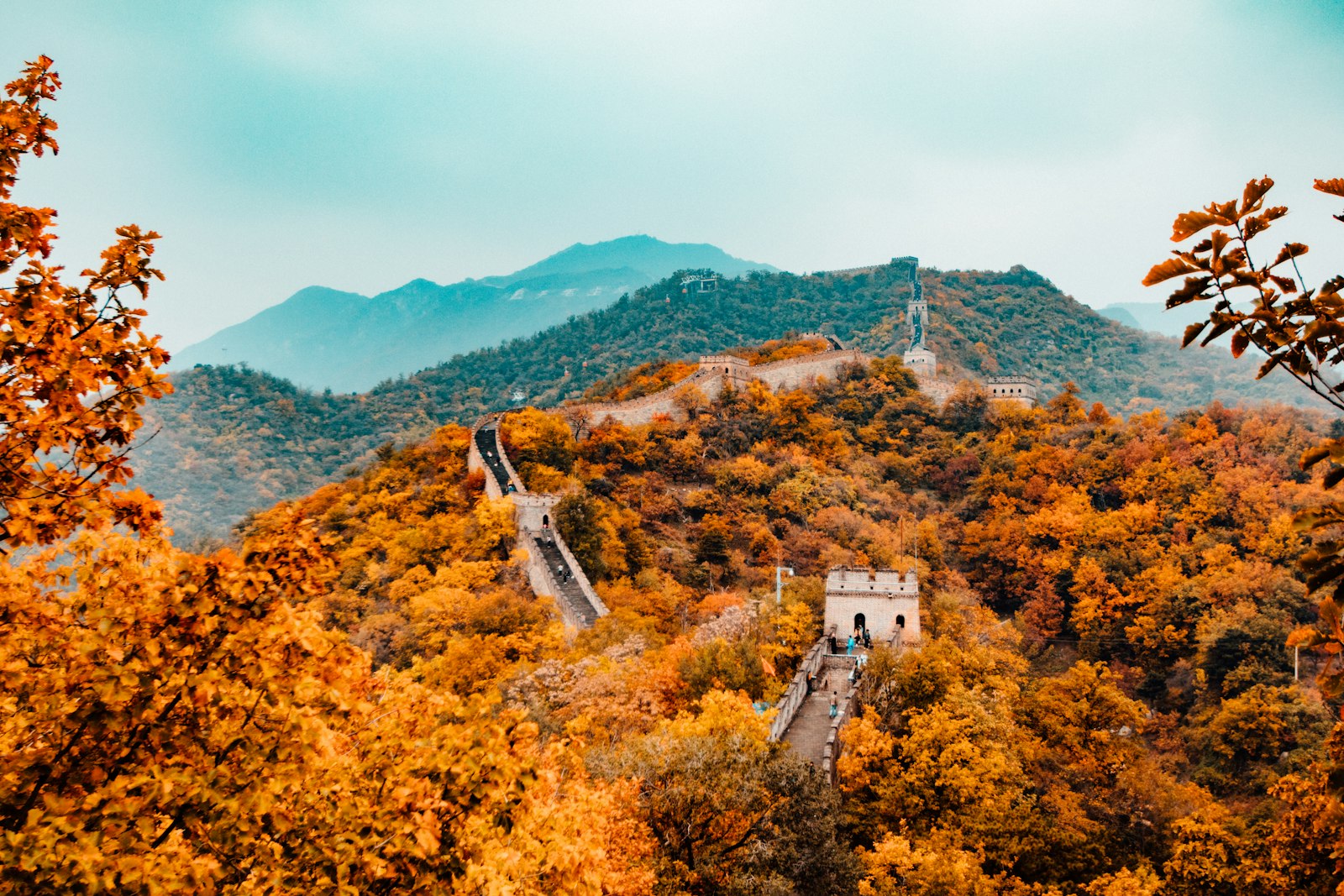
4. Mutianyu Great Wall — The Wall on Fire
Most tourists go to Badaling for the Great Wall. Badaling is a zoo. Mutianyu is where you go to actually feel something. And at sunset, when the crowds have left and the wall stretches into the distance like a dragon on fire, it’s one of the most powerful places I’ve ever stood.
I arrived at Mutianyu at 4 PM on a Tuesday in October. The cable car ride up was quiet—just me and a German couple. At the top, I walked east along the wall, away from the main tower. After 20 minutes, I was alone. The sun was low, casting long shadows from the watchtowers. The wall turned from gray to gold to red. I sat on a stone step and watched for an hour. No one came. No one left. Just me and 2,000 years of history.
📍 Location: Mutianyu Village, Huairou District, Beijing (70 km from city center)
🎫 Entry fee: $10 (¥70) entry + $14 (¥100) cable car round trip
🕐 Opening hours: 7:30 AM–5:30 PM (last cable car down at 5:00 PM—check 2026 updates)
🚆 How to get there: Take bus 916 Express from Dongzhimen Bus Station to Huairou (1.5 hours, $2/¥15), then transfer to bus H23 or H24 to Mutianyu. Or take a Didi (ride-hailing app) from Beijing—about $40–50 (¥300–350).
⏰ When to visit: April–October. Weekdays only. Avoid weekends and holidays at all costs.
💡 Insider tips:
-
The last cable car down is before sunset. If you want to watch the sunset from the wall, you’ll have to walk down (45 minutes, steep but safe).
-
Bring a headlamp if you plan to walk down after dark.
-
The toboggan slide down is fun but closes early.
-
Buy water and snacks before you go up—the prices on the wall are ridiculous.
-
The section east of Tower 14 is less crowded and has better views.
I almost missed the last cable car because I was too busy staring at the sunset. A Chinese security guard found me, pointed at his watch, and said, “走!” (Go!). I ran. I made it. Barely.
5. Yellow Mountain (Huangshan) — Above the Clouds
Huangshan is famous for its “cloud sea”—a phenomenon where clouds fill the valleys below the peaks, making it look like you’re standing on an island in the sky. At sunset, the clouds turn pink and gold, and the granite peaks cast long shadows across the mist. It’s the kind of view that makes you believe in magic.
I hiked up Huangshan in November. It was cold—near freezing at the summit. I checked into a dormitory bed at the Beihai Hotel (overpriced, but worth it for the location) and walked to the viewing platform an hour before sunset. The clouds were already forming. As the sun dropped, the entire valley below me turned into a sea of cotton candy. Other hikers were gasping. One woman was crying. I wasn’t far behind.
📍 Location: Huangshan City, Anhui Province
🎫 Entry fee: $28 (¥200) entry + $14 (¥100) cable car one-way
🕐 Opening hours: 6:00 AM–5:00 PM (cable cars stop earlier in winter)
🚆 How to get there: Take a high-speed train to Huangshan North Station. From there, take bus to the Tangkou transfer center (1 hour, $4/¥30), then a shuttle to the cable car station.
⏰ When to visit: October–November for the best cloud sea. Summer is rainy and crowded.
💡 Insider tips:
-
Stay overnight on the mountain. The sunset and sunrise are both spectacular, and you can’t do both in one day.
-
Book your mountain hotel months in advance—they sell out fast.
-
The cable car stops early. If you miss it, you’re walking down 3+ hours.
-
Bring warm clothes, even in summer. The summit is 1,800 meters and windy.
-
The “Welcome Pine” viewpoint is overrated. Go to Bright Summit Peak instead.
I shared a room with three Chinese students who had walked up the mountain at 3 AM to see the sunrise. They were exhausted but glowing. “Worth it,” one said, and fell asleep mid-sentence.
6. Victoria Peak, Hong Kong — Neon Meets Nature
Hong Kong sunsets are different. They’re not about nature—they’re about the collision of nature and city. The sun sets behind the islands of the South China Sea, and as it does, the skyscrapers of Central and Kowloon start lighting up. By the time the sky is dark, the city is a glittering jewel.
I walked up to Victoria Peak instead of taking the tram. It’s a steep 45-minute hike, but you avoid the queues and the tourist crowds. At the top, I found a spot on the free viewing platform (not the paid Sky Terrace) and watched the city transform. The harbor turned gold, then silver, then a million lights. A local couple next to me was having a picnic. They offered me a beer.
📍 Location: The Peak, Hong Kong Island
🎫 Entry fee: Free (walk up) or $8 (HK$60) for tram one-way
🕐 Opening hours: 24/7 (tram runs 7:00 AM–11:00 PM)
🚆 How to get there: Take the MTR to Central Station, Exit J2. Walk to the Peak Tram terminus, or follow signs for the Peak Trail hiking path.
⏰ When to visit: October–March for clear skies. Summer is hazy.
💡 Insider tips:
-
Skip the Peak Tram. It’s expensive, crowded, and the view is better from the top anyway.
-
The free Lugard Road Lookout has the same view as the paid Sky Terrace.
-
Go on a weekday. Weekends are packed.
-
Bring a jacket—it gets windy at the top.
-
After sunset, walk down through the Mid-Levels neighborhood for a different perspective.
I met a retired British expat named David who had been coming to the Peak every Sunday for 20 years. “Best free show in Hong Kong,” he said.
7. Potala Palace Square, Lhasa — The Roof of the World
This isn’t an easy sunset to get to. Lhasa sits at 3,650 meters. You’ll feel dizzy, your lungs will ache, and you’ll wonder why you didn’t go somewhere easier. But when the sun sets behind the Potala Palace, painting its white and red walls in gold, you’ll understand.
I arrived in Lhasa after a 48-hour train ride from Beijing. My head was pounding. I spent the first day doing nothing but drinking tea and staring at the sky. On the second day, I walked to Potala Palace Square. The sun was already low. As it hit the palace, the entire building seemed to glow from within. Tibetan pilgrims were doing prostrations on the square, their bodies silhouetted against the golden light. I sat on a bench and watched until the last ray disappeared.
📍 Location: Potala Palace Square, Lhasa, Tibet
🎫 Entry fee: Free (the square is public)
🕐 Opening hours: 24/7
🚆 How to get there: Fly to Lhasa Gonggar Airport (from Chengdu, 2 hours). Take a taxi to the city center (about $14/¥100). The square is a 10-minute walk from the Barkhor Street area.
⏰ When to visit: May–October. Winter is bitterly cold.
💡 Insider tips:
-
Acclimatize for at least 24 hours before doing anything active.
-
You need a Tibet Travel Permit to visit. Arrange it through a tour agency.
-
The square gets crowded with tourists and pilgrims. Go early for a good spot.
-
Don’t point your camera at monks or pilgrims without asking.
-
Bring a mask—the altitude makes the air thin and dry.
I sat next to a Tibetan grandmother who was spinning a prayer wheel. She smiled at me, pointed at the palace, and said something in Tibetan. I didn’t understand, but I nodded. She laughed.
8. West Lake, Hangzhou — The Classic, for a Reason
West Lake is the most famous sunset spot in China. It’s also the most crowded. But there’s a reason people have been writing poems about it for a thousand years. On a good day, with the right light, it’s magical.
I went to West Lake on a Tuesday in November. I expected it to be empty. It wasn’t. But I found a quiet spot near Su Causeway, away from the main tourist path. The sun set behind the hills on the far side of the lake, casting the pagodas and bridges into silhouette. Lotus leaves floated on the water. A wedding couple was having their photos taken nearby. The photographer yelled at them to smile. They didn’t need to—the light did all the work.
📍 Location: West Lake, Hangzhou, Zhejiang Province
🎫 Entry fee: Free
🕐 Opening hours: 24/7
🚆 How to get there: Take the high-speed train to Hangzhou East Station. Then take Metro Line 1 to Ding’an Road Station, Exit C. Walk 10 minutes east to the lake.
⏰ When to visit: October–November for clear skies and autumn colors.
💡 Insider tips:
-
Avoid the Broken Bridge area at sunset—it’s a tourist trap.
-
Walk to Su Causeway or Bai Causeway for quieter views.
-
Rent a bike to circle the lake (about 10 km, $1/¥10 per hour).
-
The Leifeng Pagoda charges $7 (¥50) to enter, but the view from the top is worth it.
-
Eat at a restaurant on Nanshan Road after—the food is better and cheaper than the lakefront places.
I watched a group of elderly Chinese women doing tai chi on the shore as the sun set. They moved in perfect sync, like the sunset was choreographing them.
9. Zhangjiajie National Forest — The Avatar Mountains
Zhangjiajie is where the floating mountains from Avatar were inspired. At sunset, the quartzite pillars catch the light in a way that makes them look like they’re hovering. Mist usually fills the valleys, adding to the surreal effect.
I arrived at Zhangjiajie in September, during a rare clear day. I took the cable car up to Tianzi Mountain and walked to the Imperial Brush Peak viewing platform. The pillars stretched out below me, bathed in golden light. A Chinese tour group was taking selfies. One woman was holding a selfie stick with a fan attached. It was absurd. It was also beautiful.
📍 Location: Zhangjiajie National Forest Park, Hunan Province
🎫 Entry fee: $35 (¥250) for 4-day pass
🕐 Opening hours: 7:00 AM–6:00 PM (last entry 5:00 PM)
🚆 How to get there: Take a high-speed train to Zhangjiajie West Station. From there, take bus to the park entrance (1 hour, $3/¥20).
⏰ When to visit: September–October for clear skies. Summer is rainy and crowded.
💡 Insider tips:
-
The Bailong Elevator (glass elevator on the cliff) is overpriced and crowded. Skip it.
-
Walk the Golden Whip Stream trail for quieter views.
-
Bring rain gear—the weather changes fast.
-
The Glass Bridge at Zhangjiajie Grand Canyon is scary but worth it.
-
Stay at a hotel near the park entrance to avoid the morning rush.
I got lost on a trail and ended up at a small village where an old woman sold me the best rice noodles I’ve ever had. She didn’t speak a word of English, but she smiled and pointed at the sunset.
10. Pudong Skyline from the Bund — The City That Never Sleeps
This is the opposite of a nature sunset. It’s urban, chaotic, and full of people. But there’s something about watching the sun go down behind the Oriental Pearl Tower and the Shanghai Tower that makes you feel like you’re in the future.
I went to the Bund on a Saturday evening. It was packed—tourists, couples, vendors selling glow sticks, a guy playing a saxophone badly. I found a spot near the Waibaidu Bridge, away from the main crowd. The sun set behind the Pudong skyline, turning the glass towers into mirrors of fire. As the sky darkened, the buildings lit up, one by one. By the time it was fully dark, the skyline was a wall of neon.
📍 Location: The Bund, Huangpu District, Shanghai
🎫 Entry fee: Free
🕐 Opening hours: 24/7
🚆 How to get there: Take Metro Line 2 to Nanjing East Road Station, Exit 6. Walk 5 minutes east to the Bund.
⏰ When to visit: Year-round. Clear winter days are best.
💡 Insider tips:
-
The Bund is crowded at sunset. Go to the north end (near Waibaidu Bridge) for fewer people.
-
The Pudong side (Lujiazui) has a better view of the sunset behind the Bund’s colonial buildings.
-
Bring a tripod for night photos.
-
The Bund Sightseeing Tunnel is a tourist trap. Skip it.
-
After sunset, walk to Yuyuan Garden for a different vibe.
I watched a Chinese grandfather teach his grandson how to take a photo with a DSLR. The boy kept pressing the wrong button. The grandfather didn’t get frustrated. He just kept saying, “慢慢来” (take your time).
FAQ summary
Key points covered: 1. Do I need a special permit to visit sunset spots in Tibet; 2. What’s the best time of year for sunsets in China; 3. Do I need a VPN to use Google Maps or Instagram in China; 4. How do I pay for …
FAQ
Q: Do I need a special permit to visit sunset spots in Tibet?
A: Yes. You need a Tibet Travel Permit to enter Lhasa and other parts of Tibet. Arrange it through a registered tour agency at least 2 weeks before your trip. You also need a Chinese visa (though visa-free policies for some nationalities are expanding in 2026—check the latest).
Q: What’s the best time of year for sunsets in China?
A: October and November are the best months overall. The air is clearer, the skies are less hazy, and the temperatures are comfortable. Summer (June–August) is rainy in many parts of China, and winter (December–February) can be bitterly cold at high altitudes.
Q: Do I need a VPN to use Google Maps or Instagram in China?
A: Yes. Most Western websites and apps (Google, Instagram, Facebook, WhatsApp) are blocked in China. Install a reliable VPN before you arrive. I recommend ExpressVPN or NordVPN. Without it, you’ll be stuck using Baidu Maps (which is actually pretty good for navigation, but in Chinese).
Q: How do I pay for things at these spots?
A: China is almost cashless. Set up Alipay or WeChat Pay before you arrive. Link it to your international credit card (Visa/Mastercard now works with Alipay for tourists). Some small vendors still take cash, but it’s rare. Bring some small bills ($20–50 worth of CNY) just in case.
Q: Can I use my phone at these spots?
A: Yes, but you’ll need a Chinese SIM card or an international roaming plan. I recommend buying a SIM card at the airport (China Mobile or China Unicom, about $20–30 for 30 days with 10GB data). Most spots have decent signal, but remote areas like Lugu Lake and Huangshan can be spotty.
Q: Is it safe to hike down from the Great Wall after sunset?
A: Yes, but be prepared. The path down from Mutianyu is well-maintained but steep. Bring a headlamp or use your phone flashlight. There are no lights on the wall after dark. I’ve done it twice—it’s fine, but don’t do it alone if you’re not confident.
Q: What if I don’t speak Chinese?
A: You’ll survive. Major tourist spots have English signage. Download Google Translate (with offline packs) or Pleco for dictionary lookups. Learn a few phrases: “谢谢” (thank you), “多少钱” (how much), and “日落在哪里” (where is the sunset). Most young Chinese people know basic English, but don’t rely on it.
The Honest Wrap-up
This list isn’t for everyone. If you want a sunset you can watch from a hotel rooftop bar with a cocktail in hand, go to Shanghai or Hong Kong. If you want to avoid people entirely, skip West Lake and Zhangjiajie. But if you want to feel something—if you want to stand somewhere and watch the sky turn colors and forget about your phone for an hour—then pick one of these spots and go.
My advice? Don’t overplan. Pick two or three places, give yourself time to get lost, and don’t be afraid to sit alone for a while. The best sunset I ever had in China wasn’t on this list. It was on a random hill in Yunnan that I found because my bus broke down. The driver pointed at the sky and said, “看” (look). I did.
Book the flight. You’ll find your own sunset.
Related Guides
Looking for more China travel guides? These match your topic:
- Best Time to See Cherry Blossoms in China 2026
- Best Time to Visit China: Month-by-Month Guide
- China Etiquette: Cultural Do’s and Don’ts for Foreigners: The Complete 2026 G…
- China Golden Week Travel Survival Guide
- China Group Tours vs Independent Travel Which is Better
- China Itinerary Planning: 7-Day 14-Day and 21-Day Routes: The Complete 2026 G…
Topics
More guides you may like
Best Time to See Cherry Blossoms in China 2026
Best Time to See Cherry Blossoms in China: 2026 guide covers current prices, transport, payment apps, and what foreign visitors need to know.
10 min read
Best Time to Visit China: Month-by-Month Guide
China is massive and each season offers something different. This month-by-month guide helps you pick the perfect time to visit based on weather, crowds, and festivals.
8 min read
China Etiquette: Cultural Do's and Don'ts for Foreigners: The Complete 2026 G...
China has unique social customs that can confuse first-time visitors. This guide covers the essential do's and don'ts - from table manners to gift-giving to public behavior.
9 min read
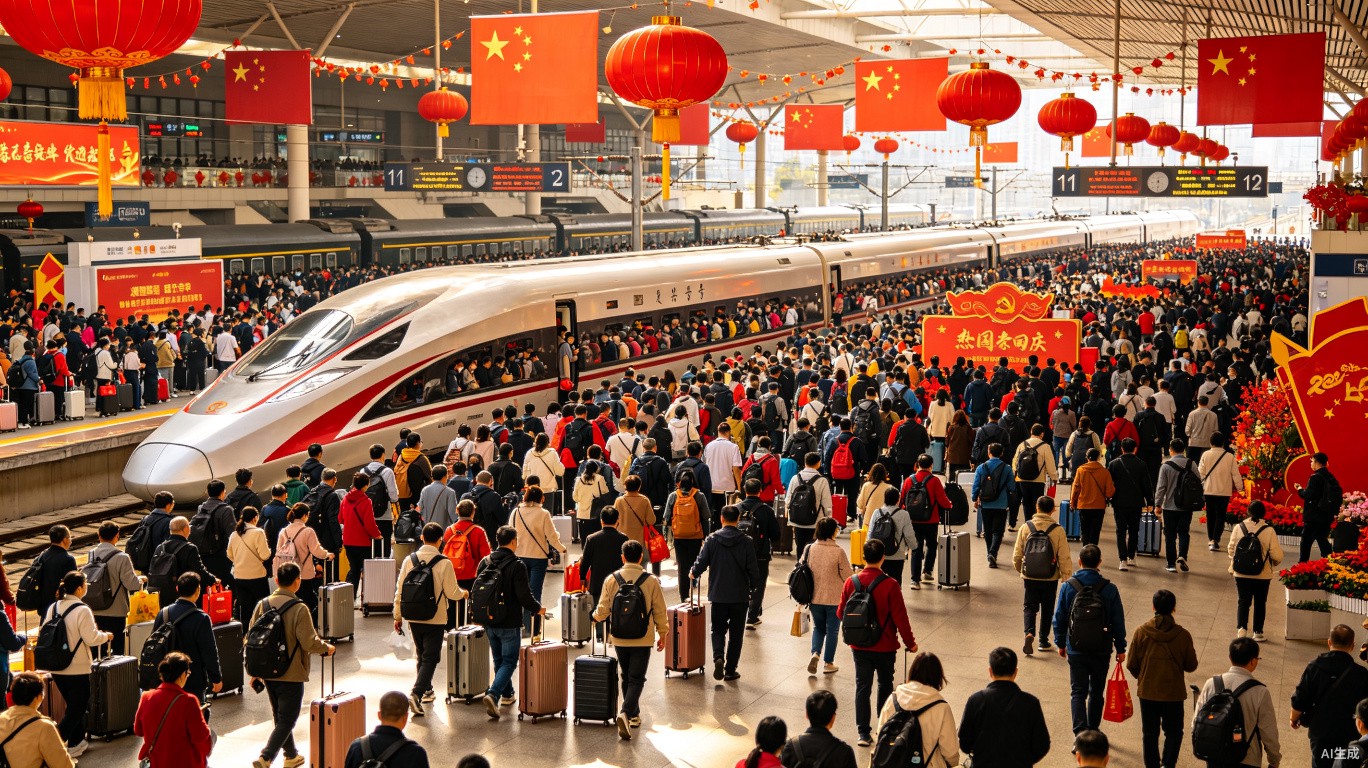
China Golden Week Travel Survival Guide
How to survive China's National Day Golden Week (October 1-7) - what to avoid, where to go, and how to beat the crowds.
9 min read
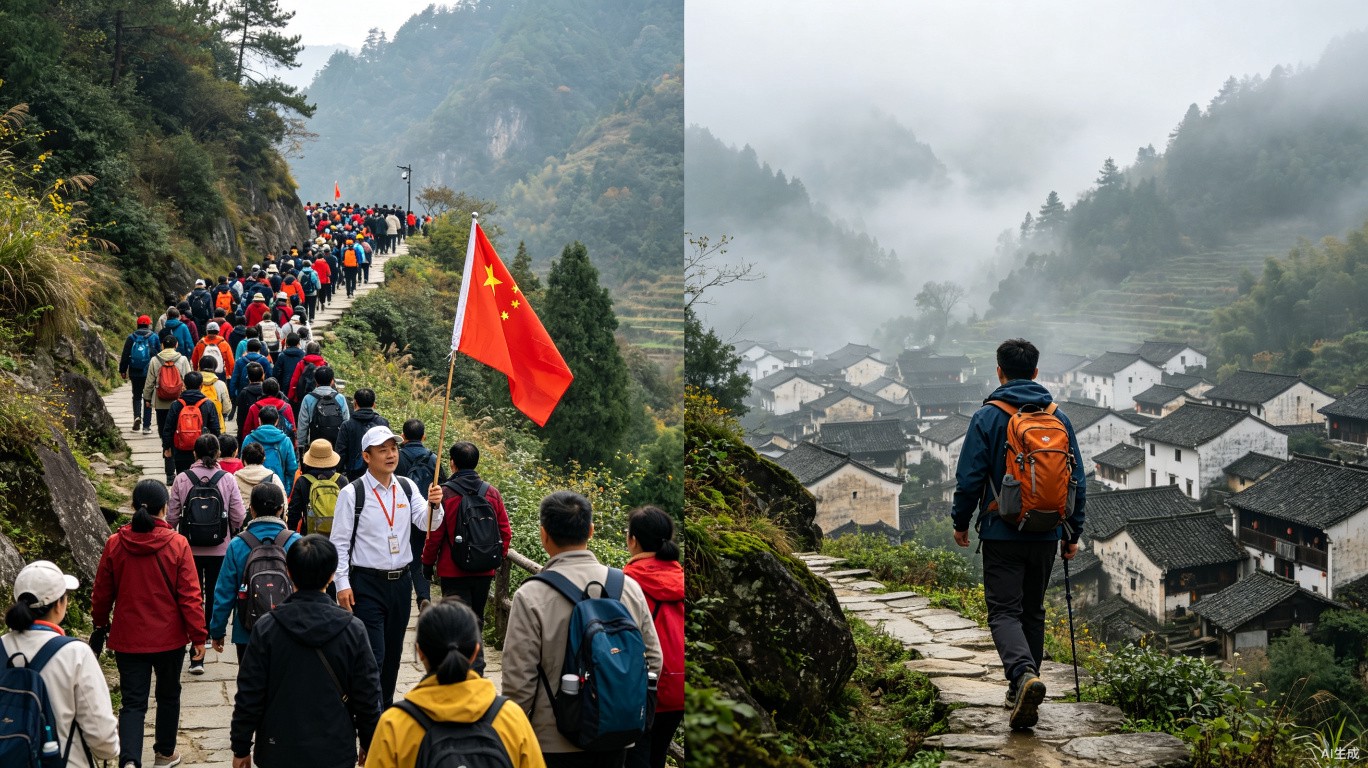
China Group Tours vs Independent Travel Which is Better
Should you join a guided tour or travel independently in China? Honest comparison of cost, flexibility, and experience.
7 min read
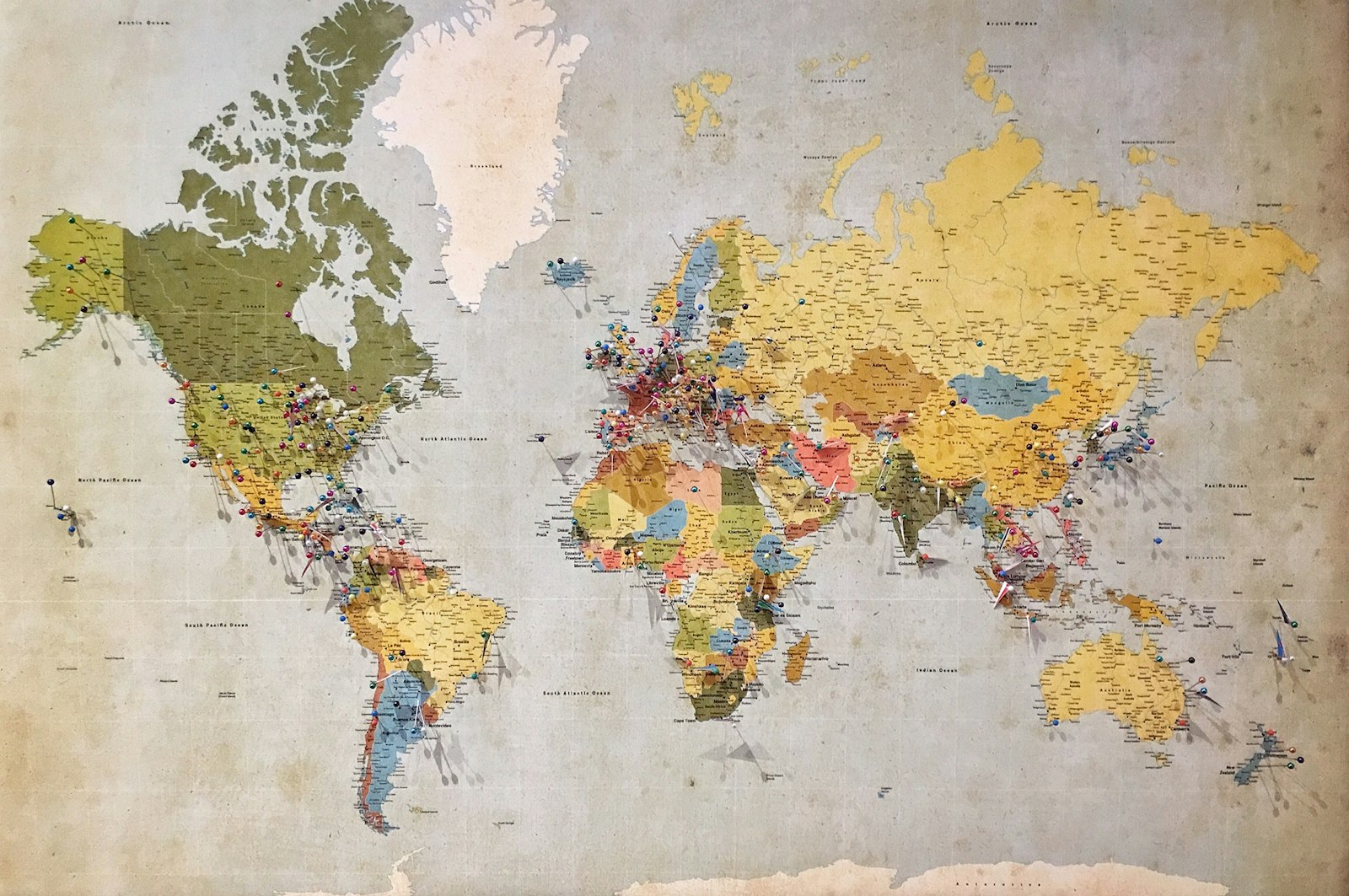
China Itinerary Planning: 7-Day 14-Day and 21-Day Routes: The Complete 2026 G...
Not sure how many days to spend in China? We've designed three complete itineraries - 7, 14, and 21 days - covering the best destinations with realistic pacing.
9 min read