
China Great Wall Mutianyu Section Guide
China Great Wall Mutianyu Section Guide: 2026 guide covers current prices, transport, payment apps, and what foreign visitors need to know.
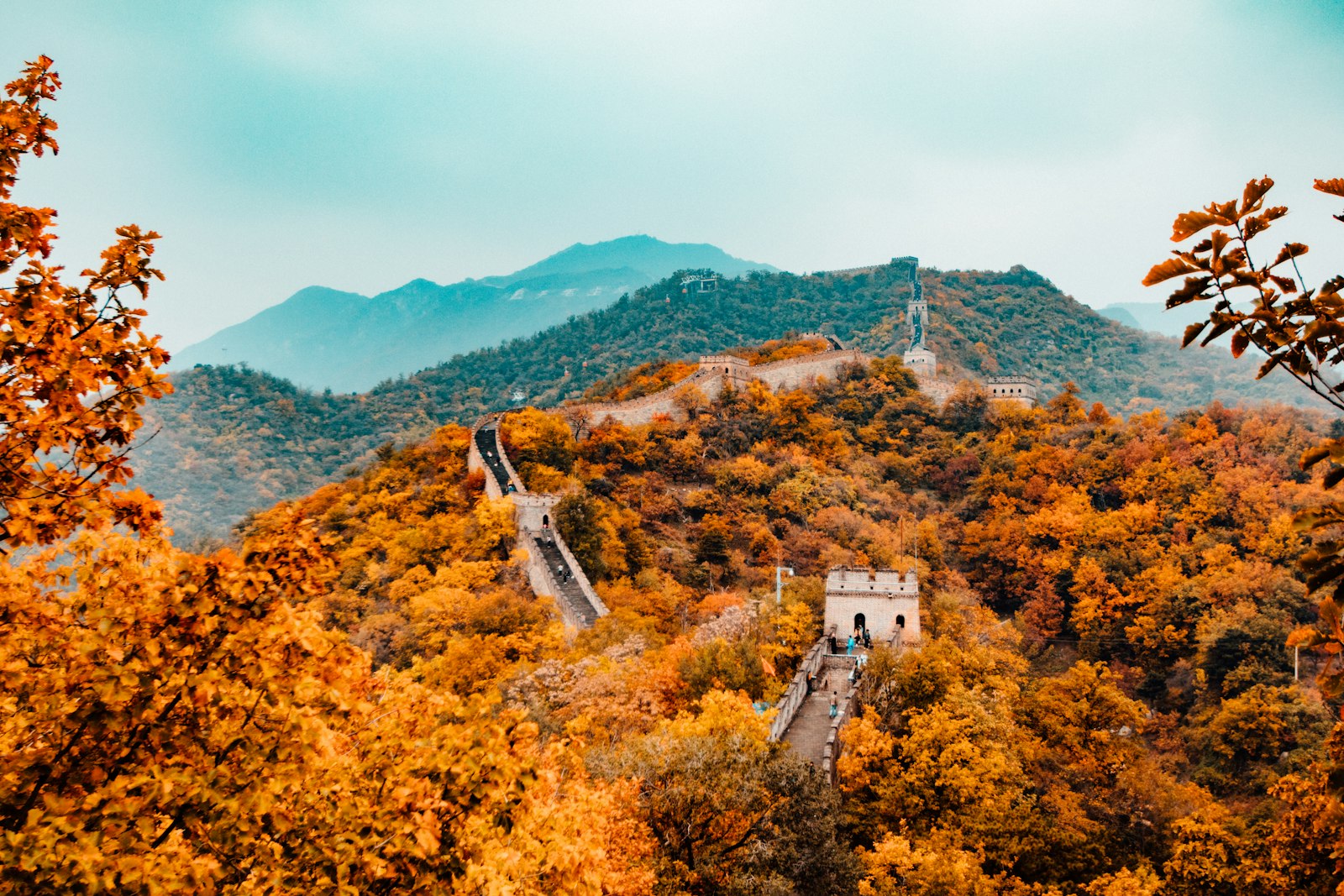
China Great Wall Mutianyu Section Guide: The Complete 2026 Guide
The cable car doors slid open, and the wind hit me first—cold, clean, carrying the faint smell of pine and dry earth. I stepped onto the platform and just stood there for a moment, watching the wall snake across the ridgeline like a stone dragon that had been sleeping for centuries. A Chinese grandmother in a red jacket was walking past me, holding her grandson’s hand, and she pointed at the watchtower ahead and said something I couldn’t understand. But I understood the gesture. Look at this. Isn’t it something?
I’ve been to the Great Wall maybe thirty times now. Badaling, Jinshanling, Simatai, Jiankou—I’ve walked them all in rain, snow, summer heat, and autumn fog. But Mutianyu is the one I keep coming back to. Not because it’s the most dramatic section (that’s Jiankou) or the most restored (that’s Badaling). I come back because it’s the one I’d take my own mother to. It’s the section that gives you the full experience—the steep climbs, the watchtowers, the mountain views—without making you fight through tour bus crowds or worry about crumbling steps.
This guide is for first-time visitors to China who want to see the Great Wall without the hassle. I’ll tell you exactly how to get there, what to expect, what to skip, and what I wish someone had told me before my first time.
Quick answer
The cable car doors slid open, and the wind hit me first—cold, clean, carrying the faint smell of pine and dry earth.
The Short Version
Go to Mutianyu. Take the direct bus from Dongzhimen or book a private driver. Arrive by 8:30 AM to beat the crowds. Take the cable car up, walk west toward the unrestored section, then take the toboggan down if you’re not afraid of speed. Bring cash, water, and snacks—the food at the base is overpriced and mediocre. Skip Badaling entirely unless you enjoy being in a human traffic jam on an ancient wall.
How I Picked These
I’ve visited Mutianyu seven times over the past five years—in every season, on weekdays and weekends, with friends who’d never been to China and with my parents who complained about the stairs. I’ve taken the direct bus, the public bus, a private car, and once a Didi that got lost for forty minutes. I’ve eaten at every restaurant at the base, tried both cable car companies, and walked every open section of the wall. I also talked to three local guides, two ticket booth workers, and a toboggan operator named Mr. Chen who’s been working there since 2008. This guide is what I’d tell a friend who’s coming to Beijing for the first time and has one day for the Wall.
Comparison Table
| Rank | Section | Best For | Approx Cost (USD) | Time Needed | When to Go |
|------|---------|----------|-------------------|-------------|------------|
| 1 | Mutianyu | First-timers, families, moderate hiking | $60-80 (¥430-580) | 4-6 hours | Weekday, Oct-Nov or Apr-May |
| 2 | Badaling | Easy access, wheelchair-friendly | $50-70 (¥360-500) | 3-4 hours | Early morning, off-season |
| 3 | Jinshanling | Photography, serious hiking | $70-90 (¥500-650) | 5-7 hours | Weekday, autumn |
| 4 | Simatai | Night tours, fewer tourists | $80-100 (¥580-720) | 4-5 hours | Late afternoon for sunset |
| 5 | Jiankou | Adventure, wild wall | Free (unofficial) | 6-8 hours | Dry season, experienced hikers only |
| 6 | Huanghuacheng | Lake views, less crowded | $55-75 (¥400-540) | 3-5 hours | Spring or autumn |
| 7 | Gubeikou | History, no restoration | $45-60 (¥320-430) | 4-6 hours | Weekday, clear weather |
| 8 | Jiankou to Mutianyu hike | Epic full-day trek | $60-80 (¥430-580) | 7-9 hours | Autumn, guided only |
| 9 | Shanhaiguan | Eastern end, ocean views | $40-55 (¥290-400) | 2-3 hours | Summer, clear day |
| 10 | Jiayuguan | Western end, desert fortress | $35-50 (¥250-360) | 2-3 hours | Spring or autumn |
1. Mutianyu — The One I’d Take My Mom To
The first time I went to Mutianyu, I made the classic mistake. I showed up at 11 AM on a Saturday in October. The queue for the cable car was forty-five minutes long. A British guy behind me was arguing with his girlfriend about whether they should just walk up. They stayed in line. So did I.
But here’s the thing about Mutianyu: even with crowds, it works. The wall is wide enough that you don’t feel trapped. The watchtowers are spaced so you can always find a quiet corner. And once you walk past the first few towers, the crowd thins out dramatically. By the time I reached Tower 14, I had the wall almost to myself.
What makes Mutianyu special is the balance. It’s restored enough to be safe—no crumbling edges, no missing steps—but not so restored that it feels like a theme park. The watchtowers still have that Ming Dynasty feel: thick stone walls, arched windows, the original brickwork visible where the mortar has worn away. The views stretch across layer after layer of green mountains, and on a clear day you can see the wall disappearing into the distance like a thread stitching the hills together.
📍 Location: Huairou District, about 70km northeast of Beijing
🎫 Entry fee: $6 (¥45) for the park, plus $15 (¥100) for cable car round trip, or $12 (¥80) for toboggan one-way
🕐 Opening hours: 7:30 AM to 5:30 PM (summer), 8:00 AM to 5:00 PM (winter)
🚆 How to get there: Take Subway Line 2 to Dongzhimen Station, Exit B. Walk to the Dongzhimen Transportation Hub and find the direct bus to Mutianyu (bus number 916快, then transfer to H23 or H24 at Huairou — or take the direct tourist bus that runs from April to October, about $8/¥60 one-way). Alternatively, book a private driver through your hotel for about $60-80 (¥430-580) round trip.
⏰ When to visit: Weekday mornings, ideally a Tuesday or Wednesday. Arrive by 8:00 AM. October and November for autumn colors, April and May for spring green. Avoid Chinese national holidays (first week of October, Labor Day in May, Spring Festival in January/February).
💡 Insider tips:
-
The toboggan is worth it. It’s a 1.5km slide down the mountain on a plastic sled with a brake lever. Go slow if you’re nervous, or full speed if you’re not. Mr. Chen, the operator, told me they’ve never had a serious accident.
-
Bring your own food. The restaurant at the base charges $12 (¥85) for a bowl of noodles that tastes like it was boiled in regret.
-
The wall has two cable car companies. Use the one on the left (the Mutianyu Great Wall Cableway) — it’s newer and faster.
-
Walk west from the cable car drop-off. The eastern section gets all the crowds. The western section, past Tower 14, is quieter and leads to the unrestored part.
-
If you’re fit, skip the cable car and walk up. The path takes about 45 minutes and passes through a small village with actual local food.
-
I bought a fake “Great Wall certificate” from a vendor near the exit for $2 (¥15). It’s now framed in my bathroom. Best souvenir I’ve ever bought.
2. Badaling — The One Everyone Warns You About
I went to Badaling once. Once was enough.
The bus dropped us off in a parking lot the size of a football field, already full at 9 AM. We walked through a shopping complex that felt like an airport duty-free zone—same stores, same products, same prices. Then we joined the human river flowing toward the wall. The steps were so crowded that I couldn’t stop to take a photo without someone bumping into me.
Badaling is the most visited section of the Great Wall for a reason: it’s the easiest to reach. The high-speed train from Beijing North Station takes just 20 minutes. The wall is fully restored with handrails and wide steps. There are elevators. There’s a 4D movie theater. It’s accessible, safe, and completely sanitized.
But here’s the problem: it feels like a tourist attraction, not a historical site. The wall at Badaling is so crowded that you spend more time dodging selfie sticks than looking at the mountains. The vendors are aggressive. The food is terrible. And the whole experience left me feeling like I’d seen a photograph of the Great Wall, not the real thing.
📍 Location: Yanqing District, about 70km northwest of Beijing
🎫 Entry fee: $5 (¥35) for the park, plus $12 (¥80) for cable car
🕐 Opening hours: 6:30 AM to 7:00 PM (summer), 7:30 AM to 5:00 PM (winter)
🚆 How to get there: Take Subway Line 2 or Line 4 to Xizhimen Station, then walk to Beijing North Station and take the S2 high-speed train to Badaling (20 minutes, $2/¥15). Or take bus 877 from Deshengmen.
⏰ When to visit: If you must go, go on a weekday in winter. Arrive at 7 AM. Leave by 10 AM.
💡 Insider tips:
-
The S2 train is beautiful—it goes through the mountains and passes a section of the wall. Sit on the left side for the best views.
-
Skip the cable car. The walk up takes 30 minutes and is less crowded.
-
The “Great Wall Night Tour” is a gimmick. They light up a 200-meter section with colored lights. It’s not worth the money.
-
I met a French couple at Badaling who had been waiting in line for the cable car for an hour. They looked miserable. I told them about Mutianyu. They took my advice the next day and sent me a photo of themselves on the toboggan. They looked happy.
3. Jinshanling — The Photographer’s Wall
The first time I went to Jinshanling, I forgot my camera battery. I stood at the top of a watchtower, watching the sun set behind the mountains, the wall curving away into the golden light, and I had to just… look at it. No photos. Just me and the wall and the wind.
That’s Jinshanling. It’s the most photogenic section of the Great Wall, and everyone who goes there knows it. The wall here is a mix of restored and unrestored sections, which means you get the drama of crumbling watchtowers without the danger of Jiankou. The towers are spaced closely together, creating that iconic zigzag pattern you see in all the postcards. The mountains are steeper, the views are wider, and the crowds are thinner.
Jinshanling is about 130km from Beijing, which means it takes longer to get there. But the trade-off is worth it. On a weekday in October, I walked for three hours and saw maybe twenty other people. The wall stretched ahead of me, empty and silent, the only sounds being the wind and my own footsteps on the stone.
📍 Location: Luanping County, Hebei Province, about 130km northeast of Beijing
🎫 Entry fee: $9 (¥65) for the park, plus $15 (¥100) for cable car
🕐 Opening hours: 8:00 AM to 5:00 PM (summer), 8:30 AM to 4:30 PM (winter)
🚆 How to get there: Take a bus from Beijing to Jinshanling (there are direct buses from Dongzhimen and Sanyuanqiao, about $10/¥70, 3 hours). Or book a private driver for about $80-100 (¥580-720) round trip.
⏰ When to visit: October for autumn colors. Weekdays only. Arrive by 8:30 AM.
💡 Insider tips:
-
The sunrise here is incredible. Stay overnight at a local guesthouse (about $30/¥215 per night) and wake up early.
-
Walk from Jinshanling to Simatai West. It’s a 5km hike that takes about 3 hours and crosses some of the most beautiful sections of the wall.
-
Bring a tripod. The watchtowers have perfect framing for long exposures.
-
The local guesthouses serve simple but good food. Try the braised pork with chestnuts.
-
I met a retired photographer from Germany at Jinshanling who had been coming to this section every year for a decade. He showed me his photos from 2014—the same watchtower, same angle, different light. “The wall never looks the same twice,” he said.
4. Simatai — The Night Wall
I didn’t expect to love Simatai. I’d heard it was touristy, that the night tour was a gimmick, that the wall was too restored. But I went anyway, on a late October evening, and I was wrong.
Simatai is the only section of the Great Wall that’s open at night, and the experience is genuinely magical. The wall is lit with soft amber lights that follow the contours of the mountains, creating this warm glow against the dark sky. The watchtowers are illuminated from below, so they look like ancient lanterns floating in the darkness. And because most tourists leave by 5 PM, the night tour is surprisingly quiet.
The section itself is steep—some of the steps are almost vertical—and the restoration is recent, so everything feels clean and new. But the views at night make up for it. You can see the lights of Gubei Water Town below, reflecting in the reservoir, and the wall stretching into the darkness like a spine of light.
📍 Location: Miyun District, about 120km northeast of Beijing
🎫 Entry fee: $6 (¥45) for the park, plus $18 (¥130) for cable car, plus $18 (¥130) for night tour
🕐 Opening hours: 8:00 AM to 5:00 PM (day), 5:30 PM to 9:00 PM (night, seasonal)
🚆 How to get there: Take the direct bus from Dongzhimen to Gubei Water Town (about $10/¥70, 2 hours). Then take the free shuttle to Simatai. Or book a private driver for about $70-90 (¥500-650) round trip.
⏰ When to visit: Late afternoon, so you can see the sunset and then the night lights. Weekdays only. October and November are best.
💡 Insider tips:
-
The night tour is seasonal (usually April to October). Check the official website before you go.
-
Gubei Water Town at the base is a replica of a traditional Chinese water village. It’s touristy but pretty at night.
-
The cable car closes at 9 PM. Don’t miss the last one down.
-
Bring a jacket. It gets cold on the wall after sunset, even in summer.
-
I ate dinner at a restaurant in Gubei Water Town that served “Great Wall-themed” dishes. The “watchtower” was a stack of fried tofu. It was terrible. Eat before you go.
5. Jiankou — The Wild One
I don’t recommend Jiankou for first-time visitors. I almost died there. Not dramatically—just a slip on a loose stone that could have sent me down a fifty-meter slope. I caught myself on a root, scraped my hand, and sat there for ten minutes trying to calm down.
Jiankou is the “wild wall”—unrestored, unmaintained, and genuinely dangerous. The steps are crumbling. The watchtowers are collapsing. The wall climbs at angles that feel impossible. And that’s exactly why people love it.
If you’re an experienced hiker and you want to see the Great Wall as it really is—a ruined structure being reclaimed by nature—Jiankou is unforgettable. The wall here is dramatic, with sections that climb almost vertically and towers that have partially collapsed, creating these perfect frames for photos. The views are raw and powerful, and the sense of isolation is complete.
But please, for the love of everything, don’t go alone. Don’t go in wet weather. Don’t go without proper hiking shoes. And don’t try to walk the entire section unless you’re with a guide who knows the safe routes.
📍 Location: Huairou District, about 80km north of Beijing
🎫 Entry fee: Free (unofficial entrance through villages)
🕐 Opening hours: Always open, but only during daylight
🚆 How to get there: Take a private driver to Xizhazi Village (about $50-70/¥360-500 one way). From there, follow the trail up to the wall (about 30-45 minutes).
⏰ When to visit: Dry season only (October to May). Avoid rain and snow.
💡 Insider tips:
-
Hire a local guide from Xizhazi Village. They know the safe routes and can show you sections you’d never find alone. Expect to pay about $30 (¥215) for a half-day guide.
-
The most famous section is the “Beijing Knot”—where three sections of wall meet. It’s spectacular but requires a steep climb.
-
Bring more water than you think you need. There are no vendors on the wall.
-
The hike from Jiankou to Mutianyu is one of the best in China. It takes about 4-5 hours and ends at the restored section. Do it with a guide.
-
I met a guy from Australia at the base of Jiankou who was trying to do the entire wall on foot. He’d been walking for three months. He looked exhausted and ecstatic.
6. Huanghuacheng — The Lake Wall
Huanghuacheng is the Great Wall’s best-kept secret. It’s the only section where the wall meets water—a reservoir that was built in the 1970s, flooding part of the wall and creating this surreal landscape where watchtowers rise out of the lake.
I went on a foggy morning in May, and the wall disappeared into the mist like a ghost. The lake was still, reflecting the gray sky and the dark shapes of the towers. A fisherman was sitting on the shore, not moving, not making a sound. I watched him for ten minutes before he even blinked.
The wall here is partially restored—some sections are safe to walk, others are crumbling. The path follows the shoreline, so you get constant views of the water and the mountains. It’s not as dramatic as Jinshanling or as wild as Jiankou, but it has a quiet beauty that stays with you.
📍 Location: Huairou District, about 65km north of Beijing
🎫 Entry fee: $5 (¥35) for the park
🕐 Opening hours: 8:00 AM to 5:00 PM
🚆 How to get there: Take bus 916快 from Dongzhimen to Huairou, then transfer to bus H21 to the Huanghuacheng entrance (about 2.5 hours total, $5/¥35). Or book a private driver for about $50-70 (¥360-500) round trip.
⏰ When to visit: Spring for the peach blossoms, autumn for the colors. Weekdays only.
💡 Insider tips:
-
The best photos are from the opposite shore. Take the boat across the reservoir (about $3/¥20) for the classic view.
-
There’s a small temple on the lake that’s worth a visit. It’s dedicated to the Dragon King, the god of water.
-
The hiking trail around the lake takes about 2-3 hours. It’s easy and mostly flat.
-
Bring mosquito repellent in summer. The lake attracts bugs.
-
I had lunch at a farmhouse restaurant near the entrance. The owner, a woman in her sixties, brought out dish after dish—scrambled eggs with tomatoes, stir-fried greens, braised tofu. Total cost: $4 (¥30). Best meal I’ve had near the Wall.
7. Gubeikou — The Historian’s Wall
Gubeikou is where you go when you want to understand the Great Wall, not just see it. This section has been fought over for centuries—it was a strategic pass during the Ming Dynasty, and the wall here shows the scars. Cannon holes, collapsed battlements, watchtowers that were rebuilt multiple times.
I walked Gubeikou with a local historian named Mr. Zhang, who pointed out details I would have missed completely. “See that groove in the stone?” he said, pointing at a channel worn into the step. “That’s from the ropes they used to haul supplies up the wall. A thousand years of rope, wearing away the stone.”
The wall here is unrestored, but it’s stable enough to walk safely. The section connects to Jinshanling, so you can do a longer hike if you have the time and energy. But Gubeikou itself is worth a full day—the history is so dense that you could spend hours just looking at the details.
📍 Location: Miyun District, about 120km northeast of Beijing
🎫 Entry fee: $5 (¥35) for the park
🕐 Opening hours: 8:00 AM to 5:00 PM
🚆 How to get there: Take bus 980 from Dongzhimen to Miyun, then transfer to a local bus to Gubeikou (about 3 hours total, $6/¥45). Or book a private driver for about $60-80 (¥430-580) round trip.
⏰ When to visit: Clear days only. The wall is in a valley, so fog can obscure the views.
💡 Insider tips:
-
Hire a local guide from the village. They know the history and can show you hidden sections.
-
The hike from Gubeikou to Jinshanling takes about 3-4 hours. It’s moderately difficult.
-
There’s a small museum at the entrance that explains the military history of the pass. It’s worth 20 minutes.
-
The village at the base has a few simple guesthouses. Stay overnight if you want to catch the sunrise.
-
Mr. Zhang, my guide, told me that his grandfather had fought in the last battle at Gubeikou, in 1933 against the Japanese. He showed me a photo of his grandfather standing on the wall, holding a rifle. “He was 19,” Mr. Zhang said. “Same age as me when I first came here.”
8. Jiankou to Mutianyu Hike — The Full Experience
This is the hike I recommend to anyone who’s reasonably fit and wants the complete Great Wall experience. It starts at the wild, crumbling Jiankou section and ends at the restored, tourist-friendly Mutianyu. You get the best of both worlds.
I did this hike with a guide named Xiao Wang, who grew up in a village near Jiankou. He moved like a mountain goat, leaping from stone to stone while I scrambled behind him, sweating and swearing. “Slow down!” I yelled. He laughed and kept going.
The hike takes about 4-5 hours, depending on your pace and how many photos you stop to take. The first hour is the hardest—steep climbs over loose stones, sections where you have to use your hands. But then you reach the “Beijing Knot,” where three walls meet, and the view opens up. After that, the wall becomes easier, and by the time you reach Mutianyu, you’re walking on restored stone with handrails and tourists taking selfies.
📍 Location: Huairou District, from Xizhazi Village to Mutianyu
🎫 Entry fee: Free for Jiankou, $6 (¥45) for Mutianyu exit
🕐 Opening hours: Start by 8 AM, finish by 2 PM
🚆 How to get there: Take a private driver to Xizhazi Village (about $50-70/¥360-500 one way). Arrange for a driver to pick you up at Mutianyu.
⏰ When to visit: October for the best weather and colors. Weekdays only.
💡 Insider tips:
-
You need a guide. The Jiankou section is dangerous without someone who knows the safe routes.
-
Bring at least 2 liters of water per person. There are no vendors on the wall.
-
Wear hiking boots with good grip. The loose stones are slippery.
-
Pack a lunch. You’ll be on the wall for 4-5 hours.
-
Xiao Wang told me that his grandmother used to walk this section every week to visit her sister in the next valley. “She was 70,” he said. “She did it in three hours.”
9. Shanhaiguan — The Eastern Beginning
Shanhaiguan is where the Great Wall meets the sea. It’s not the most beautiful section—the wall here is short and heavily restored—but the symbolism is powerful. This is where the wall begins (or ends, depending on how you look at it).
I went to Shanhaiguan on a gray November day, and the sea was rough, waves crashing against the base of the wall. The “Old Dragon’s Head” section extends into the water, and you can walk out to the end and watch the waves break against the Ming Dynasty stones. It’s not dramatic in the way the mountain sections are, but there’s something moving about seeing the wall end at the water.
The town of Shanhaiguan is also worth a visit. The old city walls are intact, and there’s a lively market street with local snacks and souvenirs. The famous “First Pass Under Heaven” gate is impressive, though the area around it is touristy.
📍 Location: Qinhuangdao, Hebei Province, about 300km east of Beijing
🎫 Entry fee: $6 (¥45) for the park, plus $8 (¥55) for the Old Dragon’s Head
🕐 Opening hours: 7:30 AM to 5:30 PM (summer), 8:00 AM to 5:00 PM (winter)
🚆 How to get there: Take the high-speed train from Beijing South Station to Qinhuangdao (about 2 hours, $25/¥180). Then take a local bus or taxi to Shanhaiguan (about 30 minutes, $5/¥35).
⏰ When to visit: Summer for the sea views, but avoid weekends. Spring and autumn are also good.
💡 Insider tips:
-
The Old Dragon’s Head is best at sunset, when the light hits the water.
-
Try the local seafood. Qinhuangdao is known for its fresh fish and crabs.
-
The “Great Wall Museum” in Shanhaiguan is surprisingly good. It has a detailed history of the wall’s construction.
-
The high-speed train from Beijing is comfortable and reliable. Book your ticket in advance on 12306.cn.
-
I ate at a small restaurant near the First Pass Under Heaven. The owner, a woman named Auntie Chen, insisted I try the “Great Wall beer.” It was just Tsingtao in a different bottle. But she was so proud of it that I drank three.
10. Jiayuguan — The Western Fortress
Jiayuguan is the opposite end of the Great Wall—the westernmost pass, where the wall ends in the Gobi Desert. It’s not a wall section in the traditional sense. It’s a fortress, a massive stone complex that controlled the Silk Road for centuries.
I arrived at Jiayuguan after a long train ride from Beijing, and the first thing I noticed was the silence. No crowds, no vendors, no music. Just the wind blowing across the desert and the massive walls rising out of the sand.
The fortress is incredibly well-preserved. You can walk along the walls, climb the watchtowers, and look out over the desert. The “Overhanging Great Wall” section nearby is a short, steep wall that climbs a mountain ridge—it’s been restored, but the views of the desert are stunning.
Jiayuguan is far from Beijing—it’s in Gansu Province, near the city of Jiayuguan. You need at least two days to visit properly. But if you want to see the Great Wall in its full geographical context, from the sea to the desert, this is the place.
📍 Location: Jiayuguan City, Gansu Province, about 2,000km west of Beijing
🎫 Entry fee: $15 (¥110) for the fortress, plus $8 (¥55) for the Overhanging Wall
🕐 Opening hours: 8:30 AM to 6:00 PM (summer), 9:00 AM to 5:30 PM (winter)
🚆 How to get there: Take a flight from Beijing to Jiayuguan (about 3 hours, $100-150/¥720-1080). Or take the high-speed train from Beijing West Station (about 8 hours, $80/¥575).
⏰ When to visit: Spring or autumn. Summer is hot, winter is cold. Avoid Chinese holidays.
💡 Insider tips:
-
The fortress is best in the late afternoon, when the light turns the walls golden.
-
The “Great Wall Museum” at Jiayuguan is excellent. It has artifacts from the Silk Road and detailed models of the wall.
-
The Overhanging Wall is a steep climb, but the view from the top is worth it.
-
Stay overnight in Jiayuguan city. There are good hotels and restaurants.
-
I met a Korean backpacker at Jiayuguan who had been traveling the Silk Road for two months. She showed me photos of her journey—from Xi’an to Dunhuang to Kashgar. “The wall is just one part of the story,” she said. “The road is the real adventure.”
FAQ summary
Key points covered: Q: Do I need to book tickets in advance for Mutianyu; Q: Can I use my phone at the Great Wall; Q: Is the Great Wall safe for children; Q: How much cash should I bring; Q: What should I wear.
FAQ
Q: Do I need to book tickets in advance for Mutianyu?
A: Yes, especially during peak season (April-October). You can book on the official WeChat mini-program or through your hotel. Walk-up tickets are available but the queue can be 30-45 minutes.
Q: Can I use my phone at the Great Wall?
A: Yes, but you’ll need a Chinese SIM card or an international roaming plan. Most sections have decent signal. You’ll also need a VPN if you want to access Google, Facebook, Instagram, or WhatsApp. Set it up before you arrive.
Q: Is the Great Wall safe for children?
A: Mutianyu is the safest option. The steps are even and there are handrails. The cable car and toboggan are fun for kids. Avoid Jiankou and Gubeikou with young children.
Q: How much cash should I bring?
A: The entrance fee and cable car can be paid with WeChat Pay or Alipay. But bring about $20-30 (¥150-200) in cash for snacks, souvenirs, and the toboggan. Some small vendors don’t accept digital payments.
Q: What should I wear?
A: Comfortable walking shoes with good grip. Layers—the wall can be cold and windy even in summer. A hat and sunscreen. And bring a light jacket for the cable car ride.
Q: Is the Great Wall wheelchair accessible?
A: Badaling has the best accessibility, with ramps and elevators. Mutianyu has a cable car but the wall itself has many steps. Other sections are not accessible.
Q: Can I visit the Great Wall in winter?
A: Yes, and it’s beautiful. The crowds are thin and the snow-covered wall is stunning. But it’s cold (below freezing) and some sections close early. Mutianyu and Badaling are open year-round.
The Honest Wrap-up
This list is for people who want to see the Great Wall and actually enjoy it. If you’re the type who wants to check a box and take a selfie, go to Badaling. It’s easy, it’s fast, and you’ll get your photo. But if you want to feel something—if you want to stand on a thousand-year-old wall and watch the mountains disappear into the distance and think about all the people who walked these stones before you—go to Mutianyu.
Or better yet, go to Mutianyu first, then come back for Jinshanling. And if you’re really brave, find a guide and hike from Jiankou to Mutianyu. That’s the Great Wall I remember most—not the restored sections or the tourist infrastructure, but the moment when I was standing on a crumbling watchtower, alone except for the wind, and I understood why this wall has been standing for six hundred years.
One last thing: book your flights. Stop reading guides. Just go.
Related Guides
Looking for more China travel guides? These match your topic:
- Best Time to See Cherry Blossoms in China 2026
- Best Time to Visit China: Month-by-Month Guide
- China Etiquette: Cultural Do’s and Don’ts for Foreigners: The Complete 2026 G…
- China Golden Week Travel Survival Guide
- China Group Tours vs Independent Travel Which is Better
- China Itinerary Planning: 7-Day 14-Day and 21-Day Routes: The Complete 2026 G…
Topics
More guides you may like
Best Time to See Cherry Blossoms in China 2026
Best Time to See Cherry Blossoms in China: 2026 guide covers current prices, transport, payment apps, and what foreign visitors need to know.
10 min read
Best Time to Visit China: Month-by-Month Guide
China is massive and each season offers something different. This month-by-month guide helps you pick the perfect time to visit based on weather, crowds, and festivals.
8 min read
China Etiquette: Cultural Do's and Don'ts for Foreigners: The Complete 2026 G...
China has unique social customs that can confuse first-time visitors. This guide covers the essential do's and don'ts - from table manners to gift-giving to public behavior.
9 min read
China Golden Week Travel Survival Guide
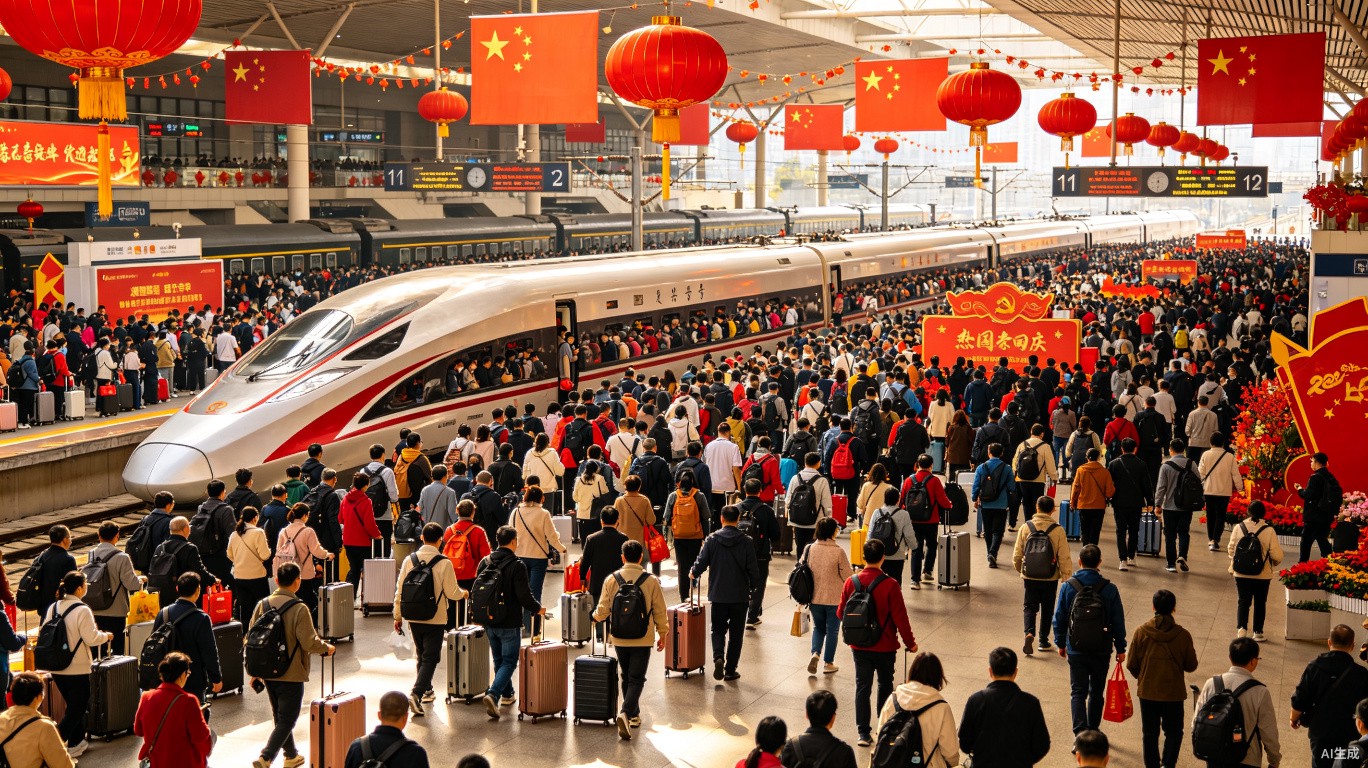
How to survive China's National Day Golden Week (October 1-7) - what to avoid, where to go, and how to beat the crowds.
9 min read
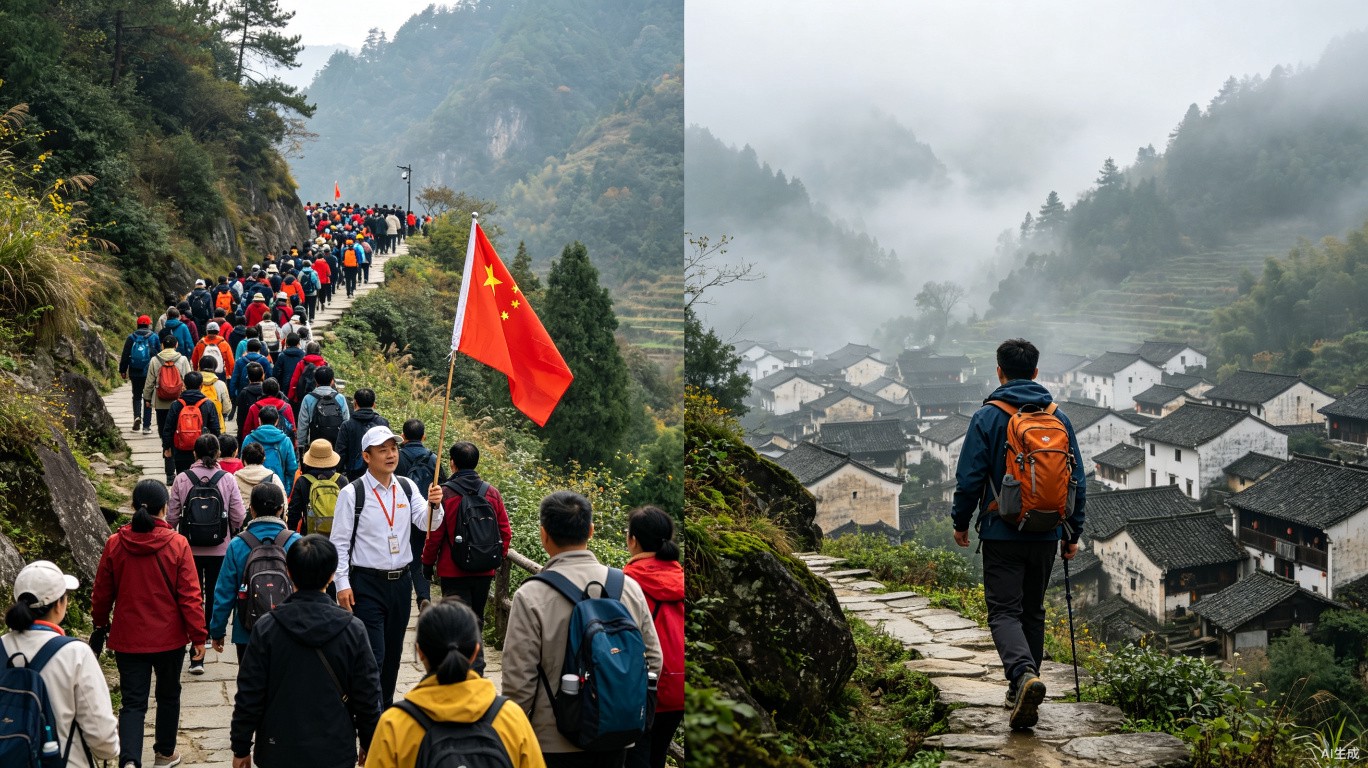
China Group Tours vs Independent Travel Which is Better
Should you join a guided tour or travel independently in China? Honest comparison of cost, flexibility, and experience.
7 min read
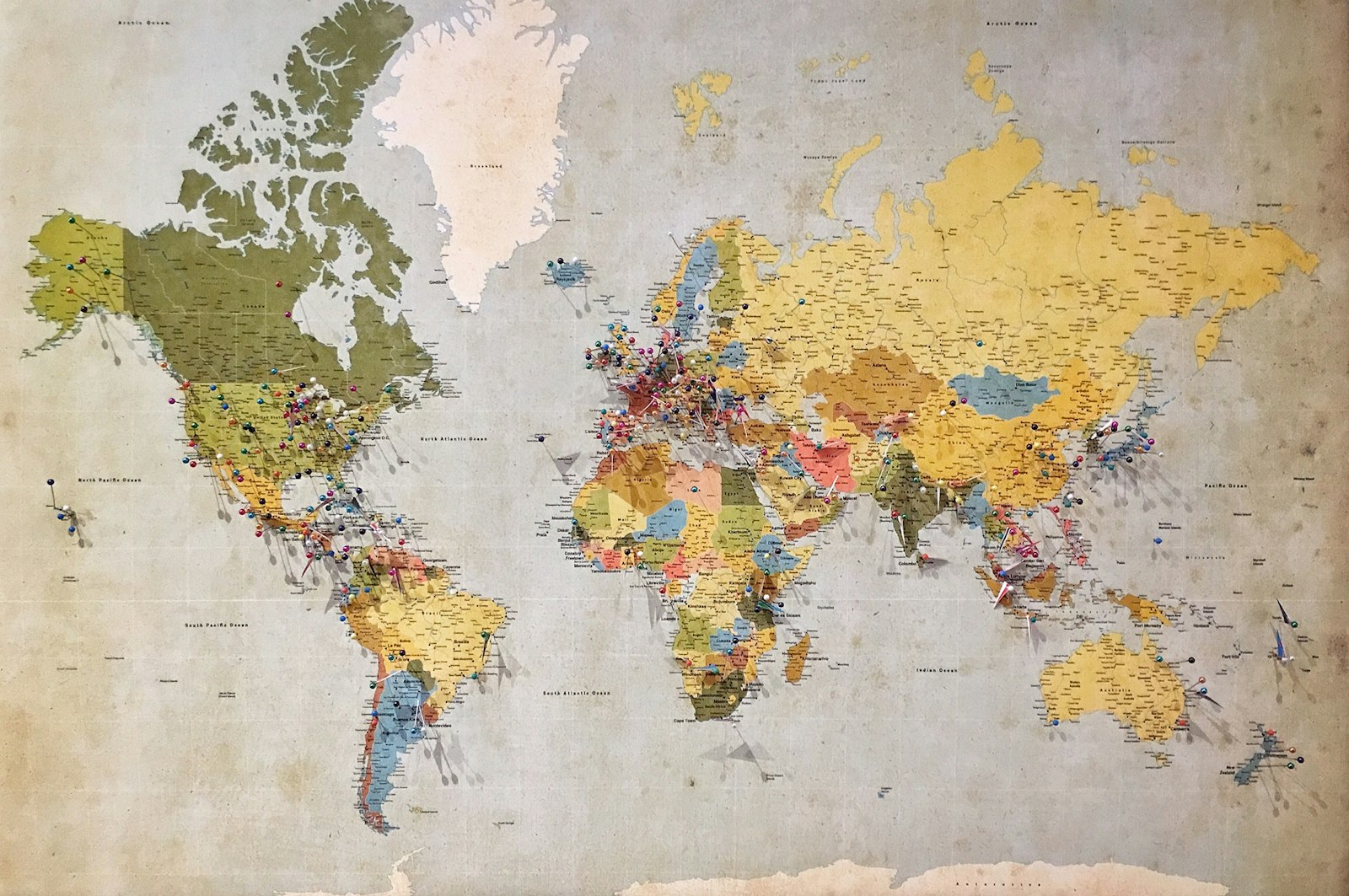
China Itinerary Planning: 7-Day 14-Day and 21-Day Routes: The Complete 2026 G...
Not sure how many days to spend in China? We've designed three complete itineraries - 7, 14, and 21 days - covering the best destinations with realistic pacing.
9 min read