
China High-Speed Rail Complete Guide 2026
China High-Speed Rail Complete Guide: 2026 guide covers current prices, transport, payment apps, and what foreign visitors need to know.
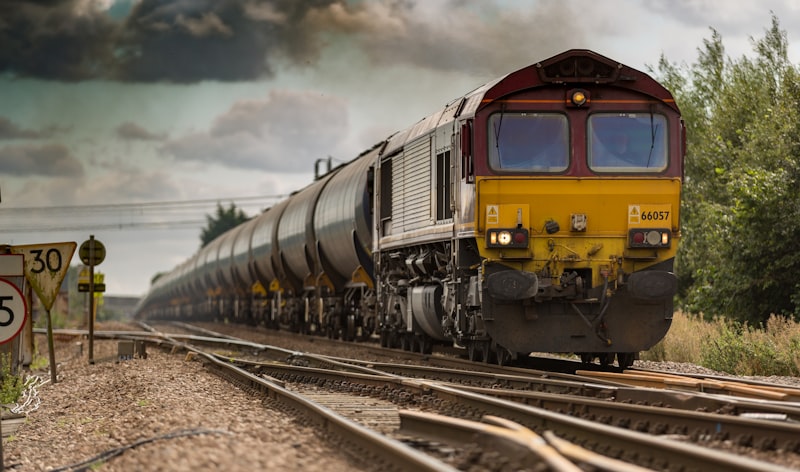
China High-Speed Rail Complete Guide 2026: The Complete 2026 Guide
The first time I saw a Chinese high-speed train pull into Beijing South Station, I was standing on the platform with a paper ticket that had more Chinese characters than I could read, a passport I was clutching too tightly, and absolutely no idea what I was doing. The train slid in silently. Not the screech I expected from European stations. Just a low hum, a whoosh of air, and then doors that opened with a soft ding. Inside, it was cleaner than my apartment. A woman in a blue uniform bowed slightly as I boarded. I sat down, the train accelerated to 300 km/h within minutes, and I watched the grey outskirts of Beijing blur into green countryside. I remember thinking: I have made a terrible mistake not figuring this out sooner.
Seven years later, I’ve taken over 200 high-speed trains across China. I’ve missed connections, bought the wrong ticket class, stood in the wrong queue, and once accidentally ended up in a city I’d never heard of because I misread the departure board. I’ve also watched the sunrise over rice terraces from a train window, eaten my body weight in station-platform snacks, and learned that the Chinese rail system is not just efficient—it’s a genuinely enjoyable way to see this country.
This guide is for first-time visitors who want to ride China’s high-speed rail without the panic I felt that first day. I’ll tell you exactly what to expect, what to avoid, and how to make the trains work for you.
The Short Version
If you’re reading nothing else: download Trip.com or 12306 app before you leave home. Bring your passport to the station—you need the physical document to board. Second-class seats are fine, first-class is worth the upgrade for trips over 3 hours, business class is for people who expense it. Arrive 30 minutes early, not 2 hours. Don’t lose your ticket (but you can scan your passport at most gates now). And for the love of everything, bring snacks—the dining car is mediocre and overpriced.
How I Picked These
I’ve ridden every major high-speed line in China at least once. Some routes I’ve done a dozen times. I’ve talked to ticket agents who didn’t speak English, taxi drivers who drew me maps on napkins, and fellow travelers who showed me their phone screens with translation apps. I’ve also made every mistake you can make: wrong platform, wrong train number, wrong station (Beijing has four major ones, and they are not interchangeable). These recommendations come from those experiences, plus conversations with Chinese friends who use the trains weekly. I’m not a railway engineer—I’m just someone who has spent a lot of time on these trains and wants you to have a better first trip than I did.
Comparison Table
| Rank | Route | Best For | Approx Cost (2nd Class, USD) | Time | Best Season |
|------|-------|----------|------------------------------|------|-------------|
| 1 | Beijing–Shanghai | First-timers, business travelers | $80 (¥580) | 4.5 hrs | Spring/Fall |
| 2 | Chengdu–Chongqing | Food lovers, quick city hop | $25 (¥180) | 1.5 hrs | Any season |
| 3 | Xi’an–Chengdu | History to nature transition | $55 (¥400) | 3.5 hrs | Spring/Autumn |
| 4 | Shanghai–Hangzhou | Day trippers, tea culture | $20 (¥145) | 1 hr | Spring (tea harvest) |
| 5 | Beijing–Xi’an | History buffs, first-timers | $65 (¥470) | 4.5 hrs | Fall |
| 6 | Guangzhou–Shenzhen | Business travelers, tech tourists | $15 (¥110) | 1 hr | Winter (warm) |
| 7 | Kunming–Dali | Scenic mountain route | $35 (¥250) | 2 hrs | Spring/Fall |
| 8 | Lanzhou–Urumqi | Long-distance epic, desert views | $75 (¥540) | 8 hrs | Summer |
| 9 | Shanghai–Nanjing | History, shorter trip | $25 (¥180) | 1.5 hrs | Spring (cherry blossoms) |
| 10 | Guiyang–Guangzhou | Mountain tunnels, rural China | $60 (¥430) | 4.5 hrs | Spring/Fall |
1. Beijing–Shanghai — The One You’ll Probably Take First
I remember the first time I did this route. I’d booked a 7 AM departure thinking I’d beat the crowds. Instead, I walked into Beijing South Station and found it already packed—hundreds of people standing in neat lines, suitcases aligned, everyone staring at the departure board like it held the secrets of the universe. The train itself was a revelation: wide seats, reliable WiFi (yes, really), and a smoothness that made my coffee sit perfectly level on the tray table.
This is the busiest high-speed route in the world, and for good reason. It connects China’s two biggest cities in under five hours. The trains run every 10-15 minutes during peak times. You don’t need to book days ahead unless it’s Chinese New Year or National Day. The scenery is mostly flat farmland and industrial suburbs, so bring a book or download a podcast. But the experience itself—the efficiency, the cleanliness, the sheer scale of it—is worth doing once just to feel like you’re in the future.
📍 Location: Beijing South Station (Line 4, Line 14, Exit D) to Shanghai Hongqiao Station (Line 2, Line 10, Line 17)
🎫 Cost: $80 (¥580) second class; $135 (¥980) first class
🕐 Duration: 4.5 hours (fastest train G-series); 5.5-6 hours for slower G-trains
🚆 Getting there: At Beijing South, enter through the south entrance—it’s less crowded. At Shanghai Hongqiao, follow signs to the metro—it’s a 10-minute walk from the platform to the station exit
⏰ When to ride: Weekday mornings (7-9 AM) are busy but manageable. Avoid the Friday evening rush and Sunday afternoon return
💡 Insider tips:
-
Book a G-series train (G1-G9) for the fastest trip—they skip most intermediate stops
-
The dining car serves instant noodles and boxed meals. Bring your own food
-
WiFi works but requires a Chinese phone number to register. Get a SIM card at the airport
-
Station food courts are better than the train food. Grab a jianbing (Chinese crepe) before boarding
-
If you’re connecting to another train, allow 45 minutes minimum at Shanghai Hongqiao—it’s a massive station
Specific memory: A man in a suit across the aisle spent the entire 4.5 hours on a video call, speaking in rapid Mandarin, occasionally laughing, never once looking out the window. I wondered where he was going, and why he wasn’t watching the farmland scroll by.
2. Chengdu–Chongqing — The Food Lover’s Express
The first time I did this route, I was hungover and grumpy. The train left at 7:30 AM, and I’d had three hours of sleep. But the moment we pulled out of Chengdu East, something shifted. The misty Sichuan countryside rolled past—green hills, bamboo groves, small temples on hilltops. By the time we hit Chongqing, I was awake, hungry, and ready for the spicy noodle soup that awaited me.
This is the shortest major high-speed route on this list, and it’s also one of the most useful. Chengdu and Chongqing are sister cities in spirit but completely different in personality. Chengdu is laid-back, tea-house culture, pandas. Chongqing is vertical, chaotic, cyberpunk architecture, and food that will make you sweat. The train connects them in 90 minutes. You can do a day trip if you’re ambitious, but I’d recommend at least one night in each.
📍 Location: Chengdu East Station (Line 2, Line 7, Exit A) to Chongqing North Station (Line 3, Line 4, Line 10, Exit 6) or Chongqing West Station
🎫 Cost: $25 (¥180) second class; $40 (¥290) first class
🕐 Duration: 1.5 hours (fastest); 2 hours (regular)
🚆 Getting there: Chengdu East is 20 minutes by metro from the city center. Chongqing North is closer to downtown than Chongqing West—book trains arriving at North if you can
⏰ When to ride: Any time. Trains run every 30 minutes. Avoid Chinese holidays when both cities empty out
💡 Insider tips:
-
The scenery is best in the morning when mist hangs over the hills
-
Both stations have excellent food courts. Try the dandan mian (noodles with chili oil) at Chengdu East
-
Chongqing is built on mountains—your hotel might be on the 15th floor but the street entrance is on the 8th. Prepare for stairs
-
Bring tissues. Many station bathrooms don’t have toilet paper
-
If you’re doing a day trip, leave Chengdu by 8 AM and return by 8 PM—you’ll have 10 hours in Chongqing
Specific food I tried: At Chengdu East Station, I bought a bag of spicy fuqi feipian (beef offal salad) from a vendor who didn’t speak English. She pointed at the bag, held up five fingers, and smiled. It was the best $3 I’ve ever spent on train station food.
3. Xi’an–Chengdu — From Terracotta Warriors to Panda Country
I took this train in November, and I remember watching the landscape change from the dry, brown hills of Shaanxi to the lush green of Sichuan. It happened gradually, then suddenly—like crossing a border into another country. The train goes through the Qinling Mountains, which means long tunnels and sudden bursts of daylight when you emerge into valleys you didn’t know existed.
This route is special because it connects two completely different Chinas. Xi’an is ancient, dusty, full of history and Muslim Quarter chaos. Chengdu is relaxed, green, full of tea houses and pandas. The train makes the transition in 3.5 hours. You’ll see terraced fields, small villages, and mountains that look like they were painted by someone who’d never seen a mountain but had heard a good description.
📍 Location: Xi’an North Station (Line 2, Line 4, Exit B) to Chengdu East Station (Line 2, Line 7, Exit A)
🎫 Cost: $55 (¥400) second class; $90 (¥650) first class
🕐 Duration: 3.5 hours (fastest); 4.5 hours (regular)
🚆 Getting there: Xi’an North is 30 minutes by metro from the city center (Terracotta Warriors area). Allow extra time for security—Xi’an North gets crowded
⏰ When to ride: Spring (March-May) or autumn (September-November). Summer is hot and humid on both ends
💡 Insider tips:
-
Book a window seat on the left side (facing direction of travel) for the best mountain views
-
The Qinling tunnel section lasts about 20 minutes. Your ears will pop
-
Xi’an North has a decent food court with biangbiang mian (wide noodles)—grab some before boarding
-
Chengdu East has a direct metro connection to the panda base (Line 3, then bus)
-
If you’re prone to motion sickness, the tunnels can be disorienting. Sit facing forward
Specific mistake I made: I booked the wrong Xi’an station. There are two: Xi’an Station (old, central) and Xi’an North Station (high-speed). I showed up at the wrong one with 20 minutes to spare. The taxi driver laughed, then drove me across town at terrifying speed. I made the train by three minutes.
4. Shanghai–Hangzhou — The Day Trip That Actually Works
I’ve done this route more times than I can count. The first time, I was meeting a friend who lived in Hangzhou, and I remember thinking: This is too easy. One hour from central Shanghai to central Hangzhou. No airport security. No baggage claim. Just a smooth ride through the Yangtze River Delta, past factories and farms and small towns that blur into each other.
Hangzhou is famous for West Lake, but that’s not why you should take this train. You should take it because it’s the perfect introduction to Chinese high-speed rail: short enough to be low-stakes, cheap enough to feel like a steal, and the destination is genuinely beautiful. The lake is lovely. The tea plantations in the hills are better. And the food—oh, the food. Hangzhou does a version of dongpo rou (braised pork belly) that will ruin you for all other pork.
📍 Location: Shanghai Hongqiao Station (Line 2, Line 10, Line 17) to Hangzhou East Station (Line 1, Line 4, Exit C)
🎫 Cost: $20 (¥145) second class; $35 (¥250) first class
🕐 Duration: 1 hour (fastest); 1.5 hours (regular)
🚆 Getting there: Shanghai Hongqiao is 30 minutes from People’s Square by metro. Hangzhou East is 20 minutes from West Lake by metro
⏰ When to ride: Spring (March-April) for tea harvest season. Avoid weekends in April when everyone from Shanghai goes to Hangzhou
💡 Insider tips:
-
Book the earliest train (around 6:30 AM) to arrive before the crowds
-
The tea plantations at Longjing Village are a 30-minute taxi from Hangzhou East
-
Hangzhou’s xiaolongbao (soup dumplings) are better than Shanghai’s. Fight me
-
Bring an umbrella—Hangzhou gets sudden rain showers year-round
-
If you have time, take the boat across West Lake to the islands. It’s touristy but worth it once
Specific person I met: A woman in her 60s sat next to me on the return trip. She was carrying a basket of fresh tea leaves. She didn’t speak English, I didn’t speak Mandarin, but she showed me how to smell the difference between first-harvest and second-harvest leaves. She gave me a handful to take home.
5. Beijing–Xi’an — The History Buff’s Express
I took this train on a Tuesday in October. The sky was that perfect Beijing autumn blue—sharp, clear, the kind of blue that makes you forgive the city for its January grey. The train left Beijing West at 8 AM, and by the time I’d finished my coffee and a roujiamo (Chinese hamburger) from the station food court, we were already past Shijiazhuang.
This is the route for anyone who wants to see the Terracotta Warriors without spending a whole day getting there. Xi’an is one of China’s great historical cities—the ancient capital, the start of the Silk Road, the place where Chinese civilization really took shape. The high-speed train makes it accessible as a long weekend trip from Beijing. Four and a half hours each way. Doable. Worth it.
📍 Location: Beijing West Station (Line 7, Line 9, Exit B) to Xi’an North Station (Line 2, Line 4, Exit B)
🎫 Cost: $65 (¥470) second class; $110 (¥800) first class
🕐 Duration: 4.5 hours (fastest); 5.5 hours (regular)
🚆 Getting there: Beijing West is 20 minutes from Tiananmen Square by taxi. Xi’an North is 40 minutes from the city wall by metro
⏰ When to ride: Fall (September-November) for comfortable weather. Avoid July-August when Xi’an is brutally hot
💡 Insider tips:
-
Book a morning train so you arrive in Xi’an with the whole afternoon ahead
-
The Terracotta Warriors are 1 hour from Xi’an North by taxi. Don’t take a tour bus—they’re overpriced
-
Xi’an’s Muslim Quarter is best visited at night. The street food is incredible
-
Bring a translation app—Xi’an has less English than Beijing or Shanghai
-
The train passes through some beautiful countryside near the Qinling Mountains. Look out for the terraced fields
Specific mistake I made: I didn’t book a return ticket in advance and ended up on a 7-hour train back to Beijing because all the fast trains were sold out. Book round-trip.
6. Guangzhou–Shenzhen — The Tech Corridor
This is the train I take when I need to remind myself that China is not just ancient temples and pandas. Guangzhou–Shenzhen is the business route, the tech route, the route where everyone is on a laptop and the train feels like a moving office. The first time I did it, I was the only person looking out the window. Everyone else was typing, talking, or sleeping with their heads on their briefcases.
It’s also the shortest route on this list—one hour from city center to city center. Shenzhen is the Silicon Valley of China, a city that didn’t exist 50 years ago and now has 17 million people. Guangzhou is older, messier, more Cantonese. The contrast is fascinating. And the train itself is a marvel of frequency—trains every 10 minutes during peak hours.
📍 Location: Guangzhou South Station (Line 2, Line 7, Exit A) to Shenzhen North Station (Line 4, Line 5, Line 6, Exit A)
🎫 Cost: $15 (¥110) second class; $25 (¥180) first class
🕐 Duration: 1 hour (fastest); 1.5 hours (regular)
🚆 Getting there: Guangzhou South is 40 minutes from the city center by metro. Shenzhen North is 20 minutes from the tech district (Nanshan) by taxi
⏰ When to ride: Weekdays are busy but efficient. Avoid Monday morning and Friday evening if you want a seat
💡 Insider tips:
-
This is the most English-friendly route on this list—both cities have large expat populations
-
Shenzhen North has a direct metro connection to the Huaqiangbei electronics market (Line 7)
-
Guangzhou South has excellent dim sum in the food court. Try the har gow (shrimp dumplings)
-
If you’re visiting Shenzhen’s tech companies, book a hotel near Nanshan—it’s closer to Shenzhen North than the city center
-
The train passes through the Pearl River Delta, which is mostly industrial. Don’t expect scenic views
Specific observation: On this train, I saw a woman Facetiming her family while simultaneously typing on a laptop and eating a bowl of noodles. She did all three without spilling a drop. I’m still impressed.
7. Kunming–Dali — The Scenic Mountain Route
I took this train in March, during the spring flower season. The train left Kunming South and almost immediately entered the mountains. Not the gentle hills of eastern China—real mountains, steep and green, with clouds caught in the valleys. The train goes through tunnels, emerges into sunlight, then dives back into darkness. Each time it came out, the view was different: a terraced field, a river gorge, a village clinging to a hillside.
Dali is one of those places that sounds too good to be true—an ancient town at the foot of the Cangshan Mountains, next to Erhai Lake, with a climate that’s spring-like year-round. The high-speed train has made it accessible without destroying its charm (yet). Two hours from Kunming. Worth every minute.
📍 Location: Kunming South Station (Line 1, Line 4, Exit B) to Dali Station (bus to old town, 20 minutes)
🎫 Cost: $35 (¥250) second class; $60 (¥430) first class
🕐 Duration: 2 hours (fastest); 2.5 hours (regular)
🚆 Getting there: Kunming South is 40 minutes from Kunming city center by metro. From Dali Station, take bus 8 to the old town (¥3, 20 minutes)
⏰ When to ride: Spring (March-May) for flowers. Fall (September-November) for clear skies. Avoid summer—it’s rainy season
💡 Insider tips:
-
Book a window seat on the right side (facing direction of travel) for the best mountain views
-
Dali old town is touristy but still charming. Stay in a guesthouse near the south gate
-
Rent a bicycle and ride around Erhai Lake—it’s 120 km but you can do a section
-
The altitude is 2,000 meters. If you’re coming from sea level, take it easy the first day
-
Bring a jacket—even in summer, evenings can be cool
Specific food I tried: In Dali old town, I found a stall selling erkuai (rice cakes) grilled over charcoal and served with spicy bean paste. The vendor was an elderly woman who’d been making them for 40 years. She didn’t speak English, but she smiled when I gave her a thumbs up.
8. Lanzhou–Urumqi — The Long Haul Through the Desert
This is not a route for casual travelers. It’s eight hours from Lanzhou to Urumqi, across the Gansu Corridor and into Xinjiang. The first time I did it, I was nervous—eight hours is a long time on any train. But the scenery made it worth it. You start in the yellow-brown hills of Gansu, pass through the Hexi Corridor (the ancient Silk Road route), and end in the vast, empty landscapes of Xinjiang.
The train itself is comfortable—wide seats, good air conditioning, and a dining car that serves noodles and rice dishes. But the real attraction is the view. For hours, you’ll see nothing but desert, mountains in the distance, and the occasional camel. It’s hypnotic. It’s also a reminder of how big China really is.
📍 Location: Lanzhou West Station (bus 1, bus 31) to Urumqi Station (bus 52, bus 903)
🎫 Cost: $75 (¥540) second class; $125 (¥900) first class
🕐 Duration: 8 hours (fastest); 10 hours (regular)
🚆 Getting there: Lanzhou West is 30 minutes from the city center by taxi. Urumqi Station is 40 minutes from the city center by bus
⏰ When to ride: Summer (June-August) for the best weather. Winter is cold and the scenery is less impressive
💡 Insider tips:
-
Bring your own food—the dining car is mediocre and overpriced
-
Download movies or podcasts—the WiFi is unreliable in the desert
-
Book a first-class seat for this route—the extra legroom makes a difference over 8 hours
-
The train passes through the Jiayuguan Pass (the western end of the Great Wall). Look for it around hour 3
-
Xinjiang requires extra security checks. Arrive at Urumqi Station 45 minutes early
Specific observation: Around hour 5, the train stopped at a small station in the middle of nowhere. A man got off, walked into the desert, and disappeared. I still wonder where he was going.
9. Shanghai–Nanjing — The Short History Trip
I took this train in April, during cherry blossom season. The train left Shanghai at 8 AM, and by 9:30 I was walking through the Ming Xiaoling Mausoleum, surrounded by pink petals and tourists taking selfies. This is the route for anyone who wants a quick dose of Chinese history without the commitment of a long train ride.
Nanjing is one of China’s most underrated cities. It was the capital of several dynasties, the site of the Ming Dynasty’s founding, and the location of one of the most tragic events of the 20th century (the Nanjing Massacre). The high-speed train makes it easy to visit as a day trip from Shanghai, though I’d recommend staying overnight.
📍 Location: Shanghai Station (Line 1, Line 3, Line 4, Exit 1) to Nanjing South Station (Line 1, Line 3, Line S1, Exit 2)
🎫 Cost: $25 (¥180) second class; $40 (¥290) first class
🕐 Duration: 1.5 hours (fastest); 2 hours (regular)
🚆 Getting there: Shanghai Station is central and easy to reach. Nanjing South is 30 minutes from the city center by metro
⏰ When to ride: Spring (March-April) for cherry blossoms. Fall (October-November) for comfortable weather
💡 Insider tips:
-
The Confucius Temple area (Fuzimiao) is touristy but worth a walk at night
-
Nanjing’s salted duck is famous. Try it at a local restaurant, not a tourist spot
-
The Nanjing Massacre Memorial is free but emotionally heavy. Allow 2 hours
-
Purple Mountain (Zijin Shan) has great hiking trails and views of the city
-
If you’re doing a day trip, leave Shanghai by 7 AM and return by 8 PM
Specific person I met: At Nanjing South Station, a young woman helped me buy a ticket when the machine wouldn’t accept my passport. She spoke perfect English, said she’d studied in the UK, and refused to let me pay her back. “Welcome to Nanjing,” she said, and walked away.
10. Guiyang–Guangzhou — The Tunnel Through the Mountains
I took this train in May, during the rainy season. The train left Guiyang North and almost immediately entered a tunnel. Then another tunnel. Then another. For 45 minutes, we were underground, emerging only briefly to cross bridges over deep river gorges. When we finally came out, we were in a different world—the karst mountains of Guizhou, green and dramatic, with villages perched on impossible slopes.
This route is not for the claustrophobic. But if you want to see some of China’s most dramatic scenery, it’s worth the tunnel-heavy journey. Guiyang is the capital of Guizhou province, one of China’s poorest and most beautiful regions. Guangzhou is the opposite—rich, modern, Cantonese. The contrast is stark.
📍 Location: Guiyang North Station (Line 1, Exit B) to Guangzhou South Station (Line 2, Line 7, Exit A)
🎫 Cost: $60 (¥430) second class; $100 (¥720) first class
🕐 Duration: 4.5 hours (fastest); 5.5 hours (regular)
🚆 Getting there: Guiyang North is 30 minutes from the city center by metro. Guangzhou South is 40 minutes from the city center by metro
⏰ When to ride: Spring (March-May) or fall (September-November). Summer is rainy and humid
💡 Insider tips:
-
Book a window seat—the brief moments outside tunnels are spectacular
-
Guiyang is known for its sour and spicy food. Try suan tang yu (sour fish soup)
-
The train passes through the world’s longest high-speed rail tunnel (Dabieshan Tunnel, 18 km)
-
Bring earplugs—the pressure changes in tunnels can be uncomfortable
-
If you have time, stop in Guilin (about halfway) for the famous karst landscape
Specific food I tried: At Guiyang North Station, I bought a bowl of huangguo shu (sour soup with beef) from a vendor who didn’t speak English. It was spicy, sour, and completely unlike anything I’d eaten in Beijing. I asked for more chili. She laughed and added a spoonful.
FAQ summary
Key points covered: Q: Do I need to book tickets in advance, or can I buy them at the station; Q: Can I use my foreign credit card to buy tickets; Q: What’s the luggage limit; Q: Is the WiFi reliable; Q: What’s the ba…
FAQ
Q: Do I need to book tickets in advance, or can I buy them at the station?
A: For popular routes (Beijing–Shanghai, Shanghai–Hangzhou), book at least 2-3 days ahead during peak season. For less busy routes, you can buy same-day at the station. But always book ahead if you’re traveling during Chinese New Year, National Day (Oct 1-7), or summer holidays. Use Trip.com or the 12306 app.
Q: Can I use my foreign credit card to buy tickets?
A: On Trip.com, yes—they accept Visa, Mastercard, and Amex. At station counters and machines, no—you’ll need Alipay or WeChat Pay. Set these up before you leave home. You can link a foreign credit card to Alipay now (as of 2024). Bring some cash as backup.
Q: What’s the luggage limit?
A: Officially, 20 kg per person. In practice, no one checks. I’ve seen people bring suitcases the size of small cars. There are overhead racks for smaller bags and luggage racks at the ends of each car. If you have a huge suitcase, board early to find space.
Q: Is the WiFi reliable?
A: On newer trains (G-series), yes—but you need a Chinese phone number to register. Get a SIM card at the airport (China Mobile or China Unicom). The WiFi is fast enough for messaging and social media, but don’t count on streaming video. Download content before you board.
Q: What’s the bathroom situation?
A: Western-style toilets on most high-speed trains. Bring your own toilet paper and hand sanitizer—station bathrooms often don’t have either. The train bathrooms are cleaned regularly, but they can get messy on busy routes.
Q: Do I need a VPN?
A: Yes. Google, Facebook, Instagram, WhatsApp, and many news sites are blocked. Install a VPN on your phone and laptop before you leave home. ExpressVPN, NordVPN, and Astrill work well. Test it before you travel—some VPNs don’t work in China.
Q: What happens if I miss my train?
A: You can usually exchange your ticket for a later train within 2 hours of departure, but you’ll pay a fee (about 20% of the ticket price). If you miss it entirely, you lose the money. Arrive 30 minutes early. The stations are big and confusing.
The Honest Wrap-up
This list is for anyone who wants to see China without the hassle of airports. It’s for the traveler who’d rather watch the countryside roll by than deal with security lines and baggage fees. It’s for the person who wants to eat noodles at a station food court and strike up a conversation with a stranger using a translation app.
It’s not for everyone. If you’re in a hurry, fly. If you hate crowds, avoid the stations during holidays. If you need English everywhere, stick to the big cities.
But if you’re willing to be a little lost, a little confused, and a little amazed—take the train. Buy a second-class ticket. Watch the landscape change. Eat something you can’t pronounce. Miss your stop once. It’s worth it.
My final piece of advice: on your first trip, take the Beijing–Shanghai route. It’s the easiest, the most comfortable, and the most impressive. After that, you’ll know what you’re doing. And if you don’t—well, that’s part of the adventure.
Related Guides
Looking for more China travel guides? These match your topic:
- Best Time to See Cherry Blossoms in China 2026
- Best Time to Visit China: Month-by-Month Guide
- China Etiquette: Cultural Do’s and Don’ts for Foreigners: The Complete 2026 G…
- China Golden Week Travel Survival Guide
- China Group Tours vs Independent Travel Which is Better
- China Itinerary Planning: 7-Day 14-Day and 21-Day Routes: The Complete 2026 G…
Topics
More guides you may like

Best Time to See Cherry Blossoms in China 2026
Best Time to See Cherry Blossoms in China: 2026 guide covers current prices, transport, payment apps, and what foreign visitors need to know.
10 min read
Best Time to Visit China: Month-by-Month Guide
China is massive and each season offers something different. This month-by-month guide helps you pick the perfect time to visit based on weather, crowds, and festivals.
8 min read
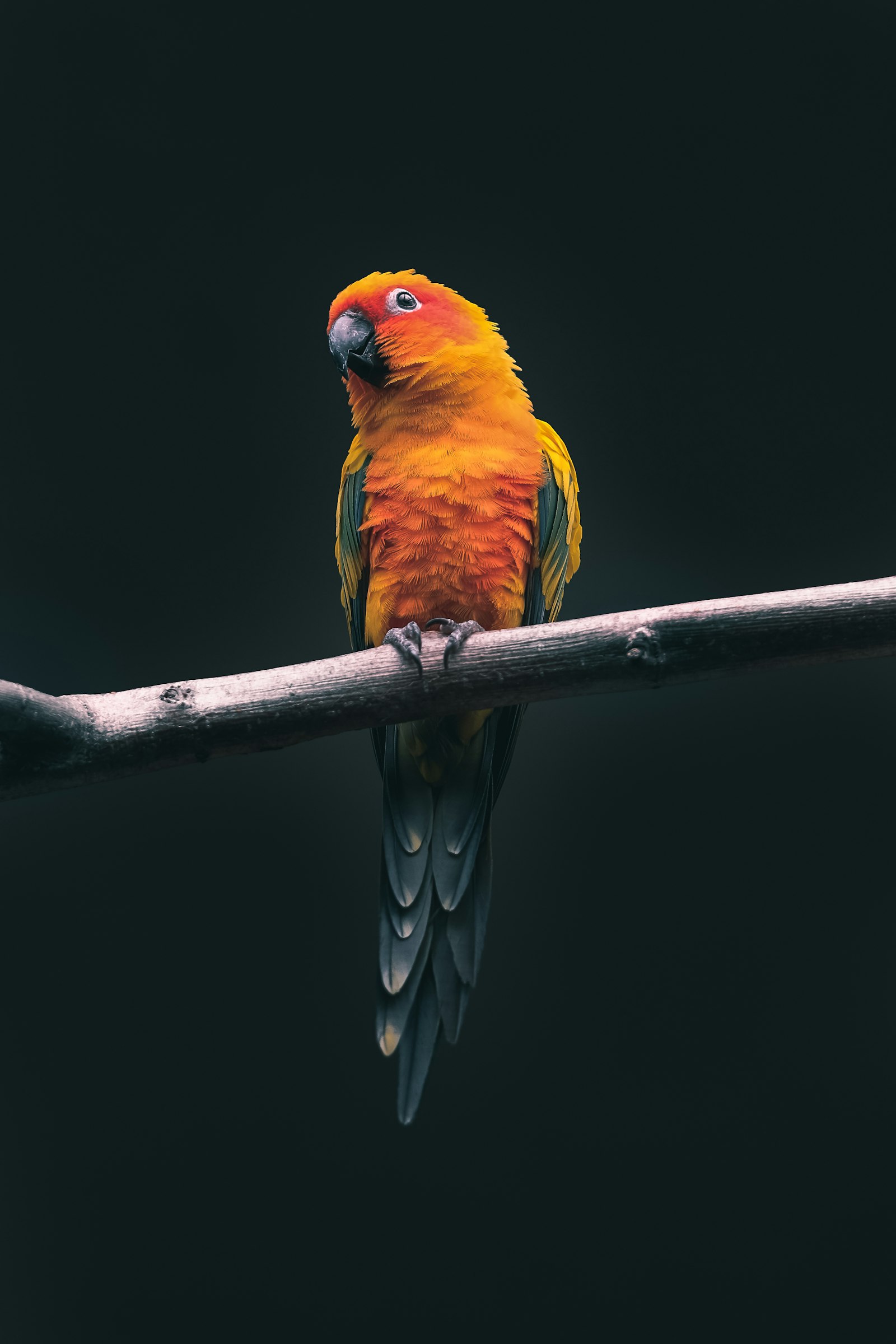
China Etiquette: Cultural Do's and Don'ts for Foreigners: The Complete 2026 G...
China has unique social customs that can confuse first-time visitors. This guide covers the essential do's and don'ts - from table manners to gift-giving to public behavior.
9 min read
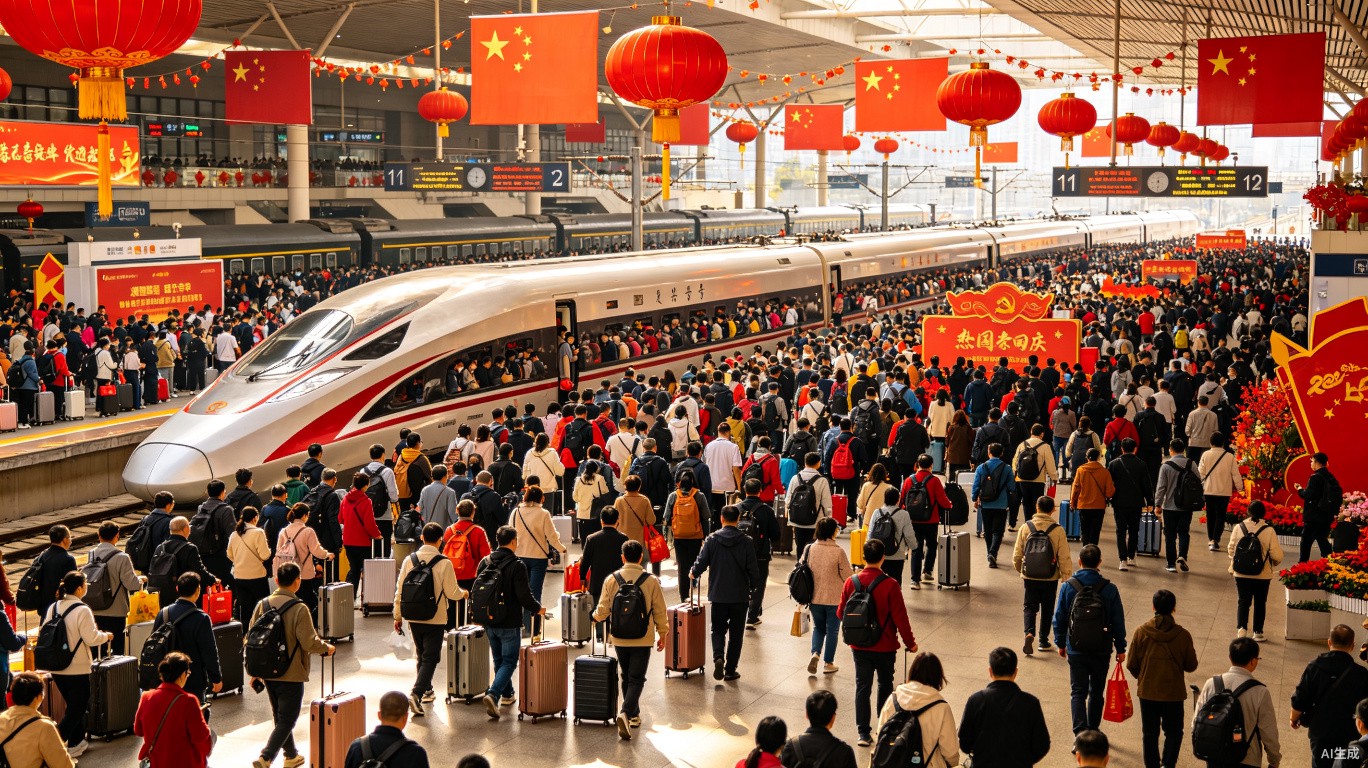
China Golden Week Travel Survival Guide
How to survive China's National Day Golden Week (October 1-7) - what to avoid, where to go, and how to beat the crowds.
9 min read
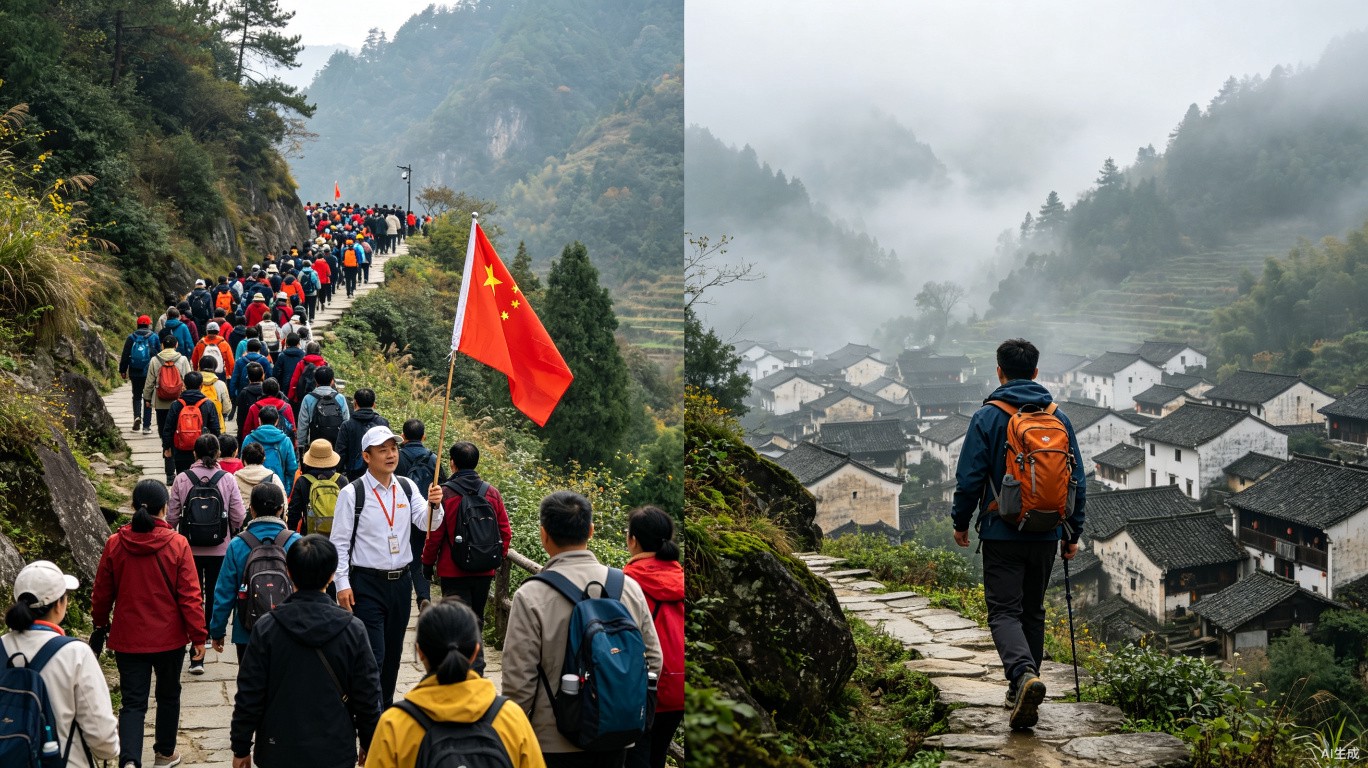
China Group Tours vs Independent Travel Which is Better
Should you join a guided tour or travel independently in China? Honest comparison of cost, flexibility, and experience.
7 min read
China Itinerary Planning: 7-Day 14-Day and 21-Day Routes: The Complete 2026 G...
Not sure how many days to spend in China? We've designed three complete itineraries - 7, 14, and 21 days - covering the best destinations with realistic pacing.
9 min read