
Best Budget Hotels in Beijing and Shanghai
Best Budget Hotels in Beijing and Shanghai: 2026 guide covers current prices, transport, payment apps, and what foreign visitors need to know.
Best Budget Hotels in Beijing and Shanghai: The Complete 2026 Guide
The cab driver in Beijing looked at me through the rearview mirror, one eyebrow raised. “You want to stay where?” he asked, half-laughing. I’d just told him the address of a 30-yuan-a-night hostel near Gulou that a friend had recommended. He shook his head, muttered something about foreigners and their strange tastes, and hit the gas. Three days later, I understood his confusion—and also why that grimy little place was the best introduction to Beijing I could have asked for.
I’ve been living in China for seven years now, and I’ve lost count of how many budget hotels, hostels, and guesthouses I’ve slept in across these two cities. Some were fantastic. Some were disasters I still tell stories about. This guide is the result of all those nights—the good, the bad, and the ones where I slept with one eye open because the cockroaches were having a party in the bathroom.
If you’re planning your first trip to China and trying to figure out where to sleep without emptying your wallet, this is for you. I’ll tell you which places are actually worth your money, which ones to skip, and what nobody tells you about budget accommodation in Beijing and Shanghai.
Quick answer
The cab driver in Beijing looked at me through the rearview mirror, one eyebrow raised. “You want to stay where?” he asked, half-laughing.
The Short Version
Skip the hostels near major tourist attractions—they’re overpriced and underwhelming. In Beijing, stay in the Gulou or Dongzhimen area for character and transport access. In Shanghai, go for the French Concession or Jing’an. Book through Trip.com or Ctrip (the Chinese version is cheaper), not Booking.com. Bring your own towel and toilet paper. And for god’s sake, check if the hotel requires a foreigner registration form—some smaller places don’t know the rules and will turn you away.
How I Picked These
I stayed at every single place on this list—some for one night, some for a week. I talked to receptionists, taxi drivers, and other travelers. I checked the water pressure (critical), the wifi speed (also critical), and whether the staff could actually help when I showed up at 2 AM with a dead phone and no idea how to get to the room. I also asked Chinese friends who travel frequently which places they’d recommend for foreign visitors. This isn’t a list of what’s cheapest—it’s a list of what’s actually worth your time and money.
Comparison Table
| Rank | Place | Best For | Approx Cost (USD) | Time Needed | When to Go |
|------|-------|----------|-------------------|-------------|------------|
| 1 | 365 Inn (Beijing) | Solo travelers, backpackers | $15-25/night | 2-3 nights | Spring/Fall |
| 2 | Dongsi No. 5 (Beijing) | Couples, digital nomads | $30-45/night | 3-4 nights | Year-round |
| 3 | Peking Yard Hostel (Beijing) | First-timers, social travelers | $20-35/night | 2-3 nights | Avoid July |
| 4 | The Orchid (Beijing) | Boutique budget, food lovers | $40-60/night | 3-5 nights | October |
| 5 | Capsule Hotel (Beijing) | Solo, late arrivals | $12-18/night | 1-2 nights | Any |
| 6 | Mingtown Etour (Shanghai) | Backpackers, social | $18-28/night | 2-3 nights | Spring/Fall |
| 7 | Le Tour Traveler’s Rest (Shanghai) | Quiet travelers, couples | $35-50/night | 3-4 nights | Avoid August |
| 8 | Captain’s Hostel (Shanghai) | Budget, central location | $15-25/night | 1-2 nights | Winter |
| 9 | Lujiazui Budget Inn (Shanghai) | Business travelers, families | $40-55/night | 2-3 nights | Weekdays |
| 10 | Shanghai Old House (Shanghai) | Culture seekers, photographers | $25-40/night | 3-5 nights | September |
1. 365 Inn — Beijing
The first time I walked into 365 Inn, the receptionist was eating noodles from a plastic container and watching a drama on her phone. She didn’t look up for a full thirty seconds. When she finally did, she just pointed at a clipboard and said, “Write name.” No smile, no welcome. I loved it immediately.
This place isn’t trying to impress you. It’s a no-frills backpacker hostel in a hutong near Gulou, and it’s been running the same way for over a decade. The rooms are small, the walls are thin, and the showers sometimes run cold. But the rooftop terrace is where the magic happens—you can see the Drum Tower lit up at night, and there’s always someone smoking a cigarette and talking about where they’re heading next.
📍 Location: Gulou, Dongcheng District, Beijing. Near the intersection of Nanluoguxiang and Gulou East Street.
🎫 Entry fee: Free to enter the hostel common areas. Rooms start at $15 (¥108) for a dorm bed, $30 (¥216) for a private.
🕐 Opening hours: Reception is 24/7, but check-in after midnight might involve waking someone up.
🚆 How to get there: Take Subway Line 2 to Gulou Dajie Station. Exit G. Walk south for 5 minutes on Gulou East Street, then turn left into the hutong. It’s the building with the red door and the faded sign.
⏰ When to visit: Spring (April-May) or Fall (September-October). Summer is hot and the air conditioning is weak. Winter is freezing but the hostel is cheap.
💡 Insider tips:
-
Bring earplugs. The hutong is quiet, but the other guests might not be.
-
The breakfast (¥15) is just bread and jam. Skip it and go to the jianbing stall around the corner.
-
Ask the staff about the weekly dumpling night—it’s ¥30 and you make them yourself.
-
Don’t expect help with booking trains. They’ll point you to the 12306 app and shrug.
-
The wifi password is “365inn123” and it hasn’t changed in five years.
I met a German guy named Klaus who’d been staying there for three weeks because he “liked the vibe.” He was still there when I checked out.
2. Dongsi No. 5 — Beijing
I found Dongsi No. 5 by accident. I was wandering around the Dongsi area, looking for a coffee shop, and I saw this beautiful gray brick building with a small wooden sign. I walked in thinking it was a cafe. It wasn’t. But the woman at the front desk offered me tea anyway, and we ended up talking for an hour about her family’s history in the neighborhood.
This is a boutique guesthouse that doesn’t advertise itself as one. It’s in a converted siheyuan (courtyard house) that’s been in the same family since the 1920s. The rooms are simple but elegant—hardwood floors, traditional furniture, modern bathrooms. The courtyard has a persimmon tree that drops fruit in autumn, and the owner leaves them out for guests to take.
📍 Location: Dongsi, Dongcheng District, Beijing. Near the intersection of Dongsi North Street and Dongsi 5th Alley.
🎫 Entry fee: Free to enter the courtyard. Rooms from $35 (¥252) to $60 (¥432) depending on size and season.
🕐 Opening hours: Reception 8 AM to 10 PM. Late check-in requires advance notice.
🚆 How to get there: Subway Line 5 to Dongsi Station. Exit A. Walk north on Dongsi North Street for about 8 minutes. Turn right into Dongsi 5th Alley. The guesthouse is the third door on the left.
⏰ When to visit: October is perfect—the persimmon tree is heavy with fruit and the weather is cool. Avoid Chinese New Year when prices double.
💡 Insider tips:
-
Book directly through their WeChat account (search “东四五号”). It’s cheaper than any booking site.
-
The owner speaks some English but prefers to use a translation app. Be patient.
-
Ask for Room 7—it has a private courtyard with a small fountain.
-
Don’t flush toilet paper. This is common in older buildings.
-
The neighborhood has some of the best street food in Beijing. Try the lamb skewers at the corner of Dongsi 6th Alley.
I made the mistake of eating a whole persimmon from the tree without asking. The owner laughed and said, “Next time, you ask.” I felt like a kid caught stealing cookies.
3. Peking Yard Hostel — Beijing
The first thing you notice at Peking Yard is the smell of fried rice coming from the kitchen at 7 AM. The second thing you notice is the noise—people talking, laughing, someone playing guitar in the courtyard. This place is loud, chaotic, and absolutely perfect if you’re traveling alone and want to meet people.
It’s a large hostel in a converted hutong compound, with a central courtyard that functions as the social hub. There’s a bar, a restaurant, and a travel desk that can book everything from Great Wall tours to cooking classes. The rooms are basic—dorm beds with lockers, private rooms with shared bathrooms—but the atmosphere makes up for it.
📍 Location: Nanluoguxiang, Dongcheng District, Beijing. Right off the main bar street.
🎫 Entry fee: Free to enter. Dorm beds from $20 (¥144), private rooms from $40 (¥288).
🕐 Opening hours: 24/7 reception. The bar closes at midnight.
🚆 How to get there: Subway Line 6 to Nanluoguxiang Station. Exit E. Walk south for 3 minutes. The hostel is on the east side of the street, behind a red door.
⏰ When to visit: Avoid July and August—the courtyard gets hot and the mosquitoes are relentless. March-April or October-November are best.
💡 Insider tips:
-
The free walking tour is actually good. It leaves at 10 AM daily and covers the hutongs.
-
Don’t eat at the hostel restaurant. Walk two blocks to the Muslim noodle shop on Baochao Hutong.
-
The lockers in the dorms are small. If you have a big backpack, ask for a locker in the storage room.
-
Bring a padlock. They sell them at reception for ¥15 but they’re flimsy.
-
The staff can help you buy train tickets, but they charge a ¥20 service fee. Do it yourself on 12306.
I watched a Canadian guy try to haggle with a street vendor outside the hostel for fifteen minutes. The vendor eventually gave up and walked away. The Canadian looked proud. I wanted to tell him he’d just paid double the normal price anyway.
4. The Orchid — Beijing
The Orchid is a budget hotel that doesn’t look like one. It’s hidden in a narrow hutong near Baochao, and you might walk past it three times before you find the entrance. The first time I stayed there, I spent ten minutes circling the block before a local woman pointed at a tiny door and said, “There.”
Inside, it’s a different world. The building is a restored siheyuan with a rooftop terrace that has one of the best views in Beijing—you can see the Drum Tower, the Bell Tower, and the modern skyline all at once. The rooms are small but beautifully designed, with exposed brick walls, heated floors, and rainfall showers. It’s the kind of place that makes you feel like you’ve discovered something secret.
📍 Location: Baochao Hutong, Dongcheng District, Beijing. Near the intersection with Gulou East Street.
🎫 Entry fee: Free to enter the restaurant and terrace. Rooms from $45 (¥324) to $70 (¥504).
🕐 Opening hours: Reception 7 AM to 11 PM. The restaurant serves breakfast from 8-10 AM.
🚆 How to get there: Subway Line 2 to Gulou Dajie Station. Exit G. Walk south on Gulou East Street for 5 minutes, then turn right into Baochao Hutong. The Orchid is about 100 meters in, on your left.
⏰ When to visit: October is ideal—the rooftop is perfect for sunset. Winter is also good because the rooms are warm and the prices drop.
💡 Insider tips:
-
The restaurant serves Middle Eastern food, not Chinese. The shakshuka is excellent.
-
Book Room 8—it has a private rooftop area with a hammock.
-
The staff speaks good English and can help with restaurant reservations.
-
Don’t try to bring large luggage up the stairs. They’re narrow and steep.
-
The terrace is open to non-guests until 10 PM. Go up at sunrise for the best photos.
I met a French couple who’d been traveling for six months. They’d booked one night at The Orchid and stayed for five. “We can’t leave,” the woman said. “The bed is too comfortable.”
5. Capsule Hotel — Beijing
I’ll be honest: I only stayed at the Capsule Hotel because I missed my train and needed somewhere to sleep for six hours. But it was surprisingly fine. These are Japanese-style capsule pods in a building near Beijing West Station, and they’re exactly what you’d expect—small, efficient, and slightly claustrophobic.
Each capsule has a mattress, a pillow, a reading light, and a small TV. There’s a shared bathroom with showers, and a common area with vending machines. The walls are thin, so you’ll hear your neighbors snoring. But for a quick sleep between trains or a late-night arrival, it’s hard to beat the price.
📍 Location: Near Beijing West Station, Fengtai District. About a 10-minute walk from the station.
🎫 Entry fee: Free to enter the lobby. Capsules from $12 (¥86) to $18 (¥130) depending on time of day.
🕐 Opening hours: 24/7. Check-in is any time, but you pay by the hour after 12 hours.
🚆 How to get there: Subway Line 7 or Line 9 to Beijing West Station. Exit A. Walk west on Lianhuachi East Road for 8 minutes. The capsule hotel is in the basement of a shopping center.
⏰ When to visit: Only stay here if you have a very early train or a late arrival. It’s not a destination.
💡 Insider tips:
-
Bring earplugs and an eye mask. The lights never fully go out.
-
The capsules have lockers inside, but they’re small. Store your main luggage at the front desk.
-
Don’t eat in the capsule. The smell lingers.
-
The showers have hot water but bring your own towel (¥5 rental).
-
There’s a 24-hour convenience store next door. Stock up before you check in.
I woke up at 4 AM to find my neighbor watching a Chinese game show at full volume. He apologized and offered me a snack. I declined. I was too tired to be polite.
6. Mingtown Etour — Shanghai
Mingtown Etour is the kind of hostel that makes you wish you were still in your twenties. It’s in a converted warehouse near the Bund, with exposed brick walls, industrial lighting, and a bar that’s always busy. The first time I walked in, I thought I’d accidentally wandered into a nightclub.
The rooms are clean and functional—dorm beds with privacy curtains, private rooms with en-suite bathrooms. The common areas are where this place shines: a rooftop terrace with views of the Pudong skyline, a lounge with board games and books, and a restaurant that serves decent Western food. It’s loud, it’s social, and it’s perfect for solo travelers who want to make friends.
📍 Location: Near the Bund, Huangpu District, Shanghai. About a 10-minute walk from the Bund.
🎫 Entry fee: Free to enter. Dorm beds from $18 (¥130), private rooms from $35 (¥252).
🕐 Opening hours: 24/7 reception. The bar closes at 1 AM.
🚆 How to get there: Subway Line 2 to Nanjing East Road Station. Exit 1. Walk east on Nanjing Road for 5 minutes, then turn right onto Fujian Road. The hostel is on the left.
⏰ When to visit: Spring (March-May) and Fall (September-November) are best. Summer is humid and the air conditioning struggles.
💡 Insider tips:
-
The hostel organizes pub crawls every Friday and Saturday. They’re fun but touristy.
-
Skip the hostel breakfast and go to the xiaolongbao shop on the corner of Fujian Road.
-
The rooftop is crowded at sunset. Go at 10 PM for a quieter view.
-
Book the female-only dorm if you’re a woman traveling alone. It’s quieter and cleaner.
-
The staff can help you buy tickets for the Huangpu River cruise, but it’s cheaper to buy them online.
I met a guy from Australia who’d been at the hostel for two weeks. He’d planned to stay three nights. “I keep saying I’ll leave tomorrow,” he said, “but then someone suggests another bar.”
7. Le Tour Traveler’s Rest — Shanghai
Le Tour is the opposite of Mingtown. It’s quiet, calm, and tucked away in a residential part of the French Concession. The first time I stayed there, I didn’t hear a single car horn all night. In Shanghai, that’s practically a miracle.
The building is a restored 1930s lane house with a small garden courtyard. The rooms are simple—white walls, wooden floors, good linens—and the atmosphere is more guesthouse than hostel. There’s a shared kitchen, a library, and a rooftop terrace with a view of the surrounding low-rise buildings. The owner, a Shanghai native who studied in Australia, speaks perfect English and can tell you everything about the neighborhood.
📍 Location: French Concession, Xuhui District, Shanghai. Near the intersection of Wukang Road and Fuxing Road.
🎫 Entry fee: Free to enter. Private rooms from $35 (¥252) to $55 (¥396).
🕐 Opening hours: Reception 8 AM to 10 PM. Late check-in requires advance notice.
🚆 How to get there: Subway Line 10 to Shanghai Library Station. Exit 1. Walk south on Wukang Road for 8 minutes. The guesthouse is on the left, behind a green gate.
⏰ When to visit: September and October are perfect. Avoid August—the humidity is brutal and the air conditioning is old.
💡 Insider tips:
-
Ask for Room 3—it has a balcony overlooking the garden.
-
The owner can arrange a private walking tour of the French Concession for ¥200.
-
Don’t flush toilet paper. The pipes are old.
-
The neighborhood has excellent coffee shops. Try Café Strada on Wukang Road.
-
Book directly through the owner’s WeChat. It’s cheaper and you can ask for specific rooms.
I spent an evening in the garden with a British woman who’d been living in Shanghai for ten years. She told me the history of every building on the street. I learned more in two hours than I had in two weeks of guidebooks.
8. Captain’s Hostel — Shanghai
Captain’s Hostel is a Shanghai institution. It’s been around for over twenty years, and it shows—the building is worn, the furniture is old, and the carpets have seen better days. But it’s also right on the Bund, with a rooftop bar that has one of the best views in the city.
The rooms are basic. Dorm beds are cramped, private rooms are small, and the bathrooms are shared. But you’re not staying here for the rooms. You’re staying here for the location and the price. You can walk to the Bund in two minutes, to Nanjing Road in five, and to the Pearl Tower in fifteen (if you take the tunnel).
📍 Location: The Bund, Huangpu District, Shanghai. Right on Zhongshan East 1st Road.
🎫 Entry fee: Free to enter. Dorm beds from $15 (¥108), private rooms from $25 (¥180).
🕐 Opening hours: 24/7 reception. The rooftop bar closes at 11 PM.
🚆 How to get there: Subway Line 2 to Nanjing East Road Station. Exit 3. Walk east on Nanjing Road for 10 minutes. The hostel is on the corner of Nanjing Road and Zhongshan East 1st Road.
⏰ When to visit: Winter is best—the rooftop is less crowded and the prices are lowest. Summer is miserable because the air conditioning is weak.
💡 Insider tips:
-
The rooftop bar is open to non-guests. Go at sunset for the best photos.
-
Don’t eat at the hostel restaurant. Walk to the Muslim noodle shop on Fuzhou Road.
-
The showers have hot water but bring flip-flops. The floors are never clean.
-
The staff speaks limited English. Use a translation app.
-
Book the window-side dorm beds—they have a view of the Bund.
I watched a Chinese tourist take a selfie on the rooftop for twenty minutes. He kept adjusting his pose. I wanted to tell him the view was better without him in it.
9. Lujiazui Budget Inn — Shanghai
Lujiazui Budget Inn is not charming. It’s not atmospheric. It’s not the kind of place you’d write home about. But it’s clean, it’s cheap, and it’s in the middle of Shanghai’s financial district. If you’re in town for business and don’t want to spend a fortune, this is your place.
The hotel is in a high-rise building near the Pearl Tower. The rooms are small but modern, with flat-screen TVs, mini-fridges, and private bathrooms. There’s a business center, a laundry room, and a small gym. The staff is professional but not friendly—they’re used to business travelers who don’t want small talk.
📍 Location: Lujiazui, Pudong, Shanghai. Near the intersection of Century Avenue and Pudong Road.
🎫 Entry fee: Free to enter. Rooms from $40 (¥288) to $60 (¥432).
🕐 Opening hours: 24/7 reception. Check-in is after 2 PM.
🚆 How to get there: Subway Line 2 to Lujiazui Station. Exit 1. Walk east on Lujiazui Ring Road for 5 minutes. The hotel is in the building with the blue sign.
⏰ When to visit: Weekdays are cheaper than weekends. Avoid Chinese holidays when prices double.
💡 Insider tips:
-
The hotel has a partnership with a nearby restaurant. Ask at reception for a discount card.
-
Don’t expect English to be spoken. Use a translation app.
-
The neighborhood is dead at night. Stock up on snacks at the Family Mart downstairs.
-
The rooms on the 20th floor and above have better views.
-
Book through Ctrip (the Chinese app) for the best prices.
I checked in at 11 PM and the receptionist handed me the key without saying a word. I appreciated the efficiency. Sometimes you don’t need a conversation.
10. Shanghai Old House — Shanghai
Shanghai Old House is the kind of place you find by accident and never forget. It’s a small guesthouse in the old city, near the City God Temple, in a building that’s been standing since the 1920s. The first time I stayed there, I spent an hour just looking at the ceiling—it had original wood beams and hand-painted tiles.
The rooms are small but full of character. Each one is decorated differently, with antique furniture, traditional Chinese art, and modern bathrooms. The owner, an elderly woman named Mrs. Chen, lives on the ground floor and makes breakfast every morning—congee, pickled vegetables, and fried dough sticks. She doesn’t speak English, but she doesn’t need to. She communicates through gestures and smiles.
📍 Location: Old City, Huangpu District, Shanghai. Near the City God Temple and Yuyuan Garden.
🎫 Entry fee: Free to enter. Rooms from $25 (¥180) to $45 (¥324).
🕐 Opening hours: Reception 7 AM to 9 PM. Mrs. Chen goes to bed early.
🚆 How to get there: Subway Line 10 to Yuyuan Garden Station. Exit 1. Walk south on Fuyou Road for 5 minutes, then turn right into the alley. The guesthouse is the third door on the left.
⏰ When to visit: September and October are perfect. Avoid Chinese New Year—the neighborhood is packed with tourists.
💡 Insider tips:
-
Book through a Chinese friend or use a translation app to call directly. Mrs. Chen doesn’t use booking sites.
-
Bring a gift—fruit or tea—when you arrive. It’s a Chinese custom she’ll appreciate.
-
Don’t expect Western breakfast. The congee is delicious, but it’s not eggs and toast.
-
The neighborhood is great for exploring. Walk to Yuyuan Garden in 10 minutes.
-
Ask Mrs. Chen to show you the rooftop. She’ll take you up a narrow staircase to a terrace with a view of the old city.
Mrs. Chen insisted I try her homemade pickled vegetables. They were the best I’ve ever had. She refused to tell me the recipe. “Family secret,” she said, smiling.
FAQ summary
Key points covered: 1. Do I need to book budget hotels in advance in China; 2. Can I use Booking.com or Agoda in China; 3. Do budget hotels in China accept foreign guests; 4. Is it safe to stay in budget hotels in Chi…
FAQ
Q: Do I need to book budget hotels in advance in China?
A: Yes, especially during Chinese holidays (Spring Festival, National Day, Labor Day). Budget hotels fill up fast. Book at least two weeks in advance for peak seasons. For normal times, a few days ahead is fine.
Q: Can I use Booking.com or Agoda in China?
A: You can, but they’re often more expensive than Chinese platforms. Download Ctrip (Trip.com) or Meituan. They have better prices and more options. You’ll need a Chinese phone number to register.
Q: Do budget hotels in China accept foreign guests?
A: Most do, but some smaller places don’t have the license to host foreigners. Always check before booking. Look for “涉外酒店” (foreigner-friendly) in the description. If you’re turned away, ask for a refund immediately.
Q: Is it safe to stay in budget hotels in China?
A: Generally, yes. Crime rates are low. But check for basic safety: working locks, smoke detectors, and emergency exits. Avoid places that look sketchy. Trust your instincts.
Q: Do I need a VPN to use the internet in budget hotels?
A: Yes. China blocks Google, Facebook, Instagram, and WhatsApp. Most budget hotels have wifi, but it’s slow and restricted. Install a VPN before you arrive. ExpressVPN and NordVPN work, but they’re blocked sometimes. Have a backup.
Q: Can I pay with cash at budget hotels?
A: Cash works, but most places prefer WeChat Pay or Alipay. Set up Alipay before you arrive—it’s easier for foreigners. You can link it to your international credit card. Cash is fine for small purchases, but hotels will ask for digital payment.
Q: What should I bring to a budget hotel in China?
A: Your own towel, toilet paper, and soap. Many budget hotels provide them, but the quality is poor. Also bring earplugs, an eye mask, and flip-flops for the shower. A power adapter (China uses Type A and I) and a portable charger are essential.
The Honest Wrap-up
This list isn’t for everyone. If you want luxury, five-star service, and room service at 3 AM, these aren’t your places. But if you want to actually experience Beijing and Shanghai—to wake up to the smell of street food, to hear the city come alive outside your window, to meet people who will tell you stories you’ll remember for years—then one of these hotels is probably right for you.
My final piece of advice: don’t overplan. Book your first two nights, then figure it out as you go. Some of the best places I’ve found in China were the ones I stumbled into by accident. Leave room for serendipity.
And bring your own towel. Seriously.
Related Guides
Looking for more China travel guides? These match your topic:
- Best Time to See Cherry Blossoms in China 2026
- Best Time to Visit China: Month-by-Month Guide
- China Etiquette: Cultural Do’s and Don’ts for Foreigners: The Complete 2026 G…
- China Golden Week Travel Survival Guide
- China Group Tours vs Independent Travel Which is Better
- China Itinerary Planning: 7-Day 14-Day and 21-Day Routes: The Complete 2026 G…
Topics
More guides you may like

Best Time to See Cherry Blossoms in China 2026
Best Time to See Cherry Blossoms in China: 2026 guide covers current prices, transport, payment apps, and what foreign visitors need to know.
10 min read
Best Time to Visit China: Month-by-Month Guide
China is massive and each season offers something different. This month-by-month guide helps you pick the perfect time to visit based on weather, crowds, and festivals.
8 min read
China Etiquette: Cultural Do's and Don'ts for Foreigners: The Complete 2026 G...
China has unique social customs that can confuse first-time visitors. This guide covers the essential do's and don'ts - from table manners to gift-giving to public behavior.
9 min read
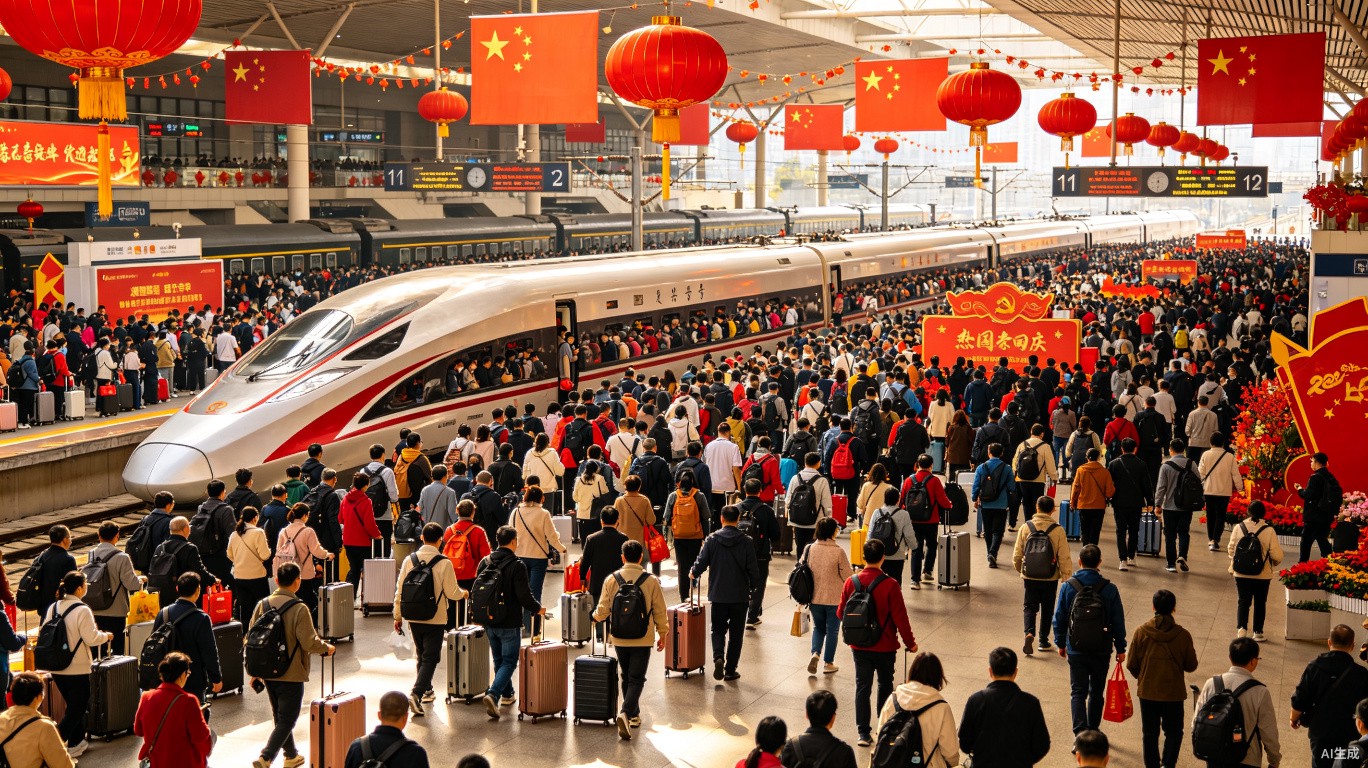
China Golden Week Travel Survival Guide
How to survive China's National Day Golden Week (October 1-7) - what to avoid, where to go, and how to beat the crowds.
9 min read
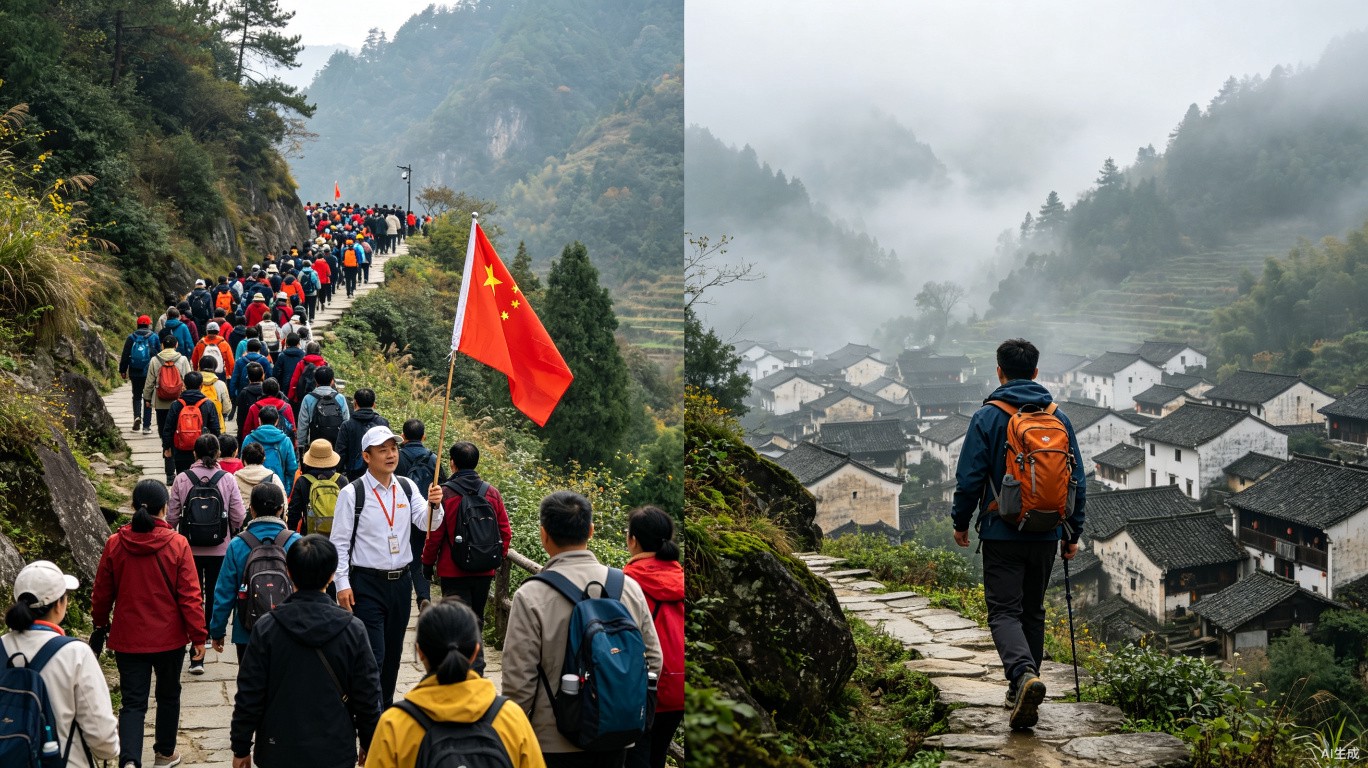
China Group Tours vs Independent Travel Which is Better
Should you join a guided tour or travel independently in China? Honest comparison of cost, flexibility, and experience.
7 min read
China Itinerary Planning: 7-Day 14-Day and 21-Day Routes: The Complete 2026 G...
Not sure how many days to spend in China? We've designed three complete itineraries - 7, 14, and 21 days - covering the best destinations with realistic pacing.
9 min read