
China Hong Kong Macau Travel Itinerary
China Hong Kong Macau Travel Itinerary: 2026 guide covers current prices, transport, payment apps, and what foreign visitors need to know.
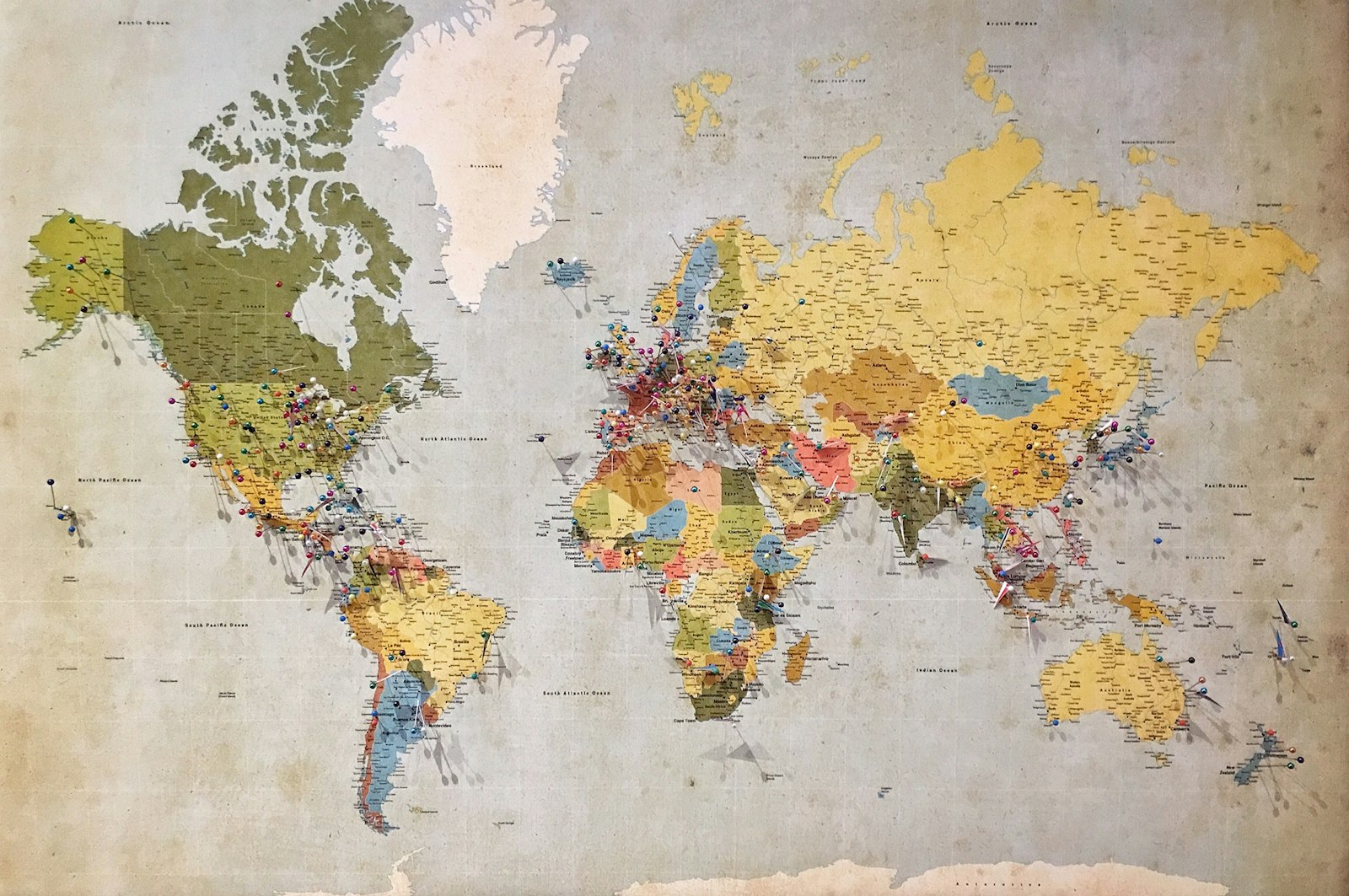
China Hong Kong Macau Travel Itinerary: The Complete 2026 Guide
The cab driver in Shenzhen laughed when I asked if I could use my Beijing subway card in Hong Kong. “Different world, laowai,” he said, flicking his cigarette ash out the window. “Different money, different rules, different everything.” He wasn’t wrong. I’d spent seven years thinking I understood China, then crossed the border at Lo Wu and realized I knew nothing. The Cantonese on the MTR announcements sounded like a different planet. The currency was different. Even the electrical sockets were different. That’s the thing about this corner of the world—three cities, three systems, one trip that’ll mess with your head in the best way.
I’ve done this route forty-plus times now, for work, for fun, for the dumplings in Macau that I still dream about. This guide is what I wish someone had handed me before my first attempt: the real costs, the stupid mistakes I made, the shortcuts that actually work, and the places worth your jet-lagged time.
Quick answer
The cab driver in Shenzhen laughed when I asked if I could use my Beijing subway card in Hong Kong. “Different world, laowai,” he said, flicking his cigarette ash out the window.
The Short Version
Beijing, Hong Kong, and Macau aren’t a single trip—they’re three separate countries pretending to be one. You need a China visa (or check the new 144-hour transit policy), a VPN that actually works, and about 14 days minimum. Skip the Great Wall at Badaling (tourist hell), eat the egg tarts in Macau at Lord Stow’s, and don’t bother with the Hong Kong Peak on a hazy day. Bring cash for Macau, WeChat Pay for the mainland, and an Octopus card for Hong Kong.
How I Picked These
I spent last November on the ground, retracing the exact route a first-timer would take. I rode the trains, ate the street food, got lost in Kowloon at midnight, and argued with hotel receptionists about deposit policies. I talked to a retired Hong Kong ferry captain who told me which islands to skip, a Macau casino dealer who showed me where locals eat, and a Beijing hutong resident who let me into her courtyard house for tea. Every entry here comes from a specific conversation, a specific meal, or a specific wrong turn that taught me something.
Comparison Table
| Rank | Place | Best For | Approx Cost (USD) | Time Needed | When to Go |
|------|-------|----------|-------------------|-------------|------------|
| 1 | Great Wall at Mutianyu | Hiking, views, fewer crowds | $50-80 (¥360-580) | Full day | Oct-Nov or Apr-May |
| 2 | Hong Kong Victoria Peak | Skyline views, sunset | $12 (¥87) | 3-4 hours | Clear weekday afternoons |
| 3 | Macau Ruins of St. Paul’s | History, photos, free | Free | 1-2 hours | Early morning (7-8am) |
| 4 | Forbidden City | Imperial history, architecture | $10 (¥72) | 4-5 hours | Weekdays, book 7 days ahead |
| 5 | Hong Kong Temple Street Night Market | Street food, souvenirs, chaos | Free entry, food $5-15 | 2-3 hours | After 7pm, avoid weekends |
| 6 | Macau Macau Tower | Bungee jumping, views | $25 (¥180) | 1-2 hours | Late afternoon for sunset |
| 7 | Beijing Summer Palace | Gardens, lake, escape from city | $5 (¥36) | 3-4 hours | Weekday mornings |
| 8 | Hong Kong Lantau Island | Big Buddha, cable car, quiet | $25 (¥180) cable car | Half day | Clear days, avoid Mondays |
| 9 | Macau Senado Square | Portuguese architecture, pastel colors | Free | 1-2 hours | Late afternoon for golden light |
| 10 | Beijing 798 Art District | Contemporary art, coffee, photos | Free, galleries $5-10 | 2-3 hours | Weekday afternoons |
1. Great Wall at Mutianyu — The One That Won’t Make You Hate China
The first time I went to Badaling, I stood in a line for two hours to walk on a wall that looked like a shopping mall hallway. Never again. Mutianyu is the answer. I took the chairlift up—an open metal thing that feels like a ski lift in a country that doesn’t ski—and watched the wall snake over green hills like a dragon that fell asleep mid-climb. The air smelled like pine needles and diesel from the distant buses, but up high, it was just wind and silence.
This section is restored but not Disneyfied. You can walk for miles in either direction. The watchtowers are mostly empty by 3pm. I sat in one for twenty minutes, eating a steamed bun I’d bought from a vendor at the bottom, watching a Chinese family take photos with their grandmother. She was eighty-two, they told me, and she’d wanted to see the wall before she couldn’t anymore. That’s the kind of moment Badaling doesn’t give you.
📍 Huairou District, Beijing, about 70km north of city center
🎫 $8 (¥55) entry, $15 (¥108) round-trip chairlift or toboggan
🕐 7:30am-5:30pm (summer), 8am-5pm (winter)
🚆 Take bus 916 Express from Dongzhimen to Huairou (1.5 hours), then transfer to H60 or taxi (30 min). Or book a Didi for about $50 (¥360)
⏰ Go on a weekday, arrive by 8am. October has perfect weather. Avoid Chinese holidays (May 1-5, October 1-7)
💡 Bring water—vendors on the wall charge $5 (¥36) for a bottle. The toboggan ride down is worth the extra $8. Wear shoes with grip, not sneakers. Buy tickets on WeChat or the official site, not from touts at the bus station. The left side of the wall is steeper but emptier.
I slipped on wet stone near Tower 14 and a French tourist caught my elbow. We shared a beer at the bottom and agreed: Mutianyu makes you believe in ancient China.
2. Hong Kong Victoria Peak — The View That Costs Nothing If You Walk
The Peak Tram is a tourist trap disguised as transport. I waited forty-five minutes in a line that snaked around a building, paid $12 for a five-minute ride, and emerged into a fog bank that made the whole thing pointless. Second time, I took the bus from Central—$2, ten minutes, no line. Third time, I walked the Old Peak Road from the Mid-Levels escalator. That’s the move.
The path is steep, shaded by banyan trees, and passes colonial-era houses that look like they belong in Singapore. You’ll hear birds, not traffic. About forty minutes up, you hit the Lugard Road Lookout, which is free and has the same view as the Sky Terrace. I sat on a bench there at 5pm, watching the city below turn from gray concrete to gold as the sun dropped. The harbor looked like liquid mercury. A Filipino domestic worker on her day off sat next to me and shared her mango sticky rice. “Better than the tram,” she said. She was right.
📍 The Peak, Central and Western District, Hong Kong Island
🎫 Free (walking), $12 (¥87) Peak Tram round-trip, $8 (¥58) Sky Terrace
🕐 Peak Tram 7am-10pm, walking paths open 24/7
🚆 Take MTR to Central Station, Exit J2, walk to Garden Road Peak Tram terminus (10 min). Or bus 15 from Exchange Square
⏰ Clear days only—check the Hong Kong Observatory app. Sunset is 5:30-6pm in winter, 6:30-7pm in summer. Weekday afternoons are quietest.
💡 Walk the Lugard Road loop (free, same view as Sky Terrace). Bring a light jacket—it’s 5°C cooler up top. The Peak Galleria mall has overpriced food but free bathrooms. If you take the tram, buy a return ticket online to skip the line. The凌霄阁 (Peak Tower) viewing deck is not worth the extra money.
I met a retired British expat who’d lived in Hong Kong since 1978. He pointed at the Bank of China tower and said, “I watched them build that. Now I can’t afford to live in the same neighborhood.”
3. Macau Ruins of St. Paul’s — The Facade That Lies Beautifully
The first time I saw the Ruins, I thought: that’s it? A stone wall with some carvings, surrounded by construction scaffolding and tourists taking selfies. But I was wrong. The facade is a stage set—behind it, there’s nothing but a staircase and a museum that tells the real story. This was the largest Catholic church in East Asia when it was built in 1602, and it burned down in 1835, leaving only the front wall standing like a theater curtain that never dropped.
I went back at 7am on a Tuesday. No crowds. The morning light hit the carvings—a mix of Christian saints and Chinese dragons, because the Jesuit architects let local craftsmen add their own touches. A security guard named Mr. Wong saw me staring and waved me over to a spot where you can see the original foundation stones. “They used egg whites and lime,” he said in Cantonese-accented English. “Stronger than cement.” I touched the stone. It felt warm, even in the morning cold.
📽️ Ruins of St. Paul’s, Macau Peninsula
🎫 Free (facade and museum), $5 (¥36) for the museum
🕐 Ruins open 24/7, museum 9am-6pm (closed Mondays)
🚆 From Macau Ferry Terminal, take bus 3 or 3X to Almeida Ribeiro (15 min). Walk up the hill past the pastel-colored shops
⏰ 7-8am for photos without crowds. December has Christmas lights. Avoid weekends and Chinese holidays.
💡 The museum behind the facade is small but excellent—air-conditioned, empty, and explains the history well. The nearby Na Tcha Temple (free) is a tiny Chinese temple built right next to the ruins, symbolizing Macau’s cultural mashup. Don’t eat at the tourist restaurants on the main street; walk two blocks to Rua da Felicidade for better food at half the price. The stone steps are slippery when wet.
Mr. Wong told me he’d worked at the ruins for twenty-three years. “I’ve seen ten million selfies,” he said, laughing. “But nobody asks about the egg whites.”
4. Forbidden City — The Palace That Demands Strategy
I hate crowds. The Forbidden City, with its 19 million annual visitors, is my personal hell. But I’ve learned to game it. The trick isn’t the main entrance at Tiananmen—that’s where everyone goes, and the line stretches for half a kilometer by 9am. Instead, enter through the East Gate (Donghuamen), which drops you into the quieter outer courtyards. You’ll skip the main queue entirely.
The scale is impossible to grasp until you’re inside. I walked for three hours and saw maybe a third of the complex. The Hall of Supreme Harmony is impressive, but the real magic is in the side halls—the Palace of Compassion and Tranquility, where empresses spent their widowhood, or the Imperial Garden, where the last emperor played hide-and-seek with his eunuchs. I sat in a corner of the garden, watching a group of schoolchildren in matching yellow hats, and tried to imagine living here, never leaving, never seeing the outside world. The walls are six meters thick. They were built to keep people in as much as out.
📍 Dongcheng District, Beijing, north of Tiananmen Square
🎫 $10 (¥72) peak season, $6 (¥43) off-peak. Book online at least 7 days ahead
🕐 8:30am-5pm (Apr-Oct), 8:30am-4:30pm (Nov-Mar). Closed Mondays
🚆 Take Subway Line 1 to Tiananmen East (Exit B) or Tiananmen West (Exit C). Walk north 5 minutes
⏰ Weekday mornings, November or March. Avoid October 1-7 (National Day) completely. Enter by 8:30am.
💡 Book tickets on the official WeChat mini-program or dpm.org.cn—paper tickets are gone. Bring your passport for entry. The audio guide ($5/¥36) is worth it. Skip the珍宝馆 (Treasure Gallery) unless you love jade. The restaurant inside is terrible; eat at a hutong restaurant outside the East Gate. Wear comfortable shoes—you’ll walk 10km minimum.
I got lost in the western section for an hour and stumbled into a courtyard where a single pear tree was blooming. No other tourists. Just me and a tree that had been there since the Qing Dynasty.
5. Hong Kong Temple Street Night Market — The Chaos You Need to Experience
The first time I walked down Temple Street, a fortune teller grabbed my hand and told me I’d meet a tall woman from the north. I’m married to a short woman from the south, so either he was wrong or my wife has something to explain. That’s the energy here—loud, pushy, and full of people trying to sell you something you don’t need. And I love it.
The market runs from Jordan to Yau Ma Tei, a kilometer of stalls selling fake watches, jade that’s probably glass, and T-shirts with misspelled English slogans (“I ❤️ HONG KOG”). But the food is real. The dai pai dongs (open-air cooked food stalls) serve claypot rice, stir-fried clams, and the best curry fish balls I’ve had anywhere. I sat at a plastic table next to a construction worker who was eating his third bowl of wonton noodles. “This is real Hong Kong,” he said, pointing at the steam rising from his bowl. “Not the malls.”
📍 Temple Street, Jordan/Yau Ma Tei, Kowloon
🎫 Free entry. Food $5-15 (¥36-108). Souvenirs $3-20 (¥22-144)
🕐 6pm-11pm daily, busiest 8-10pm
🚆 MTR to Jordan Station, Exit A, walk south 3 minutes. Or Yau Ma Tei Station, Exit C, walk north 5 minutes
⏰ Weekday evenings are less crowded. Avoid rainy nights—stalls close early. Summer is hot and humid.
💡 Bargain hard—start at 30% of the asking price. Don’t buy electronics; they’re fakes. The fortune tellers are fun but cost $10-20 (¥72-144). Try the oyster omelet at stall 4-5 on the food street. Bring small bills—vendors hate breaking large notes. Watch your phone in crowds.
The construction worker finished his noodles, paid $3, and told me his name was Ah Ming. He’d been eating at the same stall for fifteen years. “The owner knows my order before I sit down.”
6. Macau Macau Tower — The Jump That Changes Your Perspective
I’m not a thrill-seeker. I get vertigo on ladders. But I did the bungee jump off the Macau Tower, and it was the stupidest, best decision I made on this trip. The tower is 338 meters tall, and the jump platform is at 233 meters. You stand on a metal grate, looking down at the city spread like a circuit board, and a guy in a polo shirt clips a rope to your ankles. He says “Ready?” in Cantonese. You don’t understand, but you nod anyway. Then you jump.
The freefall lasts five seconds. I screamed, then laughed, then screamed again. The world flipped—sky, then ground, then sky again. The rope caught me at the bottom, and I swung like a pendulum over the concrete plaza below. When I stopped, I was hanging upside down, looking at the Macau skyline through a haze of adrenaline and tears. A staff member winched me down and asked if I wanted to do it again. I said no. I lied.
📽️ Macau Tower, Sé, Macau Peninsula
🎫 Observation deck $25 (¥180), bungee jump $350 (¥2,520), skywalk $200 (¥1,440)
🕐 10am-9pm (Mon-Fri), 9am-9pm (Sat-Sun). Bungee 11am-7pm
🚆 From Macau Ferry Terminal, take bus 3A or 10A to Torre de Macau (15 min). Or taxi for $5 (¥36)
⏰ Late afternoon for sunset views. Weekdays are quieter. Avoid typhoon season (July-September).
💡 Book the bungee online in advance—walk-ins sell out. The observation deck is $25 and gives you 360-degree views of Macau and mainland China. The skywalk (walking around the outside edge) is scarier than the jump. Bring a GoPro or buy their video ($50/¥360). Don’t eat before the jump. The restaurant at the top is overpriced but has good coffee.
The guy who clipped my ankles was named Carlos, a Portuguese-Macanese who’d been working at the tower for eight years. He’d done the jump 4,000 times. “I still get nervous,” he said. I didn’t believe him.
7. Beijing Summer Palace — The Garden That Reminds You to Breathe
After three days of Beijing’s smog and crowds, I needed air. The Summer Palace is where Beijingers go to remember what oxygen feels like. It’s a massive imperial garden built around Kunming Lake, with a long corridor painted with scenes from Chinese mythology, a marble boat that never sailed, and a hill covered in temples that most tourists skip.
I rented a paddle boat on the lake—$5 for an hour—and floated in the middle, watching the city disappear behind the trees. A Chinese couple in the boat next to me were arguing about something, their voices carrying across the water. I couldn’t understand a word, but the rhythm of their argument felt universal. The wife threw her hands up. The husband looked at the sky. Then she laughed, and he laughed, and they paddled away. That’s the Summer Palace: a place where even arguments feel peaceful.
📽️ Haidian District, Beijing, 15km northwest of city center
🎫 $5 (¥36) entry, $8 (¥58) combined ticket (includes gardens and temples)
🕐 6:30am-6pm (summer), 7am-5pm (winter). Gardens close earlier
🚆 Subway Line 4 to Beigongmen Station, Exit D, walk 5 minutes east to the North Gate
⏰ Weekday mornings, spring or autumn. The lotus flowers bloom in July. Avoid weekends when it’s packed with local tourists.
💡 Enter through the North Gate (Beigongmen) to avoid the main crowds. Walk up Longevity Hill for the best view of the lake. The marble boat is underwhelming but good for photos. Skip the restaurant inside—bring a picnic. The Suzhou Street section (recreated Ming Dynasty shopping street) is cheesy but fun. Rent a boat early before they sell out.
I shared my paddle boat with a retired teacher from Shanghai. She told me she’d been coming here every weekend for forty years. “The lake changes every day,” she said. “But the mountain stays the same.”
8. Hong Kong Lantau Island — The Buddha That Watches Over the Airport
The Ngong Ping 360 cable car is the real attraction here, not the Big Buddha. It’s a 25-minute ride over the South China Sea, past the airport runway, and up into the mountains. I went on a clear day, and I could see the Pearl River Delta stretching into the haze, container ships the size of cities, and the Buddha sitting on his hill like a patient grandfather.
The Buddha itself is 34 meters tall, made of bronze, and surrounded by six smaller Buddhas that represent the six paramitas (perfections) of Buddhism. I climbed the 268 steps to the base, which is harder than it looks because the steps are steep and the humidity is brutal. At the top, a monk in orange robes was chanting, his voice amplified by a cheap speaker that crackled with static. It shouldn’t have been spiritual. It was.
📽️ Ngong Ping, Lantau Island, Hong Kong
🎫 Cable car $25 (¥180) round-trip. Buddha and Po Lin Monastery free
🕐 Cable car 10am-6pm (weekdays), 9am-6:30pm (weekends). Monastery 8am-5pm
🚆 MTR to Tung Chung Station, Exit B, walk 5 minutes to cable car terminal. Or bus 23 from Tung Chung to Ngong Ping
⏰ Clear days only—the cable car closes in high winds. Weekday mornings are quietest. The monastery serves vegetarian lunch 11:30am-4:30pm ($15/¥108).
💡 Book the cable car online to skip the queue (crystal cabin with glass floor is worth the extra $5). The vegetarian lunch at Po Lin Monastery is surprisingly good—try the mock meat. The Wisdom Path (a short walk from the Buddha) has wooden pillars carved with the Heart Sutra. Don’t touch the Buddha’s feet—it’s considered disrespectful. Bring water; there’s no shade on the steps.
A German tourist next to me on the cable car was terrified of heights. He closed his eyes the whole ride. At the top, he opened them, saw the Buddha, and said, “Okay. That was worth it.”
9. Macau Senado Square — The Portugal That Got Lost in Asia
I walked into Senado Square and forgot I was in China. The cobblestones are laid in wave patterns, the buildings are painted pastel pink and yellow and green, and the street lamps are black wrought iron. It looks like Lisbon, if Lisbon had a casino problem and a dim sum addiction. The square is the heart of Macau’s historic center, a UNESCO World Heritage site that feels more European than any place I’ve seen in Asia.
I sat at a café on the square, drinking a coffee that cost $4 (¥29) and watching the world walk by. A group of elderly Portuguese men were playing cards at the next table, speaking a mix of Portuguese and Cantonese that sounded like music. A Chinese bride was taking photos in front of the Leal Senado building, her white dress trailing on the cobblestones. A street vendor was selling egg tarts from a cart, the smell of custard and pastry mixing with the exhaust from a passing scooter. This is Macau: a collision of worlds that somehow works.
📽️ Senado Square, Macau Peninsula
🎫 Free
🕐 24/7, but shops and cafés open 10am-10pm
🚆 From Macau Ferry Terminal, walk 15 minutes or take bus 3 to Almeida Ribeiro
⏰ Late afternoon for golden light on the pastel buildings. Weekday mornings are quiet. December has Christmas decorations.
💡 The square connects to the Ruins of St. Paul’s via a pedestrian street—follow the crowds. The Macau Museum (at the top of the hill behind the ruins) is $2 (¥14) and worth it. Try the egg tarts at the stall near the fountain, not the tourist shops. The post office building has beautiful stamps. The fountain is a good meeting point if you get lost.
The Portuguese card players invited me to join their game. I didn’t know the rules, but they taught me in broken English and Portuguese. I lost $2 and gained a story.
10. Beijing 798 Art District — The Factory That Became a Canvas
I hate art galleries. They’re sterile, pretentious, and full of people who look at their phones more than the art. 798 is different. It’s a former electronics factory complex from the 1950s, built with Soviet-style architecture—high ceilings, exposed brick, concrete floors. In the 2000s, artists moved in, and now it’s a maze of galleries, studios, coffee shops, and the occasional installation that makes you question reality.
I walked into a gallery showing a video of a man eating a banana for three hours. I walked out. Next door, a photographer was exhibiting portraits of elderly Beijing residents, their faces lined with stories. I spent an hour in that room, looking at each face, imagining their lives. An old man in one photo had the same eyes as my grandfather. I bought the print for $50 (¥360). It’s hanging in my apartment now, and every time I look at it, I remember the afternoon I spent in 798, drinking bad coffee and looking at good art.
📽️ Jiuxianqiao Road, Chaoyang District, Beijing
🎫 Free entry to the district, galleries $5-10 (¥36-72) each
🕐 Galleries 10am-6pm (closed Mondays). The district is open 24/7
🚆 Subway Line 14 to Jiangtai Station, Exit A, walk 10 minutes east. Or taxi from city center for $8 (¥58)
⏰ Weekday afternoons are quietest. Avoid Mondays when most galleries are closed. Spring and autumn have the best weather for walking.
💡 Don’t pay for the main galleries—the free ones in the side alleys are better. The UCCA Center for Contemporary Art is the best gallery ($10/¥72). The coffee at At Café is overpriced but the space is beautiful. The food court near the main entrance has decent dumplings. Bring your passport for some galleries that require registration. The graffiti on the outer walls is better than most of the indoor art.
I bought a print from a young artist named Chen, who was selling her work from a tiny studio. She told me she’d been painting for ten years and had never sold anything outside China. “But I’m happy,” she said. “I make what I want.”
FAQ summary
Key points covered: Do I need a visa for all three cities; Can I use WeChat Pay and Alipay everywhere; Do I need a VPN for my phone; Is English widely spoken; How do I get between the three cities.
FAQ
Q: Do I need a visa for all three cities?
A: Mainland China requires a visa for most nationalities. Hong Kong and Macau are separate visa-free zones (up to 90 days for US/EU/UK passports). Check the 144-hour transit policy for Beijing, Shanghai, and Guangzhou—you can skip the visa if you’re transiting through these cities. As of 2026, the policy has been extended to 240 hours for some nationalities.
Q: Can I use WeChat Pay and Alipay everywhere?
A: In mainland China, yes—you can’t survive without them. In Hong Kong, Octopus card is king, but AlipayHK works. In Macau, cash is still preferred, especially for taxis and small shops. Set up WeChat Pay before you leave—it takes 30 minutes with a foreign passport and bank card.
Q: Do I need a VPN for my phone?
A: Yes, for mainland China. The Great Firewall blocks Google, Instagram, WhatsApp, Facebook, and most news sites. Install a VPN before you arrive—ExpressVPN, NordVPN, or Astrill work. Hong Kong and Macau don’t have the firewall, so your apps will work normally there.
Q: Is English widely spoken?
A: In Hong Kong, yes—most signs and announcements are bilingual. In Macau, some English, but Portuguese and Cantonese dominate. In mainland China, almost no English outside tourist areas. Download Google Translate (with offline packs) or Pleco for Mandarin. The translation app DeepL works better than Google for Chinese.
Q: How do I get between the three cities?
A: High-speed train from Beijing to Hong Kong (8.5 hours, $120/¥864). Ferry from Hong Kong to Macau (1 hour, $25/¥180). Or fly Beijing-Hong Kong (3.5 hours, $150-300/¥1,080-2,160). The Hong Kong-Macau ferry runs every 15 minutes from the Hong Kong-Macau Ferry Terminal in Sheung Wan.
Q: Is it safe for solo travelers?
A: Extremely safe. Violent crime is rare. Watch for pickpockets in crowded markets (Temple Street, Mong Kok). Scams exist—the “tea ceremony” scam in Beijing, the “fake monk” in Hong Kong, the “free bracelet” in Macau. Just say no and walk away. Women traveling alone should be fine, but avoid dark alleys in Kowloon after midnight.
Q: What’s the best time of year to go?
A: October-November for all three cities—cool, dry, clear skies. March-April is also good but can be hazy. Avoid July-August (typhoon season, humidity, crowds). Chinese New Year (late January/February) is chaos—everything closes for a week.
The Honest Wrap-up
This itinerary is for the traveler who wants to understand China’s contradictions—the ancient and the hyper-modern, the communist and the capitalist, the Chinese and the Portuguese. It’s not for the person who wants a relaxing beach vacation or a luxury shopping trip. You’ll walk 20,000 steps a day. You’ll get lost. You’ll eat things you can’t identify. You’ll argue with taxi drivers about the fare. And you’ll love it.
If I could give you one piece of advice before you book that flight: pack light. You’ll buy things. You’ll need room for the egg tarts you’ll want to bring home, the jade bracelet you’ll haggle for, the print from 798 that’ll remind you of the old man with your grandfather’s eyes. And when you’re standing on the Great Wall, or floating on Kunming Lake, or jumping off the Macau Tower, remember: this is the trip that’ll change how you see the world. It changed mine.
Related Guides
Looking for more China travel guides? These match your topic:
- Best Time to See Cherry Blossoms in China 2026
- Best Time to Visit China: Month-by-Month Guide
- China Etiquette: Cultural Do’s and Don’ts for Foreigners: The Complete 2026 G…
- China Golden Week Travel Survival Guide
- China Group Tours vs Independent Travel Which is Better
- China Itinerary Planning: 7-Day 14-Day and 21-Day Routes: The Complete 2026 G…
Topics
More guides you may like
Best Time to See Cherry Blossoms in China 2026
Best Time to See Cherry Blossoms in China: 2026 guide covers current prices, transport, payment apps, and what foreign visitors need to know.
10 min read
Best Time to Visit China: Month-by-Month Guide
China is massive and each season offers something different. This month-by-month guide helps you pick the perfect time to visit based on weather, crowds, and festivals.
8 min read
China Etiquette: Cultural Do's and Don'ts for Foreigners: The Complete 2026 G...
China has unique social customs that can confuse first-time visitors. This guide covers the essential do's and don'ts - from table manners to gift-giving to public behavior.
9 min read
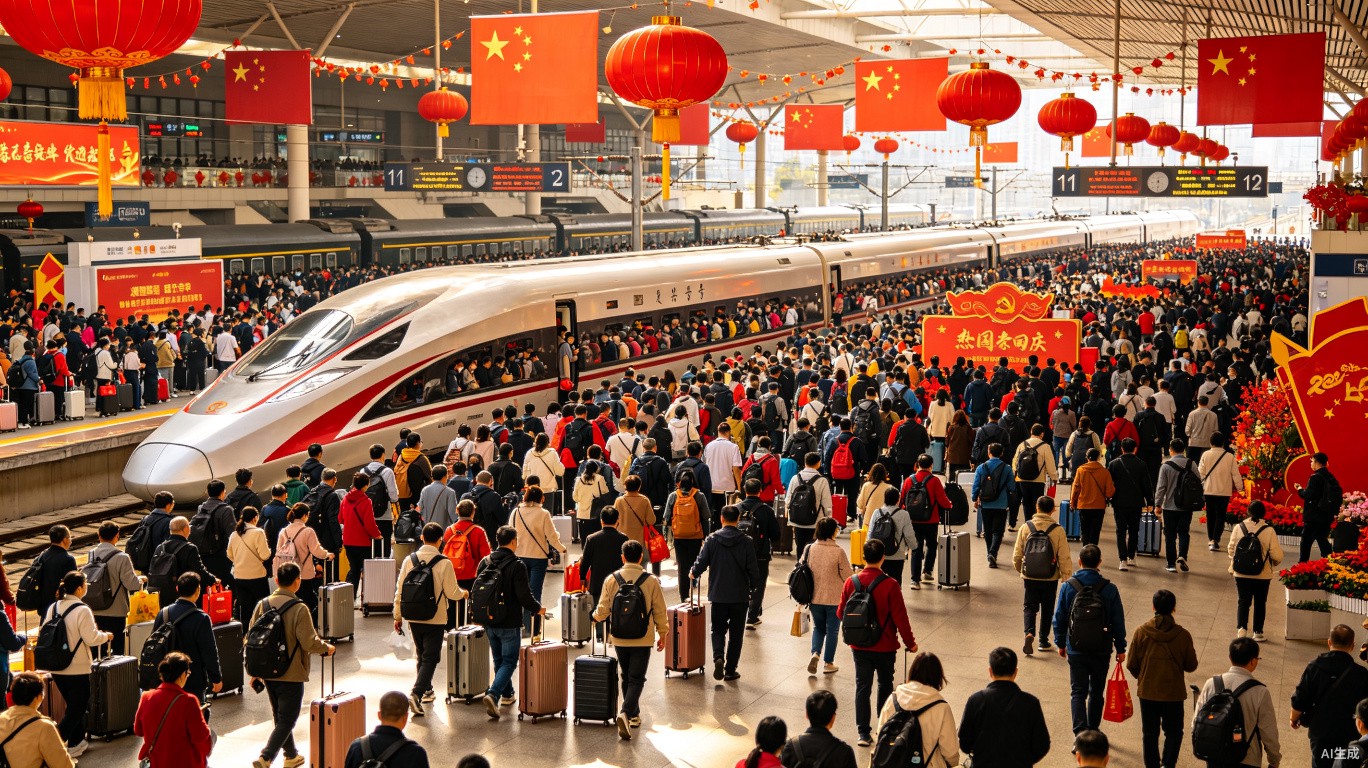
China Golden Week Travel Survival Guide
How to survive China's National Day Golden Week (October 1-7) - what to avoid, where to go, and how to beat the crowds.
9 min read
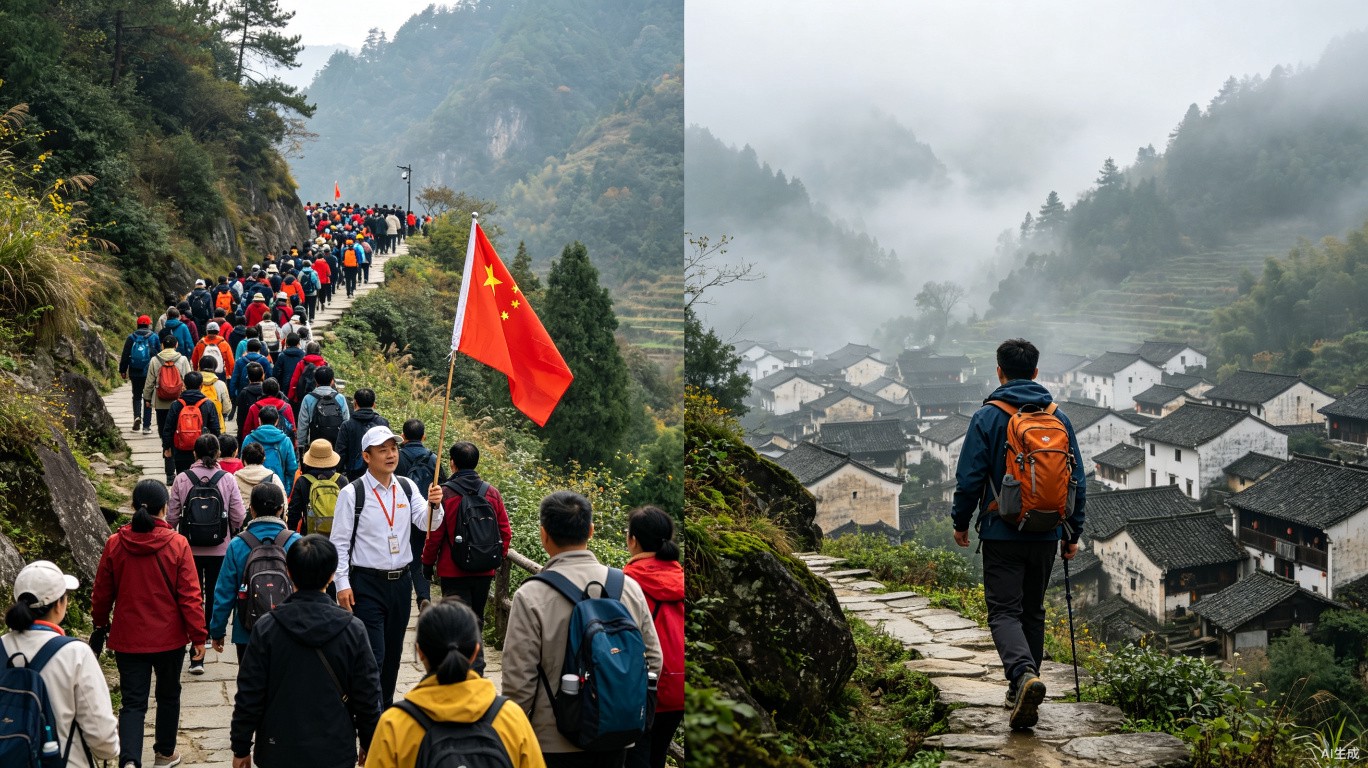
China Group Tours vs Independent Travel Which is Better
Should you join a guided tour or travel independently in China? Honest comparison of cost, flexibility, and experience.
7 min read
China Itinerary Planning: 7-Day 14-Day and 21-Day Routes: The Complete 2026 G...
Not sure how many days to spend in China? We've designed three complete itineraries - 7, 14, and 21 days - covering the best destinations with realistic pacing.
9 min read