
China Accessible Travel Tips
China Accessible Travel Tips: 2026 guide covers current prices, transport, payment apps, and what foreign visitors need to know.
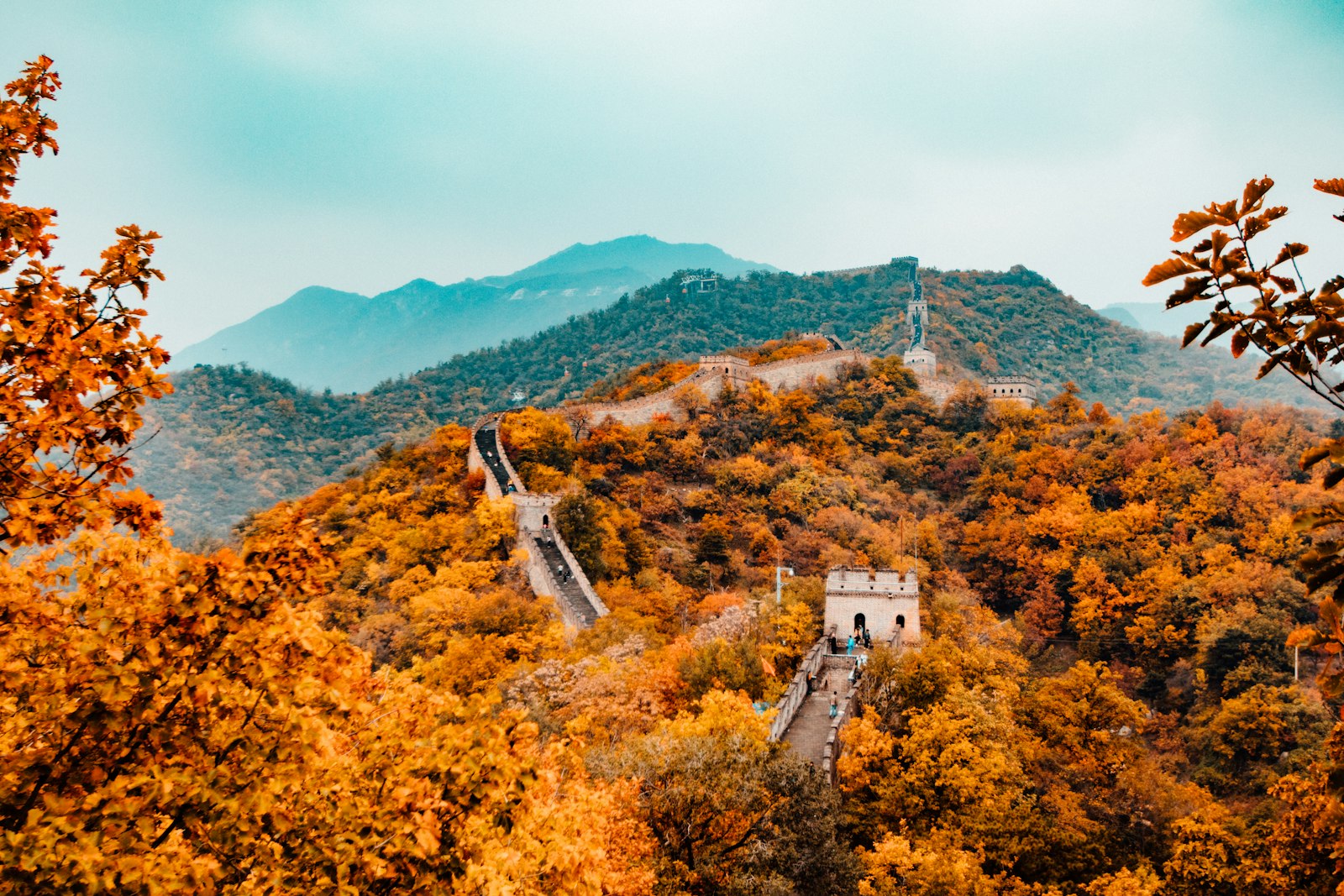
China Accessible Travel Tips: The Complete 2026 Guide
The cab driver laughed at me when I asked if I could pay with my credit card. It was my first hour in Beijing, 2017, and I was already that tourist—the one holding up a line of honking taxis while fumbling with a wallet full of useless foreign currency. The driver, a man named Mr. Chen with a cigarette permanently tucked behind his ear, eventually just waved me off and said “下次吧” (next time). I sat in the backseat, sweating through my shirt, realizing I had absolutely no idea how this country actually worked.
Seven years and forty-something trips later, I’ve made every mistake a foreigner can make in China. I’ve been locked out of my WeChat Pay because my passport expired. I’ve stood at the wrong subway exit for twenty minutes because Google Maps showed the wrong location. I’ve tried to buy a train ticket at 2 AM with no Chinese SIM card and a dying phone battery.
This guide is everything I wish someone had told me before that first cab ride. Not the sanitized version you get from tourism boards. The real stuff: which apps to download before you leave, how to actually use your phone here, what to do when the Great Wall ticket website only works in Chinese, and why you should absolutely bring cash even though everyone says China is cashless.
Quick answer
Yes, China is accessible for first-time international tourists in 2026, but you need to prepare differently than for any other country. The key fact: 54 countries now qualify for visa-free transit stays of up to 144 hours (6 days) in major cities, and 12 countries including France, Germany, Malaysia, and Singapore have full visa-free access for up to 15 days. You cannot rely on Google, WhatsApp, or Instagram without a VPN installed before departure. You must set up Alipay or WeChat Pay before you arrive—cash is accepted but increasingly awkward. Download Didi (China’s Uber), Baidu Maps (not Google Maps), and a translation app before your flight lands.
The Short Version
If you only remember five things: Get a VPN before you leave China. Install Alipay and link your international credit card before you arrive. Download Baidu Maps or Apple Maps (Google Maps is useless). Bring a physical credit card for hotels and high-end stores, but use your phone for everything else. And for the love of god, screenshot your hotel address in Chinese characters—you will need to show it to taxi drivers who don’t speak English.
How I Picked These
I didn’t research this from a desk in London. I’ve been living in Beijing since 2017, and I’ve traveled to every province except Tibet and Xinjiang. I’ve taken the overnight train from Shanghai to Kunming in a hard sleeper. I’ve gotten lost in Chengdu’s back alleys at midnight. I’ve argued with ticket agents in train stations using only hand gestures and Google Translate. Every tip in this guide comes from something that either worked for me, failed spectacularly, or was told to me by a local who took pity on my confusion. I update this information every six months because China changes fast—what was true in 2024 might be wrong in 2026.
Comparison Table
| Rank | Place | Best For | Approx Cost (USD) | Time Needed | When to Go |
|------|-------|----------|-------------------|-------------|------------|
| 1 | Beijing | First-timers, history, food | $50-100/day | 4-5 days | March-May or Sept-Oct |
| 2 | Shanghai | Modern China, nightlife, shopping | $60-120/day | 3-4 days | March-May or Oct-Nov |
| 3 | Xi’an | Terracotta Warriors, ancient history | $40-80/day | 2-3 days | March-May or Sept-Oct |
| 4 | Chengdu | Pandas, Sichuan food, relaxed vibe | $35-70/day | 3-4 days | March-June or Sept-Nov |
| 5 | Guilin/Yangshuo | Karst mountains, river scenery | $30-60/day | 3-4 days | April-Oct |
| 6 | Zhangjiajie | Avatar mountains, glass bridges | $40-70/day | 2-3 days | April-Oct |
| 7 | Lijiang | Ancient towns, Yunnan culture | $35-65/day | 3-4 days | March-May or Sept-Nov |
| 8 | Hong Kong | International hub, dim sum, shopping | $80-150/day | 3-4 days | Oct-Dec |
| 9 | Hangzhou | West Lake, tea plantations | $40-80/day | 2-3 days | March-May or Sept-Oct |
| 10 | Suzhou | Classical gardens, canals | $35-70/day | 2-3 days | March-May or Sept-Oct |
Beijing — The City That Will Break You In
I remember my first morning in Beijing. I walked out of my hutong hostel at 6 AM, and the air smelled like coal smoke and fried dough. An old woman was doing tai chi in a tiny park between two construction sites. A man on a tricycle was hauling what looked like a small mountain of cardboard boxes. Nobody spoke English. Nobody cared that I was lost. And somehow, that was exactly what I needed.
Beijing is not an easy city. It’s massive, chaotic, and the air quality can still be rough in winter. But it’s also the city that will teach you how China actually works. The Forbidden City is overwhelming in scale—you’ll walk 10 miles without realizing it. The Great Wall at Mutianyu is less crowded than Badaling and has a toboggan ride down that feels like childhood. The hutongs (old alleyways) around Nanluoguxiang are touristy but worth wandering for the street food—try the jianbing (savory crepe) from a cart, not a restaurant.
📍 Location: Central Beijing, mostly within the 2nd Ring Road
🎫 Entry fee: Forbidden City $12 (¥85), Great Wall at Mutianyu $7 (¥45) plus cable car $15 (¥100)
🕒 Opening hours: Forbidden City 8:30-17:00, closed Mondays. Great Wall 7:30-18:00, no rest days
🚇 Getting there: Forbidden City: Take Line 1 to Tiananmen East, Exit B, walk 5 minutes north. Great Wall: Take bus 916快 from Dongzhimen to Huairou, then shuttle bus—total about 2.5 hours
⏰When to visit: Weekdays only. April and October are perfect. Avoid Chinese National Holiday (Oct 1-7) and Spring Festival (late Jan/early Feb)
💡 Insider tips: Book Forbidden City tickets on their official WeChat mini-program at least 7 days in advance—they sell out. Bring your passport to every ticket gate. The subway announcements are in English but the signs aren’t always consistent. Download the “Beijing Subway” app. Never take a taxi from the Forbidden City gate—walk 10 minutes south to catch one on the main road.
I once spent 45 minutes trying to buy a bottle of water from a convenience store because the cashier couldn’t make change for my ¥100 note. The woman behind me eventually just paid for it. That’s Beijing—frustrating, then unexpectedly kind.
Shanghai — The One That Feels Like Home
The first thing I noticed about Shanghai was how quiet the subway was. No one talks. Everyone stares at their phones. The stations are spotless, the announcements are in perfect English, and the signs actually make sense. After Beijing, Shanghai felt like cheating.
Shanghai is where you go when you want China to feel easy. The Bund at night is genuinely beautiful—all those colonial buildings lit up across from the futuristic Pudong skyline. Yu Garden is touristy but worth it for the architecture. The French Concession is where you’ll actually want to live—tree-lined streets, art deco buildings, cafes that serve proper espresso. Don’t skip the Shanghai Museum—it’s free and has one of the best collections of ancient Chinese art in the country.
📍 Location: Central districts—Huangpu, Jing’an, French Concession
🎫 Entry fee: The Bund is free. Shanghai Tower observation deck $25 (¥180). Yu Garden $5 (¥40)
🕒 Opening hours: Most attractions 9:00-17:00. The Bund is best at sunset. Museums typically closed Mondays
🚇 Getting there: Pudong Airport to city: Maglev train to Longyang Road (7 minutes, $8/¥55), then transfer to Line 2. Hongqiao Airport: Line 2 or 10 directly
⏰When to visit: October-November is perfect—cool, clear, and the trees in the French Concession turn gold. Avoid July-August (humid and rainy)
💡 Insider tips: The “Noodle Road” on Huanghe Road has the best xiaolongbao (soup dumplings) at Jia Jia Tang Bao—get there before 11 AM or they sell out. Use Apple Maps instead of Google Maps—it actually works in Shanghai. The ferry across the Huangpu River costs ¥2 and gives you the best view of the Bund. Don’t eat at the restaurants on the Bund—they’re overpriced and mediocre. Walk 10 minutes into the side streets.
I met a guy named Zhang at a noodle shop on Xiangyang Road who told me he’d lived in Shanghai his whole life and never been to the Oriental Pearl Tower. “Why would I?” he said, slurping his noodles. “It’s for tourists.” Fair point.
Xi’an — Where History Actually Feels Real
The Terracotta Warriors are not overrated. I know, I know—everyone says the famous things are disappointing. But standing in that hangar-sized building, looking at thousands of life-sized soldiers that have been buried for 2,200 years, each with a different face… it hits you differently. The guy next to me was crying. I’m not saying I cried, but I definitely had to clear my throat a few times.
Xi’an is also where you’ll eat the best food of your life. The Muslim Quarter is a maze of streets filled with lamb skewers, biangbiang noodles (the ones that are a foot wide), and persimmon cakes. Go hungry. Go twice. The city wall is perfect for biking—rent a bike for $5 (¥35) and ride the entire 14-kilometer loop. It takes about two hours and gives you the best view of the city.
📍 Location: Central Xi’an, mostly within the city wall
🎫 Entry fee: Terracotta Warriors $25 (¥180). City wall $8 (¥60). Great Mosque $4 (¥30)
🕒 Opening hours: Terracotta Warriors 8:30-17:30. City wall 8:00-22:00 (bike rental stops at 19:00)
🚇 Getting there: Terracotta Warriors: Take bus 306 from Xi’an Railway Station—it’s direct, costs ¥7, and takes about an hour. Ignore the touts offering private cars
⏰When to visit: March-April or October-November. Summer is brutally hot and crowded. Go to the warriors at 8 AM when they open—by 10 AM it’s a zoo
💡 Insider tips: Don’t take photos with the fake Terracotta Warriors outside the main pit—they’re scams. The real ones are inside. Eat at the Muslim Quarter but avoid the main street—walk into the side alleys. The best lamb skewers are at the stalls that have the longest lines of locals. Book your Terracotta Warrior ticket online through their official WeChat account—the ticket office line can be 45 minutes.
I made the mistake of buying a “jade” bracelet from a vendor outside the warriors. It was plastic. The vendor laughed when I figured it out. I deserved it.
Chengdu — The Chill One
Chengdu is what happens when a city decides that life should be enjoyable. The pace is slower. People sit in tea houses for hours, playing mahjong and drinking jasmine tea. The air smells like Sichuan peppercorns and chili oil. And yes, the pandas are real and they are exactly as cute as you imagine.
The Chengdu Panda Base is worth the early wake-up. Get there by 7:30 AM, before the pandas go to sleep (they’re active in the morning, lazy by noon). Watch them eat bamboo, roll around, and ignore the crowds completely. Then spend the rest of your day eating. Sichuan food is not just “spicy”—it’s numbing (from the Sichuan peppercorn), oily, fragrant, and deeply satisfying. Go to a hot pot restaurant and order the tripe. Trust me.
📍 Location: Chengdu proper—Jinli Ancient Street, Wide and Narrow Alleys, Panda Base
🎫 Entry fee: Panda Base $8 (¥58). Jinli Ancient Street free. Wuhou Temple $8 (¥60)
🕒 Opening hours: Panda Base 7:30-18:00. Tea houses open from 8 AM until late
🚇 Getting there: Panda Base: Take subway Line 3 to Panda Avenue, Exit B, then take the free shuttle bus. Or take a Didi for about $6 (¥40) from city center
⏰When to visit: March-June or September-November. Summer is rainy and humid. Go to the Panda Base on a weekday
💡 Insider tips: The hot pot restaurants on Kuanzhai Alley are tourist traps. Go to the ones on Shuanglin Road instead—locals only. Learn to say “不要辣” (bú yào là) if you can’t handle spice, but honestly, just embrace it. The tea at Heming Teahouse in People’s Park is ¥30 and comes with unlimited hot water refills. Bring a book. Stay for hours.
I tried to order “mild” hot pot once. The waiter looked at me like I’d insulted his mother. Then he brought me the regular spice level anyway. I sweated through three shirts. It was the best meal of my life.
Guilin and Yangshuo — The Postcard
The first time I saw the karst mountains from the train window, I actually said “wow” out loud. The person next to me nodded like she understood. These are the mountains you’ve seen in every Chinese painting—towering green peaks rising out of flat farmland, mist hanging in the valleys, the Li River winding through it all like a silk ribbon.
Yangshuo is the backpacker hub, and it’s touristy, but it’s touristy for good reason. Rent a bicycle and ride through the countryside. Take a bamboo raft on the Yulong River (not the Li River—too crowded). Climb Moon Hill for the view. Eat beer fish at a restaurant by the river. The town itself is full of bars and souvenir shops, but the scenery outside town is worth every overpriced cocktail.
📍 Location: Guilin city and Yangshuo county
🎫 Entry fee: Li River cruise from Guilin to Yangshuo $50 (¥360). Yulong River bamboo raft $25 (¥180). Moon Hill $4 (¥30)
🕒 Opening hours: Most outdoor attractions are dawn to dusk. Li River cruises typically depart 9-10 AM
🚇 Getting there: Guilin: Fly into Guilin Liangjiang Airport. Yangshuo: Take the high-speed train from Guilin to Yangshuo Station (30 minutes, $8/¥55), then bus into town
⏰When to visit: April-October. September-October is best—less rain, cooler temperatures, and the rice terraces are golden
💡 Insider tips: Skip the Li River cruise—it’s expensive and crowded. Instead, take a bamboo raft on the Yulong River for a fraction of the price. Rent an e-bike in Yangshuo for $10/day—it’s the best way to explore. The “Impression Liu Sanjie” light show is overpriced and skippable. Don’t eat at the restaurants on West Street—walk 5 minutes into the side streets for better food at half the price.
I rented a bicycle that had no brakes. The man at the shop just shrugged and said “小心” (be careful). I rode it anyway. I was not careful. I fell into a rice paddy.
Zhangjiajie — The Avatar Mountains
Yes, the floating mountains in Avatar were inspired by these pillars of quartzite sandstone. And yes, they look exactly like the movie. But what the movie didn’t capture is the sheer scale—you stand on a glass bridge suspended 300 meters above a valley, looking at these stone fingers reaching through the clouds, and you feel very, very small.
Zhangjiajie National Forest Park is massive. You need at least two days. The Bailong Elevator (the glass elevator built into the cliff) is touristy but worth it for the view. The Zhangjiajie Grand Canyon glass bridge is terrifying and amazing. The Tianmen Mountain cable car is the longest in the world and climbs so steeply that your ears will pop. Don’t look down.
📍 Location: Wulingyuan District, about 30 minutes from Zhangjiajie city
🎫 Entry fee: National Forest Park $35 (¥248) for 4-day pass. Grand Canyon glass bridge $30 (¥210). Tianmen Mountain $35 (¥258)
🕒 Opening hours: 7:00-18:00 (seasonal variations). Bailong Elevator operates 8:00-17:30
🚇 Getting there: Fly into Zhangjiajie Hehua Airport. From city center, take bus to Wulingyuan entrance (1 hour, $2/¥15). Or take a Didi for about $15 (¥100)
⏰When to visit: April-October. September-October is best—less rain, clear skies. Avoid Chinese holidays
💡 Insider tips: Enter through the Forest Park entrance (not Wulingyuan) on day one—it’s less crowded. Take the cable car up and walk down. The “Avatar Hallelujah Mountain” is just a renamed pillar—don’t expect a theme park. Bring rain gear even on sunny days—the weather changes in minutes. The monkeys will steal your food. They are not cute. They are tiny thieves.
I watched a monkey steal a woman’s entire bag of snacks, open it, eat the crackers, and throw the bag back at her. She just stood there, defeated. I offered her my granola bar. She declined.
Lijiang — The Ancient Town That’s Still Alive
Lijiang Old Town is a UNESCO site, and it’s beautiful—canals running through cobblestone streets, wooden buildings with curved roofs, Naxi women in traditional blue clothing selling mushrooms and herbs. But it’s also a tourist machine. Every building is a souvenir shop or a bar playing “Country Roads.” The magic is in the early morning, before the tour buses arrive, when the streets are empty and the only sound is water flowing through the canals.
The real Lijiang is outside the old town. Go to Shuhe Ancient Town (quieter, more authentic). Take a day trip to Jade Dragon Snow Mountain. Visit the Black Dragon Pool for the classic postcard view of the mountain reflected in the water. Eat the crossing-the-bridge noodles at a local restaurant, not a tourist one.
📍 Location: Lijiang Old Town, Yunnan Province
🎫 Entry fee: Old Town free (was ¥80, dropped in 2021). Jade Dragon Snow Mountain $25 (¥180) plus cable car $25 (¥180)
🕒 Opening hours: Old Town always open. Jade Dragon Snow Mountain cable car 7:30-16:00
🚇 Getting there: Fly into Lijiang Sanyi Airport. From airport, take bus to old town ($3/¥20) or Didi ($15/¥100)
⏰When to visit: March-May or September-November. Summer is rainy. Winter is cold but less crowded
💡 Insider tips: Don’t stay in the old town—it’s loud and overpriced. Stay in Shuhe instead. The “ancient” buildings in the old town are mostly reconstructions—the real history is in the side streets. The Naxi people have their own writing system—look for Dongba script on signs. Altitude sickness is real at Jade Dragon Snow Mountain (4,500m)—bring oxygen cans ($5/¥35 at the base).
I got hopelessly lost in the old town at 11 PM. Every alley looked the same. A Naxi grandmother took pity on me and walked me back to my guesthouse. She didn’t speak a word of English. We communicated through smiles and pointing.
Hong Kong — The One That’s Different
Hong Kong is not mainland China. It feels different, smells different, operates differently. The signs are in English and Chinese. People queue properly. The MTR is clean and efficient. You can use your credit card everywhere. After a month in the mainland, Hong Kong feels like a vacation from your vacation.
But don’t just treat it as a layover. Take the Star Ferry across Victoria Harbour at sunset—it costs less than $1 and the view is worth a hundred times that. Eat dim sum at Lin Heung Tea House (chaotic, loud, unforgettable). Hike Dragon’s Back for the view of the South China Sea. Visit the Big Buddha on Lantau Island—take the cable car, not the bus. And for god’s sake, eat a egg waffle from a street cart.
📍 Location: Hong Kong Island, Kowloon, New Territories
🎫 Entry fee: Star Ferry $0.50 (HK$4). Peak Tram $8 (HK$62). Big Buddha cable car $25 (HK$200)
🕒 Opening hours: Most shops 10:00-22:00. Markets like Temple Street start at 6 PM
🚇 Getting there: Fly into Hong Kong International Airport. Airport Express train to Central takes 24 minutes ($15/HK$115)
⏰When to visit: October-December. Avoid June-September (typhoon season, humid)
💡 Insider tips: Get an Octopus card at the airport—it works on MTR, buses, ferries, and convenience stores. The “ladies market” in Mong Kok is for tourists—the real market is on Tung Choi Street. Eat at dai pai dong (open-air food stalls) in Sham Shui Po—they’re disappearing fast. The view from Victoria Peak is better at sunset than at night. Bring a light jacket—the Peak is significantly cooler than the city.
I ate chicken feet at a dim sum restaurant in Sham Shui Po because the old man next to me pointed at them and nodded approvingly. They were actually delicious. I’ve been chasing that high ever since.
Hangzhou — The One That Inspired Poets
Marco Polo called Hangzhou “the finest and most splendid city in the world.” He wasn’t wrong. West Lake is the centerpiece—a vast, shallow lake surrounded by willow trees, pagodas, and hills. It’s been inspiring poets and painters for a thousand years. And somehow, despite the crowds, it still works.
Rent a boat and row to the islands in the middle of the lake. Walk the Su Causeway in the rain. Visit Lingyin Temple, one of the oldest Buddhist temples in China, tucked into a forest of ancient trees. Drink Longjing tea at a tea house overlooking the tea fields. The tea here is the real thing—Longjing (Dragon Well) is China’s most famous green tea, and you’re drinking it where it’s grown.
📍 Location: West Lake District, Hangzhou
🎫 Entry fee: West Lake free. Lingyin Temple $7 (¥45). Leifeng Pagoda $6 (¥40)
🕒 Opening hours: West Lake always open. Lingyin Temple 7:00-17:30
🚇 Getting there: High-speed train from Shanghai takes 45 minutes ($15/¥100). From Hangzhou East Station, take subway Line 1 to Ding’an Road, then walk 10 minutes
⏰When to visit: March-May or September-October. The “Ten Scenes of West Lake” are best in different seasons—Broken Bridge in snow (winter), Su Causeway in spring
💡 Insider tips: Skip the tourist boats at the main dock—walk 10 minutes to the smaller dock near the Hangzhou Hotel for cheaper rates. The Longjing tea fields are free to walk through—just don’t pick the leaves. The best tea is sold by farmers, not in shops. The “Impression West Lake” show is beautiful but expensive—watch from the nearby bridge for free (sort of).
I sat in a tea house for three hours, drinking cup after cup of Longjing, watching the rain fall on West Lake. The owner kept refilling my pot without asking. I tried to pay extra. He refused.
Suzhou — The Garden City
Suzhou is what happens when a city decides to be beautiful on purpose. The classical gardens are masterpieces of Chinese landscape design—every rock, every tree, every window placed to create a specific view. The Humble Administrator’s Garden is the most famous, but the Lingering Garden is better. The Master of the Nets Garden is smaller but more intimate.
But Suzhou isn’t just gardens. The Grand Canal runs through the city—take a boat ride at dusk when the lanterns come on. The Suzhou Museum, designed by I.M. Pei, is a stunning blend of modern and traditional architecture. And the food—Suzhou food is sweet, delicate, and completely different from the spicy food of Sichuan. Try the squirrel-shaped mandarin fish (yes, it’s shaped like a squirrel).
📍 Location: Suzhou city, Jiangsu Province
🎫 Entry fee: Humble Administrator’s Garden $10 (¥70). Lingering Garden $7 (¥45). Suzhou Museum free (reservation required)
🕒 Opening hours: Gardens 7:30-17:30. Museum 9:00-17:00, closed Mondays
🚇 Getting there: High-speed train from Shanghai takes 30 minutes ($10/¥70). From Suzhou Station, take bus or taxi to gardens (10 minutes)
⏰When to visit: March-May or September-October. Gardens are best in spring when the flowers bloom
💡 Insider tips: Book Suzhou Museum tickets 3-5 days in advance on their WeChat mini-program—they sell out. Visit the gardens at 8 AM when they open—by 10 AM it’s crowded. The water towns around Suzhou (Zhouzhuang, Tongli) are beautiful but touristy—go on a weekday. The best xiaolongbao in Suzhou is at the restaurant at the end of Pingjiang Road—no English menu, just point.
I spent an hour in the Humble Administrator’s Garden trying to photograph the perfect reflection of a pavilion in the pond. A Chinese photographer saw me struggling and adjusted my camera settings. The photo was perfect. I still have it framed.
FAQ summary
The three things you absolutely must do before arriving in China: install a VPN on your phone and laptop, set up Alipay or WeChat Pay with your international credit card, and download offline maps (Baidu Maps or Apple Maps). Everything else—language barriers, cash, transport—is manageable if you have these three things sorted. Most first-time problems come from assuming China works like the West. It doesn’t. But once you accept that, it becomes one of the easiest and most rewarding countries to travel in.
FAQ
Q: Do I need a visa for China in 2026?
A: It depends on your passport and where you’re transiting. 54 countries qualify for 144-hour visa-free transit in major cities like Beijing, Shanghai, and Guangzhou. 12 countries (France, Germany, Malaysia, Singapore, and others) have full 15-day visa-free access. Check the Chinese embassy website for your country—don’t trust third-party sources.
Q: Can I use Google Maps in China?
A: No. Google Maps is blocked. Download Baidu Maps or use Apple Maps (which works surprisingly well). Before you arrive, download offline maps of the cities you’re visiting—you’ll thank me when your VPN cuts out.
Q: Do I need cash in China?
A: Yes, but less than you think. Major cities are almost entirely cashless—you’ll pay for street food with your phone. But smaller towns, taxis, and some markets still prefer cash. Carry about $100 (¥700) equivalent in small bills. ATMs accept international cards but charge fees.
Q: Will I need a VPN?
A: Absolutely. Google, Facebook, Instagram, WhatsApp, YouTube, and many news sites are blocked. Install a VPN on your phone and laptop before you leave China—you can’t download them once you’re inside. ExpressVPN, NordVPN, and Astrill work reliably. Test it before your flight.
Q: Is English widely spoken?
A: In tourist areas, hotels, and airports, yes. Everywhere else, no. Download Google Translate (it works with VPN) or Pleco (a Chinese dictionary app that works offline). Learn to say “谢谢” (thank you), “多少钱” (how much), and “这个” (this one) while pointing. You’ll survive.
Q: Can I use my credit card in China?
A: At international hotels and some high-end stores, yes. Everywhere else, no. China runs on WeChat Pay and Alipay. Link your international credit card to Alipay before you arrive—it’s surprisingly easy now. You can also top up your Alipay balance at convenience stores.
Q: Is China safe for solo travelers?
A: Yes, extremely safe. Violent crime is rare. Petty theft happens in crowded areas, but less than in Europe. The biggest risks are scams (fake ticket sellers, overpriced tea ceremonies) and traffic (jaywalking is a national sport). Use common sense and you’ll be fine.
The Honest Wrap-up
This list is for the traveler who wants to see China but is nervous about the logistics. It’s not for the backpacker who wants to hitchhike through Xinjiang or the luxury traveler who needs five-star everything. It’s for the person who has a week or two, wants to see the highlights, and doesn’t want to spend half their trip figuring out how to buy a train ticket.
If I had to give one piece of advice to someone about to book their flight: lower your expectations for comfort and raise them for experience. The trains will be crowded. The air might be hazy. The toilets will sometimes be squat toilets with no toilet paper. But you’ll eat noodles at 2 AM from a cart on a street that doesn’t have a name. You’ll watch the sun rise over a mountain that’s been standing for 300 million years. You’ll meet a stranger who helps you when you’re lost, even though you can’t speak each other’s language.
That’s China. It’s frustrating, chaotic, and absolutely worth it.
Related Guides
Looking for more China travel guides? These match your topic:
- Best Time to See Cherry Blossoms in China 2026
- Best Time to Visit China: Month-by-Month Guide
- China Etiquette: Cultural Do’s and Don’ts for Foreigners: The Complete 2026 G…
- China Golden Week Travel Survival Guide
- China Group Tours vs Independent Travel Which is Better
- China Itinerary Planning: 7-Day 14-Day and 21-Day Routes: The Complete 2026 G…
Topics
More guides you may like
Best Time to See Cherry Blossoms in China 2026
Best Time to See Cherry Blossoms in China: 2026 guide covers current prices, transport, payment apps, and what foreign visitors need to know.
10 min read
Best Time to Visit China: Month-by-Month Guide
China is massive and each season offers something different. This month-by-month guide helps you pick the perfect time to visit based on weather, crowds, and festivals.
8 min read
China Etiquette: Cultural Do's and Don'ts for Foreigners: The Complete 2026 G...
China has unique social customs that can confuse first-time visitors. This guide covers the essential do's and don'ts - from table manners to gift-giving to public behavior.
9 min read
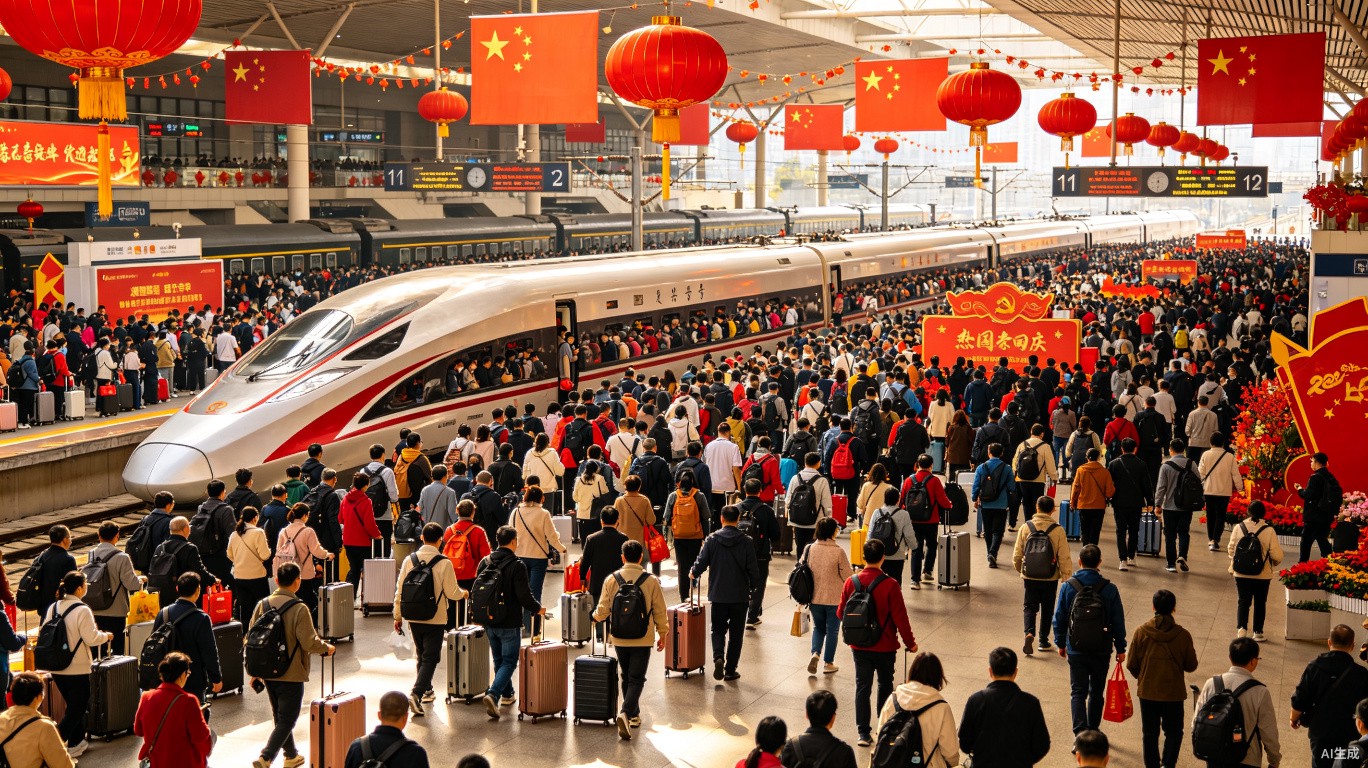
China Golden Week Travel Survival Guide
How to survive China's National Day Golden Week (October 1-7) - what to avoid, where to go, and how to beat the crowds.
9 min read
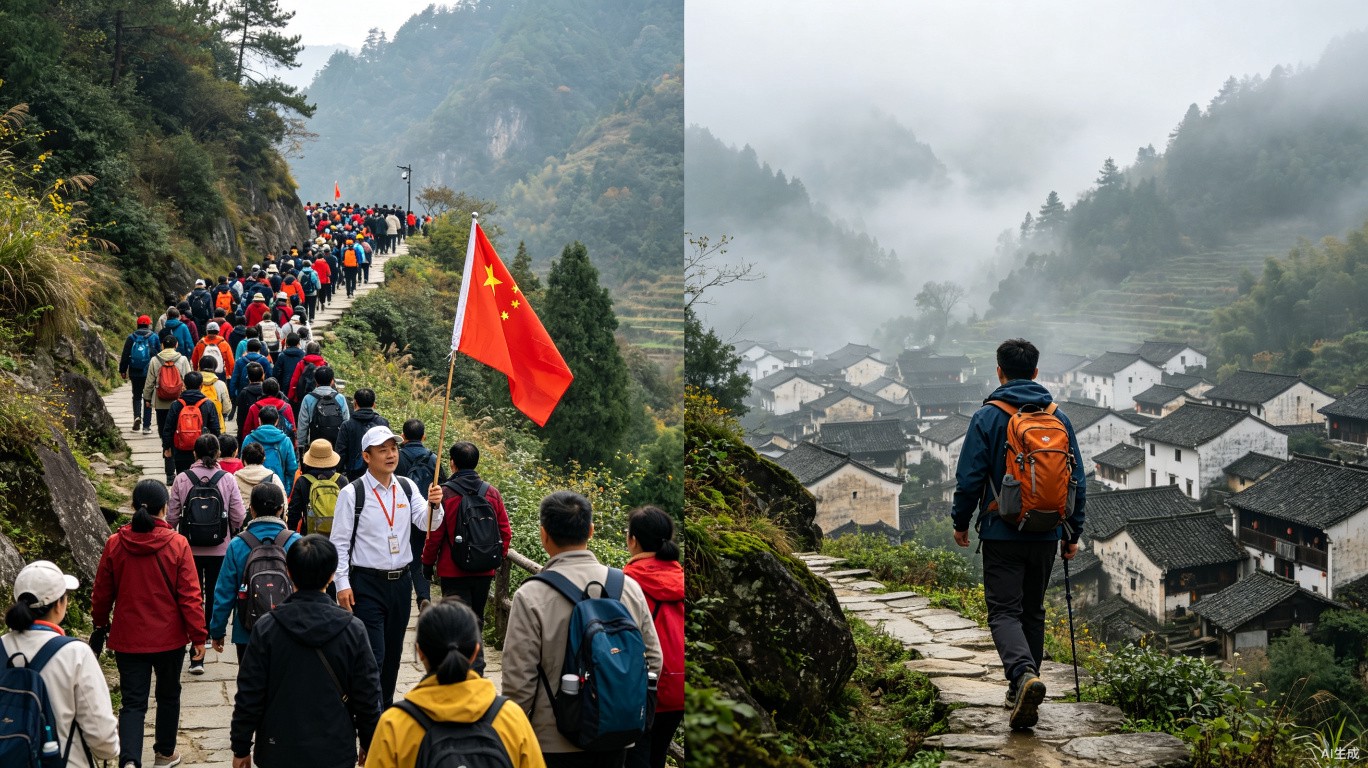
China Group Tours vs Independent Travel Which is Better
Should you join a guided tour or travel independently in China? Honest comparison of cost, flexibility, and experience.
7 min read
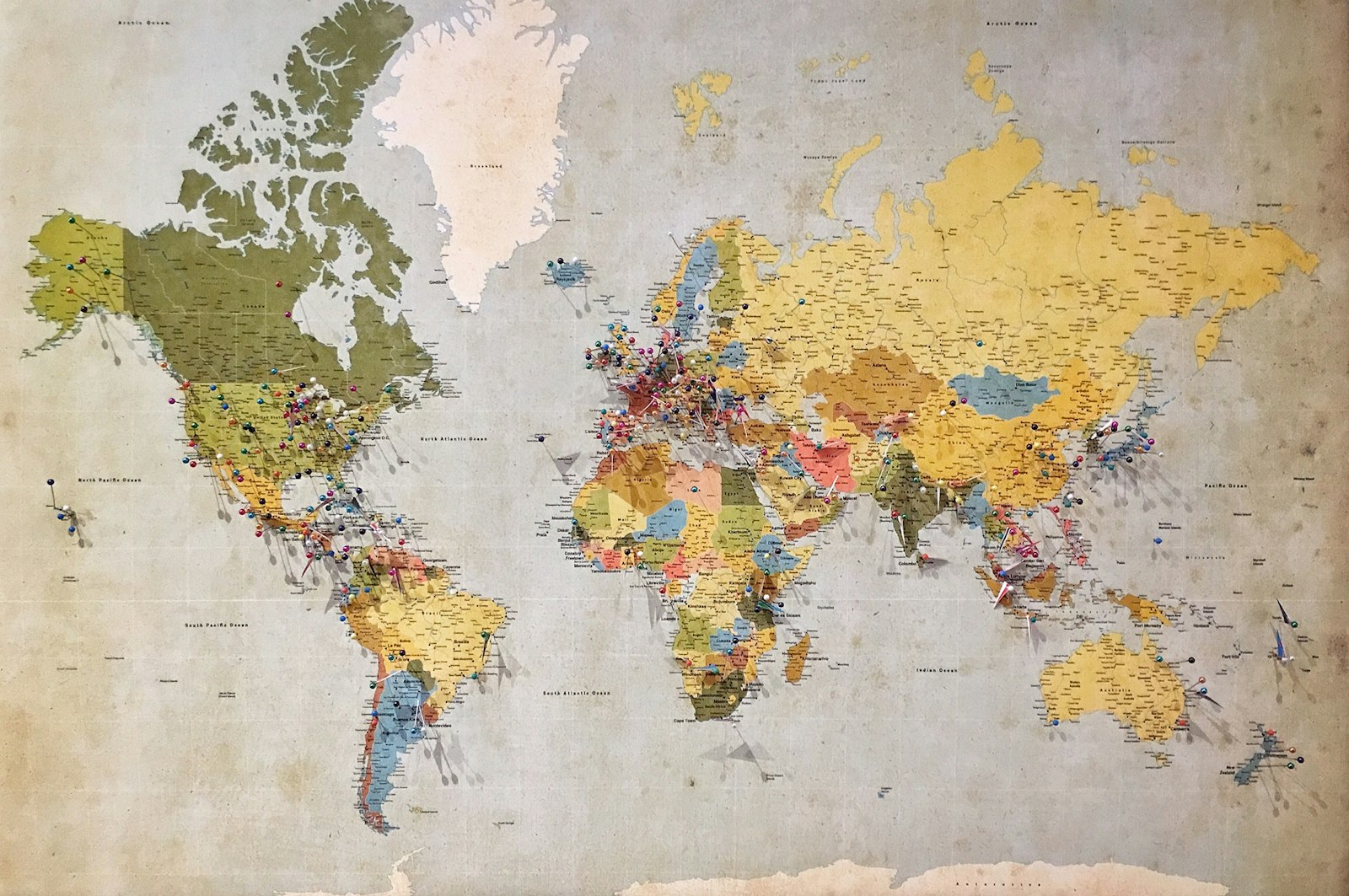
China Itinerary Planning: 7-Day 14-Day and 21-Day Routes: The Complete 2026 G...
Not sure how many days to spend in China? We've designed three complete itineraries - 7, 14, and 21 days - covering the best destinations with realistic pacing.
9 min read