
China Coffee Culture Guide
China Coffee Culture Guide: 2026 guide covers current prices, transport, payment apps, and what foreign visitors need to know.
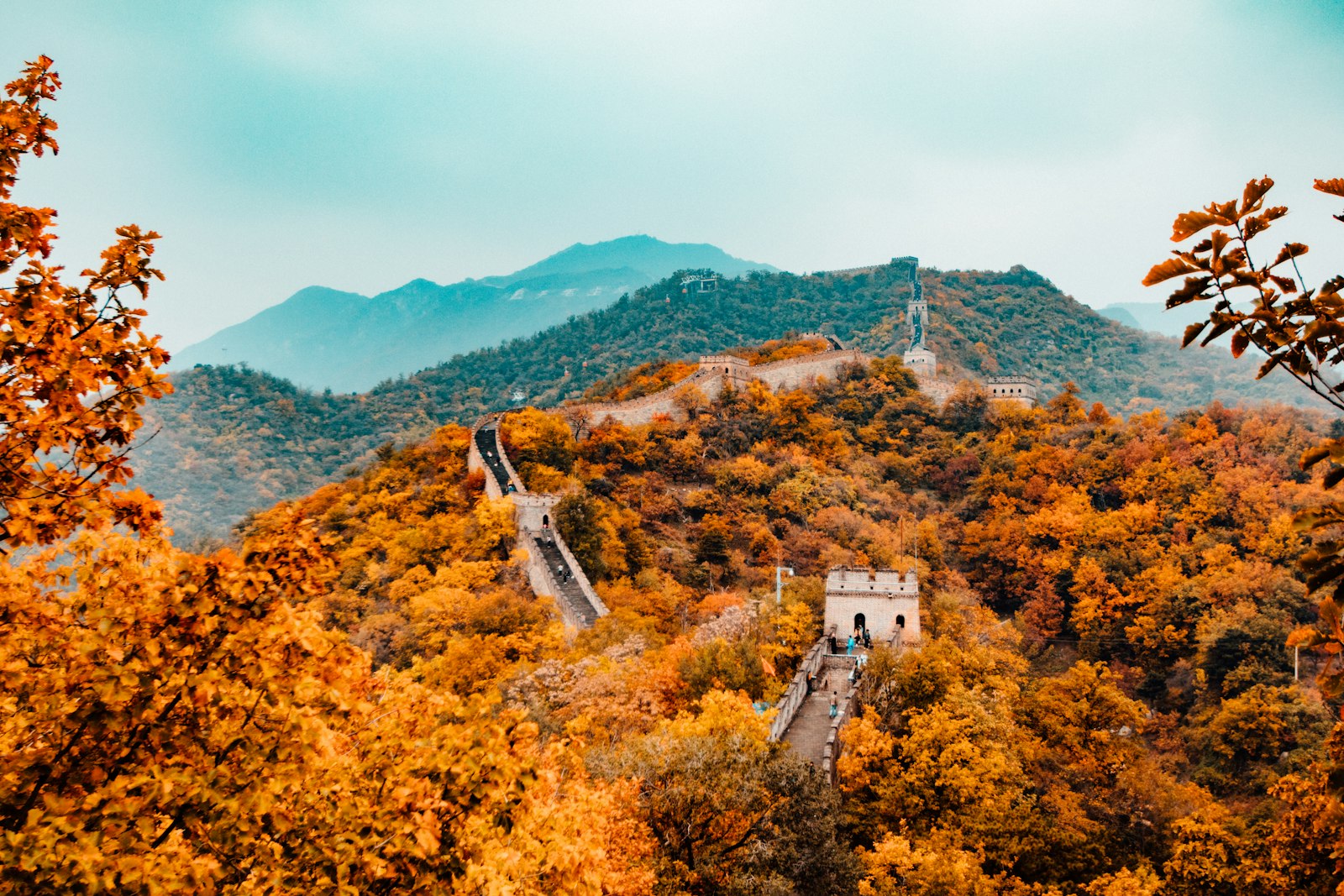
China Coffee Culture Guide: The Complete 2026 Guide
The cab driver looked at me in his rearview mirror and laughed. Not a mean laugh, but a confused one. I’d just asked him to take me to a “third-wave coffee shop” in a hutong near the Lama Temple. He shook his head, muttered something about “foreigners and their bitter water,” and dropped me at a dusty intersection where the only coffee I could find was Nescafe from a convenience store. That was 2018. Seven years later, that same hutong has three specialty roasters within a five-minute walk, and the cab driver’s grandson works as a barista at one of them.
China’s coffee scene has exploded. Not in the way it did in Seoul or Melbourne, but in its own strange, chaotic, thoroughly Chinese way. You’ll find pour-overs in 400-year-old courtyard homes, latte art in skyscrapers overlooking the Bund, and coffee shops where the menu is entirely in Chinese and the barista has never served a foreigner before. This guide covers ten places that show you what Chinese coffee culture actually is right now—not what Instagram thinks it is.
Quick answer
China’s coffee culture is thriving in major cities, with specialty shops rivaling those in Tokyo or Melbourne. Expect to pay $4-8 (28-56 CNY) for a pour-over or latte in a good shop. Most urban coffee shops accept WeChat Pay and Alipay; bring cash only for rural or very traditional spots. Download a translation app before you go—English menus are common in tourist areas but rare in neighborhood shops.
The Short Version
Skip Starbucks Reserve Roastery in Shanghai unless you love crowds. Go to Beijing’s Metal Hands for the best single-origin pour-overs in a hutong setting. If you only have time for one coffee experience in China, make it a morning at % Arabica in Chengdu’s Taikoo Li—not because it’s the best coffee, but because watching the city wake up from their terrace is worth the price of admission alone.
How I Picked These
I’ve spent the last seven years drinking coffee in every Chinese city I could reach—Beijing, Shanghai, Chengdu, Kunming, Guangzhou, Hangzhou, and a dozen smaller towns. I’ve sat through terrible instant coffee in government offices and $8 pour-overs in converted temples. I talked to baristas, roasters, and the occasional confused shop owner who couldn’t figure out why a foreigner was in their shop. These ten places aren’t the “best” in any objective sense—they’re the ones that taught me something about how China drinks coffee right now.
Comparison Table
| Rank | Place | Best For | Approx Cost (USD) | Time Needed | When to Go |
|------|-------|----------|-------------------|-------------|------------|
| 1 | Metal Hands (Beijing) | Single-origin pour-overs | $5-8 (35-56 CNY) | 1-2 hours | Weekday mornings |
| 2 | % Arabica (Chengdu) | People-watching + espresso | $4-6 (28-42 CNY) | 30-60 min | Early morning |
| 3 | Seesaw (Shanghai) | Creative seasonal drinks | $5-7 (35-49 CNY) | 1 hour | Afternoon |
| 4 | A.omen (Kunming) | Yunnan-grown beans | $3-5 (21-35 CNY) | 1-2 hours | Morning |
| 5 | Bean House (Guangzhou) | Traditional Chinese coffee | $4-6 (28-42 CNY) | 1 hour | Late afternoon |
| 6 | Manner (Shanghai) | Budget-friendly quality | $2-4 (14-28 CNY) | 15-30 min | Any time |
| 7 | The Coffee Academics (Shenzhen) | Hong Kong-style coffee | $5-8 (35-56 CNY) | 1-2 hours | Weekend brunch |
| 8 | 3W Coffee (Hangzhou) | Tea + coffee fusion | $4-6 (28-42 CNY) | 1 hour | Spring/autumn |
| 9 | Voyage Coffee (Beijing) | Quiet workspace | $4-6 (28-42 CNY) | 2-3 hours | Weekday afternoons |
| 10 | M Stand (multiple cities) | Instagram-worthy aesthetics | $5-7 (35-49 CNY) | 30-45 min | Late morning |
Metal Hands —The One That Changed My Mind
I walked into Metal Hands on a gray Beijing afternoon, annoyed about the rain and skeptical about Chinese specialty coffee. The barista, a quiet guy named Zhang who’d learned his trade in Melbourne, handed me a cup of Yunnan single-origin without asking what I wanted. “Just try it,” he said. It was the best pour-over I’d had in Asia that year. Clean, bright, with a finish that reminded me of the Ethiopian beans I used to buy in Brooklyn.
Metal Hands isn’t trying to be a Western coffee shop in China. They’re doing something different. They source beans from Yunnan, roast them in small batches in a back room the size of a closet, and serve them in ceramic cups made by a local potter. The hutong location means you’re surrounded by old Beijing—pigeon coops on rooftops, old men playing chess, the occasional bicycle bell.
📍 Location: Dongsi Shi’ertiao, Dongcheng District, Beijing. It’s in a hutong alley, not on a main road.
🎫 Entry fee: Free. Coffee is $5-8 (35-56 CNY) for pour-overs.
🕒 Opening hours: 8 AM to 8 PM daily. Closed Chinese New Year week.
🚇 How to get there: Take Subway Line 5 to Dongsi Station, Exit C. Walk north for 3 minutes, then turn east into Dongsi Shi’ertiao. It’s the second courtyard on the left with a small metal sign.
⏰When to visit: Weekday mornings, 9-11 AM. Weekends get packed with young Chinese couples taking photos.
💡 Insider tips:
-
Ask for the “barista’s choice” and let Zhang pick your beans. He’s never steered me wrong.
-
The cold brew is excellent but sells out by 2 PM most days.
-
Bring cash as backup—their card reader sometimes fails.
-
The wifi password is “yunnan2024” (they change it yearly).
-
Don’t expect English menus. Point at the beans in the glass jars.
I once spent three hours here during a snowstorm, watching the hutong turn white through the window. Zhang made me a second pour-over on the house. “For the cold,” he said.
% Arabica —The One Tourists Actually Like
I’ll be honest: I resisted % Arabica for years. It’s a chain. It’s Instagram-famous. The logo looks like a tech startup’s. But then I sat on their terrace in Chengdu’s Taikoo Li at 7:30 AM, watching the mist lift off the ancient temple roofs while a monk walked past carrying a bag of groceries, and I understood. This isn’t a coffee shop. It’s a stage for watching China happen.
The coffee is good—not great, but good. Their espresso blend is consistent, and the latte art is reliably pretty. But you’re not here for the coffee. You’re here for the view of Taikoo Li before the crowds arrive, for the way the morning light hits the old brick buildings, for the feeling of being in a city that’s both ancient and brand new.
📍 Location: Taikoo Li, Jinjiang District, Chengdu. Ground floor, near the central square.
🎫 Entry fee: Free. Coffee $4-6 (28-42 CNY).
🕒 Opening hours: 8 AM to 10 PM daily.
🚇 How to get there: Take Subway Line 2 to Chunxi Road Station, Exit D. Walk south for 5 minutes. Taikoo Li is the open-air shopping complex with the temple in the middle.
⏰When to visit: 7:30-8:30 AM on weekdays. After 11 AM on weekends it’s a zoo.
💡 Insider tips:
-
Go at opening time. The first 30 minutes are magical.
-
Skip the matcha latte—it’s too sweet.
-
The second-floor balcony has the best view of the temple.
-
They accept WeChat Pay and Alipay only. No cash.
-
The staff speaks basic English but appreciates when you order in Chinese.
I watched a grandmother teach her granddaughter how to take a photo with a smartphone here. The girl was maybe four years old. She held the phone like she’d been doing it her whole life.
Seesaw —The One That Gets Experimental
Seesaw is what happens when Chinese tech money meets coffee culture. The Shanghai flagship is in a converted warehouse in Jing’an, all exposed brick and minimalist design. Their menu changes seasonally, and they’re not afraid to get weird. I once had a “Sichuan pepper latte” here that sounded like a gimmick but actually worked—the numbing sensation played off the chocolate notes in the espresso.
The baristas here are serious. Most of them have competed in latte art championships or studied roasting in Japan. They’ll talk your ear off about extraction ratios if you let them. But they’re also warm—one barista named Xiao Wang spent 20 minutes helping me translate a coffee-related WeChat post I was trying to understand.
📍 Location: 388 Changde Road, Jing’an District, Shanghai. Near the MOHO mall.
🎫 Entry fee: Free. Seasonal drinks $5-7 (35-49 CNY).
🕒 Opening hours: 8 AM to 9 PM daily.
🚇 How to get there: Take Subway Line 7 to Changping Road Station, Exit 1. Walk south for 8 minutes. It’s on the ground floor of a modern office building.
⏰When to visit: Afternoon, 2-4 PM. The morning rush is mostly office workers grabbing takeaway.
💡 Insider tips:
-
Try whatever seasonal drink they’re featuring. The osmanthus latte in autumn is incredible.
-
They sell their own beans—buy a bag of the Yunnan “Black Cat” blend.
-
The second floor has power outlets at every seat.
-
English menu available, but the seasonal specials are only in Chinese.
-
Download their mini-program on WeChat for loyalty points.
I spilled a full cup of cold brew on their white concrete floor once. The barista just laughed and handed me a towel. “Happens every day,” she said.
A.omen —The One in Yunnan
Kunming is where China’s coffee is actually grown, and A.omen is where you go to understand what that means. The shop sits in a quiet residential neighborhood, surrounded by the kind of subtropical greenery that makes Kunming feel more like Southeast Asia than China. The owner, a former engineer named Mr. Chen, started roasting in his garage five years ago. Now he sources directly from farms in Pu’er and Baoshan.
The coffee here tastes different. Yunnan beans have a distinct profile—lower acidity, more body, with notes of dark chocolate and sometimes a hint of tobacco. Mr. Chen will walk you through a cupping flight if you ask nicely. He speaks almost no English, but we managed with a translation app and a lot of hand gestures.
📍 Location: 128 Wenhua Lane, Wuhua District, Kunming. Look for the blue door with no sign.
🎫 Entry fee: Free. Cupping flights $3-5 (21-35 CNY).
🕒 Opening hours: 9 AM to 7 PM. Closed Mondays.
🚇 How to get there: Take Bus 84 to Wenlin Street stop. Walk east for 2 minutes, then turn south into Wenhua Lane. It’s the third building on the left.
⏰When to visit: Morning, 9-11 AM. Mr. Chen does his roasting in the afternoon and the shop gets hot.
💡 Insider tips:
-
Buy a bag of their single-origin Yunnan beans—they’re half the price of similar quality in Beijing.
-
The pour-over takes 15 minutes. Don’t be in a hurry.
-
Mr. Chen prefers cash. Have 100 CNY on hand.
-
No English spoken. Download Pleco or Google Translate.
-
Ask to see the roaster in the back room. He’ll show you if you seem interested.
Mr. Chen gave me a bag of green beans to take home once. “Roast them yourself,” he said through the translation app. “Then you’ll understand.”
Bean House —The One Where Coffee Meets Cantonese Tradition
Guangzhou does things differently. Bean House is in an old qilou building on a street that smells like dried seafood and incense. The owner, a third-generation tea merchant named Auntie Lin, started serving coffee five years ago when her daughter came back from studying in Australia. The result is something you won’t find anywhere else: coffee made with traditional Cantonese tea techniques.
Their “gongfu coffee” is a pour-over done with the same precision and ritual as a gongfu tea ceremony. Small cups, multiple infusions, careful attention to water temperature. It sounds pretentious. It is not. It’s genuinely delicious, and watching Auntie Lin work is like watching a musician play an instrument she’s known her whole life.
📍 Location: 47 Wende Road, Yuexiu District, Guangzhou. Near the Beijing Road pedestrian street.
🎫 Entry fee: Free. Gongfu coffee $4-6 (28-42 CNY).
🕒 Opening hours: 10 AM to 8 PM. Closed Wednesdays.
🚇 How to get there: Take Subway Line 1 to Gongyuanqian Station, Exit J. Walk east for 5 minutes. It’s the building with the red lanterns.
⏰When to visit: Late afternoon, 3-5 PM. Auntie Lin is less busy and will chat with you.
💡 Insider tips:
-
Order the “gongfu set” for the full experience. It comes with three small cups.
-
She also sells traditional Cantonese pastries. Get the egg tart.
-
No English menu. Point at the Chinese characters for “coffee” (咖啡).
-
Bring small bills. She doesn’t use digital payments.
-
Sit at the counter, not the tables. You want to watch her work.
Auntie Lin told me through her daughter’s translation that she thinks coffee is “just bitter tea for impatient people.” Then she smiled and poured me another cup.
Manner —The One for Your Wallet
Manner is the opposite of everything fancy about Chinese coffee culture. It’s a chain, but a good one. Their shops are tiny—some are just a counter on a street corner—and they serve excellent espresso for prices that seem like a mistake. A flat white costs $2.50 (18 CNY). A latte is $3 (21 CNY). The quality is better than Starbucks at a third of the price.
The Shanghai locations are everywhere, but the one near Jing’an Temple is my favorite. It’s literally a closet-sized space next to a bicycle repair shop. You order through a window, wait three minutes, and leave with a paper cup. No seating. No wifi. Just good coffee fast.
📍 Location: Multiple locations. The original is at 2 Wulumuqi Road, Jing’an, Shanghai.
🎫 Entry fee: Free. Coffee $2-4 (14-28 CNY).
🕒 Opening hours: 7 AM to 7 PM daily.
🚇 How to get there: Take Subway Line 2 to Jing’an Temple Station, Exit 1. Walk north for 2 minutes. Look for the queue.
⏰When to visit: Any time. The queue moves fast.
💡 Insider tips:
-
Bring your own cup for a $0.50 (3.5 CNY) discount.
-
Their dirty chai is surprisingly good for a Chinese chain.
-
No English menu, but the pictures are clear.
-
They accept WeChat Pay and Alipay only.
-
Don’t expect to sit down. This is a grab-and-go spot.
I once saw a woman in business attire order six lattes at once, balance them in a cardboard tray, and walk into a nearby office building. That’s Shanghai.
The Coffee Academics —The One That Bridges Two Worlds
Shenzhen is a weird city—it didn’t exist 40 years ago, and now it’s a tech hub with more skyscrapers than Manhattan. The Coffee Academics sits in a mall that looks like a spaceship, surrounded by stores selling $1,000 sneakers and robot vacuum cleaners. But the coffee is serious. They source from Hong Kong roasters and serve a mean Hong Kong-style coffee that’s half espresso, half drip coffee, with condensed milk.
The crowd is young, wealthy, and glued to their phones. But the baristas are friendly and the space is comfortable. It’s a good place to sit for an hour, charge your phone, and watch Shenzhen’s version of the future unfold.
📍 Location: 3/F, MixC Mall, Nanshan District, Shenzhen. Near the Apple Store.
🎫 Entry fee: Free. Coffee $5-8 (35-56 CNY).
🕒 Opening hours: 10 AM to 10 PM daily.
🚇 How to get there: Take Subway Line 1 to Hi-Tech Park Station, Exit C. Walk east for 5 minutes. MixC is the massive glass building.
⏰When to visit: Weekend brunch, 11 AM-1 PM. Weekdays are quieter.
💡 Insider tips:
-
Order the “Hong Kong-style” coffee. It’s unique to this chain.
-
Their avocado toast is surprisingly good for a coffee shop.
-
English menu available.
-
The mall has free wifi, but you need a Chinese phone number to access it.
-
Ask for the “barista’s recommendation” if you want something off-menu.
I watched a group of Shenzhen tech workers have a meeting here. They drank pour-overs and argued about code in Mandarin and English. No one touched their phones for an hour.
3W Coffee —The One That Fuses Tea and Coffee
Hangzhou is famous for Longjing tea, and 3W Coffee leans into that. Their signature drink is a “tea-coffee fusion” that sounds like a marketing gimmick but actually works. They steep Longjing leaves in cold brew overnight, then serve it with a shot of espresso. The result is floral, slightly grassy, and caffeinated enough to wake up a horse.
The shop is on a quiet street near West Lake, surrounded by the kind of scenery that makes Hangzhou feel like a Chinese painting. The owner is a former tea farmer who got into coffee during the pandemic. He roasts his own beans in a converted storage room.
📍 Location: 87 Beishan Road, Xihu District, Hangzhou. Near the Zhejiang Museum.
🎫 Entry fee: Free. Fusion drinks $4-6 (28-42 CNY).
🕒 Opening hours: 9 AM to 8 PM daily.
🚇 How to get there: Take Bus 7 to Beishan Road stop. Walk south for 3 minutes. It’s the shop with the bamboo plants outside.
⏰When to visit: Spring (March-May) or autumn (September-November). The scenery around West Lake is stunning.
💡 Insider tips:
-
Order the “Longjing Cold Brew Fusion.” It’s their signature for a reason.
-
They sell small bags of their tea-coffee blend to take home.
-
The owner speaks basic English.
-
Cash preferred, but they accept WeChat Pay.
-
Sit outside if the weather is nice. The street is quiet.
The owner told me he spends three months each year in Yunnan, visiting coffee farms. “Tea taught me patience,” he said. “Coffee taught me speed.”
Voyage Coffee —The One for Getting Work Done
Beijing’s 798 Art District is full of coffee shops that look cool but serve mediocre drinks. Voyage is the exception. It’s in a converted factory building with high ceilings and concrete floors, and the coffee is consistently good. The flat white is my go-to—smooth, not bitter, with foam that holds its shape.
The crowd is a mix of artists, freelancers, and tourists who’ve wandered in from the galleries. It’s quiet enough to work but lively enough to feel like you’re in a city. The wifi is fast, the outlets are plentiful, and no one will bother you if you sit for three hours with one cup.
📍 Location: 798 Art District, 2 Jiuxianqiao Road, Chaoyang District, Beijing. Building D-09.
🎫 Entry fee: Free. Coffee $4-6 (28-42 CNY).
🕒 Opening hours: 9 AM to 7 PM daily.
🚇 How to get there: Take Subway Line 14 to Jiangtai Station, Exit B. Walk north for 10 minutes. Enter 798 through the west gate and follow the signs.
⏰When to visit: Weekday afternoons, 2-5 PM. Weekends are crowded with gallery visitors.
💡 Insider tips:
-
The second floor has fewer people and more outlets.
-
Their matcha latte is better than most tea shops’.
-
English menu available.
-
The 798 area has free wifi, but it’s slow. Use your phone data.
-
Bring a jacket—the factory building gets cold in winter.
I wrote half of a novel here one summer. The barista never asked what I was working on, but she always refilled my water without being asked.
M Stand —The One for Your Instagram Feed
I’m including M Stand because it represents something real about Chinese coffee culture: the aesthetic matters. Their shops are designed to be photographed—neon lights, marble counters, geometric patterns. The coffee is fine, not great, but the experience is undeniably Chinese in its embrace of visual culture.
The Shanghai location on Huaihai Road is their flagship. It’s three floors of Instagram bait, with a spiral staircase and a rooftop terrace. The crowd is young, fashionable, and taking photos of everything. It’s exhausting if you’re not in the mood, but fascinating if you want to see how young Chinese consumers interact with coffee.
📍 Location: 796 Huaihai Road, Xuhui District, Shanghai.
🎫 Entry fee: Free. Coffee $5-7 (35-49 CNY).
🕒 Opening hours: 8 AM to 10 PM daily.
🚇 How to get there: Take Subway Line 1 to South Huangpi Road Station, Exit 3. Walk south for 5 minutes.
⏰When to visit: Late morning, 10-11 AM. Before the lunch crowd.
💡 Insider tips:
-
The “cement latte” is their signature. It’s gray and looks like concrete. It tastes fine.
-
Go to the rooftop for photos of the Huaihai Road skyline.
-
The ground floor is always crowded. Go upstairs.
-
English menu available.
-
They have a loyalty program through WeChat.
I watched a young woman spend 20 minutes arranging a single cup of coffee on a marble table, taking photos from every angle. She never drank it.
FAQ summary
Chinese coffee culture is real, varied, and worth exploring. You don’t need to speak Mandarin to enjoy it, but a translation app helps. Most shops in major cities accept digital payments, but carry cash for smaller places. The best coffee experiences in China aren’t about the coffee alone—they’re about the spaces, the people, and the way coffee fits into China’s own relationship with food and ritual.
FAQ
Q: Is the coffee in China actually good?
A: Yes, in major cities. Beijing, Shanghai, Chengdu, and Kunming have world-class specialty coffee. Smaller cities are hit-or-miss. Avoid coffee in tourist attractions—it’s usually instant.
Q: Do I need to speak Chinese to order coffee?
A: In tourist areas and chain shops, English is common. In neighborhood shops, you’ll need a translation app. Learn two phrases: “yī bēi měishì” (one Americano) and “duōshao qián” (how much).
Q: Can I use my credit card to pay for coffee?
A: Probably not. Chinese coffee shops use WeChat Pay or Alipay almost exclusively. Set up Alipay before you arrive—it accepts foreign credit cards. Bring cash for backup.
Q: Is there good decaf in China?
A: Rarely. Specialty shops in Beijing and Shanghai sometimes have it, but most places don’t. If you need decaf, call ahead or stick to the big chains.
Q: How much should I tip at a coffee shop?
A: China doesn’t have a tipping culture. You’ll confuse people if you try. Just pay the listed price.
Q: Can I find Western-style coffee (oat milk, flat whites, etc.)?
A: In major cities, yes. Oat milk is common in specialty shops. Flat whites are everywhere. In smaller cities, you’ll get Nescafe or instant.
Q: Is it safe to drink the water used for coffee?
A: Yes. Chinese coffee shops use filtered or bottled water for their drinks. The ice is usually made from filtered water too.
The Honest Wrap-up
This list isn’t for everyone. If you want predictable Starbucks in every city, you’ll find it. If you want to drink instant coffee in your hotel room, that’s fine too. But if you’re curious about how China is changing—how a tea-drinking culture is making room for something new—these ten shops will show you. They’re not the best coffee shops in China. They’re the ones that taught me something about the country I’ve called home for seven years.
One last thing: don’t overplan your coffee route. The best cup I’ve had in China wasn’t at any of these places. It was at a tiny shop in a Kunming alley that I found because I got lost. Leave room for that.
Related Guides
Looking for more China travel guides? These match your topic:
- Best Time to See Cherry Blossoms in China 2026
- Best Time to Visit China: Month-by-Month Guide
- China Etiquette: Cultural Do’s and Don’ts for Foreigners: The Complete 2026 G…
- China Golden Week Travel Survival Guide
- China Group Tours vs Independent Travel Which is Better
- China Itinerary Planning: 7-Day 14-Day and 21-Day Routes: The Complete 2026 G…
Topics
More guides you may like
Best Time to See Cherry Blossoms in China 2026
Best Time to See Cherry Blossoms in China: 2026 guide covers current prices, transport, payment apps, and what foreign visitors need to know.
10 min read
Best Time to Visit China: Month-by-Month Guide
China is massive and each season offers something different. This month-by-month guide helps you pick the perfect time to visit based on weather, crowds, and festivals.
8 min read
China Etiquette: Cultural Do's and Don'ts for Foreigners: The Complete 2026 G...
China has unique social customs that can confuse first-time visitors. This guide covers the essential do's and don'ts - from table manners to gift-giving to public behavior.
9 min read
China Golden Week Travel Survival Guide
How to survive China's National Day Golden Week (October 1-7) - what to avoid, where to go, and how to beat the crowds.
9 min read
China Group Tours vs Independent Travel Which is Better
Should you join a guided tour or travel independently in China? Honest comparison of cost, flexibility, and experience.
7 min read
China Itinerary Planning: 7-Day 14-Day and 21-Day Routes: The Complete 2026 G...
Not sure how many days to spend in China? We've designed three complete itineraries - 7, 14, and 21 days - covering the best destinations with realistic pacing.
9 min read