
China Night Train Travel Tips
China Night Train Travel Tips: 2026 guide covers current prices, transport, payment apps, and what foreign visitors need to know.
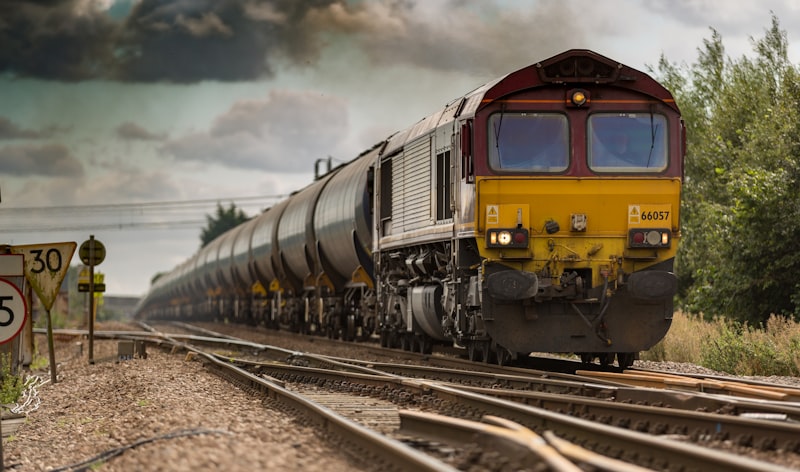
The cab driver in Beijing laughed at me when I asked if I could take a night train to Shanghai. Not a mean laugh, but the kind where someone realizes you have no idea what you’re getting into. He turned around in his seat, gestured with both hands like he was about to explain something very important, and said: “You want the hard sleeper or the soft sleeper?” I didn’t know there was a difference. I didn’t know the toilets would be squat-style, that the dining car would serve instant noodles at 2 AM, or that I’d spend the next six hours listening to a man in the bunk below me snore in perfect rhythm with the train’s wheels. That was seven years ago. I’ve taken maybe forty night trains since, across every corner of this country, and I still learn something new each time.
Night trains in China are not just transport. They’re a time machine, a social experiment, and sometimes a test of patience. You’ll share a cabin with strangers who will offer you tea, ask where you’re from, and fall asleep with their mouths open. You’ll watch the lights of cities blur into darkness, wake up in a completely different climate, and step off the train feeling like you’ve traveled not just through space but through something older. This guide covers everything I wish someone had told me before that first ride: which ticket class to book, what to bring, how to use the bathroom without losing your mind, and how to avoid the scams that target foreigners at major stations.
Quick answer
China’s night trains are safe, affordable, and essential for long-distance travel between major cities like Beijing, Shanghai, Xi’an, and Chengdu. A hard sleeper ticket costs roughly $25–45 (¥180–320) for a 12-hour journey, and you can book tickets through Trip.com or directly at the station with your passport. Bring toilet paper, earplugs, snacks, and a water bottle — the dining car closes early, and the squat toilets don’t come with paper.
The Short Version
If you only have 90 seconds: book a soft sleeper if you can afford it ($40–70), a hard sleeper if you’re on a budget ($25–45), and avoid hard seat unless you enjoy suffering. Bring your own toilet paper, download WeChat and Alipay before you arrive, and arrive at the station 45 minutes early because the security line moves slowly. The trains are clean, the staff are helpful, and you will probably not sleep as well as you hoped — but you’ll arrive at your destination with a story.
How I Picked These
I’ve taken night trains on every major route in China: Beijing to Shanghai, Xi’an to Chengdu, Guilin to Guangzhou, Lhasa to Xining, Harbin to Shenzhen. I’ve ridden in all four classes — hard seat, soft seat, hard sleeper, soft sleeper — and I’ve made every mistake you can make. I forgot my passport once and had to buy a new ticket. I got on the wrong train twice. I’ve eaten mystery meat from the dining car and regretted it. I’ve also had conversations with farmers, students, businessmen, and monks that I’ll remember for the rest of my life. This guide is the result of those experiences, plus conversations with station staff, hostel receptionists, and a particularly helpful taxi driver in Guangzhou named Mr. Chen who explained the ticket-booking system to me over a bowl of noodles.
Comparison Table
| Rank | Train Route | Best For | Approx Cost (USD) | Time Needed | When to Go |
|------|-------------|----------|-------------------|-------------|------------|
| 1 | Beijing → Shanghai | First-timers, comfort | $35–70 (¥250–500) | 11–12 hours | Spring or autumn |
| 2 | Xi’an → Chengdu | History lovers, food | $30–55 (¥215–390) | 11–13 hours | March–May or September–November |
| 3 | Guilin → Guangzhou | Scenery, budget travelers | $20–40 (¥140–285) | 8–10 hours | April–October |
| 4 | Lhasa → Xining | Adventure, altitude | $45–80 (¥320–570) | 20–22 hours | May–September |
| 5 | Shanghai → Shenzhen | Business travelers | $40–75 (¥285–535) | 11–13 hours | October–December |
| 6 | Chengdu → Kunming | Backpackers, Yunnan-bound | $25–50 (¥180–355) | 10–12 hours | March–May |
| 7 | Beijing → Xi’an | History, first-timers | $30–55 (¥215–390) | 11–12 hours | April–June or September–October |
| 8 | Harbin → Dalian | Winter scenery | $25–45 (¥180–320) | 8–10 hours | December–February |
| 9 | Nanjing → Huangshan | Mountain hikers | $20–35 (¥140–250) | 5–7 hours | March–May or September–November |
| 10 | Kunming → Dali | Backpackers, slow travel | $15–30 (¥105–215) | 6–8 hours | Year-round |
1. Beijing → Shanghai — The Gold Standard for Night Train First-Timers
I remember standing on Platform 6 at Beijing South Station, watching the bullet train pull in at 7 PM. It was sleek, quiet, and completely full. The night train to Shanghai was waiting on Platform 8 — older, dirtier, and somehow more interesting. I chose the night train because I wanted to see the countryside wake up. I’m glad I did.
This route is the most popular night train in China for a reason. It’s reliable, the trains are well-maintained, and the journey takes exactly long enough to get a solid night’s sleep — if you’re lucky. The hard sleeper cabins have six bunks stacked three high, with a thin mattress and a pillow that feels like a folded towel. The soft sleeper cabins have four bunks, wider beds, and a door you can close. I always book soft sleeper on this route because the extra $15 is worth not hearing someone snore six inches from my face.
📍 Beijing South Station to Shanghai Hongqiao Station
🎫 $35–70 (¥250–500) depending on class
🕒 Trains depart 7 PM–10 PM, arrive 6 AM–9 AM
🚇 Beijing South Station, take Subway Line 4 to the station, enter through the main hall, follow signs for “Night Trains” (they’re usually on the lower level)
⏰Best in spring or autumn — summer trains are humid, winter trains are dry and hot
💡 Insider tips: Book your ticket at least 3 days in advance on Trip.com. Bring a sleep mask — the lights stay on dim in hard sleeper cabins. The dining car serves decent fried rice until about 10 PM. Don’t expect the staff to speak English — have your ticket and passport ready at all times. If you’re in a hard sleeper, choose the middle bunk — the top bunk is too close to the AC vent, and the bottom bunk becomes a communal bench during the day.
I once shared a cabin with a retired teacher from Shanghai who spent two hours explaining the history of the Yangtze River Delta using hand gestures and a napkin. I didn’t understand half of it, but I’ll never forget the way he drew the river’s curve with his finger.
2. Xi’an → Chengdu — The History Buff’s Route
The train from Xi’an to Chengdu passes through the Qinling Mountains, and if you time it right, you’ll wake up to mist hanging over terraced fields and pagodas that look like they’ve been there since the Tang Dynasty. I took this train in April, and I spent the first hour after sunrise just staring out the window, not touching my phone.
This route connects two of China’s most important historical cities. Xi’an has the Terracotta Warriors. Chengdu has the pandas and the spicy food. The night train lets you experience both without losing a day of travel. The tunnels through the mountains are long and dark — you’ll feel the pressure change in your ears — and when you emerge, the landscape shifts from dry, dusty loess plateau to lush, green Sichuan basin.
📍 Xi’an Station to Chengdu East Station
🎫 $30–55 (¥215–390)
🕒 Departures around 8 PM–10 PM, arrival 7 AM–9 AM
🚇 Xi’an Station is on Subway Line 1, take Exit B, walk 5 minutes to the main entrance
⏰March–May or September–November for mild weather
💡 Insider tips: The dining car on this route serves a surprisingly good bowl of noodles for about $3 (¥20). Bring a jacket — the air conditioning on Chinese trains is aggressive and non-negotiable. If you’re in hard sleeper, the top bunk is coldest. The station in Xi’an has a separate waiting area for night trains — look for the sign that says “夜间候车室.” Don’t buy food from the vendors who walk through the station — it’s overpriced and often stale.
I made the mistake of ordering the “beef” from the dining car on this route. It was chewy, salty, and I’m still not sure what animal it came from. The noodles were fine though.
3. Guilin → Guangzhou — The Budget Backpacker Special
Guilin’s train station at 9 PM is chaos. People sleeping on the floor, families eating instant noodles from styrofoam cups, a woman selling oranges from a basket. I stood there with my backpack, wondering if I’d made a terrible mistake. Then the train arrived, I found my bunk, and the woman in the bunk below me handed me a piece of dried mango. It was the best mango I’ve ever had.
This is the cheapest night train route on this list, and it’s popular with backpackers heading from the karst mountains of Guilin to the megacity of Guangzhou. The scenery during the first hour is spectacular — limestone peaks rising out of the mist — but after dark, it’s just darkness and the occasional light from a village. The train is older, the bathrooms are rougher, and the AC might not work perfectly. But for $20, you can’t complain.
📍 Guilin Station to Guangzhou South Station
🎫 $20–40 (¥140–285)
🕒 Departs 8 PM–10 PM, arrives 5 AM–7 AM
🚇 Guilin Station is in the city center, about 20 minutes by taxi from the main tourist area
⏰April–October for best weather
💡 Insider tips: Bring your own toilet paper — the bathrooms on this route run out early. The train stops at several small stations overnight, so don’t be alarmed if you wake up to people getting on and off. If you’re a light sleeper, book a soft sleeper — the hard sleeper cabins on this route are noisier. The station in Guilin has free water refill stations near the waiting areas. Don’t leave your phone charging in the hallway — I’ve seen two tourists lose theirs this way.
A German backpacker in my cabin spent the whole night trying to explain the plot of a Chinese movie he’d seen. He didn’t speak Chinese. I didn’t speak German. We communicated through Google Translate and hand gestures. It was exhausting and wonderful.
4. Lhasa → Xining — The Highest Train Ride in the World
I woke up at 4 AM somewhere in the Tanggula Mountains, looked out the window, and saw a frozen lake under a full moon. The train was moving so slowly I could count the individual ripples in the ice. The air in the cabin was thin, and I had a headache that felt like someone was pressing a thumb into my temple. I didn’t care. I was on the roof of the world.
This is not a casual night train. It’s an adventure. The Qinghai-Tibet Railway reaches 5,072 meters (16,640 feet) at its highest point, and the train is pressurized like an airplane. You’ll pass through permafrost, past herds of Tibetan antelope, and over bridges that span valleys so deep they make your stomach drop. The train from Lhasa to Xining takes about 22 hours, and you’ll spend most of it staring out the window.
📍 Lhasa Station to Xining Station
🎫 $45–80 (¥320–570)
🕒 Departs 8 AM–10 AM (yes, it’s a day train that turns into a night train)
🚇 Lhasa Station is about 20 minutes from the city center by taxi
⏰May–September — winter trains can be delayed by snow
💡 Insider tips: Bring altitude sickness medication — even on the pressurized train, the elevation change is brutal. The dining car serves Tibetan butter tea, which is an acquired taste. Book a soft sleeper for this route — you’ll want the space and the thicker mattress. The train has oxygen outlets at each bunk — use them. Don’t expect reliable WiFi or phone signal for most of the journey. Bring a book.
I met a monk on this train who was traveling to Xining for a conference. He shared his dried yak meat with me and taught me how to say “thank you” in Tibetan. I’ve forgotten the word, but I remember the way he smiled when I tried to repeat it.
5. Shanghai → Shenzhen — The Business Traveler’s Choice
The Shanghai to Shenzhen night train is not romantic. It’s practical. I took it because I needed to be in Shenzhen for a meeting the next morning, and the flight was too expensive. The train was full of businesspeople in suits, students with laptops, and a few tourists who looked as tired as I felt.
This route connects China’s financial capital with its tech hub, and the train reflects that. It’s newer, cleaner, and faster than most night trains. The soft sleeper cabins have reading lights, USB ports, and curtains that actually close. The dining car serves coffee that tastes like it was made in 1998, but it’s coffee. The journey takes about 11 hours, and if you book a soft sleeper, you can actually get a decent night’s sleep.
📍 Shanghai Hongqiao Station to Shenzhen North Station
🎫 $40–75 (¥285–535)
🕒 Departs 8 PM–10 PM, arrives 7 AM–9 AM
🚇 Shanghai Hongqiao Station is on Subway Lines 2, 10, and 17
⏰October–December for mild weather
💡 Insider tips: Book this route at least a week in advance — it sells out fast. The soft sleeper cabins have power outlets, but bring a Chinese adapter (Type A or I). The station in Shenzhen has a direct metro connection to the city center. If you’re taking this route in summer, the AC is aggressive — bring a hoodie. The dining car stops serving hot food at 9 PM, so eat before you board or bring snacks.
I once shared a soft sleeper cabin with a woman who worked at Tencent. She spent the first hour on a video call, the second hour answering emails, and the third hour telling me why Shenzhen was the future of China. She was convincing.
6. Chengdu → Kunming — The Gateway to Yunnan
The train from Chengdu to Kunming leaves at 9:17 PM. I know this because I’ve taken it four times, and I’ve memorized the departure time. The station in Chengdu is always busy, always loud, and always smells like chili oil and cigarette smoke. I love it.
This route takes you from the spicy food capital of China to the laid-back capital of Yunnan province. The landscape changes from Sichuan’s green hills to Yunnan’s red earth and limestone mountains. The train is comfortable, the staff are friendly, and the journey is long enough to feel like you’ve actually traveled somewhere. I usually book a hard sleeper on this route because the six-bunk cabins have a certain camaraderie that you don’t get in soft sleeper.
📍 Chengdu East Station to Kunming South Station
🎫 $25–50 (¥180–355)
🕒 Departs 8 PM–10 PM, arrives 6 AM–8 AM
🚇 Chengdu East Station is on Subway Line 2 and Line 7
⏰March–May for best weather
💡 Insider tips: The station in Chengdu has a 24-hour convenience store near the main entrance. Bring earplugs — the hard sleeper cabins on this route can get loud. If you’re vegetarian, bring your own food — the dining car’s vegetable options are limited. The train passes through some beautiful countryside around dawn — set an alarm for 5:30 AM. Don’t accept food from strangers unless you see them open the package themselves.
I made the mistake of accepting a “snack” from a friendly man in my cabin. It turned out to be dried tofu that had been sitting in his bag for three days. I ate it anyway. I survived.
7. Beijing → Xi’an — The Terracotta Warriors Express
The Beijing to Xi’an night train is the one I recommend to every first-time visitor. It’s not the cheapest, not the fastest, and not the most scenic. But it’s the most reliable. I’ve taken it six times, and it’s never been late. The train is clean, the staff are professional, and the journey is exactly long enough to get a full night’s sleep.
This route connects China’s political capital with its ancient capital. You’ll leave Beijing’s modern skyscrapers behind and wake up in Xi’an’s ancient city walls. The train passes through the flat farmland of Hebei and Shanxi provinces, and if you’re lucky, you’ll see the sun rise over the Yellow River. I always book a soft sleeper on this route because I want to arrive in Xi’an feeling rested enough to climb the city wall.
📍 Beijing West Station to Xi’an Station
🎫 $30–55 (¥215–390)
🕒 Departs 8 PM–10 PM, arrives 6 AM–8 AM
🚇 Beijing West Station is on Subway Line 9, take Exit A
⏰April–June or September–October
💡 Insider tips: Beijing West Station is huge and confusing — arrive 45 minutes early. The soft sleeper cabins have a small table where you can eat snacks. The dining car serves decent dumplings until about 9 PM. Bring a water bottle — there’s a water dispenser at the end of each carriage. The station in Xi’an has a direct bus to the Terracotta Warriors — take Bus 914 or 915 from the east square.
A young couple in my cabin spent the whole night whispering to each other. I couldn’t understand what they were saying, but the way they laughed made me miss someone.
8. Harbin → Dalian — The Winter Wonderland Route
I took this train in January, when Harbin was -25掳C and the air felt like tiny needles on my skin. The train was warm, almost too warm, and I spent the first hour just watching frost form on the outside of the window. By the time we reached Dalian, the temperature had risen to -5掳C, which felt like a heatwave.
This route is for winter lovers. The landscape is flat, white, and endless. You’ll pass through frozen rivers, snow-covered fields, and small villages where smoke rises from chimneys in perfect columns. The train is older, the heating is aggressive, and the bathrooms are basic. But there’s something magical about watching the sun set over a frozen landscape at 4 PM.
📍 Harbin Station to Dalian Station
🎫 $25–45 (¥180–320)
🕒 Departs 7 PM–9 PM, arrives 4 AM–6 AM
🚇 Harbin Station is on Subway Line 1, take Exit 3
⏰December–February for snow
💡 Insider tips: Bring layers — the train is hot, but the station platforms are freezing. The dining car serves hot pot in winter, which is a great way to warm up. Book a lower bunk if you can — the top bunk is closest to the heater and gets uncomfortably hot. The station in Dalian has a 24-hour McDonald’s nearby. Don’t expect English signage on this route — have your destination written in Chinese.
I shared a cabin with a man who was traveling to Dalian to visit his daughter. He showed me photos of her wedding, her baby, and her dog. He didn’t speak English, but he didn’t need to.
9. Nanjing → Huangshan — The Mountain Hiker’s Shortcut
The train from Nanjing to Huangshan leaves at 10:23 PM. I know this because I nearly missed it. I was eating soup dumplings at a restaurant near the station, lost track of time, and had to run through the station with my backpack half-zipped. I made it, barely, and spent the first hour catching my breath in my bunk.
This is a short night train — only 5 to 7 hours — but it’s one of the most useful. It connects Nanjing, one of China’s most historic cities, with Huangshan (Yellow Mountain), one of its most beautiful natural attractions. The train is older, the beds are narrower, and the journey is short enough that you might not sleep at all. But you’ll arrive at the foot of the mountain ready to hike.
📍 Nanjing Station to Huangshan Station
🎫 $20–35 (¥140–250)
🕒 Departs 10 PM–11 PM, arrives 4 AM–6 AM
🚇 Nanjing Station is on Subway Lines 1 and 3
⏰March–May or September–November
💡 Insider tips: Book a soft sleeper for this short route — the hard sleeper cabins are cramped and you won’t sleep well anyway. The station in Huangshan has buses to the mountain — the first bus leaves at 6 AM. Bring snacks — the dining car might be closed by the time you board. Don’t expect to sleep much — the train makes several stops. If you’re hiking Huangshan the next day, pack light and leave your luggage at the station.
I met a Korean hiker on this train who was planning to climb Huangshan in the rain. He had a waterproof jacket, waterproof pants, and a waterproof bag. I had a hoodie. He was better prepared than me.
10. Kunming → Dali — The Backpacker’s Dream
The train from Kunming to Dali leaves at 10:15 PM, and the platform is always full of backpackers with big bags and tired eyes. I took this train for the first time in 2019, and I’ve taken it every time I’ve visited Yunnan since. It’s cheap, it’s reliable, and it drops you in the heart of one of China’s most beautiful regions.
This is the shortest night train on this list — only 6 to 8 hours — but it’s one of the most popular. Dali is a backpacker hub, with its old town, its lake, and its relaxed vibe. The train is comfortable enough, the scenery is beautiful in the early morning, and the price is hard to beat. I usually book a hard sleeper on this route because the journey is short and the savings are worth it.
📍 Kunming Station to Dali Station
🎫 $15–30 (¥105–215)
🕒 Departs 10 PM–11 PM, arrives 5 AM–7 AM
🚇 Kunming Station is on Subway Line 1, take Exit B
⏰Year-round — Dali has mild weather
💡 Insider tips: The station in Kunming has a 24-hour waiting area with charging stations. Bring a sleep mask — the lights in the carriage stay on until 11 PM. The train passes through some beautiful countryside around dawn — set an alarm for 6 AM. Dali Station is about 30 minutes from the old town by bus — take Bus 8. Don’t book this route during Chinese New Year — tickets sell out in hours.
I shared a cabin with a French couple who were traveling around China for six months. They had a map on the wall of their bunk, with pins marking every city they’d visited. Dali was pin number 37.
FAQ summary
The most important things to know: book your ticket at least 3 days in advance through Trip.com, bring toilet paper and earplugs, and choose soft sleeper if you value sleep over saving $15. Night trains are safe, punctual, and a genuinely memorable way to travel —but they’re not for everyone. If you need absolute silence and a private bathroom, take the high-speed train or fly.
FAQ
Q: Do I need a visa to take night trains in China?
A: Yes, you need a valid Chinese visa (or visa-free transit if eligible) to enter China and board any train. The visa-free transit policy allows stays of up to 144 hours in certain cities, but you must have a confirmed onward ticket. Check the latest policies before you book.
Q: How do I book a night train ticket as a foreigner?
A: Use Trip.com (formerly Ctrip) —it accepts foreign credit cards and shows English options. You’ll need your passport number. You can also buy tickets at the station, but the queues can be long and English is rarely spoken. Pick up your ticket at the station’s self-service machine or ticket counter using your passport.
Q: What’s the difference between hard sleeper and soft sleeper?
A: Hard sleeper has six open bunks per compartment (three tiers), thin mattresses, and no door. Soft sleeper has four bunks per compartment (two tiers), thicker mattresses, a door you can close, and often a small table. Soft sleeper costs about $15–25 more but is worth it for the privacy and sleep quality.
Q: Are night trains safe for solo female travelers?
A: Yes, generally. Chinese night trains are well-staffed and security is visible. Keep your valuables in a small bag under your pillow or locked in your luggage. The staff make regular rounds. I’ve met many solo female travelers on night trains who had no issues. That said, book a soft sleeper for more privacy.
Q: Do I need a VPN to use my phone on the train?
A: Yes, if you want to access Google, WhatsApp, Instagram, or Facebook. Chinese trains have free WiFi in some carriages, but it’s slow and often blocked. Download a VPN before you arrive in China. Also, buy a Chinese SIM card at the airport or use an eSIM from providers like Airalo or Holafly.
Q: What should I bring on a night train?
A: Toilet paper, wet wipes, earplugs, a sleep mask, a water bottle, snacks, a hoodie or jacket (the AC is strong), and a book or downloaded shows. Don’t rely on the dining car for food —it closes early and the options are limited. Bring a power bank if your bunk doesn’t have a USB port.
Q: Can I shower on a night train?
A: No. Chinese night trains do not have showers. You’ll have access to a sink in the bathroom area. If you’re on a long route like Lhasa to Xining, bring wet wipes and a change of clothes. Plan to shower at your destination.
The Honest Wrap-up
Night trains in China are not for everyone. If you’re 6’2” and claustrophobic, you will suffer in a hard sleeper. If you need absolute silence to sleep, you will be miserable in a six-bunk cabin. If you’re on a tight schedule and can’t afford a bad night’s sleep, take the high-speed train or fly. But if you’re curious, if you want to see the country the way most Chinese people see it, if you’re willing to trade comfort for experience, then book a night train. You’ll arrive tired, slightly disoriented, and covered in someone else’s snack crumbs. But you’ll also arrive with a story. And that’s worth more than a good night’s sleep.
Related Guides
Looking for more China travel guides? These match your topic:
- Best Time to See Cherry Blossoms in China 2026
- Best Time to Visit China: Month-by-Month Guide
- China Etiquette: Cultural Do’s and Don’ts for Foreigners: The Complete 2026 G…
- China Golden Week Travel Survival Guide
- China Group Tours vs Independent Travel Which is Better
- China Itinerary Planning: 7-Day 14-Day and 21-Day Routes: The Complete 2026 G…
Topics
More guides you may like

Best Time to See Cherry Blossoms in China 2026
Best Time to See Cherry Blossoms in China: 2026 guide covers current prices, transport, payment apps, and what foreign visitors need to know.
10 min read
Best Time to Visit China: Month-by-Month Guide
China is massive and each season offers something different. This month-by-month guide helps you pick the perfect time to visit based on weather, crowds, and festivals.
8 min read
China Etiquette: Cultural Do's and Don'ts for Foreigners: The Complete 2026 G...
China has unique social customs that can confuse first-time visitors. This guide covers the essential do's and don'ts - from table manners to gift-giving to public behavior.
9 min read
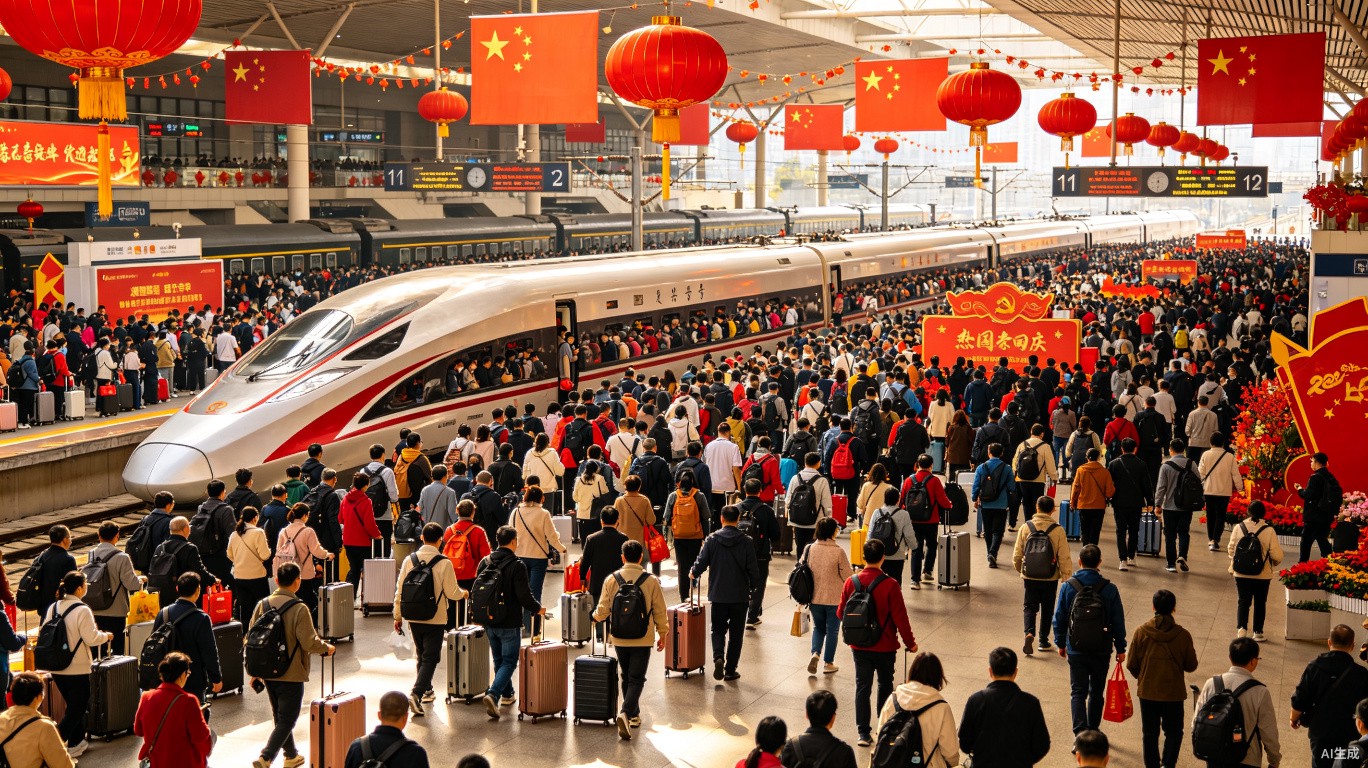
China Golden Week Travel Survival Guide
How to survive China's National Day Golden Week (October 1-7) - what to avoid, where to go, and how to beat the crowds.
9 min read
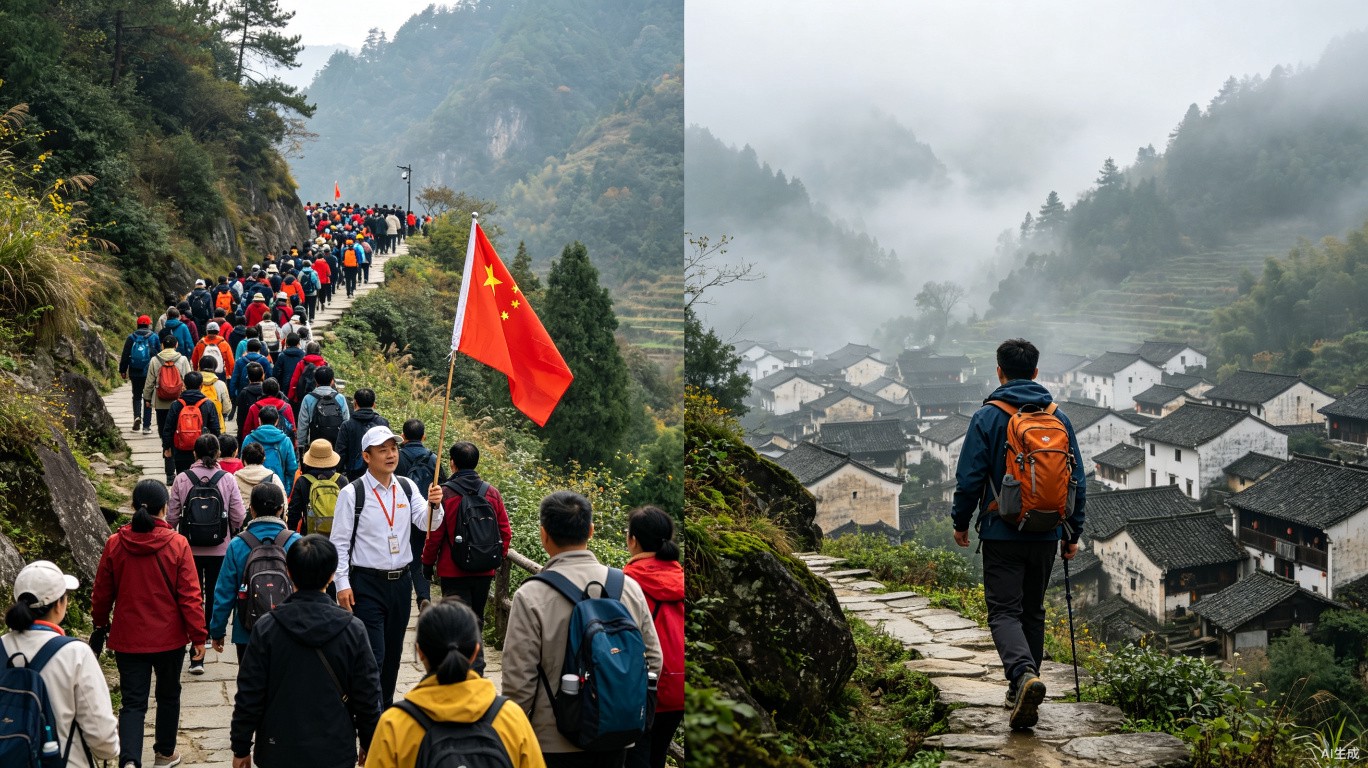
China Group Tours vs Independent Travel Which is Better
Should you join a guided tour or travel independently in China? Honest comparison of cost, flexibility, and experience.
7 min read

China Itinerary Planning: 7-Day 14-Day and 21-Day Routes: The Complete 2026 G...
Not sure how many days to spend in China? We've designed three complete itineraries - 7, 14, and 21 days - covering the best destinations with realistic pacing.
9 min read