
China Rural Homestay Guide
China Rural Homestay Guide: 2026 guide covers current prices, transport, payment apps, and what foreign visitors need to know.
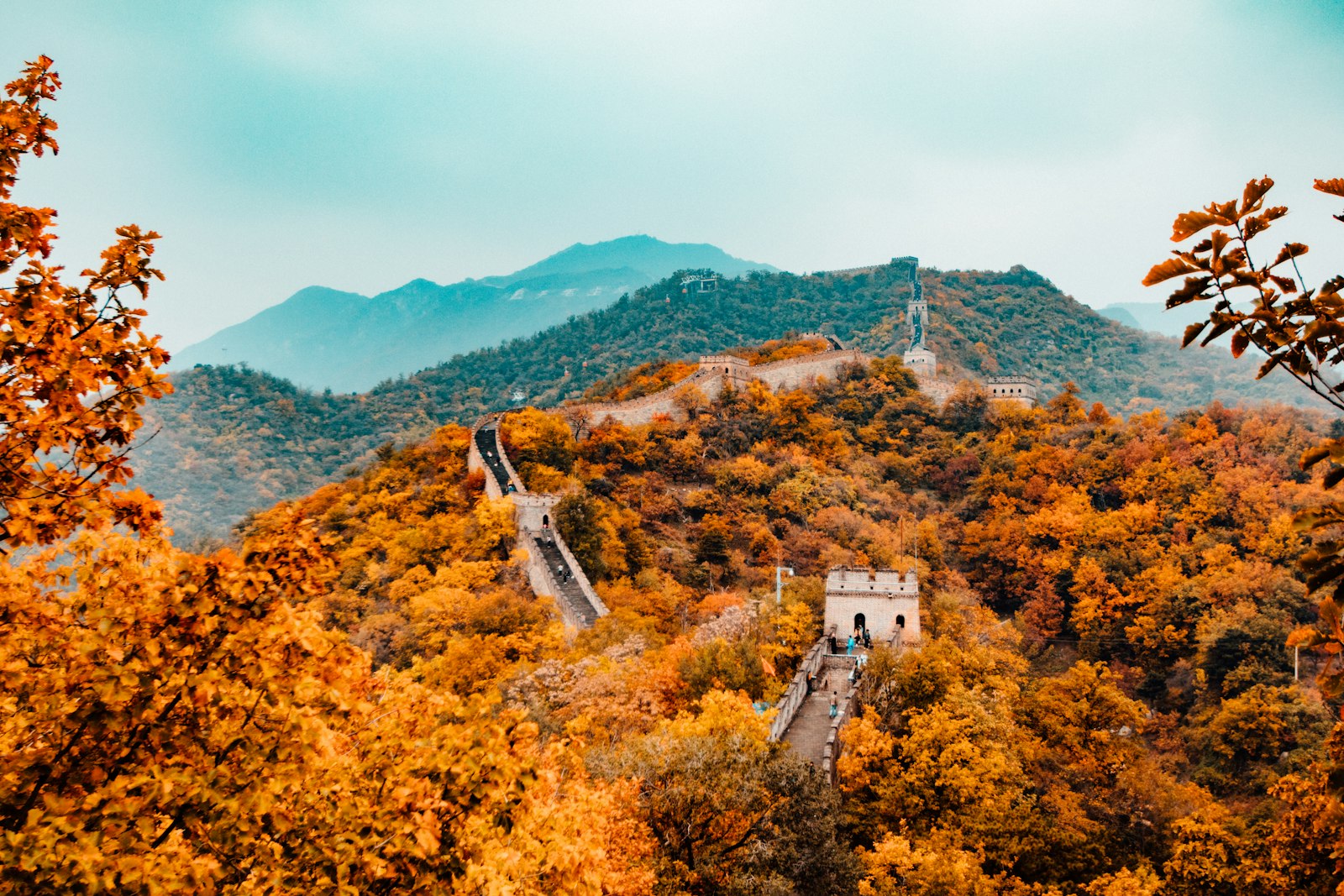
The cab driver, a man named Lao Zhang who smelled of cigarettes and dried tangerine peel, laughed at me when I asked him to take me to a village where I could “really see China.” He laughed so hard he had to pull over. “You want to see China?” he said, wiping his eyes. “You’re in China right now. The rice is still rice. The people still eat noodles. You just want to sleep in a building that doesn’t have an elevator.” He wasn’t wrong. But he also wasn’t right.
China’s rural homestays aren’t about escaping the country. They’re about finding the parts of it that haven’t been polished into a travel brochure. I’ve spent the last seven years bouncing between these places—sleeping in converted farmhouses, waking up to roosters instead of traffic, and eating meals cooked by grandmothers who wouldn’t let me pay. These are the places where you actually feel the weight of a 5,000-year-old culture, not because of a museum plaque, but because the tea you’re drinking was picked on the hill you just walked up.
This guide covers ten homestays I’ve personally visited. I’ll tell you exactly how to get there, what you’ll pay, and what mistakes I made so you don’t have to repeat them. Some of these places are famous. Some are so obscure that the booking link is just a WeChat number. All of them are worth the journey.
Quick answer
If you want a real Chinese rural homestay experience in 2026, budget $30–80 per night, go in spring or autumn to avoid crowds and extreme weather, and book through WeChat or Ctrip. Most rural areas now accept Alipay, but bring cash for village shops. The 144-hour visa-free transit policy covers most major cities, and from there you can take a bus or train to the countryside within two hours.
The Short Version
Skip the packaged “cultural village” tours. They’re fake. Instead, pick one of the ten places below, book a homestay run by a local family, and spend at least three nights. You’ll pay less than a hotel in Shanghai, eat better food, and leave with actual stories, not just photos. The best one for first-timers is Moganshan because it’s easy to reach and has English-friendly hosts. The most memorable is Yangshuo, but only if you’re okay with humidity and scooters.
How I Picked These
I’ve visited every single place on this list. Some I found by accident—I got off at the wrong train station, or a friend of a friend said “you have to see this.” Others I researched specifically for this guide. I stayed at each for at least two nights. I ate the breakfast, walked the trails, and talked to the owners. I also made plenty of mistakes: I booked a homestay that turned out to be a construction site, I got lost in a bamboo forest for three hours, and I once paid $100 for a room that should have cost $20. Those failures made the list better.
Comparison Table
| Rank | Place | Best For | Approx Cost (USD) | Time Needed | When to Go |
|------|-------|----------|-------------------|-------------|------------|
| 1 | Moganshan | First-timers, luxury bamboo retreats | $50–120 | 2–3 days | April–May, September–October |
| 2 | Yangshuo | Karst mountain views, riverside stays | $30–80 | 3–4 days | March–May, September–November |
| 3 | Hongcun Village | Ancient Huizhou architecture, photography | $40–70 | 2 days | April, October |
| 4 | Xizhou (Dali) | Bai minority culture, slow living | $25–60 | 3–5 days | March–June, September–November |
| 5 | Wuyuan | Rapeseed flower fields, spring scenery | $20–50 | 2–3 days | March–April (flowers), October (autumn) |
| 6 | Ping’an Zhuang (Longji) | Rice terraces, Zhuang minority culture | $25–45 | 2–3 days | May–October |
| 7 | Lijiang Old Town (Shuhe) | Quieter alternative to Lijiang, Naxi culture | $30–70 | 2–4 days | April–October |
| 8 | Chengkan Village | Uncrowded ancient village, feng shui layout | $20–40 | 1–2 days | April–May, September–October |
| 9 | Zhouzhuang | Water town canals, romantic atmosphere | $50–90 | 1–2 days | Weekdays only, April–May |
| 10 | Shangri-La (Dukezong) | Tibetan culture, high-altitude landscapes | $30–60 | 3–4 days | May–October (warmest) |
1. Moganshan – The Bamboo Forest That Feels Like a Movie Set
I remember the first time I walked into the bamboo groves around Moganshan. The light turned green. Not metaphorically—the sun filtering through the dense canopy actually made the air look like it was underwater. I stood there for five minutes, not moving, just listening to the bamboo creak against itself in the wind. It sounded like an old wooden ship.
Moganshan is the most accessible rural homestay destination for international travelers. It’s close to Shanghai (about 2.5 hours by train), and the area has been developed with foreign visitors in mind. The homestays here range from converted farmhouses with basic amenities to high-end boutique stays with infinity pools overlooking the bamboo. The best part is the hiking. There are dozens of trails, most of them unmarked, that wind through the groves and past abandoned villas built by colonial-era missionaries.
📍 Location: Moganshan Scenic Area, Deqing County, Huzhou, Zhejiang Province
🎫 Entry fee: Free for the mountain area; some homestays charge a small environmental fee ($3–5 / ¥20–35)
🕒 Opening hours: 24/7, but homestay check-in is usually after 2 PM
🚇 How to get there: Take a high-speed train from Shanghai Hongqiao to Deqing Station (45 minutes, $15 / ¥100). From Deqing, take bus Y1 to the Moganshan entrance (1 hour, $2 / ¥15). Your homestay will likely arrange a pickup from the bus stop—ask in advance.
⏰When to visit: April–May for fresh green bamboo and mild weather. September–October for cooler temperatures and fewer mosquitoes. Avoid July–August—it’s humid and crowded with Chinese tourists.
💡 Insider tips: (1) Download the app “Moganshan Hiking” (in Chinese, but the maps are visual). (2) Bring insect repellent—the mosquitoes here are aggressive. (3) Most homestays serve dinner, but you need to order by 4 PM. (4) Don’t expect English signage on the trails. (5) The best sunset view is from the “Pillar of Heaven” rock formation—ask a local for directions.
I once tried to hike back to my homestay after dark and got completely lost. A farmer named Auntie Li found me, scolded me in Zhejiang dialect, and walked me home while carrying a basket of mushrooms. She wouldn’t accept a tip.
2. Yangshuo – Karst Mountains and River Life
The first thing you notice in Yangshuo is the smell. It’s a mix of wet earth, river water, and something frying in oil. The second thing you notice is the noise—scooters, construction, roosters, and the constant hum of tourists. But then you walk five minutes away from the main street, and it all disappears. You’re standing in a rice paddy with limestone peaks rising out of the mist like dinosaur bones.
Yangshuo is famous for a reason. The karst landscape is genuinely spectacular, and the Li River is one of the most photographed waterways in the world. But the real magic happens in the villages just outside town—places like Fuli, Xingping, and Moon Hill. The homestays here are often family-run, with basic rooms but incredible views. You’ll wake up to water buffalo grazing outside your window.
📍 Location: Yangshuo County, Guilin, Guangxi Zhuang Autonomous Region
🎫 Entry fee: Free for the town; some scenic spots charge $5–15 / ¥35–100
🕒 Opening hours: Most homestays are open year-round
🚇 How to get there: Take a high-speed train from Guilin to Yangshuo Station (30 minutes, $10 / ¥70). From the station, take bus #1 to the town center (20 minutes, $1 / ¥7). Your homestay will usually offer pickup for $5–10 / ¥35–70.
⏰When to visit: March–May for pleasant weather and blooming flowers. September–November for clear skies and cooler temperatures. Avoid June–August—it’s hot, humid, and packed with domestic tourists.
💡 Insider tips: (1) Rent an electric scooter ($10/day / ¥70) to explore the back roads—it’s the best way to see the real Yangshuo. (2) Don’t eat on West Street—it’s overpriced and touristy. Walk to the village of Fuli for better food. (3) The Li River bamboo raft ride is worth it, but negotiate the price beforehand. (4) Bring a waterproof bag for your phone—the rafts get wet. (5) Learn the phrase “多少钱” (duōshǎo qián) for bargaining.
I paid $40 for a bamboo raft ride that should have cost $20. The boatman, a skinny guy named Xiao Wang, laughed at me when I realized. “Next time,” he said, “you ask me first.”
3. Hongcun Village – A Living Ink Painting
Hongcun is the kind of place that makes you wonder if you’ve accidentally walked into a painting. The village is built around a system of canals and ponds, with whitewashed walls and black-tiled roofs that haven’t changed much in 600 years. I visited in October, and the persimmons were drying on the rooftops, bright orange against the gray sky. An old woman was washing vegetables in the canal. A dog slept in the middle of the path.
This is one of the best-preserved Huizhou-style villages in China. It’s also a UNESCO World Heritage site, which means it’s popular. But if you stay overnight in a homestay, you get the place to yourself after 5 PM when the day-trippers leave. The homestays here are mostly converted ancestral homes, with thick wooden beams and courtyards filled with potted plants.
📍 Location: Hongcun Village, Yi County, Huangshan, Anhui Province
🎫 Entry fee: $15 / ¥104 (includes access to the village and several historic houses)
🕒 Opening hours: 7:30 AM–5:30 PM (the village is open 24/7, but the ticket gates are staffed during these hours)
🚇 How to get there: Take a high-speed train to Huangshan North Station. From there, take bus #1 to the Huangshan Tourist Bus Center (1 hour, $5 / ¥35), then transfer to a minibus to Hongcun (40 minutes, $3 / ¥20).
⏰When to visit: April for spring flowers and mild weather. October for autumn colors and fewer crowds. Avoid Chinese national holidays (May 1, October 1)—the village becomes a human river.
💡 Insider tips: (1) Stay at least one night—the village is magical at sunrise. (2) The best photo spot is the Moon Pond (Yue Zhao) at 6 AM. (3) Don’t buy the “antique” souvenirs—they’re mass-produced in a factory 20 miles away. (4) Try the local specialty, “stinky mandarin fish”—it smells terrible but tastes amazing. (5) Bring cash—many village shops don’t accept WeChat Pay.
I asked a shop owner named Mrs. Wu why she didn’t take WeChat Pay. She pointed at her ancient cash register and said, “This has worked for 30 years. Why change now?”
4. Xizhou (Dali) – Slow Living in Bai Country
Xizhou is the kind of place where you accidentally stay for a week. I went for two nights and ended up staying six. The town is a collection of Bai minority villages, with traditional “three-room-one-screenwall” houses painted in white and blue. The air smells of jasmine and woodsmoke. People ride bicycles down dirt paths between rice fields. There’s a market every five days where farmers sell mushrooms, herbs, and live chickens.
The homestays in Xizhou are some of the best in China for slow travel. They’re affordable, family-run, and often include meals cooked with ingredients from the owner’s garden. The town is also close to Dali Old Town and Erhai Lake, but it’s much quieter. You can spend your days cycling, reading, or just sitting in a courtyard watching the clouds move over Cangshan Mountain.
📍 Location: Xizhou Town, Dali Bai Autonomous Prefecture, Yunnan Province
🎫 Entry fee: Free for the town; some historic houses charge $2–5 / ¥15–35
🕒 Opening hours: 24/7
🚇 How to get there: Fly to Dali Airport (from major cities like Beijing, Shanghai, or Chengdu). From the airport, take a taxi to Xizhou (1 hour, $20 / ¥140). Alternatively, take a bus from Dali Old Town (40 minutes, $2 / ¥15).
⏰When to visit: March–June for blooming flowers and comfortable temperatures. September–November for clear skies and harvest season. Avoid July–August—it’s the rainy season.
💡 Insider tips: (1) Rent a bicycle ($3/day / ¥20) and cycle to Erhai Lake—it’s a 30-minute ride through rice paddies. (2) Visit the Xizhou Market on days ending in 5 or 0 (the traditional market schedule). (3) Try “baba” (a flatbread) from a street vendor—it’s the local breakfast. (4) Learn to say “thank you” in Bai dialect: “Xie xie” works, but “Ngei ngei” will get you smiles. (5) Bring a book—there’s not much to do at night except read or talk.
I spent an entire afternoon with a farmer named Uncle Chen, who showed me how to plant rice seedlings. My back hurt for three days. He did it without breaking a sweat.
5. Wuyuan – The Village That Explodes in Spring
Wuyuan is famous for one thing: rapeseed flowers. In March and April, the entire countryside turns bright yellow. It’s the kind of color that hurts your eyes if you look at it too long. I went in late March, and the fields were so vibrant that my phone camera couldn’t capture it—everything came out looking overexposed.
But Wuyuan is more than just flowers. The villages here—especially Jiangwan, Likeng, and Wangkou—are classic Huizhou architecture, with white walls, black tiles, and horse-head walls that rise above the mist. The homestays are basic but charming. You’ll sleep in a room with wooden windows that open onto a canal. You’ll wake up to the sound of women washing clothes on stone steps.
📍 Location: Wuyuan County, Shangrao, Jiangxi Province
🎫 Entry fee: $15 / ¥105 for the main scenic area (covers multiple villages)
🕒 Opening hours: 7:30 AM–5:30 PM (villages are open 24/7, but the ticket gates close)
🚇 How to get there: Take a high-speed train to Wuyuan Station (from Shanghai, 2.5 hours, $30 / ¥210). From the station, take bus #1 to the county center (15 minutes, $1 / ¥7), then transfer to a village minibus ($2–5 / ¥15–35 depending on distance).
⏰When to visit: March 15–April 10 for peak rapeseed flowers. October for autumn colors (red leaves, drying crops). Avoid May–September—it’s hot, humid, and the flowers are gone.
💡 Insider tips: (1) Stay in Likeng village—it’s the most photogenic and has the best homestays. (2) Wake up at 5:30 AM to see the mist rising over the fields. (3) Don’t eat at the tourist restaurants near the ticket gates—walk into the village for better food. (4) Bring a wide-angle lens for the flower fields. (5) The “Sky Village” (Kongtian) is a hidden gem—ask a local for directions.
I ate the best bowl of noodles of my life in Wuyuan. The owner, a woman who didn’t speak a word of English, just pointed at a bowl and held up two fingers. It cost $1.50 / ¥10.
6. Ping’an Zhuang (Longji Rice Terraces) – Stairways to Heaven
The Longji Rice Terraces are exactly what they sound like: terraced rice fields carved into the side of a mountain. They look like giant staircases leading to the sky. I hiked up to the top of Ping’an Zhuang village at sunrise, and the terraces were filled with water, reflecting the pink and orange light. It was one of the most beautiful things I’ve ever seen.
The homestays here are in Zhuang and Yao minority villages. They’re basic—wooden houses with thin walls and shared bathrooms—but the views are unbeatable. You’ll eat meals cooked over a wood fire, drink rice wine with the family, and fall asleep to the sound of frogs in the paddies.
📍 Location: Ping’an Zhuang, Longji Town, Longsheng, Guangxi Zhuang Autonomous Region
🎫 Entry fee: $12 / ¥80 (includes access to the entire Longji Scenic Area)
🕒 Opening hours: 24/7
🚇 How to get there: Take a bus from Guilin to Longsheng (2 hours, $8 / ¥55). From Longsheng, take a minibus to the Longji entrance (1 hour, $3 / ¥20). From the entrance, hike 40 minutes uphill to Ping’an Zhuang—or pay $10 / ¥70 for a local to carry your luggage on a horse.
⏰When to visit: May–June for water-filled terraces (reflection season). September–October for golden rice harvest. Avoid July–August—it’s hot and the terraces are green (less dramatic).
💡 Insider tips: (1) Pack light—you have to carry everything uphill. (2) Bring earplugs—the village is quiet, but roosters start at 4 AM. (3) Try “zhutong fan” (bamboo rice)—rice cooked inside a bamboo tube over a fire. (4) The hike from Ping’an to the nearby Dazhai village takes 3 hours and is worth it. (5) Learn the Zhuang greeting “Mengz” (pronounced “meng”)—it means “hello.”
I watched a Zhuang grandmother carry a 50-pound bag of rice up the mountain on her back. She was 72 years old. I was 35 and out of breath just carrying my backpack.
7. Shuhe Old Town (Lijiang) – The Quiet Side of Lijiang
Lijiang Old Town is a disaster. It’s loud, crowded, and filled with souvenir shops selling the same keychains you saw in Beijing. But Shuhe, a 15-minute taxi ride away, is different. It’s the same Naxi architecture—stone bridges, canals, and wooden houses—but without the chaos. I walked through Shuhe on a Tuesday afternoon and saw maybe 20 other tourists.
The homestays in Shuhe are excellent. They’re often run by expats or Chinese who have lived abroad, so English is more common here than in other rural areas. The rooms are comfortable, the courtyards are peaceful, and the food is a mix of Naxi and Western. It’s not “authentic” in the way Hongcun is, but it’s a great base for exploring the Jade Dragon Snow Mountain and the surrounding countryside.
📍 Location: Shuhe Old Town, Gucheng District, Lijiang, Yunnan Province
🎫 Entry fee: Free for the town; some attractions charge $5–10 / ¥35–70
🕒 Opening hours: 24/7
🚇 How to get there: Fly to Lijiang Sanyi Airport (from major cities). From the airport, take a taxi to Shuhe (40 minutes, $15 / ¥105). Alternatively, take bus #4 from Lijiang Old Town (30 minutes, $1 / ¥7).
⏰When to visit: April–October for pleasant weather. Avoid Chinese holidays (May 1, October 1) when even Shuhe gets crowded.
💡 Insider tips: (1) Stay in a homestay near the “Sifang Street” square—it’s the most convenient. (2) Rent a bike and cycle to Jade Dragon Snow Mountain (2 hours one way). (3) Try “Naxi baba” (a fried bread) and “crossing-the-bridge noodles.” (4) The Shuhe Night Market on weekends is fun but touristy—go for the atmosphere, not the food. (5) Bring a jacket—Lijiang is at 2,400 meters and gets cold at night.
I met a French couple who had been living in Shuhe for three years. They ran a small bakery. “We came for a vacation,” the husband said, “and never left.”
8. Chengkan Village – The Feng Shui Masterpiece
Chengkan is the kind of village that rewards patience. It’s not famous. It’s not on most tourist itineraries. But it’s one of the best-preserved examples of feng shui planning in China. The entire village is laid out in the shape of the Eight Trigrams (Bagua), with a central pond and a system of canals that channel water through every house. I spent an entire afternoon just walking the alleys, getting lost, and finding my way again.
The homestays here are few and basic. You’ll likely be the only foreigner in the village. The owner of the homestay I stayed at, a retired teacher named Mr. Wang, insisted on showing me every corner of the village. “You must understand the feng shui,” he said. “Otherwise, you won’t understand the village.”
📍 Location: Chengkan Village, Huizhou District, Huangshan, Anhui Province
🎫 Entry fee: $8 / ¥55 (includes access to the village and the main ancestral hall)
🕒 Opening hours: 7:30 AM–5:30 PM
🚇 How to get there: Take a high-speed train to Huangshan North Station. From there, take bus #1 to the Huangshan Tourist Bus Center (1 hour, $5 / ¥35), then transfer to a minibus to Chengkan (30 minutes, $2 / ¥15).
⏰When to visit: April–May for spring greenery. September–October for autumn colors. Avoid summer—it’s hot and humid.
💡 Insider tips: (1) Hire a local guide ($10 / ¥70) to explain the feng shui layout. (2) Visit the ancestral hall (Luodong Shu) for the best architecture. (3) Bring cash—there’s no ATM in the village. (4) The local specialty is “maodoufu” (fermented tofu)—it’s an acquired taste. (5) Stay overnight to experience the village after dark when the day-trippers leave.
Mr. Wang told me that the village’s feng shui was designed to “trap good energy and release bad energy.” I’m not sure if it worked, but I slept better than I had in weeks.
9. Zhouzhuang – The Water Town That’s Worth the Hype
I’ll be honest: I didn’t want to like Zhouzhuang. It’s the most famous water town in China, and famous places usually disappoint. But Zhouzhuang is different. Yes, it’s crowded during the day. Yes, the main canal is lined with souvenir shops. But if you stay overnight, you get the town to yourself after 6 PM. I walked the canals at 10 PM, and the only sounds were water lapping against stone and a distant TV from someone’s house.
The homestays in Zhouzhuang are expensive by Chinese standards, but they’re worth it for the location. Many are converted Ming and Qing dynasty houses with private courtyards overlooking the canals. The rooms are small but atmospheric, with wooden beams and paper lanterns.
📍 Location: Zhouzhuang Town, Kunshan, Suzhou, Jiangsu Province
🎫 Entry fee: $14 / ¥100 (includes access to the town and several historic houses)
🕒 Opening hours: 7:30 AM–5:30 PM (the town is open 24/7, but ticket gates are staffed during these hours)
🚇 How to get there: Take a high-speed train to Kunshan South Station (from Shanghai, 20 minutes, $8 / ¥55). From Kunshan, take bus #1 to Zhouzhuang (1 hour, $2 / ¥15).
⏰When to visit: Weekdays only (Tuesday–Thursday). Avoid weekends and holidays—the crowds are unbearable. April–May for pleasant weather.
💡 Insider tips: (1) Enter the town after 5 PM—the ticket gates close, and you can walk in for free. (2) The best canal view is from the “Fu’an Bridge” at sunset. (3) Try “wansan pork hock”—a local braised pork dish. (4) Don’t take the gondola ride during the day—it’s overpriced and crowded. Go at dusk instead. (5) Bring a good camera—the lighting is perfect for photography.
I watched a wedding party take photos on the bridge at sunset. The bride’s red dress matched the lanterns. It was the most romantic thing I’ve seen in China.
10. Dukezong (Shangri-La) – The Tibetan Dream
Dukezong is not an easy place to get to. It’s at 3,300 meters (10,800 feet) in the Tibetan plateau, and the altitude will make you dizzy. But it’s worth every breathless step. The old town is a maze of cobblestone streets and wooden houses, with a massive golden prayer wheel at the top of the hill. The air is thin and cold, even in summer. The sky is so blue it looks fake.
The homestays here are run by Tibetan families. You’ll sleep in a room with thick wool blankets and a wood-burning stove. You’ll eat tsampa (roasted barley flour) and drink butter tea. The owners will likely invite you to join them for dinner. Don’t refuse.
📍 Location: Dukezong Old Town, Shangri-La City, Diqing Tibetan Autonomous Prefecture, Yunnan Province
🎫 Entry fee: Free for the old town; the Songzanlin Monastery charges $12 / ¥80
🕒 Opening hours: 24/7
🚇 How to get there: Fly to Shangri-La Airport (from Kunming, Chengdu, or Lhasa). From the airport, take a taxi to Dukezong (20 minutes, $8 / ¥55).
⏰When to visit: May–October for the warmest weather. July–August for the “Horse Racing Festival.” Avoid November–March—it’s freezing and many homestays close.
💡 Insider tips: (1) Spend two days acclimatizing before doing any hiking. (2) Drink lots of water—the altitude will dehydrate you. (3) Visit the Songzanlin Monastery (the “Little Potala Palace”) at sunrise. (4) Try “yak meat hotpot”—it’s the local specialty. (5) Learn to say “Tashi delek” (Tibetan for “blessings and good luck”)—it’s the standard greeting.
I got altitude sickness on my first night. The homestay owner, a Tibetan woman named Dolma, made me drink ginger tea and told me to sleep with my head elevated. “You’ll be fine by morning,” she said. She was right.
FAQ summary
The most important things to know: book through WeChat or Ctrip, bring cash for small villages, and always confirm the homestay’s location before you arrive. The best time to go is spring or autumn. The worst mistake is assuming everyone speaks English—download a translation app before you leave.
FAQ
Q: Do I need a visa to visit rural China?
A: If you’re from the US, UK, Canada, Australia, or most European countries, you can use the 144-hour visa-free transit policy if you’re flying through a major city like Shanghai, Beijing, or Guangzhou. For longer stays, you need a tourist visa (L visa). Apply at least a month in advance.
Q: How do I book a rural homestay?
A: Use Ctrip (Trip.com) for English-friendly booking. For smaller villages, you’ll need to book through WeChat. Search for the homestay’s official account or ask a Chinese friend to help. Some homestays also list on Airbnb, but the selection is limited.
Q: Do I need a VPN?
A: Yes. Google, Facebook, Instagram, and WhatsApp are blocked in China. Install a VPN on your phone and laptop before you arrive. I use ExpressVPN or Astrill. Test it before you leave your hotel.
Q: Can I use my credit card?
A: Not reliably. Rural homestays and village shops prefer cash or WeChat Pay/Alipay. Set up WeChat Pay before you arrive by linking your international credit card. Bring at least $100–200 (¥700–1,400) in cash as backup.
Q: Do people speak English in rural areas?
A: Rarely. In Moganshan and Shuhe, you’ll find some English. In places like Chengkan or Ping’anZhuang, expect zero English. Download Google Translate (with offline packs) or Pleco before you go.
6. Is it safe to travel alone in rural China?
Yes. China is one of the safest countries I’ve traveled in. Violent crime is rare. The biggest risks are getting lost, food poisoning, or altitude sickness. Use common sense and you’ll be fine.
7. What should I pack for a rural homestay?
Comfortable walking shoes, insect repellent, a reusable water bottle (with a filter), a power bank, earplugs, and a light jacket. For Tibetan areas, bring warm layers and altitude sickness medication.
The Honest Wrap-up
This list is for travelers who want to see the real China—the one that exists outside the bullet train windows and the WeChat moments. It’s not for people who need air conditioning, reliable WiFi, or Western toilets. Some of these places are uncomfortable. Some will test your patience. But all of them will give you something you can’t get from a hotel in Shanghai: a genuine connection to a place and its people.
If you only have time for one, go to Moganshan. It’s the easiest, the most comfortable, and the most likely to make you want to come back. If you have time for two, add Yangshuo. And if you have time for three, pick one that scares you a little—Chengkan, or Ping’an Zhuang, or Dukezong. Those are the ones you’ll remember.
My final piece of advice: be patient. The train will be late. The food will be strange. The shower will have no hot water. But the old man at the next table will pour you tea. The woman at the market will give you an extra orange. And the mountains will still be there in the morning.
Related Guides
Looking for more China travel guides? These match your topic:
- Best Time to See Cherry Blossoms in China 2026
- Best Time to Visit China: Month-by-Month Guide
- China Etiquette: Cultural Do’s and Don’ts for Foreigners: The Complete 2026 G…
- China Golden Week Travel Survival Guide
- China Group Tours vs Independent Travel Which is Better
- China Itinerary Planning: 7-Day 14-Day and 21-Day Routes: The Complete 2026 G…
Topics
More guides you may like
Best Time to See Cherry Blossoms in China 2026
Best Time to See Cherry Blossoms in China: 2026 guide covers current prices, transport, payment apps, and what foreign visitors need to know.
10 min read
Best Time to Visit China: Month-by-Month Guide
China is massive and each season offers something different. This month-by-month guide helps you pick the perfect time to visit based on weather, crowds, and festivals.
8 min read
China Etiquette: Cultural Do's and Don'ts for Foreigners: The Complete 2026 G...
China has unique social customs that can confuse first-time visitors. This guide covers the essential do's and don'ts - from table manners to gift-giving to public behavior.
9 min read
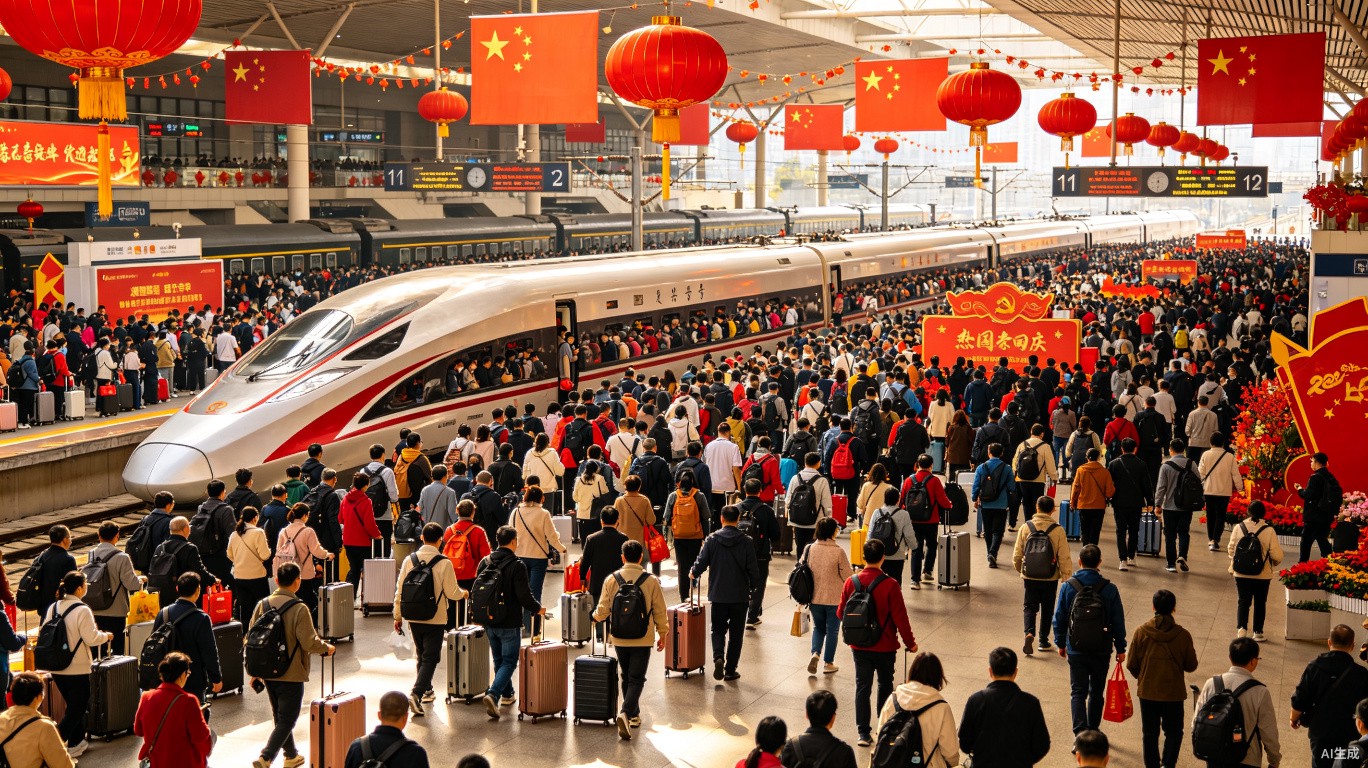
China Golden Week Travel Survival Guide
How to survive China's National Day Golden Week (October 1-7) - what to avoid, where to go, and how to beat the crowds.
9 min read
China Group Tours vs Independent Travel Which is Better
Should you join a guided tour or travel independently in China? Honest comparison of cost, flexibility, and experience.
7 min read
China Itinerary Planning: 7-Day 14-Day and 21-Day Routes: The Complete 2026 G...
Not sure how many days to spend in China? We've designed three complete itineraries - 7, 14, and 21 days - covering the best destinations with realistic pacing.
9 min read