
China Tea Plantation Guide
China Tea Plantation Guide: 2026 guide covers current prices, transport, payment apps, and what foreign visitors need to know.
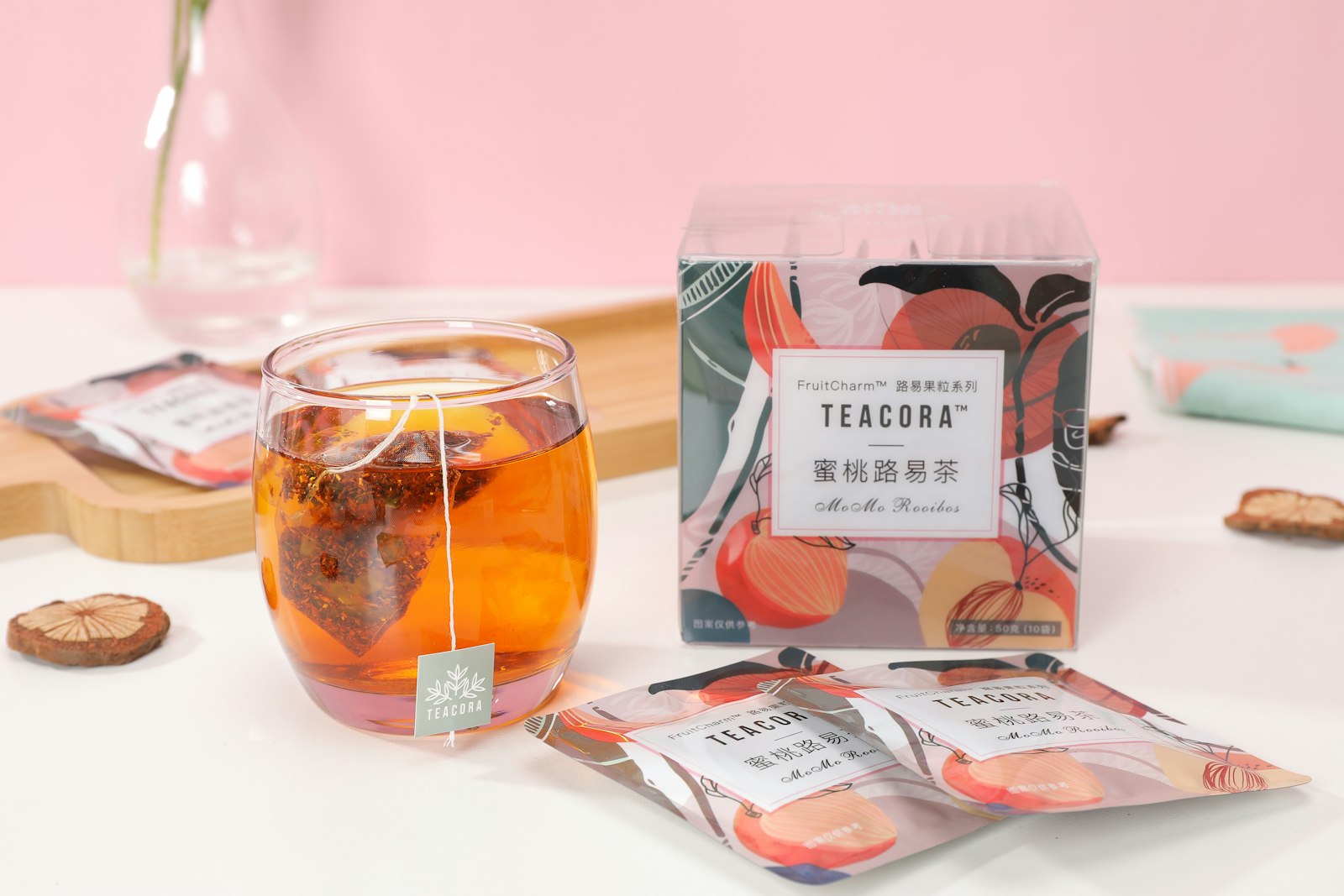
China Tea Plantation Guide: The Complete 2026 Guide
The rain came sideways off the Wuyi Mountains for about forty minutes before it stopped. I was standing under the tin roof of a tea processing shed, sharing a thermos of da hong pao with a farmer named Chen, who kept apologizing for the weather as if he’d personally ordered it. The steam from the cup hit my face, and I could smell stone fruit and something like roasted chestnuts. That was the moment I understood why people spend their whole lives chasing one perfect cup of tea. Not because of the taste alone—but because of the place it comes from, the hands that picked it, the weather that morning.
China is where tea began. Not metaphorically—actually. Every cup of tea anywhere in the world traces back to the hills of Yunnan or the misty valleys of Fujian. But visiting a tea plantation here isn’t like visiting a winery in Napa. There’s no polished tasting room with a gift shop. You walk muddy paths between terraced bushes, you sit on plastic stools in someone’s kitchen, and you drink tea that might be the best you’ve ever had, served by a farmer who doesn’t speak a word of English and charges you nothing.
This guide covers ten tea regions I’ve visited across China over the past seven years. Some are famous. Some are obscure. All of them are worth the trip if you care about tea—or even if you just want to see landscapes that look like traditional Chinese paintings come to life. I’ll tell you how to get there, what it costs, and what nobody tells you before you go.
Quick answer
The rain came sideways off the Wuyi Mountains for about forty minutes before it stopped.
The Short Version
If you only visit one tea region, make it Hangzhou’s Longjing Village—it’s the most accessible for first-timers, the tea is world-class, and you can do it as a day trip from Shanghai. If you want the real deep experience, go to Wuyishan in Fujian and spend three days hiking between rock oolong farms. Skip the “tea experience” tours in big cities that charge $80 for a 20-minute tasting. Go to the source instead.
How I Picked These
I’ve been to every place on this list at least twice. Some I visited alone, some with Chinese friends who translated for me, some with a guide I hired for a day. I drank tea with farmers, got lost on mountain roads, overpaid for leaves I later learned were mediocre, and once spent an entire afternoon trying to explain to a village grandmother that yes, I really did want to see where she dried her tea, not just buy a bag. I picked these ten because they represent different tea types, different regions, and different levels of travel difficulty. A few are easy. A few require real effort. All of them are genuine.
Comparison Table
| Rank | Place | Best For | Approx Cost (USD) | Time Needed | When to Go |
|------|-------|----------|-------------------|-------------|------------|
| 1 | Longjing Village, Hangzhou | First-timers, green tea lovers | $15-30 (¥100-200) | Half day | Late March–April |
| 2 | Wuyishan, Fujian | Rock oolong, hiking | $30-50 (¥200-350) | 2-3 days | April–May, October |
| 3 | Menghai, Yunnan | Pu’er, deep immersion | $20-40 (¥140-280) | 3-5 days | March–April |
| 4 | Huangshan, Anhui | Yellow Mountain maofeng | $25-40 (¥175-280) | 1-2 days | April |
| 5 | Meitan, Guizhou | Budget tea tourism | $10-20 (¥70-140) | 1-2 days | April–September |
| 6 | Dongting Lake, Jiangsu | Biluochun, easy access | $15-25 (¥100-175) | Half day | March–April |
| 7 | Lincang, Yunnan | Ancient tea trees | $25-45 (¥175-315) | 3-4 days | March–May |
| 8 | Anxi, Fujian | Tieguanyin, cultural experience | $20-35 (¥140-245) | 1-2 days | April–May, October |
| 9 | Xinyang, Henan | Maojian, off the beaten path | $10-20 (¥70-140) | 1 day | April |
| 10 | Mount Emei, Sichuan | Scenic tea, Buddhist connection | $20-30 (¥140-210) | 1-2 days | March–May |
1. Longjing Village, Hangzhou — The One You Can Actually Get To
I took the wrong bus my first time. Ended up in a suburb full of car dealerships. The second time, I walked from the Lingyin Temple through the bamboo groves and suddenly the valley opened up—terraced tea fields climbing both sides, with farmers in wide straw hats working between the rows. A woman waved at me from twenty meters away. “Come drink tea,” she said in English. That’s Longjing Village.
This is Dragon Well country, arguably China’s most famous green tea. The village sits inside a protected tea zone just west of Hangzhou’s West Lake. The leaves here are flat, pale green, and taste of chestnuts and fresh grass. The good stuff costs a fortune—genuine pre-Qingming Longjing can hit $200 (¥1,400) per 500g. But you don’t need to buy it. You just need to show up.
📍 Location: Longjing Village, Xihu District, Hangzhou, Zhejiang Province
🎫 Entry fee: Free to walk the village and fields. Tea tastings at family farms: $5-15 (¥35-100) per session.
🕐 Hours: Village is always open. Most farms welcome visitors 8:00 AM–5:00 PM.
🚆 How to get there: From Hangzhou East Station, take Metro Line 1 to Ding’an Road, then transfer to bus 27 or 87 to Longjing Village stop. Or take a taxi from central Hangzhou—about $8 (¥55), 25 minutes.
⏰ When to visit: Late March to early April for the spring harvest. Weekdays only—weekends are packed with Chinese tourists. Go at 7:00 AM to watch farmers pick before the heat sets in.
💡 Insider tips:
-
Don’t buy tea from the shops at the village entrance. Walk deeper into the valley where families sell directly.
-
Learn to recognize real Longjing: the leaves should be flat, not curled. If they’re rolled, it’s fake.
-
Bring cash. Many older farmers don’t accept WeChat Pay.
-
The best tasting experience is at the Shi Feng (Lion Peak) area, a 15-minute walk uphill from the main village square.
-
Skip the “tea ceremony” performances. They’re for tour groups. Just ask to sit and drink.
I sat with a 72-year-old woman named Auntie Zhang who showed me her hands—calloused from fifty years of picking. She poured me a cup without asking if I wanted to buy anything. I bought 250 grams anyway.
2. Wuyishan, Fujian — The Hard One Worth Every Step
The cab driver laughed at me when I asked him to take me to the “big tea farms.” He said, “There are no big farms here. Only small families on the rocks.” He was right. Wuyishan isn’t a plantation in the Western sense. It’s a national park full of steep sandstone cliffs, and the best tea grows in cracks between the boulders.
This is the home of da hong pao (Big Red Robe), the most famous oolong in China. The original six mother bushes grow on a cliff face near the Tianxin Temple, protected by a stone wall and guarded by a camera system. You can’t touch them. But you can hike the valley below and drink tea from their descendants at a dozen small farms.
📍 Location: Wuyishan National Park, Nanping, Fujian Province
🎫 Entry fee: Park entry $22 (¥150). Tea farms inside the park are free to visit.
🕐 Hours: Park opens 6:30 AM–6:00 PM. Farms operate on farmer schedules—best to visit 9:00 AM–noon.
🚆 How to get there: Take the high-speed train to Wuyishan North Station (from Shanghai: 3 hours, $45/¥315). From the station, take bus K1 to the park entrance (40 minutes, $1.50/¥10). Or take a taxi for $10 (¥70).
⏰ When to visit: April–May for spring harvest, October for autumn. Avoid July–August—it’s brutally humid and the tea quality is lower.
💡 Insider tips:
-
Stay at a farm stay inside the park, not a hotel outside. I paid $25 (¥175) per night at a family-run place and got free tea tastings every evening.
-
The “Impression Da Hong Pao” show is overpriced and touristy. Skip it. Hike the Nine Bend River instead.
-
Bring good hiking shoes. The paths are steep and get slippery after rain.
-
Learn to say “yan cha” (rock tea) instead of “oolong”—locals use the term.
-
The best tea comes from the Zhengyan (core) area. Ask if the leaves were grown inside the park boundaries.
I got lost on a trail above the Dahongpao Scenic Area and ended up at a farm where a man named Wu was roasting tea in a bamboo basket over charcoal. He didn’t speak English. We communicated through gestures and shared a cup of rougui that tasted like cinnamon and hot stone.
3. Menghai, Yunnan — Where Pu’er Comes From
The road from Jinghong to Menghai winds through rubber plantations and banana groves before climbing into hills covered in tea trees so old they look like they’ve been there since before anyone kept records. Some of them have. The oldest cultivated tea tree in the world is here, in the village of Bada, estimated at 1,700 years old.
Menghai County is the heart of pu’er production. Unlike the manicured terraces of Longjing, the tea here grows wild—massive trees with trunks you can’t wrap your arms around, their branches draped in moss and orchids. The tea is fermented, aged, and pressed into cakes that can sell for thousands of dollars. But the experience of being here costs almost nothing.
📍 Location: Menghai County, Xishuangbanna, Yunnan Province
🎫 Entry fee: Free to visit villages and tea mountains. Some ancient tree areas charge $3-5 (¥20-35).
🕐 Hours: Daylight hours. Villages are active from sunrise to sunset.
🚆 How to get there: Fly to Jinghong (Xishuangbanna Gasa Airport) from major Chinese cities. From Jinghong, take a bus to Menghai town (1.5 hours, $4/¥28). Then hire a local driver for $25-35 (¥175-245) per day to visit the tea mountains.
⏰ When to visit: March–April for spring harvest. The weather is warm but not yet rainy. Avoid June–September—monsoon season makes roads treacherous.
💡 Insider tips:
-
You need a guide here. The villages are spread out, roads are unmarked, and few people speak English. Hire one through your hotel for about $40 (¥280) per day.
-
Stay overnight in a Dai minority village, not in Menghai town. The experience is completely different.
-
Don’t buy pu’er from shops in Jinghong. Wait until you’re in the mountains.
-
Bring a translation app. WeChat’s built-in translator works okay.
-
The famous “Nannuo Mountain” is worth the bumpy drive, but go early—it gets crowded by 10 AM.
I spent an evening with a tea master named Ai Ni in Bulang village. She showed me how to press tea cakes by hand using a stone mold. Her grandmother did the same thing. Her great-grandmother too. The room smelled of hay and earth and something I couldn’t name.
4. Huangshan, Anhui — Tea and Mountains Together
The cable car up Huangshan (Yellow Mountain) rises through clouds so thick you can’t see the car in front of you. Then suddenly you break through and the peaks are there—granite spires wrapped in mist, twisted pines growing out of vertical rock. And somewhere below, in the valleys between these mountains, grows some of China’s most elegant green tea.
Huangshan Maofeng (“Fur Peak”) is named for the downy white hairs on the leaves. It’s a delicate tea—pale liquor, floral aroma, a sweetness that lingers. The best comes from the villages around the mountain’s base, particularly in the She County area.
📍 Location: Huangshan City area, Anhui Province. Best villages: Houkeng, Tangkou, and the area around the Hot Springs.
🎫 Entry fee: Mountain entry $28 (¥195). Villages are free.
🕐 Hours: Mountain is open 6:00 AM–5:30 PM. Tea farms are open during daylight.
🚆 How to get there: High-speed train to Huangshan North Station (from Shanghai: 2.5 hours, $35/¥245). From the station, take bus to Tangkou town (1 hour, $3/¥20). From Tangkou, hire a taxi to tea villages for about $15 (¥105).
⏰ When to visit: April for the spring harvest. The mountain is beautiful in autumn too, but the tea season is spring.
💡 Insider tips:
-
The tea sold at the mountain summit is overpriced and low quality. Buy from villages at the base.
-
Visit the Xie Yuda Tea Museum in Huangshan city for a free tasting and history lesson.
-
The best maofeng comes from the “core production area” around Houkeng village. Ask specifically.
-
Combine your trip with a Huangshan hike. Two days is enough: one for the mountain, one for the tea villages.
-
Bring layers. The mountain is cold even in spring.
A farmer in Houkeng taught me to judge tea by looking at the “down”—the white hairs on the leaf. “More down, better tea,” he said, holding a leaf up to the light. Then he poured me a cup that tasted like spring rain.
5. Meitan, Guizhou — The Budget Option Nobody Knows About
I almost didn’t go to Meitan. A friend in Guiyang told me it was “just a tea park, not real tea country.” She was wrong. Meitan is a county in Guizhou province that has turned itself into a tea tourism destination, but in a way that feels genuine, not manufactured. The hills are covered in neat rows of tea bushes, and the air smells so green it’s almost sweet.
The tea here isn’t famous like Longjing or pu’er. It’s mass-produced, mostly for the domestic market. But that means it’s cheap, accessible, and the tourism infrastructure is surprisingly good for foreign visitors. There’s a tea museum, a “tea sea” viewing platform, and dozens of family farms that welcome visitors.
📍 Location: Meitan County, Zunyi, Guizhou Province
🎫 Entry fee: Free to walk the tea fields. Tea Sea Scenic Area: $5 (¥35).
🕐 Hours: Open all day. Museum hours: 9:00 AM–5:00 PM, closed Mondays.
🚆 How to get there: High-speed train to Zunyi Station (from Guiyang: 1 hour, $12/¥84). From Zunyi, take bus to Meitan (1.5 hours, $4/¥28). Or take a taxi for $20 (¥140).
⏰ When to visit: April–September. The tea is harvested multiple times per year here. Weekdays are quiet.
💡 Insider tips:
-
This is the best place in China to learn about tea processing. Many farms let you try pan-firing leaves yourself.
-
The “Tea Sea” is beautiful at sunrise. Go at 6:00 AM when the mist sits in the valleys.
-
English is almost nonexistent here. Download Pleco or Google Translate before you go.
-
Stay at the Meitan Tea Sea Hotel—it’s basic but clean, about $25 (¥175) per night.
-
Buy the “Meitan Cui Ya” (Jade Bud) green tea. It’s excellent and costs $8 (¥55) per 500g.
I tried to pan-fire tea leaves with a farmer named Mrs. Yang. I burned my fingers. She laughed, handed me a pair of gloves, and said something in Chinese that I’m pretty sure was “watch and learn.”
6. Dongting Lake, Jiangsu — Biluochun in 90 Minutes
The train from Shanghai to Suzhou takes 25 minutes. From Suzhou, it’s another 30 minutes by taxi to the hills around Dongting Lake. That’s how easy this one is. You can leave Shanghai after breakfast, drink tea on a mountainside overlooking the lake, and be back in time for dinner.
Biluochun (“Green Snail Spring”) is a green tea with tightly curled leaves that look like tiny snails. It’s fruity, floral, and so delicate that the best harvest is picked before Qingming Festival in early April. The bushes grow on the East Dongting Mountain, a low hill covered in fruit trees and tea plants growing together—the tea absorbs the fragrance of the peaches and plums.
📍 Location: East Dongting Mountain, Suzhou, Jiangsu Province
🎫 Entry fee: Free to walk the mountain and visit farms. Some scenic areas charge $3-5 (¥20-35).
🕐 Hours: Daylight hours. Farms welcome visitors 8:00 AM–5:00 PM.
🚆 How to get there: High-speed train to Suzhou Station (from Shanghai: 25 minutes, $8/¥55). From Suzhou Station, take bus 502 or 62 to Dongshan town (1 hour, $2/¥14). From Dongshan, take a local bus or taxi to the tea villages on the mountain.
⏰ When to visit: Late March to early April for the pre-Qingming harvest. After mid-April, the quality drops significantly.
💡 Insider tips:
-
Real Biluochun is expensive—expect to pay $50-100 (¥350-700) per 500g for genuine stuff. If it’s cheaper, it’s probably from Sichuan.
-
Look for “hairy” leaves. Biluochun should have fine white hairs covering the curls.
-
The best area is around the “Lu Wu” peak on the east side of the mountain.
-
Combine with a visit to Suzhou’s classical gardens. They’re 30 minutes away.
-
Don’t buy from the stalls at the mountain base. Walk up to the farms.
A farmer named Old Xu showed me his tea bushes growing under peach trees. “The fruit gives flavor to the tea,” he said, picking a leaf and handing it to me. I chewed it. It tasted like spring.
7. Lincang, Yunnan — Where the Ancient Trees Live
The drive from Lincang city to the village of Bingdao takes four hours on a road that’s part paved, part gravel, part wishful thinking. I counted three landslides that had been partially cleared. My driver, a man named Xiao Li, chain-smoked and didn’t seem concerned. “This is nothing,” he said. “In rainy season, you walk.”
Bingdao is one of the most famous tea villages in Yunnan, home to pu’er trees that are 500 to 1,000 years old. The tea from these trees sells for thousands of dollars per kilogram. But the village itself is just a cluster of wooden houses on a hillside, with chickens scratching in the dirt and old women sorting leaves on bamboo mats.
📍 Location: Lincang Prefecture, Yunnan Province. Bingdao village, Mengku town.
🎫 Entry fee: Free to visit villages. Some ancient tree areas charge $5-10 (¥35-70).
🕐 Hours: Daylight hours. Best to arrive before 10 AM.
🚆 How to get there: Fly to Lincang Airport from Kunming (1 hour, $60/¥420). From Lincang, hire a driver for the full day—$50-70 (¥350-490). The road to Bingdao takes 3-4 hours each way.
⏰ When to visit: March–May. The roads are driest in spring. Avoid July–September.
💡 Insider tips:
-
This is not for beginners. The travel is hard, the language barrier is significant, and the tea is expensive.
-
Hire a guide who speaks both Chinese and English. I found mine through a Kunming tea shop.
-
Don’t expect to buy “bargain” ancient tree pu’er. The real stuff is expensive because it’s rare.
-
Stay overnight in Lincang city, not the villages. Accommodation in villages is very basic.
-
Bring a good camera. The ancient trees are stunning.
I stood next to a tea tree that was 800 years old. Its trunk was wider than my arms could reach around. The farmer who owned it said his family had been picking from it for twelve generations.
8. Anxi, Fujian — The Tieguanyin Heartland
Anxi County is a maze of green hills covered in tea terraces so precisely arranged they look like topographical maps. This is the home of Tieguanyin (Iron Goddess of Mercy), the most famous Chinese oolong after da hong pao. But the tea here has changed. In the 1990s, Anxi farmers switched from traditional heavy-roast Tieguanyin to a lighter, greener style that’s more floral and less complex. Purists complain. But the landscape is still beautiful.
📍 Location: Anxi County, Quanzhou, Fujian Province
🎫 Entry fee: Free to visit tea farms. Xiping town’s tea museum: $3 (¥20).
🕐 Hours: Daylight hours. Farms are active from 6 AM to 6 PM.
🚆 How to get there: High-speed train to Quanzhou Station (from Xiamen: 30 minutes, $6/¥42). From Quanzhou, take bus to Anxi county (1.5 hours, $4/¥28). From Anxi, hire a taxi to Xiping or Gande towns.
⏰ When to visit: April–May for spring, October for autumn. The autumn harvest produces more aromatic tea.
💡 Insider tips:
-
Look for “traditional style” Tieguanyin, not the green style. Ask for “nong xiang” (heavy fragrance) instead of “qing xiang” (light fragrance).
-
Visit the Gande area for the best traditional farms.
-
The tea capital building in Anxi town has a free tasting room on the third floor.
-
Many farms offer homestays for $15-25 (¥105-175) per night.
-
The local specialty snack is “tea rice”—rice cooked with tea leaves and pork.
I visited a farm where the owner, Mr. Lin, demonstrated the traditional roasting process. He turned the leaves in a bamboo basket over charcoal, sweat dripping down his face. “This is how my grandfather did it,” he said. “The new way is faster. But faster is not better.”
9. Xinyang, Henan — The One Nobody Talks About
Xinyang Maojian is one of China’s “Ten Famous Teas,” but almost nobody outside China has heard of it. The city of Xinyang sits at the southern edge of Henan province, in the Dabie Mountains, and the tea here is a green tea with thin, pointed leaves and a clean, slightly smoky flavor. It’s the tea you drink in Beijing’s old hutong teahouses, the everyday tea that doesn’t need a story.
📍 Location: Xinyang, Henan Province. Best areas: Shihe District, Dongjiahe village.
🎫 Entry fee: Free to visit farms. Some scenic tea mountains charge $3-5 (¥20-35).
🕐 Hours: Daylight hours.
🚆 How to get there: High-speed train to Xinyang East Station (from Beijing: 4 hours, $50/¥350). From the station, take bus 28 to the city center, then transfer to a local bus to Shihe District.
⏰ When to visit: April for the spring harvest. The weather is mild and the mountains are green.
💡 Insider tips:
-
Xinyang Maojian is one of the best value teas in China. Expect to pay $10-20 (¥70-140) per 500g for good quality.
-
The tea is best when fresh—buy from the spring harvest, not last year’s stock.
-
Visit the Nanwan Lake area for beautiful views of tea terraces.
-
English is very limited here. Bring a translation app.
-
The local dish “Xinyang stewed fish” pairs surprisingly well with green tea.
I bought tea from a woman in Dongjiahe who weighed it on a scale that looked a hundred years old. She threw in an extra handful without being asked. That’s Xinyang.
10. Mount Emei, Sichuan — Tea and Temples
Mount Emei is one of China’s four sacred Buddhist mountains, and the tea grown on its slopes has been served in monasteries for over a thousand years. The most famous is Emei Xueya (Snowy Bud), a green tea with leaves that are picked before the snow melts in early spring. The tea is delicate, almost sweet, with a faint vegetal note.
But the real reason to come here isn’t just the tea. It’s the combination of tea and temples—walking through misty forests past ancient monasteries, stopping at a farm for a cup of tea, then continuing up the mountain to a temple where monks have been drinking the same tea for centuries.
📍 Location: Mount Emei Scenic Area, Leshan, Sichuan Province
🎫 Entry fee: Mountain entry $22 (¥150). Tea farms on the mountain are free.
🕐 Hours: Mountain is open 6:00 AM–6:00 PM. Farms operate during daylight.
🚆 How to get there: High-speed train to Emeishan Station (from Chengdu: 1 hour, $15/¥105). From the station, take bus 5A to the mountain base (30 minutes, $1/¥7).
⏰ When to visit: March–May for spring tea. The mountain is beautiful year-round but summer is rainy.
💡 Insider tips:
-
The best tea farms are on the lower slopes, between the Baoguo Temple and the Wannian Temple.
-
Visit the Emei Mountain Tea Museum at the base for a free introduction.
-
The “Emei Xueya” from the Qingyin Pavilion area is considered the best.
-
Combine with a visit to the Leshan Giant Buddha, 30 minutes away.
-
The mountain is cold even in spring. Bring a jacket.
I drank tea with a monk at the Wannian Temple. He didn’t speak, just poured and nodded. We sat in silence for twenty minutes, listening to the rain on the temple roof. It was the best cup of tea I had in China.
FAQ summary
Key points covered: 1. Do I need to speak Chinese to visit tea plantations; 2. How do I pay for tea and transportation; 3. Do I need a VPN; 4. What’s the best time of year for tea tourism; 5. Can I buy tea and bring i…
FAQ
Q: Do I need to speak Chinese to visit tea plantations?
A: For the easy ones (Longjing, Dongting Lake, Anxi), no—you can get by with a translation app and gestures. For the hard ones (Lincang, Menghai, Wuyishan backcountry), yes, you need a guide or a Chinese-speaking friend. Download Pleco or Google Translate before you go.
Q: How do I pay for tea and transportation?
A: WeChat Pay and Alipay are accepted almost everywhere in China now, including at most tea farms. But bring cash for remote villages—some older farmers don’t use digital payments. For transportation, Didi (China’s Uber) works well in cities. In rural areas, you’ll need to negotiate with local drivers.
Q: Do I need a VPN?
A: Yes. Google, Instagram, WhatsApp, and most Western websites are blocked in China. Install a VPN on your phone and laptop before you arrive. I use Astrill or ExpressVPN. Test it before you leave the airport.
Q: What’s the best time of year for tea tourism?
A: March to May is the sweet spot. The spring harvest happens at different times depending on latitude—early March in Yunnan, late March in Jiangsu, April in Anhui and Fujian. Autumn harvest (October) is also good but less dramatic.
Q: Can I buy tea and bring it home?
A: Yes, but check your country’s customs regulations. Most countries allow up to 1-2 kg of tea for personal use. Vacuum-sealed packages are best for transport. Don’t buy loose tea in plastic bags—it will arrive as dust.
Q: Is it safe to drink tea at random farms?
A: Yes. Chinese tea farmers are proud of their product and will serve you their best. The water is usually boiled, so it’s safe. If you’re nervous, bring your own bottle.
Q: How do I know if I’m getting good tea?
A: Trust your taste, not the price tag. Good tea should smell clean and taste complex. If it’s bitter or flat, it’s low quality. Learn the basic vocabulary: “gan” (sweet aftertaste), “yun” (lingering flavor), “xiang” (aroma). Farmers respect customers who use these words.
The Honest Wrap-up
This list is for people who want to see the real China—not the China of tour buses and photo stops, but the China of dirt roads and farm kitchens and conversations conducted through hand gestures. If you want a polished experience with English menus and credit card machines, go to the tea houses in Shanghai or Beijing. They’re fine. But they’re not the same.
The tea plantations of China are not tourist attractions. They’re working farms. The people there are farmers, not performers. If you show up with respect and curiosity, they will welcome you. If you show up expecting to be entertained, you’ll be disappointed.
One last thing: don’t try to see all ten. Pick two or three. Spend time. Sit down. Drink the tea. That’s the whole point.
Related Guides
Looking for more China travel guides? These match your topic:
- Best Time to See Cherry Blossoms in China 2026
- Best Time to Visit China: Month-by-Month Guide
- China Etiquette: Cultural Do’s and Don’ts for Foreigners: The Complete 2026 G…
- China Golden Week Travel Survival Guide
- China Group Tours vs Independent Travel Which is Better
- China Itinerary Planning: 7-Day 14-Day and 21-Day Routes: The Complete 2026 G…
Topics
More guides you may like
Best Time to See Cherry Blossoms in China 2026
Best Time to See Cherry Blossoms in China: 2026 guide covers current prices, transport, payment apps, and what foreign visitors need to know.
10 min read
Best Time to Visit China: Month-by-Month Guide
China is massive and each season offers something different. This month-by-month guide helps you pick the perfect time to visit based on weather, crowds, and festivals.
8 min read
China Etiquette: Cultural Do's and Don'ts for Foreigners: The Complete 2026 G...
China has unique social customs that can confuse first-time visitors. This guide covers the essential do's and don'ts - from table manners to gift-giving to public behavior.
9 min read

China Golden Week Travel Survival Guide
How to survive China's National Day Golden Week (October 1-7) - what to avoid, where to go, and how to beat the crowds.
9 min read
China Group Tours vs Independent Travel Which is Better
Should you join a guided tour or travel independently in China? Honest comparison of cost, flexibility, and experience.
7 min read

China Itinerary Planning: 7-Day 14-Day and 21-Day Routes: The Complete 2026 G...
Not sure how many days to spend in China? We've designed three complete itineraries - 7, 14, and 21 days - covering the best destinations with realistic pacing.
9 min read