
China Travel Itinerary: 10 Days in China
China Travel Itinerary: 10 Days in China: 2026 guide covers current prices, transport, payment apps, and what foreign visitors need to know.
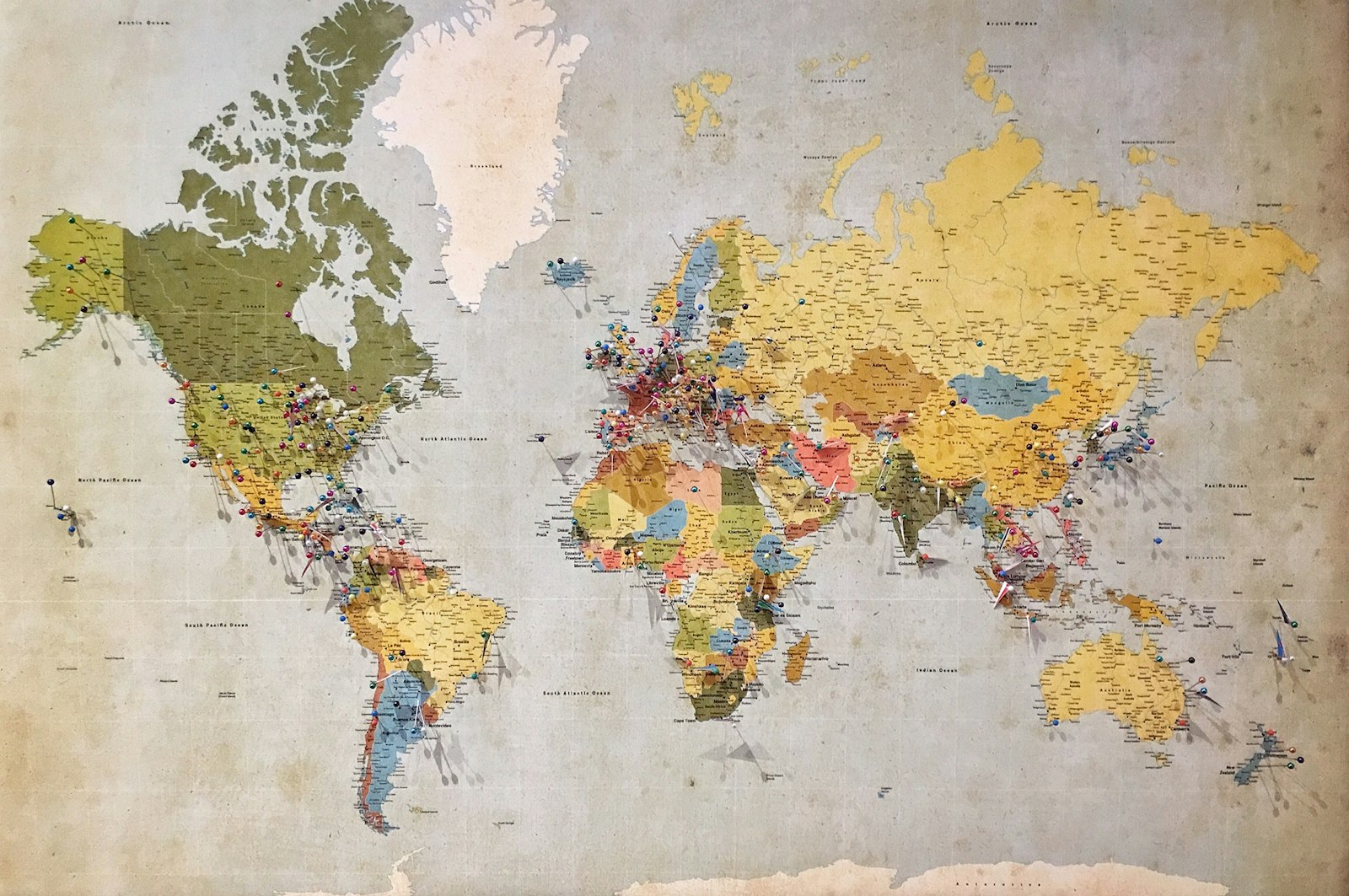
The cab driver laughed at me when I asked him to take me to the Great Wall at 7 AM on a Tuesday. “Too early,” he said in broken English, waving his hand. “No people yet. You want no people?” I nodded. He shrugged, hit the gas, and we spent the next two hours listening to a crackling AM radio station playing 80s Chinese pop songs through a blown-out speaker. When we arrived at Mutianyu, the fog was still sitting in the valley like a blanket. I was the only person on the wall for forty-five minutes. The only sounds were my boots on the stone and the wind moving through the watchtowers. That morning changed how I think about China travel.
I’ve lived in Beijing for seven years now. I’ve taken the bullet train more times than I can count, eaten street food in cities most tourists skip, and gotten lost in enough alleyways to fill a small novel. I’ve also watched friends visit China with itineraries that looked good on paper but collapsed under the weight of bad logistics, missed trains, and exhaustion. This guide is the one I wish I’d had when I first arrived.
Here’s what you’ll get: a ten-day itinerary that actually works for a first-time visitor. Not the fantasy version where you see everything. The real version where you see the right things, eat well, don’t collapse from jet lag, and leave wanting to come back.
Quick answer
For a first-time visitor, the best 10-day China itinerary is Beijing (3 days) + Xi’an (2 days) + Shanghai (3 days) + a day trip to Suzhou or Hangzhou (2 days). As of 2026, citizens of 54 countries including the US, UK, Australia, and most of Europe qualify for 144-hour visa-free transit in major cities. Budget $150-250 per day including mid-range hotels, transport, food, and entry fees. Book trains and flights at least two weeks ahead during peak seasons (May, October, Chinese New Year).
The Short Version
Beijing, Xi’an, and Shanghai in that order. Three days in Beijing for the Great Wall and Forbidden City. Two days in Xi’an for the Terracotta Warriors and the Muslim Quarter. Three days in Shanghai for the Bund and modern China. One day for a Suzhou water town. Skip Guilin unless you have more time. Skip Hong Kong unless you’re adding days. Don’t try to do Chengdu and the pandas on a ten-day trip —you’ll be exhausted.
How I Picked These
I didn’t pick these places from a list. I picked them by making every mistake possible over seven years. I’ve brought friends on this exact route six times. I’ve adjusted it based on what actually works: which train schedules don’t require a 5 AM wake-up, which hotels are near metro stations, which restaurants serve food that won’t wreck your stomach on day two. I also talked to three Chinese tour guides, two hostel owners, and a taxi driver named Mr. Chen who’s been driving tourists around Xi’an for twelve years. This itinerary is the result of all those conversations and all those mistakes.
Comparison Table
| Rank | Place | Best For | Approx Cost (USD) | Time Needed | When to Go |
|------|-------|----------|-------------------|-------------|------------|
| 1 | Beijing | History, culture, food | $50-80/day | 3 days | April-May, Sept-Oct |
| 2 | Xi’an | Ancient history, Muslim Quarter | $40-60/day | 2 days | March-May, Sept-Nov |
| 3 | Shanghai | Modern China, nightlife, shopping | $60-100/day | 3 days | March-May, Oct-Nov |
| 4 | Suzhou | Classical gardens, canals | $30-50/day | 1 day (day trip) | April-May, Sept-Oct |
| 5 | Hangzhou | West Lake, tea culture | $40-60/day | 1-2 days | March-May, Sept-Nov |
| 6 | Guilin | Karst mountains, Li River | $35-55/day | 2-3 days | April-Oct |
| 7 | Chengdu | Pandas, Sichuan food | $30-50/day | 2-3 days | March-June, Sept-Nov |
| 8 | Zhangjiajie | Avatar mountains, glass bridge | $40-60/day | 2-3 days | April-Oct |
| 9 | Lhasa | Tibetan culture, high altitude | $50-80/day | 3-4 days | May-Oct |
| 10 | Hong Kong | City, harbor, dim sum | $80-120/day | 2-3 days | Oct-Dec |
Beijing —The Wall at Dawn
I stood on the Mutianyu section of the Great Wall at 7:30 AM on a November morning. The fog was thick enough that I couldn’t see the next watchtower. A stray dog walked past me on the stones, looked at me like I was the one who didn’t belong, and kept walking. I ate a cold steamed bun I’d bought from a street cart near my hotel. It was the best breakfast I’ve ever had.
Beijing is the anchor of any first China trip. It’s where you get your bearings, where the scale of Chinese history hits you in the chest. The Forbidden City is overwhelming in the way that matters —you walk through gate after gate and realize you’re standing in the center of an empire that thought it would last forever. The Temple of Heaven is quieter, more contemplative. Old men play cards in the park outside at dawn. Women practice tai chi with swords.
📍 Dongcheng and Xicheng districts (central Beijing)
🎫 Great Wall (Mutianyu): $8 (CNY 55), cable car extra $15 (CNY 100). Forbidden City: $10 (CNY 60). Temple of Heaven: $5 (CNY 30). Summer Palace: $4 (CNY 25).
🕒 Great Wall: 7:30 AM-5:30 PM (winter), 7:00 AM-6:00 PM (summer). Forbidden City: 8:30 AM-5:00 PM, closed Mondays.
🚇 Take subway Line 2 to Dongzhimen, then bus 916 Express to Huairou, then shuttle bus to Mutianyu. Or pay $40-60 for a private car —worth it for the early morning.
⏰Visit the Great Wall on a weekday, arrive by 7:30 AM. Skip the Forbidden City on weekends —it’s a sea of selfie sticks.
💡 Insider tips: Bring your own snacks to the Great Wall —the food at the base is overpriced and sad. At the Forbidden City, rent the audio guide ($6) —the English is surprisingly good. Buy tickets online at least three days ahead. The Summer Palace is better in late afternoon when the tour groups leave. Don’t take photos with the costumed “ancient soldiers” near the Forbidden City —they’ll charge you $20 after you pose.
I watched a French couple argue for ten minutes about which direction to walk at the Forbidden City. They were both wrong. Go straight through the central axis, then loop back through the side halls.
Xi’an —The Warriors and the Alley
Mr. Chen, my taxi driver, pointed at a hole in the ground where workers were digging. “More warriors,” he said. “They find them every year. Maybe your grandchildren will see the whole army.” He laughed. I laughed. Then I walked into Pit 1 of the Terracotta Warriors and stopped laughing. Eight thousand soldiers, each with a different face, standing in formation underground for two thousand years. The sheer scale of it broke something in my brain.
Xi’an is the city that makes you understand why China calls itself the Middle Kingdom. The old city walls are still intact. You can rent a bike and ride the entire perimeter —about two hours, fourteen kilometers. The Muslim Quarter is a sensory assault: lamb skewers smoking on charcoal grills, dried persimmons stacked like gold coins, the smell of cumin and chili hanging in the air like a physical thing.
📍 Lintong District (Terracotta Warriors), downtown Xi’an (Muslim Quarter, City Wall)
🎫 Terracotta Warriors: $20 (CNY 120). City Wall: $7 (CNY 54). Muslim Quarter: free.
🕒 Terracotta Warriors: 8:30 AM-5:30 PM (winter), 8:30 AM-6:30 PM (summer). City Wall: 8:00 AM-10:00 PM.
🚇 Take subway Line 1 to Xi’an Railway Station, then bus 306 (green bus, $1.50) directly to the Terracotta Warriors. The bus is the best option —cheap and direct.
⏰Visit the Terracotta Warriors at 8:30 AM opening or after 3 PM. The Muslim Quarter is best at night —the food comes alive after dark.
💡 Insider tips: Skip the Terracotta Warriors museum shop —everything is marked up 300%. Buy the small replica warriors from the street vendors outside for $2 instead. The City Wall bike rental is $5 per hour —two hours is enough. In the Muslim Quarter, eat at the stalls with the longest lines of locals, not tourists. Try the yangrou paomo (lamb soup with bread) at a place called Lao Sun Jia —it’s been open since 1898. Bring cash —some small stalls don’t take WeChat Pay.
I ate eight lamb skewers from a street vendor whose name I never learned. He didn’t speak English. I didn’t speak Mandarin. We communicated through the universal language of pointing at meat and nodding.
Shanghai —The City That Never Sleeps
The Bund at night is a visual lie. On one side of the Huangpu River, colonial buildings from the 1920s glow in warm yellow light. On the other side, the Pudong skyline looks like a sci-fi movie set. I stood there for twenty minutes, trying to decide which side was more beautiful. I still don’t have an answer.
Shanghai is the future of China, but it’s also the past. The French Concession has tree-lined streets and art deco apartments that wouldn’t look out of place in Paris. The old lanes (longtang) are being demolished one by one, but a few remain, with laundry hanging between buildings and old women sitting on stools peeling vegetables. The contrast is the point.
📍 Huangpu District (The Bund), Jing’an District (French Concession), Pudong (skyline)
🎫 The Bund: free. Oriental Pearl Tower: $15 (CNY 100). Shanghai Museum: free. Yu Garden: $5 (CNY 30).
🕒 The Bund: 24 hours. Shanghai Museum: 9:00 AM-5:00 PM, closed Mondays. Yu Garden: 8:30 AM-5:30 PM.
🚇 Take subway Line 2 to East Nanjing Road, Exit 1, walk east 10 minutes to the Bund. For the French Concession, take Line 10 to Xintiandi, Exit 1.
⏰Visit the Bund at sunset —the light is perfect. The Shanghai Museum is best on weekday mornings. Avoid Yu Garden on weekends —it’s a human traffic jam.
💡 Insider tips: The best view of the Bund isn’t from the Bund itself —go to the rooftop bar at the Peace Hotel ($15 drink minimum, but worth it). The French Concession is best explored by bicycle —rent one from a Mobike for $0.15 per hour. Don’t eat at the restaurants on the Bund —they’re overpriced and mediocre. Walk 10 minutes inland to find better food for half the price. The Shanghai Metro is the best in China —English signs everywhere, announcements in English, and trains every 2-3 minutes.
I got lost in the French Concession for an hour trying to find a specific noodle shop. I never found it. I found a better one by accident. That’s Shanghai.
Suzhou —The Garden of Slow Time
The Humble Administrator’s Garden in Suzhou is a lesson in patience. Every rock, every pond, every curved bridge was placed deliberately to create a specific view from a specific angle. I sat on a bench for twenty minutes watching a single koi fish circle a lotus leaf. A Chinese woman next to me was painting watercolors. Neither of us spoke. Neither of us needed to.
Suzhou is what happens when a culture decides that beauty is worth spending generations on. The classical gardens are UNESCO World Heritage sites, but they’re not museums —they’re living spaces designed for contemplation. The canals are less romantic than Venice but more real —locals still live on them, still wash clothes in the water, still argue from windows.
📍 Gusu District (old town, gardens)
🎫 Humble Administrator’s Garden: $10 (CNY 70). Lingering Garden: $7 (CNY 45). Pingjiang Road (canal street): free.
🕒 Gardens: 7:30 AM-5:30 PM (winter), 7:30 AM-6:00 PM (summer).
🚇 Take the high-speed train from Shanghai to Suzhou ($10, 30 minutes). From Suzhou station, take bus 5 or a taxi ($5) to the gardens.
⏰Visit gardens at 8 AM opening to avoid crowds. Spring (March-April) is the best season —the azaleas are blooming.
💡 Insider tips: Buy a combined ticket for multiple gardens —it saves about 20%. The Humble Administrator’s Garden is the most famous but also the most crowded. Try the Lingering Garden instead —smaller, quieter, equally beautiful. Walk Pingjiang Road at night when the lanterns are lit. Eat at a restaurant called Song He Lou —the squirrel-shaped mandarin fish is the signature dish, and it’s actually delicious.
I watched a tour guide tell her group that a specific rock in the garden was worth $1 million. I have no idea if that’s true. I hope it is.
Hangzhou —The Lake That Inspired Poets
West Lake at dawn is a clich茅 that earns every bit of its reputation. The mist sits on the water like a veil. The willows droop into the lake. An old man practices calligraphy on the pavement with a brush dipped in water, writing poems that evaporate in minutes. I watched him for ten minutes. He never looked up.
Hangzhou has been a destination for Chinese poets and painters for a thousand years. Marco Polo called it “the finest and most splendid city in the world.” It’s still that. The lake is the centerpiece, but the real magic is in the details: the tea plantations in the hills, the pagodas on the islands, the bridges that have been crossed by lovers and scholars for centuries.
📍 Xihu District (West Lake area)
🎫 West Lake: free. Leifeng Pagoda: $6 (CNY 40). Lingyin Temple: $7 (CNY 45).
🕒 West Lake: 24 hours. Leifeng Pagoda: 8:00 AM-5:30 PM. Lingyin Temple: 7:00 AM-6:00 PM.
🚇 Take the high-speed train from Shanghai to Hangzhou ($12, 45 minutes). From Hangzhou East station, take subway Line 1 to Longxiangqiao, Exit C, walk 10 minutes to the lake.
⏰Visit West Lake at sunrise (5:30-6:30 AM in summer) for the mist. Avoid weekends and holidays —the lake path becomes a moving wall of people.
💡 Insider tips: Rent a bicycle to circle the lake —about 2-3 hours, $3 for the whole day. The best tea is in the Longjing Village hills above the lake —take bus 27 from the city center. Don’t buy tea from the stalls on the lakefront —it’s overpriced and often fake. The “Impression West Lake” show at night is touristy but genuinely beautiful —book ahead, $30-50 per ticket.
I drank tea with a farmer in Longjing Village who showed me how to tell real Dragon Well tea from fake: drop the leaves in hot water. Real tea sinks. Fake tea floats.
Guilin —The Mountains That Rise from Rice Paddies
The Li River cruise from Guilin to Yangshuo is four hours of landscape that looks like a Chinese painting come to life. The karst peaks rise straight out of the water like giant green teeth. Water buffalo stand in the shallows. Fishermen use cormorants to catch fish, a tradition that’s been dying for decades but still survives for tourists and the few old men who refuse to give it up.
Guilin is the place where the landscape becomes the attraction. The city itself is fine —a typical Chinese provincial capital with decent food and bad traffic. But the countryside around it is why you come. The rice terraces of Longji, the caves, the rivers —this is the China of postcards, and it’s real.
📍 Guilin city center, Yangshuo County
🎫 Li River cruise: $50-80 (CNY 350-550) depending on boat class. Reed Flute Cave: $15 (CNY 100). Longji Rice Terraces: $12 (CNY 80).
🕒 Li River cruises: 9:00 AM-2:00 PM daily. Reed Flute Cave: 8:00 AM-6:00 PM.
🚇 Fly into Guilin Liangjiang International Airport from major Chinese cities. From Guilin, take a bus or taxi to the cruise terminal ($10, 30 minutes).
⏰Visit in October-November for the best weather —clear skies, comfortable temperatures. Avoid July-August —humid and crowded.
💡 Insider tips: Skip the expensive cruise and take the local bus from Guilin to Yangshuo ($5, 2 hours) —you see the same landscape for a fraction of the price. In Yangshuo, rent an electric scooter ($10/day) to explore the countryside. The “Impression Liu Sanjie” show in Yangshuo is better than the one in Hangzhou —directed by Zhang Yimou, it uses the karst mountains as a backdrop. Don’t eat at the restaurants on West Street in Yangshuo —they’re for tourists. Walk two blocks inland.
I got caught in a monsoon rain on the Li River. The boat captain handed me a plastic poncho and laughed. I was soaked anyway. It was the best part of the trip.
Chengdu —Pandas and Pepper
The Giant Panda Breeding Research Base in Chengdu is the closest thing to a real-life zoo paradise. The pandas are not in cages —they’re in large, forested enclosures where they lounge on platforms, eat bamboo, and occasionally roll off things. I watched a panda cub fall out of a tree, look around as if to check if anyone saw, and then climb back up to do it again. I laughed so hard I cried.
Chengdu is also the capital of Sichuan cuisine, which means it’s the capital of food that makes you sweat, cry, and ask for more. The mapo tofu here is not the mild version you’ve had in your home country. It’s a bowl of fire wrapped in silk. The hot pot is a communal experience that takes three hours and leaves you smelling like chili for a day.
📍 Chenghua District (Panda Base), Jinjiang District (city center)
🎫 Panda Base: $8 (CNY 55). Jinli Ancient Street: free. Wuhou Shrine: $8 (CNY 55).
🕒 Panda Base: 7:30 AM-6:00 PM (summer), 8:00 AM-5:30 PM (winter).
🚇 Take subway Line 3 to Panda Avenue, Exit B, then take the free shuttle bus to the base. Or take a taxi from city center ($5, 20 minutes).
⏰Visit the Panda Base at 8 AM opening —pandas are most active in the morning. After noon, they sleep. Weekdays are much less crowded than weekends.
💡 Insider tips: The Panda Base is worth the early wake-up —by 10 AM, the crowds are unbearable. Skip the panda volunteer program —it’s expensive ($300+) and you don’t actually touch the pandas. For real Sichuan food, go to a place called Chen Mapo Tofu —it’s been open since 1862 and the mapo tofu is the best I’ve ever had. Bring tissues —Sichuan food will make your nose run. The hot pot restaurants on Kuanzhai Alley are overpriced —go to a local chain like Shu Daxia instead.
I ate a piece of chicken so spicy that my left ear went numb for ten minutes. The waiter laughed at me. I laughed too. Then I ordered another plate.
Zhangjiajie —The Mountains That Inspired Avatar
The pillars of quartzite sandstone in Zhangjiajie National Forest Park look like they were designed by a god with too much imagination. They rise hundreds of meters straight up, covered in vegetation, with mist swirling around their bases. James Cameron used them as inspiration for the floating mountains in Avatar, but the real thing is stranger than anything CGI can create.
Zhangjiajie is not an easy destination. It’s remote, crowded, and requires a lot of walking. But it’s also one of the most unique landscapes on Earth. The glass bridge over the Grand Canyon is terrifying —it’s 300 meters above the ground and the floor is transparent. I crawled across it. I’m not ashamed.
📍 Wulingyuan District
🎫 National Forest Park: $35 (CNY 245) for 4-day pass. Glass Bridge: $30 (CNY 200). Tianmen Mountain: $35 (CNY 245).
🕒 Park: 6:30 AM-6:00 PM (summer), 7:30 AM-5:00 PM (winter).
🚇 Fly into Zhangjiajie Hehua International Airport from Beijing, Shanghai, or Guangzhou. From the airport, take a taxi to Wulingyuan ($15, 40 minutes).
⏰Visit in April-May or September-October for the best weather. Avoid Chinese national holidays (May 1-5, October 1-7) —the park becomes a human river.
💡 Insider tips: Stay in Wulingyuan town, not Zhangjiajie city —it’s closer to the park entrance. Take the Bailong Elevator (the world’s tallest outdoor elevator) up the mountain —it costs $10 but saves 2 hours of hiking. The glass bridge is best visited at 8 AM opening —after 10 AM, it’s shoulder-to-shoulder. Bring rain gear —the weather changes every 20 minutes. Don’t feed the monkeys —they will steal your bag and open it.
I watched a monkey steal a woman’s sunglasses, try them on, and then throw them off a cliff. The monkey looked satisfied. I don’t blame it.
Lhasa —The Roof of the World
The air in Lhasa is thin. I felt it the moment I stepped off the plane —a lightness in my chest, a slight dizziness when I walked too fast. The Potala Palace rises above the city like a white and red mountain built by human hands. I walked around it three times in a clockwise direction, following the pilgrims. Some were prostrating themselves flat on the ground every few steps. I felt like an intruder. I also felt like I understood something I couldn’t put into words.
Lhasa is not an easy trip. The altitude (3,656 meters) will hit you. The permits are complicated. The culture is fragile. But it’s also one of the most spiritually intense places I’ve ever been. The Barkhor Street pilgrimage route is a living tradition, not a tourist attraction. The Jokhang Temple is the holiest site in Tibetan Buddhism. The monks chant in a low drone that vibrates in your bones.
📍 Chengguan District (central Lhasa)
🎫 Potala Palace: $15 (CNY 100) in winter, $30 (CNY 200) in summer. Jokhang Temple: $12 (CNY 85). Barkhor Street: free.
🕒 Potala Palace: 9:00 AM-4:00 PM (winter), 8:30 AM-5:00 PM (summer). Jokhang Temple: 8:00 AM-6:00 PM.
🚇 Fly into Lhasa Gonggar Airport from major Chinese cities. Take the airport bus ($5, 1 hour) to the city center. Train from Xining is also possible ($50, 24 hours) —it helps with altitude acclimatization.
⏰Visit in May-October for the best weather. Avoid December-February —bitterly cold and many sites have reduced hours.
💡 Insider tips: You need a Tibet Travel Permit to enter Lhasa, which must be arranged through a tour agency —budget $100-200 for this. Spend two days in Lhasa before visiting higher-altitude sites to acclimatize. Drink lots of water and avoid alcohol for the first 48 hours. The Potala Palace requires booking tickets at least one day in advance —show up at 8 AM to buy tickets for the next day. Don’t take photos inside temples —it’s disrespectful and guards will confiscate your phone.
I sat in a tea house near Barkhor Street drinking sweet butter tea with a monk who spoke no English. We smiled at each other for an hour. It was one of the best conversations I’ve ever had.
Hong Kong —The City That Refuses to Be Defined
The Star Ferry crossing from Tsim Sha Tsui to Central is $0.50 and takes five minutes. It’s the best value in Hong Kong. The harbor is a highway of boats, the skyline is a wall of glass and steel, and the air smells like salt and diesel. I took the ferry three times in one day because I couldn’t get enough of the view.
Hong Kong is not mainland China, but it’s not not China either. It’s its own thing —a former British colony that became a Special Administrative Region, a city where Cantonese is the language and dim sum is a religion. The food is world-class. The hiking is surprisingly good. The shopping is overwhelming. The politics are complicated. But for a tourist, it’s one of the easiest and most rewarding cities in Asia.
📍 Tsim Sha Tsui (Kowloon), Central (Hong Kong Island)
🎫 Star Ferry: $0.50 (HKD 4). Victoria Peak Tram: $8 (HKD 52). Big Buddha: free (cable car $25/HKD 160).
🕒 Star Ferry: 6:30 AM-11:30 PM. Victoria Peak Tram: 7:00 AM-12:00 AM.
🚇 Fly into Hong Kong International Airport. Take the Airport Express ($15, 24 minutes) to Hong Kong Station. The MTR subway system covers the entire city.
⏰Visit in October-December for the best weather —warm, dry, clear. Avoid June-September —humid and typhoon season.
💡 Insider tips: Get an Octopus card at the airport —it works on all public transport and at most convenience stores. The best dim sum is at Tim Ho Wan, the world’s cheapest Michelin-starred restaurant —go to the Sham Shui Po location, not the mall ones. Victoria Peak is best at sunset —take the tram up, walk down. The hiking trail on Dragon’s Back is free and has views that rival any city skyline. Don’t eat at the restaurants on the Peak —overpriced. Take the bus back down instead of the tram to avoid the line.
I ate at a dai pai dong (open-air food stall) in Sham Shui Po where the owner had been making the same noodles for 40 years. He didn’t have a menu. You just told him what you wanted and he made it. I pointed at a photo on the wall. He nodded. It was perfect.
FAQ
Q: Do I need a visa to visit China in 2026?
A: Citizens of 54 countries (including the US, UK, Canada, Australia, and most EU nations) can enter without a visa for up to 144 hours (6 days) if they’re transiting through one of 20 major cities to a third country. For longer stays, you need a tourist visa (L visa). Apply at least a month ahead. The visa costs about $140 and is valid for 90 days.
Q: Is it safe to travel in China?
A: Yes. China is one of the safest countries I’ve ever traveled in. Violent crime against tourists is extremely rare. Petty theft happens in crowded areas (like any major city). The biggest safety risks are traffic (pedestrians do not have the right of way) and food hygiene (stick to busy restaurants with high turnover).
Q: Do I need to speak Mandarin?
A: No, but it helps. In major cities and tourist areas, English is common in hotels, train stations, and airports. In smaller cities and rural areas, you’ll need a translation app. I recommend Pleco (offline dictionary) and Google Translate (download the Chinese language pack before you arrive).
Q: How do I pay for things in China?
A: Cash is dying. WeChat Pay and Alipay are used for everything from street food to train tickets. You can link a foreign credit card to Alipay (it works now as of 2024). WeChat Pay is harder to set up without a Chinese bank account. Bring some cash ($100-200 equivalent) for emergencies, but expect to use your phone for 95% of transactions.
Q: Do I need a VPN?
A: Yes. Google, Gmail, Facebook, Instagram, WhatsApp, and many news sites are blocked in China. Install a VPN on your phone and laptop before you leave home. Astrill and ExpressVPN are the most reliable. Test it before you go —some VPNs don’t work in China.
Q: What’s the best way to get around China?
A: The high-speed train network is the best in the world. Trains are fast, clean, punctual, and cheap. Book tickets on Trip.com (formerly Ctrip) or at the station. For long distances (Beijing to Shanghai, 4.5 hours, $80), trains beat flying when you factor in airport travel time. For shorter trips (Shanghai to Suzhou, 30 minutes, $10), trains are the only sensible option.
Q: What should I pack?
A: Comfortable walking shoes (you’ll walk 10-15 km/day). A reusable water bottle (tap water is not drinkable, but hotels and restaurants provide boiled water). A power bank (outlets are everywhere but not always convenient). Toilet paper and hand sanitizer (public toilets often don’t have either). A face mask (for pollution in Beijing and crowded subways). A VPN-installed phone.## FAQ summary
The most important things to know: you can visit China without a visa for up to 144 hours in major cities if you’re transiting to a third country. Budget $150-250 per day for a comfortable trip. Download WeChat and Alipay before you arrive —China is nearly cashless. Get a VPN installed on your phone before you leave home —Google, Facebook, Instagram, and WhatsApp are blocked in China.
Q: Do I need a visa to visit China in 2026?
A: Citizens of 54 countries (including the US, UK, Canada, Australia, and most EU nations) can enter without a visa for up to 144 hours (6 days) if they’re transiting through one of 20 major cities to a third country. For longer stays, you need a tourist visa (L visa). Apply at least a month ahead. The visa costs about $140 and is valid for 90 days.
Q: Is it safe to travel in China?
A: Yes. China is one of the safest countries I’ve ever traveled in. Violent crime against tourists is extremely rare. Petty theft happens in crowded areas (like any major city). The biggest safety risks are traffic (pedestrians do not have the right of way) and food hygiene (stick to busy restaurants with high turnover).
Q: Do I need to speak Mandarin?
A: No, but it helps. In major cities and tourist areas, English is common in hotels, train stations, and airports. In smaller cities and rural areas, you’ll need a translation app. I recommend Pleco (offline dictionary) and Google Translate (download the Chinese language pack before you arrive).
Q: How do I pay for things in China?
A: Cash is dying. WeChat Pay and Alipay are used for everything from street food to train tickets. You can link a foreign credit card to Alipay (it works now as of 2024). WeChat Pay is harder to set up without a Chinese bank account. Bring some cash ($100-200 equivalent) for emergencies, but expect to use your phone for 95% of transactions.
Q: Do I need a VPN?
A: Yes. Google, Gmail, Facebook, Instagram, WhatsApp, and many news sites are blocked in China. Install a VPN on your phone and laptop before you leave home. Astrill and ExpressVPN are the most reliable. Test it before you go —some VPNs don’t work in China.
Q: What’s the best way to get around China?
A: The high-speed train network is the best in the world. Trains are fast, clean, punctual, and cheap. Book tickets on Trip.com (formerly Ctrip) or at the station. For long distances (Beijing to Shanghai, 4.5 hours, $80), trains beat flying when you factor in airport travel time. For shorter trips (Shanghai to Suzhou, 30 minutes, $10), trains are the only sensible option.
Q: What should I pack?
A: Comfortable walking shoes (you’ll walk 10-15 km/day). A reusable water bottle (tap water is not drinkable, but hotels and restaurants provide boiled water). A power bank (outlets are everywhere but not always convenient). Toilet paper and hand sanitizer (public toilets often don’t have either). A face mask (for pollution in Beijing and crowded subways). A VPN-installed phone.
The Honest Wrap-up
This itinerary is for the first-time visitor who wants to see the big hits without collapsing from exhaustion. It’s not for the backpacker who wants to get off the beaten path. It’s not for the luxury traveler who wants five-star hotels and private guides. It’s for the curious traveler who wants to eat well, see amazing things, and go home with stories that don’t start with “the tour bus was late.”
If I could give you one piece of advice: slow down. Don’t try to see everything. Pick three or four places and actually experience them. Sit in a tea house for an hour. Walk down a random alley. Eat something you can’t identify. Get lost on purpose. China rewards the patient traveler. The person who rushes through ten cities in ten days will remember nothing. The person who spends three days in one place will remember everything.
The cab driver who laughed at me at 7 AM? I still think about him. He was right. I wanted no people. He gave me the wall to myself. That’s the kind of travel that changes you.
Related Guides
Looking for more China travel guides? These match your topic:
- Best Time to See Cherry Blossoms in China 2026
- Best Time to Visit China: Month-by-Month Guide
- China Etiquette: Cultural Do’s and Don’ts for Foreigners: The Complete 2026 G…
- China Golden Week Travel Survival Guide
- China Group Tours vs Independent Travel Which is Better
- China Itinerary Planning: 7-Day 14-Day and 21-Day Routes: The Complete 2026 G…
Topics
More guides you may like
Best Time to See Cherry Blossoms in China 2026
Best Time to See Cherry Blossoms in China: 2026 guide covers current prices, transport, payment apps, and what foreign visitors need to know.
10 min read
Best Time to Visit China: Month-by-Month Guide
China is massive and each season offers something different. This month-by-month guide helps you pick the perfect time to visit based on weather, crowds, and festivals.
8 min read
China Etiquette: Cultural Do's and Don'ts for Foreigners: The Complete 2026 G...
China has unique social customs that can confuse first-time visitors. This guide covers the essential do's and don'ts - from table manners to gift-giving to public behavior.
9 min read
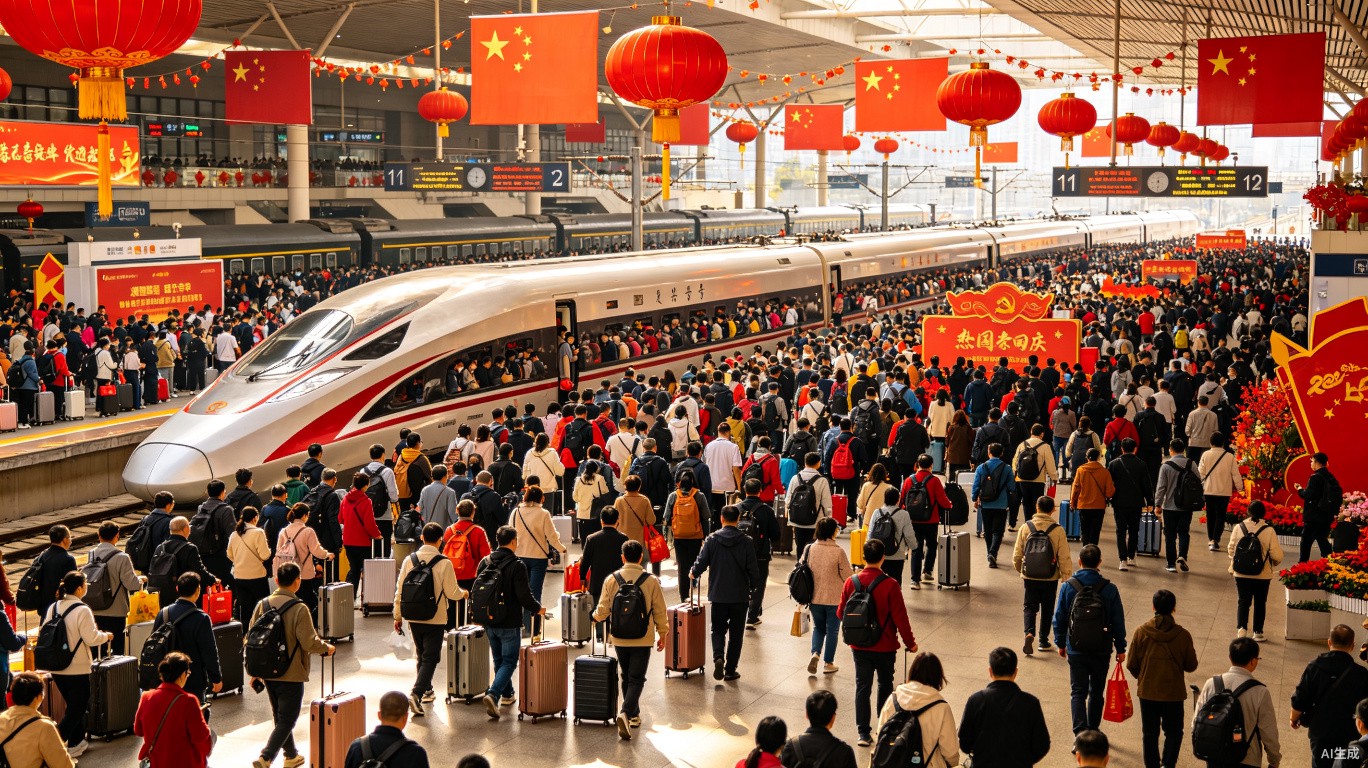
China Golden Week Travel Survival Guide
How to survive China's National Day Golden Week (October 1-7) - what to avoid, where to go, and how to beat the crowds.
9 min read
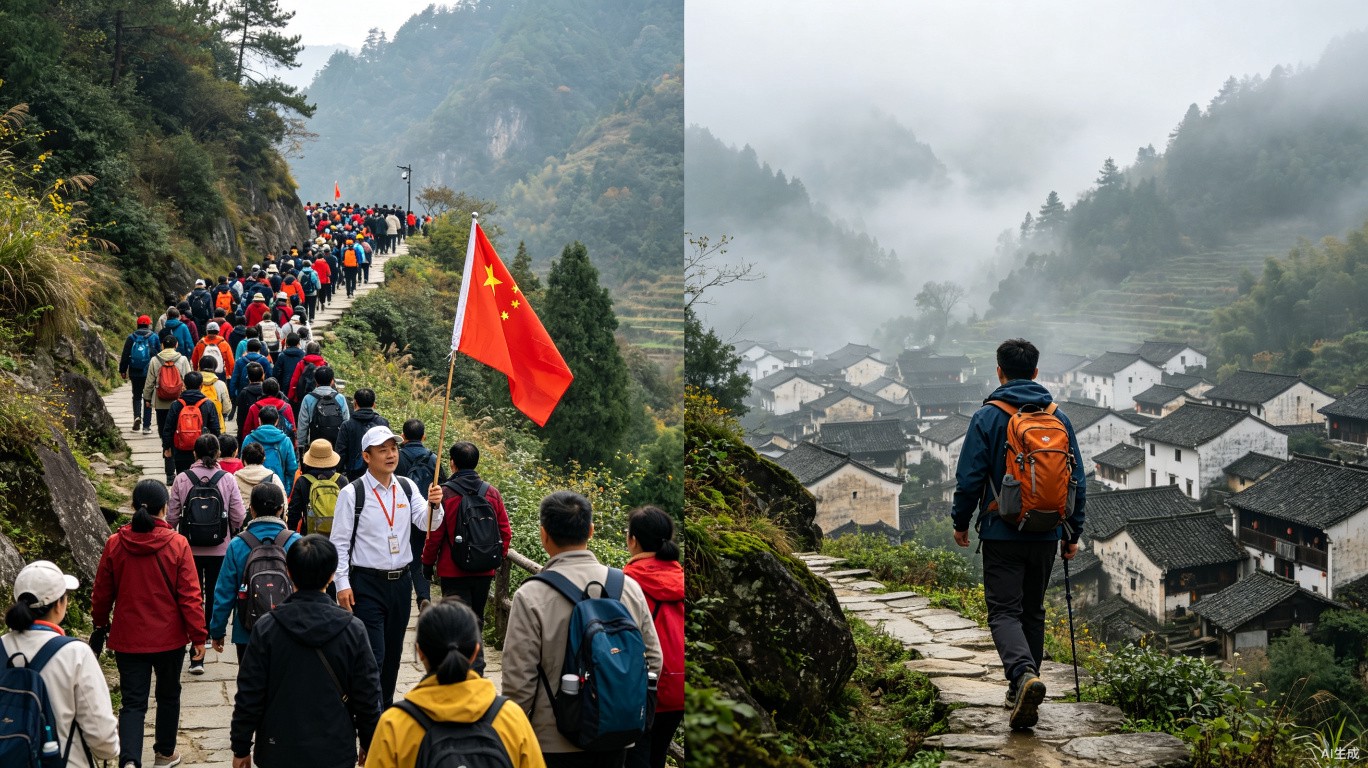
China Group Tours vs Independent Travel Which is Better
Should you join a guided tour or travel independently in China? Honest comparison of cost, flexibility, and experience.
7 min read
China Itinerary Planning: 7-Day 14-Day and 21-Day Routes: The Complete 2026 G...
Not sure how many days to spend in China? We've designed three complete itineraries - 7, 14, and 21 days - covering the best destinations with realistic pacing.
9 min read