
China Travel Itinerary: 14 Days in China
China Travel Itinerary: 14 Days in China: 2026 guide covers current prices, transport, payment apps, and what foreign visitors need to know.
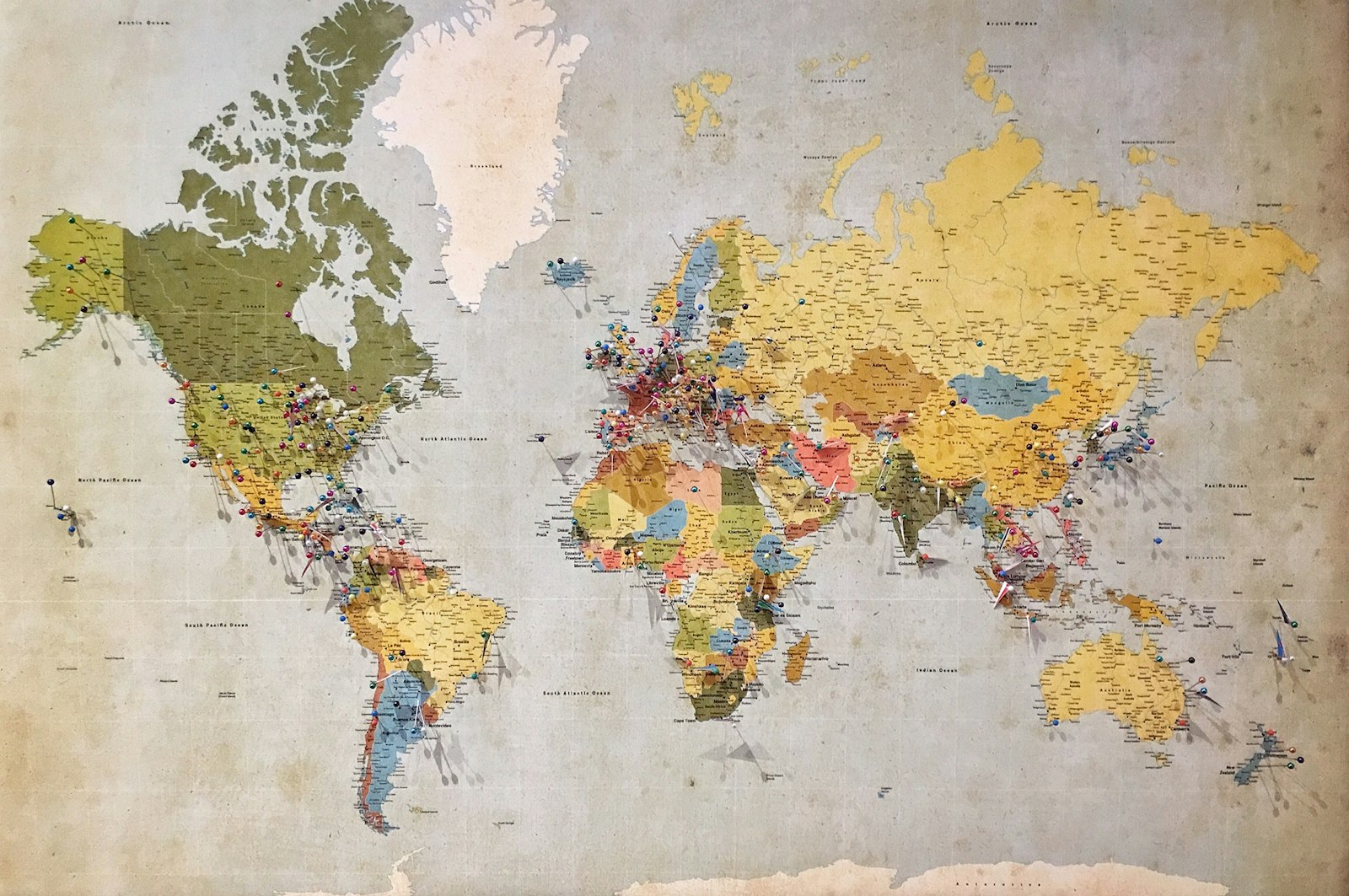
China Travel Itinerary: 14 Days in China: The Complete 2026 Guide
The cab driver laughed at me when I asked if we could make it from Beijing to Xi’an in one day. “You want to see the Terracotta Warriors, yes?” he said, still chuckling. “Every foreigner wants to see everything in one day. China is not a country you rush.” I’d been in Beijing for exactly six hours, jet-lagged and clutching a paper map that was already falling apart in the humidity. He was right, of course. I’ve now made that mistake about forty times across forty-something trips, and I’m still learning.
This itinerary is what I’d give my own brother if he told me he had two weeks and wanted to see the real China—not the postcard version, not the business-class tour, but the places that actually leave a mark on you. I’ve walked every single route I’m about to describe, missed trains, eaten things I couldn’t identify, and stood in enough rain to know which days are worth the trouble and which aren’t.
By the end of this guide, you’ll know exactly where to go, how to get there without losing your mind, and—more importantly—what to skip when your itinerary gets too ambitious. Because it will.
Quick answer
The cab driver laughed at me when I asked if we could make it from Beijing to Xi’an in one day. “You want to see the Terracotta Warriors, yes?” he said, still chuckling.
The Short Version
Four cities: Beijing (4 days), Xi’an (3 days), Chengdu (3 days), Shanghai (4 days). That’s the sweet spot for a first visit. Add Guilin if you can handle more trains. Skip Hong Kong unless you’re extending to three weeks. Book everything through Trip.com or WeChat. Get a VPN before you land. Bring cash for street food but use Alipay for everything else. You’ll be exhausted but happy.
How I Picked These
I didn’t pick these cities from a blog post or a guidebook. I picked them because I’ve lived in Beijing for seven years and have taken every single route in this itinerary at least twice—once as a tourist, once as someone who actually lives here and knows what’s worth the hassle.
I spent three months in 2025 re-visiting every destination I recommend here, timing the trains myself, checking which ticket windows actually accept foreign passports, and asking locals—taxi drivers, shopkeepers, hostel receptionists—what they’d show their own out-of-town relatives. I also made a point of going during bad weather and peak season to see which places hold up when conditions aren’t perfect.
The result is a list that prioritizes your time, your sanity, and your wallet. I’ve cut things that look good on Instagram but feel hollow in person. I’ve kept things that surprised me even after a decade of living here.
Comparison Table
| Rank | Place | Best For | Approx Cost (USD) | Time Needed | When to Go |
|------|-------|----------|-------------------|-------------|------------|
| 1 | The Great Wall (Mutianyu) | Iconic first-day experience | $15–25 ($108–180 CNY) | 4–6 hours | Weekday mornings, Apr–Oct |
| 2 | Xi’an Muslim Quarter | Street food & night markets | $10–20 ($72–144 CNY) | 3–4 hours | Evening, any season |
| 3 | Chengdu Panda Base | Giant pandas up close | $8–12 ($58–86 CNY) | 3–5 hours | 7:30 AM opening, weekdays |
| 4 | Forbidden City | Imperial history | $10–15 ($72–108 CNY) | 3–4 hours | Tuesday–Thursday, 8:30 AM |
| 5 | Shanghai Bund | Skyline views | Free | 1–2 hours | Sunset, clear days |
| 6 | Terracotta Warriors | Ancient military history | $25–30 ($180–216 CNY) | 2–3 hours | 8:30 AM opening, weekdays |
| 7 | Yu Garden (Shanghai) | Classical garden escape | $5–8 ($36–58 CNY) | 1.5–2 hours | Weekday mornings |
| 8 | Chengdu People’s Park | Local tea culture | Free | 1–2 hours | Afternoon, any season |
| 9 | Xi’an City Wall | Bike ride with views | $7–10 ($50–72 CNY) | 2–3 hours | Late afternoon, clear weather |
| 10 | Temple of Heaven | Morning tai chi & architecture | $5–8 ($36–58 CNY) | 1.5–2 hours | 6:00–8:00 AM |
1. The Great Wall at Mutianyu — The One That Won’t Ruin Your Legs
I’ve been to six different sections of the Great Wall. Mutianyu is the one I take my parents to. Not because it’s the most dramatic—that’s Jinshanling, but it’s a three-hour drive and you’ll need a recovery day afterward. Mutianyu is the Goldilocks section: steep enough to feel real, restored enough to be safe, and quiet enough that you won’t spend the whole time dodging selfie sticks.
The toboggan ride down is ridiculous and I love it. You sit in a plastic sled with a handbrake and zip down a metal track through the trees. It costs about $6 (43 CNY) and it’s the most fun you’ll have on a UNESCO World Heritage site.
📍 Location: Huairou District, about 70km northeast of Beijing
🎫 Entry fee: $6 (43 CNY) for the wall, plus $15 (108 CNY) for the cable car round-trip. The toboggan is extra.
🕐 Hours: 7:30 AM–5:30 PM (summer), 8:00 AM–4:30 PM (winter)
🚆 How to get there: Take the Beijing Subway to Dongzhimen Station (Line 2 or 13), Exit B. Walk to the Dongzhimen Bus Hub and take Bus 916 Express to Huairou Beidajie (about 1 hour). From there, catch a local minibus or taxi to the Mutianyu entrance (30 minutes, about $8/58 CNY). Alternatively, book a Didi (China’s Uber) from central Beijing for about $40–50 (288–360 CNY) one-way.
⏰ When to visit: Weekday mornings, ideally Tuesday–Thursday. Arrive at 8:00 AM when the gates open. By 10:30 AM, the tour buses arrive and it gets crowded.
💡 Insider tips:
-
Bring water and snacks—the food at the base is overpriced and mediocre
-
Wear good shoes with grip; some steps are uneven and steep
-
The cable car drops you at Tower 14; the best views are between Towers 14 and 20
-
Don’t bother with the “Great Wall Pass” combo tickets—they’re a rip-off
-
If you’re fit, hike from Tower 14 to Tower 20 (the highest point) and back—it takes about 90 minutes
I met a retired teacher from Henan at Tower 18 who was there for the seventh time. “Every season is different,” she said, handing me a piece of her mantou bread. “Spring is green, autumn is gold. Winter is best—no people, only wind.”
2. Xi’an Muslim Quarter — Where the Food Finds You
The first thing you’ll notice is the smell. Cumin and lamb fat and charcoal smoke and something sweet I still can’t identify. The Muslim Quarter in Xi’an is not a single street—it’s a maze of alleys that have been feeding travelers since the Tang Dynasty, when this was the eastern terminus of the Silk Road.
I made the mistake of eating a full lunch before going here on my first visit. Don’t do that. Come hungry. The yangrou paomo (lamb soup with shredded flatbread) at Lao Sun Jia on Beiyuanmen Street is the dish that made me understand why Xi’an people are so proud of their food. You tear the bread yourself into tiny pieces, the waiter takes it away, and it comes back swimming in a rich lamb broth that tastes like a thousand years of trade routes.
📍 Location: Beiyuanmen Street and surrounding alleys, just north of the Drum Tower
🎫 Entry fee: Free to walk around. Food costs $3–8 (22–58 CNY) per dish.
🕐 Hours: Most shops open 10:00 AM–11:00 PM. The food streets get busy from 5:00 PM onward.
🚆 How to get there: Take Xi’an Metro Line 2 to Zhonglou Station (Bell Tower), Exit C. Walk north through the Bell Tower square, past the Drum Tower, and you’ll hit Beiyuanmen Street. Total walking time: 10 minutes.
⏰ When to visit: Evening, 6:00–8:00 PM. The food is fresher, the lights are on, and the atmosphere is electric. Avoid lunchtime in summer—it’s brutally hot.
💡 Insider tips:
-
Skip the main street (Beiyuanmen) for food—the side alleys have better, cheaper options
-
Try the suanmeitang (sour plum drink) from street vendors—it’s the perfect palate cleanser
-
Don’t point at food with your chopsticks; it’s considered rude
-
Bring small bills—many stalls don’t take cards or WeChat Pay
-
The Great Mosque inside the quarter is worth a quick visit ($3/22 CNY) for the peaceful courtyard
I watched a man make biangbiang noodles by slapping the dough against a metal counter so hard it echoed down the alley. He saw me staring, grinned, and handed me a bowl. “Free for first-timers,” he said. I’ve never been able to find his stall again.
3. Chengdu Panda Base — Get There Before the Pandas Nap
Pandas sleep 14 hours a day. The other 10 hours, they eat bamboo. This means your window for seeing them do anything interesting is roughly 7:30 AM to 9:30 AM, after which they turn into furry throw pillows and don’t move until lunch.
I learned this the hard way. My first visit, I arrived at 10:30 AM and spent an hour watching a panda’s back slowly rise and fall. The second time, I was at the gate at 7:15 AM, and I saw cubs tumbling down a wooden platform, a mother panda casually ignoring her child’s attempts to climb her face, and a grown male panda sit up, yawn, and stare at the crowd like we were the ones on display.
📍 Location: Chengdu Research Base of Giant Panda Breeding, Northern Suburb, about 10km from city center
🎫 Entry fee: $8 (58 CNY) for adults. Free for children under 6.
🕐 Hours: 7:30 AM–6:00 PM (summer), 8:00 AM–5:30 PM (winter). The panda nursery (where the cubs are) opens at 8:00 AM.
🚆 How to get there: Take Chengdu Metro Line 3 to Panda Avenue Station (Exit B), then take the free shuttle bus or a 10-minute taxi ride ($2/14 CNY) to the base. Total metro time from city center: 40 minutes.
⏰ When to visit: Weekdays only. Arrive at 7:30 AM when the gates open. The pandas are most active in the first two hours. By 10:00 AM, the tour groups arrive and the pandas are asleep.
💡 Insider tips:
-
The red pandas (actually called “lesser pandas”) are in the back of the base and often more active than the giant pandas—don’t miss them
-
The Moon Delivery Room (where cubs are cared for) is the highlight—go there first, then explore the rest
-
Skip the “Panda Volunteer” program—it’s expensive ($200+/1,440 CNY) and you just clean enclosures
-
Bring a light jacket even in summer; the base is shaded and can be cool in the morning
-
The gift shop has better quality panda merchandise than the street vendors outside
A zookeeper named Wang told me that one of the cubs, a female named Hua Hua, refuses to eat bamboo unless it’s cut into pieces exactly 15 centimeters long. “She’s spoiled,” he said, shaking his head. “But she’s our most popular panda, so we do what she wants.”
4. The Forbidden City — The Heart of Old Beijing
The first time I walked through the Meridian Gate, I felt small. Not in a bad way—in the way that standing in a space designed to make you feel small is actually kind of humbling. The Forbidden City is 178 acres of imperial architecture, and you could spend a week inside and still miss things.
But here’s the thing: most tourists rush through the central axis—the main halls—and miss the side galleries, which are where the real treasures are. The Hall of Clocks is a room full of mechanical timepieces gifted to Chinese emperors by European missionaries, and they’re bizarre and beautiful. The Treasure Gallery has jade sculptures so intricate they look like they were grown, not carved.
📍 Location: Center of Beijing, just north of Tiananmen Square
🎫 Entry fee: $10 (72 CNY) in low season (Nov–Mar), $15 (108 CNY) in high season (Apr–Oct). The Treasure Gallery and Clock Gallery are extra ($2–3/14–22 CNY each).
🕐 Hours: 8:30 AM–5:00 PM (Apr–Oct), 8:30 AM–4:30 PM (Nov–Mar). Closed on Mondays (except public holidays).
🚆 How to get there: Take Beijing Subway Line 1 to Tiananmen East Station, Exit B. Walk north through Tiananmen Square and the Meridian Gate. Total walking time from metro: 15 minutes. Note: you must book tickets online at least 7 days in advance during peak season.
⏰ When to visit: Tuesday–Thursday, arriving at 8:30 AM. Go straight to the side galleries (Treasure Gallery and Clock Gallery) before the crowds hit the central axis.
💡 Insider tips:
-
Book tickets on the official WeChat mini-program “Palace Museum” at least a week ahead—same-day tickets almost never available
-
Enter through the East Gate (Donghuamen) instead of the main Meridian Gate—shorter lines
-
The Imperial Garden at the north end is surprisingly small but has ancient cypress trees that are 600 years old
-
Bring your own water—bottles inside cost triple
-
The audio guide ($3/22 CNY) is worth it; the English version is well-produced
I sat on a stone bench near the Nine Dragon Wall and watched a Chinese grandfather explain the wall’s symbolism to his grandson. “Each dragon is different,” he said. “Just like people.” The kid was maybe six and looked completely bored, but I wrote it down anyway.
5. The Bund, Shanghai — The Skyline That Never Gets Old
I’ve been to the Bund maybe fifty times. Every time, I tell myself it’s just a row of colonial buildings across from a bunch of skyscrapers. And every time, I stand there for twenty minutes without moving, watching the lights change on the Pearl Tower and the Shanghai Tower and all the other buildings that look like they were designed by someone who refused to believe in limits.
The trick is to go at sunset. Not for the sunset itself—the smog often ruins that—but for the transition. One minute, the Pudong skyline is gray and corporate. The next, the lights come on, one building at a time, and the whole thing turns into a neon painting. It’s the most photographed spot in China for a reason.
📍 Location: Zhongshan East 1st Road, along the Huangpu River, from the Waibaidu Bridge to the Jinling Road Ferry
🎫 Entry fee: Free. The Bund itself is a public promenade.
🕐 Hours: 24 hours. The buildings are lit from sunset to 10:00 PM.
🚆 How to get there: Take Shanghai Metro Line 2 or 10 to Nanjing East Road Station, Exit 1. Walk east for 10 minutes. Or take Line 12 to Tiantong Road Station, Exit 3, and walk 5 minutes south.
⏰ When to visit: Sunset (check local time—it varies from 4:30 PM in winter to 7:00 PM in summer). Weekdays are less crowded. Avoid Chinese holidays (Golden Week, National Day) when the Bund is shoulder-to-shoulder.
💡 Insider tips:
-
Walk from the north end (Waibaidu Bridge) to the south end (Jinling Road Ferry)—about 1.5 km, takes 20 minutes at a leisurely pace
-
The Peace Hotel at the north end has a jazz bar that’s been running since the 1920s—go for one drink, not for the whole night
-
The ferry across to Pudong costs $0.40 (3 CNY) and gives you the best view of the Bund from the water
-
Don’t pay for the “Bund Sightseeing Tunnel”—it’s a tacky light show in a pedestrian tunnel, not worth $7 (50 CNY)
-
The Starbucks Reserve Roastery on Nanjing Road is the world’s largest Starbucks and worth a look if you’re a coffee person
I stood next to a woman from Guangzhou who was photographing the skyline with a film camera. “Digital is too fast,” she said, winding the film. “I want to remember this properly.” She took exactly one photo and walked away.
6. The Terracotta Warriors — Worth the Hype, But Manage Your Expectations
The Terracotta Warriors are incredible. They’re also a tourist machine, and you need to go in with the right mindset. The site is basically three giant airplane hangars built over the excavation pits. You walk along raised walkways and look down at rows of life-sized soldiers, each with a different face, standing in formation like they’re waiting for a command that never came.
Pit 1 is the main event—the one you’ve seen in photos. It’s massive, with over 6,000 warriors arranged in battle formation. Pit 2 has more variety (archers, cavalry, chariots). Pit 3 is the command center, small but atmospheric. Most tour groups rush through Pit 1 and skip the others. Don’t do that.
📍 Location: Lintong District, about 40km east of Xi’an
🎫 Entry fee: $25 (180 CNY) for the main site. This includes access to all three pits and the museum.
🕐 Hours: 8:30 AM–5:30 PM (Mar–Nov), 8:30 AM–5:00 PM (Dec–Feb)
🚆 How to get there: From Xi’an, take Metro Line 9 to Huaqingchi Station, Exit C. Then take Bus 602 or a taxi (20 minutes, about $8/58 CNY) to the Terracotta Warriors. Alternatively, take a direct bus from Xi’an Railway Station (Bus 5 or 306) for $2 (14 CNY)—this is the cheapest option but can be crowded.
⏰ When to visit: Arrive at 8:30 AM when the gates open. Go to Pit 2 first (it’s less crowded), then Pit 1, then Pit 3. By 10:30 AM, the tour buses arrive and Pit 1 becomes a zoo.
💡 Insider tips:
-
Don’t buy souvenirs from the vendors inside the site—they’re overpriced. The shops outside the parking lot are cheaper
-
The “Terracotta Warriors Movie” at the site is a waste of $5 (36 CNY)
-
Bring a face mask—the dust from the excavation can be heavy, especially in Pit 1
-
The museum at the exit has two bronze chariots that are arguably more impressive than the warriors themselves
-
If you’re fit, walk to the site from the bus stop instead of taking the golf cart—it’s a 15-minute walk through a pleasant park
I watched a French tourist spend twenty minutes staring at a single warrior’s face. “He looks like my grandfather,” she told her husband. The warrior had a mustache and a slight frown. I looked at the warrior, then at her husband. He had a mustache and a slight frown. She wasn’t wrong.
7. Yu Garden, Shanghai — A Pocket of Old Shanghai
Yu Garden is small. That’s its secret. While the rest of Shanghai has gone vertical, this 400-year-old Ming Dynasty garden stayed horizontal, and it feels like someone preserved a single block of 16th-century China in the middle of a city that can’t stop building.
The rockeries are the highlight—piled limestone formations that look like miniature mountains, designed to be viewed from specific angles. There’s a pond with koi fish the size of your forearm, and a teahouse that claims to be the inspiration for the one in the movie The Last Emperor. I don’t know if that’s true, but the tea is good and the view of the garden from its second floor is worth the $4 (29 CNY) they charge for a pot.
📍 Location: Old City area, 218 Anren Street, Huangpu District
🎫 Entry fee: $5 (36 CNY) in low season, $8 (58 CNY) in high season
🕐 Hours: 8:30 AM–5:30 PM (summer), 8:30 AM–5:00 PM (winter). Last entry 30 minutes before closing.
🚆 How to get there: Take Shanghai Metro Line 10 to Yuyuan Garden Station, Exit 1. Walk 5 minutes east through the Yuyuan Bazaar. Follow the signs—you can’t miss it.
⏰ When to visit: Weekday mornings, 8:30 AM. The garden is small and fills up fast. By 10:00 AM, the bazaar outside is packed with tour groups.
💡 Insider tips:
-
The Yuyuan Bazaar outside the garden is a tourist trap—skip the food stalls and go to the nearby City God Temple for better xiaolongbao (soup dumplings)
-
The Huxinting Teahouse in the middle of the pond is overpriced but the setting is unique—go for one cup, not a full tea ceremony
-
The garden has 40+ rockeries, each with a name—try to find “The Cloud-Capped Peak,” the tallest one
-
Visit on a rainy day if possible—the garden is designed for wet weather, with covered walkways and the sound of rain on the rocks
-
The nearby Shanghai Old Street (Fangbang Middle Road) has better souvenirs than the bazaar
I sat on a bench near the koi pond and watched an elderly Chinese man feed the fish from a bag of breadcrumbs. He’d been coming every morning for ten years, he told me. “The fish know me,” he said. One of the koi, a white-and-orange monster, swam up to the edge and opened its mouth. He dropped a crumb in. “See?“
8. Chengdu People’s Park — Where the City Comes to Relax
People’s Park is not a tourist attraction. It’s a place where Chengdu locals go to do nothing, and they do it with impressive dedication. You’ll see elderly men playing mahjong at stone tables, couples rowing boats on the lake, and groups of retirees practicing ballroom dancing to music from portable speakers.
The main draw is the Heming Teahouse, a sprawling outdoor tea garden under a canopy of bamboo trees. You order a cup of jasmine tea for $2 (14 CNY), they bring you a thermos of hot water, and you sit there for as long as you want. No one will rush you. I once sat for three hours reading a book, and the waiter refilled my thermos twice without saying a word.
📍 Location: 12 Shaocheng Road, Qingyang District, central Chengdu
🎫 Entry fee: Free. The teahouse costs $2 (14 CNY) for a cup of tea.
🕐 Hours: Park gates open 6:00 AM–10:00 PM. The teahouse operates roughly 8:00 AM–6:00 PM.
🚆 How to get there: Take Chengdu Metro Line 2 to People’s Park Station, Exit A. Walk 2 minutes east. The park entrance is on Shaocheng Road.
⏰ When to visit: Afternoon, 2:00–5:00 PM. The teahouse is busiest on weekends, but the atmosphere is better with more people. Weekday mornings are quieter if you want to read.
💡 Insider tips:
-
The “Matchmaking Corner” near the south gate is where parents post marriage ads for their children—it’s fascinating and a bit sad
-
Bring your own tea if you’re particular—the teahouse’s jasmine tea is decent but not special
-
The park has a small museum about the Sichuan earthquake of 2008—it’s free and sobering
-
Don’t feed the squirrels—they’re wild and the park asks visitors not to
-
The public bathrooms in the park are cleaner than most in Chengdu
I watched two old men play chess for an hour. They moved pieces maybe four times total. The rest of the time, they stared at the board, sipped tea, and occasionally grunted. When one finally made a move, the other nodded slowly, like he’d expected it all along.
9. Xi’an City Wall — The Best Bike Ride in China
Xi’an’s City Wall is the most complete ancient city wall in China, and it’s wide enough to ride a bike on. That’s the whole pitch, and it’s enough. You rent a bicycle at the top (about $5/36 CNY for 2 hours) and ride the 14-kilometer loop, stopping at the watchtowers and gates to look down at the city.
The best time is late afternoon, when the light turns golden and the shadows of the wall stretch across the neighborhoods below. The south gate (Yongningmen) is the most photogenic, with its double-eaved gate tower and the modern city rising behind it. The west gate (Andingmen) is quieter and has a good view of the Muslim Quarter’s rooftops.
📍 Location: The wall encircles Xi’an’s old city center. The main entrance for bike rentals is at the South Gate (Yongningmen).
🎫 Entry fee: $7 (50 CNY) to access the wall. Bike rental is $5 (36 CNY) for 2 hours.
🕐 Hours: 8:00 AM–10:00 PM (summer), 8:00 AM–9:00 PM (winter). Bike rentals stop 1 hour before closing.
🚆 How to get there: Take Xi’an Metro Line 2 to Yongningmen Station, Exit A. Walk 2 minutes south to the South Gate. The entrance is through the gate tower.
⏰ When to visit: Late afternoon, 4:00–6:00 PM. The light is best, and the temperature is cooler. Avoid midday in summer—the wall has no shade.
💡 Insider tips:
-
The bike rental includes a helmet, but most locals don’t wear one—your call
-
The wall is bumpy in places; don’t expect a smooth ride
-
Bring water—there are vendors on the wall but they charge double
-
If you don’t want to bike, there’s an electric cart that does the loop for $3 (22 CNY)
-
The night view from the wall is beautiful, but the bike rental closes before dark
I stopped at the north gate to catch my breath and met a Canadian couple who had biked the entire loop twice. “First time was for the photos,” the husband said. “Second time was because we got lost.” They were laughing. I got lost too.
10. Temple of Heaven, Beijing — Morning Rituals
The Temple of Heaven is famous for its architecture—the circular Hall of Prayer for Good Harvests with its blue-tiled roof is one of the most recognizable buildings in China. But the real reason to go is the morning scene in the surrounding park.
Every morning, starting around 6:00 AM, the park fills with locals practicing tai chi, playing badminton, singing opera, and doing calligraphy with water on the stone paths. It’s not a show for tourists—it’s just what people do here. I’ve seen a man walk backwards for an hour while tapping his own shoulders (some kind of qi gong exercise), a group of women dancing with fans, and a calligrapher who wrote entire poems on the ground that evaporated within minutes.
📍 Location: Tiantan Road, Dongcheng District, south Beijing
🎫 Entry fee: $5 (36 CNY) for the park only, $8 (58 CNY) for the park plus the main buildings (Hall of Prayer, Imperial Vault, Circular Mound Altar). The park-only ticket is fine if you’re just there for the morning scene.
🕐 Hours: Park opens 6:00 AM–9:00 PM (summer), 6:30 AM–9:00 PM (winter). The main buildings open at 8:00 AM.
🚆 How to get there: Take Beijing Subway Line 5 to Tiantan East Gate Station, Exit A. Walk 5 minutes west to the East Gate entrance. Alternatively, Line 8 to Tiantan Station, Exit A, for the South Gate.
⏰ When to visit: 6:00–8:00 AM for the morning scene. The main buildings are less crowded at 8:00 AM when they open. Weekdays are better than weekends.
💡 Insider tips:
-
The Echo Wall (surrounding the Imperial Vault) actually works—stand at one end and whisper, and someone at the other end can hear you
-
The Circular Mound Altar has a center stone called the “Heavenly Heart Stone”—stand on it and speak; your voice will echo
-
The park has ancient cypress trees that are over 500 years old—look for the “Nine-Dragon Cypress” near the west gate
-
Bring a small mat to sit on—the lawns are well-maintained and perfect for a morning picnic
-
The best calligraphy artists are usually near the north gate around 7:00 AM
I watched a woman perform a tai chi sequence so slowly that I thought she was frozen. Then she moved her hand an inch, and I realized she’d been moving the whole time. She finished, bowed to the rising sun, and walked away. I tried to copy her movements later. I looked like a malfunctioning robot.
FAQ summary
Key points covered: 1. Do I need a visa for China in 2026; 2. Can I use my phone in China without a VPN; 3. Is it safe to drink tap water in China; 4. How do I pay for things in China; 5. How do I get around between c…
FAQ
Q: Do I need a visa for China in 2026?
A: It depends on your passport and how you enter. As of 2026, citizens of 54 countries (including the US, UK, Canada, Australia, and most EU nations) can get a 24-hour visa-free transit at major airports. For longer stays, you’ll need a tourist visa (L-visa). Apply at least 4 weeks before your trip. The good news: China has expanded its 144-hour visa-free transit policy to 25 cities, including Beijing, Shanghai, Xi’an, and Chengdu. Check the latest on the Chinese embassy website for your country.
Q: Can I use my phone in China without a VPN?
A: You can use your phone, but many Western apps (Google, Facebook, Instagram, WhatsApp, Twitter/X, YouTube) are blocked. You need a VPN installed before you leave your home country—you can’t download one after arrival. I recommend Astrill or ExpressVPN. Also, get a Chinese SIM card at the airport (China Mobile or China Unicom) for about $10–20 (72–144 CNY) for 10GB of data.
Q: Is it safe to drink tap water in China?
A: No. Drink bottled or boiled water only. Every hotel provides bottled water, and you can buy 1.5L bottles at convenience stores for $0.30 (2 CNY). Ice in restaurants is usually made from filtered water, but if you’re nervous, ask for “bu jia bing” (no ice). Street food is generally safe if it’s cooked in front of you.
Q: How do I pay for things in China?
A: WeChat Pay and Alipay are the standard. Set them up before you travel—link your foreign credit card (Visa/Mastercard) to the app. Most places in cities don’t accept cash, but keep some for street vendors and taxis. Credit cards are rarely accepted outside luxury hotels and international restaurants. Bring $200–300 (1,440–2,160 CNY) in cash as backup.
Q: How do I get around between cities?
A: High-speed trains are the best option. Book through Trip.com (the English version of Ctrip) or the official 12306 app (Chinese only, but Trip.com works in English). Beijing to Xi’an: 4.5 hours, $70–90 (504–648 CNY). Xi’an to Chengdu: 3.5 hours, $60–80 (432–576 CNY). Chengdu to Shanghai: 11 hours, $100–130 (720–936 CNY) or take a 2.5-hour flight for $80–120 (576–864 CNY). Domestic flights are cheap but factor in airport transfer time.
Q: How much English is spoken in these cities?
A: In tourist areas and hotels, enough. In restaurants and on the street, not much. Download Google Translate (with offline packs) or Pleco (a Chinese dictionary app). Learn these phrases: “Ni hao” (hello), “Xie xie” (thank you), “Duo shao qian?” (how much?), and “Zhe ge” (this one). Most young people in cities speak basic English, but don’t rely on it.
7. What should I pack?
Comfortable walking shoes (you’ll do 15,000+ steps daily), a reusable water bottle, a power bank (outlets are common but not always convenient), a face mask (for pollution and dust), and a small backpack for day trips. In summer, bring a hat and sunscreen. In winter, layers—Beijing gets below freezing. And bring a sense of humor for when things go wrong.
The Honest Wrap-up
This itinerary is for the first-timer who wants to see the big four—Beijing, Xi’an, Chengdu, Shanghai—without feeling like they’re on a conveyor belt. It’s not for the backpacker who wants to disappear into rural Yunnan for a month, and it’s not for the luxury traveler who needs a private guide and a driver. It’s for the person who has two weeks, a decent budget, and a genuine curiosity about a country that doesn’t make sense until you’re standing in it.
My final piece of advice: leave room for serendipity. The best thing that happened to me on my first trip was missing a train in Xi’an and spending an extra day wandering the Muslim Quarter. I found a noodle shop that didn’t have a name, run by a family that had been making noodles for three generations. The grandmother saw me standing outside, waved me in, and served me a bowl of noodles that I still think about seven years later.
You can’t plan for that. But you can plan to be open to it. Buy the ticket, get the VPN, pack the walking shoes, and let China do the rest. It will.
Related Guides
Looking for more China travel guides? These match your topic:
- Best Time to See Cherry Blossoms in China 2026
- Best Time to Visit China: Month-by-Month Guide
- China Etiquette: Cultural Do’s and Don’ts for Foreigners: The Complete 2026 G…
- China Golden Week Travel Survival Guide
- China Group Tours vs Independent Travel Which is Better
- China Itinerary Planning: 7-Day 14-Day and 21-Day Routes: The Complete 2026 G…
Topics
More guides you may like

Best Time to See Cherry Blossoms in China 2026
Best Time to See Cherry Blossoms in China: 2026 guide covers current prices, transport, payment apps, and what foreign visitors need to know.
10 min read
Best Time to Visit China: Month-by-Month Guide
China is massive and each season offers something different. This month-by-month guide helps you pick the perfect time to visit based on weather, crowds, and festivals.
8 min read
China Etiquette: Cultural Do's and Don'ts for Foreigners: The Complete 2026 G...
China has unique social customs that can confuse first-time visitors. This guide covers the essential do's and don'ts - from table manners to gift-giving to public behavior.
9 min read
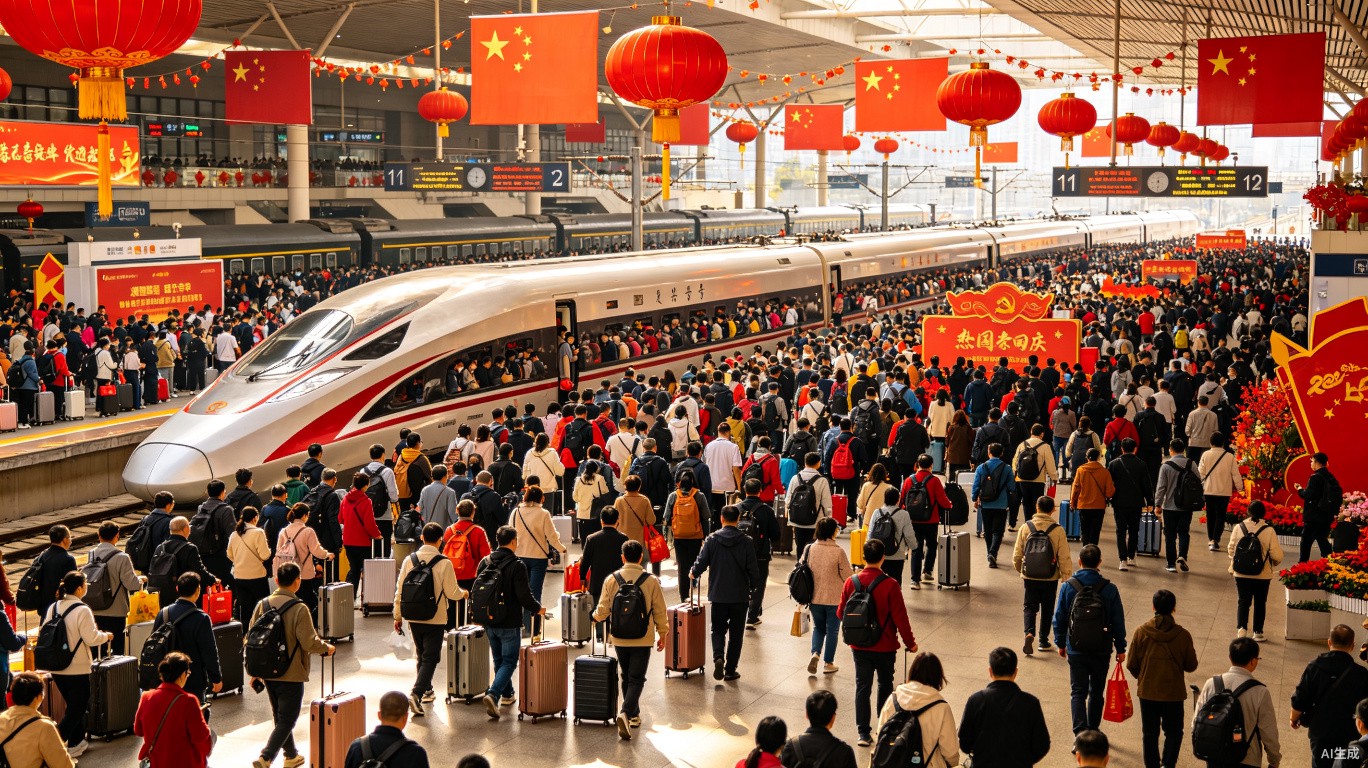
China Golden Week Travel Survival Guide
How to survive China's National Day Golden Week (October 1-7) - what to avoid, where to go, and how to beat the crowds.
9 min read
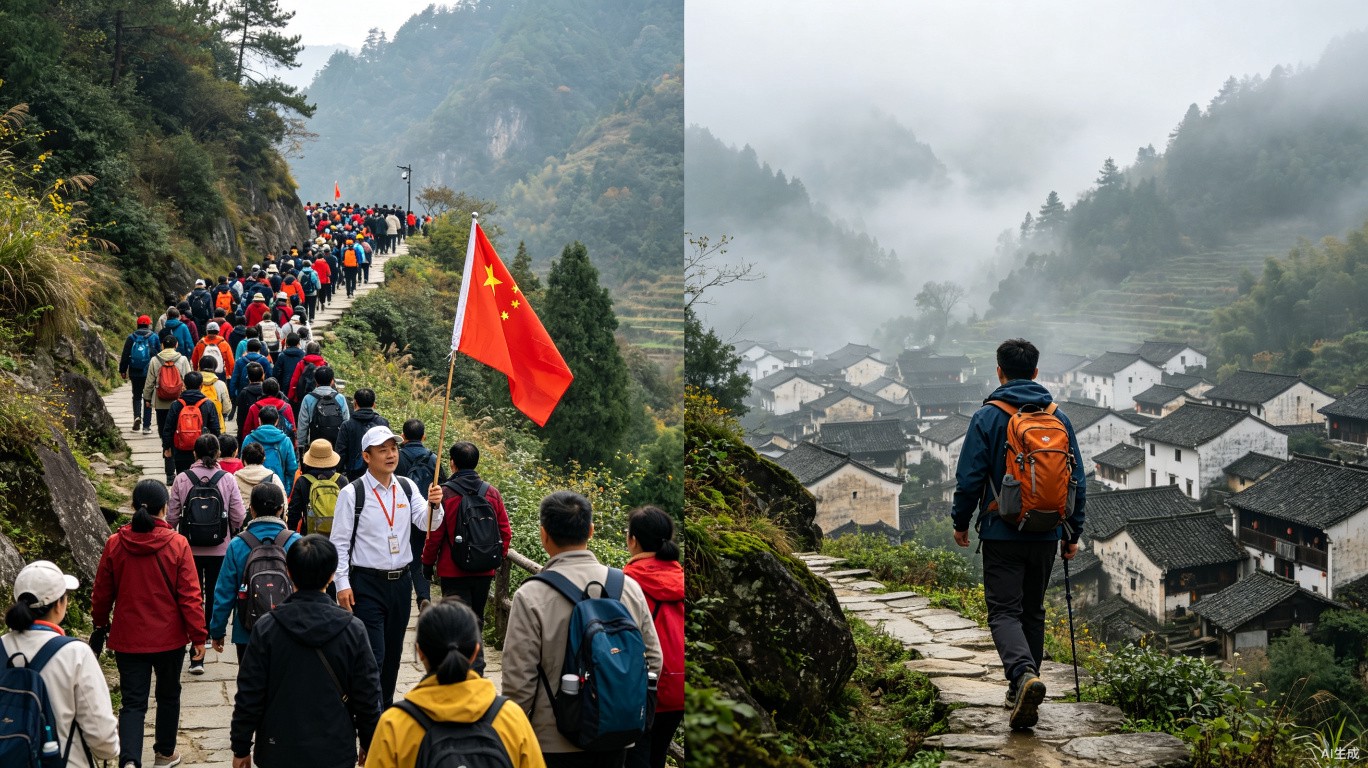
China Group Tours vs Independent Travel Which is Better
Should you join a guided tour or travel independently in China? Honest comparison of cost, flexibility, and experience.
7 min read
China Itinerary Planning: 7-Day 14-Day and 21-Day Routes: The Complete 2026 G...
Not sure how many days to spend in China? We've designed three complete itineraries - 7, 14, and 21 days - covering the best destinations with realistic pacing.
9 min read