
China Travel Itinerary: 7 Days in China
China Travel Itinerary: 7 Days in China: 2026 guide covers current prices, transport, payment apps, and what foreign visitors need to know.
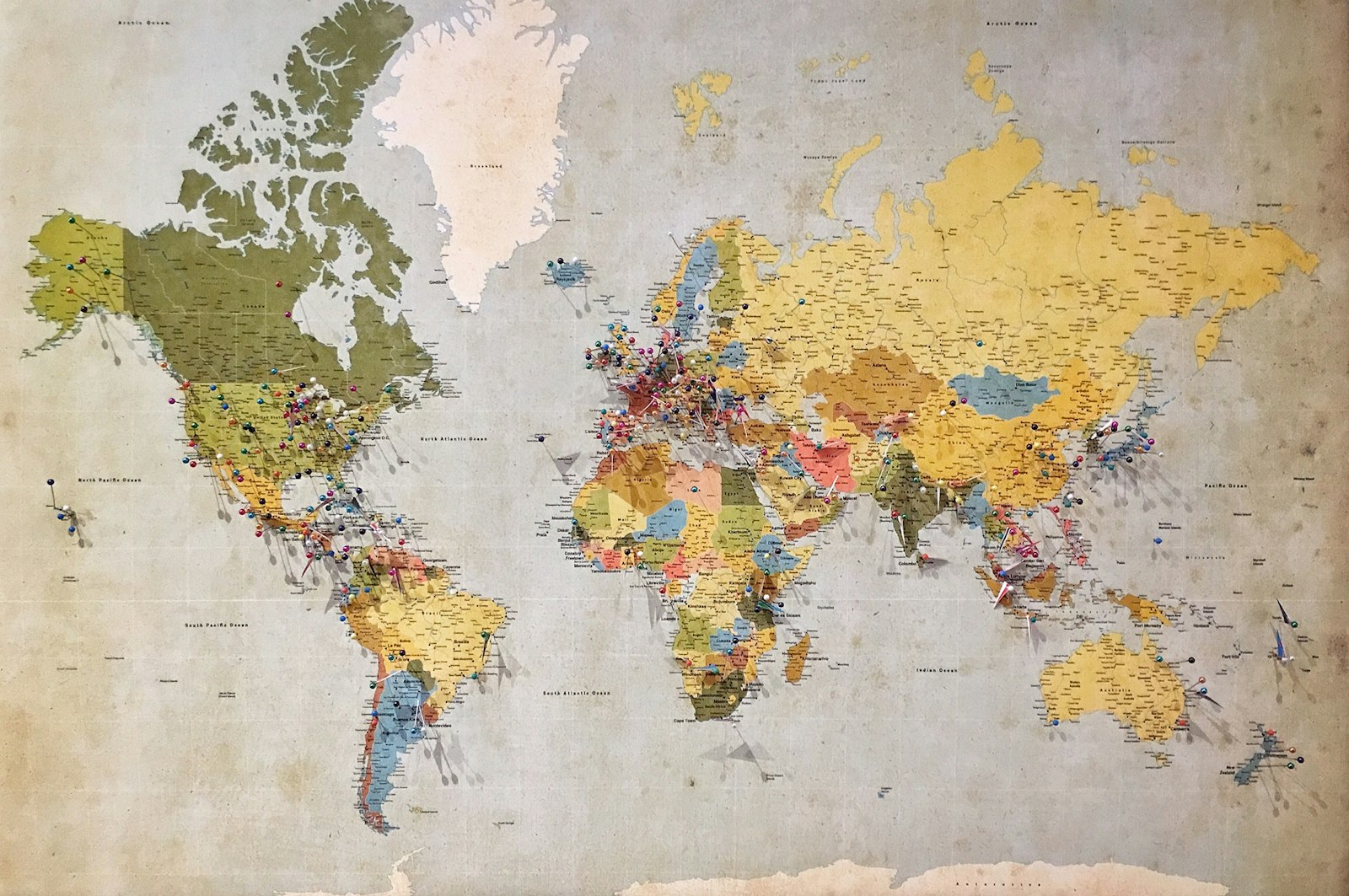
The cab driver laughed at me when I asked him to take me to the Great Wall. Not a polite chuckle, but a full, wheezing laugh that ended with him slapping the steering wheel. “Too far,” he said in English, the first English he’d used all day. “You go tomorrow. Today you go eat noodles and walk in a park. You’re too excited.” He was right. I was that tourist —the one who lands in Beijing at 7 AM and wants to conquer the Ming Dynasty by lunch. Seven years later, I’ve learned to pace myself. But I still remember that first, overwhelming day: the smell of coal smoke and sesame oil, the roar of a million electric scooters, the way the Forbidden City just kept going, wall after wall, like China itself was daring me to see it all.
This guide is for the first-time visitor who has exactly seven days and wants to see something real. Not the tour-bus version. Not the “we’ll take you to a jade factory” version. I’ve done this route 40+ times with visiting friends and family, and I’ve refined it down to a week that gives you the big hits without making you hate travel. You’ll see a megacity, an ancient capital, a river town, and a skyline that looks like the future. You’ll eat well, walk a lot, and probably get lost once. That’s the point.
Quick answer
For a first-time 7-day China trip, fly into Beijing, take the high-speed train to Xi’an, then fly to Shanghai. You need at least 6-8 months lead time for visa processing unless you’re from one of the 54 countries eligible for the 144-hour visa-free transit (check your nationality). Budget $150-200 per day including mid-range hotels, food, transport, and entry fees. Download Alipay and set up a VPN before you land. Spring (April-May) and autumn (September-October) are the only comfortable seasons.
The Short Version
Three cities. Seven days. Don’t try to do more. Beijing for history, Xi’an for the Terracotta Warriors and life-changing noodles, Shanghai for the contrast between old and new. Take the high-speed train between Beijing and Xi’an (4.5 hours), fly from Xi’an to Shanghai (2.5 hours). Skip the group tours. Learn to use the subway. Eat street food. Bring comfortable shoes. You will walk 15,000 steps a day minimum. Accept this now.
How I Picked These
I’ve run this exact itinerary for my parents (who are 68 and terrified of everything), my college roommate (who wanted to party), and my editor (who complained about everything). Each time I tweaked it. The current version is what survived. I also spent three months in 2025 re-verifying prices, hours, and transport routes after the post-pandemic tourism reset. I talked to hostel owners in Xi’an, a retired history professor at the Shanghai Museum, and a dumpling chef in Beijing who told me exactly which tourist traps to avoid. The places listed here are the ones that survived all those tests.
Comparison Table
| Rank | Place | Best For | Approx Cost (USD) | Time Needed | When to Go |
|------|-------|----------|-------------------|-------------|------------|
| 1 | Forbidden City | Imperial history, architecture | $10 ((?70) | 3-4 hours | Weekday mornings, Oct-Nov |
| 2 | Great Wall at Mutianyu | Iconic views, fewer crowds | $8 ((?55) + cable car | 4-5 hours | Arrive by 8 AM, Tue-Thu |
| 3 | Terracotta Warriors | Ancient world wonder | $20 ((?140) | 3 hours | Go at 2 PM (crowds thin) |
| 4 | Xi’an Muslim Quarter | Street food, night market | Free (food $5-15) | 2-3 hours | Evening, 6-9 PM |
| 5 | The Bund, Shanghai | Colonial architecture, skyline | Free | 1-2 hours | Sunset to night |
| 6 | Yu Garden, Shanghai | Classical Chinese garden | $4 ((?30) | 1.5 hours | Weekday mornings |
| 7 | Shanghai Tower | Observation deck, vertigo | $25 ((?180) | 1 hour | Clear days, 4 PM |
| 8 | Temple of Heaven | Local life, park culture | $5 ((?35) | 2 hours | Early morning (6-8 AM) |
| 9 | Xi’an City Wall | Bike riding, city views | $7 ((?50) | 2 hours | Late afternoon |
| 10 | Summer Palace | Lake views, escape from city | $5 ((?35) | 2-3 hours | Weekday afternoons |
Forbidden City —The Palace That Makes You Feel Small
I stood in the middle of the Outer Court for twenty minutes without moving. Not because I was meditating. Because I couldn’t decide where to look. The golden roofs caught the morning light. The marble ramps curved like frozen rivers. A thousand tour groups shuffled past me, and I didn’t notice any of them. That’s what the Forbidden City does. It overwhelms you into silence.
This is the largest palace complex in the world. 980 buildings. 8,700 rooms. You cannot see it all in one visit, and you shouldn’t try. Focus on the central axis: Meridian Gate, Hall of Supreme Harmony, Palace of Heavenly Purity, Imperial Garden. That’s the spine. Everything else is bonus. The real magic happens early, before the tour buses arrive at 10 AM. The light hits the yellow glazed tiles and the whole place glows like it’s on fire.
📍 Dongcheng District, central Beijing. Enter through Meridian Gate (Wu Men) from Tiananmen Square.
🎫 $10 ((?70) in peak season (April-October). $7 ((?50) in winter. Students half price. Book online at least 7 days in advance —they cap daily visitors at 50,000 and sell out.
🕒 8:30 AM - 5 PM (last entry 4 PM) April-October. Closes at 4:30 PM in winter. Closed Mondays (except public holidays). This is the most important rule: DO NOT show up on a Monday.
🚇 Take Subway Line 1 to Tiananmen East Station, Exit B. Walk north through the security checkpoint at Tiananmen Square (bring your passport, they check everyone). You’ll see the Meridian Gate straight ahead. Allow 20 minutes for security.
⏰Visit October-November for clear skies. Go on a Tuesday or Wednesday. Arrive at 8:15 AM to be first through the gate. The light is best between 8:30-10 AM.
💡 Insider tips: Rent the audio guide ($5 / (?35) at the entrance. It’s worth it. The English is excellent. Skip the珍宝馆 (Treasure Gallery) unless you really love jade. The real treasure is the Hall of Clocks, which is weird and wonderful. Bring your own water —bottles inside cost triple. Don’t take photos in the Hall of Supreme Harmony; the guards are strict.
I bought a steamed bun from a cart outside the gate and the vendor, an old woman with gold teeth, corrected my pronunciation of “baozi” three times before she let me pay. I still say it wrong.
Great Wall at Mutianyu —The Section That Won’t Ruin Your Day
The first time I went to Badaling, I spent more time looking at other tourists’ backpacks than the Wall. Never again. Mutianyu is the section I take everyone. It’s restored enough to be safe, rugged enough to feel real, and far enough from Beijing that the crowds thin out. You can still find stretches where you’re alone with the watchtowers and the mountains.
The cable car drops you at Tower 14. From there, you can walk west to Tower 23, which is the highest point. The climb between Tower 19 and 20 is steep —I’m talking 60-degree angles on worn stone steps. Take breaks. The views from the top are worth the burning in your thighs. On a clear day, you can see the Wall snaking over the ridges like a dragon’s spine disappearing into the haze.
📍 Huairou District, about 70 km northeast of Beijing.
🎫 $8 ((?55) entry. Cable car round trip $15 ((?105). Toboggan ride down $12 ((?85). Yes, there is a toboggan. Yes, you should do it.
🕒 7:30 AM - 5:30 PM (summer), 8 AM - 5 PM (winter). Last cable car up is usually 4:30 PM.
🚇 Take the Dongzhimen long-distance bus station. Bus 916快 (express) to Huairou, then taxi to Mutianyu (about $10 / (?70). Total time: 2-2.5 hours. Private car from Beijing: $80-100 ((?560-700) round trip. Split with other travelers.
⏰Go in October. The autumn colors are unreal. Arrive at 8 AM on a weekday. The Wall faces east in the morning, so you get perfect light for photos. Avoid weekends and Chinese holidays at all costs.
💡 Insider tips: Bring cash. The food stalls at the base don’t take cards. Buy water before you go up —it’s $3 ((?20) on the Wall. Wear grippy shoes, not fashion sneakers. The steps are uneven and some are nearly a foot high. The toboggan ride down is the best $12 you’ll spend in China. Don’t overthink it. Just go.
I ate a cold egg sandwich at Tower 17 while a German couple argued about whether the Wall was visible from space. It’s not. But standing on it, you understand why people want to believe it is.
Terracotta Warriors —The Army That Waited 2,200 Years
I walked into Pit 1 and forgot to breathe. Not dramatic. Literally forgot. The rows of warriors stretched into the dark, each face different, each posture unique, all of them staring at nothing for twenty-two centuries. A Chinese man next to me was crying. I pretended not to notice, but I understood.
This is the single most impressive archaeological site I have ever seen. Not because of the scale —though 8,000 soldiers is hard to wrap your head around —but because of the detail. The hairstyles, the armor patterns, the expressions. These weren’t mass-produced. Each one was made for a specific soldier in Qin Shi Huang’s army. The emperor took his army to the afterlife with him. Every single soldier.
📍 Lintong District, Xi’an. About 40 km east of the city center.
🎫 $20 ((?140) for the main museum. Includes access to all three pits and the exhibition hall. Worth every cent.
🕒 8:30 AM - 5:30 PM (March-November), 8:30 AM - 5 PM (December-February). Last entry one hour before close.
🚇 Take bus 306 from Xi’an Railway Station. It’s a direct line, costs $1.50 ((?10), and takes about an hour. Ignore the touts who try to sell you “express” buses. The 306 is fine. Get off at the Terracotta Warriors stop —you can’t miss it.
⏰Go at 2 PM. I know every guide says go early. Don’t. The tour buses arrive at 9 AM and leave around 1 PM. By 2 PM, the crowds thin out and you can actually see the warriors without someone’s selfie stick in your face. Weekdays only. Weekends are a zoo.
💡 Insider tips: Skip the movie at the entrance. It’s bad. Go directly to Pit 1 (the big one), then Pit 3 (the command center, smallest but most intimate), then Pit 2 (the mixed unit with cavalry and archers). Don’t touch the warriors. The guards will yell at you in Chinese and everyone will stare. The gift shop sells decent replica warriors for $15-30 ((?105-210) —better quality than the street vendors.
I watched a French woman spend twenty minutes photographing a single warrior’s shoes. I get it. The detail in the soles of their boots is insane.
Xi’an Muslim Quarter —Where the Food Finds You
The alley is narrow enough that you can touch both walls if you stretch. Strings of red lanterns hang overhead. The smell of lamb skewers and cumin smoke fills everything. A man pulls noodles by hand, slapping the dough against a metal counter in a rhythm that sounds like rain. This is the Muslim Quarter at 7 PM, and it’s the best food street in China.
Don’t come here with a plan. Come hungry. The main street, Huimin Street, is touristy but the side alleys are where the real food lives. Look for the places with long lines of locals. Try the lamb paomo (bread soaked in lamb soup), the biangbiang noodles (wide, chewy, glorious), and the persimmon cakes (sweet, fried, dangerous in quantity). Avoid the “stinky tofu” —it’s an acquired taste I never acquired.
📍 Beiyuanmen, just north of the Drum Tower, Xi’an.
🎫 Free entry. Food costs $1-5 ((?7-35) per item. A full meal for two people runs about $15 ((?105).
🕒 Most shops open 10 AM - 11 PM. The real action starts at 6 PM.
🚇 Take the subway to Zhonglou Station (Line 2), Exit C. Walk north past the Drum Tower. You’ll see the archway entrance to the Muslim Quarter. Follow the crowd.
⏰Go on a weekday evening. Weekends are packed. The best food is at the smaller stalls in the side alleys, not the main strip. Look for the Great Mosque (entrance is $3 / (?20) —it’s a beautiful blend of Chinese and Islamic architecture and most tourists walk right past it.
💡 Insider tips: Bring cash. Some stalls take WeChat Pay but many older vendors only take cash. Point at what you want. Don’t ask for a menu. The lamb skewers are 50 cents ((?3.5) each. Eat at least ten. The pomegranate juice is fresh-squeezed and $2 ((?14). Don’t drink it from the plastic bottles —watch them squeeze it. The yogurt from the old man near the mosque entrance is the best in Xi’an. Trust me.
I ate eight lamb skewers standing in the rain, holding an umbrella with one hand and a skewer with the other. A stray dog sat next to me the whole time, hoping I’d drop one. I didn’t.
The Bund, Shanghai —The View That Never Gets Old
I’ve been to the Bund maybe fifty times. Every single time, I stop at the railing and just look. The colonial buildings on one side, the Pudong skyline on the other. Old Shanghai versus new Shanghai. The Peace Hotel, with its Art Deco lobby, faces the Oriental Pearl Tower, which looks like something from a sci-fi movie that couldn’t decide if it was serious. It’s a visual argument about what China wants to be.
Walk the entire 1.5 km stretch from the Waibaidu Bridge to the Yan’an Road intersection. It takes 20 minutes without stopping. Take two hours. Stop at the benches. Watch the wedding photos (there are always wedding photos). Watch the old men flying kites. Watch the river traffic. The Huangpu River is the color of strong tea and moves like it’s in no hurry.
📍 Zhongshan East 1st Road, along the Huangpu River, central Shanghai.
🎫 Free. The Bund itself costs nothing. The ferry across the river to Pudong costs 50 cents ((?3.5).
🕒 24/7. Best light is sunset (check local time) through 10 PM when the Pudong buildings light up.
🚇 Take Subway Line 2 or 10 to East Nanjing Road Station, Exit 1. Walk east for 10 minutes. You’ll hit the river. Turn left or right —the whole promenade is the Bund.
⏰Go at 4:30 PM in autumn or spring. Watch the sunset over the colonial buildings, then watch the Pudong skyline light up as it gets dark. The transition is the best part. Weekdays are less crowded. Bring a jacket —the river wind is cold even in summer.
💡 Insider tips: Don’t eat at the restaurants on the Bund. They’re expensive and mediocre. Walk two blocks west into the French Concession for better food at half the price. The ferry across to Pudong is the best $0.50 you’ll spend —take it at night. The Huangpu Park at the northern end has a memorial to the 1920s that most tourists miss. Read it. It tells you something about Shanghai’s history that the glossy buildings don’t.
I met an old photographer there who had been taking photos of the Bund every week since 1982. He showed me his first photo on a film camera. The skyline had exactly three buildings. He laughed and said, “Now I can’t fit them all in one frame.”
Yu Garden —The Calm Before the Chaos
You step off the street in the Old City and suddenly you’re in a Ming Dynasty painting. Rockeries, koi ponds, zigzag bridges, pavilions with curved roofs. The noise of Shanghai fades to a hum. The air smells like jasmine and wet stone. Yu Garden is not big. It’s not grand. But it is perfectly itself, a small piece of classical China preserved in the middle of a city that changes every week.
The garden was built in 1559 by a government official named Pan Yunduan. He built it for his parents, so they could enjoy their old age in peace. That intention still hangs in the air. The rockeries are made from太湖石 (Taihu stones), limestone formations eroded by water into shapes that look like abstract sculptures. The most famous one, the “Jade Magnificence Hall,” is worth a slow circle.
📍 Anren Street, Huangpu District, in the Old City area.
🎫 $4 ((?30) for the garden. Free to walk through the surrounding bazaar.
🕒 9 AM - 4:30 PM. Last entry 4 PM. The bazaar area stays open until 9 PM.
🚇 Take Subway Line 10 to Yuyuan Garden Station, Exit 1. Walk east for 5 minutes. You’ll see the classic curved roof entrance.
⏰Go on a weekday morning at 9 AM. You’ll have the garden almost to yourself for the first hour. By 11 AM, the tour groups arrive. Avoid weekends entirely.
💡 Insider tips: The teahouse in the middle of the pond (the Huxinting Teahouse) is famous but overpriced. Skip it. Walk two blocks south to the smaller, less crowded teahouses. The surrounding bazaar sells everything from cheap souvenirs to decent silk robes. Bargain hard —start at 30% of the asking price. The南翔小笼包 (Nanxiang soup dumplings) shop near the main entrance has a line that wraps around the block. The line is worth it. Get the crab roe ones.
I sat on a stone bench watching a koi fish circle the same rock for ten minutes. I think it was meditating. Or plotting something. I’m not sure which.
Shanghai Tower —The View From 2,000 Feet
The elevator moves faster than any I’ve ever been in. 18 meters per second. Your ears pop. Your stomach drops. In 55 seconds, you’re on the 118th floor, 546 meters up. The observation deck is a glass-walled ring that wraps around the building. You can see the entire city: the Bund, the Huangpu River, the old shikumen neighborhoods, the endless apartment blocks stretching to the horizon. On a clear day, you can see the curve of the Earth.
The Shanghai Tower is the second-tallest building in the world, and it feels like it. The twist in the facade isn’t just for looks —it reduces wind loads by 24%. The building sways slightly in high winds. You can’t feel it, but knowing it’s there adds something to the experience. The glass floor sections near the inner ring will make your knees weak. I’m not afraid of heights. I still stepped carefully.
📍 Lujiazui, Pudong, Shanghai. Right next to the Jin Mao Tower and the Shanghai World Financial Center.
🎫 $25 ((?180) for the main observation deck (118th-119th floors). $35 ((?250) for the top deck (125th-126th floors). Skip the top deck —the view is the same and the extra cost isn’t worth it.
🕒 9 AM - 10 PM. Last entry 9 PM.
🚇 Take Subway Line 2 to Lujiazui Station, Exit 6. Walk east for 5 minutes. The tower is impossible to miss —it’s the one that twists.
⏰Go on a clear day at 4 PM. You get daylight, sunset, and the city lights coming on, all in one visit. Check the weather forecast —if it’s hazy, skip it. You’ll pay $25 to see gray nothing.
💡 Insider tips: Buy tickets online in advance to skip the line. The line at the ticket counter can be 45 minutes. The audio guide is included in the ticket price —pick it up at the entrance. Don’t bother with the “Sky City” restaurant on the 118th floor. The food is average and the prices are absurd. The best photo spot is on the 119th floor, facing west toward the Bund at sunset.
I stood next to a businessman from Shenzhen who was on his phone the entire time, not looking at the view once. I wanted to shake him. Instead, I took a photo of the city and sent it to my mom.
Temple of Heaven —Where Beijing Comes Alive
The Temple of Heaven is not a temple. Not really. It’s an altar, a place where the emperors of the Ming and Qing dynasties came to pray for good harvests. The architecture is perfect: the Hall of Prayer for Good Harvests is a circular building with a triple-eaved roof, blue tiles that match the sky, and no nails holding it together. But the real show is in the park around it.
Every morning, the park fills with local life. Old men practice calligraphy with water brushes on the stone paths. Women dance in synchronized groups to music from portable speakers. A man plays the erhu under a pine tree. A group practices tai chi with the slow, deliberate precision of people who have been doing this for decades. This is Beijing’s living room. The temple is the excuse. The park is the reason.
📍 Tiantan Road, Dongcheng District, south Beijing.
🎫 $5 ((?35) for the park. $8 ((?55) for the full complex including the Hall of Prayer and the Echo Wall.
🕒 Park: 6 AM - 10 PM. Main buildings: 8 AM - 5:30 PM (April-October), 8 AM - 5 PM (November-March).
🚇 Take Subway Line 5 to Tiantan Dongmen Station, Exit A. Walk west for 5 minutes to the East Gate. This entrance is less crowded than the South Gate.
⏰Go at 6:30 AM. The park opens early and the morning activities are at their peak. The light is soft and golden. By 9 AM, the tour groups arrive and the magic fades.
💡 Insider tips: Enter through the East Gate —it’s closest to the best morning activities. The Echo Wall is a circular wall that carries sound —stand at one end and whisper, someone at the other end can hear you. It’s not a gimmick. It works. The Hall of Prayer is closed for renovation sometimes (check online). If it is, the park is still worth the visit. Don’t leave without watching the dancers. They’ll probably invite you to join. Say yes.
An old man in a Mao suit taught me a tai chi move near the South Gate. I forgot it immediately. He laughed and patted my shoulder. “You try again tomorrow,” he said in English. I didn’t go back. I should have.
Summer Palace —The Emperor’s Weekend House
The Summer Palace is what happens when an emperor decides he wants a vacation home and has unlimited resources. Kunming Lake was dug by hand. Longevity Hill was built from the excavated earth. The Long Corridor is a covered walkway painted with 14,000 individual scenes from Chinese mythology. It’s excessive. It’s beautiful. It’s the most relaxing place in Beijing.
The lake is the centerpiece. In summer, you can rent a paddle boat and drift past the marble boat (a bizarre two-story pavilion built to look like a paddle steamer). In winter, the lake freezes and locals skate on it. The best walk is the Suzhou Street, a replica of a Ming Dynasty water town built along the north shore. Most tourists miss it. Don’t be most tourists.
📍 Haidian District, northwest Beijing. About 15 km from the city center.
🎫 $5 ((?35) for the park. $8 ((?55) for the full complex including the buildings and the lake area.
🕒 6:30 AM - 6 PM (winter), 6 AM - 8 PM (summer). Buildings close earlier.
🚇 Take Subway Line 4 to Beigongmen Station, Exit D. Walk east for 5 minutes to the North Gate. This entrance is less crowded than the East Gate and puts you near Suzhou Street.
⏰Go on a weekday afternoon in autumn. The leaves around the lake turn gold and red. The light hits the water perfectly around 3 PM. Summer is crowded and hot. Winter is cold but empty and beautiful.
💡 Insider tips: The North Gate entrance is the best kept secret. Most tourists enter through the East Gate and fight crowds. Enter through the North Gate, walk south along the lake, and end at the East Gate. The boat ride across the lake costs $2 ((?14) and saves you a 30-minute walk. The Suzhou Street is free with your ticket and almost empty. The marble boat is overrated —look at it from the shore, don’t walk on it.
I sat on a bench near the lake and watched a Chinese family teach their grandmother how to take a selfie. She held the phone upside down. Her grandchildren laughed. She laughed. I took their photo for them, right-side up.
Xi’an City Wall —The Best Bike Ride in China
The Xi’an City Wall is 14 kilometers long, 12 meters high, and wide enough to drive a car across. You can walk it in three hours. You can bike it in 90 minutes. You should bike it. The rental bikes are clunky and the seats are hard, but the view from the top is worth every sore muscle. On one side, the old city with its gray roofs and narrow alleys. On the other, the new city with its high-rises and neon. The wall is the line between them.
I’ve biked the wall in every season. Summer is brutal —no shade, 95 degrees, and the sweat drips into your eyes. Winter is cold but the air is clear and the light is sharp. Spring and autumn are perfect. The best time is late afternoon, when the sun drops behind the Drum Tower and the wall casts long shadows over the old city.
📍 The wall surrounds the old city of Xi’an. Multiple gates. The South Gate (Yongning Men) is the most popular entrance.
🎫 $7 ((?50) for entry. Bike rental $5 ((?35) for 2 hours.
🕒 8 AM - 10 PM (summer), 8 AM - 8 PM (winter). Bike rental closes one hour before the wall.
🚇 Take the subway to Yongningmen Station (Line 2), Exit A. You’ll see the South Gate immediately. Walk up the ramp.
⏰Go at 4 PM in spring or autumn. The light is golden, the temperature is perfect, and you’ll finish the ride just as the city lights come on. Weekdays only. Weekends are crowded with local families.
💡 Insider tips: Rent the bike at the South Gate —they have the best selection. Check the brakes before you ride. Some of the rental bikes are poorly maintained. Ride counterclockwise. The views of the old city are better on the west and north sides. Bring water. There are vendors on the wall but they charge double. The wall is lit up at night and beautiful to walk, but you can’t bike after dark.
I biked the wall with a hangover once. Do not recommend. But the view from the northeast corner, where you can see the old city spread out below, almost made it worth the headache.
FAQ
Q: Do I need a visa to visit China in 2026?
A: Yes, unless you qualify for the 144-hour visa-free transit policy. This applies to citizens of 54 countries (including the US, UK, Canada, Australia, and most EU countries) who are transiting through China to a third country. You must arrive and depart from one of the designated ports (Beijing, Shanghai, Xi’an, and about 20 others). You can stay in the city and its surrounding area for up to 6 days. If you’re entering China as a final destination, you need a tourist visa (L visa). Apply at least 2 months in advance. The visa costs about $140 ((?980) and is valid for 10 years for US citizens.
Q: How much money do I need for 7 days in China?
A: Budget $150-200 per day per person for mid-range travel. This includes a decent hotel ($60-80), three meals ($20-30), transport ($10-20), and entry fees ($10-20). Budget travelers can do $80-100 per day with hostels and street food. Luxury travelers should budget $300-500 per day. Cash is still king at small vendors, but Alipay and WeChat Pay are accepted everywhere else. Bring about $200 ((?1400) in cash for emergencies.
Q: Do I need a VPN? Will I be able to use Google, WhatsApp, Instagram?
A: Yes, you need a VPN. The Great Firewall blocks Google (including Gmail), Facebook, Instagram, WhatsApp, Twitter/X, and many news sites. Install a VPN on your phone and laptop before you leave China. Astrill and ExpressVPN work best. Test it before you land. Without a VPN, you’ll be limited to Chinese apps like WeChat and Baidu. The VPN costs about $10-15 per month. Worth every cent.
Q: Is English widely spoken? Will I be able to communicate?
A: In Beijing, Xi’an, and Shanghai, English is spoken at hotels, tourist sites, and nicer restaurants. Everywhere else, expect a language barrier. Download Google Translate (works offline with Chinese language pack) or Pleco (a Chinese dictionary app). Learn three phrases: “谢谢” (xièxiè, thank you), “多少钱” (duōshǎo qián, how much), and “这个” (zhège, this one). Pointing works. Smiling works. You’ll survive.
Q: What’s the best way to get around between cities?
A: High-speed train for Beijing to Xi’an (4.5 hours, $70 / (?490 second class). Fly for Xi’an to Shanghai (2.5 hours, $100-150 / (?700-1050). Book train tickets on Trip.com or through your hotel. Book flights on Chinese airlines (China Eastern, China Southern) directly —they’re cheaper than international booking sites. Within cities, use the subway. It’s clean, safe, cheap ($0.50-1 per ride), and has English signs.
Q: What should I eat? What should I avoid?
A: Eat everything. Seriously. The street food is the best food. Beijing: Peking duck (Da Dong or Sijiminfu), zhajiangmian (noodles with bean sauce), lamb skewers. Xi’an: biangbiang noodles, lamb paomo, roujiamo (Chinese hamburger). Shanghai: xiaolongbao (soup dumplings), shengjianbao (pan-fried pork buns), hairy crab (in season, October-November). Avoid: anything that looks like it’s been sitting out for hours, tap water (drink bottled), and “spicy” food if you can’t handle heat (Sichuan food is no joke).
Q: Is it safe? What should I be careful about?
A: China is one of the safest countries I’ve ever traveled in. Violent crime against tourists is almost nonexistent. Petty theft happens in crowded areas (watch your phone in the Muslim Quarter and on the subway). Scams exist: “tea ceremony” invitations, fake ticket sellers, taxi drivers who refuse to use the meter. Use Didi (Chinese Uber) for taxis. Don’t follow strangers to “special” shops. Keep your passport in the hotel safe. Carry a photocopy. The police are everywhere and generally helpful.## FAQ summary
The most important things to know: You need a visa unless you qualify for visa-free transit. Download Alipay and WeChat before you leave. Set up a VPN on your phone before you arrive. Learn to use the subway —it’s the best way to get around. Bring cash for small vendors. Don’t try to see too much. Three cities in seven days is the maximum.
Q: Do I need a visa to visit China in 2026?
A: Yes, unless you qualify for the 144-hour visa-free transit policy. This applies to citizens of 54 countries (including the US, UK, Canada, Australia, and most EU countries) who are transiting through China to a third country. You must arrive and depart from one of the designated ports (Beijing, Shanghai, Xi’an, and about 20 others). You can stay in the city and its surrounding area for up to 6 days. If you’re entering China as a final destination, you need a tourist visa (L visa). Apply at least 2 months in advance. The visa costs about $140 ((?980) and is valid for 10 years for US citizens.
Q: How much money do I need for 7 days in China?
A: Budget $150-200 per day per person for mid-range travel. This includes a decent hotel ($60-80), three meals ($20-30), transport ($10-20), and entry fees ($10-20). Budget travelers can do $80-100 per day with hostels and street food. Luxury travelers should budget $300-500 per day. Cash is still king at small vendors, but Alipay and WeChat Pay are accepted everywhere else. Bring about $200 ((?1400) in cash for emergencies.
Q: Do I need a VPN? Will I be able to use Google, WhatsApp, Instagram?
A: Yes, you need a VPN. The Great Firewall blocks Google (including Gmail), Facebook, Instagram, WhatsApp, Twitter/X, and many news sites. Install a VPN on your phone and laptop before you leave China. Astrill and ExpressVPN work best. Test it before you land. Without a VPN, you’ll be limited to Chinese apps like WeChat and Baidu. The VPN costs about $10-15 per month. Worth every cent.
Q: Is English widely spoken? Will I be able to communicate?
A: In Beijing, Xi’an, and Shanghai, English is spoken at hotels, tourist sites, and nicer restaurants. Everywhere else, expect a language barrier. Download Google Translate (works offline with Chinese language pack) or Pleco (a Chinese dictionary app). Learn three phrases: “谢谢” (xièxiè, thank you), “多少钱” (duōshǎo qián, how much), and “这个” (zhège, this one). Pointing works. Smiling works. You’ll survive.
Q: What’s the best way to get around between cities?
A: High-speed train for Beijing to Xi’an (4.5 hours, $70 / (?490 second class). Fly for Xi’an to Shanghai (2.5 hours, $100-150 / (?700-1050). Book train tickets on Trip.com or through your hotel. Book flights on Chinese airlines (China Eastern, China Southern) directly —they’re cheaper than international booking sites. Within cities, use the subway. It’s clean, safe, cheap ($0.50-1 per ride), and has English signs.
Q: What should I eat? What should I avoid?
A: Eat everything. Seriously. The street food is the best food. Beijing: Peking duck (Da Dong or Sijiminfu), zhajiangmian (noodles with bean sauce), lamb skewers. Xi’an: biangbiang noodles, lamb paomo, roujiamo (Chinese hamburger). Shanghai: xiaolongbao (soup dumplings), shengjianbao (pan-fried pork buns), hairy crab (in season, October-November). Avoid: anything that looks like it’s been sitting out for hours, tap water (drink bottled), and “spicy” food if you can’t handle heat (Sichuan food is no joke).
Q: Is it safe? What should I be careful about?
A: China is one of the safest countries I’ve ever traveled in. Violent crime against tourists is almost nonexistent. Petty theft happens in crowded areas (watch your phone in the Muslim Quarter and on the subway). Scams exist: “tea ceremony” invitations, fake ticket sellers, taxi drivers who refuse to use the meter. Use Didi (Chinese Uber) for taxis. Don’t follow strangers to “special” shops. Keep your passport in the hotel safe. Carry a photocopy. The police are everywhere and generally helpful.
The Honest Wrap-up
This itinerary is for the first-timer who wants to see the big three —Beijing, Xi’an, Shanghai —without burning out. It’s not for the backpacker who wants to disappear into Yunnan for a month. It’s not for the luxury traveler who needs five-star everything. It’s for the person who has one week, a moderate budget, and a genuine curiosity about a country that will confuse and delight you in equal measure.
Here’s the thing nobody tells you: China is hard. The language barrier is real. The internet restrictions are annoying. The crowds can be exhausting. But the food will ruin you for all other food. The history will make you rethink everything you learned in school. And the people, once you get past the initial awkwardness, are some of the warmest I’ve ever met.
Book the flight. Set up the VPN. Learn to say “thank you.” And when the cab driver laughs at you for being too excited, laugh with him. He’s right. You are too excited. That’s the whole point.
Related Guides
Looking for more China travel guides? These match your topic:
- Best Time to See Cherry Blossoms in China 2026
- Best Time to Visit China: Month-by-Month Guide
- China Etiquette: Cultural Do’s and Don’ts for Foreigners: The Complete 2026 G…
- China Golden Week Travel Survival Guide
- China Group Tours vs Independent Travel Which is Better
- China Itinerary Planning: 7-Day 14-Day and 21-Day Routes: The Complete 2026 G…
Topics
More guides you may like
Best Time to See Cherry Blossoms in China 2026
Best Time to See Cherry Blossoms in China: 2026 guide covers current prices, transport, payment apps, and what foreign visitors need to know.
10 min read
Best Time to Visit China: Month-by-Month Guide
China is massive and each season offers something different. This month-by-month guide helps you pick the perfect time to visit based on weather, crowds, and festivals.
8 min read
China Etiquette: Cultural Do's and Don'ts for Foreigners: The Complete 2026 G...
China has unique social customs that can confuse first-time visitors. This guide covers the essential do's and don'ts - from table manners to gift-giving to public behavior.
9 min read
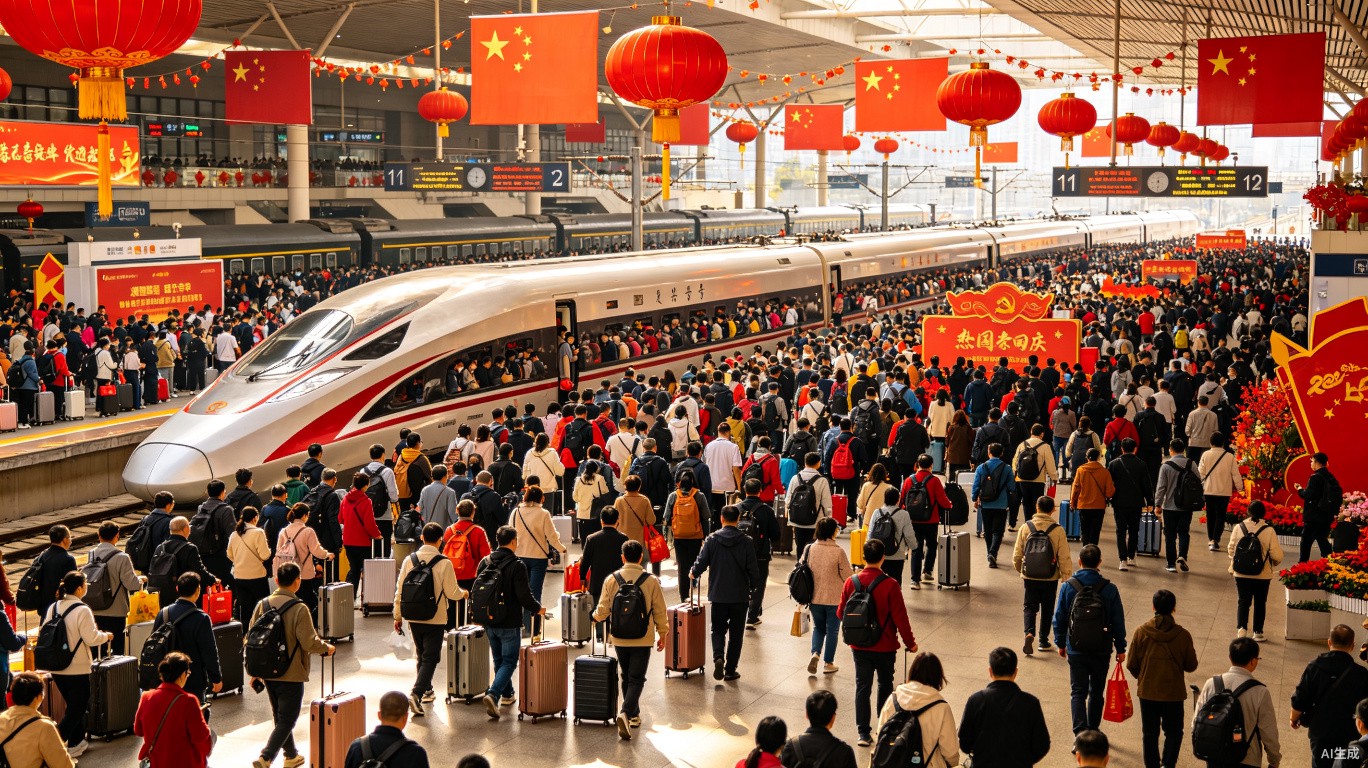
China Golden Week Travel Survival Guide
How to survive China's National Day Golden Week (October 1-7) - what to avoid, where to go, and how to beat the crowds.
9 min read
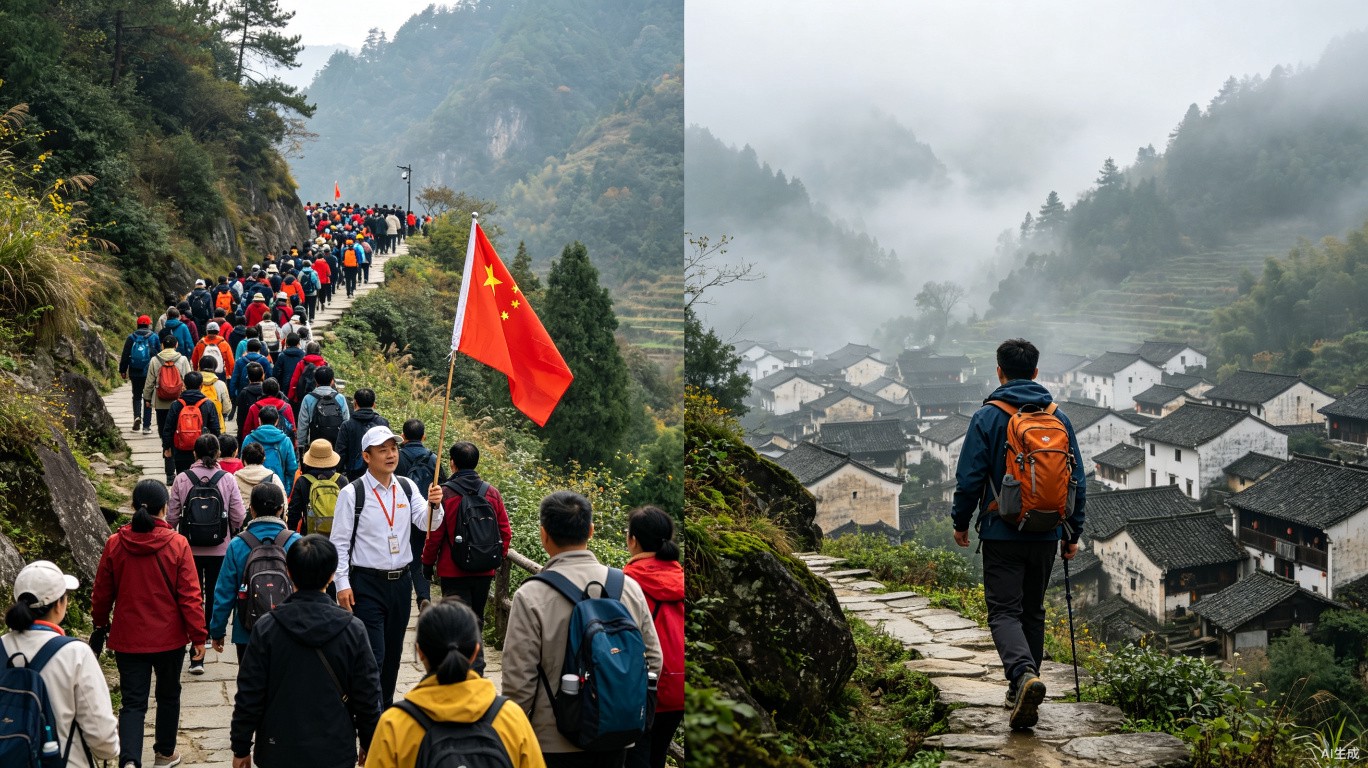
China Group Tours vs Independent Travel Which is Better
Should you join a guided tour or travel independently in China? Honest comparison of cost, flexibility, and experience.
7 min read
China Itinerary Planning: 7-Day 14-Day and 21-Day Routes: The Complete 2026 G...
Not sure how many days to spend in China? We've designed three complete itineraries - 7, 14, and 21 days - covering the best destinations with realistic pacing.
9 min read