
China Weather Tips by Month
China Weather Tips by Month: 2026 guide covers current prices, transport, payment apps, and what foreign visitors need to know.
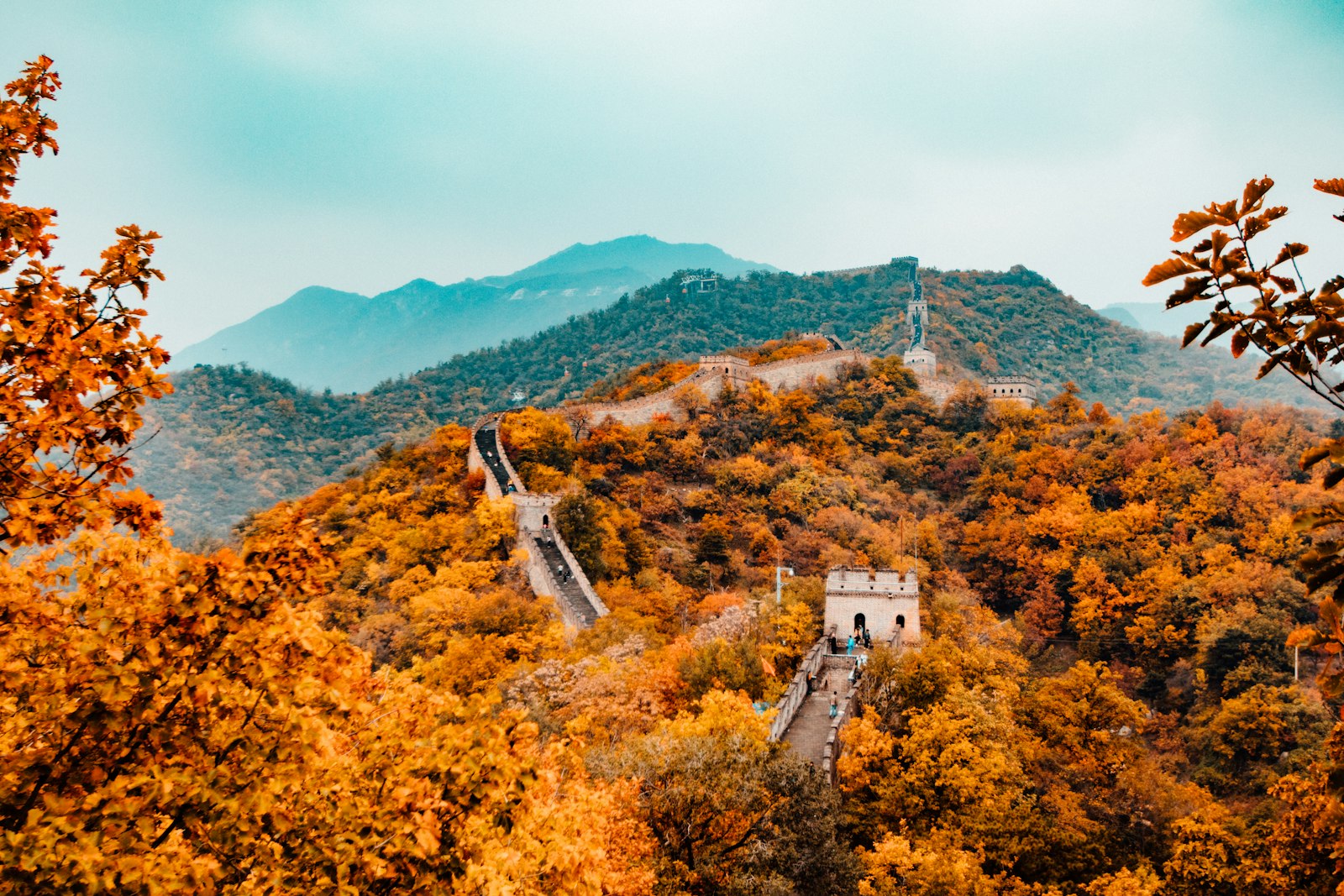
The cab driver in Beijing laughed at me when I asked if I should bring an umbrella in May. Not a polite chuckle. A real laugh, the kind that says you clearly have no idea what you’re in for. He was right. Two hours later, I was soaked through, standing under a shop awning in a thunderstorm that came out of nowhere, watching the street turn into a river of red taillights. That was my first lesson: China’s weather doesn’t follow the brochure.
I’ve now been through all four seasons here seven times over. I’ve shivered in a Guangzhou that felt colder than Beijing because the buildings have no heating. I’ve sweated through a Shanghai August where the air was so thick you could chew it. I’ve watched snow fall on the Great Wall in February and stood in a 40掳C (104掳F) heatwave in Xi’an in July. The weather in China is not one thing. It’s a dozen different climates, each with its own personality, and it will mess up your trip if you don’t plan for it.
This guide is built from those mistakes and conversations. I’ll tell you exactly what to pack, where to go, and when to stay home for each month of 2026. No fluff. Just what I wish someone had told me before my first trip.
Quick answer
The best months to visit China are April-May and September-October, when temperatures are mild across most regions and crowds are thinner than summer. Avoid the first week of October (National Day Golden Week) unless you enjoy being packed into tourist sites like a sardine. For 2026, the 144-hour visa-free transit policy still applies to citizens of 54 countries at major ports, but always check the latest update on the National Immigration Administration website before booking.
The Short Version
If you only have 90 seconds: April, May, September, and October are your golden months. June through August is hot, wet, and crowded, but the scenery is lush and you can handle it if you stay south or go to high altitude. December through February is cold in the north (Beijing hits -10掳C/14掳F) but mild in the south (Guangzhou is 15掳C/59掳F). Avoid the first week of May and October if you hate crowds. Pack layers, always bring a rain jacket, and never trust a weather forecast more than 48 hours out.
How I Picked These
I didn’t pull this from a database. I’ve lived in Beijing since 2019 and traveled to every province except Tibet (still on the list). I’ve taken the sleeper train from Harbin to Shanghai in January, hiked Tiger Leaping Gorge in July, and eaten hotpot in Chengdu during a monsoon. I’ve also talked to dozens of local tour guides, taxi drivers, and hostel owners who deal with confused tourists every day. The advice here is what I’d give a friend who’s about to book a flight. It’s practical, not poetic.
Comparison Table
| Rank | Place | Best For | Approx Cost (USD) | Time Needed | When to Go |
|------|-------|----------|-------------------|-------------|------------|
| 1 | Beijing | History, culture, food | $80-120/day | 4-5 days | April-May, Sep-Oct |
| 2 | Shanghai | Modern China, nightlife | $90-130/day | 3-4 days | March-May, Oct-Nov |
| 3 | Xi’an | Terracotta Warriors, history | $60-90/day | 2-3 days | March-May, Sep-Oct |
| 4 | Guilin/Yangshuo | Scenery, hiking, cycling | $50-80/day | 3-4 days | April-Oct |
| 5 | Chengdu | Pandas, food, Sichuan culture | $50-80/day | 3-4 days | March-June, Sep-Nov |
| 6 | Zhangjiajie | National park, glass bridge | $60-90/day | 2-3 days | April-Oct |
| 7 | Lijiang/Shangri-La | Ancient towns, Tibetan culture | $50-80/day | 3-5 days | April-Oct |
| 8 | Hong Kong | Urban, food, shopping | $120-180/day | 3-4 days | Oct-Dec, March-April |
| 9 | Harbin | Ice Festival, Russian architecture | $40-70/day | 2-3 days | Dec-Feb |
| 10 | Guangzhou | Cantonese food, trade city | $60-90/day | 2-3 days | Oct-Dec, March-April |
1. Beijing – The City That Bakes and Freezes
I remember my first Beijing winter. I stepped off the subway at Dongzhimen and the cold hit me like a wall. Not the dry cold I expected, but a wind that cut through three layers and a down jacket. The air smelled of coal smoke and roasted sweet potatoes from a street vendor. I bought one just to hold something warm. That’s Beijing: extreme, but worth every uncomfortable moment.
Why it’s special: Beijing has four distinct seasons, and each one changes the city completely. Spring brings cherry blossoms at the Summer Palace and dust storms that turn the sky orange. Summer is a sauna, but the Forbidden City at 7 AM with no crowds is magic. Autumn is perfection: clear skies, golden leaves at the Temple of Heaven, and the best weather for walking the Great Wall. Winter is brutal but beautiful, especially after a snowfall on the hutongs.
📍 Location: Central Beijing, mostly within the 2nd and 3rd ring roads. The Forbidden City is at the center, Tiananmen Square.
🎫 Entry fee: Forbidden City $9 (60 CNY) in low season, $12 (80 CNY) in high season. Great Wall sections vary: Mutianyu $6 (40 CNY), Badaling $5 (35 CNY). Summer Palace $4 (30 CNY).
🕒 Opening hours: Forbidden City 8:30 AM-5 PM (last entry 4 PM), closed Mondays. Great Wall sections open 7:30 AM-5:30 PM, no rest days. Summer Palace 6:30 AM-6 PM (winter closes earlier at 4:30 PM).
🚇 How to get there: For Forbidden City, take Line 1 to Tiananmen East or West, Exit B or C. For Mutianyu Great Wall, take bus 916 from Dongzhimen to Huairou, then shuttle bus. Or book a Didi (China’s Uber) for about $40 (280 CNY) one way.
⏰When to visit: Late March to early June, and September to early November. Weekdays are much quieter. Go to the Great Wall on a Tuesday if you can.
💡 Insider tips: Book Forbidden City tickets online at least 7 days in advance on the official WeChat mini-program. They sell out fast. Bring a face mask for spring dust storms. The subway is excellent but avoid rush hour (7:30-9 AM, 5:30-7 PM). Download Alipay and link your credit card before you arrive – cash is dying here.
I once took a taxi from the Great Wall back to Beijing with a driver named Mr. Liu who told me his entire life story in broken English and taught me how to say “I’m cold” in Mandarin. I still remember it: wǒ hěn lěng.
2. Shanghai – Humidity and Neon
I stepped off the maglev train at Longyang Road station and the air hit me like a wet towel. It was 35掳C (95掳F) and 80% humidity. My shirt was soaked within five minutes. But then I turned a corner and saw the Bund at night, all those colonial buildings lit up against the Pudong skyline, and I forgot about the sweat.
Why it’s special: Shanghai is China’s most international city, but it has its own weather personality. Summers are brutal – hot, humid, and prone to typhoons in August and September. Winters are damp and cold, around 0-8掳C (32-46掳F), and the lack of central heating in older buildings makes it feel colder than Beijing. Spring and autumn are short but glorious, with mild temperatures and clear skies.
📍 Location: Central districts: Huangpu (Bund, Nanjing Road), Jing’an (temples, boutiques), Xuhui (French Concession, tree-lined streets).
🎫 Entry fee: The Bund is free. Oriental Pearl Tower $15 (100 CNY). Shanghai Tower $25 (180 CNY). Yu Garden $5 (30 CNY).
🕒 Opening hours: Shanghai Tower 8:30 AM-10 PM (last entry 9:30 PM). Yu Garden 8:45 AM-4:45 PM. Most museums closed Mondays.
🚇 How to get there: Take the maglev from Pudong Airport to Longyang Road (8 minutes, $8/50 CNY). Then Line 2 to People’s Square for central Shanghai. The subway system is excellent and has English signs.
⏰When to visit: Late March to May, and October to November. Avoid August unless you like swimming in air. Weekdays are fine, but weekends at the Bund are crowded.
💡 Insider tips: Bring an umbrella every day from June to September. The weather changes fast. Download the “Metro Shanghai” app for route planning. The French Concession is best explored by bicycle or on foot. Try xiaolongbao (soup dumplings) at Din Tai Fung or a local hole-in-the-wall.
I ate soup dumplings at a tiny shop near Yuyuan Garden and the owner, an old woman named Auntie Wang, insisted I try her special vinegar dipping sauce. She didn’t speak a word of English, but she smiled and pointed until I understood.
3. Xi’an – Dry Heat and Ancient Walls
The first thing I noticed in Xi’an was the dryness. After Beijing’s humidity, Xi’an felt like a desert. My lips cracked within a day. But the sky was a deep, clear blue, and the city wall stretched out in the distance, impossibly straight.
Why it’s special: Xi’an has a continental climate with hot summers and cold, dry winters. Summer temperatures hit 35-40掳C (95-104掳F), but the low humidity makes it bearable. Winters are around -5 to 5掳C (23-41掟F), with occasional snow. Spring and autumn are perfect, with mild days and cool nights. The Terracotta Warriors are best seen in the morning when the light hits them just right.
📍 Location: Central Xi’an, near the Bell Tower and Muslim Quarter. Terracotta Warriors are 40 km east of the city.
🎫 Entry fee: Terracotta Warriors $20 (140 CNY). City Wall $7 (50 CNY). Muslim Quarter is free.
🕒 Opening hours: Terracotta Warriors 8:30 AM-5:30 PM (last entry 5 PM). City Wall 8 AM-10 PM (opens later in winter). Muslim Quarter shops open 10 AM-10 PM.
🚇 How to get there: For Terracotta Warriors, take bus 306 from Xi’an Railway Station (about 1 hour, $2/15 CNY). Or book a Didi for $25 (180 CNY). For the city wall, take Line 2 to Yongningmen Station, Exit A.
⏰When to visit: March to May, and September to October. Go to the Terracotta Warriors on a weekday, arrive at 8:30 AM before the tour buses.
💡 Insider tips: Bring a reusable water bottle – Xi’an’s tap water is not drinkable, but hotels have filtered water. The Muslim Quarter is great for street food, but avoid the main drag and go into the side alleys. Try the yangrou paomo (lamb soup with bread) at a local spot. Rent a bike on the city wall at sunset.
I got lost in the Muslim Quarter at night and ended up at a tiny stall selling lamb skewers. The owner, a Uyghur man named Ahmet, didn’t speak Mandarin well, but he grilled me the best skewers I’ve ever had and refused to let me pay more than $2.
4. Guilin and Yangshuo – The Misty Karst Dream
I remember sitting on a bamboo raft on the Li River, the water so still it reflected the karst peaks like a mirror. A light rain started, and instead of ruining the view, it made everything more beautiful. The mist settled between the peaks, and the whole scene looked like a Chinese ink painting come to life.
Why it’s special: Guilin and Yangshuo have a subtropical climate with mild winters and hot, humid summers. The best time is April to October, but the weather is unpredictable. Rain is common, especially in spring and early summer. The mist and rain actually make the karst landscapes more dramatic. Summer is hot (30-35掳C/86-95掳F) and humid, but the rice terraces are lush and green.
📍 Location: Guilin city is the gateway. Yangshuo is 65 km south, reachable by bus or boat. The Li River runs between them.
🎫 Entry fee: Li River cruise from Guilin to Yangshuo $50 (350 CNY). Yangshuo countryside is free. Longji Rice Terraces $12 (80 CNY).
🕒 Opening hours: Li River cruises run 9 AM-3 PM. Longji Rice Terraces open 7 AM-6 PM. Yangshuo is open all day.
🚇 How to get there: Fly into Guilin Liangjiang Airport. Take bus or Didi to the city center (30 minutes). For Yangshuo, take a bus from Guilin bus station (1.5 hours, $5/35 CNY) or a Li River cruise (4-5 hours).
⏰When to visit: April to October. The rice terraces are best in May (flooded) or September (golden harvest). Avoid Chinese holidays. Weekdays are quiet.
💡 Insider tips: Book the Li River cruise in advance online. Bring a rain jacket and waterproof shoes. Yangshuo is best explored by bicycle or scooter (rent one for $5/35 CNY a day). Don’t eat at the tourist restaurants on West Street – go to the side streets for real food.
I rented a bicycle in Yangshuo and got caught in a downpour. I took shelter under a tree and a farmer named Mr. Chen invited me into his house for tea. He showed me photos of his son who worked in Guangzhou. We didn’t share a language, but we shared that moment.
5. Chengdu – The Panda City That Never Gets Too Hot
The first thing I noticed in Chengdu was the smell of chili oil and Sichuan pepper. It’s everywhere, wafting from street stalls and restaurant kitchens. The air is warm and humid, but not oppressive. Chengdu has a mild climate that makes it comfortable year-round.
Why it’s special: Chengdu is in a basin, which means it’s often cloudy and rainy, but temperatures are moderate. Summers rarely exceed 35掳C (95掳F), and winters are mild, around 5-10掳C (41-50掳F). The best time is March to June and September to November. The pandas at the Chengdu Research Base are most active in the morning when it’s cool.
📍 Location: Chengdu city center, near Tianfu Square. The Panda Base is in the northern suburbs, about 30 minutes by taxi.
🎫 Entry fee: Panda Base $8 (55 CNY). Jinli Ancient Street is free. Wuhou Temple $8 (60 CNY).
🕒 Opening hours: Panda Base 7:30 AM-6 PM (last entry 5 PM). Jinli Ancient Street shops open 10 AM-10 PM. Wuhou Temple 8 AM-6 PM.
🚇 How to get there: Take Line 3 to Panda Avenue Station, Exit B, then a free shuttle bus to the Panda Base. For Jinli, take Line 3 to Gaoshengqiao Station, Exit D, walk 5 minutes.
⏰When to visit: March to June and September to November. Go to the Panda Base at 7:30 AM when it opens – the pandas are most active and the crowds are thin.
💡 Insider tips: Book Panda Base tickets online in advance. The base gets packed by 10 AM. Try hotpot at a local place, not a tourist spot. The Sichuan opera at Shufeng Yayun is worth it for the face-changing performance. Bring a light jacket – it can be cool in the evenings.
I ate hotpot with a group of locals who taught me how to properly dip tripe in sesame oil. They laughed at my spice tolerance (low), but they kept refilling my tea and making sure I had enough food.
6. Zhangjiajie – The Avatar Mountains
I stood at the top of the Bailong Elevator, looking out at the sandstone pillars that inspired the floating mountains in Avatar. The mist was rolling in, and for a moment, I couldn’t tell where the rock ended and the sky began. It was the most surreal landscape I’ve ever seen.
Why it’s special: Zhangjiajie has a subtropical mountain climate. Summers are warm and humid, with frequent rain. Winters are cold and snowy at higher elevations. The best time is April to October, but the park is beautiful in any season. The mist and fog actually enhance the otherworldly feel. Summer is crowded, so go early.
📍 Location: Zhangjiajie National Forest Park, about 30 km from Zhangjiajie city. The park entrance is at the forest park gate.
🎫 Entry fee: Park entrance $30 (210 CNY) for a 4-day pass. Bailong Elevator $10 (70 CNY). Glass bridge $15 (100 CNY).
🕒 Opening hours: Park gates open 6:30 AM-6 PM (summer), 7 AM-5 PM (winter). The elevator runs 7:30 AM-5:30 PM.
🚇 How to get there: Fly into Zhangjiajie Hehua Airport. Take a taxi or bus to the park (30 minutes). From the city, take bus 4 or 5 to the forest park gate.
⏰When to visit: April to October. Weekdays are much quieter. Go to the glass bridge early in the morning to avoid crowds. The park is less crowded in November.
💡 Insider tips: Wear hiking shoes with good grip – the steps are steep and slippery when wet. Bring a rain jacket. Don’t bother with the glass bridge if you’re afraid of heights – it’s not worth the panic. Take the cable car up and walk down. Stay in Wulingyuan town near the park entrance.
I got lost on a trail near Tianzi Mountain and ended up at a small village where an old woman sold me boiled eggs and tea. She pointed at the mountains and said something I didn’t understand, but her smile told me everything.
7. Lijiang and Shangri-La – The Tibetan Plateau
I arrived in Lijiang after a 3-hour bus ride from Dali, and the altitude hit me immediately. My head throbbed, and I felt dizzy. But then I saw the old town, with its cobblestone streets and canals, and I forgot about the headache. The air was thin and cool, and the sky was a shade of blue I’d never seen.
Why it’s special: Lijiang and Shangri-La are at high altitude (2,400m and 3,300m respectively). The climate is mild year-round, with cool summers and cold winters. The best time is April to October. Summer is the rainy season, but the rain is usually brief. Winters are dry and cold, with temperatures dropping below freezing at night. The scenery is stunning in any season.
📍 Location: Lijiang Old Town (Dayan) is the main tourist area. Shangri-La is 4 hours north by bus.
🎫 Entry fee: Lijiang Old Town maintenance fee $6 (40 CNY) – sometimes waived. Jade Dragon Snow Mountain $15 (100 CNY). Shangri-La Old Town is free.
🕒 Opening hours: Lijiang Old Town is open 24/7. Jade Dragon Snow Mountain cable car runs 7 AM-5 PM. Shangri-La monasteries open 8 AM-6 PM.
🚇 How to get there: Fly into Lijiang Sanyi Airport. Take a taxi or bus to the old town (30 minutes). For Shangri-La, take a bus from Lijiang bus station (4 hours, $10/70 CNY).
⏰When to visit: April to October. Go to Jade Dragon Snow Mountain on a weekday, early in the morning. The cable car queues can be 2 hours long on weekends.
💡 Insider tips: Acclimate to the altitude for a day before doing any strenuous activity. Drink lots of water. The old town is touristy, but the side streets are charming. Try the local yak butter tea in Shangri-La. Bring warm clothes – even in summer, evenings are cold.
I stayed at a hostel in Lijiang run by a woman named Xiao Mei who had traveled to 30 countries. She told me she came to Lijiang for a vacation and never left. I understood why.
8. Hong Kong – The Subtropical City That Never Sleeps
I took the Star Ferry from Tsim Sha Tsui to Central, and the wind off the harbor was warm and salty. The skyline of Hong Kong Island rose up like a wall of glass and steel. It was 30掳C (86掳F) at 9 PM, and the streets were still packed.
Why it’s special: Hong Kong has a subtropical climate with hot, humid summers and mild winters. Summer (June to September) is hot and wet, with frequent typhoons. Winter (December to February) is pleasant, around 15-20掳C (59-68掳F). Spring and autumn are short but comfortable. The best time is October to December and March to April.
📍 Location: Hong Kong Island (Central, Wan Chai), Kowloon (Tsim Sha Tsui, Mong Kok), and the New Territories.
🎫 Entry fee: Victoria Peak tram $8 (52 HKD). Star Ferry $0.50 (4 HKD). Most museums are free on Wednesdays.
🕒 Opening hours: Victoria Peak tram 7 AM-11 PM. Star Ferry 6:30 AM-11:30 PM. Shops in Mong Kok open 11 AM-11 PM.
🚇 How to get there: Fly into Hong Kong International Airport. Take the Airport Express to Central (24 minutes, $15/115 HKD). The MTR subway is excellent and has English signs.
⏰When to visit: October to December and March to April. Avoid August (typhoon season). Weekdays are fine, but weekends in Mong Kok are packed.
💡 Insider tips: Get an Octopus card at the airport for public transport. The Peak is less crowded on weekday mornings. Try dim sum at a local cha chaan teng (tea restaurant). The hiking trails on Hong Kong Island are excellent – the Dragon’s Back trail is a must.
I took a wrong turn on the Dragon’s Back trail and ended up at a secluded beach. A group of locals were having a barbecue, and they invited me to join. I ate grilled squid and drank Tsingtao beer while the sun set over the South China Sea.
9. Harbin – The Ice City
I stepped off the train in Harbin in January, and the cold was unlike anything I’d ever felt. It was -25掳C (-13掳F), and the air hurt to breathe. But the city was alive with lights and ice sculptures, and the streets were filled with people wearing fur hats and thick coats.
Why it’s special: Harbin has a subarctic climate with bitterly cold winters and warm summers. The Ice and Snow Festival runs from late December to February, when temperatures drop to -30掳C (-22掳F). Summer is short but pleasant, around 20-25掳C (68-77掳F). The best time is December to February for the festival, or June to August for mild weather.
📍 Location: Central Harbin, near Zhongyang Street and the Songhua River. The Ice Festival is at Harbin Ice and Snow World.
🎫 Entry fee: Ice and Snow World $30 (210 CNY). Saint Sophia Cathedral $3 (20 CNY). Sun Island Snow Sculpture Expo $20 (140 CNY).
🕒 Opening hours: Ice and Snow World 11 AM-9:30 PM (ice sculptures lit up after 4 PM). Saint Sophia Cathedral 8:30 AM-5 PM. Sun Island 7:30 AM-5 PM.
🚇 How to get there: Fly into Harbin Taiping Airport. Take a taxi to the city center (40 minutes, $15/100 CNY). For Ice and Snow World, take bus 47 or 88 from the city center.
⏰When to visit: Late December to February for the Ice Festival. Go on a weekday to avoid crowds. The ice sculptures are best seen after dark when they’re lit up.
💡 Insider tips: Dress in layers – thermal underwear, fleece, down jacket, and a windproof outer layer. Wear insulated boots with good grip. Hand warmers are essential. Try the Russian-style bread at the Huamei Bakery on Zhongyang Street. The Harbin beer is excellent.
I met a Russian tour guide named Olga at the Ice Festival. She told me her family had lived in Harbin for three generations, since the Russian Revolution. She spoke perfect Mandarin with a slight accent.
10. Guangzhou – The Cantonese Food Capital
I arrived in Guangzhou in November, and the weather was perfect. 25掳C (77掳F), low humidity, and a light breeze. I walked through the streets of Liwan district, past herbal tea shops and dim sum restaurants, and I knew I was in food heaven.
Why it’s special: Guangzhou has a humid subtropical climate with long, hot summers and short, mild winters. Summer (May to September) is hot and wet, with temperatures often above 35掳C (95掳F) and high humidity. Winter (December to February) is mild, around 10-20掳C (50-68掳F). The best time is October to December and March to April. The food is the main attraction – Cantonese cuisine is some of the best in China.
📍 Location: Central Guangzhou, near Shamian Island and the Canton Tower. The food scene is in Liwan and Yuexiu districts.
🎫 Entry fee: Canton Tower $15 (100 CNY). Shamian Island is free. Chen Clan Academy $3 (20 CNY).
🕒 Opening hours: Canton Tower 9 AM-10 PM. Chen Clan Academy 8:30 AM-5:30 PM. Most restaurants open 7 AM-10 PM.
🚇 How to get there: Fly into Guangzhou Baiyun Airport. Take the subway Line 3 to Tiyu Xilu, then transfer to Line 1 for the city center. The subway has English signs.
⏰When to visit: October to December and March to April. Avoid July and August (too hot and humid). Weekdays are fine for sightseeing.
💡 Insider tips: Try the dim sum at a traditional tea house like Guangzhou Restaurant or Tao Tao Ju. The morning tea culture is a must-experience. Visit the Qingping Market for exotic ingredients (and a shock to the senses). Bring a fan and light clothing for summer.
I ate at a hole-in-the-wall noodle shop in Liwan where the owner, a man named Uncle Chen, had been making wonton noodles for 40 years. He showed me how to eat them properly: a sip of soup, a bite of noodle, a piece of wonton, in that order.
FAQ
Q: What’s the best month to visit China for good weather and fewer crowds?
A: April and October. The weather is mild across most of the country, and the crowds are manageable outside of the first week of May and October. September is also excellent, especially for northern China.
Q: Is it safe to travel to China during typhoon season?
A: Typhoons mostly affect the southeast coast (Hong Kong, Guangzhou, Shanghai) from July to September. If you’re traveling to these areas, check the weather forecast and have a flexible itinerary. Inland cities like Beijing, Xi’an, and Chengdu are rarely affected.
Q: Do I need a visa for China in 2026?
A: It depends on your nationality. Citizens of 54 countries can use the 144-hour visa-free transit at major ports like Beijing, Shanghai, and Guangzhou. Always check the latest policy on the National Immigration Administration website before booking.
Q: What should I pack for a trip to China in different seasons?
A: Spring and autumn: layers, a light jacket, comfortable walking shoes. Summer: light clothing, a rain jacket, sunscreen, a hat. Winter: thermal underwear, a down jacket, insulated boots, gloves, a scarf. Always bring a reusable water bottle and a power bank.
Q: Is it easy to get around China without speaking Mandarin?
A: In major cities and tourist areas, yes. Subway signs are in English, and many attractions have English information. But in smaller towns and rural areas, you’ll need a translation app. Download Pleco or Google Translate (with a VPN) before you go.
Q: How do I pay for things in China?
A: WeChat Pay and Alipay are everywhere. Link your international credit card to either app before you leave. Cash is still accepted but less common. Credit cards are rarely accepted outside of international hotels.
Q: What’s the worst time to visit China?
A: The first week of October (National Day Golden Week). Everything is packed, prices are higher, and the experience is stressful. Also, August in Shanghai or Guangzhou is brutally hot and humid.## FAQ summary
The most important takeaways: April, May, September, and October are the best months for most of China. Always book popular attractions online in advance, especially the Forbidden City and the Panda Base. Pack for the specific region you’re visiting – China is not one climate. And never, ever travel during the first week of October (Golden Week) unless you enjoy crowds that make Times Square look empty.
Q: What’s the best month to visit China for good weather and fewer crowds?
A: April and October. The weather is mild across most of the country, and the crowds are manageable outside of the first week of May and October. September is also excellent, especially for northern China.
Q: Is it safe to travel to China during typhoon season?
A: Typhoons mostly affect the southeast coast (Hong Kong, Guangzhou, Shanghai) from July to September. If you’re traveling to these areas, check the weather forecast and have a flexible itinerary. Inland cities like Beijing, Xi’an, and Chengdu are rarely affected.
Q: Do I need a visa for China in 2026?
A: It depends on your nationality. Citizens of 54 countries can use the 144-hour visa-free transit at major ports like Beijing, Shanghai, and Guangzhou. Always check the latest policy on the National Immigration Administration website before booking.
Q: What should I pack for a trip to China in different seasons?
A: Spring and autumn: layers, a light jacket, comfortable walking shoes. Summer: light clothing, a rain jacket, sunscreen, a hat. Winter: thermal underwear, a down jacket, insulated boots, gloves, a scarf. Always bring a reusable water bottle and a power bank.
Q: Is it easy to get around China without speaking Mandarin?
A: In major cities and tourist areas, yes. Subway signs are in English, and many attractions have English information. But in smaller towns and rural areas, you’ll need a translation app. Download Pleco or Google Translate (with a VPN) before you go.
Q: How do I pay for things in China?
A: WeChat Pay and Alipay are everywhere. Link your international credit card to either app before you leave. Cash is still accepted but less common. Credit cards are rarely accepted outside of international hotels.
Q: What’s the worst time to visit China?
A: The first week of October (National Day Golden Week). Everything is packed, prices are higher, and the experience is stressful. Also, August in Shanghai or Guangzhou is brutally hot and humid.
The Honest Wrap-up
This list is for anyone who wants to see China with their eyes open, not through a tour bus window. It’s for the traveler who’s willing to get lost, eat something they can’t identify, and stand in the rain because the view is worth it. It’s not for people who want everything air-conditioned and predictable – China doesn’t do predictable.
If you’re planning a trip for 2026, my advice is simple: pick two or three regions, not ten cities. China is too big to rush. Spend a week in Beijing and Xi’an, or a week in Chengdu and Guilin. You’ll leave wanting more, and that’s the point.
One last thing: the weather will surprise you. It might rain on your Great Wall day. It might be colder than you packed for. That’s okay. Some of my best memories in China came from days when the weather didn’t cooperate. The mist on the Li River. The snow on the Forbidden City. The thunderstorm that forced me into a tea house where I met a friend I still talk to. Let it happen.
Related Guides
Looking for more China travel guides? These match your topic:
- Best Time to See Cherry Blossoms in China 2026
- Best Time to Visit China: Month-by-Month Guide
- China Etiquette: Cultural Do’s and Don’ts for Foreigners: The Complete 2026 G…
- China Golden Week Travel Survival Guide
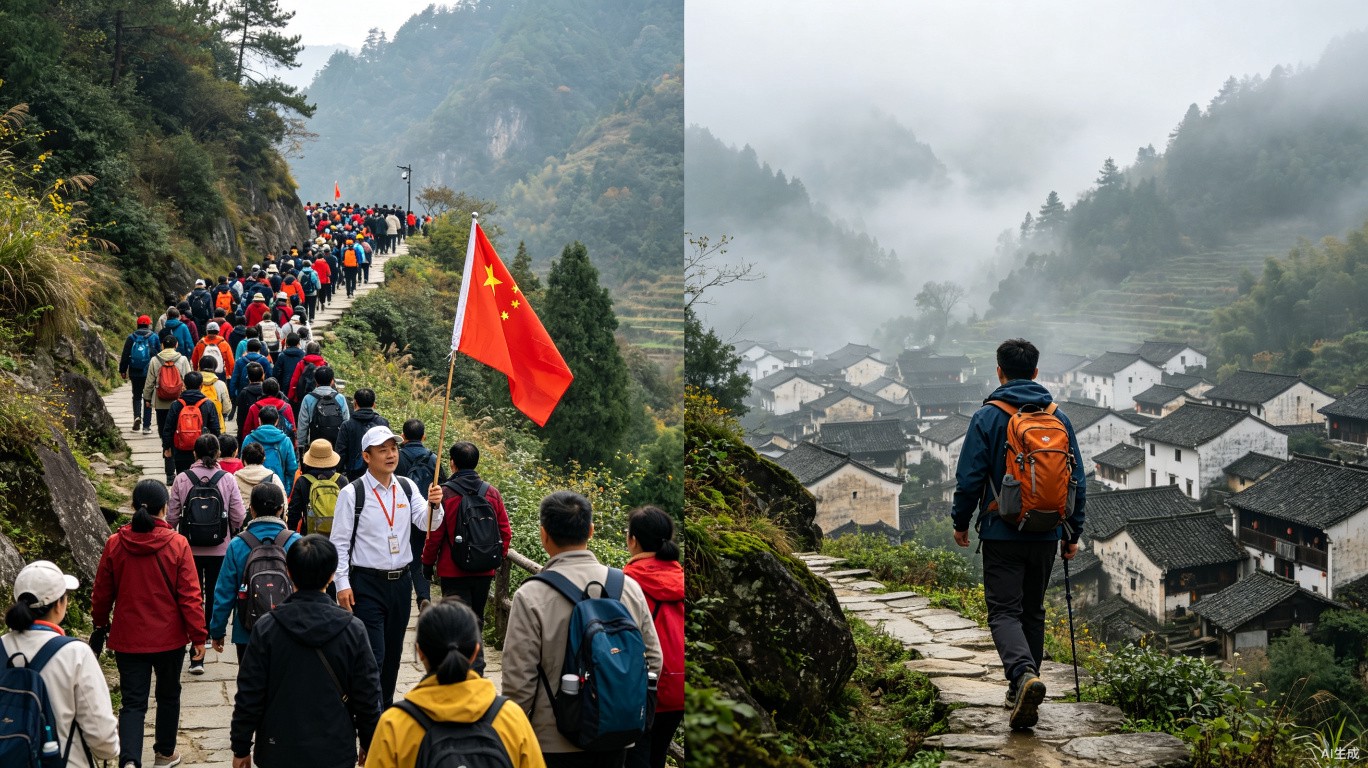
- China Group Tours vs Independent Travel Which is Better
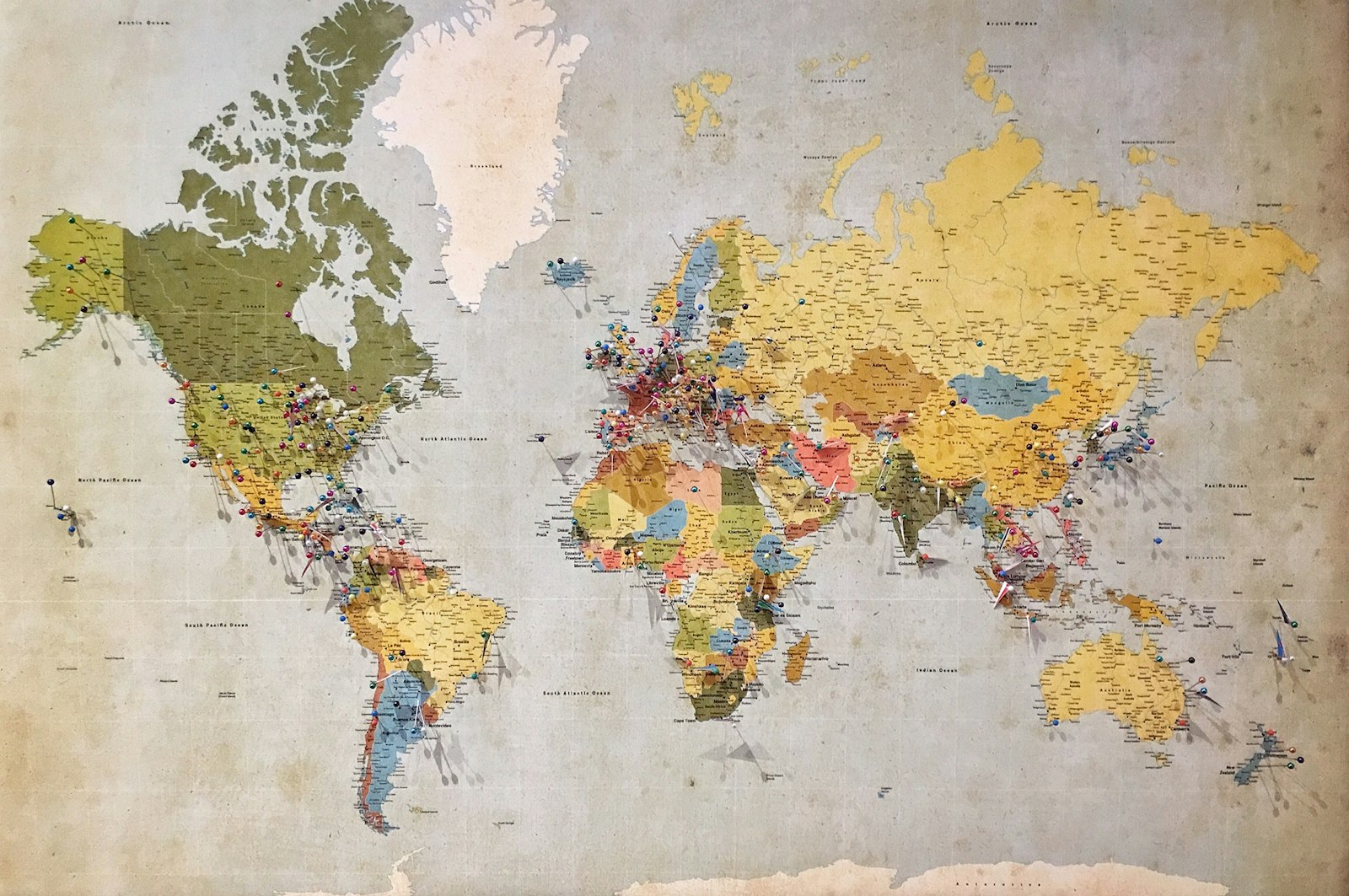
- China Itinerary Planning: 7-Day 14-Day and 21-Day Routes: The Complete 2026 G…
Topics
More guides you may like
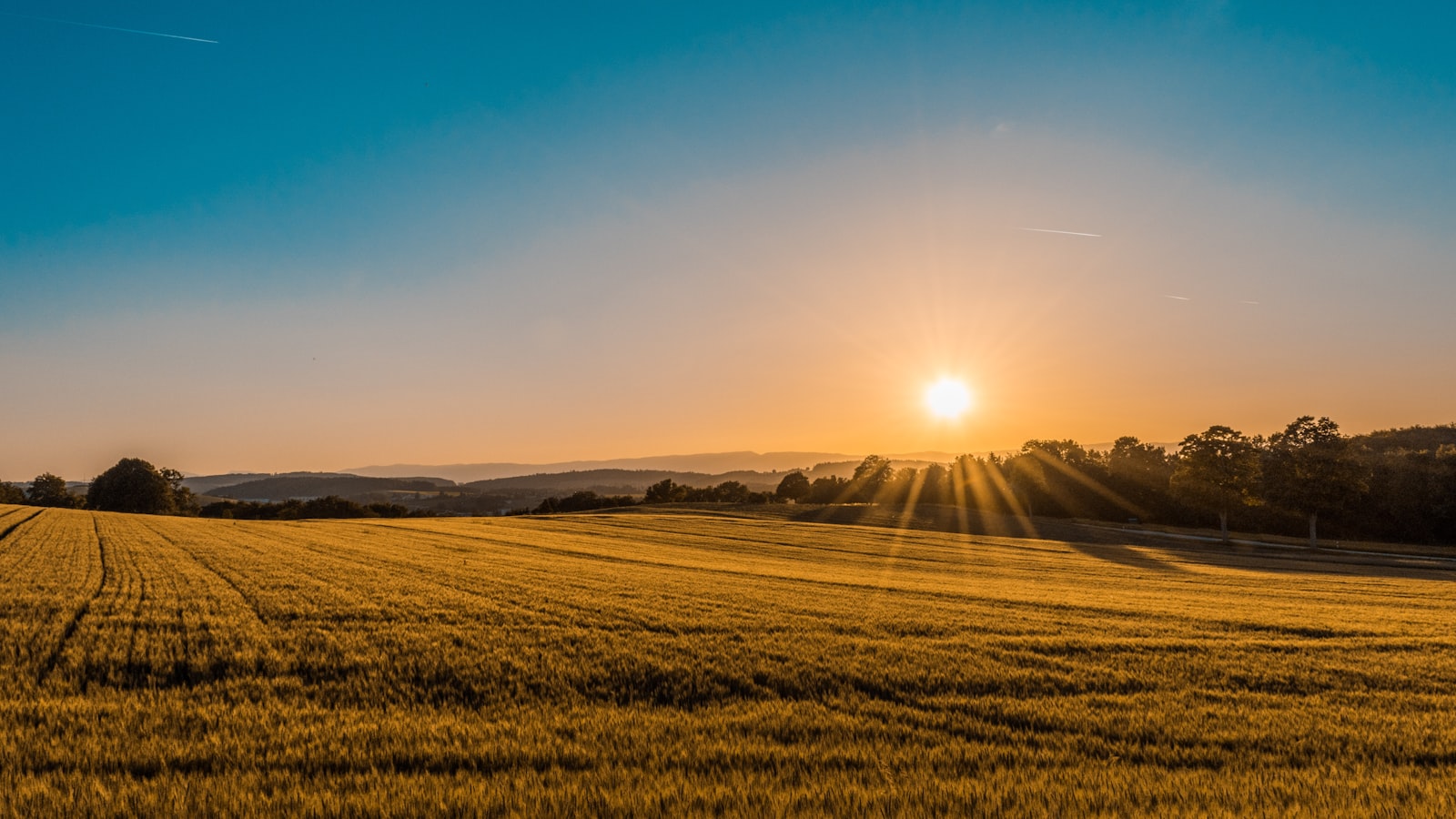
Best Time to See Cherry Blossoms in China 2026
Best Time to See Cherry Blossoms in China: 2026 guide covers current prices, transport, payment apps, and what foreign visitors need to know.
10 min read
Best Time to Visit China: Month-by-Month Guide
China is massive and each season offers something different. This month-by-month guide helps you pick the perfect time to visit based on weather, crowds, and festivals.
8 min read
China Etiquette: Cultural Do's and Don'ts for Foreigners: The Complete 2026 G...
China has unique social customs that can confuse first-time visitors. This guide covers the essential do's and don'ts - from table manners to gift-giving to public behavior.
9 min read
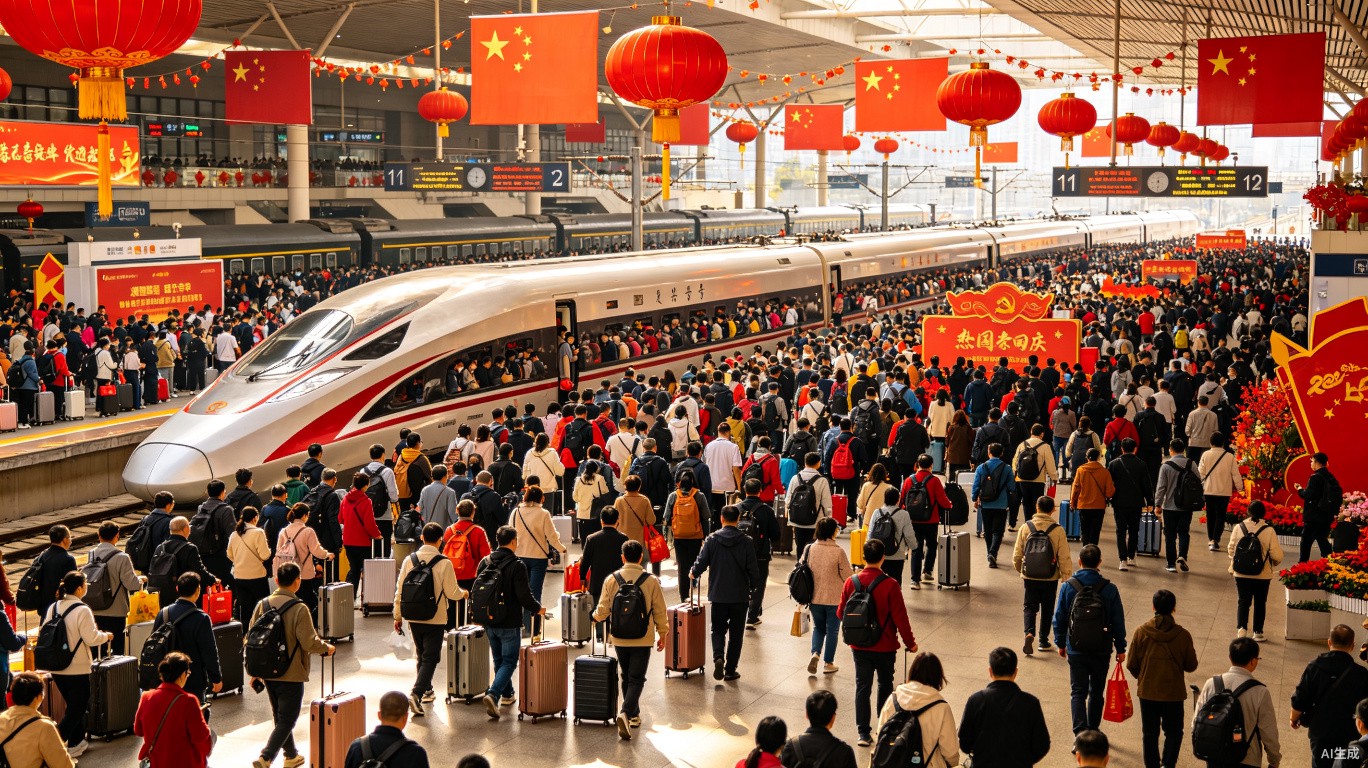
China Golden Week Travel Survival Guide
How to survive China's National Day Golden Week (October 1-7) - what to avoid, where to go, and how to beat the crowds.
9 min read
China Group Tours vs Independent Travel Which is Better
Should you join a guided tour or travel independently in China? Honest comparison of cost, flexibility, and experience.
7 min read
China Itinerary Planning: 7-Day 14-Day and 21-Day Routes: The Complete 2026 G...
Not sure how many days to spend in China? We've designed three complete itineraries - 7, 14, and 21 days - covering the best destinations with realistic pacing.
9 min read