
China Cherry Blossom Spring Destinations
China Cherry Blossom Spring Destinations: 2026 guide covers current prices, transport, payment apps, and what foreign visitors need to know.

China Cherry Blossom Spring Destinations: The Complete 2026 Guide
The taxi driver, a man named Lao Chen who’d been driving in Wuhan for 22 years, looked at me in the rearview mirror and laughed. “You’re going to see yinghua? The trees will be packed. You won’t even see the petals. Just selfie sticks.” He was right, mostly. That afternoon at Wuhan University, I spent more time dodging elbows than looking at cherry blossoms. But at 6:47 PM, when the crowd thinned and the last light hit the petals sideways, turning them the color of pale pink tea, I understood why people come.
China’s cherry blossom season isn’t Japan. It’s messier, more chaotic, and somehow more alive. The trees bloom in places you wouldn’t expect —next to communist-era apartment blocks, along polluted rivers, in temple courtyards where monks sweep petals into piles. And because most international tourists still head to Kyoto or Washington DC, you’ll find yourself standing in groves of ancient cherry trees with mostly Chinese families, not Instagram influencers.
This guide covers ten places I’ve visited, some multiple times, across five provinces. I’ve included the famous spots (yes, Wuhan) and a few that most guidebooks skip. Prices are approximate for 2026. Transport details are current as of late 2025. Bring your patience, your WeChat Pay, and a willingness to wake up early.
Quick answer
For first-time international visitors, the best cherry blossom experience in China is Wuhan (late March) for scale and spectacle, or Nanjing (mid-March to early April) for a more manageable, atmospheric trip. Both cities have direct international flights, good English signage at major sites, and visa-free transit policies for most nationalities (up to 144 hours). Expect crowds everywhere on weekends. Budget $30-50 per person per day for entry fees, transport, and food.
The Short Version
If you have 90 seconds: Go to Nanjing’s Jiming Temple in late March, arrive before 7 AM, and skip Wuhan University entirely (go to East Lake instead). The Yuyuantan Park in Beijing is fine but not worth a dedicated trip. The real hidden gem is Guizhou’s Pingba Farm, but you’ll need a car and good Mandarin. Bring a translation app. Don’t bother with the Great Wall cherry blossoms —they’re planted for tourists and look sad.
How I Picked These
I’ve lived in Beijing since 2018. I’ve taken the high-speed train to Wuhan six times during cherry season, flown to Nanjing four times, and spent a week driving through Guizhou in spring 2024. I talked to park rangers, university students, a retired botanist in Hangzhou who told me which trees were original and which were replanted, and a woman selling candied hawthorns outside Jiming Temple who’d been there for 17 years. I also made every mistake you can make —showing up at noon on a Saturday, trusting Google Maps for bus routes, forgetting that Chinese holidays shift the calendar. These are the places I’d send my own friends to.
Comparison Table
| Rank | Place | Best For | Approx Cost (USD) | Time Needed | When to Go |
|------|-------|----------|-------------------|-------------|------------|
| 1 | Wuhan East Lake | Scale & variety | $5-8 ((?5-60) | 4-6 hours | Late March |
| 2 | Nanjing Jiming Temple | Atmosphere & photos | $3-5 ((?0-35) | 2-3 hours | Mid-late March |
| 3 | Beijing Yuyuantan | Convenience | $2-4 ((?5-30) | 2-3 hours | Late March-early April |
| 4 | Xi’an Qinglong Temple | History & quiet | $4-6 ((?0-45) | 2-3 hours | Late March |
| 5 | Hangzhou Taiziwan Park | Lake views | $3-5 ((?0-35) | 3-4 hours | Late March |
| 6 | Shanghai Gucun Park | Family-friendly | $5-8 ((?5-60) | 3-4 hours | Late March-early April |
| 7 | Guizhou Pingba Farm | Off-the-beaten-path | $8-12 ((?0-85) | Full day | Mid-late March |
| 8 | Qingdao Zhongshan Park | Coast & beer | Free-$3 ((?-20) | 2-3 hours | Mid-April |
| 9 | Dalian Longwangtang | Late bloom | $4-6 ((?0-45) | 2-3 hours | Mid-late April |
| 10 | Kunming Yuantongshan | Early season | $2-4 ((?5-30) | 1-2 hours | Late February-early March |
1. Wuhan East Lake Cherry Blossom Park —The One That Lives Up to the Hype
I stood on a wooden bridge over a canal, and the petals fell so thick they looked like snow in a snow globe. A little girl next to me kept catching them on her tongue. Her grandmother, who must have been 75, was taking photos with a phone that looked ten years old. Nobody was rushing. That’s the thing about East Lake —it’s big enough that the crowds spread out.
This park has over 10,000 cherry trees across 80 varieties, including some rare ones brought from Japan in the 1970s. The main avenue is spectacular, but the real magic is in the side paths near the lake, where the trees arch over the water and the reflections double the pink. There’s also a nighttime illumination event (until 10 PM) that’s genuinely beautiful, not tacky —soft amber lights that make the petals glow.
📍 Location: East Lake Scenic Area, Wuchang District, Wuhan
🎫 Entry fee: $5 ((?5) during peak season; free before 7 AM and after 8 PM (locals know this)
🕒 Opening hours: 7 AM-10 PM (March-April); illumination starts at 6 PM
🚇 How to get there: Take Metro Line 8 to Liyuan Station, Exit C. Walk east 10 minutes through the park entrance. Or take a taxi from Wuchang Railway Station (15 minutes, $3-4).
⏰When to visit: Peak bloom is March 20-28 typically. Go on a weekday before 8 AM or after 5 PM. Weekends are a zoo.
💡 Insider tips:
-
Enter through the south gate (not the main gate) —it’s less crowded and closer to the best trees
-
Bring your own snacks; the food stalls are overpriced and mediocre
-
The cherry blossom ice cream (pink, shaped like a flower) is worth the $2 for the photo
-
Combine with a visit to Hubei Provincial Museum nearby (free, book ahead)
-
Download Didi (Chinese Uber) —taxis are hard to find after 8 PM
I ate a bowl of hot dry noodles (reganmian) from a cart outside the park at 7:30 AM, standing up, while a stray dog watched me hopefully. The vendor, a woman named Auntie Zhang, told me she’d been selling noodles at that spot for 14 years.
2. Nanjing Jiming Temple —The Photographer’s Choice
The first time I went, I walked up the stone steps at 6:15 AM, and the mist was still hanging between the cherry trees. A monk in gray robes was sweeping the path, moving so slowly I thought he was meditating. The temple bell rang once. I stood there for twenty minutes, not taking a single photo.
Jiming Temple sits on a hill overlooking Xuanwu Lake, and the cherry trees line the path from the temple gate to the main hall. It’s not a big grove —maybe 200 trees —but the combination of ancient architecture, curved roofs, and pink blossoms makes every shot look like a painting. The temple itself dates to the Ming Dynasty, and the contrast between the solemn Buddhist space and the explosion of spring color is what makes this place special.
📍 Location: 1 Jiming Temple Road, Xuanwu District, Nanjing
🎫 Entry fee: $4 ((?0) for the temple; the cherry blossom path outside is free
🕒 Opening hours: 7 AM-5:30 PM (temple); the path is open 24/7
🚇 How to get there: Take Metro Line 3 or 4 to Jiming Temple Station, Exit 6. Walk 3 minutes south. You’ll see the pagoda on the hill.
⏰When to visit: Peak bloom is March 15-25. Arrive before 7 AM or after 4 PM. Skip weekends entirely if you can.
💡 Insider tips:
-
The best photo spot is from the city wall just north of the temple (enter at Jiefang Gate, $2.50)
-
Combine with Xuanwu Lake Park (free) —walk south after the temple
-
The candied hawthorn skewers sold at the base of the hill are excellent ($1.50)
-
English is limited here; have your translation app ready
-
Temple closes early for afternoon prayers (around 4:30 PM) on Buddhist holidays
I watched a Chinese bride in a red qipao take photos under the trees while her groom fanned her with a magazine. She was sweating in the March humidity but smiling so hard I had to smile too.
3. Beijing Yuyuantan Park —The Convenient One
Let me be honest: Yuyuantan is not the best cherry blossom spot in China. It’s not even the best in Beijing (that would be the Fragrant Hills, but the trees there are sparse). But it’s the easiest. If you’re in Beijing for three days and want to see cherry blossoms without planning a separate trip, this is your spot.
The park has about 2,000 cherry trees, mostly Japanese varieties planted during a 1972 friendship exchange. They line the lake in a long, pleasant arc. On a weekday morning, it’s lovely —old men flying kites, women doing tai chi, the occasional saxophone player practicing scales. On a weekend afternoon, it’s a human river. The trees are well-maintained but feel a bit like a botanical garden display, not a natural grove.
📍 Location: 10 Sanlihe Road, Haidian District, Beijing
🎫 Entry fee: $2 ((?5) during cherry blossom festival (late March-early April); $0.70 ((?) normally
🕒 Opening hours: 6 AM-9 PM (summer); 6:30 AM-8 PM (winter)
🚇 How to get there: Take Metro Line 1 to Junshi Bowuguan (Military Museum) Station, Exit A. Walk north 8 minutes. Or take Line 16 to Yuyuantan Dongmen Station, Exit A.
⏰When to visit: Late March to early April. Aim for a Tuesday or Wednesday morning. The cherry blossom festival runs March 20-April 10.
💡 Insider tips:
-
Enter through the south gate (closest to the best trees)
-
The boat rental ($5/hour) is worth it for lake views
-
Bring a picnic —the park has nice grassy areas
-
Combine with the Military Museum (free, impressive) across the street
-
WeChat Pay works everywhere; bring cash as backup
I sat on a bench eating a steamed bun stuffed with red bean paste, watching a group of retired women do synchronized fan dancing. One of them waved at me. I waved back. She kept dancing.
4. Xi’an Qinglong Temple —The Quiet Historian
The temple was almost empty when I visited on a Thursday afternoon in late March. An old man was practicing calligraphy with water on the stone courtyard. A cat slept in a patch of sun. The cherry trees here are older than any others I’ve seen in China —some are said to be over 100 years old, planted during the Tang Dynasty when this was a major Buddhist center.
Qinglong Temple (Green Dragon Temple) was one of the most important Buddhist sites in ancient China, where Japanese monks studied before returning home. The cherry connection is direct: some of Japan’s most famous varieties trace their lineage back to trees here. The grove is small —maybe 300 trees —but they’re massive, with trunks as thick as my torso and canopies that create a pink ceiling.
📍 Location: South of Xi’an, near the Qujiang Scenic Area
🎫 Entry fee: $5 ((?5)
🕒 Opening hours: 8 AM-6 PM
🚇 How to get there: Take Metro Line 3 to Qinglong Si Station, Exit B. Walk 10 minutes east. Or take bus 19, 41, or 400 to Qinglong Si stop.
⏰When to visit: Late March. Weekdays are blissfully quiet. The temple hosts a small cherry blossom festival with tea ceremonies.
💡 Insider tips:
-
Combine with the Tang Paradise theme park nearby (overpriced but pretty at night)
-
The temple’s vegetarian restaurant is excellent and cheap ($3 for a set meal)
-
English signage is minimal; download Pleco or Google Translate
-
The best trees are in the back courtyard, past the main hall
-
Bring mosquito repellent —the lake attracts bugs
A monk named Shi Fa told me that the oldest cherry tree was planted by a Japanese monk in 1922. He said it with a slight smile, like he was sharing a secret.
5. Hangzhou Taiziwan Park —The Lake View
I’ve been to Hangzhou maybe 15 times, and I always thought West Lake was overrated until I saw it through cherry blossoms. Taiziwan Park sits on the southern shore, and the trees frame the lake in a way that makes the water look pink at sunset.
The park was originally a royal garden during the Southern Song Dynasty, and it shows —the landscaping is meticulous, with winding paths, bridges, and pavilions. The cherry trees are planted in clusters, not rows, so you get these sudden explosions of pink as you turn a corner. There’s also a small Japanese garden within the park with a tea house.
📍 Location: 5 Nanshan Road, Xihu District, Hangzhou
🎫 Entry fee: $3 ((?0)
🕒 Opening hours: 6 AM-9 PM
🚇 How to get there: Take Metro Line 1 to Ding’an Road Station, Exit C. Walk south 15 minutes along Nanshan Road. Or take bus 4, 12, or 31 to Taiziwan stop.
⏰When to visit: Late March. Go at sunrise (5:30-6:30 AM) for mist on the lake and no crowds.
💡 Insider tips:
-
The tea house serves Longjing tea from nearby plantations ($5 for a pot)
-
Rent a bike ($2/hour) and cycle the lake loop (10 km, takes 1-2 hours)
-
The park connects to the Leifeng Pagoda (worth visiting, $6)
-
Avoid the weekend —it’s a popular wedding photo location
-
The cherry trees near the south gate bloom 3-5 days earlier than the rest
I drank tea with a retired professor who told me he’d been coming to this park every spring for 40 years. “The trees change,” he said. “But the lake stays the same.”
6. Shanghai Gucun Park —The Family Trip
Shanghai doesn’t do cherry blossoms well. The city is too new, too concrete. But Gucun Park, way out in Baoshan District, is the exception. It’s a massive park (over 400 hectares) with a dedicated cherry blossom section that has 12,000 trees.
The park is designed for families —there’s a playground, a petting zoo, paddle boats, and acres of lawn. The cherry trees are arranged in themed gardens (Japanese, Chinese, European), which sounds cheesy but actually works. The Japanese garden is the best, with a pond, stone lanterns, and weeping cherry trees.
📍 Location: 4788 Hutai Road, Baoshan District, Shanghai
🎫 Entry fee: $5 ((?5) during cherry blossom festival (March-April); $2 ((?5) normally
🕒 Opening hours: 6 AM-8 PM
🚇 How to get there: Take Metro Line 7 to Gucun Park Station, Exit 2. Walk 5 minutes east. It’s about 45 minutes from People’s Square.
⏰When to visit: Late March to early April. Weekdays are quiet. The park has a night illumination event (until 9 PM) during peak season.
💡 Insider tips:
-
The park is huge; rent a golf cart ($8/hour) or take the shuttle ($1)
-
Food inside is mediocre; bring your own or eat at the nearby mall
-
The best photo spot is the bridge over the pond in the Japanese garden
-
English signage is good; staff at the main entrance speak basic English
-
Combine with the Baoshan International Cherry Blossom Festival (free concerts, food stalls)
I watched a toddler chase a cherry blossom petal across the grass while his parents took a selfie. The petal kept eluding him. He didn’t seem to mind.
7. Guizhou Pingba Farm —The Hidden Gem
This is the one that requires effort. Pingba Farm is in rural Guizhou, about an hour from the provincial capital Guiyang. It’s not a tourist attraction —it’s a working tea plantation that happens to have 7,000 cherry trees planted along the terraces.
The result is spectacular: green tea terraces rolling over hills, dotted with pink cherry trees, with mist rising from the valleys in the morning. I drove there in March 2024, and for two hours, I didn’t see another foreigner. The trees are a mix of early and late-blooming varieties, so the season stretches from mid-March to early April.
📍 Location: Pingba District, Anshun City, Guizhou Province
🎫 Entry fee: $8 ((?5) for the tea plantation; free for the surrounding hills
🕒 Opening hours: 8 AM-6 PM (plantation); the hills are open 24/7
🚇 How to get there: Take a high-speed train from Guiyang to Pingba South Station (30 minutes, $8). From there, take a taxi (30 minutes, $10-15). Or rent a car in Guiyang and drive (1 hour).
⏰When to visit: Mid-March to early April. Go early (7-9 AM) for the mist. Weekdays are empty.
💡 Insider tips:
-
You need a car or a hired driver; public transport is unreliable
-
The tea is excellent and cheap ($3 for 250g)
-
Bring hiking shoes; the paths are muddy
-
No English is spoken; have your translation app ready
-
The nearest decent hotel is in Anshun city (30 minutes away)
I bought tea from a farmer named Brother Wang, who showed me how to pick the leaves. His hands moved so fast I couldn’t follow.
8. Qingdao Zhongshan Park —The Coast & Beer Option
Qingdao is famous for beer, not cherry blossoms. But Zhongshan Park, in the city center, has a cherry blossom avenue that dates to the German colonial period (1890s). The trees are tall and old, and they bloom in mid-April, later than most of China.
The park is pleasant but not spectacular. What makes it worth visiting is the combination: you can see cherry blossoms in the morning, eat seafood at noon, and drink Tsingdao beer at the brewery in the afternoon. The park also has a cable car that gives you views of the coast.
📍 Location: 28 Wenhai Road, Shinan District, Qingdao
🎫 Entry fee: Free
🕒 Opening hours: 6 AM-9 PM
🚇 How to get there: Take Metro Line 3 to Zhongshan Park Station, Exit B. Walk 2 minutes east.
⏰When to visit: Mid-April. Go on a weekday. The cherry blossom festival runs April 10-25.
💡 Insider tips:
-
Combine with the Tsingdao Beer Museum ($8, worth it for the free beer)
-
The cable car ($5) gives great views of the coast and the park
-
Seafood restaurants on Wenhai Road are excellent and cheap ($10 for a feast)
-
English is more common here than in most Chinese cities
-
The park is near the beach; bring a jacket (April is windy)
I ate a bowl of seafood noodles at a tiny restaurant near the park entrance. The owner, a woman in her 60s, kept refilling my tea without asking.
9. Dalian Longwangtang —The Late Bloomer
Dalian is far north, so the cherry blossoms come late —mid-to-late April. Longwangtang (Dragon King Pond) is a small park in the suburbs with a collection of cherry trees that were planted in the 1950s. It’s not famous, which is exactly why I like it.
The park has a pond, a pagoda, and about 500 cherry trees. The best part is the lack of crowds. On a Wednesday afternoon in April, I shared the park with maybe 20 people. The trees are well-maintained, and the setting —with the pagoda reflected in the pond —is genuinely peaceful.
📍 Location: Longwangtang Town, Lushunkou District, Dalian
🎫 Entry fee: $4 ((?5)
🕒 Opening hours: 7 AM-6 PM
🚇 How to get there: Take bus 2002 from Dalian Railway Station to Longwangtang stop (1 hour, $1). Or take a taxi (40 minutes, $15).
⏰When to visit: Mid-to-late April. Weekdays are quiet. The park is best in the late afternoon (3-5 PM) for golden hour light.
💡 Insider tips:
-
Combine with the Lushun Naval Museum (free, interesting)
-
The nearby seafood market has excellent grilled squid ($2)
-
Bring a jacket; Dalian is windy in April
-
No English is spoken; use a translation app
-
The park closes early in bad weather
I sat by the pond and watched a heron stand perfectly still for 20 minutes. I think it was waiting for fish. Or maybe it was just enjoying the cherry blossoms.
10. Kunming Yuantongshan —The Early Bird
Kunming is called the Spring City for a reason. Cherry blossoms start in late February here, when most of China is still cold. Yuantongshan (Round Mountain) is a Tang Dynasty temple complex on a hill in the center of Kunming.
The cherry trees are scattered throughout the temple grounds, mixed with plum blossoms (which bloom earlier) and camellias. The combination of ancient Buddhist architecture, tropical plants, and early spring flowers is unique. The temple itself is active —monks chanting, incense burning, locals praying.
📍 Location: Yuantong Street, Wuhua District, Kunming
🎫 Entry fee: $2 ((?5)
🕒 Opening hours: 8 AM-6 PM
🚇 How to get there: Take bus 4, 59, or 74 to Yuantongshan stop. Or walk from Kunming city center (15 minutes).
⏰When to visit: Late February to early March. Go early (8-9 AM) for the morning prayers and best light.
💡 Insider tips:
-
Combine with the nearby Green Lake Park (free, bird-watching)
-
The temple’s vegetarian restaurant is excellent ($4 for a set meal)
-
Kunming is at high altitude (1,900m); take it easy on the first day
-
English signage is minimal; download Pleco
-
The cherry blossoms here are a different species (Cerasus cerasoides) that bloom earlier
I watched a monk light incense at a small shrine under a cherry tree. The smoke mixed with the petals and drifted up into the morning sky.
FAQ summary
The best time for cherry blossoms in China is late March, with Nanjing and Wuhan as the top choices for first-time visitors. Most parks cost $3-8 and are accessible by metro. Go on weekdays before 8 AM to avoid crowds. You’ll need WeChat Pay or Alipay, a VPN for Google services, and a translation app.
FAQ
Q: When exactly is cherry blossom season in China?
A: It varies by latitude. Kunming blooms in late February. Nanjing and Wuhan peak in mid-to-late March. Beijing and Xi’an are late March to early April. Qingdao and Dalian are mid-to-late April. Check the local cherry blossom forecast (many parks post updates on WeChat) before booking.
Q: Do I need a visa to visit China for cherry blossoms?
A: As of 2026, citizens of 54 countries (including the US, UK, Canada, Australia, and most EU nations) can enter visa-free for up to 144 hours (6 days) when transiting through major cities like Beijing, Shanghai, Guangzhou, and Chengdu. For longer stays, you’ll need a tourist visa (L visa), which costs about $140 and takes 4-7 business days to process.
Q: How do I pay for things?
A: WeChat Pay and Alipay are essential. Set them up before you arrive (link a foreign credit card). Most vendors won’t accept cash or foreign cards. Some tourist spots accept Visa/Mastercard but don’t rely on it. Bring about $100 in RMB as backup.
Q: Is it crowded?
A: Yes, especially on weekends and at famous spots like Wuhan University. Go on weekdays, arrive before 8 AM, and avoid the first weekend of peak bloom. The lesser-known spots (Qinglong Temple, Longwangtang, Pingba Farm) are much quieter.
Q: Do I need a VPN?
A: Yes. Google, WhatsApp, Instagram, Facebook, and many news sites are blocked. Install a VPN (like ExpressVPN, NordVPN, or Astrill) on your phone and laptop before you leave China. Test it before you go. Free VPNs often don’t work.
Q: Can I use my SIM card?
A: Your home SIM will work on international roaming, but it’s expensive ($10-20 per GB). Buy a Chinese SIM card at the airport (China Mobile or China Unicom, about $20 for 30 days with 20GB). You’ll need your passport to register.
Q: What should I pack?
A: Layers. Spring weather is unpredictable —it can be 70掳F (21掳C) one day and 50掳F (10掳C) the next. Comfortable walking shoes (you’ll walk 10,000+ steps daily). A reusable water bottle (hot water is available everywhere). Sunscreen. A small umbrella. Your phone with WeChat, Alipay, Pleco (dictionary), and Didi (ride-hailing) installed.
The Honest Wrap-up
This list is for travelers who want to see cherry blossoms in China without the Japan crowds and without the Japan prices. It’s for people who are okay with chaos, who don’t mind getting lost, who find joy in unexpected moments —like watching a monk sweep petals or eating noodles from a cart at 7 AM.
It’s not for people who want a polished, curated experience. China is messy. The cherry blossom parks can be loud, crowded, and commercial. The toilets might be squat-style. The food might give you stomach issues. But if you go with patience and a sense of humor, you’ll find moments of genuine beauty that no Instagram post can capture.
My final advice: pick one or two places, not five. Spend three days in Nanjing or Wuhan. Wake up early. Walk slowly. Talk to people, even if it’s just through a translation app. And when you see a cherry tree that takes your breath away, put your phone down for a minute and just look.
Related Guides
Looking for more China travel guides? These match your topic:
- Best Time to See Cherry Blossoms in China 2026
- Best Time to Visit China: Month-by-Month Guide
- China Etiquette: Cultural Do’s and Don’ts for Foreigners: The Complete 2026 G…
- China Golden Week Travel Survival Guide
- China Group Tours vs Independent Travel Which is Better
- China Itinerary Planning: 7-Day 14-Day and 21-Day Routes: The Complete 2026 G…
Topics
More guides you may like
Best Time to See Cherry Blossoms in China 2026
Best Time to See Cherry Blossoms in China: 2026 guide covers current prices, transport, payment apps, and what foreign visitors need to know.
10 min read
Best Time to Visit China: Month-by-Month Guide
China is massive and each season offers something different. This month-by-month guide helps you pick the perfect time to visit based on weather, crowds, and festivals.
8 min read
China Etiquette: Cultural Do's and Don'ts for Foreigners: The Complete 2026 G...
China has unique social customs that can confuse first-time visitors. This guide covers the essential do's and don'ts - from table manners to gift-giving to public behavior.
9 min read
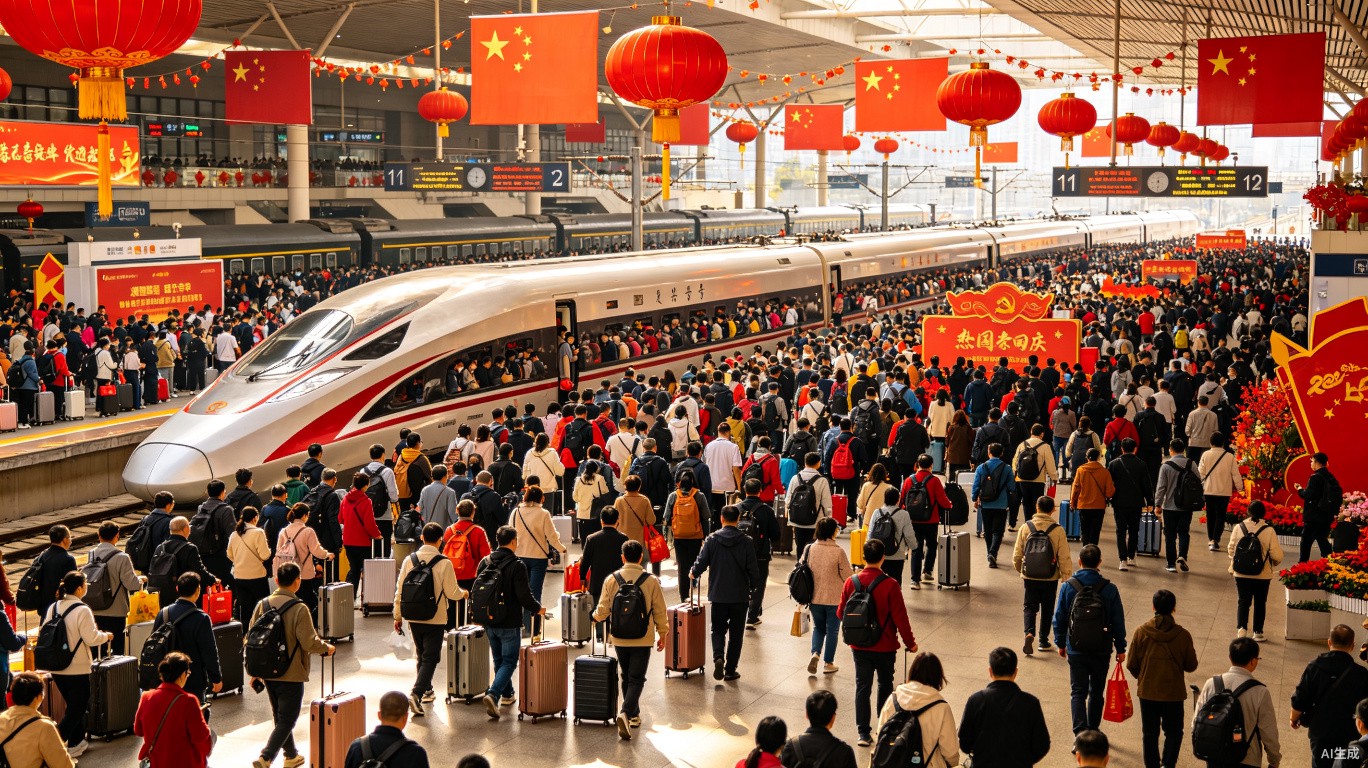
China Golden Week Travel Survival Guide
How to survive China's National Day Golden Week (October 1-7) - what to avoid, where to go, and how to beat the crowds.
9 min read
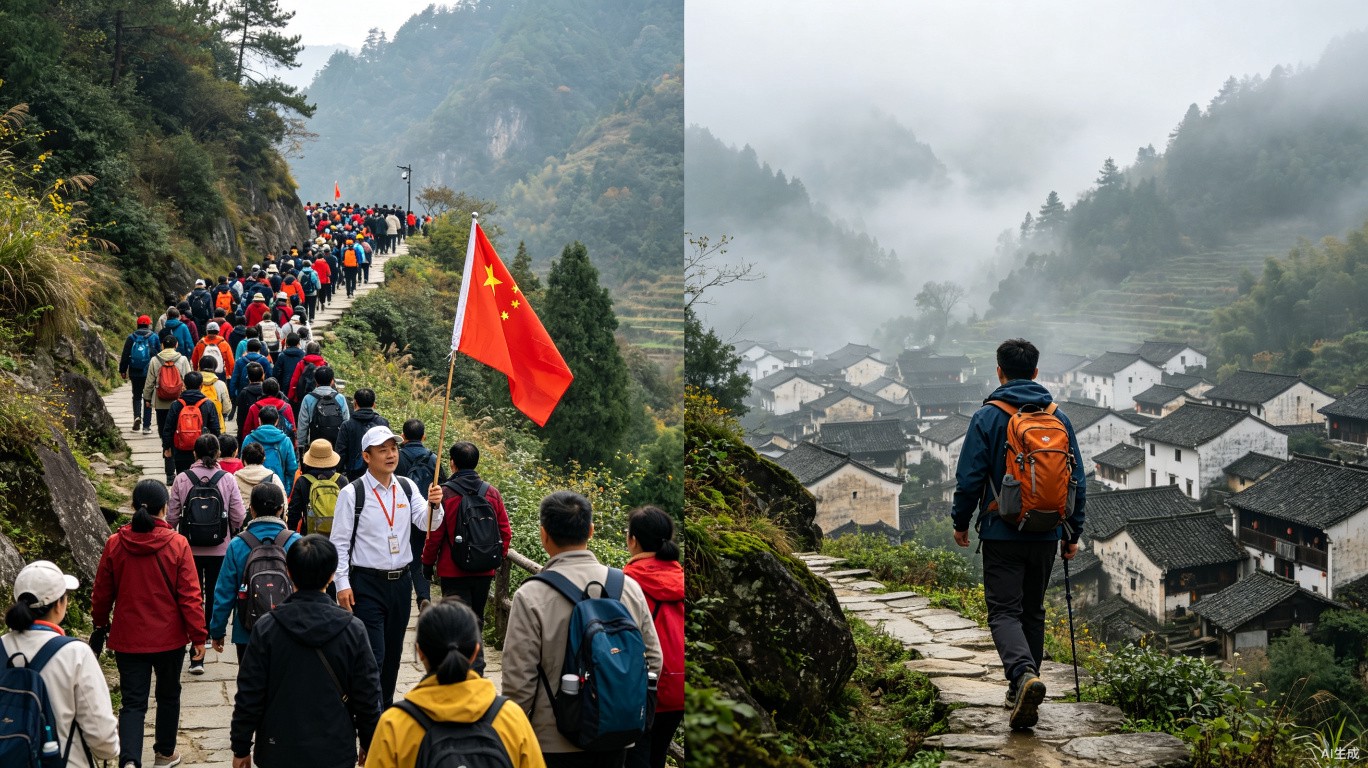
China Group Tours vs Independent Travel Which is Better
Should you join a guided tour or travel independently in China? Honest comparison of cost, flexibility, and experience.
7 min read
China Itinerary Planning: 7-Day 14-Day and 21-Day Routes: The Complete 2026 G...
Not sure how many days to spend in China? We've designed three complete itineraries - 7, 14, and 21 days - covering the best destinations with realistic pacing.
9 min read