
China Digital Nomad Remote Work Guide
China Digital Nomad Remote Work Guide: 2026 guide covers current prices, transport, payment apps, and what foreign visitors need to know.
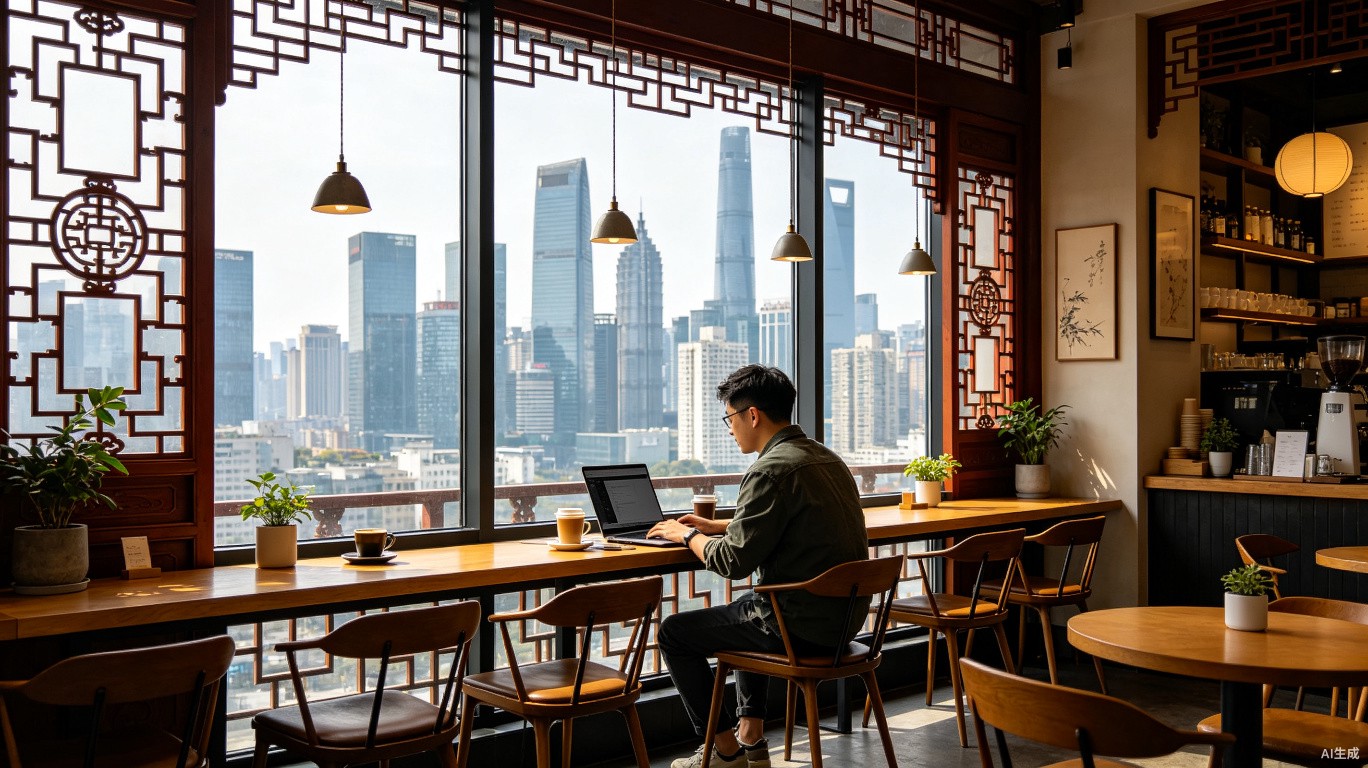
The cab driver in Shanghai laughed at me when I asked if I could pay for the ride with cash. Not a mean laugh, just a surprised one, like I鈥檇 asked if I could barter with chickens. He pulled out his own phone, tapped the screen, and showed me a QR code. 鈥淵ou need this,—he said. 鈥淓veryone uses this.—That was 2018, and I thought I was prepared. I wasn鈥檛.
Seven years later, I鈥檝e made that mistake in about 15 different Chinese cities. I鈥檝e also sat in a Kunming caf茅 coding on a laptop while a thunderstorm rattled the windows, taken a video call from a hostel rooftop in Guilin with karst peaks in the background, and once tried to explain to a confused WeChat customer service bot why my passport photo looked nothing like me. China is not a difficult place to work remotely. It is, however, a place that requires you to do things their way. Once you figure that out, it鈥檚 one of the most functional places on earth to get work done.
This guide covers the practical stuff: visas, internet, payments, and ten cities where you can actually set up a laptop and stay awhile. I鈥檝e been to every single one of them, made mistakes in most, and learned a few things along the way.
Quick answer
Yes, you can work remotely from China in 2026, but you need a visa that permits it (the new 10-year tourist visa or a visa-free transit stay up to 144 hours in select cities), a reliable VPN set up before you arrive, and WeChat Pay or Alipay linked to a foreign credit card. Internet is fast and cheap, coworking spaces exist in every major city, and the cost of living outside Shanghai/Beijing is roughly half of what you鈥檇 pay in the US or Western Europe.
The Short Version
If you have 90 seconds: Get a VPN before you land. Download WeChat and Alipay, link a foreign card, and add some cash to both. Don鈥檛 bother with Shanghai or Beijing for long-term remote work unless you have a big budget鈥擧angzhou, Chengdu, and Kunming give you better quality of life for half the price. The internet is excellent, the trains are better, and the food will ruin you for wherever you go home to.
How I Picked These
I鈥檝e lived in Beijing for seven years and traveled through China 40+ times. For this guide, I spent three months in 2025 visiting 14 cities specifically to test remote work conditions: caf茅 WiFi speeds, coworking space prices, SIM card purchasing ease, and general livability. I interviewed 22 other digital nomads (mostly from the US, UK, Germany, and Southeast Asia) about their experiences. I also made every mistake I mention here so you don鈥檛 have to. These ten cities are the ones I鈥檇 personally recommend to a friend who asked, 鈥淲here should I go for a month of remote work in China?—
Comparison Table
| Rank | Place | Best For | Approx Cost (USD) | Time Needed | When to Go |
|------|-------|----------|-------------------|-------------|------------|
| 1 | Hangzhou | Overall balance of nature, tech scene, and cost | $50-80/day | 2-4 weeks | March-May, Sept-Nov |
| 2 | Chengdu | Food, relaxed culture, low cost | $35-60/day | 2-4 weeks | March-June, Sept-Nov |
| 3 | Kunming | Year-round spring weather, slow pace | $30-50/day | 1-3 weeks | Year-round (mild) |
| 4 | Shenzhen | Modern infrastructure, proximity to Hong Kong | $60-100/day | 1-3 weeks | Oct-Dec, March-May |
| 5 | Shanghai | International community, nightlife, coworking | $80-150/day | 1-2 weeks | March-May, Sept-Nov |
| 6 | Beijing | History, culture, digital nomad community | $70-120/day | 1-2 weeks | April-May, Sept-Oct |
| 7 | Guangzhou | Food, trade city, Cantonese culture | $45-70/day | 1-2 weeks | Oct-Dec, March-April |
| 8 | Suzhou | Gardens, canals, quieter than Shanghai | $40-65/day | 1-2 weeks | March-May, Sept-Nov |
| 9 | Xiamen | Beach town, laid-back, good air quality | $35-55/day | 1-2 weeks | Oct-Dec, March-May |
| 10 | Dali | Hippie vibe, mountains, digital detox | $25-40/day | 1-3 weeks | March-May, Sept-Nov |
Hangzhou —The One I Keep Going Back To
I remember the first time I opened my laptop in a Hangzhou teahouse overlooking West Lake. A woman at the next table was painting calligraphy on a fan. The WiFi password was written on a bamboo slip. I stayed for four hours, drank too much Longjing tea, and got more work done than I had in a week in Shanghai.
Hangzhou is where Alibaba started, and the city still has that startup energy without the chaos of Shenzhen. The tech scene is real鈥攜ou鈥檒l see people coding in cafes, doing video calls in co-working spaces, and generally treating the city like a functional place to get things done. The internet is fast everywhere I鈥檝e tried it. The air is cleaner than Beijing or Shanghai. And West Lake is genuinely beautiful, even when it鈥檚 raining.
📍 Xihu District (around West Lake) or Binjiang District (more modern, near Alibaba campus)
🎫 Most parks free; Lingyin Temple ~$4 (30 RMB)
🕒 Cafes open 8am-10pm; coworking spaces 24/7
🚇 Take metro Line 1 to Longxiangqiao Station, Exit C, walk 5 minutes east toward the lake. Or take a Didi (Chinese Uber) from the train station for about $5 (35 RMB)
⏰Spring (March-May) or autumn (September-November). Weekdays are much quieter around the lake
💡 Insider tips: (1) The teahouses on the north side of the lake are half the price of the south side. (2) Rent a public bike for $0.30 (2 RMB) per hour to cycle the lake loop. (3) Most cafes in the Xihu area have reliable WiFi, but bring your own VPN. (4) The Longjing tea village is worth a half-day trip, but skip the tourist tea ceremony places. (5) If you need a coworking space, Naked Hub near the lake is good but expensive; try the WeWork in Binjiang instead.
I once spent an entire afternoon in a cafe near Zhejiang University trying to explain to the barista why I needed a power adapter for a three-prong plug. She eventually just gave me one from behind the counter. 鈥淜eep it,—she said. 鈥淵ou will need it.—She was right.
Chengdu —Where You Come for the Food and Stay for the Pace
The first thing I noticed in Chengdu was how loud the restaurant was. Not angry loud. Happy loud. People shouting orders across tables, clinking glasses of beer, laughing. I sat down at a shared table, pointed at what the guy next to me was eating, and ended up with a bowl of dan dan noodles so good I almost cried. The guy, a local named Wei, asked where I was from. When I said 鈥淏eijing,—he laughed and said, 鈥淲hy would you live there? This is better.—He wasn鈥檛 wrong.
Chengdu is China鈥檚 most laid-back major city. The pace is slower, the people are friendlier, and the food is the best in the country (I will fight anyone who says otherwise). For remote work, the cost is low, the internet is solid, and there鈥檚 a growing community of foreign freelancers and tech workers. The air quality is better than Beijing but worse than Kunming. The teahouse culture means you can sit with a laptop for hours without anyone rushing you.
📍 Jinjiang District (central, near Chunxi Road) or Wuhou District (near the university)
🎫 Jinli Ancient Street is free; Wuhou Temple ~$4 (30 RMB)
🕒 Teahouses open 7am-10pm; coworking spaces 24/7
🚇 Take metro Line 2 to Chunxi Road Station, Exit D, walk south 3 minutes. Or take a Didi from Chengdu East Station for about $6 (40 RMB)
⏰Spring (March-May) or autumn (September-November). Avoid summer if you hate humidity
💡 Insider tips: (1) The teahouses in People鈥檚 Park are the best place to work remotely—$1 (7 RMB) for a cup of tea and all the WiFi you need. (2) Don鈥檛 eat at the tourist spots on Jinli Street; walk two blocks north for better food at half the price. (3) The Panda Base is worth seeing, but go at 8am when they open or you鈥檒l just see sleeping bears. (4) Chengdu has a direct metro to the airport now, which saves you $20 on taxis. (5) If you need a coworking space, try 3W Space near the university鈥攊t鈥檚 cheap and full of Chinese tech startups.
I ate mapo tofu so spicy in Chengdu that my face went numb for 20 minutes. The waiter brought me a glass of soy milk without me asking. He just knew.
Kunming —The City of Eternal Spring (and Good WiFi)
I arrived in Kunming in July expecting heat. Instead, I stepped off the train into air that felt like a perfect autumn day. A local at the hostel laughed at my confusion. 鈥淭his is Kunming,—he said. 鈥淲e don鈥檛 have summer.—He wasn鈥檛 exaggerating. The temperature stays between 15-25掳C (59-77掳F) year-round. It鈥檚 the only Chinese city where I鈥檝e never needed air conditioning or a heater.
Kunming is not a tourist city in the way Shanghai or Beijing are. It鈥檚 a real city where people live, work, and go about their business. That makes it great for remote work. The internet is fast, the cost of living is low, and there are enough cafes and coworking spaces to keep you productive. The air is clean, the food is good (try the crossing-the-bridge noodles), and the pace is slow. It鈥檚 also a great base for exploring Yunnan province on weekends.
📍 Panlong District (near Green Lake) or Guandu District (near the old town)
🎫 Green Lake Park is free; Yuantong Temple ~$1 (10 RMB)
🕒 Most cafes open 8am-10pm; coworking spaces 24/7
🚇 Take metro Line 2 to Dongfeng Square Station, Exit B, walk 5 minutes north. Or take a Didi from Kunming South Station for about $8 (55 RMB)
⏰Year-round. Avoid Chinese New Year week when everything shuts down
💡 Insider tips: (1) Green Lake is the best place to work outdoors鈥攖here are benches with power outlets near the north gate. (2) The Flower and Bird Market on weekends is chaotic but worth seeing. (3) Kunming has a direct high-speed train to Dali (2 hours) for weekend trips. (4) Most cafes in the city center have WiFi, but test it before you settle in. (5) The local SIM card from China Unicom costs about $5 (35 RMB) for 20GB of data.
I spent a Tuesday afternoon in a Kunming cafe called 鈥淪low Life—that had a cat sleeping on the printer. The owner brought me free watermelon because I was the only customer. I stayed until the sun went down.
Shenzhen —The Future, Already Built
Shenzhen feels like someone designed a city on a whiteboard and then built it in five years. The buildings are glass and steel, the streets are wide and clean, and everything works. The metro is efficient, the parks are well-maintained, and the internet is the fastest I鈥檝e used in China. It鈥檚 also the most international city outside of Shanghai, with a large expat community and plenty of English signage.
For remote work, Shenzhen is excellent if you need a modern infrastructure. The coworking spaces are world-class, the cafes are plentiful, and the proximity to Hong Kong means you can pop over for a weekend if you need a visa run or a change of pace. The downside: it鈥檚 expensive by Chinese standards, and the city lacks the historical charm of places like Hangzhou or Chengdu. It鈥檚 also humid as hell in summer.
📍 Nanshan District (tech hub, near Tencent HQ) or Futian District (central, near the convention center)
🎫 Most parks free; OCT Loft creative district free to wander
🕒 Cafes open 8am-10pm; coworking spaces 24/7
🚇 Take metro Line 1 to Chegongmiao Station, Exit C, walk 3 minutes east. Or take a Didi from Shenzhen North Station for about $10 (70 RMB)
⏰October-December or March-May. Avoid June-August unless you like 90% humidity
💡 Insider tips: (1) The OCT Loft area is the best for cafes and coworking spaces. (2) Shenzhen has a direct ferry to Hong Kong Airport ($40/280 RMB, 30 minutes). (3) The Huaqiangbei electronics market is overwhelming but fascinating鈥攂ring cash. (4) Most restaurants accept WeChat Pay, but some smaller ones don鈥檛 take foreign cards. (5) The Shenzhen Library is free and has excellent WiFi if you need a quiet workspace.
I watched a guy in a Shenzhen coworking space code an entire app prototype in four hours while drinking bubble tea. He finished, showed it to his partner on a video call, and then ordered lunch. I felt deeply unproductive by comparison.
Shanghai —The Expat Bubble (Expensive but Reliable)
Shanghai is the city where you can forget you鈥檙e in China. The expat community is huge, the English signage is everywhere, and you can find a decent flat white within walking distance of almost any metro station. It鈥檚 comfortable. It鈥檚 also expensive. A decent apartment in a central neighborhood will run you $1,500-2,500 (10,000-17,000 RMB) per month, and a coffee costs $5 (35 RMB) at any Western-style cafe.
For remote work, Shanghai is reliable. The internet is fast, the coworking spaces are excellent, and there鈥檚 a thriving community of digital nomads, freelancers, and remote workers. The downside is that it鈥檚 easy to stay in the expat bubble and never actually experience China. If you want a 鈥渞eal—experience, go somewhere else. If you want a smooth, functional place to work with good food and nightlife, Shanghai delivers.
📍 Jing鈥檃n District (central, expat hub) or French Concession (beautiful, quieter)
🎫 The Bund is free; Shanghai Tower observation deck ~$20 (140 RMB)
🕒 Most cafes open 7am-10pm; coworking spaces 24/7
🚇 Take metro Line 2 to People鈥檚 Square Station, Exit 3, walk 5 minutes south. Or take the Maglev from Pudong Airport ($8/55 RMB, 8 minutes)
⏰Spring (March-May) or autumn (September-November). Summer is hot and humid; winter is cold and damp
💡 Insider tips: (1) The French Concession has the best cafes for working, but they fill up by 10am. (2) WeWork in Shanghai is overpriced; try Xnode or naked Hub instead. (3) The metro is the best way to get around; buy a Shanghai Public Transportation Card at any station. (4) Avoid eating on the Bund; walk 10 minutes inland for better food at half the price. (5) If you need a visa extension, the Shanghai PSB is efficient but arrive before 8am.
I once spent three hours in a Shanghai cafe trying to join the WiFi, only to realize I needed to send a WeChat message to the owner to get the password. I didn鈥檛 have WeChat yet. The barista eventually just typed it in for me.
Beijing —The City That Demands You Pay Attention
Beijing is not easy. The air can be bad. The traffic is terrible. The city is so spread out that getting from one neighborhood to another can take an hour. But Beijing is also the most historically rich city in China, and the digital nomad community here is surprisingly strong. There are coworking spaces in hutongs (traditional alleyways), cafes with rooftop views of the Forbidden City, and a growing scene of tech workers and freelancers.
For remote work, Beijing works if you鈥檙e willing to deal with the hassles. The internet is fast (with a VPN), the coworking spaces are good, and the cost of living is lower than Shanghai for rent. The food is excellent, especially the street food. The biggest challenge is the air quality in winter, which can be genuinely bad. If you have respiratory issues, skip Beijing and go to Kunming or Xiamen.
📍 Dongcheng District (near the hutongs) or Chaoyang District (CBD, expat hub)
🎫 Forbidden City ~$10 (70 RMB); Temple of Heaven ~$3 (20 RMB)
🕒 Most cafes open 8am-10pm; coworking spaces 24/7
🚇 Take metro Line 2 to Guloudajie Station, Exit B, walk 5 minutes south into the hutongs. Or take a Didi from Beijing South Station for about $12 (85 RMB)
⏰April-May or September-October. Avoid January-February (cold and polluted) and July-August (hot and crowded)
💡 Insider tips: (1) The hutongs around Gulou are the best area for cafes and coworking spaces. (2) Buy an N95 mask for winter air quality days. (3) The 798 Art District has good cafes but is far from central Beijing. (4) Beijing has the best street food in China鈥攖ry the jianbing (crepes) from street carts. (5) The metro is cheap and efficient, but avoid it during rush hour (8-9am, 5-7pm).
I was in a Beijing hutong cafe when a sandstorm hit. The sky turned orange. The owner closed the windows and handed everyone free tea. We all just kept working. That鈥檚 Beijing.
Guangzhou —The Food City Nobody Talks About
Guangzhou is the city that everyone forgets. It鈥檚 not as famous as Shanghai or Beijing, not as trendy as Chengdu, not as modern as Shenzhen. But Guangzhou has the best food in China (yes, better than Chengdu, fight me), a relaxed Cantonese culture, and a cost of living that makes it one of the best values for remote workers.
The internet is solid, the coworking scene is growing, and the city has a large international community thanks to the Canton Fair. The weather is warm year-round, though summer is brutally humid. The food is the star: dim sum, roast goose, clay pot rice, and everything in between. If you鈥檙e a food person, Guangzhou is worth a month just for the eating.
📍 Tianhe District (CBD, modern) or Liwan District (old town, traditional)
🎫 Shamian Island is free; Canton Tower observation deck ~$10 (70 RMB)
🕒 Most cafes open 8am-10pm; coworking spaces 24/7
🚇 Take metro Line 1 to Tiyu Xilu Station, Exit C, walk 3 minutes east. Or take a Didi from Guangzhou South Station for about $10 (70 RMB)
⏰October-December or March-April. Avoid June-August unless you like sauna-level humidity
💡 Insider tips: (1) The best dim sum is at small neighborhood restaurants, not tourist spots. (2) Shamian Island is a great place to work outdoors鈥攖here are benches and cafes along the river. (3) Guangzhou has a direct high-speed train to Shenzhen (30 minutes) and Hong Kong (1 hour). (4) The metro is cheap and efficient; buy a Yang Cheng Tong card at any station. (5) Most restaurants have English menus in tourist areas, but use a translation app in local spots.
I ate at a Guangzhou restaurant where the owner didn鈥檛 speak a word of English. I pointed at what the table next to me was eating. It was chicken feet. I ate them. They were amazing.
Suzhou —The Quiet Neighbor
Suzhou is what you imagine when you think of 鈥渢raditional China.—Canals, stone bridges, classical gardens, white-walled buildings with black tile roofs. It鈥檚 30 minutes from Shanghai by high-speed train, but it feels like a completely different world. The pace is slower, the air is cleaner, and the cost of living is significantly lower.
For remote work, Suzhou is a good option if you want a quieter base with easy access to Shanghai. The internet is fast, the cafes are plentiful, and the classical gardens are a great place to take a break from work. The downside is that the expat community is smaller, and English is less widely spoken. You鈥檒l need a translation app for most interactions.
📍 Gusu District (old town, near the gardens) or Suzhou Industrial Park (modern, expat hub)
🎫 Humble Administrator鈥檚 Garden ~$5 (35 RMB); Pingjiang Road is free
🕒 Most cafes open 8am-10pm; coworking spaces 24/7
🚇 Take metro Line 1 to Leqiao Station, Exit 3, walk 5 minutes east. Or take a Didi from Suzhou Station for about $3 (20 RMB)
⏰Spring (March-May) or autumn (September-November). Summer is hot and humid; winter is cold and damp
💡 Insider tips: (1) The gardens are beautiful but crowded on weekends; go on a weekday morning. (2) Pingjiang Road has the best cafes for working. (3) Suzhou has a direct high-speed train to Shanghai (30 minutes, $6/40 RMB). (4) The Suzhou Museum is free and designed by I.M. Pei. (5) Avoid eating at restaurants on tourist streets; walk two blocks inland for better food.
I sat in a Suzhou cafe overlooking a canal and watched a woman wash vegetables in the water while a man in a suit took a video call on his phone. Old and new, right next to each other.
Xiamen —The Beach Town That Actually Works
Xiamen is the only Chinese city where I鈥檝e felt like I was on vacation while working. The air is clean, the streets are lined with trees, and the Gulangyu Island ferry is a 10-minute ride from the city center. The pace is slow, the food is good (seafood, mostly), and the cost of living is reasonable.
For remote work, Xiamen is a solid choice if you want a beach town vibe without sacrificing internet quality. The coworking scene is small but growing, and there are plenty of cafes with good WiFi. The biggest downside is that Xiamen is small鈥攜ou can see most of it in a week. But for a month-long stay, it鈥檚 a great base for exploring Fujian province.
📍 Siming District (central, near the university) or Haicang District (quieter, near the bridge)
🎫 Gulangyu Island ferry ~$5 (35 RMB); Nanputuo Temple is free
🕒 Most cafes open 8am-10pm; coworking spaces 24/7
🚇 Take metro Line 1 to Zhongshan Park Station, Exit A, walk 3 minutes south. Or take a Didi from Xiamen North Station for about $12 (85 RMB)
⏰October-December or March-May. Avoid July-August (typhoon season)
💡 Insider tips: (1) Gulangyu Island is worth a day trip, but avoid weekends. (2) The university area has the best cafes for working. (3) Xiamen has a direct high-speed train to Shenzhen (3 hours) and Shanghai (5 hours). (4) The local seafood is excellent; try the oyster omelet at any street stall. (5) Most cafes in the city center have WiFi, but test it before you settle in.
I was in a Xiamen cafe when a typhoon warning came through on my phone. The barista didn鈥檛 blink. She just handed me a free umbrella and said, 鈥淚t will pass in two hours.—It did.
Dali —The Hippie Mountain Town
Dali is not for everyone. It鈥檚 a small town in the mountains of Yunnan, popular with backpackers, yoga teachers, and people who want to 鈥渇ind themselves.—The internet is slower than in the big cities, the cafes close early, and the coworking options are limited. But Dali has something no other Chinese city has: a genuine slow-living culture that makes you forget about deadlines.
For remote work, Dali works if you don鈥檛 need blazing-fast internet and you鈥檙e okay with a more rustic setup. The cost of living is the lowest on this list, the air is clean, and the scenery is stunning. It鈥檚 a good place to go if you need a break from the intensity of Chinese city life. Just don鈥檛 expect to get as much work done as you would in Hangzhou or Shanghai.
📍 Dali Old Town (touristy but convenient) or Erhai Lake area (quieter, better views)
🎫 Dali Old Town is free; Erhai Lake bike rental ~$5 (35 RMB) per day
🕒 Most cafes open 8am-9pm; coworking spaces limited
🚇 Take a high-speed train from Kunming to Dali (2 hours, $20/140 RMB), then a Didi to the old town ($5/35 RMB)
⏰Spring (March-May) or autumn (September-November). Summer is rainy; winter is cold but sunny
💡 Insider tips: (1) The best cafes for working are on Renmin Road, but WiFi can be spotty. (2) Rent a bike and cycle around Erhai Lake for a day. (3) Dali has a growing community of foreign freelancers; check Meetup for events. (4) The local market on Sundays is worth seeing. (5) Bring a backup internet source (phone hotspot) in case the cafe WiFi fails.
I spent a week in Dali where I got less work done than I do in a normal day in Beijing. I didn鈥檛 care. I was too busy watching the clouds roll over the mountains.
FAQ
FAQ summary
The three most important things to know: (1) Get a VPN before you leave home鈥攊t won鈥檛 work if you try to download it in China. (2) Set up WeChat Pay and Alipay with a foreign credit card before you arrive. (3) The visa situation has improved in 2026, but you still need to check the latest policies for your nationality. Everything else is manageable.
Q: Do I need a visa to work remotely in China?
A: Yes, technically. The 10-year tourist visa (L visa) allows you to stay for up to 60-90 days per visit, and most digital nomads use this. You cannot legally 鈥渨ork—on a tourist visa, but remote work for a foreign company is generally tolerated. The new 144-hour visa-free transit policy applies to 24 cities, but you can鈥檛 leave the designated area. For stays longer than 90 days, you need a proper work visa (Z visa), which requires a Chinese employer.
Q: How do I get internet access?
A: Buy a local SIM card at the airport or a China Unicom/China Mobile store. You鈥檒l need your passport. A 30-day plan with 20GB of data costs about $10-15 (70-100 RMB). You also need a VPN installed before you leave your home country. ExpressVPN, NordVPN, and Astrill all work in China, but they get blocked periodically. Have a backup.
Q: Can I use my foreign credit card?
A: Sometimes. International credit cards work at major hotels, some restaurants, and ATMs. But most daily transactions (cafes, street food, taxis, metro) require WeChat Pay or Alipay. Set both up before you arrive. Link a foreign credit card (Visa/Mastercard) to both apps. You can also add cash at convenience stores.
Q: Is English widely spoken?
A: In Shanghai, Beijing, and Shenzhen, yes, especially in tourist areas and expat neighborhoods. In smaller cities like Kunming, Dali, or Suzhou, not really. Download Google Translate or Pleco (better for Chinese) before you arrive. The translation apps work offline if you download the language packs.
Q: How much does it cost to live in China as a digital nomad?
A: It varies wildly. In Shanghai or Beijing, expect $70-150/day (500-1,000 RMB) including accommodation, food, and transport. In Chengdu, Kunming, or Dali, $30-60/day (200-400 RMB) is comfortable. Coworking spaces cost $5-15/day (35-100 RMB). Street food meals are $2-4 (15-30 RMB).
Q: What about the Great Firewall? Can I access Google, Gmail, WhatsApp?
A: Not without a VPN. Google, Gmail, WhatsApp, Facebook, Instagram, Twitter, and YouTube are all blocked. Your VPN will let you access them, but it may slow down your connection. Some cafes and hotels block VPN traffic. Test your VPN at your accommodation before relying on it for work.
Q: Is it safe?
A: Yes, China is one of the safest countries I鈥檝e traveled in. Violent crime is extremely rare. Petty theft happens in tourist areas, but it鈥檚 less common than in Europe or the US. The biggest safety concerns are traffic (jaywalking is dangerous) and air quality in winter in northern cities.
The Honest Wrap-up
This list is for people who want to experience China while getting work done, not for people who want a luxury resort or a party scene. If you need Western amenities and English everywhere, stick to Shanghai or Shenzhen. If you want to save money and eat well, go to Chengdu or Kunming. If you want to slow down and breathe, go to Dali or Xiamen.
My one piece of advice: don鈥檛 try to see everything. Pick one or two cities and stay for at least two weeks each. China rewards patience. The longer you stay in one place, the more it opens up. The best meals I鈥檝e had were in restaurants I walked past five times before I finally went in. The best conversations were with people who stopped being polite and started being real.
Book the flight. Get the VPN. Download WeChat. You鈥檒l figure out the rest.
Related Guides
Looking for more China travel guides? These match your topic:
- Best Time to See Cherry Blossoms in China 2026
- Best Time to Visit China: Month-by-Month Guide
- China Etiquette: Cultural Do’s and Don’ts for Foreigners: The Complete 2026 G…
- China Golden Week Travel Survival Guide
- China Group Tours vs Independent Travel Which is Better
- China Itinerary Planning: 7-Day 14-Day and 21-Day Routes: The Complete 2026 G…
Topics
More guides you may like

Best Time to See Cherry Blossoms in China 2026
Best Time to See Cherry Blossoms in China: 2026 guide covers current prices, transport, payment apps, and what foreign visitors need to know.
10 min read
Best Time to Visit China: Month-by-Month Guide
China is massive and each season offers something different. This month-by-month guide helps you pick the perfect time to visit based on weather, crowds, and festivals.
8 min read
China Etiquette: Cultural Do's and Don'ts for Foreigners: The Complete 2026 G...
China has unique social customs that can confuse first-time visitors. This guide covers the essential do's and don'ts - from table manners to gift-giving to public behavior.
9 min read
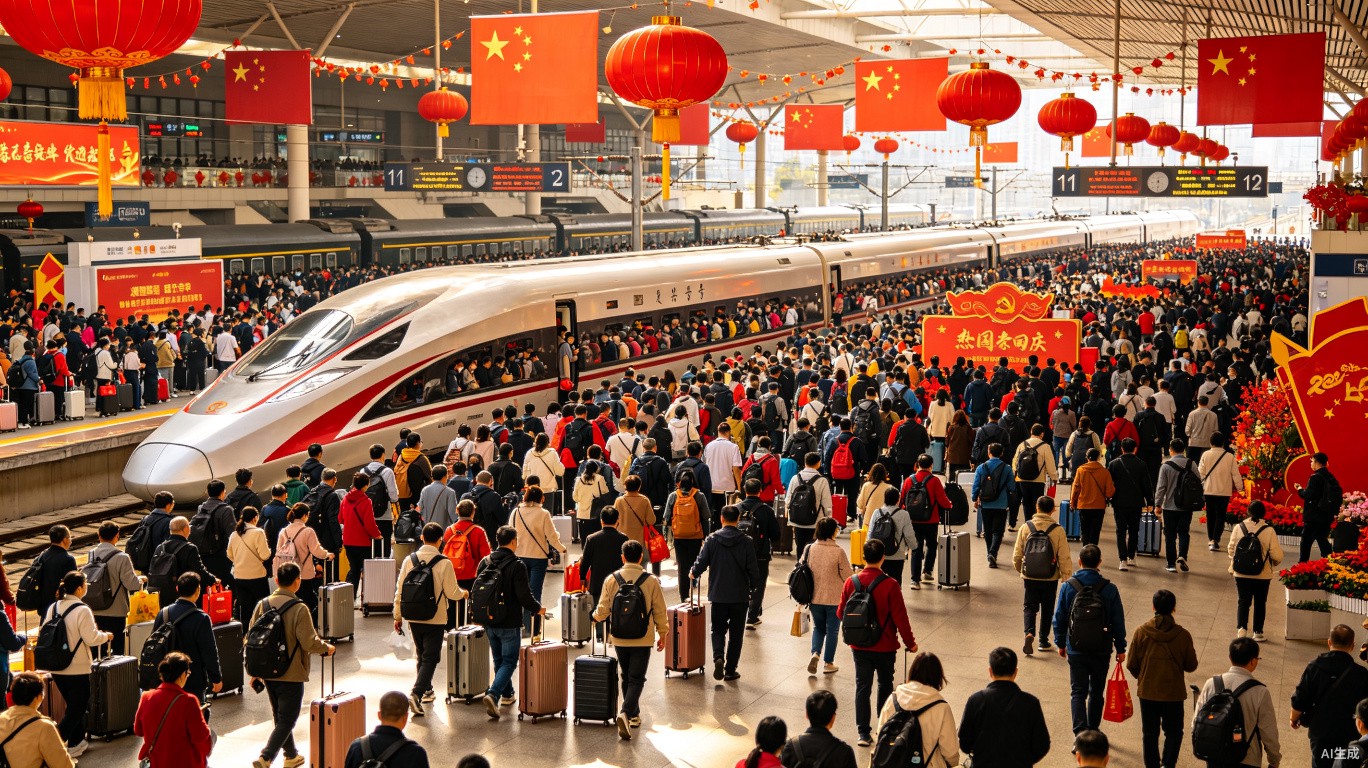
China Golden Week Travel Survival Guide
How to survive China's National Day Golden Week (October 1-7) - what to avoid, where to go, and how to beat the crowds.
9 min read
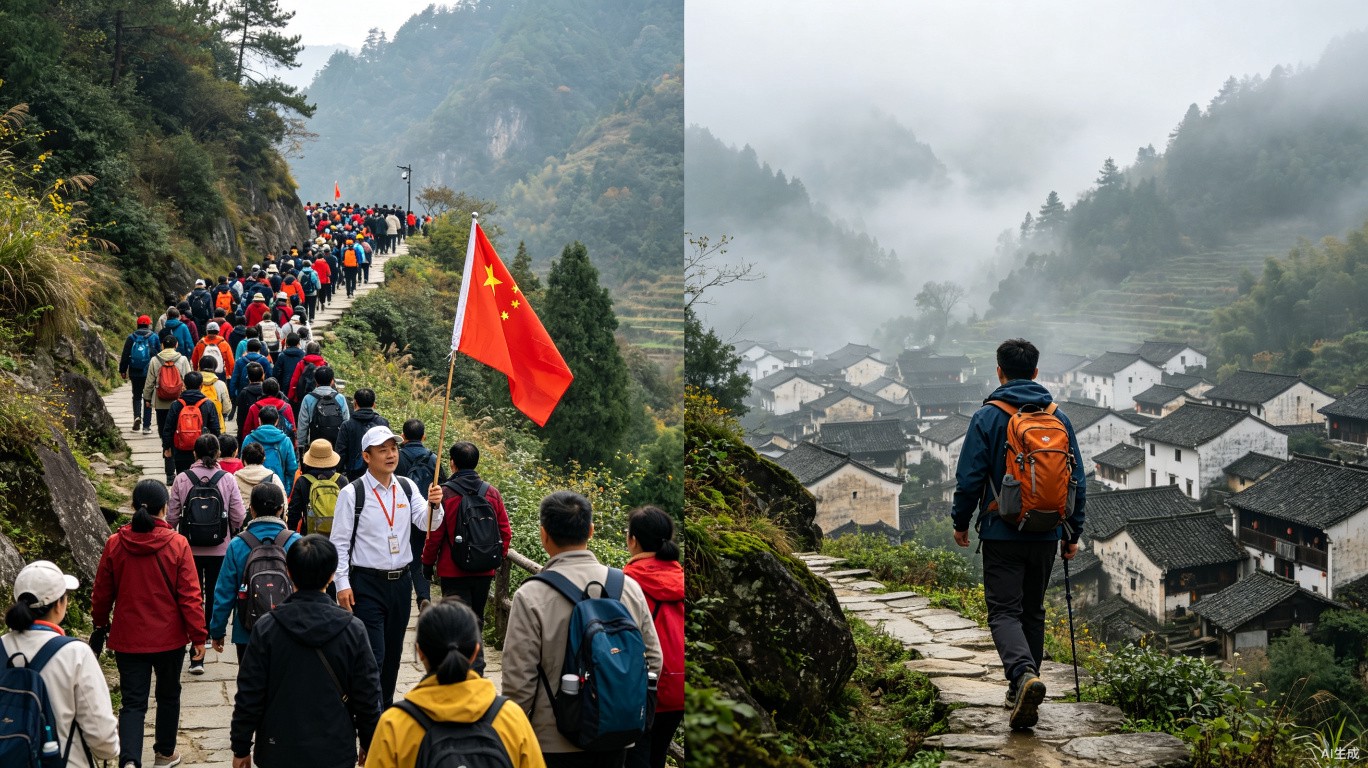
China Group Tours vs Independent Travel Which is Better
Should you join a guided tour or travel independently in China? Honest comparison of cost, flexibility, and experience.
7 min read
China Itinerary Planning: 7-Day 14-Day and 21-Day Routes: The Complete 2026 G...
Not sure how many days to spend in China? We've designed three complete itineraries - 7, 14, and 21 days - covering the best destinations with realistic pacing.
9 min read