
China Golden Week Survival Guide
China Golden Week Survival Guide: 2026 guide covers current prices, transport, payment apps, and what foreign visitors need to know.

The cab driver in Beijing laughed at me when I asked if I could avoid Golden Week traffic by leaving at 6 AM. “No,” he said, still chuckling, “everyone thinks that. You will sit with them.” He was right. I spent four hours crawling past the fifth ring road, watching families pile out of buses with selfie sticks and coolers. That was my first October in China. I’ve now survived six Golden Weeks here, and I’ve learned the hard way that this holiday is less a vacation and more a controlled demolition of your patience—unless you know exactly what you’re doing.
Golden Week (国庆黄金周) runs October 1–7 every year. It’s when 700 million Chinese people travel domestically. Trains sell out in minutes. Hotel prices triple. The Great Wall becomes a human conveyor belt. But here’s the thing: it’s also the only time many people can visit China, and the country puts on a show. Red flags everywhere. Lantern festivals. Fireworks. If you plan right, you can dodge the worst crowds and actually enjoy the chaos.
This guide covers everything a first-time international tourist needs: when to book, where to go (and where not to), how to buy train tickets before they vanish, and the specific tools you’ll need on your phone. I’ve included prices in USD and CNY, exact metro stations, and the mistakes I’ve made so you don’t have to.
Quick answer
Golden Week (October 1–7, 2026) is China’s busiest travel period. Avoid major tourist attractions like the Great Wall, Forbidden City, and West Lake unless you book tickets at least two weeks in advance. Instead, visit smaller cities like Chengdu, Kunming, or Guilin, or stay in one city and explore neighborhoods most tourists skip. Book all trains and flights 30 days ahead. Get a VPN working before you arrive—China’s internet blocks Google, WhatsApp, and Instagram.
The Short Version
If you have 90 seconds: Golden Week is not the time to “see China.” It’s the time to pick one city and dig deep. Beijing and Shanghai will be packed. Xi’an will be a line for the Terracotta Warriors. Instead, go to Chengdu for the food, Kunming for the weather, or Guilin for the scenery. Book everything 30 days out. Get WeChat Pay and Alipay set up before you land. And for the love of all that is holy, do not go to the Great Wall on October 2.
How I Picked These
I’ve lived in Beijing since 2019. I’ve traveled through China 40+ times, including three Golden Weeks. I’ve stood in the Forbidden City queue for two hours. I’ve slept on a train floor because I didn’t book early enough. I’ve also found the empty side streets, the local noodle shops that don’t raise prices, and the parks where families picnic instead of tourists crowd. This list comes from those experiences, plus conversations with taxi drivers, hostel owners, and friends who grew up here. I’m not a guidebook writer. I’m someone who has made every mistake and wants you to make fewer.
Comparison Table
| Rank | Place | Best For | Approx Cost (USD) | Time Needed | When to Go |
|------|-------|----------|-------------------|-------------|------------|
| 1 | Chengdu | Food, pandas, relaxed pace | $40–$60/day | 3–4 days | Oct 2–5 (crowds manageable) |
| 2 | Kunming | Mild weather, flower markets, day trips | $35–$50/day | 3–4 days | Oct 1–7 (best weather) |
| 3 | Guilin/Yangshuo | Karst scenery, cycling, river views | $30–$45/day | 4–5 days | Oct 3–7 (post-peak) |
| 4 | Xi’an | History, Terracotta Warriors, Muslim Quarter | $35–$55/day | 2–3 days | Oct 5–7 (later is better) |
| 5 | Beijing | Forbidden City, Great Wall (if you must) | $50–$80/day | 4–5 days | Oct 6–7 (avoid first 5 days) |
| 6 | Shanghai | Modern China, Bund, food scene | $55–$85/day | 3–4 days | Oct 1 or Oct 7 (edges of week) |
| 7 | Hangzhou | West Lake, tea plantations, canals | $40–$60/day | 2–3 days | Oct 6–7 (avoid mid-week) |
| 8 | Lijiang | Old town, Naxi culture, mountain views | $30–$50/day | 3–4 days | Oct 3–6 (crowded but scenic) |
| 9 | Zhangjiajie | Glass bridges, Avatar mountains, hiking | $35–$55/day | 3–4 days | Oct 5–7 (post-peak) |
| 10 | Suzhou | Classical gardens, canals, silk | $30–$45/day | 2–3 days | Oct 1 or Oct 7 |
Chengdu – The Food Capital That Doesn’t Care About Golden Week
I walked into a tiny noodle shop near Wenshu Monastery at 8 PM on October 3. The owner was watching a drama on his phone. Two old men were playing chess in the corner. No line. No tourists. Just the smell of chili oil and Sichuan pepper. That’s Chengdu during Golden Week—the crowds are real, but they’re mostly Chinese tourists, and the city is big enough to absorb them.
Chengdu is special because it’s a city that lives for food and leisure. The pandas at the Chengdu Research Base are active in the morning, and the base manages crowds well with timed entry. The Jinli Ancient Street gets packed, but the side alleys around Kuanzhai Alley are quiet. And the food—mapo tofu, dan dan noodles, hot pot—is cheap and everywhere.
📍 Location: Jinjiang District, near Wenshu Monastery and Kuanzhai Alley
🎫 Entry fee: Panda Base $10 (¥70); Wenshu Monastery free; Jinli Ancient Street free
🕒 Opening hours: Panda Base 7:30 AM–6 PM; Wenshu Monastery 8 AM–5 PM
🚇 How to get there: Take Metro Line 1 to Wenshu Monastery Station, Exit B. Walk 5 minutes east. For Panda Base, take Metro Line 3 to Panda Avenue Station, then shuttle bus.
⏰When to visit: Go to Panda Base at 7:30 AM sharp. Visit Kuanzhai Alley at 9 PM after crowds thin.
💡 Insider tips: 1) The hot pot street near Wenshu Monastery has better food than the tourist areas. 2) Bring a translation app—English is not common in small restaurants. 3) WeChat Pay works everywhere. 4) Skip Jinli on October 2–3. 5) Try the rabbit head at 老妈兔头 (Lao Ma Tu Tou)—it’s a local obsession.
I ate three bowls of dan dan noodles in one day. The third one, at a stall with no English sign, was the best. The owner saw me sweating from the spice and brought me a cold tea without asking.
Kunming – The City of Eternal Spring (No Crowds)
The air in Kunming smells like flowers and rain. I arrived on October 2 and walked through the Green Lake Park. Old couples were dancing. A man was flying a kite shaped like a dragon. There were tourists, sure, but not the shoulder-to-shoulder crush of Beijing. Kunming is the Golden Week hack nobody talks about.
Why it’s special: Kunming has the best weather in China during October—20°C (68°F), sunny, low humidity. The Flower Market is the largest in Asia, and it’s open 24 hours. The Stone Forest is a 90-minute bus ride away and is far less crowded than other natural attractions. The city itself is walkable, cheap, and has incredible cross-border cuisine from Myanmar and Laos.
📍 Location: Wuhua District, near Green Lake Park and Flower Market
🎫 Entry fee: Green Lake Park free; Flower Market free; Stone Forest $15 (¥100)
🕒 Opening hours: Flower Market open 24 hours; Stone Forest 8 AM–6 PM
🚇 How to get there: From Kunming Airport, take Metro Line 6 to Tangzixiang Station, then transfer to Line 3 to Wuyi Road Station. Green Lake is a 10-minute walk.
⏰When to visit: Flower Market is best at 10 PM when wholesale buyers arrive. Stone Forest before 9 AM.
💡 Insider tips: 1) Buy flowers at the market for $1–$3—they’re cheaper than bottled water. 2) The Yunnan Rice Noodles (过桥米线) at 桥香园 are the real deal. 3) English is limited outside hotels. 4) Kunming is a good base for Dali and Lijiang if you want day trips. 5) The bus to Stone Forest leaves from the East Bus Station every 30 minutes.
I bought a bouquet of roses for $2 at the Flower Market at midnight. The seller, a woman named Li, gave me an extra bunch because I was the only foreigner there.
Guilin and Yangshuo – The Postcard View Without the Postcard Crowds
I rented a bicycle in Yangshuo on October 4 and rode along the Yulong River. The rice paddies were gold. The karst peaks rose out of the mist. I passed one other tourist in two hours. Everyone else was on the Li River cruise, which was packed. The secret is to skip the boat and take the back roads.
Guilin and Yangshuo are famous for the limestone karst landscape that looks like a Chinese painting. During Golden Week, the Li River cruise is a nightmare—long lines, expensive tickets, and crowds. But the countryside around Yangshuo is empty. Rent a bike or an e-scooter and explore the villages. The Xianggong Mountain viewpoint is worth the hike.
📍 Location: Yangshuo County, 1 hour from Guilin
🎫 Entry fee: Li River cruise $50 (¥350); Yulong River bamboo raft $20 (¥140); Xianggong Mountain $8 (¥55)
🕒 Opening hours: Xianggong Mountain 6 AM–6 PM; Yulong River rafts 8 AM–5 PM
🚇 How to get there: Take a high-speed train from Guilin to Yangshuo Station (30 minutes, $10/¥70). From the station, take bus #5 to West Street.
⏰When to visit: Xianggong Mountain at sunrise (6 AM). Yulong River at 3 PM on a weekday.
💡 Insider tips: 1) Rent an e-scooter for $10/day—it’s the best way to explore. 2) Skip the Li River cruise entirely. 3) Eat beer fish (啤酒鱼) at a local restaurant, not a tourist one. 4) The Moon Hill hike is free and has great views. 5) Bring cash—some rural stalls don’t take WeChat Pay.
I fell off my e-scooter into a rice paddy. A farmer helped me pull it out, laughed, and then invited me for tea at his house. His wife made the best noodles I’ve ever had.
Xi’an – The Terracotta Warriors Are Worth It (If You Time It Right)
I arrived at the Terracotta Warriors at 3 PM on October 6. The crowd was thin. I walked through Pit 1 alone for a few minutes. The soldiers stared back in silence. Earlier that week, my friend had gone on October 2 and said it was like a subway station at rush hour. Timing is everything.
Xi’an is the ancient capital, home to the Terracotta Warriors, the City Wall, and the Muslim Quarter. The warriors are incredible—2,000-year-old life-sized statues, each with a different face. But the site is small and gets overwhelmed. Go late in the day or on the last days of Golden Week. The Muslim Quarter is busy but worth it for the food: lamb skewers, biang biang noodles, and persimmon cakes.
📍 Location: Lintong District, 1 hour from Xi’an city center
🎫 Entry fee: Terracotta Warriors $20 (¥140); City Wall $8 (¥55); Muslim Quarter free
🕒 Opening hours: Terracotta Warriors 8:30 AM–5:30 PM; City Wall 8 AM–10 PM
🚇 How to get there: Take Metro Line 9 to Terracotta Warriors Station, Exit C. Then take bus 306 or a taxi (15 minutes, $3/¥20).
⏰When to visit: Terracotta Warriors at 3 PM on October 6 or 7. City Wall at sunset.
💡 Insider tips: 1) Book tickets on the official WeChat mini-program “秦始皇帝陵博物院” two weeks ahead. 2) Skip the electric cart inside the site—walking is faster. 3) The Muslim Quarter is best at 10 PM when it’s less crowded. 4) Try the sour soup dumplings (酸汤水饺) at 回民街. 5) The City Wall bike rental is $5 (¥35) for 2 hours.
A taxi driver named Liu told me that the warriors were discovered by a farmer digging a well in 1974. He pointed at the old man signing autographs near the exit. “That’s him,” he said. “He still comes here every day.”
Beijing – The Capital You Can’t Avoid (But Can Survive)
I live here, so I’m biased. But Beijing during Golden Week is a test of will. The Forbidden City sells out weeks in advance. The Great Wall at Badaling is a human traffic jam. But if you know where to go—the Mutianyu section of the Great Wall, the hutongs around Nanluoguxiang, the Temple of Heaven at 6 AM—you can find peace.
Beijing is special because it has layers. The Forbidden City is the center, but the city is full of hidden temples, quiet parks, and incredible food. During Golden Week, avoid the top five attractions and explore the second tier: the Summer Palace (less crowded than the Forbidden City), the 798 Art District (always quiet), and the hutongs near Gulou.
📍 Location: Dongcheng District (Forbidden City, hutongs); Huairou District (Mutianyu Great Wall)
🎫 Entry fee: Forbidden City $10 (¥70); Mutianyu Great Wall $7 (¥50); Temple of Heaven $5 (¥35)
🕒 Opening hours: Forbidden City 8:30 AM–5 PM (closed Mondays); Mutianyu 7:30 AM–5:30 PM
🚇 How to get there: Forbidden City: Metro Line 1 to Tiananmen East Station, Exit B. Mutianyu: Take bus 916 from Dongzhimen Station to Huairou, then shuttle.
⏰When to visit: Mutianyu at 7:30 AM on October 7. Forbidden City on October 1 (opening day, less crowded than mid-week).
💡 Insider tips: 1) Book Forbidden City tickets on the official website 10 days ahead—they sell out. 2) Mutianyu has a toboggan ride down the wall. 3) The hutong tours near Shichahai are better than the ones in Nanluoguxiang. 4) Peking duck at 大董 (Da Dong) is expensive but worth it. 5) Get a VPN before you come—Google Maps doesn’t work here.
I watched a group of Chinese tourists help an elderly woman climb the Great Wall steps at Mutianyu. She was crying with joy at the top. That’s the moment Golden Week makes sense.
Shanghai – The Modern City That Never Sleeps (But Gets Tired)
Shanghai during Golden Week is like New York on Thanksgiving—half the locals leave, and the tourists take over. The Bund is packed. The Oriental Pearl Tower has a two-hour line. But the city’s energy is unmatched. I walked through the French Concession on October 1 and found a quiet café with no line. The secret is to stay away from the main attractions.
Shanghai is special for its mix of old and new: the Art Deco buildings on the Bund, the neon lights of Pudong, the tree-lined streets of the French Concession. During Golden Week, skip the Bund at night and go to the Huangpu River promenade in Pudong for a better view. The Yu Garden is a madhouse—avoid it.
📍 Location: Huangpu District (Bund, French Concession); Pudong (skyline)
🎫 Entry fee: Bund free; Oriental Pearl Tower $15 (¥100); Yu Garden $6 (¥40)
🕒 Opening hours: Bund 24 hours; Oriental Pearl Tower 8 AM–9:30 PM; Yu Garden 8:30 AM–5 PM
🚇 How to get there: Bund: Metro Line 2 to East Nanjing Road Station, Exit 1. French Concession: Metro Line 10 to Xintiandi Station.
⏰When to visit: Bund at 6 AM for sunrise. French Concession on a weekday afternoon.
💡 Insider tips: 1) The best view of the Bund is from the bar at the Waldorf Astoria. 2) Skip the tourist restaurants on the Bund—eat in the French Concession instead. 3) Xintiandi is overpriced and crowded. 4) The Shanghai Museum is free and rarely packed. 5) Use Alipay for metro tickets.
I ate soup dumplings (xiaolongbao) at a hole-in-the-wall in the French Concession. The owner, a woman in her 60s, told me she’d been making them for 40 years. They were the best I’ve ever had.
Hangzhou – West Lake Is Beautiful (But Not on October 3)
I made the mistake of going to West Lake on October 3 once. Never again. The path around the lake was a slow-moving river of people. But I came back on October 6 and found the same lake empty. The mist was rising off the water. The willows were swaying. It was the postcard I’d been promised.
Hangzhou is famous for West Lake, a UNESCO World Heritage site that inspired Chinese poets and painters for centuries. The lake is surrounded by temples, pagodas, and tea plantations. During Golden Week, the lake is the problem. But the tea villages outside the city—Longjing Village, Meijiawu—are quiet and beautiful.
📍 Location: Xihu District (West Lake); Longjing Village (20 minutes from city center)
🎫 Entry fee: West Lake free; Lingyin Temple $8 (¥55); Longjing Village free
🕒 Opening hours: West Lake 24 hours; Lingyin Temple 7 AM–5:30 PM
🚇 How to get there: West Lake: Metro Line 1 to Longxiangqiao Station, Exit C. Longjing Village: Bus 27 from the city center.
⏰When to visit: West Lake at 6 AM on October 6 or 7. Longjing Village on a weekday morning.
💡 Insider tips: 1) Rent a bike to circle West Lake—it’s 10 km. 2) The tea in Longjing Village is expensive but authentic. 3) Skip the Leifeng Pagoda—it’s a modern rebuild. 4) Eat Dongpo pork (东坡肉) at 楼外楼. 5) The bamboo-lined path near the lake is empty at sunrise.
I sat on a bench by West Lake at 6 AM. An old man was practicing tai chi nearby. A heron stood in the water, motionless. For 20 minutes, it was just the three of us.
Lijiang – The Old Town That’s Still Magical (If You Leave the Main Street)
Lijiang’s Old Town is a UNESCO site, and during Golden Week, it’s a UNESCO nightmare. The main street, Sifang Street, is packed with tourists buying the same scarves and silver jewelry. But I walked 200 meters off the main path and found a canal with no one around. The water was clear. The willows hung low. It felt like the old Lijiang.
Lijiang is special because of its Naxi culture, ancient canals, and views of Jade Dragon Snow Mountain. The Old Town is beautiful but commercialized. The real magic is in the side streets, the Black Dragon Pool, and the villages outside the city.
📍 Location: Old Town, Lijiang; Shuhe Ancient Town (20 minutes away)
🎫 Entry fee: Old Town free (¥80/¥11 for maintenance fee, rarely enforced); Black Dragon Pool $5 (¥35)
🕒 Opening hours: Old Town 24 hours; Black Dragon Pool 7 AM–7 PM
🚇 How to get there: From Lijiang Airport, take bus #1 to the Old Town (1 hour, $5/¥35). Or take a taxi for $15 (¥100).
⏰When to visit: Old Town at 7 AM. Black Dragon Pool at sunrise for the mountain reflection.
💡 Insider tips: 1) Stay in Shuhe Ancient Town instead of the Old Town—quieter and cheaper. 2) The Naxi music performance at the Dongba Palace is worth $10. 3) Skip the tourist restaurants on Sifang Street. 4) The Jade Dragon Snow Mountain cable car books out days in advance—book on WeChat. 5) Altitude is 2,400m—take it easy on day one.
I got lost in the Old Town at midnight. A shop owner named Zhao saw me looking confused and walked me back to my hostel. He refused a tip. “You are guest,” he said.
Zhangjiajie – The Avatar Mountains Are Real (But So Are the Lines)
Zhangjiajie National Forest Park is where the floating mountains in Avatar came from. They’re real. And they’re incredible. But the glass bridge and the Bailong Elevator have lines that can stretch three hours during Golden Week. I went on October 5 and waited 45 minutes for the elevator. Not bad.
Zhangjiajie is special because the quartzite sandstone pillars look like they belong on another planet. The park is huge—you can spend three days here and not see everything. The key is to avoid the main entrance and use the less popular gates.
📍 Location: Wulingyuan District, Zhangjiajie
🎫 Entry fee: National Forest Park $30 (¥200); Glass Bridge $20 (¥140); Bailong Elevator $10 (¥70)
🕒 Opening hours: Park 6:30 AM–6 PM; Glass Bridge 7:30 AM–5 PM
🚇 How to get there: From Zhangjiajie city, take bus to Wulingyuan Gate (40 minutes, $2/¥15). Or take a taxi for $10 (¥70).
⏰When to visit: Park at 6:30 AM. Glass bridge at 4 PM on a weekday.
💡 Insider tips: 1) Use the South Gate (Forest Park Gate) instead of the main Wulingyuan Gate—shorter lines. 2) The Yuanjiajie area has the best pillar views. 3) Skip the glass bridge if you’re afraid of heights—it’s not worth the wait. 4) Bring rain gear—the weather changes fast. 5) The cable car to Tianmen Mountain is a separate ticket and equally crowded.
I stood on the glass bridge and looked down. A Chinese grandmother was taking a selfie without looking at the drop. She was braver than me.
Suzhou – The Gardens That Teach You Patience
Suzhou’s classical gardens are designed to be experienced slowly. A path curves. A rock hides a view. A window frames a tree. During Golden Week, the gardens are full of people moving fast, taking photos, and missing the point. I sat in the Humble Administrator’s Garden for an hour, watching the crowd rush past. The garden didn’t care.
Suzhou is special because it’s the Venice of China—canals, stone bridges, and silk. The gardens are UNESCO-listed and represent the peak of Chinese landscape design. During Golden Week, the gardens are busy, but the canals in the Pingjiang Road area are quieter.
📍 Location: Gusu District, Suzhou
🎫 Entry fee: Humble Administrator’s Garden $10 (¥70); Lingering Garden $6 (¥40); Pingjiang Road free
🕒 Opening hours: Gardens 7:30 AM–5:30 PM; Pingjiang Road 24 hours
🚇 How to get there: From Suzhou Station, take Metro Line 4 to Beisita Station, Exit 1. Walk 10 minutes east.
⏰When to visit: Humble Administrator’s Garden at 7:30 AM. Pingjiang Road at 10 PM.
💡 Insider tips: 1) Book garden tickets on the WeChat mini-program “苏州园林” a week ahead. 2) The Suzhou Museum (free) is designed by I.M. Pei and rarely crowded. 3) Eat xiaolongbao at 同得兴. 4) The canals near Shantang Street are more authentic than Pingjiang Road. 5) Buy silk at the Silk Museum—it’s cheaper than the tourist shops.
I watched a gardener in the Humble Administrator’s Garden trim a bonsai tree with scissors smaller than my thumb. He worked for 20 minutes on one branch. That’s the patience Suzhou teaches you.
FAQ summary
Golden Week (October 1–7, 2026) is China’s busiest travel period, with 700 million domestic tourists. Book all trains, flights, and attraction tickets at least 30 days in advance, especially for the Forbidden City, Terracotta Warriors, and Zhangjiajie. A VPN is essential for accessing Google, WhatsApp, and Instagram. WeChat Pay and Alipay are required for most transactions. Avoid major attractions on October 2–4; visit smaller cities like Chengdu, Kunming, or Guilin instead. The best strategy is to pick one city and explore it deeply rather than trying to see multiple destinations.
FAQ
Q: Do I need a visa for China in 2026?
A: Citizens of 54 countries, including the US, UK, Canada, Australia, and most EU nations, can enter visa-free for up to 15 days if traveling through a major port city like Beijing, Shanghai, or Guangzhou. This policy is called the 144-hour transit visa waiver. For longer stays, apply for a tourist visa (L visa) at least 4 weeks ahead. Check the Chinese embassy website for your country.
Q: How do I buy train tickets during Golden Week?
A: Use the official app 12306 (Chinese only) or a third-party service like Trip.com. Tickets go on sale 15 days in advance for regular trains and 30 days for high-speed trains. They sell out in hours for popular routes like Beijing–Shanghai or Xi’an–Chengdu. Book the moment they release. You’ll need your passport number.
Q: Is it safe to travel alone during Golden Week?
A: Yes, China is one of the safest countries for solo travelers. Petty theft exists in crowded areas, but violent crime is rare. The bigger risk is getting lost or missing your train. Keep your phone charged, download offline maps (Maps.me works without VPN), and carry your hotel address in Chinese.
Q: What apps do I need on my phone?
A: WeChat (for messaging and payments), Alipay (for payments and metro tickets), Didi (Chinese Uber), 12306 (train tickets), and a VPN app (like ExpressVPN or NordVPN). Install the VPN before you leave—China blocks VPN websites. Google Maps doesn’t work; use Apple Maps or Baidu Maps (Chinese only).
Q: How much cash should I carry?
A: Very little. China is nearly cashless. WeChat Pay and Alipay are accepted everywhere, from street stalls to temples. Carry about $50 (¥350) in cash for emergencies or rural areas. Most ATMs accept international cards, but they charge fees.
Q: What if I don’t speak Chinese?
A: English is not widely spoken outside hotels and major attractions. Use a translation app like Google Translate (download offline packs before you go) or Pleco. Learn a few phrases: 谢谢 (xièxie, thank you), 多少钱 (duōshao qián, how much), and 这个 (zhège, this one). Pointing and smiling works surprisingly well.
Q: Can I use my SIM card in China?
A: International roaming works but is expensive. Buy a local SIM card at the airport—China Mobile, China Unicom, and China Telecom offer tourist SIMs for about $20 (¥140) for 7 days with 10GB of data. You’ll need your passport to register. The SIM works with a VPN.
The Honest Wrap-up
This list is for the traveler who wants to see China without losing their mind. It’s not for the person who wants to “do China in 7 days”—Golden Week is the wrong time for that. It’s for the person who picks one city, slows down, and lets the country surprise them. I’ve had my best moments in China during the chaos: the random tea invitation, the wrong turn that led to a temple, the meal shared with strangers who didn’t speak my language.
If you’re about to book the flight, here’s my advice: don’t try to see everything. Pick Chengdu or Kunming or Guilin. Stay for the whole week. Eat the street food. Get lost. And when the crowds feel overwhelming, remember that 1.4 billion people call this place home. You’re just visiting. Enjoy the ride.
Related Guides
Looking for more China travel guides? These match your topic:
- Best Time to See Cherry Blossoms in China 2026
- Best Time to Visit China: Month-by-Month Guide
- China Etiquette: Cultural Do’s and Don’ts for Foreigners: The Complete 2026 G…
- China Golden Week Travel Survival Guide
- China Group Tours vs Independent Travel Which is Better
- China Itinerary Planning: 7-Day 14-Day and 21-Day Routes: The Complete 2026 G…
Topics
More guides you may like
Best Time to See Cherry Blossoms in China 2026
Best Time to See Cherry Blossoms in China: 2026 guide covers current prices, transport, payment apps, and what foreign visitors need to know.
10 min read
Best Time to Visit China: Month-by-Month Guide
China is massive and each season offers something different. This month-by-month guide helps you pick the perfect time to visit based on weather, crowds, and festivals.
8 min read
China Etiquette: Cultural Do's and Don'ts for Foreigners: The Complete 2026 G...
China has unique social customs that can confuse first-time visitors. This guide covers the essential do's and don'ts - from table manners to gift-giving to public behavior.
9 min read
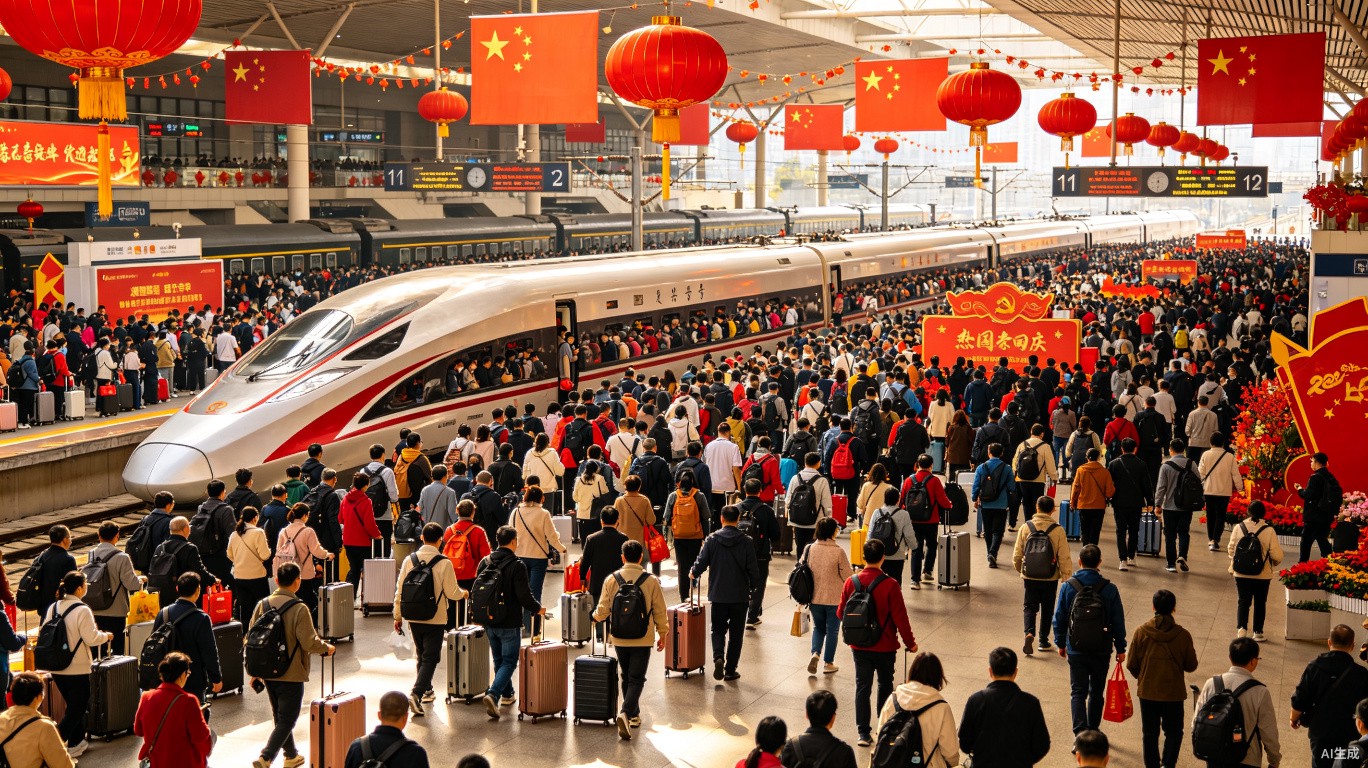
China Golden Week Travel Survival Guide
How to survive China's National Day Golden Week (October 1-7) - what to avoid, where to go, and how to beat the crowds.
9 min read
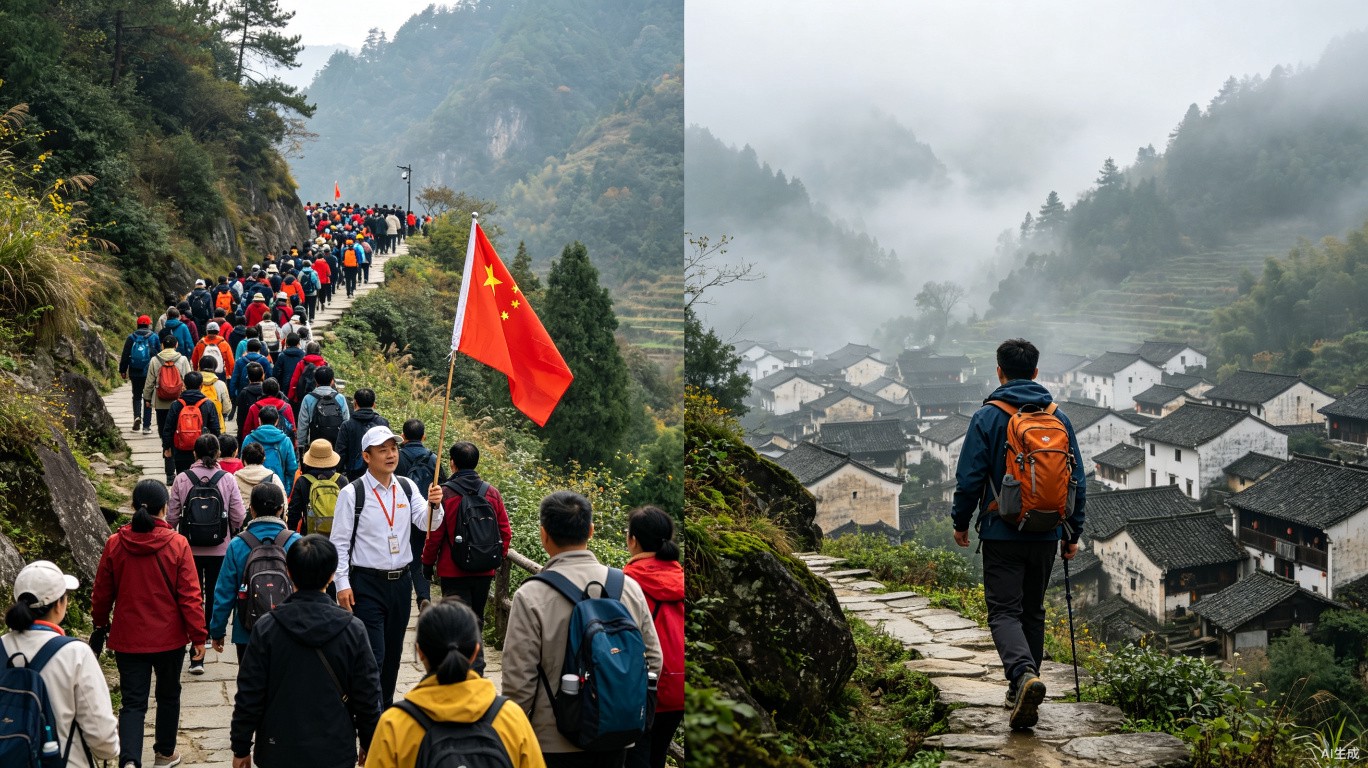
China Group Tours vs Independent Travel Which is Better
Should you join a guided tour or travel independently in China? Honest comparison of cost, flexibility, and experience.
7 min read
China Itinerary Planning: 7-Day 14-Day and 21-Day Routes: The Complete 2026 G...
Not sure how many days to spend in China? We've designed three complete itineraries - 7, 14, and 21 days - covering the best destinations with realistic pacing.
9 min read