
China Public Transportation Tourist Guide
China Public Transportation Tourist Guide: 2026 guide covers current prices, transport, payment apps, and what foreign visitors need to know.
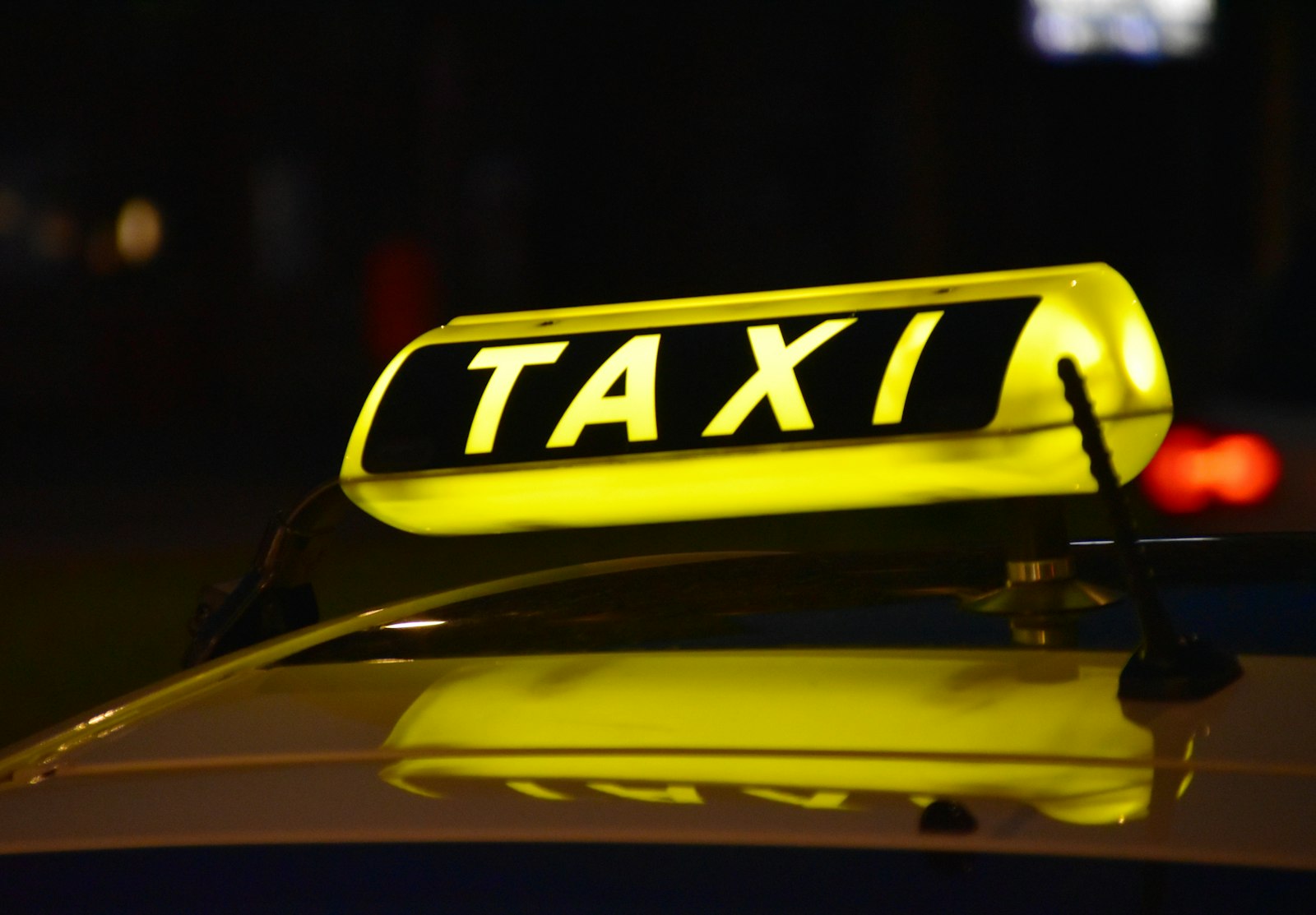
The cab driver laughed at me when I asked if I could just wave down any bus in Beijing. He was mid-bite into his breakfast jianbing, the crispy crepe folded around egg and chili sauce, and he actually snorted. “Good luck,” he said, wiping his mouth. “You’ll end up in Hebei.” That was my first week in China, seven years ago. I did end up in Hebei once, actually. The bus system here is a beast —massive, efficient, and utterly confusing to newcomers. But once you crack the code, it’s the cheapest, fastest way to see this country without a tour guide holding your hand.
I’ve since ridden everything from a squeaky subway in Chengdu to a sleeper train across the Gobi Desert, from a high-speed rail that hit 350 km/h to a rickety local bus in Yunnan where a chicken sat on my backpack. This guide is everything I wish someone had told me before that first cab ride. No fluff. Just the stuff that actually matters.
Quick answer
Yes, China’s public transportation is safe, cheap, and English-friendly in major cities. First-time tourists can use the subway and high-speed rail without speaking Mandarin, as long as they have a VPN (Google Maps is blocked), a translation app, and Alipay or WeChat Pay set up. The biggest mistake newcomers make is assuming taxis are the easiest option —they’re often the slowest and most expensive.
The Short Version
If you remember nothing else: download Alipay and link your credit card before you arrive. It handles subway tickets, bus fares, and train bookings. Buy a China Unicom or China Mobile SIM at the airport —don’t rely on roaming. And for the love of everything, get a VPN working before you land, because Google Maps, WhatsApp, Instagram, and most Western websites are blocked. Without these three things, you’ll be stuck.
How I Picked These
I didn’t Google this. I lived it. Seven years in Beijing, four cross-country road trips, two train journeys from Shanghai to Lhasa, and countless weekends where I just picked a random city and figured out the bus system on arrival. I’ve argued with ticket agents who didn’t speak English, missed the last subway and walked home at 2 AM, and once accidentally took a “slow train” instead of a “high-speed train” —that was a 14-hour lesson. Every recommendation here comes from actual experience, not a travel blog roundup.
Comparison Table
| Rank | Place | Best For | Approx Cost (USD) | Time Needed | When to Go |
|------|-------|----------|-------------------|-------------|------------|
| 1 | Beijing Subway | First-time subway experience | $0.55-$1.40 (4-10 CNY) | 30 min per ride | Weekday mornings, avoid rush hour |
| 2 | Shanghai Maglev | Speed thrill | $8 (55 CNY) one-way | 7.5 min | Any time, but go early for empty trains |
| 3 | High-Speed Rail (Beijing-Shanghai) | Long-distance travel | $80-$120 (550-850 CNY) | 4.5 hours | Book 2 weeks ahead for holidays |
| 4 | Chengdu Metro | Ease of use | $0.40-$1.10 (3-8 CNY) | 20 min per ride | Off-peak, 10 AM-4 PM |
| 5 | Guangzhou Bus Rapid Transit | Cheap city travel | $0.30 (2 CNY) | 15-30 min | Weekdays, avoid 5-7 PM |
| 6 | Xi’an Subway | Tourist-friendly routes | $0.40-$1.10 (3-8 CNY) | 25 min per ride | Morning, before 11 AM |
| 7 | Hangzhou Public Bikes | Short trips | Free first hour, then $0.15/hr (1 CNY) | 30-60 min | Spring or autumn, sunny days |
| 8 | Hong Kong MTR | English signage | $1-$3 (8-20 HKD) | 15-30 min per ride | Any time, very frequent |
| 9 | Lhasa Train (Qinghai-Tibet) | Scenic journey | $60-$100 (400-700 CNY) | 20-22 hours | May-October for best views |
| 10 | Kunming Long-Distance Bus | Rural access | $5-$15 (35-100 CNY) | 2-6 hours | Dry season (Nov-April) |
1. Beijing Subway —The One You’ll Use Most
I remember my first time navigating the Beijing subway. I stood at Guomao station, staring at a map that looked like a plate of multicolored spaghetti. A woman in a red uniform tapped my shoulder and pointed at the English translation below each station name. She didn’t speak a word of English, but she smiled and waited until I figured it out. That’s the Beijing subway in a nutshell: overwhelming at first, but surprisingly helpful once you’re in it.
The system has 27 lines now, covering every corner of the city. It’s clean, air-conditioned in summer (a lifesaver), and announcements are in Mandarin and English. The trains come every 2-4 minutes during peak hours. The downside? Rush hour is brutal. I’ve been packed so tight I couldn’t lift my arm to grab the overhead rail. Avoid 7:30-9 AM and 5:30-7:30 PM if you value personal space.
📍 Covers all of Beijing, but most tourist spots are on Lines 1, 2, 4, and 10
🎫 Entry fee: $0.55-$1.40 (4-10 CNY) depending on distance
🕒 5:00 AM to 11:30 PM (varies slightly by line)
🚇 Take Line 2 to Qianmen for Tiananmen Square, or Line 4 to Beigongmen for the Summer Palace. Exit A for most major attractions.
⏰Avoid holidays like National Day (Oct 1-7) when the system is packed. Weekday mornings after 10 AM are ideal.
💡 Insider tips: (1) Buy a Yikatong card at any station —it works on buses and subway, and you can refund the deposit. (2) The Beijing Subway app shows real-time crowding. (3) Don’t take photos of military areas near Tiananmen. (4) If you’re lost, look for the blue-uniformed staff —they’re trained to help foreigners. (5) You can scan Alipay directly at the turnstiles now —no ticket needed.
I once watched a guy try to swipe his hotel room key card at the turnstile for a full minute before someone showed him the QR code scanner. Don’t be that guy.
2. Shanghai Maglev —The World’s Fastest Train
The first time I rode the Maglev, I didn’t believe the speedometer. It hit 431 km/h (268 mph) and the train barely wobbled. Outside the window, cars on the highway looked like they were parked. It’s a gimmick, sure —the ride lasts only 7.5 minutes from Pudong Airport to Longyang Road station. But it’s a gimmick worth doing once.
📍 Connects Pudong International Airport to Longyang Road station in Pudong
🎫 $8 (55 CNY) one-way, or $10 (70 CNY) for a round-trip with airport ticket stub
🕒 6:45 AM to 9:30 PM, every 15-20 minutes
🚇 From Pudong Airport, follow the Maglev signs after baggage claim. At Longyang Road, transfer to Metro Lines 2, 7, 16, or 18.
⏰Any time is fine, but go early morning for fewer crowds and better photos.
💡 Insider tips: (1) Show your same-day flight ticket for a discount. (2) Sit on the right side for the best view of the city skyline. (3) The train slows down mid-route —don’t worry, it speeds back up. (4) You can buy tickets on Alipay or WeChat. (5) If you miss the last Maglev, the subway Line 2 takes 40 minutes to the airport.
I met a German engineer on this train who told me the magnetic levitation technology was originally developed in Germany but never commercialized there. China bought it and built the whole thing in three years. He seemed both impressed and annoyed.
3. High-Speed Rail (Beijing-Shanghai) —The Backbone of China Travel
This is how you cross China. Not by plane (security is a hassle, delays are common), but by high-speed rail. The Beijing-Shanghai line is the busiest in the world, carrying over 100 million passengers a year. I’ve taken it a dozen times, and it’s never been more than 10 minutes late. The seats are wider than economy class on a plane, there’s WiFi (slow but functional), and you can order food to your seat via a QR code.
📍 Beijing South Station to Shanghai Hongqiao Station
🎫 $80-$120 (550-850 CNY) for second class; first class is $130-$180 (900-1250 CNY)
🕒 Trains run from 6:00 AM to 11:00 PM, roughly every 10-20 minutes
🚇 At Beijing South, take Subway Line 4 to the station. At Shanghai Hongqiao, the subway station is directly below the train station —follow signs for Lines 2, 10, or 17.
⏰Book 2 weeks ahead for holidays (Chinese New Year, National Day). Otherwise, same-day tickets are usually available.
💡 Insider tips: (1) Download the “China Railway” app (12306) or use Ctrip/Trip.com for English booking. (2) Bring your passport to the station —you need it to collect paper tickets. (3) Food on the train is overpriced and mediocre; buy snacks at the station. (4) The quiet car (Car 5 on most trains) is enforced —no phone calls. (5) If you miss your train, you can usually rebook at the station for a small fee.
I once sat next to a retired Chinese couple who insisted on sharing their homemade baozi with me. The wife kept refilling my tea from a thermos she’d brought. By the end of the 4.5-hour ride, I’d learned more Chinese from them than in three months of classes.
4. Chengdu Metro —The Easiest for English Speakers
Chengdu’s metro system is newer than Beijing’s and, frankly, better designed for tourists. Every station has clear English signage, the maps are digital and updated in real time, and the ticket machines have an English button that actually works (unlike some older systems). I’ve watched tourists navigate it on their first try without help. That’s rare in China.
📍 Covers central Chengdu, including Jinli Ancient Street, Wuhou Shrine, and the Panda Base
🎫 $0.40-$1.10 (3-8 CNY) per ride
🕒 6:00 AM to 11:30 PM
🚇 For the Panda Base, take Line 3 to Panda Avenue station, Exit B. For Jinli, take Line 3 to Gaoshengqiao, Exit D.
⏰Weekday mornings are quiet. Avoid weekends at the Panda Base —it’s a zoo (literally and figuratively).
💡 Insider tips: (1) The Chengdu Metro app lets you buy tickets with Alipay. (2) Line 7 is a loop line —great for getting around without transfers. (3) Station staff are young and often speak basic English. (4) The metro connects to the Chengdu East Railway Station for high-speed rail. (5) If you’re going to the Panda Base, go early (before 9 AM) when the pandas are active.
I saw a French couple trying to buy tickets at a machine that only took coins. They didn’t have coins. A local student stepped in, bought the tickets with his own card, and refused to take payment. That’s Chengdu for you.
5. Guangzhou Bus Rapid Transit —Cheapest Ride in a Major City
The BRT system in Guangzhou is a bus lane on steroids. It runs along the elevated road above Zhongshan Avenue, with dedicated stations that feel like subway platforms. Buses arrive every 30 seconds during peak hours. The fare? A flat $0.30 (2 CNY) —the cheapest public transport in any Chinese first-tier city. I’ve used it to cross the city in 20 minutes when the subway would have taken 40.
📍 Runs east-west along Zhongshan Avenue, connecting Tianhe to Huangpu
🎫 $0.30 (2 CNY) flat fare
🕒 6:00 AM to 10:30 PM
🚇 Enter at any BRT station along Zhongshan Avenue. The most useful stop for tourists is Gangding, near the Tianhe shopping district.
⏰Avoid 5-7 PM if you hate crowds. Midday is fine.
💡 Insider tips: (1) You need a Yangchengtong card or Alipay QR code —no cash accepted. (2) The BRT is faster than the subway for east-west travel. (3) Station names are in English on the platform but not on the bus itself —count stops. (4) The buses are air-conditioned but can get stuffy. (5) If you miss your stop, get off at the next one and cross the pedestrian bridge to the other side.
I once took the wrong BRT bus and ended up in a suburb called Luogang. The driver noticed I looked lost and, at the next stop, walked me to the correct platform. He didn’t speak English. He just pointed and nodded until I understood.
6. Xi’an Subway —Best for Historical Sites
Xi’an’s subway is smaller than Beijing’s but perfectly designed for tourists. It connects the Muslim Quarter, the Bell Tower, and the Terracotta Warriors (via a bus transfer). The stations are clean, the trains are new, and the English signage is excellent. I’ve used it to visit the city wall, the Great Mosque, and the Shaanxi History Museum without once needing a taxi.
📍 Lines 1, 2, 3, 4, and 5 cover central Xi’an
🎫 $0.40-$1.10 (3-8 CNY)
🕒 6:00 AM to 11:30 PM
🚇 For the Muslim Quarter, take Line 2 to Zhonglou station, Exit C. For the Terracotta Warriors, take Line 9 to Huaqingchi, then bus 306.
⏰Go early (before 11 AM) to avoid the afternoon crowds at the Muslim Quarter. Weekdays are quieter.
💡 Insider tips: (1) The subway has security checks at every entrance —have your bag ready. (2) The Terracotta Warriors are 40 minutes by bus from the nearest subway stop. (3) The Muslim Quarter is walkable from Zhonglou station —no need for a taxi. (4) Buy a Xi’an subway card for convenience. (5) The Shaanxi History Museum requires a reservation —book online 2 days ahead.
I met a shopkeeper in the Muslim Quarter who told me his family has been selling persimmon cakes for four generations. He pointed at the subway entrance across the street and said, “Before the metro, only locals came. Now I sell to the whole world.”
7. Hangzhou Public Bikes —The Best Way to See West Lake
Hangzhou has one of the best public bike systems in the world. The bikes are sturdy, the docks are everywhere, and the first hour is free. I’ve spent entire afternoons cycling around West Lake, stopping for tea at a lakeside pavilion, and never spending more than a dollar. The bikes are heavy (they’re built to last, not to race), but they’re perfect for flat, scenic routes.
📍 Docks at every major intersection around West Lake and central Hangzhou
🎫 Free for the first hour, then $0.15/hr (1 CNY) after that
🕒 24/7, but bike availability is best 7 AM-9 PM
🚇 Download the “Hangzhou Public Bike” app or use Alipay’s bike-sharing feature. Scan the QR code on the bike.
⏰Spring (March-May) and autumn (September-November) are perfect. Avoid summer afternoons —it’s hot and humid.
💡 Insider tips: (1) You need a Chinese phone number to register. (2) The bikes have a basket but no lock —return them to a dock when you stop. (3) The best route is around the north and west sides of West Lake. (4) Avoid the Su Causeway on weekends —it’s packed with pedestrians. (5) If you can’t find a bike, try the next dock —they’re every 200 meters.
I once cycled to Longjing Village, the tea village outside Hangzhou, and stopped at a small farmhouse. The owner invited me in for a cup of Dragon Well tea. I stayed for two hours. The bike was still there when I came out.
8. Hong Kong MTR —The Gold Standard for English Signage
Hong Kong’s MTR is the most foreigner-friendly public transport system in China. Every sign is in English and Chinese, the announcements are clear, and the system is immaculate. It’s also expensive by Chinese standards —a ride from Central to Tsim Sha Tsui costs about $1.50 (12 HKD). But you get what you pay for: air-conditioning that actually works, seats that are comfortable, and trains that arrive every 2 minutes.
📍 Covers Hong Kong Island, Kowloon, and the New Territories
🎫 $1-$3 (8-20 HKD) per ride
🕒 5:30 AM to 1:00 AM
🚇 For Victoria Peak, take the MTR to Central station, then walk to the Peak Tram. For Tsim Sha Tsui, take the Tsuen Wan Line directly.
⏰Any time is fine. The MTR runs frequently even on weekends.
💡 Insider tips: (1) Buy an Octopus card at any station —it works on MTR, buses, ferries, and convenience stores. (2) The MTR has designated “quiet cars” on some lines. (3) The Airport Express is fast but expensive ($13/100 HKD). (4) The MTR connects to mainland China via the East Rail Line to Shenzhen. (5) You can use AlipayHK or WeChat Pay at turnstiles now.
I watched a elderly woman in Hong Kong argue with a tourist about which side of the escalator to stand on. In Hong Kong, you stand on the right, walk on the left. She was very firm about this. The tourist learned fast.
9. Lhasa Train (Qinghai-Tibet Railway) —The Most Scenic Train Ride on Earth
This is not a comfortable journey. It’s 20 hours from Xining to Lhasa, the train climbs to 5,072 meters (16,640 feet) at Tanggula Pass, and the oxygen levels are low enough that you’ll feel dizzy. But the scenery is unlike anything else on the planet. I watched the landscape shift from green grasslands to snow-capped mountains to the vast, empty Tibetan plateau. Yak herds. Turquoise lakes. Sky so blue it hurt.
📍 Xining to Lhasa (also connects to Beijing, Shanghai, and Guangzhou)
🎫 $60-$100 (400-700 CNY) for a hard sleeper; $100-$150 (700-1050 CNY) for a soft sleeper
🕒 Trains depart daily, usually in the afternoon or evening
🚇 From Xining, take a taxi to Xining Railway Station. From Lhasa, the station is 8 km south of the city center —take bus 1 or a taxi.
⏰May to October for the best views. Winter is cold and the scenery is less green.
💡 Insider tips: (1) Book a hard sleeper (six bunks per compartment) for the best balance of cost and comfort. (2) Bring snacks and water —the dining car is expensive. (3) The train has oxygen outlets at each bunk. (4) You need a Tibet Travel Permit to enter Lhasa —book through a tour agency. (5) The views are best on the right side of the train going south.
I shared a compartment with a Tibetan monk who was traveling to Lhasa for a pilgrimage. He shared his tsampa (roasted barley flour) with me and taught me how to mix it with butter tea. I made a mess. He laughed.
10. Kunming Long-Distance Bus —The Only Way to Reach Remote Villages
Kunming is the gateway to Yunnan’s rural areas —places like Dali, Lijiang, and Shangri-La. The high-speed rail covers the main routes now, but the long-distance buses still go where the trains don’t. I’ve taken a bus from Kunming to a village called Yuanyang, famous for its rice terraces. The bus was old, the road was winding, and a chicken sat on my backpack for three hours. But the view at the end was worth every bump.
📍 Kunming South Bus Station (for southern routes) and Kunming West Bus Station (for western routes)
🎫 $5-$15 (35-100 CNY) depending on distance
🕒 Buses depart from 6:00 AM to 6:00 PM, frequency varies by route
🚇 From Kunming city center, take bus 2 to Kunming South Bus Station, or bus 82 to Kunming West Bus Station.
⏰Dry season (November to April) for the best road conditions. Avoid the rainy season (June-August) when landslides can close roads.
💡 Insider tips: (1) Buy tickets at the station —online booking is unreliable for rural routes. (2) Bring motion sickness pills if you’re prone to nausea. (3) The buses stop for bathroom breaks every 2-3 hours. (4) Pack toilet paper —rural bus station bathrooms don’t have any. (5) Learn the phrase “I’m going to [place]” in Mandarin —drivers don’t speak English.
I once took a bus from Kunming to a village called Puzhehei, known for its lotus flowers. The driver stopped halfway to fix a flat tire. Everyone got out and stretched. A woman sold grilled corn from a basket. It was the best corn I’ve ever eaten.
FAQ summary
If you remember nothing else: get a VPN before you arrive, set up Alipay with a credit card, and buy a local SIM at the airport. The subway and high-speed rail are safe, cheap, and English-friendly in major cities. For rural areas, buses are the only option, but they’re an adventure.
FAQ
Q: Do I need a VPN to use public transport in China?
A: Yes. Google Maps, WhatsApp, Instagram, and most Western websites are blocked. Without a VPN, you can’t navigate, message home, or check train schedules online. Set it up before you arrive —the Chinese firewall blocks most VPNs once you’re in the country.
Q: Can I use my foreign credit card to buy subway tickets?
A: Rarely. Most ticket machines only accept Alipay, WeChat Pay, or cash (coins and small bills). Set up Alipay with your foreign credit card before you travel. It works at almost every subway station now.
Q: Is the high-speed rail safe for solo female travelers?
A: Yes. I’ve traveled alone on high-speed rail dozens of times. The trains are clean, well-lit, and have security cameras. Staff are helpful. The only issue is luggage —the overhead racks are high, so ask someone for help.
Q: How do I buy train tickets without a Chinese phone number?
A: Use Trip.com (formerly Ctrip) —it accepts foreign credit cards and phone numbers. You’ll need to collect paper tickets at the station using your passport. Alternatively, some stations now accept e-tickets scanned from your phone.
Q: What happens if I miss the last subway?
A: Taxis are available but expensive. In major cities, ride-hailing apps like Didi (China’s Uber) work —set it up with Alipay. In smaller cities, you might need to walk or find a hotel nearby.
Q: Do I need to speak Mandarin to use public transport?
A: In major cities, no. Subway signs are in English, and station staff often know basic phrases. In rural areas, yes —download a translation app (Pleco or Google Translate with offline packs) and learn a few phrases.
Q: Is it safe to take long-distance buses at night?
A: Generally yes, but I’d avoid it. Night buses on winding mountain roads can be uncomfortable and occasionally dangerous. Take the daytime bus or the high-speed rail instead.
The Honest Wrap-up
This guide is for the traveler who wants to see China on their own terms, not through the window of a tour bus. If you’re the type who likes everything planned and predictable, stick with taxis and private drivers. But if you’re willing to get lost, make mistakes, and eat grilled corn on the side of a mountain road, public transport is the way to go.
My final piece of advice: buy the ticket, get on the train, and trust that it’ll work out. China’s transport system is built to move millions of people every day. You’re just one more. And if you end up in Hebei like I almost did, well, that’s a story you’ll tell for years.
Related Guides
Looking for more China travel guides? These match your topic:
- Best Time to See Cherry Blossoms in China 2026
- Best Time to Visit China: Month-by-Month Guide
- China Etiquette: Cultural Do’s and Don’ts for Foreigners: The Complete 2026 G…
- China Golden Week Travel Survival Guide
- China Group Tours vs Independent Travel Which is Better
- China Itinerary Planning: 7-Day 14-Day and 21-Day Routes: The Complete 2026 G…
Topics
More guides you may like

Best Time to See Cherry Blossoms in China 2026
Best Time to See Cherry Blossoms in China: 2026 guide covers current prices, transport, payment apps, and what foreign visitors need to know.
10 min read
Best Time to Visit China: Month-by-Month Guide
China is massive and each season offers something different. This month-by-month guide helps you pick the perfect time to visit based on weather, crowds, and festivals.
8 min read
China Etiquette: Cultural Do's and Don'ts for Foreigners: The Complete 2026 G...
China has unique social customs that can confuse first-time visitors. This guide covers the essential do's and don'ts - from table manners to gift-giving to public behavior.
9 min read
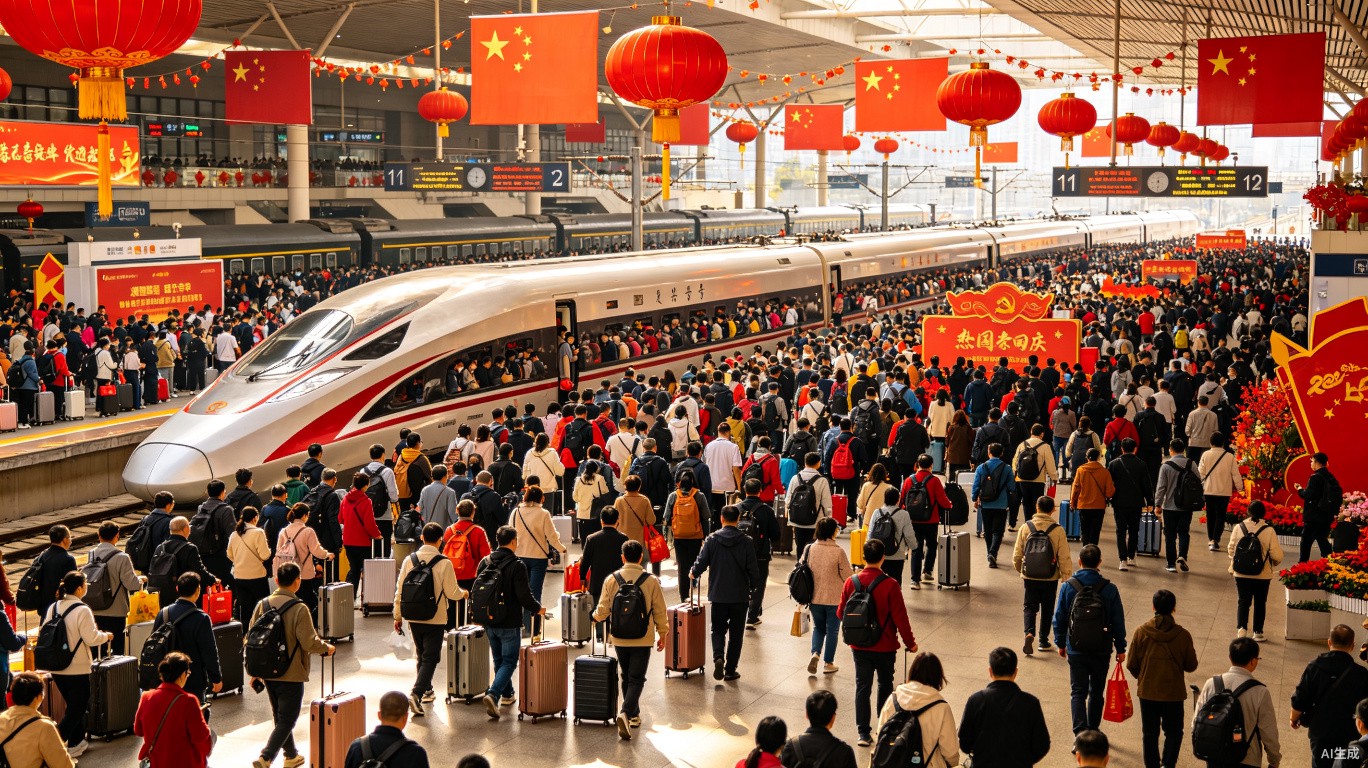
China Golden Week Travel Survival Guide
How to survive China's National Day Golden Week (October 1-7) - what to avoid, where to go, and how to beat the crowds.
9 min read
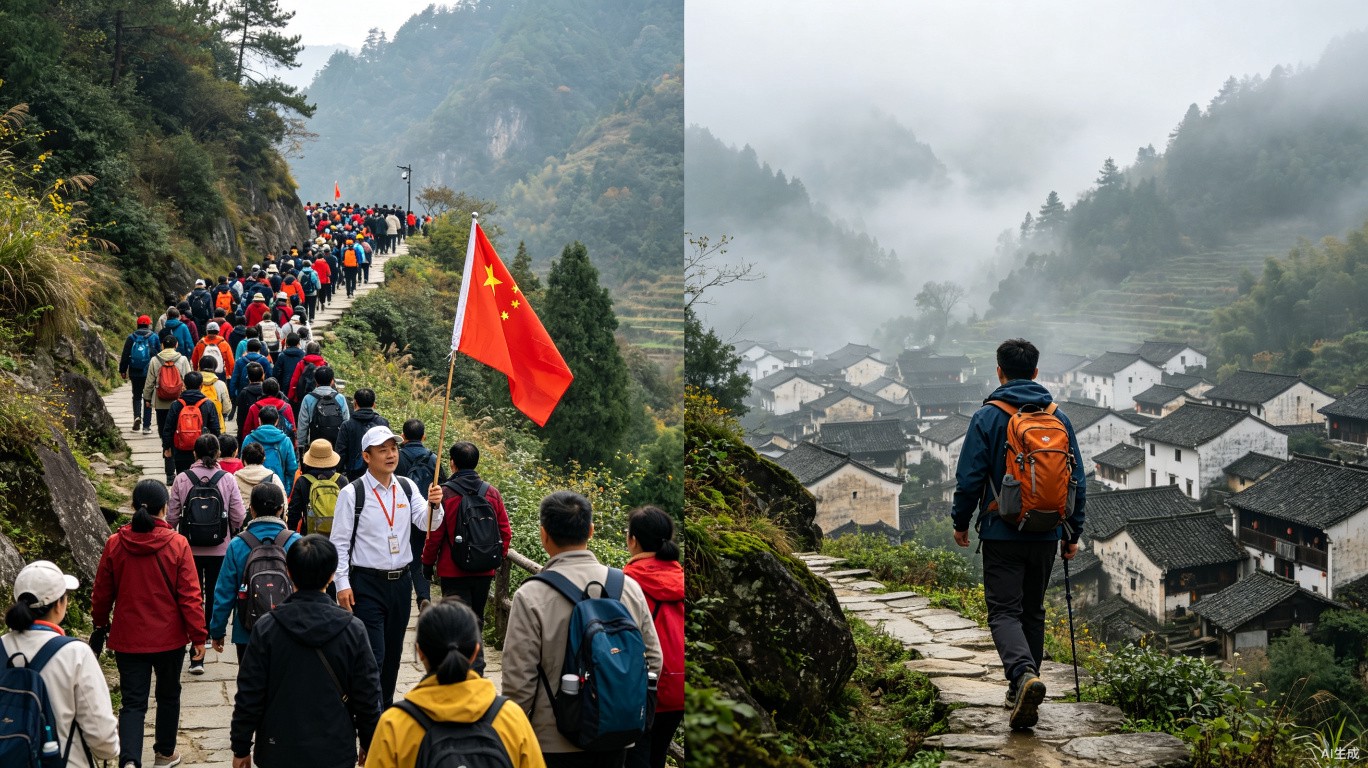
China Group Tours vs Independent Travel Which is Better
Should you join a guided tour or travel independently in China? Honest comparison of cost, flexibility, and experience.
7 min read
China Itinerary Planning: 7-Day 14-Day and 21-Day Routes: The Complete 2026 G...
Not sure how many days to spend in China? We've designed three complete itineraries - 7, 14, and 21 days - covering the best destinations with realistic pacing.
9 min read