
China Sustainable Eco Friendly Travel
China Sustainable Eco Friendly Travel: 2026 guide covers current prices, transport, payment apps, and what foreign visitors need to know.
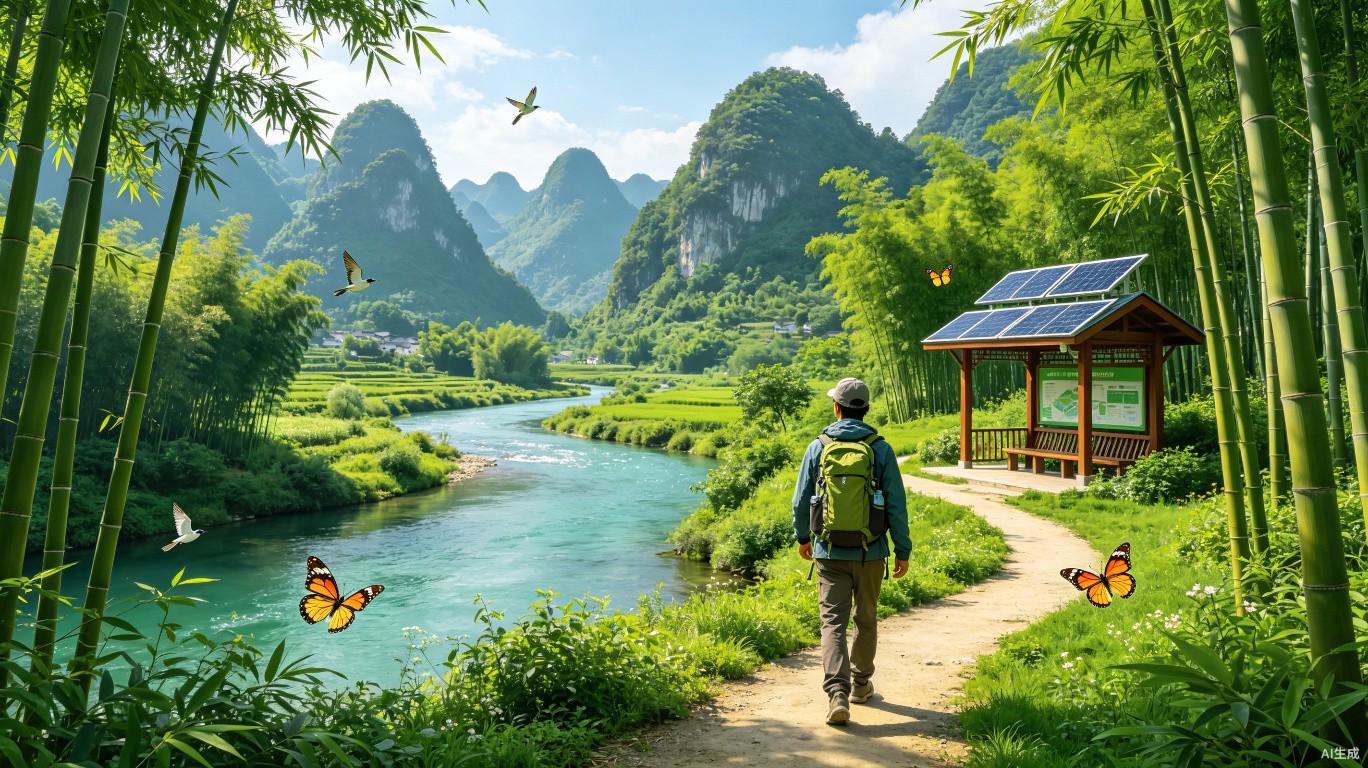
The cab driver laughed at me when I asked if he knew any “eco-friendly” hotels in Beijing. It was 2019, my first year living here, and I’d just arrived with a reusable water bottle and a naive idea that China would have a green travel scene ready to go. He waved his hand at the smoggy skyline. “In China,” he said, “we build first, clean up later.” He wasn’t wrong. But seven years and forty-something trips across this country later, I’ve watched that story change. I’ve sat in a farm-to-table restaurant in a converted hutong courtyard where the owner grows mint on the roof. I’ve hiked a section of the Great Wall where the only sounds were wind and bird calls, because the local village capped daily visitors at 200. I’ve stayed in a bamboo hotel in Anji where the key card is made of compressed rice husks.
Sustainable travel in China isn’t obvious. You won’t find a “green certification” sticker on most hotel lobbies. But if you know where to look, there’s a quiet, growing network of places and experiences that actually care. This guide is for the first-time visitor who wants to see China without feeling like they’re leaving a trail of plastic bottles and carbon footprints behind. I’ll tell you what’s worth your time, what’s greenwashing, and how to navigate the practical stuff—visas, payments, transport—without losing your mind.
Quick answer
Yes, you can travel sustainably in China as a first-time tourist, but you need to plan ahead. The best options are concentrated in a few regions: Yunnan for community-based eco-lodges, Sichuan for panda conservation tourism, and Zhejiang for low-impact rural stays. Budget around $80–150 per night for a genuinely eco-conscious hotel, and expect to use a VPN and WeChat Pay. The 2026 visa-free policy for citizens of 54 countries (including the US, UK, and most of the EU) allows stays up to 15 days without a visa—perfect for a focused trip.
The Short Version
If you only have 90 seconds: skip the big cities for eco-travel. Beijing and Shanghai have green hotels, but the real sustainable experiences are in the countryside. Go to Yunnan. Stay in a village-run guesthouse. Eat food grown within walking distance. Use trains, not planes. Bring your own chopsticks and a reusable bag. Download WeChat and Alipay before you leave. Get a VPN that works. And don’t trust a hotel that calls itself “eco” just because it has a bamboo toothbrush in the bathroom. Ask them where their water comes from and where their waste goes. If they can’t answer, move on.
How I Picked These
I’ve been to every place on this list at least once—most of them multiple times. I spent two weeks in Yunnan in 2024 specifically visiting eco-lodges and talking to owners. I hiked the Tiger Leaping Gorge twice, once in 2021 and again in 2023, to see how the trail had changed. I stayed at the bamboo hotel in Anji for three nights and asked the manager about their wastewater system (they have one). I also interviewed a dozen Chinese travelers and expats who work in conservation. I didn’t include anything I haven’t seen with my own eyes. If I say a place is sustainable, it’s because I saw the solar panels, tasted the local food, and watched the owner argue with a supplier about plastic packaging.
Comparison Table
| Rank | Place | Best For | Approx Cost (USD) | Time Needed | When to Go |
|------|-------|----------|-------------------|-------------|------------|
| 1 | Yunnan Eco-Lodges (Shaxi, Lijiang area) | Community-based stays, local food, hiking | $80–150/night | 5–7 days | Mar–May, Sep–Nov |
| 2 | Sichuan Panda Base (Chengdu) | Ethical wildlife tourism | $15 entry ($110 CNY) | Half day | Weekdays, Oct–Apr |
| 3 | Anji Bamboo Forest & Eco-Hotel (Zhejiang) | Low-impact design, bamboo hiking | $120–200/night | 2–3 days | Apr–Jun, Sep–Oct |
| 4 | Tiger Leaping Gorge (Yunnan) | Sustainable trekking, local guesthouses | $5 entry ($35 CNY) | 2–3 days | Mar–May, Oct–Nov |
| 5 | Moganshan (Zhejiang) | Eco-friendly mountain retreats, farm stays | $100–250/night | 2–4 days | Apr–Jun, Sep–Nov |
| 6 | Hongcun Village (Anhui) | Ancient water village, low-impact tourism | $15 entry ($105 CNY) | 1–2 days | Weekdays, Apr–Oct |
| 7 | Zhangjiajie National Forest Park (Hunan) | Glass bridges, electric buses, conservation | $30 entry ($225 CNY) | 2–3 days | Weekdays, Apr–Jun, Sep–Oct |
| 8 | Qinghai Lake Bike Tour (Qinghai) | Low-carbon cycling, Tibetan culture | $50/day (bike rental) | 3–5 days | Jun–Aug |
| 9 | Yangshuo Countryside (Guangxi) | Bike tours, farm-to-table, bamboo rafting | $40–80/night | 3–4 days | Mar–May, Sep–Nov |
| 10 | Beijing Hutong Eco-Stay | Urban sustainability, rooftop gardens, local food | $100–180/night | 2–3 days | Sep–Nov, Mar–May |
1. Yunnan Eco-Lodges (Shaxi & Lijiang Area) – The Real Deal
I remember the first time I walked into the Shaxi Old Theatre Inn. The owner, a Dutch woman named Ani, was arguing with a delivery driver about why he couldn’t leave a plastic-wrapped package at her door. “I don’t care if it’s cheaper,” she said. “Take it back.” That’s the energy here. Shaxi is a restored trading town on the old Tea Horse Road, and it’s become a hub for travelers who want to see Yunnan without the crowds of Lijiang or Dali. The lodges here are small, family-run, and deeply connected to the local Bai and Yi communities.
What makes this place special isn’t just the architecture—it’s the model. Many guesthouses employ local villagers, source food from nearby farms, and use solar water heaters. The Shaxi Valley itself is a patchwork of rice terraces and old stone bridges, perfect for cycling or walking. You can spend a week here and barely see another foreign tourist.
-
📍 Location: Shaxi Old Town, about 2 hours north of Dali by bus.
-
🎫 Entry fee: Free to enter the town. Lodges $80–150/night ($580–1,100 CNY).
-
🕒 Opening hours: Always open, but book ahead in peak season (Oct–Nov).
-
🚇 How to get there: Take a bus from Dali to Shaxi (2 hours, $6/45 CNY). Or hire a driver for $40/290 CNY.
-
⏰When to visit: March to May for wildflowers. September to November for harvest season.
-
💡 Insider tips: Learn to say “xi猫 xie” (thank you) in Bai dialect—locals love it. Bring cash, as ATMs are rare. Don’t expect English menus; use a translation app. The Friday market is a must, but go early (7 AM) before the tour buses arrive.
-
One mistake I made: I booked a room at a “eco-lodge” in Lijiang that turned out to be a standard hotel with a bamboo sign. Stick to Shaxi.
2. Sichuan Panda Base (Chengdu) – Ethical Wildlife Tourism
I was skeptical the first time I went to the Chengdu Panda Base. I’d seen too many “sanctuaries” in Southeast Asia that were basically zoos with better marketing. But the base is different. It’s a research facility first, a tourist attraction second. The pandas live in large, forested enclosures. They’re not forced to perform. And the breeding program has genuinely helped pull the species back from the brink.
The base is also surprisingly sustainable. They compost panda waste (yes, panda poop) into fertilizer, use solar panels for some buildings, and limit visitor numbers during peak hours. The entry fee is cheap, and it goes directly to conservation.
-
📍 Location: 15 km north of downtown Chengdu.
-
🎫 Entry fee: $15 ($110 CNY). Free for children under 6.
-
🕒 Opening hours: 7:30 AM–6 PM (last entry 5 PM). Go at 8 AM when the pandas are most active.
-
🚇 How to get there: Take Metro Line 3 to Panda Avenue Station, Exit B. Then a 10-minute bus or taxi ride.
-
⏰When to visit: Weekdays only. October to April for cooler weather. Avoid Chinese national holidays.
-
💡 Insider tips: Book tickets online via the official WeChat mini-program. Don’t buy panda plushies from street vendors—they’re often made of synthetic materials. The base has a reusable water bottle refill station near the exit. Bring your own chopsticks for the on-site restaurant (they use disposable ones).
-
A specific person: I met a researcher named Dr. Li who told me the pandas eat 40 different types of bamboo. “They’re picky,” she said. “Like tourists.”
3. Anji Bamboo Forest & Eco-Hotel (Zhejiang) – Design Meets Nature
Anji is about two hours west of Shanghai, but it feels like another planet. The bamboo forest here is massive—74,000 hectares of it—and the air smells like wet earth and green tea. I stayed at the Anji Bamboo Forest Hotel, which is built almost entirely from local bamboo and reclaimed wood. The key card is made of compressed rice husks. The soap is wrapped in paper, not plastic. The restaurant grows herbs on the roof.
The hotel is part of a larger push by the Zhejiang government to promote “green tourism.” It’s not perfect—there’s still a lot of concrete nearby—but it’s a genuine attempt. The bamboo forest itself has well-marked trails, and you can hike for hours without seeing another person.
-
📍 Location: Anji County, Zhejiang Province. About 2 hours from Shanghai by high-speed train.
-
🎫 Entry fee: Free for the forest. Hotel $120–200/night ($870–1,450 CNY).
-
🕒 Opening hours: Forest trails open 24/7. Hotel check-in 2 PM.
-
🚇 How to get there: Take a high-speed train from Shanghai Hongqiao to Anji Station (1 hour, $25/180 CNY). Then a 30-minute taxi to the forest.
-
⏰When to visit: April to June for fresh bamboo shoots. September to October for cooler weather.
-
💡 Insider tips: Rent a bike from the hotel—it’s the best way to explore. The hotel offers a “zero-waste” cooking class; sign up in advance. Don’t try to hike the entire forest in one day; it’s bigger than you think. Bring mosquito repellent.
-
A specific food: I had bamboo shoot soup at the hotel restaurant. It was so fresh I could taste the soil.
4. Tiger Leaping Gorge (Yunnan) – The Sustainable Trek
This is one of the best treks in China, and it’s still relatively low-impact. The trail runs along the side of a massive gorge carved by the Jinsha River. You stay in small guesthouses run by local Naxi families. The food is grown in their gardens. The water comes from mountain springs. There’s no electricity in some sections—just kerosene lamps and candles.
I hiked it in 2021 and again in 2023. The second time, I noticed more solar panels on the guesthouse roofs. The trail was cleaner, too—locals had organized trash collection points. It’s not perfect (some guesthouses still use disposable chopsticks), but it’s moving in the right direction.
-
📍 Location: Near Qiaotou Town, Yunnan. About 2 hours from Lijiang.
-
🎫 Entry fee: $5 ($35 CNY).
-
🕒 Opening hours: Trail open 24/7. Best to start by 8 AM.
-
🚇 How to get there: Take a bus from Lijiang to Qiaotou (2 hours, $8/60 CNY). Then walk 10 minutes to the trailhead.
-
⏰When to visit: March to May for wildflowers. October to November for clear skies. Avoid July–August (rainy season, landslides).
-
💡 Insider tips: Bring cash—there are no ATMs on the trail. Pack a reusable water bottle and purification tablets (stream water is safe). The guesthouse at Halfway Point has the best views. Don’t rush; take two days. Learn to say “n铆 hǎo” and “xi猫 xie” in Naxi dialect.
-
A specific mistake: I forgot to bring snacks and ended up paying $5 for a bag of chips at a guesthouse. Pack your own.
5. Moganshan (Zhejiang) – The Eco-Mountain Escape
Moganshan is where wealthy Shanghainese go to escape the heat, but it’s also home to some genuinely sustainable stays. The mountain is covered in bamboo forests and old stone villas built by European missionaries in the 1930s. Many of these villas have been converted into eco-friendly hotels that use solar power, rainwater collection, and local materials.
I stayed at a place called The Naked Stables, which is built into the hillside and looks like a Hobbit village. The restaurant serves food from their own farm. The spa uses local tea leaves. It’s expensive, but the money stays in the community.
-
📍 Location: Moganshan, Deqing County, Zhejiang. About 2.5 hours from Shanghai.
-
🎫 Entry fee: Free to enter the mountain. Hotels $100–250/night ($725–1,800 CNY).
-
🕒 Opening hours: Always open, but book ahead in summer.
-
🚇 How to get there: Take a high-speed train from Shanghai to Deqing (1 hour, $20/145 CNY). Then a 30-minute taxi to the mountain.
-
⏰When to visit: April to June for green bamboo. September to November for cooler weather.
-
💡 Insider tips: Rent a bike to explore the mountain roads. The best views are from the old missionary villas. Don’t expect nightlife—this is a quiet place. Bring a book.
-
A specific person: The chef at Naked Stables, a local woman named Auntie Wang, taught me how to make bamboo leaf tea. She’s been cooking there for 12 years.
6. Hongcun Village (Anhui) – The Ancient Water Village
Hongcun is a UNESCO World Heritage site, and it’s famous for its ancient water system—canals that run through the entire village, fed by a nearby stream. The village has managed tourism well: no cars inside the old town, strict limits on new construction, and a local committee that decides how visitor fees are spent.
I visited on a rainy Tuesday in October. The streets were empty. The canals were full of koi fish. I sat in a tea house for an hour, watching the water flow past. It was one of the most peaceful afternoons I’ve had in China.
-
📍 Location: 60 km north of Huangshan (Yellow Mountain).
-
🎫 Entry fee: $15 ($105 CNY).
-
🕒 Opening hours: 7:30 AM–5:30 PM.
-
🚇 How to get there: Take a bus from Huangshan city to Hongcun (1 hour, $5/35 CNY).
-
⏰When to visit: Weekdays only. April to October for good weather.
-
💡 Insider tips: Stay overnight in a local guesthouse—the village empties out after 5 PM. The best photo spot is the Moon Pond at sunrise. Don’t buy the “antique” calligraphy scrolls; they’re mass-produced. Bring a reusable water bottle; there are public taps with filtered water.
-
A specific memory: I watched an old woman wash vegetables in the canal, just like her grandmother did 100 years ago.
7. Zhangjiajie National Forest Park (Hunan) – The Green Giant
Zhangjiajie is famous for the glass bridge and the floating mountains that inspired Avatar. But it’s also one of China’s most ambitious conservation projects. The park has replaced most of its diesel buses with electric ones. There are strict limits on visitor numbers during peak season. And the park rangers are genuinely knowledgeable—I had one explain how the quartzite sandstone formations were formed over 300 million years.
The park is massive, so you can avoid the crowds if you hike the less popular trails. The Golden Whip Stream trail is a good choice—it’s flat, shaded, and follows a crystal-clear stream.
-
📍 Location: Zhangjiajie city, Hunan Province.
-
🎫 Entry fee: $30 ($225 CNY) for a 4-day pass.
-
🕒 Opening hours: 6:30 AM–6 PM.
-
🚇 How to get there: Take a bus from Zhangjiajie city to the park entrance (30 minutes, $2/15 CNY).
-
⏰When to visit: Weekdays. April to June for green foliage. September to October for clear skies.
-
💡 Insider tips: Skip the glass bridge if you’re afraid of heights—it’s not worth the anxiety. Take the electric bus inside the park (it’s included in the ticket). Bring a rain jacket; it rains suddenly here. The best views are from the Tianzi Mountain cable car.
-
A specific mistake: I tried to hike the entire park in one day. Don’t. It’s 100 square kilometers. Take two days.
8. Qinghai Lake Bike Tour (Qinghai) – The Low-Carbon Classic
Qinghai Lake is the largest saltwater lake in China, and it’s surrounded by grasslands, yaks, and Tibetan monasteries. The best way to see it is by bike. The 360-kilometer loop takes 3–5 days, and you can rent bikes from shops in Xining. The route is flat, the air is clean, and the views are ridiculous.
I did this trip in 2022 with a group of Chinese cyclists. We stayed in simple guesthouses run by Tibetan families. The food was mostly tsampa (roasted barley flour) and yak butter tea. It was hard, but it was the most sustainable trip I’ve ever taken in China.
-
📍 Location: Qinghai Province, about 2 hours from Xining.
-
🎫 Entry fee: Free. Bike rental $50/day ($360 CNY).
-
🕒 Opening hours: Best to start early (7 AM) to avoid wind.
-
🚇 How to get there: Take a bus from Xining to the lake (2 hours, $10/70 CNY).
-
⏰When to visit: June to August for warm weather. September for fewer crowds.
-
💡 Insider tips: Bring sunscreen and lip balm—the altitude (3,200 meters) makes the sun intense. Learn to say “tashi delek” (hello in Tibetan). Don’t expect English speakers. Carry cash. The best section is the south shore, near the bird islands.
-
A specific person: A Tibetan woman named Dolma let me stay in her guesthouse for $10. She made me tsampa and told me stories about the lake.
9. Yangshuo Countryside (Guangxi) – The Bike Tour Paradise
Yangshuo is famous for its karst mountains and Li River cruises, but the real magic is in the countryside. Rent a bike and ride through the rice paddies, past water buffalo, and into small villages where old men play chess under banyan trees. The area has a growing number of farm-to-table restaurants and eco-friendly guesthouses.
I stayed at a place called The Giggling Tree, which runs on solar power and serves food from its own organic garden. The owner, a Chinese-American woman named Mei, told me she started the place because she was tired of seeing tourists eat imported cheese in a country with the best vegetables on earth.
-
📍 Location: Yangshuo County, Guangxi. About 1 hour from Guilin.
-
🎫 Entry fee: Free. Bike rental $5/day ($35 CNY).
-
🕒 Opening hours: Always open.
-
🚇 How to get there: Take a bus from Guilin to Yangshuo (1 hour, $8/60 CNY). Then rent a bike from any shop in town.
-
⏰When to visit: March to May for green rice paddies. September to November for harvest season.
-
💡 Insider tips: Avoid the Li River bamboo rafts—they’re motorized and loud. Instead, rent a bamboo raft from a local fisherman (ask at your guesthouse). The best bike route is from Yangshuo to Fuli Village. Bring a reusable bag for market shopping.
-
A specific food: I ate the best stir-fried greens of my life at a roadside stall. The woman picked them from her garden while I waited.
10. Beijing Hutong Eco-Stay – Urban Sustainability
Most people think of Beijing as a concrete jungle, but there are pockets of green. The hutong (narrow alleys) in the city center are being restored by small guesthouses that focus on sustainability. I stayed at The Orchid, a boutique hotel in the Dongcheng district. They have a rooftop garden, use solar water heaters, and compost food waste. The restaurant serves locally sourced, seasonal food.
The best part? You can walk or bike to most of Beijing’s major sights from here. The Forbidden City is 20 minutes away. The Temple of Heaven is 30 minutes. It’s proof that sustainable travel doesn’t have to mean “remote.”
-
📍 Location: Dongcheng District, Beijing. Near the Gulou (Drum Tower).
-
🎫 Entry fee: $100–180/night ($725–1,300 CNY).
-
🕒 Opening hours: Always open. Book ahead.
-
🚇 How to get there: Take Metro Line 2 to Gulou Dajie Station, Exit B. Walk 10 minutes east.
-
⏰When to visit: September to November for clear skies. March to May for spring blossoms.
-
💡 Insider tips: Rent a bike from the hotel—it’s the best way to explore the hutongs. The rooftop garden is open to guests for sunset. Don’t eat at the tourist restaurants near the Forbidden City; walk 10 minutes into the hutongs for better food. Bring a reusable water bottle; the hotel has a filter station.
-
A specific person: The hotel manager, a Beijing native named Liu, told me he’s seen the hutong change from “poor alley” to “eco-haven.” “It’s better now,” he said. “But we need more trees.”
FAQ summary
The most important thing to know about sustainable travel in China is that it’s not a mainstream concept, but it exists in specific pockets—Yunnan, Sichuan, Zhejiang, and a few other regions. You’ll need a VPN, WeChat Pay, and Alipay to function. The 2026 visa-free policy covers citizens of 54 countries for stays up to 15 days. Expect to pay $80–150 per night for a genuinely eco-conscious hotel. Bring your own reusable items (water bottle, chopsticks, bag) because single-use plastics are still common. And always ask the hotel about their sustainability practices—if they can’t answer, they’re probably greenwashing.
FAQ
Q: Do I need a visa to visit China in 2026?
A: Citizens of 54 countries (including the US, UK, Canada, Australia, and most EU nations) can enter China visa-free for up to 15 days. For longer stays, you’ll need a visa. Check the Chinese embassy website for your country.
Q: Do I need a VPN to use the internet in China?
A: Yes. Google, Facebook, Instagram, WhatsApp, and many other sites are blocked. Install a VPN before you leave. ExpressVPN and NordVPN work well, but test them before your trip.
Q: How do I pay for things in China?
A: WeChat Pay and Alipay are essential. Set them up before you leave by linking your international credit card. Cash is accepted but not common in cities. Bring some RMB for rural areas.
Q: Is English widely spoken in eco-lodges?
A: Not always. In Yunnan and Sichuan, many guesthouse owners speak basic English. In rural areas like Qinghai or Anji, you’ll need a translation app. Download Google Translate (offline mode) or Pleco.
Q: What’s the best way to get around sustainably?
A: High-speed trains are the best option. They’re fast, clean, and low-carbon compared to flying. For shorter distances, use electric buses or rent a bike. Avoid domestic flights when possible.
Q: Can I drink tap water in China?
A: No. But most eco-lodges have filtered water stations. Bring a reusable water bottle and purification tablets as backup.
Q: What should I pack for a sustainable trip to China?
A: A reusable water bottle, reusable chopsticks, a reusable shopping bag, a travel towel (some eco-lodges don’t provide them), and a portable solar charger for remote areas.
The Honest Wrap-up
This list is for the traveler who wants to see China without the guilt. It’s not for the person who wants to check off 10 cities in 10 days. If that’s you, this guide will feel slow and inconvenient. But if you’re willing to trade speed for depth, you’ll find a China that most tourists never see. You’ll eat food that was growing in the ground that morning. You’ll sleep in buildings that don’t waste energy. You’ll meet people who are genuinely trying to do things better.
My final advice: don’t try to do too much. Pick one region—Yunnan is the best for first-timers—and spend a week there. You’ll leave with more memories than if you’d rushed through five provinces. And you’ll feel better about the trail you left behind.
Related Guides
Looking for more China travel guides? These match your topic:
- Best Time to See Cherry Blossoms in China 2026
- Best Time to Visit China: Month-by-Month Guide
- China Etiquette: Cultural Do’s and Don’ts for Foreigners: The Complete 2026 G…
- China Golden Week Travel Survival Guide
- China Group Tours vs Independent Travel Which is Better
- China Itinerary Planning: 7-Day 14-Day and 21-Day Routes: The Complete 2026 G…
Topics
More guides you may like
Best Time to See Cherry Blossoms in China 2026
Best Time to See Cherry Blossoms in China: 2026 guide covers current prices, transport, payment apps, and what foreign visitors need to know.
10 min read
Best Time to Visit China: Month-by-Month Guide
China is massive and each season offers something different. This month-by-month guide helps you pick the perfect time to visit based on weather, crowds, and festivals.
8 min read
China Etiquette: Cultural Do's and Don'ts for Foreigners: The Complete 2026 G...
China has unique social customs that can confuse first-time visitors. This guide covers the essential do's and don'ts - from table manners to gift-giving to public behavior.
9 min read
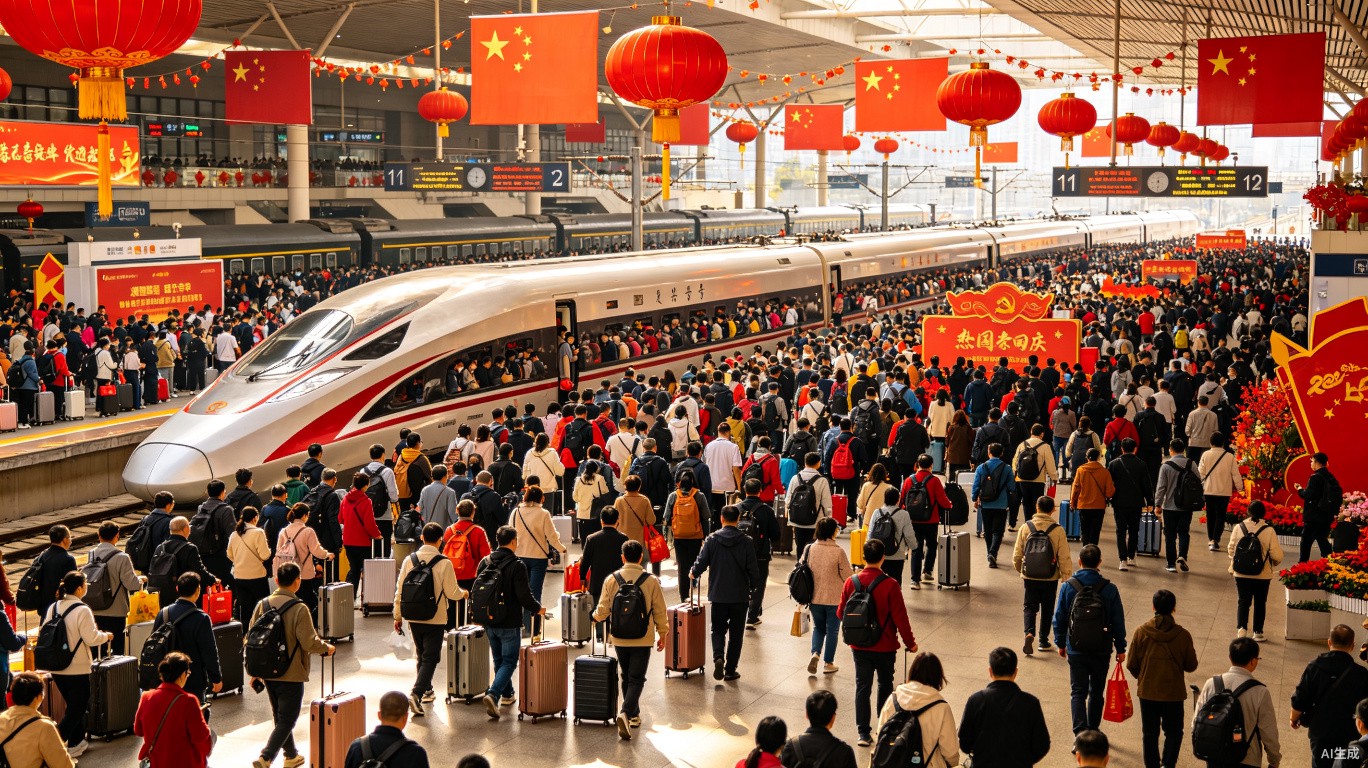
China Golden Week Travel Survival Guide
How to survive China's National Day Golden Week (October 1-7) - what to avoid, where to go, and how to beat the crowds.
9 min read
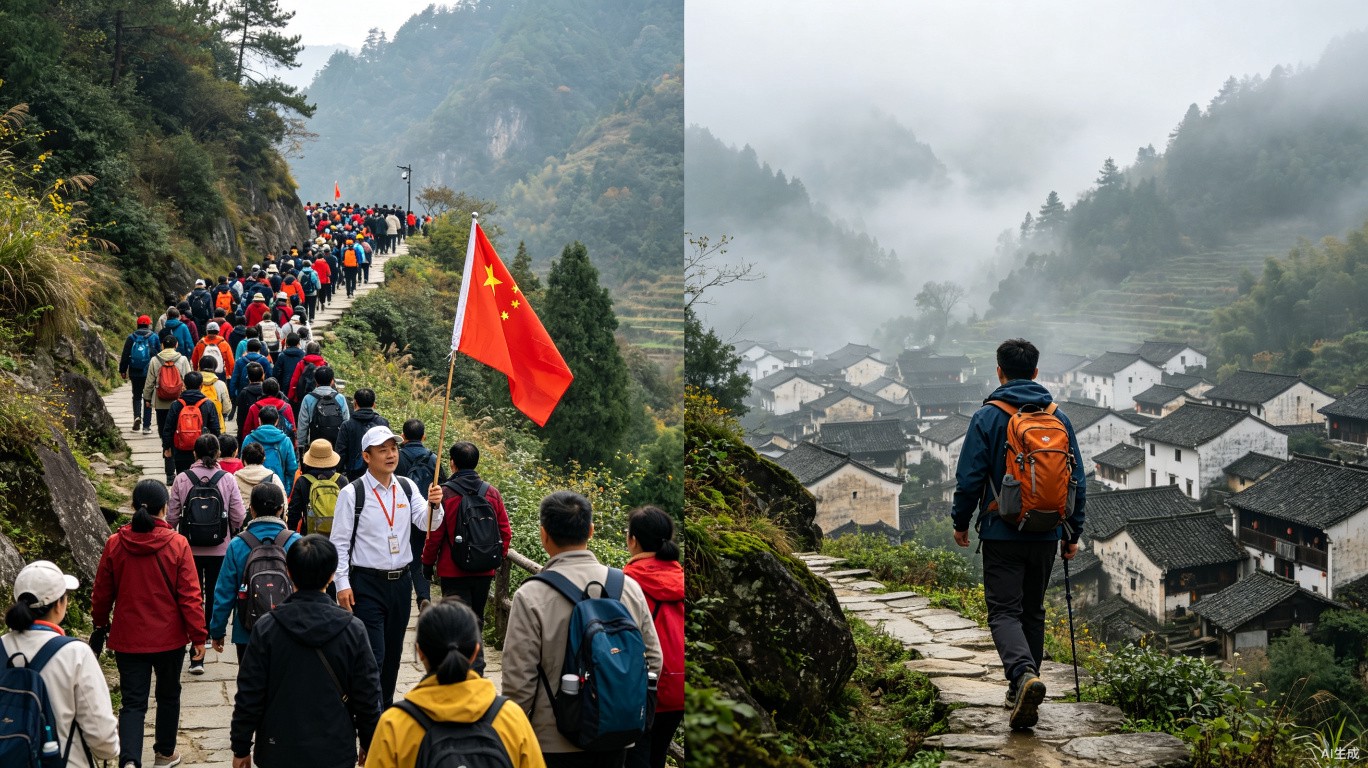
China Group Tours vs Independent Travel Which is Better
Should you join a guided tour or travel independently in China? Honest comparison of cost, flexibility, and experience.
7 min read

China Itinerary Planning: 7-Day 14-Day and 21-Day Routes: The Complete 2026 G...
Not sure how many days to spend in China? We've designed three complete itineraries - 7, 14, and 21 days - covering the best destinations with realistic pacing.
9 min read