
China Backpacking Budget Travel Guide
China Backpacking Budget Travel Guide: 2026 guide covers current prices, transport, payment apps, and what foreign visitors need to know.
The cab driver in Kunming laughed at me when I asked if I could get a hostel bed for under $10. Not a mean laugh—the kind where you’ve just said something so naive it’s genuinely funny. He pointed at his meter, which read 14 yuan (about $2), and said, “In China, you can sleep for that.” He wasn’t wrong. I’ve slept in $4 dorm beds in Yangshuo, eaten $1 bowls of noodles in Chengdu, and taken 18-hour trains for less than a pizza costs back home. China is one of the most misunderstood budget destinations on earth. Everyone assumes it’s expensive because flights are pricey. But once you land? Your dollar goes shockingly far—if you know where to go.
I’ve lived in Beijing for seven years and crossed this country more than 40 times. I’ve overpaid for tea I didn’t need, missed the last bus in Lijiang, and argued with a taxi driver in Xi’an using only hand gestures and a broken translation app. This guide is everything I wish someone had told me before my first trip. Specific prices, real transport details, and the honest truth about where your money actually matters.
Quick answer
A two-week backpacking trip in China costs roughly $30–$50 per day including accommodation, food, local transport, and entry fees, but excluding international flights. You do not need a visa if you’re from 54 eligible countries and transiting through Beijing, Shanghai, or Guangzhou for up to 144 hours, or if you’re a citizen of France, Germany, Italy, the Netherlands, Spain, Malaysia, or Singapore visiting visa-free for up to 15 days (2025–2026 policy). The cheapest way to travel is by high-speed train or overnight sleeper bus, and you must have WeChat Pay or Alipay set up before you arrive—cash is rarely accepted outside rural areas.
The Short Version
If you have 90 seconds: skip Shanghai and Beijing for your first trip unless you have a specific reason. Go to Chengdu for the food and pandas, Yangshuo for the scenery, and Xi’an for the history. Budget $35/day, get a SIM card at the airport, download Alipay and link your credit card before you leave home, and bring a VPN that actually works. The high-speed train network is your best friend. Don’t try to see too much—three cities in two weeks is plenty. And for the love of everything, learn how to say “no MSG” (bú fàng wèijīng) if you have a sensitive stomach.
How I Picked These
I didn’t Google “best budget destinations in China” and copy a list. I’ve been to every single place on this list at least twice, most of them more than five times. I’ve stayed in $3 hostels and $300 hotels. I’ve eaten street food that gave me food poisoning and street food that changed my life. I’ve taken buses that broke down in the middle of nowhere and bullet trains that arrived exactly 37 seconds early. I also asked actual Chinese backpackers in their 20s where they go on a budget—because locals know the real deals. This list prioritizes places where your money goes furthest, English isn’t completely absent, and the experience feels genuinely Chinese, not like a theme park version of China.
Comparison Table
| Rank | Place | Best For | Approx Cost/Day (USD) | Time Needed | When to Go |
|------|-------|----------|----------------------|-------------|------------|
| 1 | Yangshuo | Scenery, hiking, rock climbing | $25–$35 | 3–4 days | April–Oct |
| 2 | Chengdu | Food, pandas, tea culture | $30–$40 | 3–4 days | March–June, Sept–Nov |
| 3 | Xi’an | History, Terracotta Warriors, Muslim Quarter | $30–$40 | 2–3 days | March–May, Sept–Nov |
| 4 | Kunming & Dali | Yunnan culture, lakes, mild weather | $25–$35 | 4–5 days | Year-round (spring best) |
| 5 | Zhangjiajie | National park, glass bridges, Avatar mountains | $35–$45 | 3–4 days | April–Oct |
| 6 | Beijing | Forbidden City, Great Wall, hutongs | $40–$50 | 4–5 days | March–May, Sept–Nov |
| 7 | Guilin | Li River cruise, karst landscapes | $30–$40 | 2–3 days | April–Oct |
| 8 | Lijiang | Old town, Naxi culture, Jade Dragon Snow Mountain | $30–$40 | 3–4 days | March–May, Sept–Nov |
| 9 | Shanghai | Modern China, nightlife, museums | $40–$50 | 3–4 days | March–May, Sept–Nov |
| 10 | Hong Kong (SAR) | City, hiking, food, ferry to Macau | $50–$70 | 3–4 days | Oct–April |
1. Yangshuo — Where Your Dollar Actually Feels Like a Fortune
I sat on a bamboo raft on the Yulong River, feet dangling in the water, watching farmers lead water buffalo through rice paddies. The raft cost me $12. The view was free. Yangshuo is the place where budget travel stops feeling like a compromise and starts feeling like a cheat code.
The karst mountains rise straight out of flat farmland like green teeth. Cyclists and scooters share narrow roads lined with osmanthus trees. At night, West Street gets touristy and loud, but the side streets—just two blocks away—are quiet, with old women selling grilled corn for 50 cents.
📍 Location: Yangshuo County, Guilin prefecture, Guangxi Province
🎫 Entry fee: The town is free. Xianggong Mountain viewpoint costs about $6 (40 yuan). The Li River cruise is $30–$50 (200–350 yuan) but skip it and rent a bike instead for $3/day.
🕒 Opening hours: Xianggong Mountain is open 7:00 AM–6:30 PM. The rivers and trails are always open.
🚇 How to get there: Take the high-speed train from Guilin to Yangshuo Station (about 1 hour, $12/80 yuan). From the station, take a public bus to the town center for $1.50 (10 yuan). Taxi is $6 (40 yuan).
⏰When to visit: April to October. July and August are hot and crowded. May and September are perfect.
💡 Insider tips: Rent an e-bike for $8/day (50 yuan) and ride to the Yulong River bridge at sunset. The bamboo rafting on the Yulong River is cheaper ($12/80 yuan) and more authentic than the Li River cruise. Eat at the food stalls near the bus station—the guilin mifen (rice noodles) is $1 and better than any restaurant. Bring mosquito repellent. Learn to say “duōshao qián” (how much) because haggling is expected at markets.
I met a German backpacker named Lukas who had been in Yangshuo for three weeks because his $6/night dorm room came with a balcony overlooking the mountains. He said he forgot to leave.
2. Chengdu — The Food Capital That Won’t Empty Your Wallet
The first thing I smelled when I stepped off the train in Chengdu was chili oil and Sichuan pepper—a smell so distinct it should be bottled. The second thing I saw was a man eating noodles at 8 AM, sweat dripping down his face, smiling. That’s Chengdu.
This city lives for food, and the food is absurdly cheap. A bowl of dandan noodles at a hole-in-the-wall joint costs $1.50 (10 yuan). A hot pot feast for two, with beer, costs $15 (100 yuan). The teahouses in People’s Park charge $1.50 for a cup of jasmine tea that you can sit with for four hours. The Giant Panda Research Base is the main tourist draw, but the real magic is in the neighborhoods—the old alleyways around Kuanzhai Xiangzi, the street food stalls on Yulin Road, the parks where old men play mahjong and drink tea.
📍 Location: Chengdu city center, Sichuan Province. Stay near Kuanzhai Xiangzi or Jinli Street for walkability.
🎫 Entry fee: Panda Base is $8 (55 yuan). Wuhou Temple is $8 (60 yuan). Jinli Street is free.
🕒 Opening hours: Panda Base is 7:30 AM–6:00 PM. Go at 8 AM when the pandas are active. After 10 AM they sleep.
🚇 How to get there: Take Metro Line 3 to Panda Avenue Station, Exit B. It’s a 10-minute walk. The airport (CTU) has a direct metro line to the city center (Line 10 to Line 3, about 45 minutes).
⏰When to visit: March to June or September to November. Summer is brutally humid. Winter is gray but cheap.
💡 Insider tips: The street food on Yulin Road is better and cheaper than Jinli Street (which is touristy). Try the “fuqi feipian” (husband-and-wife lung slices) at the original shop—it’s $2.50. The teahouses in People’s Park are where locals actually hang out; join a table of mahjong players if they wave you over. Download Pleco dictionary app—English is limited outside tourist areas. Buy a Chengdu transit card at any metro station; it works on buses and the metro.
A taxi driver named Mr. Chen told me that his favorite restaurant had no name and no menu. He drove me there anyway. I ate the best mapo tofu of my life for $3.
3. Xi’an — The Terracotta Warriors Are Worth It, But the Food Is Better
I almost skipped Xi’an on my first trip. “It’s just a bunch of clay soldiers,” I thought. I was wrong, but not for the reason you’d expect. The Terracotta Warriors are incredible—genuinely awe-inspiring—but the real reason to go to Xi’an is the Muslim Quarter.
The old city walls are massive and walkable. The Drum Tower and Bell Tower light up at night. But the Muslim Quarter is where Xi’an comes alive. Narrow alleys packed with food stalls selling lamb skewers ($0.50 each), pita bread soaked in lamb soup ($2), and cold noodles with sesame sauce ($1.50). The smell of cumin and charcoal smoke hangs in the air. The Hui Muslim community has been here for centuries, and their food is unlike anything else in China.
📍 Location: Xi’an city center, Shaanxi Province. Stay inside the city walls near the Muslim Quarter.
🎫 Entry fee: Terracotta Warriors is $18 (120 yuan). City wall bike rental is $5 (35 yuan). Muslim Quarter is free.
🕒 Opening hours: Terracotta Warriors is 8:30 AM–5:30 PM (winter) or 6:30 PM (summer). Get there at opening to beat crowds.
🚇 How to get there: From Xi’an Railway Station, take Bus 306 (Tourist Line 5) directly to the Terracotta Warriors. It’s $1.50 (10 yuan) and takes about 1 hour. Don’t take the fake buses that try to sell you tours.
⏰When to visit: March to May or September to November. Summer is hot and crowded. Winter is cold but the warriors are nearly empty.
💡 Insider tips: The Muslim Quarter gets packed at night. Go at 5 PM when the food stalls are setting up—you’ll see them preparing everything fresh. The “yangrou paomo” (lamb soup with bread) at Lao Sun Jia is the best in the city ($3). Rent a bike and ride the entire city wall at sunset—it’s 14 kilometers and takes about 2 hours. Don’t buy souvenirs at the warriors site; they’re cheaper in the Muslim Quarter. English is limited at the warriors site but the audio guide is worth $5.
I watched a Hui grandmother make noodles by hand for 40 years straight. She didn’t look up once. The noodles were perfect.
4. Kunming & Dali — The Yunnan Slow Lane
The air in Kunming is different. It’s thin and clean and smells like flowers. The city calls itself the “Spring City” because the weather is mild year-round—rarely above 80°F or below 50°F. I spent a week here just wandering, eating crossing-the-bridge noodles ($3), and sitting in Green Lake Park watching elderly people sing opera.
But Kunming is a gateway. The real magic is Dali, a 2-hour train ride away. Dali old town sits at the foot of the Cangshan Mountains, overlooking Erhai Lake. It’s touristy, sure, but the surrounding countryside is untouched. Rent a scooter ($10/day) and ride around the lake. Stop at the villages. Buy strawberries from a farmer for $1. The pace here is slow. Nothing happens quickly. That’s the point.
📍 Location: Kunming city center and Dali old town, Yunnan Province.
🎫 Entry fee: Green Lake Park is free. Dali old town is free. Erhai Lake bike rental is $5–$10/day. Cangshan cable car is $15 (100 yuan).
🕒 Opening hours: Green Lake Park is open 24/7. Cangshan cable car runs 8:30 AM–5:00 PM.
🚇 How to get there: Kunming has a major airport (KMG) with direct flights from Bangkok, Singapore, and Hong Kong. From Kunming, take the high-speed train to Dali (2 hours, $15/100 yuan). The train station in Dali is 30 minutes from the old town by bus ($0.50).
⏰When to visit: Year-round. Spring (March–May) is best for flowers. Winter is mild and dry.
💡 Insider tips: Skip the main tourist street in Dali (Fuxing Road) and walk two blocks east to the quieter alleys near the south gate. Rent a scooter but make sure you have an international driver’s permit—police check sometimes. The three pagodas are overrated ($18 entry); you can see them for free from the road. Eat “erkuai” (grilled rice cakes) from street vendors—$0.50 each. Buy Yunnan tea from the tea market in Kunming, not from tourist shops.
A shop owner in Dali named Xiao Wang told me she moved here from Shanghai because she “couldn’t breathe” in the city. She sells hand-dyed indigo scarves for $8. She seemed happy.
5. Zhangjiajie — The Avatar Mountains on a Backpacker’s Budget
I stood on the glass bridge in Zhangjiajie National Forest Park, looking down at a 1,000-foot drop, and my legs went numb. The bridge is terrifying. The park is otherworldly. The quartz-sandstone pillars rise out of the mist like something from a dream—because they literally are: James Cameron used them as inspiration for the floating mountains in Avatar.
The park is huge. You need at least two days. The Bailong Elevator (a glass elevator built into a cliff face) is $10 (65 yuan) and worth it for the view. The Tianmen Mountain cable car is one of the longest in the world. But the real budget move? Skip the glass bridge (it’s $20 extra) and hike the Golden Whip Stream trail instead. It’s free with your park entry, flat, and stunning.
📍 Location: Zhangjiajie city, Hunan Province.
🎫 Entry fee: National Forest Park is $30 (200 yuan) for a 4-day pass. Tianmen Mountain is $35 (230 yuan).
🕒 Opening hours: Park is 7:00 AM–6:00 PM (summer), 7:30 AM–5:00 PM (winter).
🚇 How to get there: Fly into Zhangjiajie Hehua Airport (DYG) from Beijing, Shanghai, or Guangzhou. From the city, take Bus 4 or 5 to the park entrance ($0.50). Taxi is $5.
⏰When to visit: April to October. September and October have the clearest skies. July and August are rainy and crowded.
💡 Insider tips: Stay in Wulingyuan town (near the park entrance) instead of Zhangjiajie city—it’s closer and cheaper. Enter the park through the south gate (Forest Park entrance) instead of the main gate—fewer crowds. Bring rain gear even if the forecast is clear; the weather changes every 20 minutes. The monkeys will steal your food. Don’t feed them. Eat at the food court near the Bailong Elevator—$3 for a decent meal.
I slipped on a wet stone step near the Golden Whip Stream and fell into the water. A group of Chinese tourists laughed and helped me up. One of them handed me a tissue. I was soaked for the rest of the day. Worth it.
6. Beijing — The Capital Is Expensive, But You Can Hack It
Beijing is the most expensive city on this list, and it’s still cheaper than a weekend in Paris. A hostel dorm bed costs $10–$15 (70–100 yuan). A bowl of zhajiangm noodles from a street cart costs $1.50. The Forbidden City is $10 (60 yuan). The Great Wall at Mutianyu is $6 (40 yuan). The trick is knowing where to spend and where to save.
Skip the fancy Peking duck restaurants in tourist areas. Go to a local spot like Sijiminfu ($8 for a half duck). Skip the rickshaw tours in the hutongs—they charge $20 for a 15-minute ride. Walk instead. The hutongs around Nanluoguxiang are free and full of life. The Summer Palace is worth the $3 entry. The Temple of Heaven is worth $2.
📍 Location: Beijing city center. Stay near Gulou (Drum Tower) or Dongzhimen for easy access.
🎫 Entry fee: Forbidden City is $10 (60 yuan). Great Wall at Mutianyu is $6 (40 yuan) + $2 for shuttle bus. Summer Palace is $3 (20 yuan). Temple of Heaven is $2 (15 yuan).
🕒 Opening hours: Forbidden City is 8:30 AM–5:00 PM (closed Mondays). Great Wall is 7:30 AM–5:30 PM.
🚇 How to get there: Beijing Capital Airport (PEK) has a direct subway line (Airport Express) to the city center for $3 (25 yuan). Daxing Airport (PKX) is farther but has a high-speed train to Beijing West Station.
⏰When to visit: March to May or September to November. Avoid October 1–7 (National Day holiday) when everything is packed.
💡 Insider tips: Book Forbidden City tickets online at least 3 days in advance on the official WeChat mini-program. They sell out. Go to the Great Wall at Mutianyu (not Badaling)—it’s less crowded and more scenic. Take the subway everywhere; it costs $0.50 per ride. Download the “Beijing Subway” app for offline maps. The 798 Art District is free and worth an afternoon. Don’t buy “antiques” from street vendors—they’re fakes.
A hutong shopkeeper named Auntie Zhang taught me how to make jiaozi (dumplings) in her tiny kitchen. She charged me $5 for the ingredients and three hours of her time. Best meal of my life.
7. Guilin — The Li River Without the Cruise Price Tag
Guilin is famous for one thing: the Li River cruise. And the cruise is beautiful—limestone karsts rising from emerald water, water buffalo on the banks, fishermen with cormorants. But it’s also $50 and takes four hours. The budget version? Rent a bike and ride along the riverbank from Guilin to Yangshuo. It takes two days, costs $3 for the bike rental, and you’ll see the exact same scenery without the crowds.
Guilin city itself is fine. The Elephant Trunk Hill is a $3 photo op. The Reed Flute Cave is $10. But the real reason to come here is the countryside. The Longji Rice Terraces (about 2 hours from Guilin) are stunning in spring when the terraces are flooded with water, reflecting the sky.
📍 Location: Guilin city center, Guangxi Province.
🎫 Entry fee: Elephant Trunk Hill is $3 (20 yuan). Reed Flute Cave is $10 (70 yuan). Longji Rice Terraces is $12 (80 yuan).
🕒 Opening hours: Elephant Trunk Hill is 7:00 AM–6:30 PM. Longji Terraces are open sunrise to sunset.
🚇 How to get there: Guilin has an airport (KWL) with flights from major Chinese cities. From Guilin, take a bus to Longji Terraces ($5, 2 hours) or a train to Yangshuo ($3, 1 hour).
⏰When to visit: April to October. May–June for flooded rice terraces. October for golden rice harvest.
💡 Insider tips: Skip the Li River cruise and take the public ferry from Guilin to Yangshuo ($8) instead—it’s the same river, same views, one-tenth the price. Stay overnight at a farmhouse in Longji Terraces ($10/night including dinner). The sunrise view from the top is worth the 6 AM wake-up. Bring cash—ATMs are rare in the terraces. The local specialty is “beer fish” (beer cooked with river fish)—$5 at a local restaurant.
I met a French couple at the Longji Terraces who had been traveling China for three months. They said Guilin was their favorite place because “the mountains look like they were painted by a drunk artist.”
8. Lijiang — Beautiful, Touristy, and Still Worth It
Lijiang old town is a UNESCO World Heritage site. It’s also a tourist trap. The main streets are lined with souvenir shops selling the same scarves and tea sets. The bars play loud pop music. The entry fee to the old town is $8 (50 yuan), which feels like a tax on walking.
But here’s the thing: Lijiang is still beautiful. The canals that run through the old town are lined with willow trees. The Naxi architecture—wooden buildings with carved eaves—is genuinely unique. And if you walk just two blocks off the main street, you’ll find quiet alleys with old women selling handmade tofu and children playing badminton. The Black Dragon Pool is free and offers a postcard-perfect view of Jade Dragon Snow Mountain.
📍 Location: Lijiang old town, Yunnan Province.
🎫 Entry fee: Old town is $8 (50 yuan) but only checked at certain entrances. Black Dragon Pool is free. Jade Dragon Snow Mountain cable car is $20 (140 yuan).
🕒 Opening hours: Old town is open 24/7. Black Dragon Pool is 7:00 AM–7:00 PM.
🚇 How to get there: Fly into Lijiang Sanyi Airport (LJG) from Kunming, Chengdu, or Shanghai. From the airport, take the airport bus to the old town ($3, 1 hour).
⏰When to visit: March to May or September to November. July and August are rainy. Winter is cold but the snow mountain is beautiful.
💡 Insider tips: Enter the old town through the south gate (near Zhongyi Market)—the ticket check is less strict. Stay in a guesthouse outside the old town walls for half the price ($8–$12/night). The “Lijiang Impression” show by Zhang Yimou is $30 and overrated; skip it. Eat Naxi-style grilled fish at a local restaurant ($5). The Shuhe Ancient Town (20 minutes by bus) is quieter and free.
A Naxi grandmother in the old town sold me a bowl of tofu for $0.50. She didn’t speak a word of English. She smiled and pointed at the mountain. I nodded. We sat in silence for 10 minutes.
9. Shanghai — The Modern Face of China, Budget Be Damned
Shanghai is expensive. A hostel dorm costs $15–$20. A decent meal costs $8. A drink at a bar costs $10. But Shanghai is also the most convenient city for first-time visitors. The metro has English signs everywhere. The airport has direct trains to the city. The food is global. The nightlife is world-class.
The Bund is free. The French Concession is free to walk through. The Shanghai Museum is free (but book ahead). The Yu Garden is $5. The Pearl Tower is overpriced ($20) and skippable. The real budget move is to walk. Shanghai is incredibly walkable. Start at the Bund at sunrise, walk through the French Concession in the afternoon, and end at the bar street on Yongkang Road for a $3 beer.
📍 Location: Shanghai city center. Stay near People’s Square or the French Concession.
🎫 Entry fee: The Bund is free. Shanghai Museum is free. Yu Garden is $5 (30 yuan). French Concession is free.
🕒 Opening hours: The Bund is open 24/7. Shanghai Museum is 9:00 AM–5:00 PM (closed Mondays).
🚇 How to get there: Shanghai Pudong Airport (PVG) has a maglev train to the city ($8, 8 minutes). Hongqiao Airport (SHA) is closer and has direct metro lines.
⏰When to visit: March to May or September to November. Summer is hot and humid. Winter is cold and gray.
💡 Insider tips: The Bund is beautiful at night but crowded. Go at 6 AM for sunrise photos with no one around. The French Concession has the best coffee shops in China—try “Manner Coffee” for $2 lattes. The metro is the cheapest way to get around ($0.50–$1 per ride). Buy a Shanghai Public Transportation Card at any station. Avoid the tourist restaurants on Nanjing Road; eat at the food court in the basement of the Super Brand Mall ($5 for a full meal).
I watched a group of elderly Chinese women doing tai chi on the Bund at 6 AM. They moved so slowly that the sunrise seemed to speed up around them. One of them smiled at me and said, “Good morning.” I almost cried.
10. Hong Kong (SAR) — The Expensive Exception That’s Still Cheaper Than You Think
Hong Kong is not mainland China. It has its own currency, its own visa rules, and its own prices. A hostel dorm costs $20–$30. A meal at a cha chaan teng (local diner) costs $5. A ride on the Star Ferry costs $0.50. The Peak Tram is $8. The temples are free.
Hong Kong is expensive compared to the mainland, but it’s still cheaper than London or New York. The real value is the hiking. The Dragon’s Back trail is free, has stunning ocean views, and takes three hours. The beaches on the south side (Repulse Bay, Shek O) are free and clean. The night markets (Temple Street, Ladies’ Market) are chaotic and cheap—$5 for a fake watch, $2 for a bowl of noodles.
📍 Location: Hong Kong Island and Kowloon. Stay in Tsim Sha Tsui or Causeway Bay for convenience.
🎫 Entry fee: Dragon’s Back trail is free. Star Ferry is $0.50 (4 HKD). The Peak Tram is $8 (52 HKD). Temples are free.
🕒 Opening hours: Star Ferry runs 6:30 AM–11:30 PM. Dragon’s Back trail is open 24/7.
🚇 How to get there: Fly into Hong Kong International Airport (HKG). Take the Airport Express train to the city ($12, 24 minutes).
⏰When to visit: October to April. Summer is hot, humid, and has typhoons.
💡 Insider tips: Get an Octopus card at any MTR station—it works on the metro, buses, ferries, and even at 7-Eleven. The Star Ferry from Tsim Sha Tsui to Central is the best $0.50 you’ll ever spend. Eat at a cha chaan teng for the most authentic Hong Kong experience ($5 for a set meal of noodles, toast, and milk tea). The Peak Tram is crowded; go at 5 PM on a weekday. The Big Buddha on Lantau Island is free to see; the cable car is $15 and skippable.
A taxi driver in Hong Kong told me he had been driving for 40 years and had never been to mainland China. “Too big,” he said. “I like my island.”
FAQ summary
For first-time budget travelers to China in 2026, the most important things to know are: you can travel comfortably on $30–$50 per day if you avoid Beijing and Shanghai; you need a VPN installed before you leave home because Google, Facebook, and WhatsApp are blocked; and you must set up Alipay or WeChat Pay with an international credit card before arriving because cash is rarely used. The 15-day visa-free policy for citizens of France, Germany, Italy, the Netherlands, Spain, Malaysia, and Singapore is still active as of 2026, and the 144-hour transit visa-free policy applies to 54 nationalities transiting through major cities. High-speed trains are the best way to travel between cities—book tickets on Trip.com or through the official 12306 app.
FAQ
Q: Do I need a visa for China in 2026?
A: It depends on your passport. Citizens of France, Germany, Italy, the Netherlands, Spain, Malaysia, and Singapore can visit visa-free for up to 15 days. Travelers from 54 other countries can use the 144-hour transit visa-free policy if transiting through Beijing, Shanghai, or Guangzhou. Everyone else needs a tourist visa (L visa), which costs about $30 and requires an appointment at the Chinese embassy.
Q: How much money do I need per day?
A: $30–$50 per day is comfortable for a backpacker. This includes a dorm bed ($6–$15), three meals ($5–$10), local transport ($2–$5), and one attraction ($3–$10). Beijing and Shanghai are at the high end; Yangshuo and Kunming are at the low end.
Q: Do I need a VPN?
A: Yes. Google, Gmail, Facebook, Instagram, WhatsApp, and YouTube are blocked in China. Install a VPN on your phone and laptop before you leave. ExpressVPN, NordVPN, and Astrill work best. Test it before you go. Some free VPNs don’t work.
Q: Can I use my credit card in China?
A: Rarely. Visa and Mastercard are accepted at international hotels and some big stores, but most restaurants, shops, and transport only accept WeChat Pay or Alipay. Link your international credit card to Alipay before you arrive—it’s easy and works everywhere.
Q: Do I need to speak Chinese?
A: No, but it helps. English is spoken at major tourist sites, airports, and high-end hotels. In smaller cities and rural areas, you’ll need a translation app. Pleco (dictionary) and Google Translate (with VPN) are essential. Learn “xièxiè” (thank you) and “duōshao qián” (how much).
Q: Is China safe for solo travelers?
A: Extremely safe. Violent crime against tourists is almost non-existent. Petty theft happens in crowded areas (like any big city). Women traveling solo generally report feeling safe, though catcalling happens occasionally in cities. The biggest risk is getting lost or scammed by a taxi driver.
Q: What’s the best way to get between cities?
A: High-speed trains. They’re fast, clean, and cheap. Beijing to Shanghai is 4.5 hours and costs $80 (550 yuan). Chengdu to Xi’an is 3.5 hours and costs $50 (350 yuan). Book tickets on Trip.com or the official 12306 app. Overnight sleeper buses are cheaper but less comfortable.
The Honest Wrap-up
This list is for the traveler who wants to see China without going broke. It’s for the person who’s willing to eat street food, sleep in a dorm, and take a local bus instead of a taxi. It’s not for luxury travelers or people who need Western comforts every day. If you want air-conditioned buses and English-speaking guides, you’ll spend more.
My final piece of advice: don’t overplan. China rewards spontaneity. That random village you stumble into? That’s the real China. That old man who waves you over to his table for tea? That’s the memory you’ll keep. The Terracotta Warriors will still be there in 10 years. The moment you share a meal with someone who doesn’t speak your language? That won’t happen twice.
Book the flight. Get the VPN. Download Alipay. And when the cab driver laughs at you for asking if you can find a bed for under $10, laugh with him. Because you can.
Related Guides
Looking for more China travel guides? These match your topic:
- Best Time to See Cherry Blossoms in China 2026
- Best Time to Visit China: Month-by-Month Guide
- China Etiquette: Cultural Do’s and Don’ts for Foreigners: The Complete 2026 G…
- China Golden Week Travel Survival Guide
- China Group Tours vs Independent Travel Which is Better
- China Itinerary Planning: 7-Day 14-Day and 21-Day Routes: The Complete 2026 G…
Topics
More guides you may like
Best Time to See Cherry Blossoms in China 2026
Best Time to See Cherry Blossoms in China: 2026 guide covers current prices, transport, payment apps, and what foreign visitors need to know.
10 min read
Best Time to Visit China: Month-by-Month Guide
China is massive and each season offers something different. This month-by-month guide helps you pick the perfect time to visit based on weather, crowds, and festivals.
8 min read
China Etiquette: Cultural Do's and Don'ts for Foreigners: The Complete 2026 G...
China has unique social customs that can confuse first-time visitors. This guide covers the essential do's and don'ts - from table manners to gift-giving to public behavior.
9 min read
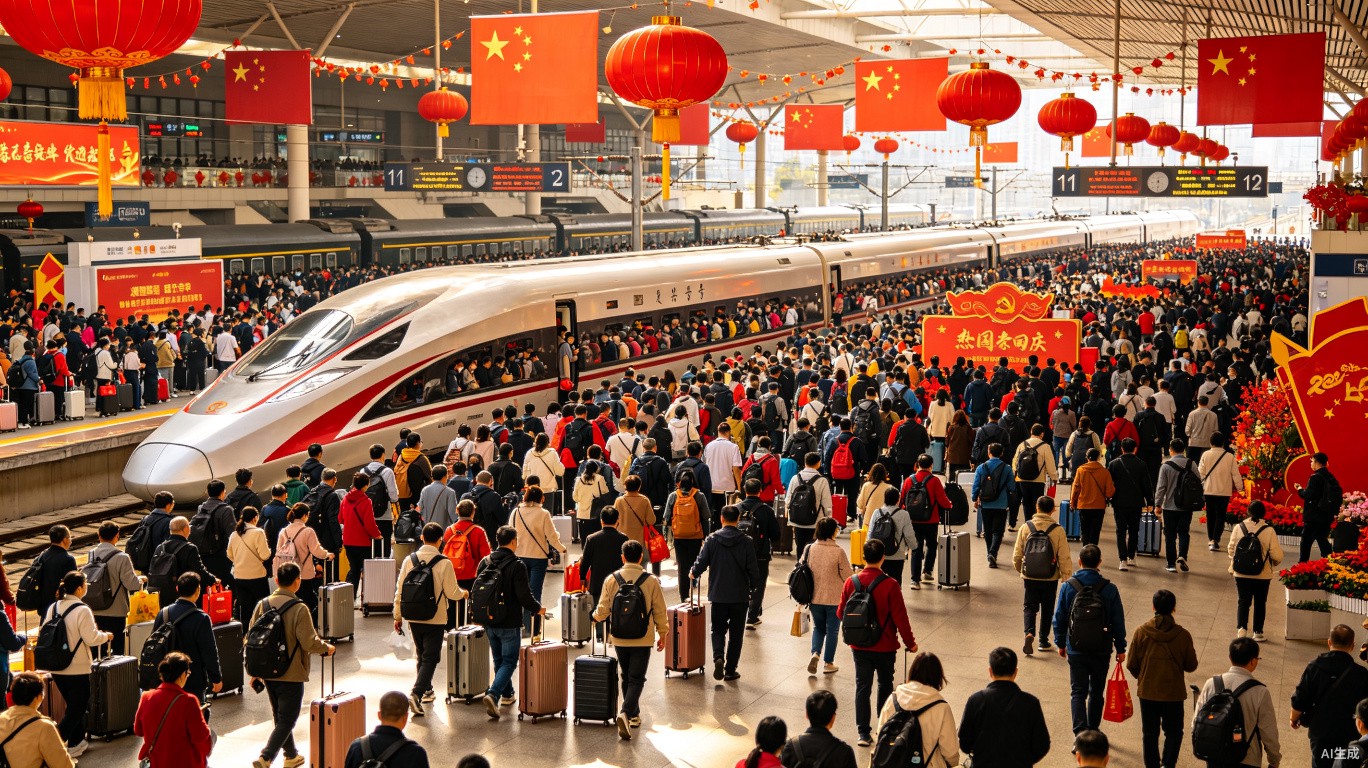
China Golden Week Travel Survival Guide
How to survive China's National Day Golden Week (October 1-7) - what to avoid, where to go, and how to beat the crowds.
9 min read
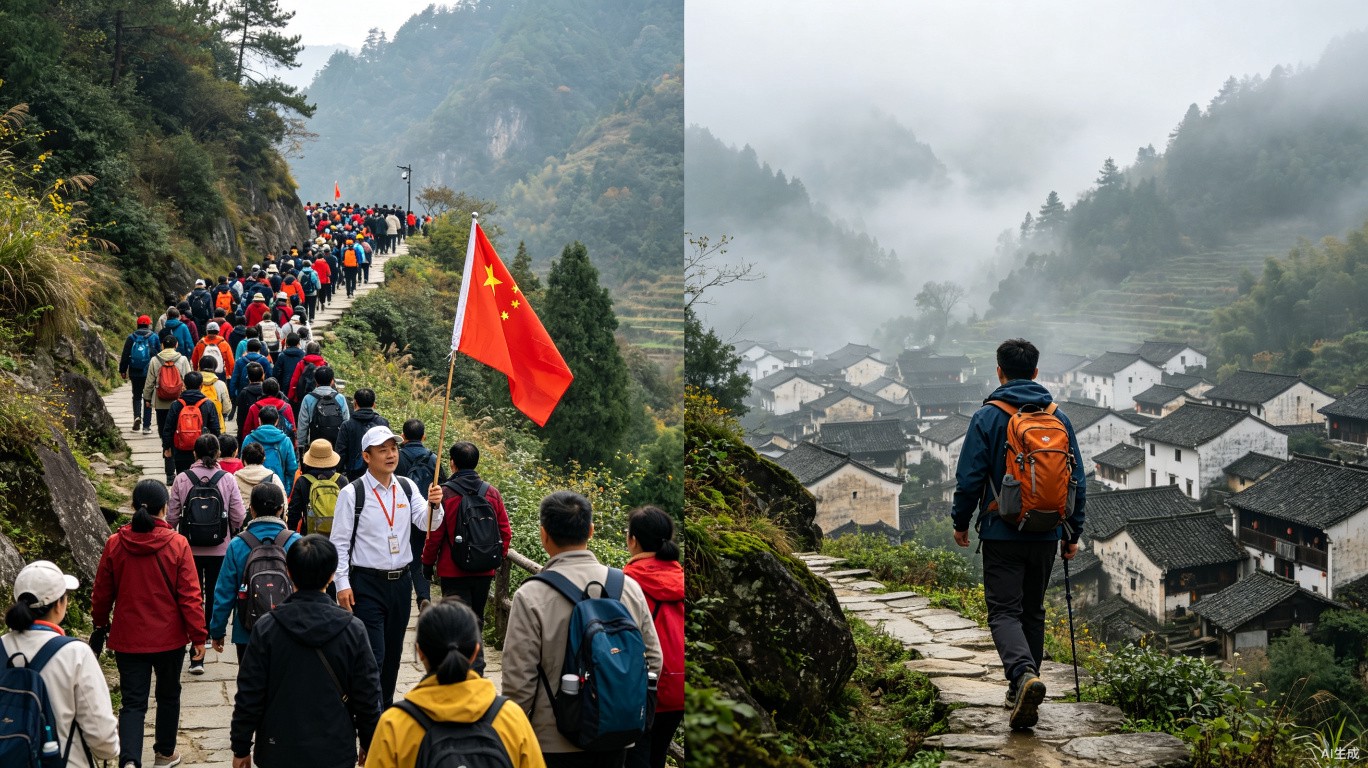
China Group Tours vs Independent Travel Which is Better
Should you join a guided tour or travel independently in China? Honest comparison of cost, flexibility, and experience.
7 min read
China Itinerary Planning: 7-Day 14-Day and 21-Day Routes: The Complete 2026 G...
Not sure how many days to spend in China? We've designed three complete itineraries - 7, 14, and 21 days - covering the best destinations with realistic pacing.
9 min read